2027 Counseling Psychology Job Market Report: Open Roles, Salary Bands, and Hiring Momentum

Co-Founder and Chief Data Scientist
The counseling psychology job market is being reshaped by shifts in employer priorities and evolving credential expectations. Increasing emphasis on integrated behavioral health and culturally responsive practice drives demand for specialized skills, influencing which roles remain open and how salary bands adjust.
Regulatory changes and technological adoption, such as telehealth expansion, further affect hiring momentum by altering service delivery models. Geographic concentration of openings highlights regional workforce disparities, while demographic trends signal impending retirements and the influx of younger professionals.
These labor market indicators reflect deeper transformations shaping how counseling psychology adapts to complex mental health environments and evolving client needs.
Key Things to Know About Counseling Psychology Job Market
- Open roles in counseling psychology remain steady but concentrated in community health settings, limiting candidates' geographic and sector flexibility despite growing mental health awareness.
- Average salary growth is moderate, reflecting employer caution; this tradeoff requires early-career professionals to weigh experience-building against immediate financial returns.
- Hiring momentum is sensitive to economic cycles, with slower recruitment during downturns, impacting how quickly graduates recoup educational investments and adjust career timelines.
- Key Things to Know About Counseling Psychology Job Market Key Things to Know About Counseling Psychology Job Market
- How Strong Is Demand for Counseling Psychology Graduates in Today's Job Market? Demand for Graduates
- Which Counseling Psychology Careers Have the Most Open Job Opportunities? In-Demand Careers
- What Salary Bands Are Employers Offering Across Counseling Psychology Careers? Offered Salary Bands
- Which Industries Are Hiring the Most Counseling Psychology Graduates? Top-Hiring Industries
- How Does Hiring Demand Vary by State, Region, and City? Hiring Demand by Location
- What Skills Are Employers Prioritizing in Counseling Psychology Job Postings? In-Demand Skills
- Which Certifications Increase Employability and Salary Potential? High-Value Certifications
- How Do Remote and Hybrid Opportunities Affect the Counseling Psychology Job Market? Remote and Hybrid Opportunities
- Which Counseling Psychology Careers Show the Strongest Long-Term Hiring Momentum? Strongest Careers
- How Can Students Use Job Market Data to Make Better Career Decisions? Utilizing Job Market Data
How Strong Is Demand for Counseling Psychology Graduates in Today's Job Market?
Employment opportunities for counseling psychology graduates continue to expand moderately, with the U.S. Bureau of Labor Statistics projecting a roughly 6% growth over the next decade, slightly outpacing average occupational increases. Recent data from LinkedIn Workforce Reports highlight that demand is strongest in settings like healthcare, education, and corporate wellness where mental health plays an increasingly prominent role.
Despite this, job availability is uneven across regions, favoring urban and suburban markets and requiring graduates to weigh geographic constraints carefully. Employers typically seek candidates who possess clinical licensure, practical therapeutic skills, and the ability to collaborate across disciplines, reflecting evolving expectations beyond academic credentials alone.
The drivers behind the counseling psychology graduate job demand in the US include expanding telehealth services, which have eased some location-based barriers but also surfaced issues around licensure portability and interstate practice. Increasing societal recognition of mental health's importance fuels employer investment in counseling services, particularly within organizations prioritizing employee wellbeing and education sectors.
However, entry-level salaries tend to be modest compared to educational costs, which prompts prospective students to evaluate the return on investment and consider alternative paths with varied certification and training timelines. Market shifts toward technology-enhanced care and integrated approaches reinforce the need for adaptable skill sets amid these sector-specific dynamics.
Early-career professionals should approach counseling psychology graduate job demand with an understanding that long-term stability hinges on combining solid academic training with supervised clinical experience and licensure attainment. Emerging roles may include specialized teletherapy providers and mental health consultants navigating both traditional and digital care models.
As candidates balance these considerations, exploring accelerated allied health training alternatives like a medical assistant degree online 6 weeks may offer timely workforce entry options, particularly for those prioritizing immediacy over specialization. Overall, comprehending local labor trends and credential evolution remains crucial when assessing counseling psychology's job market prospects.
Which Counseling Psychology Careers Have the Most Open Job Opportunities?
Job opportunity distribution within counseling psychology careers is influenced by industry expansion, persistent skill shortages, and shifting employer expectations. Open positions in this field reflect broader labor market shifts such as increased healthcare funding, educational system reforms, and public health initiatives targeting behavioral and mental health.
These factors combine to create differential demand across various counseling psychology roles, where practical competencies and sector-specific expertise shape hiring patterns more than credential titles alone.
- Mental Health Counselors: Growing public awareness about mental health issues and expanded insurance coverage have accelerated demand for mental health counselors. Employers value proficiency in evidence-based therapeutic techniques and the capability to navigate insurance and clinical documentation systems. This role benefits from interdisciplinary partnerships in healthcare settings, driving one of the top counseling psychology job openings in the United States with an expected growth rate of 22% over the next decade.
- School Counselors: School counselors are increasingly sought after to address rising student mental health needs and to promote social-emotional learning frameworks. Education departments are expanding these positions nationwide, privileging candidates adept in crisis intervention, culturally responsive counseling, and coordination with families and community services. This reflects in-demand counseling psychology roles with high vacancy rates fueled by sustained public and governmental prioritization of student well-being.
- Substance Abuse Counselors: The surge in substance use disorder cases paired with federal rehabilitation funding has lifted the demand for counselors specializing in addiction treatment. Successful applicants usually demonstrate competencies in motivational interviewing, relapse prevention, and knowledge of co-occurring disorders. The Substance Abuse and Mental Health Services Administration's emphasis on treatment accessibility underpins this steady hiring trend in substance abuse counseling.
- Career Counselors: Evolving workforce dynamics and a complex labor market landscape have increased openings for counselors who guide clients through career development challenges. The integration of digital job search tools and an understanding of labor market trends are now critical skills. Employers seek practitioners who can support diverse populations in navigating career transitions, thus situating career counselors prominently among counseling psychology careers with the most open job opportunities.
- Marriage and Family Therapists: There is consistent demand in clinical and private practice settings for therapists skilled in relational and systemic approaches. The growing acceptance of teletherapy offerings has also broadened employer requirements, making technological adaptability essential. This segment reflects nuanced employer standards that emphasize both clinical expertise and flexibility in service delivery.
These role-specific trends demonstrate how economic, technological, and organizational shifts reshape counseling psychology job availability. Understanding such dynamics enables prospective students and early-career professionals to better align their training with sectors exhibiting the greatest employability and growth potential.
For individuals exploring complementary healthcare credentials, investigating options like the best medical coding programs can also be a strategic consideration given the interconnected nature of healthcare administration and mental health services.
What Salary Bands Are Employers Offering Across Counseling Psychology Careers?
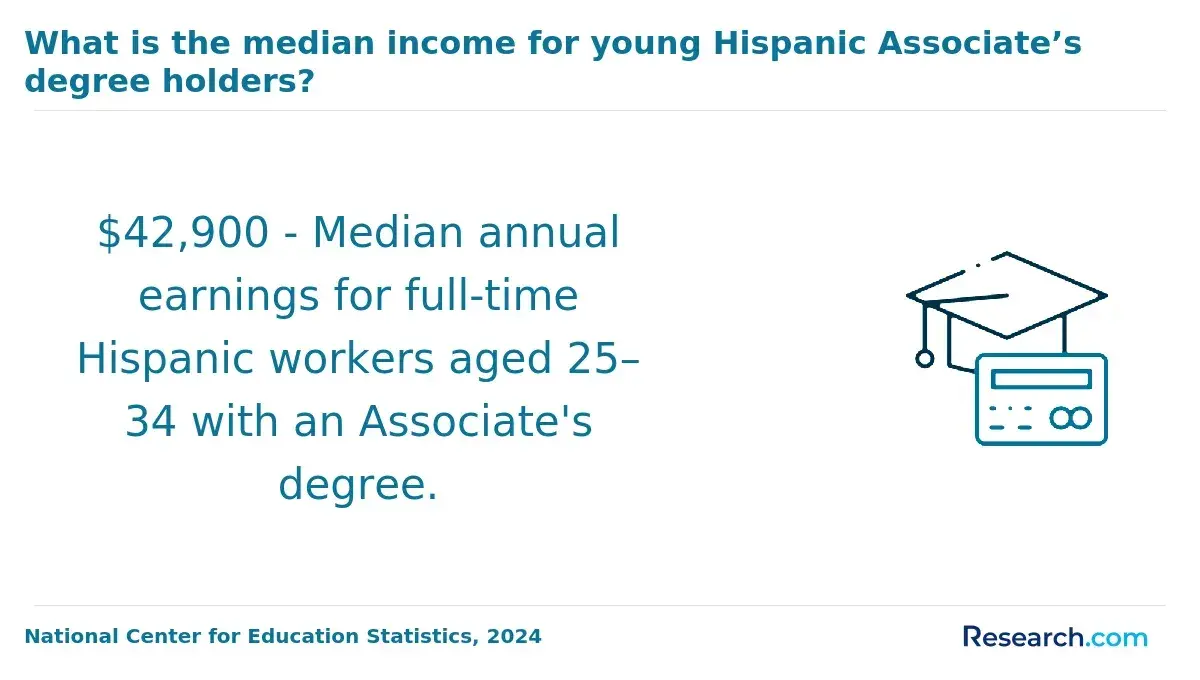
Salary ranges within counseling psychology careers reflect clear progression linked to experience and credentialing. Entry-level positions, often filled by those with a master's degree or early doctoral candidates, typically offer annual salaries between $45,000 and $60,000, according to 2024 labor reports from the U.S. Bureau of Labor Statistics and LinkedIn Salary Insights.
Practitioners midway through their careers with licensures like LPC generally see increases to a $65,000-$85,000 band, reflecting their growing clinical expertise and supervisory responsibilities. Senior professionals holding doctoral degrees and extensive post-licensure experience command upwards of $90,000 to over $120,000, especially when occupying leadership roles or specialized therapy niches.
Several factors drive this wage variation, starting with specialization intensity and the relative scarcity of advanced skills. Employers prize licenses and competencies in high-demand treatment approaches, often compensating specialists such as trauma therapists or neuropsychological assessors above generalist clinicians. Geographic location plays a notable role, with higher salaries common in metropolitan areas where cost of living and private practice prevalence amplify earning potential.
Conversely, public sector and nonprofit roles typically offer lower base pay but may provide other non-monetary advantages. This salary distribution underscores a labor market balancing occupational supply, skill differentiation, institutional settings, and regional economic forces rather than uniform wage increases.
One recent counseling psychology graduate recalls navigating admissions amid uncertainty, awaiting callbacks from programs with rolling admissions that extended over several months. They hesitated to commit early, weighing application preparation time against limited openings causing delayed responses.
Ultimately, this measured approach allowed them to refine their application but also brought stress from the waiting period; the timing influenced not only their admission but shaped their entry point into the salary bands described, emphasizing how strategic decision-making at this stage resonates through both educational and financial outcomes.
Which Industries Are Hiring the Most Counseling Psychology Graduates?
Employment opportunities for counseling psychology graduates are concentrated in sectors experiencing significant shifts due to technological change, workforce expansion, and persistent skill shortages. These dynamics reflect broader economic and organizational transformations rather than isolated hiring surges.
Employers increasingly seek candidates who can navigate complex mental health needs within evolving service models and interdisciplinary teams. The demand also aligns with heightened societal recognition of mental wellness as a critical factor in productivity and quality of life.
- Healthcare: As the largest employer of counseling psychology professionals, healthcare's demand is propelled by expanded mental health coverage and a growing focus on integrated behavioral services. Hospitals, outpatient clinics, and private practices require practitioners skilled in evidence-based therapeutic approaches, diagnostic assessment, and patient advocacy to respond to rising caseloads and diverse clinical populations.
- Education: Schools at all levels have intensified recruitment of counseling psychology graduates to support student well-being, behavioral management, and transition planning. Educational institutions prioritize competencies in developmental psychology, crisis intervention, and multicultural counseling to meet emerging challenges including increased regulatory mandates and the social-emotional needs heightened by recent societal disruptions. The National Center for Education Statistics reports a 7% increase in these roles from 2022 to 2024.
- Corporate and Organizational Settings: Workplaces expanding employee wellness and mental health initiatives seek counseling psychologists who can design and implement programs addressing stress reduction, resilience training, and organizational culture improvement. Demand in this sector reflects broader trends toward preventive care and workforce engagement, with employers valuing skills in program evaluation, group facilitation, and systemic consultation.
- Government and Military: Agencies serving veterans and public employees increasingly incorporate counseling psychology expertise to address trauma, adjustment issues, and service-related mental health conditions. Professionals in this sector must demonstrate adeptness in evidence-based interventions tailored to high-risk populations, confidentiality compliance, and interagency collaboration.
- Nonprofit Organizations: Community mental health agencies and crisis response programs employ counseling psychology graduates to fill gaps in underserved populations. These roles call for flexibility across therapeutic modalities, strengths-based approaches, and outreach competencies to navigate resource constraints while maximizing client impact.
About 55% of new counseling psychology job placements are within healthcare, with education accounting for roughly 20%, indicating that graduates eyeing these sectors should prepare for competitive environments necessitating strong clinical skills paired with cultural competence and adaptability to evolving policy landscapes.
How Does Hiring Demand Vary by State, Region, and City?
Hiring demand for counseling psychology professionals varies substantially across states and broader regions, shaped by differing economic structures and healthcare landscapes. States with large urban populations and established mental health networks, like California, New York, and Texas, exhibit the highest absolute job openings according to 2024 labor market data from the U.S. Bureau of Labor Statistics.
Regional hiring trends reflect that the Northeast and West often command higher median salaries, driven by dense educational institutions and comprehensive hospital systems, whereas the Midwest and South provide steadier demand with less pronounced salary volatility.
These geographic differences in counseling psychology job demand by state are influenced by workforce infrastructure, payer mixes, and the local balance between public and private mental health providers, creating distinct employment ecosystems that affect career trajectories differently depending on location.
At the city level, demand intensifies in major metropolitan hubs where healthcare clusters, corporate wellness programs, and specialty clinics create niche and advanced practice roles. Urban centers with robust talent pipelines and infrastructure draw more employers, often resulting in higher salaries but also greater competition and elevated cost-of-living pressures.
In contrast, smaller cities and suburban regions offer fewer positions and narrower specialization options but may open more accessible pathways for early-career professionals entering counseling psychology. These localized labor market dynamics emphasize the tradeoffs between salary potential, employer density, and cost-of-living, requiring job seekers to weigh geographic mobility carefully to align expectations.
For those exploring varied pathways into the field, options such as hybrid ABSN programs illustrate how innovative educational models respond to regional workforce demands and may complement traditional counseling psychology career planning.
What Skills Are Employers Prioritizing in Counseling Psychology Job Postings?
Employer priorities in counseling psychology job postings are increasingly influenced by shifts in technology, automation, and interdisciplinary demands within healthcare and social services. Skill requirements reflect a labor market adapting to a hybrid model of in-person and virtual care delivery, alongside heightened attention to culturally responsive practice.
These evolving expectations underscore a need for professionals who balance clinical expertise with technological agility and collaborative competence.
- Evidence-Based Therapeutic Competence: Mastery of modalities such as cognitive-behavioral therapy (CBT) and trauma-informed care remains essential, as they represent validated approaches that healthcare systems rely on to ensure treatment efficacy and measurable outcomes. According to 2024 data from the U.S. Bureau of Labor Statistics, nearly 70% of listings emphasize these skills, reflecting their role in maintaining clinical relevance and employability.
- Cultural Competence: The growing focus on equity and inclusion in mental health care elevates cultural sensitivity to a core hiring criterion. Employers seek psychologists able to engage marginalized and diverse populations effectively, a trend mirroring broader societal and policy-driven demands for health disparity reduction. Proficiency here can significantly enhance a candidate's appeal amid increasing emphasis on client-centered care.
- Technological Fluency: Familiarity with telehealth platforms and electronic health record systems is no longer optional. With roughly 37% of counseling psychology opportunities requiring digital delivery skills, this competency supports flexible service provision and aligns with industry moves toward integrated, remote-accessible care models.
- Communication and Interpersonal Skills: The ability to build trust and rapport with clients from varied backgrounds remains a cornerstone of effective counseling psychology. Employers prioritize these skills to ensure treatment adherence and client engagement, particularly in complex or trauma-affected cases, demonstrating the irreplaceable human element in mental health professions despite technological advances.
- Administrative and Collaborative Aptitude: Skills in case management, documentation, and teamwork are emphasized in over 40% of postings, reflecting the sector's integration with multidisciplinary healthcare teams. Candidates who can navigate organizational protocols and contribute to collaborative care are positioned for greater stability and progression within clinical settings.
Which Certifications Increase Employability and Salary Potential?
Certifications in the counseling psychology field function as crucial markers of specialized expertise and practical competence, often serving as decisive credentials beyond formal degrees. Employers view these certifications as reliable indicators of an applicant's ability to meet industry standards, fill critical skill deficits, and maintain ethical compliance, especially in specialized therapeutic domains.
As workforce demands evolve, these credentials increasingly influence hiring decisions and salary negotiations by signaling readiness for roles that require both technical proficiency and adherence to evolving clinical guidelines.
- Licensed Professional Counselor (LPC) or Licensed Mental Health Counselor (LMHC): These widely recognized licenses represent baseline qualifications that open access to many counseling roles. They reflect fulfillment of state-specific licensure requirements, including supervised clinical hours, which employers associate with validated experience and professional readiness, making them essential for competitive positioning in the job market.
- National Certified Counselor (NCC): The NCC credential is valued for its emphasis on consistent national standards in counseling practice. Data from 2024 Labor Statistics indicate holders of this certification typically see a 12-15% salary advantage, reflecting its role as a signal of verified advanced knowledge and ethical commitment.
- Specialized Therapy Certifications (e.g., Cognitive Behavioral Therapy, Trauma-Informed Care): These certifications address critical gaps in evidence-based treatment competencies and align with growing institutional demand for targeted interventions. Employers in healthcare and educational settings often prioritize applicants with these skills, recognizing their direct impact on treatment outcomes and program effectiveness.
- Post-Master's Certificates in Substance Abuse or Child and Adolescent Therapy: The labor market increasingly rewards these niche qualifications for addressing urgent service needs in behavioral health. Such credentials enable professionals to access roles that demand deeper specialization, often resulting in higher placement rates and incremental pay increases.
A counseling psychology graduate recalled the challenge of balancing certification pursuits with job searches during a rolling admissions cycle. Having completed the LPC licensure prerequisites late in the year, they faced uncertainty about applying before full certification was official. Though eager to enter the field, they hesitated, concerned that lacking formal credential verification might weaken their application.
Ultimately, they chose to complete the NCC credential simultaneously, recognizing that combined credentials not only broadened potential employer appeal but also justified a higher salary expectation. This strategic delay proved advantageous, though the waiting period introduced significant stress and required careful timing to avoid missing key hiring windows.
How Do Remote and Hybrid Opportunities Affect the Counseling Psychology Job Market?
Recent labor market analyses, including 2024 industry hiring data, highlight that remote and hybrid job opportunities are reshaping the counseling psychology career landscape by broadening talent sourcing beyond traditional geographic constraints. Organizations increasingly prefer hybrid roles to maintain essential client engagement while leveraging the operational efficiencies of remote work, which requires candidates to demonstrate advanced virtual communication and technological proficiency.
According to the LinkedIn Workforce Report, over 40% of counseling psychology positions now offer some form of remote work, reflecting shifts in employer strategy to attract professionals in a competitive labor market. This trend amplifies hiring competitiveness but also underscores the premium placed on adaptability and digital literacy within counseling psychology fields.
The impact of remote and hybrid models extends beyond job availability, influencing salary structures and employer expectations. Geographic flexibility tends to normalize salary disparities across regions, prompting some employers to recalibrate compensation based on cost-of-living metrics, while others maintain competitive pay to retain top talent.
Employers now value collaboration capabilities and digital communication skills as critical components of professional effectiveness, reshaping long-term hiring criteria and workforce composition in counseling psychology. As these models mature, they are likely to foster more fluid labor market dynamics, increasing regional mobility and intensifying competition.
Candidates navigating these changes may also consider specialized credentials, such as programs focusing on remote clinical competencies, or look into accelerated tracks like a 12-month FNP program online to enhance their adaptability within evolving job expectations.
Which Counseling Psychology Careers Show the Strongest Long-Term Hiring Momentum?
Long-term hiring momentum in counseling psychology careers reflects deeper structural shifts rather than transient fluctuations. These enduring trends result from economic, technological, and regulatory forces reshaping how mental health services are delivered and integrated within broader healthcare and educational systems.
Momentum in hiring signals sustained demand driven by evolving societal needs, workforce shortages, and industry transformations that prioritize specific skill sets and interdisciplinary collaboration.
- Clinical Counseling Psychologists remain in high demand due to the increasing recognition of mental health's impact on holistic well-being. Healthcare policy emphasizing preventive care and integrated behavioral health sustains this demand, as clinical roles evolve to incorporate telehealth technologies and evidence-based practices.
- School Psychologists show strong long-term momentum aligned with expanding school-based mental health services. Rising mental health challenges among students and educational policy shifts drive growth, reinforcing the need for culturally responsive practitioners who navigate school systems and multidisciplinary teams.
- Trauma-Informed Care Specialists are increasingly essential as societal awareness of trauma's impact on mental health deepens. Their expertise supports growing community programs and primary care integration, responding to structural needs for specialized interventions amid diverse and underserved populations.
- Behavioral Health Integration Experts embedded within primary care settings benefit from healthcare system transformations prioritizing coordinated care models. These professionals' ability to collaborate across disciplines and manage complex behavioral conditions underpins their durable employability.
According to the U.S. Bureau of Labor Statistics (2024), employment for clinical, counseling, and school psychologists is projected to grow 10% through 2032, notably faster than average for all occupations, confirming the sustained long-term hiring trends in counseling psychology careers. Location, credentials, and specialization impact salary and job availability, making it essential for candidates to pursue advanced certifications and interdisciplinary skills.
Practical realities also favor those who understand varied workforce needs. Employers increasingly prioritize candidates demonstrating adaptability to team-based, culturally competent care. Prospective professionals should carefully review licensure routes, program outcomes, and regional demand patterns to optimize career planning.
For those evaluating educational options, considering institutions with easy admission LPN programs can offer foundational healthcare knowledge that supports entry-level roles or complements counseling psychology careers in integrated settings.
How Can Students Use Job Market Data to Make Better Career Decisions?
Students pursuing counseling psychology careers can utilize 2024 labor reports, hiring platforms, and salary databases to evaluate where demand is highest, how compensation varies by credential and region, and which subfields are expanding. Analyzing open roles reveals which specializations, such as school settings, private practice, or hospitals, are actively hiring, helping clarify practical skill requirements employers prioritize.
Salary distributions linked to credentials like LPC or LCSW shed light on economic tradeoffs between additional training and earning potential. These data sources also provide insight into growth trajectories within counseling psychology and related behavioral health roles, enabling early identification of emerging opportunities or market saturation.
When applying this data, students must weigh short-term hiring momentum against long-term career viability, geographic mobility, and alignment with personal interests and strengths. Overemphasis on transient trends risks overlooking stability and fulfillment factors critical to sustained success.
Integrating labor market signals with realistic credentialing pathways and anticipated timelines supports strategic decisions tailored to individual goals. This balanced approach helps prioritize skill-building and credential attainment in contexts where employer demand aligns with one's projected career development, avoiding reliance on generalized advice in favor of informed, actionable workforce analysis.
References
- 80+ Psychology-Related Careers to Consider https://www.verywellmind.com/a-list-of-psychology-careers-2794917
- Remote and Hybrid Work are Best for Mental Health According to New Workplace Insights Survey https://www.aseonline.org/News/Articles/remote-and-hybrid-work-are-best-for-mental-health-according-to-new-workplace-insights-survey
- Counseling Psychology Students: Preparing for Your Practicum https://www.scu.edu/careercenter/career-planning-guides/counseling-psychology-students-preparing-for-your-practicum/
- Best Psychology and Counseling Career Paths - Salary and Earning Potential | UniversityHQ https://universityhq.org/how-to-become/psychology-counseling-careers/
- Career Opportunities and Prospects in Counselling Psychology • Psychology Town https://psychology.town/counselling-interventions/career-opportunities-counselling-psychology/
- Fastest Growing Careers In Psychology | Psychology.org https://www.psychology.org/resources/fastest-growing-careers-in-psychology/
- Career Counseling in a Rapidly Evolving Job Market | IWU https://www.indwes.edu/articles/2025/11/career-counseling-rapidly-evolving-job-market
- PsychologyJobs.com - Browse Thousands of Psychology Jobs in the USA https://psychologyjobs.com/
Other Things You Should Know About Counseling Psychology Job Market
Smaller clinics often provide broader hands-on responsibilities and closer patient relationships, but they may offer lower salaries and less structured professional development compared to larger healthcare systems. Conversely, larger organizations tend to have more formalized career advancement paths and higher compensation but come with increased bureaucracy and specialized roles that might limit clinical variety. Candidates should prioritize their preference for diversity of experience versus stability and growth potential when choosing between these settings.
Wide salary disparities reflect differences in employer type, geographic location, and role specialization, often influencing quality of life and debt repayment timelines. Early professionals should recognize that aiming solely for higher pay could mean accepting roles with higher workloads or less clinical autonomy. Balancing salary expectations with work environment, supervision quality, and professional growth opportunities is essential for sustainable career progression.
Fluctuations in hiring momentum require job seekers to align application timing with industry cycles, typically peaking in academic and healthcare fiscal year starts. Rushing into a role during low demand may lead to underemployment or settling for less desirable positions, while waiting for peak hiring seasons could increase competition but also improve fit quality. Prioritizing targeted networking and maintaining flexibility in role expectations is advisable to navigate these cycles effectively.
Employers increasingly expect substantial supervised clinical hours, making internships critical for gaining necessary experience, but unpaid or low-paid internships can pose financial challenges. Paid entry-level jobs might offer less comprehensive supervision but provide income and workplace integration. Candidates should weigh immediate financial needs against long-term employability, often prioritizing internships in established programs when possible to enhance credentials despite short-term sacrifices.