2027 Counseling Psychology Career Outcomes by Degree Level Report: Pay, Employment, and Advancement Patterns

Co-Founder and Chief Data Scientist
Choosing a counseling psychology degree level directly affects how quickly one secures employment and advances in the field. For instance, a 2024 national workforce survey revealed that doctoral holders in counseling psychology are 35% more likely to obtain leadership roles within five years compared to master's degree holders. This gap highlights significant differences not only in pay but also in professional mobility and employer expectations, which can determine long-term career sustainability.
Many working professionals and transfer students face difficult tradeoffs balancing time, cost, and credential value. This article unpacks pay, employment, and advancement outcomes by degree level to help evaluate these critical decisions.
Key Things to Know About Counseling Psychology Career Outcomes by Degree Level
- Master's degree holders in counseling psychology gain broader licensure access but face longer training timelines, which may delay earnings and reduce immediate workforce entry compared to bachelor's graduates.
- Employers increasingly prioritize doctoral credentials for advanced clinical roles, reflecting a shift toward higher specialization that narrows job-market access for those without terminal degrees.
- Certificates and associate credentials offer cost-effective entry-level opportunities but limit advancement potential, highlighting a tradeoff between quicker employment and long-term credential value in this field.
- Key Things to Know About Counseling Psychology Career Outcomes by Degree Level Key Things to Know About Counseling Psychology Career Outcomes by Degree Level
- What Career Outcomes Can Students Expect From Each Counseling Psychology Degree Level? Career Outcomes by Degree
- How Much Do Counseling Psychology Graduates Earn by Degree Level? Salary by Degree Level
- Which Counseling Psychology Degree Level Offers the Strongest Employment Prospects? Best Degrees for Employment
- What Entry-Level Jobs Can You Get With a Counseling Psychology Degree? Entry-Level Career Opportunities
- How Do Counseling Psychology Degree Levels Affect Career Advancement and Promotion Opportunities? Career Growth by Degree
- Is a Counseling Psychology Degree Worth It Based on Salary, Employment, and ROI? Salary, ROI, and Value
- How Do Associate, Bachelor's, Master's, and Doctoral Counseling Psychology Degrees Compare? Comparing Degree Levels
- Which Industries and Employers Hire Counseling Psychology Graduates by Degree Level? Which Industries and Employers Hire Counseling Psychology Graduates by Degree Level?
- What Skills, Credentials, and Experience Improve Counseling Psychology Career Outcomes? What Skills, Credentials, and Experience Improve Counseling Psychology Career Outcomes?
- Which Counseling Psychology Degree Level Is Best for Your Career Goals? Choosing the Right Degree
What Career Outcomes Can Students Expect From Each Counseling Psychology Degree Level?
Entry-level credentials like certificates and associate degrees in counseling psychology typically lead into paraprofessional roles that offer limited licensure eligibility and minimal upward mobility, confining many holders to behavioral health technician or similar support positions. For working adults or transfer students, this means balancing quicker program completion with constrained employment access and a need for further education to achieve stability or leadership roles. Bachelor's degrees expand job qualifications to encompass case management and rehabilitation support, but employer expectations frequently mandate a master's level for independent clinical practice, making progression contingent on additional study and supervised experience. This tier often serves as a crucial transfer point, where prior credits and field experience shape the pathway toward graduate specialization and licensure readiness.
Master's degrees in counseling psychology represent the core credential for licensure and clinical roles offering greater employment rates by level and substantially broader advancement opportunities. However, these programs require significant time investment to fulfill supervised clinical hours and often compete with regional licensing variability that influences immediate practice eligibility and earning power. Graduates can expect roles ranging from school counseling to private practice under supervision, with sustained demand reflected in updated Occupational Outlook Handbook data highlighting growth in mental health services. Doctoral training, which some pursue through PharmD online programs or similar advanced routes, contrasts sharply by emphasizing research, academic leadership, and high-level consultation, trading shorter-term earnings for longer-term career mobility and professional board certification advantages common in institutional and policy sectors.
How Much Do Counseling Psychology Graduates Earn by Degree Level?
Income disparities among counseling psychology graduates closely align with credential levels but are deeply influenced by factors such as licensure eligibility, location, and role specialization. For example, doctoral graduates with a PhD or PsyD often access higher-paying roles averaging $85,000 to $100,000 annually, partly because advanced degrees are typically required for licensed psychologist positions or leadership roles like clinical directors. Meanwhile, those holding master's degrees generally see earnings between $50,000 and $65,000 but face a narrower scope of practice and more variable promotion paths depending on state licensure policies and employer demands. Bachelor's degree holders usually enter the workforce at lower salary levels, near $35,000 to $45,000, often in support roles without direct licensure or clear advancement routes, making further education a critical consideration for sustained career growth and wage improvement.
These distinctions have practical implications for working adults and transfer students weighing the time and financial investment of advancing credentials versus immediate employment needs. For instance, completing a master's degree may offer a faster pathway to licensure and job stability compared to pursuing a doctoral degree, which entails significantly longer and costlier training. Employment stability and wage progression are also tied to regional demand, specialization, and prior experience, meaning that a graduate's return on additional education can vary widely. Data from the U.S. Bureau of Labor Statistics in 2024 underscores this complexity, showing median wage gaps but also highlighting that the real benefit of higher degrees often comes through expanded responsibilities and leadership opportunities rather than entry-level pay alone.
A graduate who initially considered entering the field with a bachelor's degree recalled hesitating upon reviewing local job postings, which repeatedly emphasized master's or doctoral credentials for licensure and supervisory roles. After consulting with employers during internships, the graduate realized the limited salary growth and advancement tied to bachelor-level positions without further study. This insight prompted reevaluation of whether the additional years and tuition costs for a master's justified delaying income, balanced against longer-term career stability and access to licensed roles. Their cautious optimism grew from understanding that clear credential requirements and actual workplace expectations, rather than median wage figures alone, would shape realistic career planning in counseling psychology.
Which Counseling Psychology Degree Level Offers the Strongest Employment Prospects?
Employment outcomes in counseling psychology hinge heavily on degree level due to licensing requirements and employer expectations. Those with only certificates or associate degrees often face restricted roles in support positions with limited stability and no eligibility for licensure, which impacts long-term career growth. For example, someone entering the workforce with an associate degree might gain quick access to paraprofessional roles but encounter higher unemployment risks and wage stagnation compared to graduates holding advanced degrees. In contrast, master's degrees align closely with the criteria most states set for licensure, fulfilling a critical threshold for practitioner roles; data from the U.S. Bureau of Labor Statistics in 2024 indicates that over 85% of counseling psychology job postings require at least a master's degree, reflecting its centrality in gaining meaningful employment.
While master's credentials offer broader labor market access and include supervised clinical experiences essential for licensure, doctoral degrees provide distinct advantages beyond entry-level practice. Doctoral graduates typically command 20-30% higher median earnings and have greater access to specialized clinical, research, and academic positions, as well as leadership or supervisory roles that are less attainable with only a master's. The tradeoff for students lies in balancing earlier workforce entry at the master's level against the longer educational investment required for a doctorate, which unlocks higher earning potential and advanced occupational opportunities. Those considering whether to continue their education should weigh regional job market demand and specific career objectives, especially since doctoral qualifications remain vital for roles emphasizing research or specialized clinical expertise within counseling psychology.
What Entry-Level Jobs Can You Get With a Counseling Psychology Degree?
The availability of entry-level positions in counseling psychology closely aligns with degree attainment and relevant clinical experience, creating distinct pathways based on education level. Bachelor's degree holders often find their options limited to supportive roles in social or human services where transferable skills like communication and crisis management are essential, yet employers frequently favor candidates with graduate credentials or applied internships. With only about 20% of bachelor's graduates securing jobs directly related to their degree within the first year, these positions may serve more as stepping stones than long-term career entry points, influencing decisions on pursuing further qualifications or certifications.
Graduates with master's degrees generally qualify for clinical roles requiring licensure and supervised practice hours, such as licensed professional counselor or school counselor positions, which offer more direct pathways to stable professional employment and incremental salary advancement. Doctoral degree holders face a narrower initial job market often involving academic, research, or supervisory roles that demand extended training and may require interim postdoctoral appointments. Navigating these options requires weighing immediate employability against longer-term career trajectory, where programs like a fast track program can impact time to licensure and entry into higher-responsibility roles within counseling psychology entry-level career options.
How Do Counseling Psychology Degree Levels Affect Career Advancement and Promotion Opportunities?
Career trajectories in counseling psychology distinctly favor those with doctoral degrees when it comes to leadership and advancement, as confirmed by 2024 analyses from the National Center for Education Statistics. Doctoral credentials often unlock opportunities in supervisory or specialized clinical roles sooner than master's degrees, partly because licensure and certification standards for advanced practice commonly require a doctorate. In contrast, professionals with master's degrees may experience longer mid-career plateaus unless they supplement with targeted certifications or supervisory training, which can help offset limitations but rarely replicate the credential-driven access doctoral holders enjoy. This dynamic shapes hiring and promotion practices: employers frequently prioritize doctoral qualifications for roles involving research, administration, or clinical specialization, even when experienced master's-level practitioners are available.
Timing and flexibility also factor into educational decisions, especially for adult learners or those returning to complete higher degrees. Transfer credits and prior work experience can accelerate progression for those seeking doctoral degrees, enhancing readiness for leadership while minimizing time out of the workforce. However, the decision to pursue advanced degrees must weigh costs against gains since higher credentials correlate with increased stability and credibility but do not guarantee rapid promotion across all settings. Practical leadership skills and ongoing professional development remain crucial complements to formal education, influencing internal mobility and employer perception beyond degree level alone.
An early-career counseling psychology graduate described navigating these considerations when deciding whether to pursue a doctoral degree after working several years with a master's. They noted initial hesitation about the time commitment but found that supervisors consistently favored doctoral candidates for team lead roles. Gaining clarity on licensure requirements and witnessing peers' advancement propelled their choice to enroll in a doctoral program, hoping to broaden eligibility for specialized positions and administrative duties. They reflected, "It wasn't just about the degree itself but proving I could meet expectations that require more than clinical hours, like research and program oversight." This experience highlighted that while advanced degrees open doors, they must align with specific career goals and workplace realities.
Is a Counseling Psychology Degree Worth It Based on Salary, Employment, and ROI?
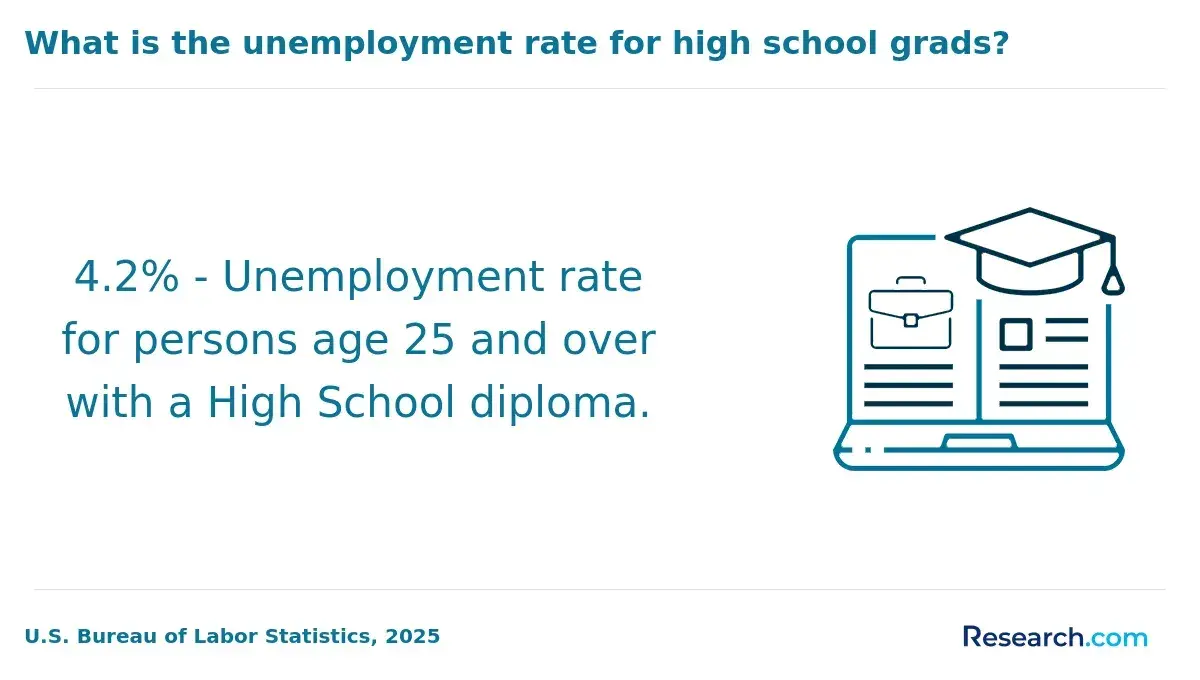
Determining whether a counseling psychology degree justifies the time and financial investment requires a close look at salary prospects and employment realities across degree levels. For instance, master's degree holders often secure roles as licensed professional counselors or aides, but their salary growth and independent practice options remain more limited compared to doctoral graduates, who typically access higher-paying clinical, research, or academic positions. This disparity highlights the practical implications for working adults weighing extended doctoral programs and their opportunity costs, including lost income and program expenses, against potential long-term career mobility and job stability.
Employment projections indicate steady growth in counseling-related mental health roles, though regional demand variation influences the feasibility of entering saturated markets. Such factors are critical when assessing return on investment for counseling psychology graduates, especially for those balancing part-time enrollment or existing work commitments. Debt burden from graduate loans and program costs often tip the scale for many, making licensure and credential attainment a key gateway to maximizing salary potential and career progression.
Additionally, understanding salary nuances-such as differences in compensation across states and specialties-can refine realistic expectations beyond median figures. Professionals interested in mental health roles may find it useful to benchmark earnings with resources like the mental health NP salary data. Ultimately, the degree's value depends on aligning individual circumstances, local labor market factors, and career objectives with the tangible benefits reflected in employment security and incremental pay increases.
How Do Associate, Bachelor's, Master's, and Doctoral Counseling Psychology Degrees Compare?
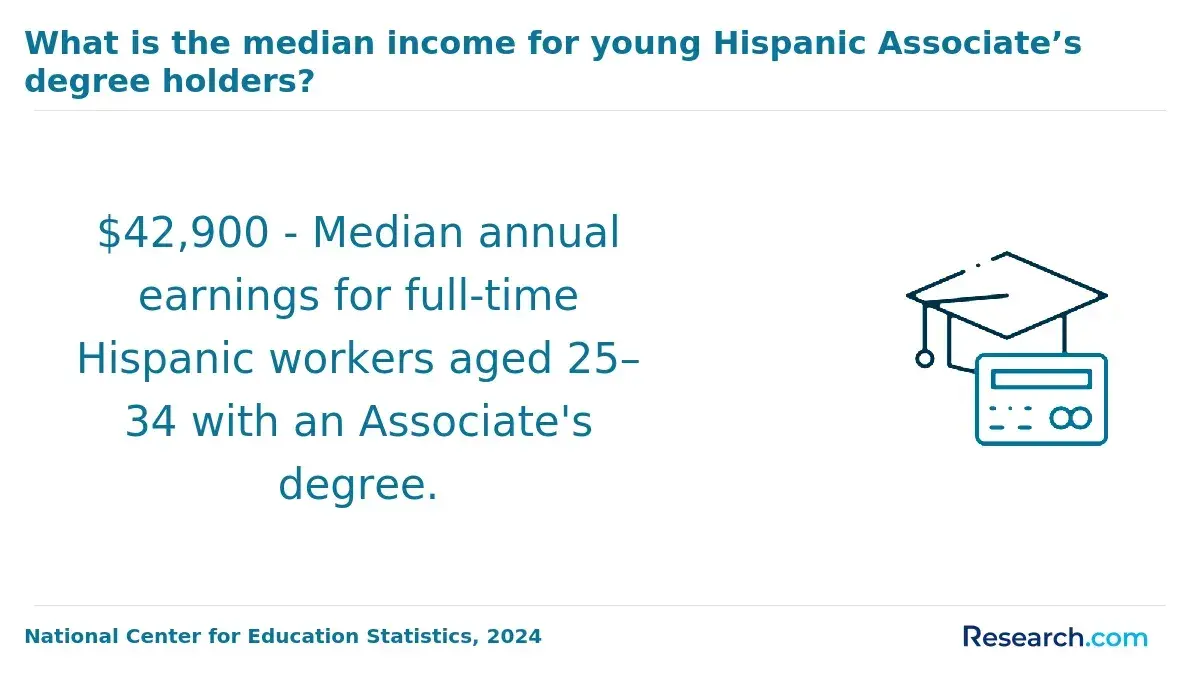
Choosing to stop at an associate degree in counseling psychology typically confines graduates to support roles with limited licensure eligibility and modest career mobility, as reflected in employment rates near 38% within a year of completion, according to the National Center for Education Statistics. Moving on to a bachelor's degree expands opportunities into case management and social service positions, yet it falls short of qualifying for independent clinical work or licensure, making it a transitional step rather than a terminal credential. Many working adults must weigh the moderate completion rates and the need for further graduate study to access higher-tier roles, while considering how credit transfer can smooth this academic progression without incurring excessive delays.
Master's degrees represent a pivotal investment, serving as the baseline for clinical licensure across most states and enabling access to diverse counseling specialties with notably higher employment stability-exceeding 80% employment within two years, as data from College Scorecard indicates. However, this level demands longer study timelines and greater financial commitment, which must be balanced against improved job security and leadership potential.
Doctoral programs, while less common and academically rigorous with completion rates around 50%, cater to those targeting leadership, research, or academic roles where incremental licensure benefits plateau but influence and specialization deepen. For many, the decision to pursue a doctorate hinges on whether their career goals include these advanced roles or whether the additional investment yields sufficiently distinct returns beyond a master's degree.
Which Industries and Employers Hire Counseling Psychology Graduates by Degree Level?
Employment opportunities within counseling psychology diverge sharply by degree level, reflecting how employer expectations and licensure requirements limit or broaden job functions. For example, associate degree holders typically qualify for support roles in social service agencies or psychiatric technician positions that prioritize practical experience over advanced credentials, often within public and nonprofit sectors. However, these roles generally involve limited clinical responsibilities and lower pay scales, underscoring a key tradeoff for those unwilling or unable to pursue further education. Data from the Bureau of Labor Statistics indicate that these positions cluster within mental health support occupations where credentialing beyond experience is minimal.
Bachelor's degree graduates enter a wider array of employers, including educational institutions and outpatient mental health facilities, but without licensure, clinical roles remain out of reach. This degree aligns best with administrative and behavioral health technician jobs, where foundational psychology knowledge supplements organizational tasks. Advancing to a master's degree markedly changes this landscape, as many healthcare systems and private practice groups require graduate qualifications plus supervised clinical hours for therapy and treatment planning roles. Licensed professionals earn notably higher wages and access leadership or specialization tracks unavailable to those with lower credentials.
Doctoral graduates predominantly secure roles in academic research, clinical supervision, or policy consulting, with universities and government agencies valuing their advanced methodology expertise. The National Center for Education Statistics reports a significant increase in tenure-track and high-level program development opportunities for doctoral credential holders, reflecting a tighter employer focus on research and management capabilities. Meanwhile, certificate programs tend to supplement rather than replace these degree-level distinctions, often enhancing skills in niche sectors but rarely substituting for a master's degree in licensure-driven settings. This stratification illustrates how degree level critically shapes both employment sector and professional trajectory within counseling psychology.
What Skills, Credentials, and Experience Improve Counseling Psychology Career Outcomes?
Licensure remains the decisive factor shaping employment access and advancement within counseling psychology degree credentials and professional licensure requirements. Candidates with master's or doctoral degrees who secure state licensure unlock significantly broader job markets and are routinely prioritized for clinical roles, while bachelor's graduates often rely on supervised practicums and internships to demonstrate practical readiness. Specialized certifications, such as trauma-informed care or substance abuse counseling, further differentiate candidates but yield diminishing returns without the foundational licensure, illustrating the tradeoff between stacked credentials and the baseline license. For working professionals and transfer students, combining prior experience with targeted certification can help bridge gaps, yet employer expectations consistently emphasize verified clinical competence over supplemental credentials alone.
Technical skills, including fluency with electronic health record systems and telepsychology platforms, now directly impact promotion potential and role versatility, especially in administrative and research settings. Leadership experience-through peer mentoring or managing projects-amplifies career mobility opportunities beyond purely clinical tracks. Military-affiliated individuals benefit from transferable healthcare experience, yet success depends on translating this into recognized portfolio evidence, such as case studies and reflective documentation, which employers increasingly request during advanced hiring stages. Adult learners should evaluate specialization aligned with their degree level and goals, as doctoral programs prioritize research and leadership roles that bachelor's and master's paths do not typically offer. Those interested in upskilling through flexible programs should consider resources like the cheapest online PMHNP certificate programs, which may complement clinical credentials in evolving practice environments.
Understanding how advanced counseling psychology skills for career advancement map onto degree-level commitments clarifies why bachelor's pathways focus on foundational exposure while master's and doctoral degrees concentrate on licensure eligibility and specialization. Practical realities dictate that immediate job readiness often hinges on applied learning and communication abilities rather than solely on academic credentials. Long-term career mobility hinges on deliberate choices about licensure and portfolio-building, especially for mid-career entrants balancing prior credits with new credentials. Candidates who strategically integrate these elements position themselves to meet the nuanced demands of employers prioritizing both clinical proficiency and adaptive expertise in complex healthcare systems.
Which Counseling Psychology Degree Level Is Best for Your Career Goals?
Choosing the best counseling psychology degree level hinges on specific workforce outcomes and employer expectations rather than simple degree hierarchy. Master's degrees often provide the most efficient path into clinical roles, balancing time to completion and cost, with approximately 65% of graduates finding employment within six months according to the National Center for Education Statistics. However, many employers now prefer doctoral-level credentials for specialized, supervisory, or academic positions, where an 80% employment rate reflects stronger demand in those roles. This divide underscores the importance of aligning one's degree choice with job requirements, especially since licensure as a psychologist usually necessitates doctoral education and supervised practice.
Adult learners and working professionals must consider how degree-level impacts long-term mobility and specialization, including access to grants, internships, and faculty mentorship found predominantly in doctoral programs. While master's pathways often accept prior learning credits and offer flexible or part-time formats ideal for balancing work and family commitments, the opportunity cost and extended timeline of doctoral programs may not suit all candidates. Degree completers aiming for leadership or research positions should weigh these tradeoffs carefully, since many specialized roles demand advanced education. For those exploring healthcare or mental health fields broadly, options like medical degrees online may complement counseling psychology credentials in expanding career possibilities.
Understanding counseling psychology degree pay and employment outcomes requires a realistic appraisal beyond initial earnings, considering licensure barriers, program accessibility, and evolving healthcare demands. Transfer students and military-affiliated learners, in particular, benefit from planning credit transfer strategies and pacing education to fit personal circumstances while maintaining alignment with employer standards. Ultimately, matching education level to occupational goals maximizes practical returns in an increasingly credential-driven labor market where higher specialization typically correlates with expanded career options and sustained advancement potential.
References
- 10 Entry-Level Psychology Jobs | Psychology.org https://www.psychology.org/careers/entry-level-psychology-jobs/
- Counselling Psychology as a High-Income Career: What You Need to Know https://sriramachandradigilearn.edu.in/blogs/counselling-psychology-as-a-high-income-career-what-you-need-to-know/
- Online Guide to Careers in Psychology https://www.counselingpsychology.org/psychology/careers/
- 8 Entry Level Jobs for Psychology Students to Look for on Handshake https://joinhandshake.com/blog/students/8-entry-level-jobs-for-psychology-students-to-look-for-on-handshake/
- Entry Level Psychology Jobs - PsychologyJobs.com https://psychologyjobs.com/entry-level-psychology-jobs/
- Return on Investment For an Online Psychology Degree https://www.onlinepsychologydegrees.com/articles/return-on-investment-for-an-online-psychology-degree/
- Navigating Entry-Level Psychology Jobs - West Central Behavioral Health https://www.wcbh.org/navigating-entry-level-psychology-jobs/
- Top 5 Highest-Paying Psychology Careers - Rivier Academics https://www.rivier.edu/academics/online/resources/program-resources/top-5-highest-paying-psychology-careers-rivier-university/
- Master’s vs Doctorate https://mimhhp.com/masters-vs-doctorate/
- Careers in Psychology | Psychology Degree Guide https://psychologydegreeguide.org/resources/careers-in-psychology/
Other Things You Should Know About Counseling Psychology
While degree level sets fundamental qualifications, the reputation and accreditation of the counseling psychology program can strongly influence job prospects, especially for doctoral candidates. Employers in clinical and academic settings often prioritize graduates from well-known programs with rigorous clinical training over simply the highest degree attained. This means that investing time in selecting programs with credible training, solid practicum opportunities, and strong supervisor networks can yield better employment outcomes than focusing solely on degree level. Prospective students aiming for competitive roles should weigh program quality equally with degree credentials.
Doctoral counseling psychology programs typically require 5-7 years including internships, which delays full-time employment and income compared to master's or bachelor's degree holders. This extended timeline can deter those needing immediate work or income but is often necessary for licensure and access to higher-level clinical roles. Students must consider not only the financial costs of additional years without a full salary but also career goals; if independent practice or academic positions are priorities, the delay can be justified. Otherwise, shorter programs may provide more immediate return on investment.
Higher degree levels in counseling psychology involve substantially greater clinical hours, practicum commitments, and academic research responsibilities. Master's programs often emphasize applied skills and supervised practice, while doctoral programs add research, assessment, and teaching requirements. This increased workload can impact work-life balance, especially for working adults. Prospective students should prepare for more demanding schedules at the doctoral level, including potential part-time study or reduced employment during training, which may affect financial stability and time management.
Yes, employer expectations around licensure strongly align with degree level; many roles require at least a master's degree plus state licensing, but independent practice and some academic or research positions demand a doctoral degree and corresponding licensure such as a Licensed Psychologist credential. Employers view licensure as a credential that validates clinical competence and ethical standards, often making it a prerequisite rather than an option. Students should prioritize programs aligned with licensure pathways relevant to their targeted roles and geographic location to avoid barriers to employment or advancement.