2027 Counseling Psychology Degree Program Availability Report: Which States and Schools Offer the Most Options

Co-Founder and Chief Data Scientist
The concentration of counseling psychology degree programs reflects evolving regional demands and institutional commitments to mental health training. States with expanded program offerings often align with local workforce shortages and heightened investment in behavioral health services. For example, data from the U. S. Bureau of Labor Statistics in 2024 indicates accelerated growth in mental health counseling roles in certain metropolitan areas, prompting academic expansion.
This pattern suggests that program availability not only mirrors labor market dynamics but also reveals how higher education strategically addresses emerging practitioner needs. Examining these distribution trends offers insight into educational access, institution-level priorities, and the alignment between training capacity and counseling psychology workforce development.
Key Benefits of States and Schools That Offer the Most Counseling Psychology Degree Program Options
- States and schools with diverse counseling psychology options often require navigating complex curriculum differences, which can extend time-to-degree but allows tailored specialization aligning with diverse clinical interests.
- Employers increasingly prioritize graduates familiar with innovative evidence-based practices; varied programs can expose students to cutting-edge methodologies, enhancing workforce readiness in an evolving mental health landscape.
- Availability of multiple programs correlates with broader access, but increased choice may raise tuition variability and necessitate careful financial planning to avoid disproportionate debt burdens among counseling psychology students.
- Key Benefits of States and Schools That Offer the Most Counseling Psychology Degree Program Options Key Benefits
- Which States Offer the Most Counseling Psychology Degree Programs? Top States
- Why Do Some States Have More Counseling Psychology Programs Than Others? Program Availability
- Which Colleges Offer the Largest Number of Counseling Psychology Degree Options? Top Schools
- How Do Online Programs Improve Access in States With Limited Options? Online Program Access
- How Much Does Counseling Psychology Program Tuition Vary by State? Tuition by State
- How Does Counseling Psychology Program Demand Affect Admissions Decisions? Program Demand
- How Do Counseling Psychology Specialization Options Vary by Region? Specialization Options
- How Does Regional Employer Demand Affect Career Outcomes? Employer Demand
- What Factors Matter Most When Comparing Counseling Psychology Programs Across States? Key Comparison Factors
- Which Regions May See the Fastest Growth in Counseling Psychology Education? Fastest Growing Region
Which States Offer the Most Counseling Psychology Degree Programs?
States with the highest number of counseling psychology degree programs typically align with regions that combine dense populations, comprehensive higher education infrastructures, and robust labor market demands in mental health services. The distribution reflects broader ecosystem dynamics, including the scale of research universities, healthcare networks, and community organizations collaborating to support training and practical experience.
These clusters enhance student access to diverse specializations and fieldwork opportunities that are critical for readiness in competitive employment conditions.
- California: As a populous state with a vast public and private university network, California leads in counseling psychology program availability. Its numerous doctoral and master's offerings span urban and suburban settings, bolstered by strong partnerships with healthcare systems and research institutions. This density supports varied clinical and academic career pathways, providing students with extensive specialization possibilities and practical placement options across multicultural populations.
- New York: New York's large metropolitan areas and long-established universities drive significant concentration of counseling psychology programs. The state's mental health workforce needs, paired with extensive academic resources, create competitive training environments. Accessibility to urban community agencies enables students to engage deeply with complex casework and evidence-based practices essential for local and regional employers.
- Texas: Texas reflects a growing emphasis on culturally responsive counseling psychology education, aligned with its rapidly expanding and diverse population. The state's institutions prioritize applied, workforce-aligned curricula and maintain collaborations with healthcare providers across urban and rural regions. This strategic focus equips students with relevant skills for multiethnic environments, meeting increasing demand across the state's healthcare and social services sectors.
Midwestern states also contribute notably to program availability by integrating applied components and organizational partnerships into their counseling psychology curricula, responding to employer expectations for evidence-based skill sets. However, some regions with lower populations offer fewer programs, which can restrict in-person options but may encourage consideration of online or hybrid degrees, such as the online MSN FNP programs that similarly address workforce shortages through flexible delivery.
Understanding the top U.S. states for counseling psychology degree availability means recognizing the interplay of institutional density, regional mental health priorities, and labor market alignment, all of which shape program presence and quality across the country.
Why Do Some States Have More Counseling Psychology Programs Than Others?
The distribution of counseling psychology degree programs across states is closely tied to the varying scale and sophistication of higher education infrastructures, coupled with regional differences in labor market demand for graduates. States with dense populations and well-established university systems tend to offer a wider and more diverse array of counseling psychology programs, reflecting their ability to support specialized academic offerings.
States with large urban centers often benefit from the presence of multiple institutions with robust psychology departments and clinical training sites necessary for hands-on learning. This patchwork of institutional capacity and local workforce needs strongly influences where counseling psychology program availability thrives or lags. Key drivers shaping these geographic disparities include state funding priorities that directly affect public university resources, the research and clinical capacities of institutions, and the clustering of mental health service employers.
States that invest strategically in mental health education frequently see universities develop advanced programs aligned with licensure requirements and emerging practice trends. Additionally, regions hosting concentrated healthcare systems or mental health service industries create ecosystems that incentivize program expansion to supply skilled graduates. According to a 2024 Bureau of Labor Statistics report, states with higher employment rates for psychologists tend to correspondingly maintain a larger share of counseling psychology programs.
This tight labor market alignment illustrates how program proliferation is not random but driven by systemic education and workforce development imperatives. These variations carry meaningful consequences for prospective students and workforce planners alike. Students in states with fewer counseling psychology programs may face limited access to in-person training opportunities, prompting a growing reliance on online education platforms, such as those offering an affordable online master's in healthcare administration and related fields to bridge regional gaps.
At the same time, imbalances in program distribution can compound workforce shortages in underserved areas, challenging regional mental health service delivery despite rising demand. Understanding the complex interplay between funding models, institutional capacities, and labor market needs is essential for navigating where counseling psychology education is realistically accessible and how regional economic forces shape the long-term viability and focus of these programs.
Which Colleges Offer the Largest Number of Counseling Psychology Degree Options?
Colleges offering the most counseling psychology degree options tend to share institutional characteristics that extend beyond their geographic location. Typically, larger universities with robust academic infrastructures and significant research activity can support a wider range of specialized tracks, degree levels, and delivery formats.
These institutions leverage interdisciplinary faculties, extensive clinical partnerships, and dedicated funding to diversify program pathways, accommodating varying student and workforce needs.
- Large Public Research Universities: Flagship state institutions often top the list due to their scale, diverse academic departments, and research capacity. Schools within systems such as the University of California or the State University of New York provide a broad spectrum of counseling psychology degrees, including PhD, PsyD, and master's options. Their ability to maintain accredited training clinics and research facilities facilitates offerings across clinical mental health, school counseling, and family therapy specializations.
- Comprehensive Urban Universities: Universities located in populous metropolitan areas frequently serve large and diverse student bodies with varied professional goals. These schools expand counseling psychology programs through partnerships with local health systems and school districts, supporting practice-oriented and research-informed training alike. For example, institutions in cities like New York and Houston benefit from state funding aligned with demand trends in mental health services.
- Private Universities with Health Sciences Focus: Although fewer in number, some private institutions excel in delivering focused counseling psychology degrees that emphasize licensure-readiness and applied clinical skills. Their smaller scale often allows for more tailored program structures but limits the number of specialized tracks. These universities prioritize intensive supervision and streamlined pathways for direct workforce entry.
- Research-Intensive Flagship Universities: Ivy League and other elite research institutions offer counseling psychology degrees embedded within expansive psychology or health sciences faculties. Their research funding enables cutting-edge curriculum development and specialization in areas such as multicultural counseling and neuropsychology, attracting students targeting academic or clinical research careers.
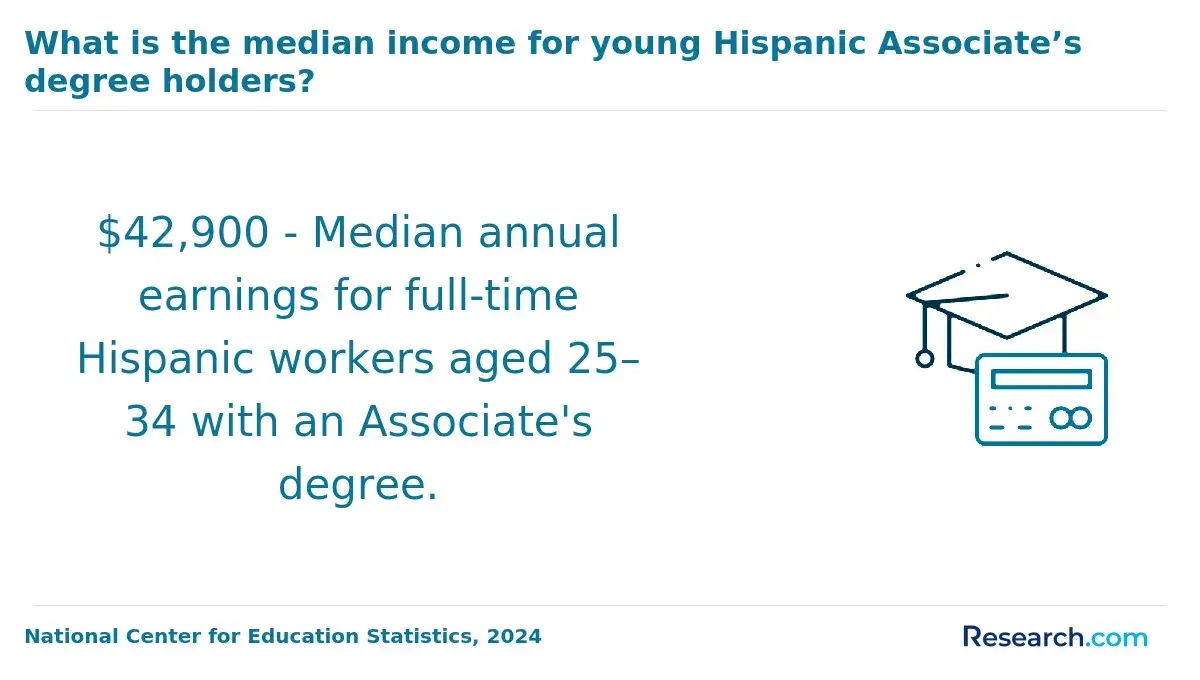
According to 2024 data from the National Center for Education Statistics and workforce analyses, states with large populations and substantial higher education investments-like California, New York, and Texas-host the greatest concentration of these multifaceted counseling psychology programs. However, breadth alone does not guarantee alignment with local licensure requirements or employment outcomes, emphasizing the need for students to consider institutional context and program focus.
How Do Online Programs Improve Access in States With Limited Options?
In states where counseling psychology programs are scarce or entirely absent, online degree offerings have substantially broadened student access by decoupling education from geographic limitations. This shift means that prospective students no longer need to relocate or commute long distances to engage with accredited programs. Instead, they can enroll in institutions anywhere in the country, often from regions underserved by traditional campus-based options. According to a 2024 report from the U.S. Department of Education, over 40% of students in counseling psychology courses now complete some portion of their curriculum online, reflecting a notable reconfiguration of enrollment patterns.
The expansion of access stems from core structural features of online education, notably the widespread adoption of asynchronous coursework that accommodates varied schedules and life circumstances. This flexibility allows working professionals and those with caretaking responsibilities or mobility constraints to pursue advanced degrees without disrupting their daily routines. Moreover, by enabling cross-state enrollment, institutions with specialized faculty can extend their reach beyond local or regional limits, increasing program availability.
This model also reduces dependency on regional universities, thereby diversifying institutional supply and enhancing competition among programs. A 2024 study by the National Center for Education Statistics highlights that states with fewer than three in-state counseling psychology programs experienced a 25% rise in completions after online options became prevalent, demonstrating expanded academic and workforce capacity in those areas. Beyond immediate educational access, online delivery influences regional workforce development by channeling qualified graduates into underserved markets and supporting mental health infrastructure growth.
The diffusion of programs across state lines fosters a more competitive academic environment, encouraging institutions to innovate curricula and support services. Students benefit from broader choices and the ability to tailor educational pathways more closely to their professional goals and personal constraints. This systemic shift also introduces new dynamics in student mobility, with enrollments less tied to local demographics and more responsive to national labor demands.
How Much Does Counseling Psychology Program Tuition Vary by State?
Tuition for counseling psychology degree programs varies widely across U.S. states due to differences in public funding priorities, institutional types, and the economic frameworks that shape higher education costs. Public universities apply distinct residency-based pricing models, where in-state students benefit from state subsidies that lower tuition relative to out-of-state learners, reflecting state legislative choices about higher education investment.
Private institutions, less reliant on state funding, often maintain relatively uniform tuition levels nationwide, though these are generally higher and driven by institutional priorities such as faculty expertise or class size. This structural divergence means that counseling psychology program tuition comparison by state requires understanding not only sticker prices but also the underlying funding mechanisms and policy environments influencing those costs.
Annual tuition for public in-state counseling psychology programs typically ranges between $6,000 and $15,000 in states with extensive university systems like California and Texas, which leverage economies of scale and sustained public contributions. In contrast, states like Vermont or Alaska, with more limited public options and smaller enrollment bases, may see in-state tuition approach or exceed $20,000. Private institutions generally list tuition between $25,000 and $45,000 annually, regardless of location, imposing steeper financial commitments on students.
These figures are corroborated by data from sources such as the National Center for Education Statistics and university tuition reports, highlighting the importance of evaluating average cost of counseling psychology degrees across states cautiously, factoring in local funding contexts and institutional distinctions. For prospective students balancing financial considerations and educational outcomes, exploring alternatives like 1 year radiology tech programs may also illustrate different models of educational affordability and duration.
High private tuition can elevate debt burdens without guaranteeing better employment outcomes, underscoring the need to weigh tuition against licensing support, employer recognition, and regional job markets. Ultimately, tuition variation by state delineates not just cost differences but institutional and policy-driven accessibility, which shapes how counseling psychology students identify programs offering the best practical value relative to their academic and professional objectives.
How Does Counseling Psychology Program Demand Affect Admissions Decisions?
Rising demand for counseling psychology programs typically forces admissions committees to tighten their selection criteria, reflecting the imbalance between applicant volume and available seats. As applications surge, programs often raise minimum academic thresholds, such as GRE scores and required supervised hours, to manage enrollment within limited capacity. This heightened selectivity aligns with maintaining educational standards while ensuring accreditation compliance under constrained faculty and clinical resources.
Admissions decisions are shaped by several interrelated factors: the finite number of clinical placements, the institutional ability to provide quality supervision, and evolving labor market priorities emphasizing both research competence and practical skillsets. Programs must balance applicant qualifications against these capacity limits, often privileging candidates with demonstrated cultural competence or specialized experience to meet workforce demands. Consequently, states with greater program availability experience less admission pressure, while those with fewer options see sharper competition and elevated entry barriers.
These dynamics not only increase competition but also influence how applicants prepare their portfolios, encouraging early accumulation of relevant experience and standardized test scores well above average. For prospective students, this intensifies the risk of delayed acceptance or reapplication cycles, particularly in regions with limited program supply. Over time, the squeeze on admissions can inadvertently reduce diversity, as nontraditional candidates may find it harder to meet increasingly rigid metrics, despite the profession's need for varied perspectives.
How Do Counseling Psychology Specialization Options Vary by Region?
The availability and focus of counseling psychology specializations are closely linked to the economic priorities and dominant industries within each region. Areas with robust urban healthcare markets and extensive research universities, such as the Northeast and West Coast, tend to provide a wider array of specialized tracks including child and adolescent counseling, neuropsychology, and multicultural counseling. These programs reflect the demand for advanced clinical skills and research integration aligned with metropolitan labor markets that prioritize highly specialized practitioners.
In contrast, regions centered on public health and community outreach, like parts of the Midwest and South, often concentrate more narrowly on clinical mental health and substance abuse counseling, addressing workforce shortages in community-based settings and rehabilitation services. Several factors drive these regional discrepancies, including local industry demands, university research foci, and partnerships between academic programs and employers. States with large, interdisciplinary psychology departments and established clinical networks attract funding and faculty expertise supporting diverse specialization options.
Conversely, areas with fewer such resources tailor their curricula toward pragmatic skill development needed by local employers, often prioritizing direct service roles in underserved or rural communities. Data from the American Psychological Association's 2024 Workforce Report notes that 62% of counseling psychology programs in the Northeast offer at least three distinct specializations, compared to about 38% in the South, illustrating how institutional capacity and regional healthcare infrastructure shape academic offerings.
These regional specialization patterns have tangible implications for student decision-making and career trajectories. Students aiming to enter niche or research-driven fields may find better preparation in metropolitan hubs with broad specialization choices, while those focused on community mental health may benefit from programs in less populous regions that emphasize applied training relevant to local needs. Understanding these dynamics helps prospective students align their educational paths with labor market realities and licensure requirements, making program selection a strategic consideration beyond mere academic interest.
How Does Regional Employer Demand Affect Career Outcomes?
Regional employer demand significantly influences job availability and early career opportunities for counseling psychology graduates. Areas with dense concentrations of healthcare providers, mental health clinics, and academic institutions generally offer a broader array of roles, including specialized positions. This regional employer demand for counseling psychology professionals in key states reflects uneven distribution of funding, service needs, and institutional partnerships, meaning graduates in less populous or underserved locations often encounter fewer openings and narrower practice scopes.
These localized labor market dynamics directly shape the feasibility of securing relevant employment without relocation and can affect the diversity of career entry points across different states. The relationship between geographic demand and career outcomes is driven by several mechanisms. Industry clustering creates specialized hiring ecosystems that foster collaboration between employers and educational programs, enhancing pipelines for graduates.
Wage competition motivated by regional mental health service priorities also affects salary levels-states with higher funding commonly offer median wages significantly above national averages, as reported by the U.S. Bureau of Labor Statistics. Furthermore, employer partnerships with universities in regions with robust healthcare infrastructures support both practical training opportunities and pathways to leadership or research roles, adding layers of career progression rarely found in less developed markets.
These localized variations underscore the impact of state-specific job market trends on counseling psychology career opportunities. Broader implications of these regional patterns include strategic decisions about geographic mobility and adapting to emerging trends like remote work. Graduates may weigh the tradeoffs between remaining in low-demand areas with limited advancement versus relocating to hubs with more dynamic markets.
Additionally, a growing share of programs highlight affordability and accessibility factors, as seen in resources like cheapest PMHNP programs online, which complement the location-based considerations influencing long-term career trajectories. Understanding these complex regional employment ecosystems is essential for prospective students evaluating where to earn their degree and build their counseling psychology career.
What Factors Matter Most When Comparing Counseling Psychology Programs Across States?
Comparing counseling psychology programs across states requires attention to several practical factors beyond mere program availability. State-level variations impact tuition costs, access to specialized training options, and the strength of employer networks that facilitate post-graduate employment. Understanding these differences is crucial, as they influence the overall value and outcomes of the education received, shaping both immediate academic experiences and long-term career trajectories.
- Accreditation and Licensure Success Rates: Programs accredited by bodies like the American Psychological Association (APA) usually provide curricula aligned with licensure requirements. Graduates from APA-accredited programs demonstrate notably higher licensure success, with nearly 85% obtaining credentials within two years, compared to 60% from non-accredited schools. These differences reflect not only educational quality but also a program's practical relevance to regulatory pathways across states.
- Program Format Availability and Specialization: States such as California, New York, and Texas offer a broader spectrum of formats-including full-time, part-time, hybrid, and in-person options-catering to varied student circumstances like working professionals. Diverse specialization tracks and research opportunities in these states also support deeper expertise and alignment with emergent workforce demands.
- Employment Outcomes Linked to Training Quality: The presence of clinical practicum placements and solid employer partnerships boosts employment rates. Data from the 2024 National Workforce Survey show graduates from such programs enjoy a 25% higher employment rate within six months. This underscores the importance of state-level educational ecosystems that integrate hands-on training with community and institutional networks.
- Cost, Financial Aid, and State Licensing Regulations: Tuition costs vary widely depending on the state and institution, significantly impacting overall affordability and potential student debt. Furthermore, state-specific licensing laws and reciprocity agreements may limit or expand post-graduate practice options, affecting career mobility and strategic planning for students evaluating different program locations.
The wide variance in program availability across states makes the evaluation of tuition cost comparison for counseling psychology degrees by state an essential step for prospective students aiming to optimize both accessibility and long-term value. For those considering complementary or alternative routes, exploring accredited online medical degrees may provide additional flexible educational pathways relevant to broader health science fields.
Which Regions May See the Fastest Growth in Counseling Psychology Education?
Growth in counseling psychology education typically concentrates in regions where employer demand, demographic trends, and higher education investment converge. Expanding population bases combined with workforce shortages and institutional capacity upgrades often drive program availability and diversity. Such developments reflect broader economic shifts and healthcare priorities that influence where universities allocate resources to meet regional mental health needs.
- Southeast: This region leads in projected growth due to rapid population increases, particularly in states like Florida and Georgia, coupled with policy emphasis on expanding mental health services. Rising enrollment in counseling psychology programs reflects universities' responses to local demand and funding for workforce development. Students can expect more options and specializations aligned with regional public and private healthcare expansion.
- Southwest: States such as Texas and Arizona experience pressure from workforce shortages in behavioral health professions, prompting universities to launch new practical training programs. State investments in mental health infrastructure boost program relevance and employer alignment, driving students toward regionally tailored curricula.
- Mountain West: Moderate growth is anticipated as smaller but growing populations stimulate demand for counseling psychology. Higher education institutions here focus on applied training to address rural and frontier mental health challenges, though program variety remains more limited compared to more populous regions.
- Midwest: Workforce needs in urban centers and rural areas encourage gradual expansion, but slower demographic growth tempers rapid program proliferation. Emphasis often remains on traditional counseling psychology tracks with emerging efforts to integrate community mental health priorities.
- Northeast: While established programs exist, slower population changes and saturated educational markets result in steadier but less dynamic growth. Institutional initiatives focus on specialization and research integration rather than broad base expansion.
According to the 2024 Bureau of Labor Statistics, employment for counseling-related occupations in the Southeast and Southwest is expected to grow about 22% by 2030, significantly outpacing the national average. This aligns education supply with clear labor market demand, emphasizing the importance of regionally aware program evaluation for prospective students and researchers alike.
References:
- What are the Fastest Growing Fields in Psychology? https://www.bestpsychologydegrees.com/faq/what-are-the-fastest-growing-fields-in-psychology/
- Making sure you're not a bot! https://www.erudit.org/en/journals/jtl/2024-v18-n2-jtl09788/1115488ar.pdf
- Psychology Schools and Program Guide https://www.psychologydegree411.com/schools/
- Career Opportunities and Prospects in Counselling Psychology • Psychology Town https://psychology.town/counselling-interventions/career-opportunities-counselling-psychology/
- List of APA-Accredited Counseling Psychology PhD and PsyD Program https://www.div17.org/list-of-apa-accredited-counseling-psychology-phd-and-psyd-programs
- Social Psychology Network https://www.socialpsychology.org/gcounsel.htm
- Admission Requirements & Deadlines - Counseling Psychology Concentration https://www.towson.edu/cla/departments/psychology/grad/psychology/counseling/admission.html
- MS In Counseling Vs Counseling Psychology: Focus & Benefits https://www.psychology.org/degrees/masters-in-counseling-vs-counseling-psychology/
- 7 Careers with a Master’s Degree in Counseling Psychology | The Chicago School https://www.thechicagoschool.edu/insight/career-development/7-career-opportunities-with-a-masters-degree-in-counseling-psychology/
- Research Report On Demand And Supply workforce Trends Affecting The Psychological Services Industry https://magazine.theaca.net.au/articles/research-report-on-demand-and-supply-workforce-trends-affecting-the-psychological-services-industry
Other Things You Should Know About Counseling Psychology
States with a higher number of counseling psychology programs often showcase a wider variety of curriculum styles and pedagogical approaches, reflecting diverse regional priorities and faculty expertise. This can benefit students seeking tailored learning experiences, but it also means program quality and focus can vary widely even within the same state. Prospective students should carefully evaluate program curricula and faculty backgrounds rather than rely solely on location, as the local abundance of options does not guarantee uniformly strong clinical training or research opportunities.
Programs in states with many offerings tend to face higher competition for clinical placements and faculty attention due to student volume, which may dilute hands-on training or mentoring quality. Conversely, programs in states with fewer options may have less competition for resources but might offer less diversity in internship sites and specialization choices. Students prioritizing individualized supervision and close faculty engagement might favor smaller programs despite more limited coursework options.
Employers typically place greater emphasis on program accreditation and practicum quality than on program location or number of options in the state. However, states with a concentration of programs often develop stronger professional networks, which can facilitate internships and job placements locally. Students aiming for regional employment should consider states with robust counseling psychology communities to leverage networking, but those pursuing national or specialized careers must focus more on program reputation and licensure portability than sheer program availability.