2027 Best Accredited Online Audio & Music Degree Programs: Compare Tuition, Admissions, and Career Outcomes

Co-Founder and Chief Data Scientist
Choosing an online audio or music degree is a real investment: you are comparing tuition, technology requirements, creative fit, and career value at the same time. Federal aid rules matter too; the maximum Pell Grant for the 2024-25 award year is $7,395, which can meaningfully reduce costs for eligible students. This guide is for aspiring producers, performers, composers, sound designers, and working adults who need flexible study. You will learn how to compare accredited programs by value, admissions, formats, support, financial aid, and outcomes before you enroll.
Key Things You Should Know
- The strongest-value online audio and music degrees usually combine recognized institutional accreditation, transparent total cost, transfer-credit flexibility, portfolio development, and access to industry-standard production tools.
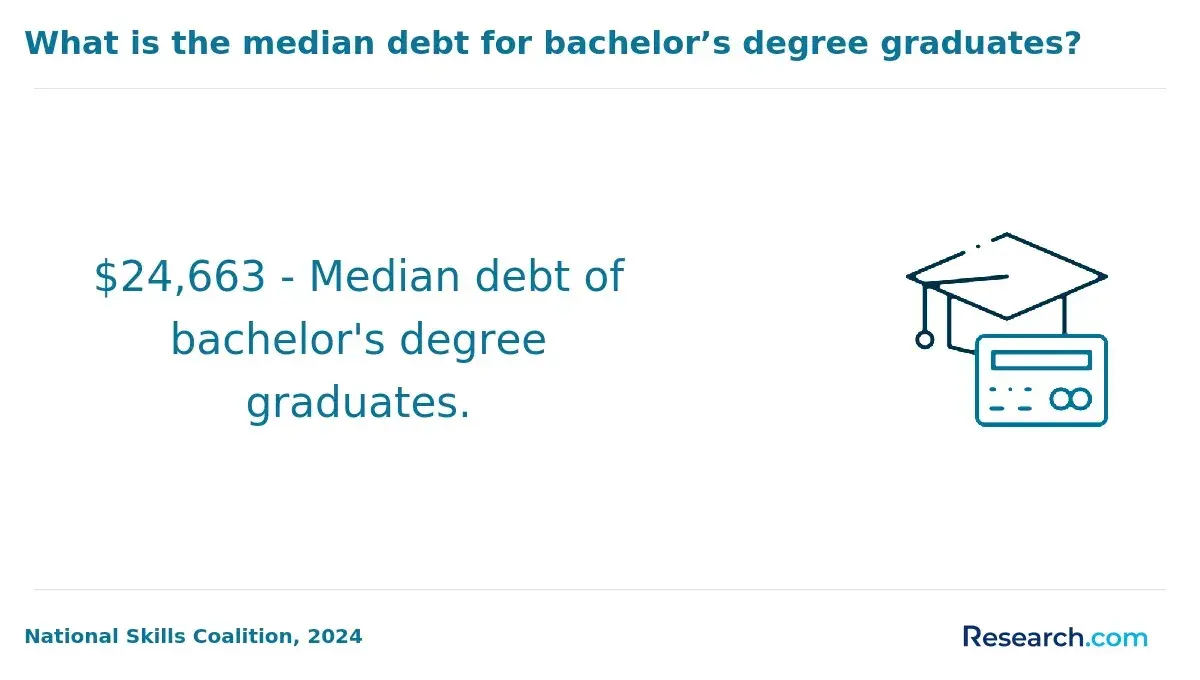
- College Board's 2024-25 tuition benchmarks show a wide cost gap: average published tuition and fees are $11,610 for in-state public four-year colleges and $43,350 for private nonprofit four-year colleges, so sticker price alone can mislead.
- BLS projections released in 2024 show broadcast, sound, and video technician employment growing 3% from 2023 to 2033, which means students should evaluate portfolio outcomes and local or remote market access as carefully as the degree title.
Which Accredited Online Audio & Music Degree Programs Offer the Best Overall Value?
The best accredited online audio and music degree program is not always the cheapest or the most famous. The best value is the program that gives you the strongest combination of accreditation, affordability, flexible delivery, relevant software training, portfolio development, and career support for your specific goal.
Use the table below as a practical comparison framework for commonly available types of accredited online audio and music programs. Always verify current accreditation, tuition, fees, and degree availability directly with the school before applying because program names and delivery formats can change.
| Program or program type | Best fit | Value strengths | Trade-offs to check |
| Berklee Online bachelor's programs | Students focused on music production, songwriting, performance, music business, or contemporary music careers | Strong music-industry brand, specialized online music curriculum, portfolio-oriented coursework | Private tuition, competitive creative expectations, and whether the exact major fits your career target |
| Public online music bachelor's programs | Transfer students, working adults, and students prioritizing lower tuition | Often stronger affordability, broad general education, and access to public-university resources | May offer fewer niche production concentrations or fewer specialized studio electives online |
| Online audio production bachelor's programs at career-focused schools | Students who want structured training in recording, mixing, post-production, and production workflows | Career-oriented curriculum, defined production sequence, and frequent emphasis on portfolio work | Transferability of credits, total program cost, and whether accreditation type supports future graduate study |
| Online music business degrees | Students interested in artist management, publishing, licensing, live events, labels, or entrepreneurship | Often better for students who want music-industry careers without relying only on performance income | Less technical audio depth, so production-focused students may need additional DAW or engineering training |
| Hybrid music technology or recording programs | Students who can attend short residencies or local studio sessions | Better access to hands-on recording spaces, live collaboration, and supervised studio practice | Travel costs, fixed residency dates, and reduced flexibility compared with fully online programs |
For most students, the strongest overall value comes from a program that is affordable enough to avoid excessive borrowing while still offering real creative outputs. A low-cost degree is not a bargain if it does not help you build recordings, mixes, compositions, business plans, or technical projects that employers and clients can evaluate.
Students exploring technology-heavy music production should also look at how programs handle artificial intelligence, automation, and digital workflow skills. If your interest leans more toward machine learning, generative tools, or audio technology development than music performance, comparing online AI degree programs may help you decide whether a music degree or a computing-focused degree is the better long-term fit.
What Accreditation Should Students Look for in an Online Audio & Music Degree Program?
Accreditation is the first filter for any online audio or music degree. It affects access to federal financial aid, credit transfer, graduate-school eligibility, employer confidence, and the basic assurance that the institution has met external quality standards.
Students should understand the difference between institutional accreditation and specialized music accreditation. Institutional accreditation applies to the college or university as a whole, while specialized accreditation may apply to a music school, music department, or specific professional program.
| Accreditation type | What it means | Why it matters for online audio and music students |
| Institutional accreditation recognized by the U.S. Department of Education | The school has been reviewed by an approved accreditor for academic quality, governance, student services, and financial stability | Usually required for federal financial aid and often important for transfer credit and graduate admission |
| NASM accreditation | The National Association of Schools of Music reviews music schools and departments against discipline-specific standards | Helpful for students seeking traditional music study, performance, composition, or music education pathways |
| Career-school accreditation | Some production, media, and entertainment schools are accredited by institutional accreditors historically associated with career education | Can support federal aid access, but students should carefully check transfer policies and graduate-school recognition |
| Program approvals tied to teacher certification or licensure | Some music education programs must meet state-specific educator preparation requirements | Essential if your goal is K-12 music teaching rather than production, composition, or music business |
A common mistake is assuming that "accredited" means every credit will transfer everywhere. Transfer decisions are made by receiving institutions, and some schools are more restrictive with studio, production, or career-school credits. Before enrolling, ask whether credits transfer as major requirements, electives, or general education credits.
Another red flag is a program that emphasizes celebrity instructors or flashy equipment but makes accreditation, outcomes, total costs, or refund policies hard to find. A reputable program should make accreditation status, student complaint processes, tuition, fees, and academic policies easy to verify.
How Do Tuition Costs Compare Across Accredited Online Audio & Music Degree Programs?
Tuition can vary dramatically across accredited online audio and music degree programs because students are comparing public universities, private nonprofit music colleges, private career schools, and hybrid programs with studio requirements. The most useful comparison is total estimated cost, not tuition alone.
College Board's 2024-25 published-price data gives students a national benchmark for understanding whether a program's tuition is low, moderate, or expensive. These figures are not audio-specific, but they help you judge whether an online music program is priced closer to a public university or a private specialty school.
| Institution category | 2024-25 average published tuition and fees | What it means for audio and music students |
| Public two-year college, in district | $4,050 | Often the lowest-cost starting point for general education, music theory, or associate-level transfer coursework |
| Public four-year college, in state | $11,610 | Usually the best benchmark for affordability if a public online music or music technology degree fits your goals |
| Public four-year college, out of state | $30,780 | Can become expensive unless the school offers online tuition discounts or flat-rate distance pricing |
| Private nonprofit four-year college | $43,350 | May be worthwhile for specialized music training or brand value, but only if aid, fit, and outcomes justify the cost |
When comparing offers, include every cost that affects your budget. Audio and music students often face expenses that do not appear in basic tuition comparisons.
- Required software such as a digital audio workstation, notation platform, plug-ins, cloud collaboration tools, or media editing software
- Hardware such as headphones, microphones, MIDI controllers, audio interfaces, storage drives, and a computer that can handle production sessions
- Course, technology, portfolio, graduation, transcript, and online learning fees
- Travel costs for optional or required residencies, intensives, showcases, juries, or internships
- Lost income if the program requires fixed live sessions during your work hours
Lower tuition matters, but it should not be the only factor. Paying less for a program with weak advising, limited portfolio feedback, or outdated software can slow your progress. Paying more can make sense if the school provides specialized instruction, strong career services, usable projects, and a network that matches your career target.
How Competitive Is Admission to Accredited Online Audio & Music Degree Programs?
Admissions requirements for accredited online audio and music degree programs range from open or transfer-friendly admission to selective review based on auditions, portfolios, prior coursework, or creative statements. The right level of selectivity depends on your preparation and goals.
The table below shows how admissions expectations usually differ by program type. Use it to decide whether you should apply now, strengthen your portfolio first, or begin with a more flexible pathway.
| Program type | Common admissions requirements | Who benefits most |
| Open or broad-access online music degree | High school diploma or GED, transcripts, application form, and sometimes placement assessment | First-time students, adult learners, and students still building musical or technical skills |
| Transfer-friendly bachelor's completion program | Prior college credits, minimum GPA, official transcripts, and possible music coursework review | Students who already completed general education or an associate degree |
| Audition-based music program | Performance audition, theory placement, repertoire list, or faculty review | Performers, composers, and students seeking more traditional music training |
| Portfolio-based production or sound design program | Audio samples, creative statement, production experience, or interview | Students who already create tracks, mixes, beats, sound designs, or media projects |
Admissions flexibility does not automatically mean lower quality. Some online programs admit broadly and then use foundation courses to build skills in music theory, ear training, recording, and digital production. Selective programs may offer stronger peer networks, but they can also delay enrollment if your audition or portfolio is not ready.
If you want a faster bachelor's pathway but are not sure a portfolio-heavy creative major is right for you, it may be worth comparing an accelerated online bachelor's degree in psychology with music-related options. This is especially relevant for students interested in human behavior, wellness, audience research, or creative arts support roles rather than studio production.
Before applying, ask admissions counselors how many credits can transfer, whether auditions can be submitted asynchronously, whether portfolio feedback is available before formal admission, and whether admitted students must pass music theory or technology placement exams.
Which Learning Formats Offer the Greatest Flexibility in Online Audio & Music Degree Programs?
Online audio and music degrees can be flexible, but not all formats fit every student. The biggest differences are whether classes are asynchronous, whether live sessions are required, and whether any hands-on recording, performance, or residency work must happen at scheduled times.
The table below compares common online learning formats and the practical scheduling trade-offs behind each one. This matters because creative coursework often requires feedback, collaboration, and repeated technical practice.
| Learning format | Flexibility level | Best for | Possible limitation |
| Fully asynchronous | Highest | Working adults, parents, military students, and students in different time zones | Less real-time collaboration and fewer live ensemble or studio experiences |
| Synchronous online | Moderate | Students who want live critique, faculty interaction, and peer collaboration | Fixed meeting times can conflict with work, gigs, or family responsibilities |
| Hybrid with residencies | Moderate to low | Students who want online theory and business courses plus some studio or performance work | Travel and housing costs can increase the true price of the degree |
| Self-paced or competency-based elements | High for motivated students | Students with prior experience who can move quickly through familiar material | May not fit students who need frequent deadlines, coaching, or peer accountability |
Technical limitations also matter. Real-time ensemble performance and high-quality remote recording can be difficult because latency, home acoustics, internet stability, and equipment quality vary. Strong programs design around this by using asynchronous recording submissions, critique boards, cloud collaboration, and structured mix reviews.
Current industry trends also make format choice more important. AI-assisted music tools, automated mastering, stem separation, and generative sound design are changing production workflows, so students should look for programs that teach both creative judgment and responsible technology use rather than treating software as a shortcut.
What Student Support Services Improve Success in Online Audio & Music Degree Programs?
Student support can make the difference between finishing with a useful portfolio and simply completing courses. Online audio and music students need academic help, technical help, creative feedback, and career guidance that understands the realities of music work.
Before enrolling, look for support services that directly reduce common online learning risks. These services are especially important if you are balancing school with work, gigs, caregiving, or military responsibilities.
- Dedicated academic advising that helps sequence music theory, production, general education, and capstone requirements without delaying graduation
- Technical support for learning platforms, DAWs, plug-ins, file submission, video feedback, and remote collaboration tools
- Access to virtual tutoring or faculty office hours for theory, ear training, arranging, recording, mixing, and music business courses
- Portfolio and demo-reel reviews that help students improve the work they will show employers, clients, labels, or collaborators
- Career services with music-specific guidance on freelancing, internships, licensing, networking, resumes, LinkedIn, and project-based work
- Accessibility support for students who need captioning, adaptive technology, flexible testing, or documented accommodations
A useful way to evaluate support is to ask how quickly students receive feedback on creative work. In audio and music, delayed critique can slow improvement because students need to revise mixes, arrangements, performances, or compositions while the project is still fresh.
Students who like music or media but want a more stable administrative path in creative organizations may also consider an office administration degree. Roles in arts administration, studio coordination, booking support, and entertainment operations may require organizational skills more than advanced production training.
Which Financial Aid Options Are Available for Accredited Online Audio & Music Degree Students?
Accredited online audio and music degree students may qualify for federal, state, institutional, military, employer, and private aid. Eligibility depends on the school, program level, enrollment intensity, dependency status, satisfactory academic progress, and FAFSA results.
The maximum Federal Pell Grant for the 2024-25 award year is $7,395. That figure is important because grant aid does not need to be repaid, but it may cover only part of tuition and usually does not eliminate technology, software, or living costs.
Compare aid offers carefully by separating gift aid from borrowed aid. A larger aid package is not always better if most of it is loans.
- Federal Pell Grants and other need-based grants, which reduce out-of-pocket cost for eligible undergraduates
- Federal Direct Loans, which can help cover remaining costs but must be repaid with interest
- State grants or scholarships, which may depend on residency, enrollment status, or approved institution lists
- Institutional scholarships for academic merit, creative portfolios, transfer students, veterans, adult learners, or financial need
- Employer tuition assistance, especially for students working in media, education, worship arts, entertainment, or technology roles
- Veterans education benefits and military tuition assistance, when the school and program are approved for participation
- Payment plans, which may help students spread costs across a term without taking additional private loans
The biggest financial-aid mistake is comparing only the first-term bill. Instead, ask for a full program cost estimate that includes tuition increases, required equipment, course fees, transfer-credit limits, and whether scholarships renew automatically.
If your main goal is to reduce borrowing while earning a credential quickly, you may want to compare degree length and aid eligibility against shorter options such as the easiest associates degree pathways. That comparison can clarify whether a full bachelor's in audio or music is necessary for your near-term career plan.
Which Career Outcomes Are Associated With Accredited Online Audio & Music Degree Programs?
Career outcomes from online audio and music degree programs vary because the music economy includes full-time jobs, contract work, freelance clients, teaching, entrepreneurship, and portfolio-based opportunities. A degree can help, but employers and clients often evaluate what you can produce, manage, perform, or explain.
BLS projections released in 2024 estimate 3% employment growth for broadcast, sound, and video technicians from 2023 to 2033. That modest growth suggests students should not rely on the credential alone; they should use the degree to build practical proof of skill, professional contacts, and adaptable technical knowledge.
| Career path | Typical responsibilities | How an online audio or music degree can help |
| Audio engineer or recording technician | Set up sessions, record audio, edit takes, mix tracks, manage signal flow, and troubleshoot equipment | Builds technical vocabulary, DAW proficiency, session discipline, and a portfolio of recordings or mixes |
| Music producer | Shape song arrangements, guide artists, select sounds, manage production timelines, and prepare tracks for release | Combines creative decision-making with production workflow, critique, and project management |
| Sound designer | Create audio assets for games, film, animation, advertising, podcasts, or interactive media | Supports skills in synthesis, editing, Foley, post-production, and media storytelling |
| Composer or songwriter | Create original music for artists, media, worship, education, advertising, or personal release | Develops theory, arranging, notation, lyric writing, collaboration, and portfolio presentation |
| Music business or artist services professional | Support publishing, licensing, tour logistics, management, marketing, distribution, or rights administration | Connects music knowledge with contracts, copyright, entrepreneurship, analytics, and communication |
| Private instructor or community music educator | Teach lessons, lead workshops, coach ensembles, or create instructional content | Can strengthen musicianship and credibility, though public-school teaching usually requires state-approved educator preparation |
Students should ask schools for outcome data that is specific to the program, not just the institution. Useful metrics include graduation rates, retention rates, job placement methodology, internship participation, portfolio examples, alumni roles, and whether outcomes count freelance, part-time, or unrelated employment.
If your interest in music is connected to mental health, helping professions, or therapeutic work, be careful not to confuse a music degree with clinical licensure preparation. Students considering licensed counseling careers should compare requirements for an online master's degree in counseling, because counseling licensure follows a different academic and supervised-practice path.
How Do Online and Campus-Based Audio & Music Degree Programs Compare?
Online and campus-based audio and music programs can both be legitimate, but they serve different students. Online programs are often better for adults who need flexibility, while campus programs may be stronger for students who need daily access to studios, ensembles, performance spaces, and in-person networking.
The comparison below shows where online and campus formats usually differ. Use it to decide whether flexibility or in-person immersion matters more for your career goal.
| Comparison factor | Online audio and music degree | Campus-based audio and music degree |
| Schedule | Often more flexible, especially with asynchronous courses | More structured, with fixed class, studio, rehearsal, and performance times |
| Studio access | Depends on home setup, software access, and remote collaboration tools | Usually stronger access to dedicated studios, live rooms, equipment, and supervised sessions |
| Performance and ensemble work | Possible but often adapted through recordings, virtual collaboration, or local performance documentation | Often stronger for live performance, ensembles, juries, recitals, and peer collaboration |
| Networking | Requires intentional participation in online critiques, internships, showcases, and professional communities | Can be more organic through studios, ensembles, campus events, and local industry relationships |
| Cost structure | May reduce relocation and commuting costs, but equipment costs can be higher | May include housing, transportation, campus fees, and higher opportunity costs for working adults |
| Best fit | Working adults, transfer students, remote learners, and self-directed creators | Recent high school graduates, performers, ensemble-focused students, and learners who need in-person structure |
Online is not automatically easier. Students must manage deadlines, file organization, software troubleshooting, and self-directed practice. Campus programs are not automatically better either, especially if the extra cost does not translate into stronger outcomes for your specific goal.
A practical rule is to choose online if your career goal can be demonstrated through digital projects, mixes, compositions, business plans, or media work. Choose campus or hybrid if your goal depends heavily on live ensemble experience, large-format studio access, performance juries, or face-to-face networking in a specific music market.
How Should Students Choose the Best Accredited Online Audio & Music Degree Program?
To choose the best accredited online audio and music degree program, start with your career goal and work backward. The right program for a singer-songwriter may be different from the right program for a podcast editor, game-audio designer, live sound technician, music business student, or future teacher.
A structured selection process helps you avoid overvaluing rankings, brand names, or low tuition while missing details that affect graduation and career readiness.
- Define your target outcome: production, performance, composition, sound design, music business, education, or a related creative role.
- Verify institutional accreditation through the school's accreditor and the U.S. Department of Education's recognized accreditation resources.
- Check whether specialized accreditation, state approval, or educator preparation is necessary for your goal.
- Calculate total cost, including tuition, fees, software, hardware, travel, transfer-credit limits, and expected time to completion.
- Compare curriculum depth by reviewing required courses, electives, capstones, internship options, and portfolio expectations.
- Evaluate flexibility by confirming whether courses are asynchronous, synchronous, hybrid, cohort-based, or self-paced.
- Ask how creative work is reviewed, who provides feedback, and whether students receive portfolio or demo-reel support.
- Request program-specific outcomes, including retention, graduation, job placement methodology, alumni examples, and internship access.
- Compare financial aid offers by separating grants and scholarships from loans and checking scholarship renewal rules.
- Speak with current students or alumni when possible to learn how responsive faculty, advising, and technical support actually are.
Watch for red flags before you commit. These warning signs do not always mean a program is poor, but they should prompt deeper questions.
- The school promotes outcomes but does not explain how job placement or employment data is calculated
- Tuition is visible, but required fees, software, hardware, or residency costs are difficult to find
- Admissions staff pressure you to enroll quickly before you have reviewed aid, transfer credits, or withdrawal policies
- The program uses broad music-industry language but offers few courses in your actual career area
- Portfolio examples, capstone expectations, faculty access, or student support services are unclear
- The school is accredited, but credits may not transfer easily to the graduate programs or institutions you may want later
The best decision balances cost, fit, credibility, and usable outcomes. If a program is affordable, accredited, flexible, and helps you leave with work you are proud to show, it is usually a stronger investment than a more expensive program chosen only for name recognition.
Other Things You Should Know About Audio & Music
Usually no. Many programs publish minimum technology requirements and allow students to start with a capable computer, headphones, and required software. More advanced microphones, interfaces, controllers, or monitors may be needed later.
It depends on the program. Production and music business programs may be more flexible, while performance, composition, and traditional music degrees often require theory, notation, ear training, or placement exams.
Many music business and production programs include copyright, licensing, publishing, distribution, and contracts, but coverage varies. Review the course list if rights management or artist entrepreneurship is part of your goal.
Yes, but they may be local, remote, optional, or arranged by the student with school approval. Ask whether the program has employer partners, internship coordinators, or credit-bearing internship options before enrolling.
References
- Music Career Opportunities: 25+ Career Opportunities in the Music Industry | C&S Music https://candsmusic.com/music-career-opportunities/
- How to Choose the Best Specialization for Your Online Degree https://dsuonline.com/resources/blogs/how-to-choose-the-best-specialization-for-your-online-degree/
- Best Accredited Online Universities in 2025 https://www.study.eu/article/best-accredited-online-universities
- Bachelor of Music Degrees | Undergraduate Programs | Musicians Institute https://www.mi.edu/bachelor-of-music/
- The 10 Different Types of Music Degrees - WWI https://www.whistlingwoods.net/the-10-different-types-of-music-degrees/
- Music and Performing Arts Degree Careers and Salary in Europe - StudyinEurope.eu https://www.studyineurope.eu/music-performing-arts/music-performing-arts-degree-careers-salary-europe/
- Music Degrees – Reviewing the Options https://majoringinmusic.com/music-degrees/
- Acceptance Rates for Top Music Schools in the US | Inside Music Schools https://insidemusicschools.com/blog/acceptance-rates-at-top-us-music-colleges/
- 2026 Best Online Music Degrees https://www.onlineu.com/degrees/music
- Careers You Can Pursue With a Music Production & Audio Engineering Degree https://www.pointblankmusicschool.com/blog/careers-you-can-pursue-with-a-music-production-and-audio-engineering-degree/