
2026 Online Audio & Music Degree Programs With No Application Fee and Rolling Admissions

Co-Founder and Chief Data Scientist
Choosing an online audio or music degree is not just about finding a school that lets you apply for free. It is about balancing cost, start dates, accreditation, creative fit, and career value. College Board's 2024 pricing data shows average published tuition and fees at private nonprofit four-year colleges reached $43,350 for 2024-25, making early cost comparison essential.
This guide is for prospective students who want flexible admissions, fewer upfront costs, and a practical way to compare online music, audio production, sound design, and music business programs before applying.
Key Things You Should Know
- No-application-fee policies can save money upfront, but the real decision should focus on total tuition, technology fees, transfer credits, financial aid, and whether the program supports your career goal.
- Rolling admissions usually means applications are reviewed continuously, but students still need to watch term start dates, financial aid deadlines, course availability, and enrollment cutoffs.
- BLS May 2024 wage data placed the median annual wage for sound engineering technicians at about $67,600, so program ROI depends heavily on skills, portfolio quality, market location, and the specific role pursued.
Which Online Audio & Music Degree Programs Have No Application Fee and Rolling Admissions?
Online audio and music programs with both no application fee and rolling admissions are less common than general online business or liberal arts programs, so students should verify both policies before applying. The table below shows program types that are commonly searched by students seeking this combination and the decision points to confirm with each school.
| Program or school type | Typical online audio or music focus | Admissions flexibility to verify | Best fit | Important caution |
| Large online universities that waive application fees | Music, music business, digital media, creative production, or entertainment-related bachelor's programs | $0 application fee, multiple undergraduate terms, rolling or continuous review | Working adults who want structured online terms and broad academic support | Confirm whether the exact music-related major is fully online, not just the university's general application process |
| Online arts, media, and design schools | Music production, sound design, recording arts, game audio, film audio, or media scoring | Open or rolling admissions, portfolio-based review, frequent start dates | Students who want a creative portfolio and industry-style production coursework | Check institutional accreditation, equipment requirements, and whether tuition is higher than public options |
| Community colleges with online music or audio production pathways | Associate degrees or certificates in music technology, audio production, commercial music, or digital media | No application fee or open-enrollment application, semester or quarter starts | Cost-conscious students, transfer students, and beginners testing the field | Not every required course may be online every term, and transferability varies by receiving university |
| Public universities with online degree-completion options | Music studies, interdisciplinary arts, media production, or bachelor's completion programs | Rolling transfer admission or priority windows with possible fee waivers | Students with prior credits who want a bachelor's degree from a public institution | Some programs require prior college credits, an audition, or campus-based performance components |
A no-fee, rolling-admission policy should be treated as a screening advantage, not a final reason to enroll. Before choosing, ask the school to confirm the current application fee, whether the policy applies to your exact program, the next available start date, and whether any enrollment deposit or technology fee is due after admission.
Students comparing music programs with technology-heavy options may also want to review online AI degree programs, especially if their interests include generative audio, music recommendation systems, production automation, or creative software tools.
How Does Rolling Admission Work for Online Audio & Music Degree Programs?
Rolling admission means a school reviews applications as they arrive instead of waiting for one fixed deadline. For online audio and music students, this can be useful because programs may offer several starts per year, allowing students to begin after finishing a work project, military obligation, transfer semester, or financial aid process.
However, rolling admission does not mean "apply whenever and start immediately." Most online programs still have term-based cutoffs, transcript deadlines, financial aid processing windows, and course registration limits. A program may accept applications continuously but close enrollment for a specific start date once classes are full or advising deadlines have passed.
The comparison below shows how rolling admissions differs from fixed-deadline admissions in practical terms.
| Admissions model | How applications are reviewed | Student advantage | Risk to watch |
| Rolling admissions | Applications are reviewed as they are completed | More flexibility and potentially faster decisions | Late applicants may miss financial aid, course registration, or preferred start dates |
| Priority rolling admissions | Applications are reviewed continuously, but early applicants may receive stronger consideration | Good for students who want flexibility but can still apply early | Scholarships or limited seats may be tied to priority dates |
| Fixed-deadline admissions | Applications are reviewed after a set deadline | Useful for competitive programs that compare applicants in one pool | Less flexible for working adults or students who miss the deadline |
For most online audio and music applicants, applying early in a rolling cycle is still the smarter move. It gives the school more time to evaluate transcripts, review a portfolio, award transfer credit, package financial aid, and place the student into the correct first-term courses.
How Much Can Students Save by Choosing an Online Audio & Music Degree With No Application Fee?
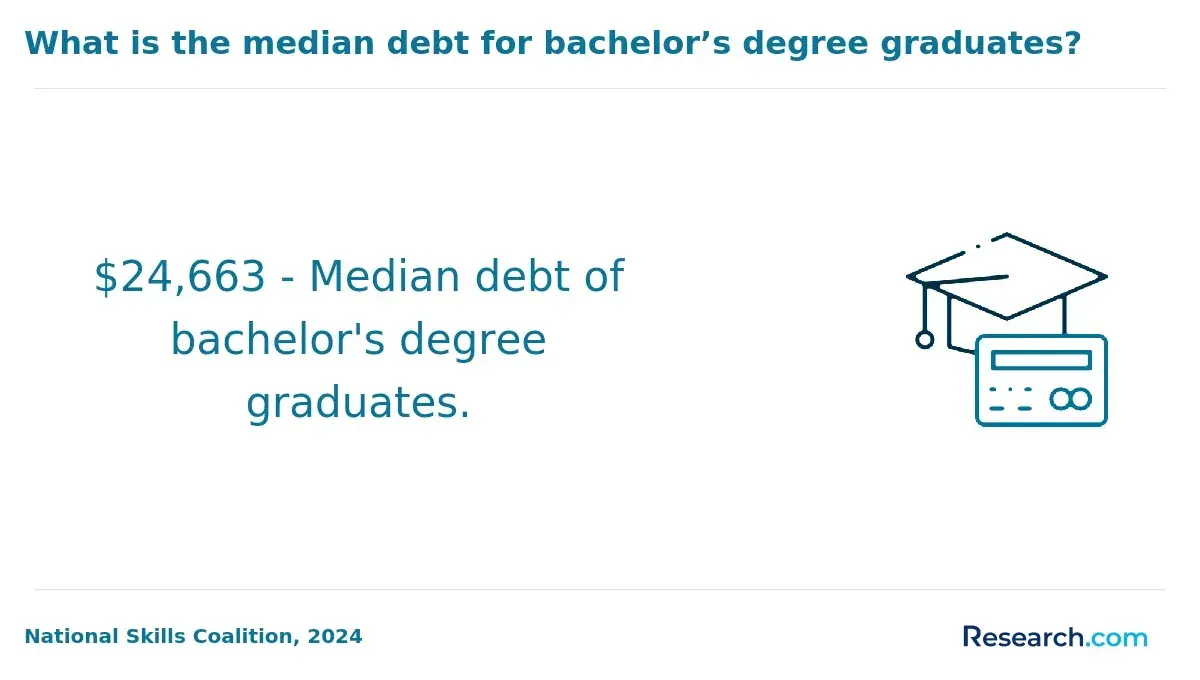
The direct savings from a no-application-fee program are modest compared with tuition, but they still matter when students are comparing multiple schools. If a student applies to several programs that charge fees, those upfront costs can add up before the student even knows whether the program is affordable.
Application-fee savings are most valuable when they help students compare several legitimate programs without financial pressure. They are least valuable when they distract from higher tuition, mandatory software costs, production equipment, private loans, or weak transfer-credit policies.
When estimating savings, students should separate one-time application costs from total enrollment costs. The list below shows the cost categories that matter most after the application fee is waived.
- Application cost: A no-fee application reduces the upfront cost of applying, but it does not reduce tuition unless the school also offers grants, scholarships, or transfer-credit savings.
- Enrollment deposit: Some schools do not charge an application fee but may require a deposit to reserve a seat or confirm enrollment.
- Technology and production fees: Audio students may need digital audio workstation software, plugins, headphones, microphones, MIDI controllers, external drives, or cloud storage.
- Tuition per credit: A program with no application fee can still be more expensive overall if the per-credit tuition is high or if few transfer credits are accepted.
- Time to completion: Accelerated terms can reduce opportunity cost for some students, but heavy course loads may be difficult for working musicians or production freelancers.
The best way to use a waived application fee is strategic: apply to a small set of accredited, well-matched programs, then compare total cost after financial aid and transfer evaluation. Students who are mainly trying to finish quickly may also compare timelines in fields outside music, such as an accelerated online bachelor's degree in psychology, to understand how pacing and term structure affect completion time.
What Are the Admission Requirements for No-Fee Online Audio & Music Degree Programs?
No-fee online audio and music programs may feel more accessible, but they still have academic and creative requirements. Requirements vary by degree level, institution, and concentration, especially when the program includes performance, production, composition, or sound-design work.
The table below summarizes common admission requirements and how they affect applicants.
| Requirement | Commonly requested for | Why it matters | What students should prepare |
| High school diploma or GED | Associate and bachelor's programs | Confirms basic eligibility for undergraduate admission | Official transcripts or approved equivalency documentation |
| College transcripts | Transfer, bachelor's completion, and graduate programs | Determines admission eligibility and transfer-credit awards | Official transcripts from every college attended |
| Portfolio or creative samples | Music production, composition, sound design, and performance-focused programs | Shows creative readiness and technical direction | Original recordings, mixes, scores, videos, or production projects |
| Audition or placement review | Performance, music education, and some music theory-heavy tracks | Assesses musicianship and placement level | Recorded audition, repertoire list, theory placement test, or interview |
| Personal statement | Selective undergraduate and graduate programs | Explains career goals and fit with the program | A concise statement connecting experience, goals, and program features |
| English proficiency documentation | Applicants whose prior education was not in English | Confirms readiness for college-level coursework | Approved test scores or school-specific waiver documentation |
Students should not assume that rolling admissions lowers standards. A complete, well-organized application is especially important in audio and music because reviewers may evaluate both academic readiness and creative direction.
When Should Students Apply to Online Audio & Music Degree Programs With Rolling Admissions?
The best time to apply is earlier than the final enrollment cutoff for the term you want. Even if a school accepts applications year-round, audio and music students often need extra time for portfolio preparation, transcript evaluation, course placement, financial aid processing, and equipment planning.
A practical timeline helps students avoid the common mistake of treating rolling admission as permission to wait. Use the sequence below if you want to start in a specific term.
- Three to six months before your target start date, shortlist accredited online programs and confirm that your exact degree has no application fee.
- Two to four months before the start date, request official transcripts, ask about transfer credits, and check whether the program requires a portfolio, audition, or interview.
- At least two months before the start date, submit the application and complete the FAFSA or other aid forms if you plan to use federal, state, institutional, or employer funding.
- After admission, compare aid offers, technology requirements, course schedules, and transfer-credit awards before committing.
- Before the term begins, confirm registration, software access, synchronous meeting times, and refund deadlines.
Students who need a low-risk starting point before committing to a bachelor's program may compare community college routes, including the easiest associates degree options, but they should still verify whether music or audio credits will transfer into the intended bachelor's program.
How Can Students Strengthen an Online Audio & Music Degree Application?
A strong online audio or music degree application shows both readiness and direction. Schools are not only asking whether you like music; they want to see whether you can complete college-level work, use feedback, meet deadlines, and grow creatively in an online environment.
The most effective applications usually combine academic organization with a focused creative identity. The steps below help applicants present both.
- Build a short, curated portfolio instead of sending every project you have made; include work that shows your strongest production, performance, composition, or sound-design skills.
- Explain your career goal clearly, such as live sound, studio production, music business, game audio, teaching, songwriting, or transfer to a bachelor's program.
- Clean up file names, links, metadata, and access permissions so reviewers can open your work without requesting corrections.
- Use your personal statement to connect the program's curriculum to your goals, not just to describe your love of music.
- Ask admissions whether unofficial transcripts can start the review while official transcripts are in transit.
- Submit early enough to fix missing documents before the intended start date.
Applicants should also avoid overproducing weak material just to sound professional. A clear recording with strong musicianship, arrangement, or editing choices can be more persuasive than a heavily processed track that hides the applicant's actual abilities.
Are Online Audio & Music Degree Programs With No Application Fees Accredited and Legitimate?
Many legitimate online audio and music programs charge no application fee, but the absence of a fee does not prove quality. Accreditation, transparent costs, transfer-credit policies, faculty experience, student support, and career-relevant coursework are much stronger indicators.
For U.S. students, institutional accreditation is the first checkpoint because it affects federal financial aid eligibility, credit transfer, and recognition by many employers and graduate schools. Programmatic accreditation may also matter in specific fields, but audio production, music business, and sound design do not always have a single required programmatic accreditor.
Use the following checks before submitting personal information or committing to enrollment.
- Confirm the institution appears in the U.S. Department of Education's recognized accreditation database or on the accreditor's official site.
- Verify that the online degree name matches the credential listed in the school catalog.
- Ask whether credits transfer to regionally accredited colleges or only within a limited network.
- Review graduation requirements for internships, ensembles, residencies, live sessions, or campus visits.
- Check whether the school publishes tuition, fees, refund rules, and equipment requirements before enrollment.
- Be cautious if admissions staff pressure you to enroll immediately because the application is free or because a start date is near.
Students interested in music therapy, school counseling, or clinical helping roles should be especially careful because those careers may require specific supervised training or licensure pathways. If the goal is a licensed helping profession rather than music production, compare requirements with an online master's degree in counseling before choosing a music-centered program.
How Do Financial Aid and Total Costs Compare Among Online Audio & Music Degree Programs?
Financial aid and total cost can differ sharply among online audio and music programs, even when the application is free. Public community colleges may offer lower tuition, while specialized arts schools may offer industry-focused facilities, faculty, and portfolio development at a higher price.
College Board's 2024 pricing report placed average published in-state tuition and fees at public four-year institutions at $11,610 for 2024-25. That figure is a useful benchmark because it helps students spot when an online program's sticker price is far above typical public tuition and requires stronger evidence of career fit, transfer value, or institutional aid.
The table below shows the cost factors students should compare before enrolling.
| Cost factor | Why it matters for audio and music students | Question to ask the school |
| Tuition per credit | Determines the largest part of total degree cost | What is the full tuition cost after transfer credits are evaluated? |
| Transfer-credit acceptance | Can reduce time and cost substantially for students with prior coursework | How many credits can apply directly to the major and general education requirements? |
| Software and equipment | Audio programs may require production tools beyond a standard laptop | Which software, hardware, subscriptions, or studio tools are required in the first term? |
| Course fees | Some programs add technology, lab, platform, or media fees | Are all program-specific fees included in the published cost estimate? |
| Financial aid timing | Rolling admissions may not align perfectly with scholarship or aid deadlines | What aid deadlines apply to my intended start date? |
| Residency or internship costs | Travel or unpaid internship time can affect affordability | Are any campus visits, field placements, or in-person intensives required? |
The key is to compare net cost, not just sticker price. A program with a higher tuition rate may be affordable if it accepts many transfer credits or awards strong aid, while a low-tuition program may take longer if required courses are offered infrequently.
Which Students Benefit Most From No-Fee, Rolling-Admission Online Audio & Music Degrees?
No-fee, rolling-admission online audio and music degrees are especially useful for students who need flexibility at the application stage. They are not automatically the best choice for every musician, producer, or creative professional.
The students most likely to benefit are those who can use admissions flexibility without sacrificing program quality. The list below shows when this format tends to make sense.
- Working adults who need to apply around job schedules, tours, freelance projects, caregiving, or military obligations.
- Transfer students who want several schools to evaluate credits before choosing the lowest-cost completion path.
- Beginners who are comparing music production, sound design, music business, and general music before committing.
- Students with limited upfront cash who want to avoid paying multiple application fees while comparing aid offers.
- Applicants who missed a fixed deadline but are ready to start at the next available online term.
This format may not be ideal for students seeking highly selective conservatory training, intensive ensemble participation, studio access every day, or careers requiring state-specific music education licensure. Those students may benefit from a program with fixed auditions, cohort-based training, and more in-person requirements.
Students whose main goal is a stable administrative career rather than a creative portfolio may also compare an office administration degree, since the best choice depends on the work environment and income path the student actually wants.
How Should Students Choose Among No-Fee Online Audio & Music Degree Programs?
The best program is the one that matches your career goal, budget, learning style, and timeline after all costs and requirements are visible. A free application and rolling admissions should help you compare options, but they should not replace deeper evaluation.
Use this decision process before choosing among no-fee online audio and music degree programs.
- Define your target outcome first: music production, live sound, game audio, scoring, songwriting, music business, teaching, transfer, or graduate study.
- Verify the exact credential: associate, bachelor's, certificate, bachelor's completion, or graduate degree.
- Confirm that the application fee is currently $0 for your program and that rolling admissions apply to your intended start term.
- Compare total cost after aid, transfer credits, required software, equipment, fees, and expected time to completion.
- Check accreditation and whether credits or the degree will be recognized by employers, graduate schools, or licensing bodies relevant to your goal.
- Review the curriculum for hands-on production, portfolio projects, collaboration, business skills, internships, or capstone work.
- Ask how online courses are delivered, including synchronous sessions, studio simulations, feedback cycles, and group projects.
- Speak with admissions or advising about course availability, especially if you plan to attend part time.
- Compare career support, faculty background, alumni work, and portfolio expectations.
- Choose only after you can explain why the program is worth its total cost, not merely why it was easy to apply.
A good final shortlist usually includes one lower-cost option, one strongest-fit creative program, and one flexible backup. If you are still exploring broader academic routes before committing to music, comparing unrelated but flexible programs, such as an easiest associates degree, can clarify whether you want the fastest credential or the most career-specific creative training.
Other Things You Should Know About Audio & Music
Often, yes, but you will usually need more than a basic laptop. Many programs require headphones, a microphone, recording software, MIDI tools, or access to a quiet recording space. Ask for the required equipment list before enrolling.
No. Production, music business, and sound-design programs may use a portfolio or no creative review, while performance-focused programs are more likely to require an audition or placement assessment.
It can help if the program builds practical skills, a portfolio, collaboration experience, and business knowledge. Freelance success also depends on networking, client management, location, equipment, and the quality of completed work.
Certificates can be useful for focused software or production skills, especially for students who already have experience. Degrees may be better for students who want broader education, transfer options, financial aid eligibility, or a credential for roles that prefer a college degree.
References
- Bachelor of Music Degrees | Undergraduate Programs | Musicians Institute https://www.mi.edu/bachelor-of-music/
- Top 10 Music Production Courses Online - Mastering.com https://mastering.com/top-10-music-production-courses-online/
- Is the Cost of a Music Degree Ethical? https://www.schmopera.com/is-the-cost-of-a-music-degree-ethical/
- FAQ - Akademia Muzyczna im. Ignacego Jana Paderewskiego w Poznaniu https://amuz.edu.pl/en/studies-in-english/faq/
- Bachelor of Arts in Music Production | Batten University Online https://online.batten.edu/undergraduate/bachelor-of-arts-music-production
- Fees & funding https://www.rcm.ac.uk/fees
- Study Music Abroad Without the Debt: A Smart Alternative to U.S. Colleges https://accoladi.com/recruiters/music/article/52
- 10 Types of Music Degrees - Inside Music Schools https://insidemusicschools.com/blog/the-10-different-types-of-music-degrees/
- Free Study Abroad: Complete List of Countries with No Tuition Fees for International Students - Spain Internship https://spain-internship.com/blog/list-country-free-study-abroad/


