
2026 Fastest Accredited Online Audio & Music Degree Programs That Accept Transfer Credits

Co-Founder and Chief Data Scientist
The fastest path to an accredited online audio or music degree usually depends less on the school's advertised timeline and more on how many of your prior credits actually apply to the major. Transfer demand is also rising: the National Student Clearinghouse Research Center reported in 2024 that transfer enrollment increased 5.3% in fall 2023.
This guide is for transfer students, adult learners, military students, and degree completers who want the quickest legitimate route to graduation. You'll learn how to compare accredited programs, transfer-credit policies, residency rules, costs, and realistic accelerated timelines before enrolling.
Key Things You Should Know
- The fastest realistic bachelor's pathway is usually a 120-credit online audio, music production, commercial music, or music business degree that accepts up to 90 transfer credits and requires about 30 credits in residence; students with a well-matched associate degree may finish in about 12 to 18 months if courses are offered year-round.
- Transfer-friendly options to compare include regionally accredited programs such as Liberty University's online music-related bachelor's pathways and Berklee Online's music degrees, plus nationally accredited career-focused audio production programs such as Full Sail University and The Los Angeles Film School; the best choice depends on accreditation type, major fit, and how credits apply.
- Maximum transfer credit is not the same as usable transfer credit: schools may accept 60 to 90 credits institutionally, but audio production labs, music theory sequences, portfolio courses, capstones, and upper-division residency rules can still add semesters.
What Are the Fastest Accredited Online Audio & Music Degree Programs That Accept Transfer Credits?
The fastest accredited online audio and music degree programs are not always the shortest advertised programs. For transfer students, the fastest option is the one that combines recognized accreditation, generous transfer evaluation, year-round online scheduling, and a curriculum that matches credits you already earned.
In this field, "audio and music degree" can mean several different academic paths: audio production, music production, commercial music, music business, music technology, worship music, songwriting, electronic music production, or music composition for media. The right program depends on whether your goal is studio production, live sound, music entrepreneurship, teaching-adjacent work, film and game audio, artist management, or graduate study.
The table below compares common online options transfer students often consider. Use it as a decision tool, not as a substitute for a formal credit evaluation from the school.
| Program type | Examples of online degree focus | Accreditation to verify | Transfer-friendly advantage | Speed trade-off |
| Regionally accredited bachelor's in commercial music or music-related studies | Commercial music, music and worship, music business, interdisciplinary music studies | Institutional accreditation from a U.S. Department of Education-recognized accreditor, such as SACSCOC or NECHE | Often the strongest option for students planning graduate school or broad employer recognition | May require specific music theory, applied music, ensemble, or upper-level major courses that slow completion |
| Regionally accredited online music school bachelor's degree | Music production, songwriting, electronic music production, music business, interdisciplinary music | Regional institutional accreditation; specialized music-school reputation may also matter | Strong fit for students with prior music credits, portfolios, or professional music experience | Some programs cap transfer credit lower than general adult-completion universities |
| Nationally accredited career-focused audio production bachelor's degree | Audio production, recording arts, music production for media | National institutional accreditation recognized by the U.S. Department of Education, such as ACCSC | Compressed course schedules can be faster for students starting with few transferable major credits | Transferability to other institutions and graduate schools can be more limited than regional accreditation |
| Online associate degree in music production or audio | Audio technology, recording, production basics, music business foundations | Institutional accreditation; confirm whether credits transfer into a bachelor's program | Can be the fastest credential if you do not need a bachelor's immediately | May not meet bachelor's-level or graduate-school goals without additional study |
Among bachelor's options, the fastest transfer-friendly route is typically a regionally accredited degree-completion path that accepts up to 75% of the degree, followed by a focused 30-credit residency.
Liberty University is one example to review for online music-related bachelor's pathways because its general undergraduate transfer framework can allow up to 75% of a bachelor's degree to come from approved transfer credit. Berklee Online is another strong option for students who want a music-specific online curriculum and have credits that fit its degree plan, though transfer limits may be lower than at broad adult-completion universities.
Career-focused audio production schools, including Full Sail University and The Los Angeles Film School, may be appealing when you want an applied, production-heavy curriculum delivered on an accelerated calendar. They can be fast for students who want structured creative technology training, but you should ask direct questions about institutional accreditation type, future credit transfer, graduate-school eligibility, and how much prior coursework will count toward the actual audio major.
A fast program is most appropriate if you already have general education credits, music or media coursework, military training, or substantial professional experience that can be evaluated. It may be the wrong fit if you need extensive one-on-one musicianship development, want state teacher certification, plan to pursue a highly selective graduate music program, or cannot manage intensive online production projects while working.
How Fast Can You Complete an Online Audio & Music Degree With Transfer Credits?
With transfer credits, an online audio or music bachelor's degree can take anywhere from about one year to four years. The key variable is not simply how many credits you bring in, but whether those credits satisfy general education, lower-division music requirements, electives, and prerequisites for upper-division production or theory courses.
The table below shows realistic completion ranges for a 120-credit bachelor's degree. These are planning estimates, not guarantees, because each school controls course sequencing, transfer evaluation, residency requirements, and term availability.
| Credits that apply to the degree | Credits remaining | Typical full-time online timeline | Who this timeline fits best |
| 90 applied transfer credits | 30 credits | About 12 months if courses run year-round; 15 to 18 months if required courses rotate less often | Associate degree holders or previous bachelor's students whose credits align closely with the new major |
| 75 applied transfer credits | 45 credits | About 18 to 24 months | Students with many general education and elective credits but some missing music foundation courses |
| 60 applied transfer credits | 60 credits | About 24 months full time; longer if taking one or two courses per term | Students transferring an associate degree into a specialized music program with a structured major sequence |
| 30 applied transfer credits | 90 credits | About 30 to 36 months in an accelerated format; closer to three to four years in a traditional format | Students with one year of college credit or unrelated coursework |
| 0 to 15 applied transfer credits | 105 to 120 credits | About 29 to 48 months depending on the school calendar and course load | First-time college students or students whose prior credits do not match the degree plan |
Students often underestimate sequencing. For example, a school may accept 90 credits, but if you still need Music Theory I before Music Theory II, then advanced production, then a senior capstone, your calendar may stretch beyond one year. The fastest legitimate plan is usually built backward from the courses still required, not from the transfer-credit maximum.
Use this process before assuming you can finish quickly:
- Request an unofficial pre-enrollment transfer review using every transcript you have, including community college, four-year college, military, and exam-credit records.
- Ask for a degree audit showing which credits apply to general education, major requirements, electives, upper-division requirements, and free electives.
- Identify prerequisite chains in music theory, ear training, recording, mixing, production software, portfolio, internship, or capstone courses.
- Confirm whether the remaining courses are offered every term, every other term, or only once per year.
- Build two plans: the fastest full-time plan and a safer part-time plan that accounts for work, family, and production project time.
If you are comparing speed across majors, it can help to look at how other accelerated fields structure degree completion. For instance, an accelerated online bachelor's degree in psychology may rely heavily on asynchronous reading and writing courses, while audio and music programs often require project files, software access, critique cycles, and sequenced creative work. That difference can affect how many credits you can handle per term.
How Many Transfer Credits Can You Apply Toward an Online Audio & Music Degree?
Many bachelor's programs require 120 credits, and transfer-friendly schools may allow 60, 75, or 90 credits to count. However, "allowed" does not mean "applied." The school must decide whether each course fits the degree plan, meets minimum grade rules, is college-level, and duplicates or replaces a required course.
The table below summarizes common transfer-credit patterns for online audio and music degrees. These patterns help you identify which schools are likely to shorten your timeline the most.
| Transfer policy feature | Common range or rule | Why it matters for speed |
| Maximum bachelor's transfer allowance | Often up to 60 to 90 credits, depending on the institution | A higher cap can shorten the degree, but only if credits fit required categories |
| Residency requirement | Commonly 30 credits at the degree-granting school | This usually sets the minimum number of credits you must still complete |
| Upper-division requirement | Schools often require a set number of 300- or 400-level credits | Community college credits may transfer but may not satisfy upper-level major requirements |
| Major-course transfer | Evaluated course by course, often with syllabus or portfolio review | Audio, music theory, production, and performance courses are less automatic than general education credits |
| Minimum grade rule | Often C or higher, though some programs require higher grades for major courses | Older or lower-grade credits may transfer as electives or not transfer at all |
The most common mistake is choosing the school with the largest published transfer limit without checking degree applicability. A 90-credit transfer cap is powerful if your credits fill the right boxes. It is less useful if most of those credits become free electives and the music major still requires a long sequence.
Ask admissions or the registrar for specific answers before enrolling:
- How many of my credits apply directly to the degree, not just to the university?
- How many credits apply to the major, concentration, or emphasis area?
- How many upper-division credits will I still need after transfer evaluation?
- Will any completed courses waive prerequisites for production, theory, or capstone courses?
- Can my associate degree satisfy general education requirements as a block?
- Will older music technology or software courses still count if the tools have changed?
If you still need a lower-cost credential before transferring, comparing options such as the easiest associates degree can help you understand how general education and elective credits may be completed efficiently. Just make sure the associate program has a transfer pathway into the bachelor's degree you actually want.
How Can You Verify Accreditation for Fast Online Audio & Music Degree Programs?
Accreditation is the first quality filter for any fast online audio or music degree. It affects financial aid eligibility, credit transfer, graduate-school options, employer recognition, and whether another school will accept your credits if you change plans later.
For U.S. students, the safest starting point is institutional accreditation recognized by the U.S. Department of Education. Regionally accredited institutions are widely accepted for transfer and graduate admission, while nationally accredited career schools may be legitimate but can have more limited credit-transfer portability. Specialized music accreditation, such as NASM accreditation, can add value in some music fields, but it is not a substitute for verifying institutional accreditation.
Use this checklist before applying to any fast online program:
- Search the school in the U.S. Department of Education's Database of Accredited Postsecondary Institutions and Programs.
- Confirm the accreditor is recognized for institutional accreditation, not only for a specific non-degree training program.
- Check whether the online campus, branch, or delivery format is covered under the same accreditation.
- Ask whether the exact audio or music degree is approved under the institution's catalog and state authorization rules.
- If you may attend graduate school later, ask prospective graduate programs whether they accept degrees from that accreditor type.
- Review consumer disclosures, program costs, refund policies, graduation data, and student complaint processes.
Red flags include vague phrases such as "internationally recognized," "licensed," or "industry approved" without a recognized accreditor; pressure to enroll before receiving a transfer audit; refusal to provide a catalog; or claims that a very short program is equivalent to a bachelor's degree without 120-credit academic structure. Speed is useful only if the credential remains portable and credible.
Which Types of Transfer Credits Can Count Toward an Online Audio & Music Degree?
Online audio and music programs may accept several kinds of prior learning, but each type is evaluated differently. General education credits are usually the easiest to transfer, while major-specific audio and music credits often require closer review because technology, software, sequencing, and musicianship outcomes vary by program.
The table below explains how common credit types are usually treated in an audio or music degree audit.
| Credit type | Examples | How it may apply | Potential limitation |
| General education coursework | English composition, math, communication, humanities, social science, natural science | Often fills core requirements and can remove a large portion of the degree | Some schools require specific courses, minimum grades, or recent coursework |
| Music foundation coursework | Music theory, ear training, music history, keyboard skills | May satisfy lower-division major requirements | Placement tests or syllabi may be required, especially for theory sequences |
| Audio and production coursework | Recording, mixing, live sound, DAW production, MIDI, synthesis | May transfer into production requirements or technical electives | Courses based on outdated tools may transfer only as electives |
| Business and media coursework | Music business, copyright, marketing, entrepreneurship, project management | Can support music business or industry-focused concentrations | Major requirements may require music-specific versions of business courses |
| Prior bachelor's-level credits | Completed courses from another four-year institution | Can help satisfy upper-division or elective requirements | Credits may not match the new degree's major outcomes |
| Military or workforce training | ACE-recommended training, technical audio training, leadership coursework | May apply to electives or technical requirements after evaluation | Not all recommendations fit music degree categories |
Students with prior studio, church sound, theater, podcast, film, game audio, or live production experience should ask whether the school offers portfolio assessment or prior learning assessment.
However, professional experience alone does not automatically become credit. Most accredited institutions require documented evidence, faculty review, and a match to specific course outcomes.
To improve your credit evaluation, prepare these materials before you apply:
- Official transcripts from every college attended, even if credits are old or unrelated.
- Course syllabi for music theory, recording, mixing, production, music business, or performance classes.
- A current portfolio with labeled audio files, session notes, cue sheets, production credits, or project descriptions.
- Software, hardware, or certification records related to Pro Tools, Logic Pro, Ableton Live, Dante, live sound, or broadcast systems.
- Military Joint Services Transcript or Community College of the Air Force transcript, if applicable.
The goal is to make the evaluator's job easier. The more clearly you show that prior work matches course outcomes, the more likely it is that credits will apply meaningfully rather than landing in unused electives.
How Do Residency and Major Requirements Affect Transfer Credits for an Online Audio & Music Degree?
Residency requirements are one of the biggest reasons a high transfer-credit maximum does not always produce the fastest graduation date. In degree planning, "residency" usually means the number of credits you must complete through the school awarding the degree. It does not necessarily mean living on campus.
For many online bachelor's programs, a 30-credit residency requirement is common. That means even if you have more than 90 transferable credits, the school may still require you to complete at least 30 credits through its own courses. Some schools also require a certain number of major credits, upper-division credits, or final credits to be completed in residence.
Audio and music majors can add another layer because they often include sequenced competencies. A student may have enough credits overall but still need foundational or upper-level requirements in the right order. These requirements often include:
- Music theory, ear training, or musicianship sequences that must be completed before advanced work.
- Audio production courses that move from recording fundamentals to mixing, mastering, sound design, or post-production.
- Portfolio or capstone courses that must be completed near the end of the degree.
- Upper-division music business, copyright, licensing, or entrepreneurship coursework.
- Program-specific software, technology, or studio workflow requirements.
The better alternative to guessing is to request a term-by-term completion map. This map should show every remaining course, prerequisites, term availability, and whether any courses can be taken simultaneously. If a school will not provide a clear plan before you commit, that is a warning sign for transfer students trying to graduate quickly.
Students should also be careful with "block transfer" promises. An associate degree may satisfy general education as a block, but it may not clear the major. For example, an Associate of Arts with music electives may transfer well into a broad music degree, while an Associate of Applied Science in audio technology may contain career courses that transfer as electives unless the receiving program has a formal pathway.
Can Prior Learning, CLEP, Military Training, or Certifications Help You Finish an Online Audio & Music Degree Faster?
Yes, alternative credit can help some students finish faster, especially when it fills general education or elective requirements. It is less predictable for major-specific music and audio courses because accredited programs usually need to verify creative, technical, and academic outcomes.
Prior learning credit is most useful when it replaces courses you would otherwise have to take. It is less useful if it only adds extra elective credits beyond what the degree allows. Before paying for exams or portfolio assessment, ask the school exactly where the credit would apply on your degree audit.
These credit options are worth asking about:
- CLEP exams for general education subjects such as composition, history, social sciences, college mathematics, or humanities, if the school accepts them.
- DSST exams, which may be useful for military students or adult learners completing elective or general education requirements.
- ACE-recommended workplace or military training, including documented technical, leadership, or communications training.
- Portfolio-based prior learning assessment for professional audio, production, media, live sound, or music business experience.
- Industry certifications that may support credit review or course waiver decisions, depending on school policy.
For audio and music students, portfolio assessment can be especially valuable but also time-consuming. A strong portfolio should show process, not just final products. Faculty evaluators may want evidence of signal flow, session organization, editing decisions, mix revisions, licensing awareness, project management, or collaboration.
One practical strategy is to use alternative credit for general education first and save portfolio review for clearly matched audio or music courses. That approach reduces risk because general education exam policies are often more standardized, while creative portfolio credit depends heavily on faculty judgment.
How Much Does a Fast Online Audio & Music Degree Cost After Transfer Credits and Financial Aid?
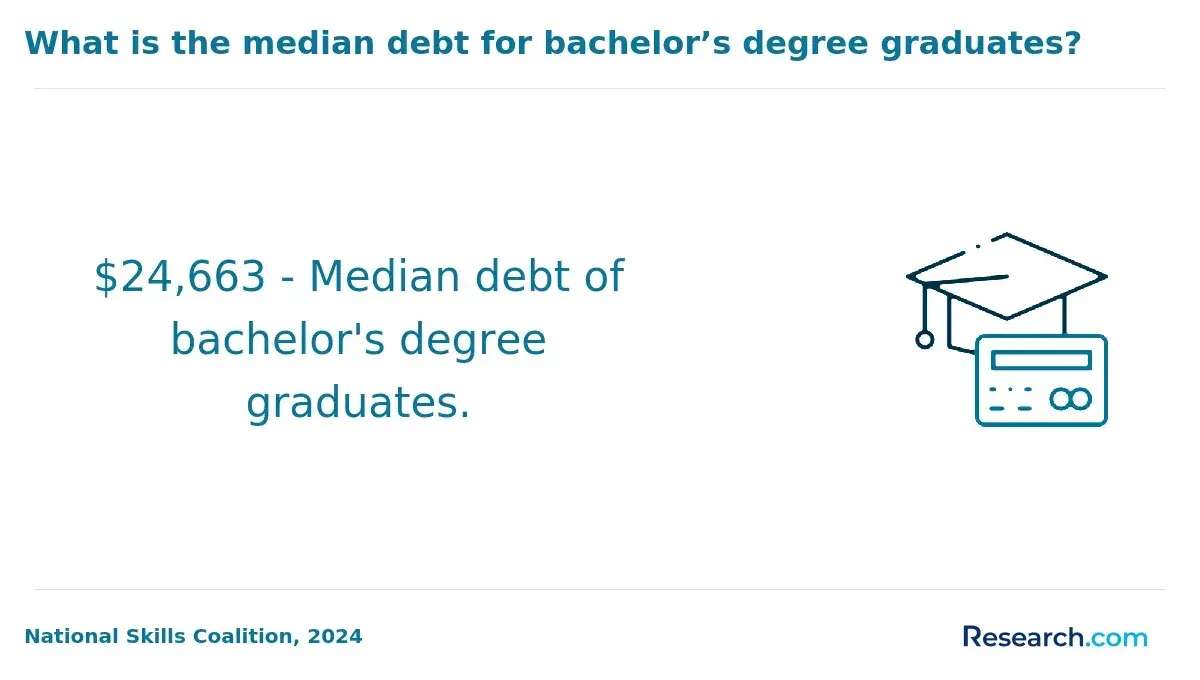
The cost of a fast online audio or music degree depends on tuition per credit, remaining credits after transfer, fees, software, equipment, financial aid eligibility, and how long you stay enrolled. Transfer credits can reduce cost dramatically because every accepted and applied credit is one fewer course to pay for.
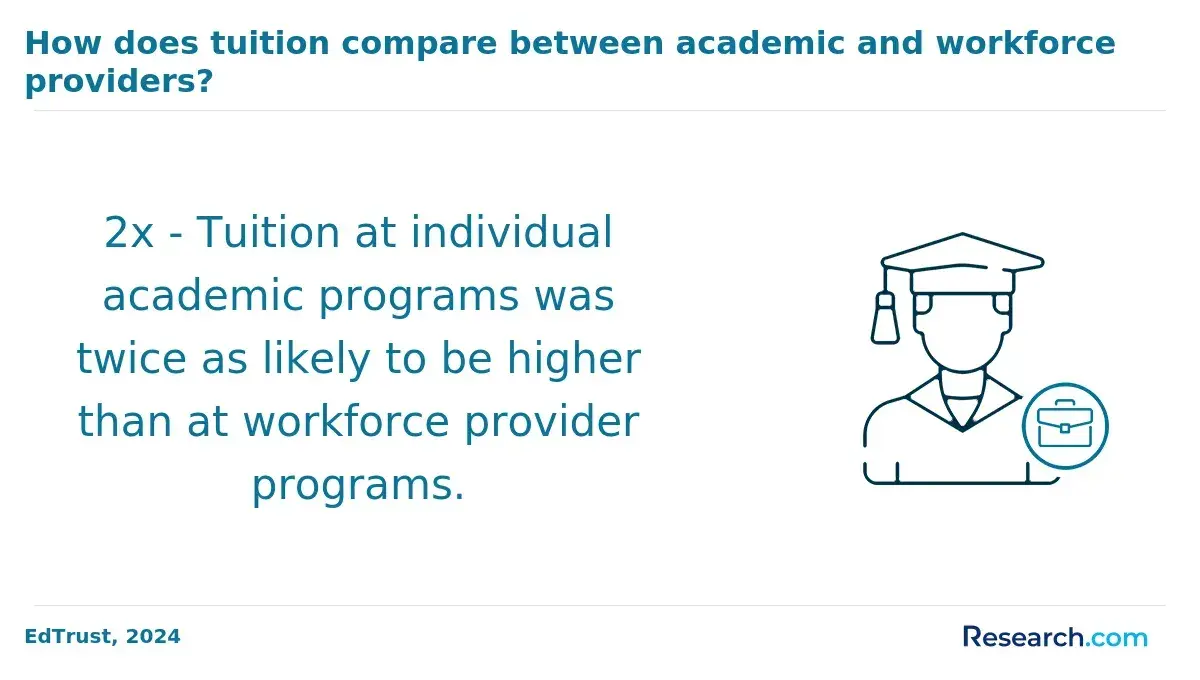
College Board's 2024 Trends in College Pricing and Student Aid report lists average published tuition and fees for full-time undergraduates at $11,610 for in-state public four-year institutions and $43,350 for private nonprofit four-year institutions for 2024-25. Online audio and music programs can fall above or below those benchmarks, so students should compare total remaining program cost rather than sticker price alone.
When estimating your out-of-pocket cost, include these categories:
- Tuition for only the credits you still need after the official transfer audit.
- Online course fees, technology fees, graduation fees, and transcript fees.
- Required software subscriptions, plug-ins, digital audio workstation tools, notation software, cloud storage, or hardware.
- Equipment such as headphones, audio interface, MIDI controller, microphone, external drive, or acoustic treatment.
- Books, media licenses, portfolio hosting, and project materials.
- Financial aid, scholarships, employer tuition assistance, military education benefits, and payment-plan costs.
A lower tuition rate is not always cheaper if the school accepts fewer credits. For example, a program charging less per credit but requiring 60 remaining credits may cost more than a higher-priced program requiring only 30 credits. The best comparison is "net cost to finish," not "tuition per credit."
Use this simple calculation when comparing schools:
- Start with the number of credits remaining after the official degree audit.
- Multiply remaining credits by tuition per credit.
- Add mandatory fees and estimated technology or equipment costs.
- Subtract grants, scholarships, employer benefits, military benefits, or other aid that does not need to be repaid.
- Compare the final net cost against the expected time to graduation and the credential's accreditation value.
Students who are still completing lower-division credits may also compare low-cost online associate pathways in practical fields, such as an office administration degree, to understand how transfer-oriented general education planning can reduce bachelor's completion costs. The key is confirming transferability before enrolling, not after.
How Do Accelerated, Competency-Based, and Self-Paced Online Audio & Music Degree Programs Compare?
Accelerated, competency-based, and self-paced formats can all shorten time to graduation, but they work differently. In audio and music, the fastest format is the one that matches your learning style, schedule, and existing skill level while still giving you enough time to produce quality creative work.
The table below compares the major online delivery formats you are likely to encounter. This matters because a program can be "online" without being flexible, and it can be "accelerated" without being realistic for every student.
| Format | How it works | Best for | Speed risk |
| Accelerated term-based | Courses run in shorter sessions, often with multiple start dates per year | Students who want structure and can handle intensive deadlines | Heavy project courses can overlap and create workload pressure |
| Traditional online semester | Courses follow standard academic terms | Students balancing work, family, and creative assignments | Fewer start dates and slower course rotation may extend completion time |
| Competency-based | Students progress by demonstrating mastery rather than only seat time | Experienced learners who already know much of the material | Less common for specialized music production degrees than for business or IT |
| Self-paced online | Students control pace within course or subscription limits | Highly disciplined students with predictable schedules | Creative feedback, capstones, and faculty review may still impose fixed timelines |
Competency-based education is common in some adult-completion fields, but it is less widely available in full audio and music bachelor's programs because creative assessment often requires iterative feedback. A mix, composition, or sound design project is not just a quiz; it may require revision, critique, and demonstration of process.
Accelerated programs can be faster when you already have transferable general education credits and can focus on upper-division major courses. They can backfire if you take too many production-heavy courses at once. Audio projects often require long listening sessions, editing time, troubleshooting, file management, and revisions after instructor feedback.
Students comparing technology-heavy creative degrees may also look at how other online programs handle fast-changing tools. For example, online AI degree programs often emphasize current software, applied projects, and portfolio-ready work, similar to many music technology and production degrees. In both fields, curriculum currency matters as much as speed.
A good rule of thumb is to choose the fastest schedule you can sustain without weakening your portfolio. In creative industries, graduating quickly is helpful, but your demo reel, production credits, writing samples, and professional network often matter alongside the credential.
Are Fast Accredited Online Audio & Music Degrees Respected by Employers and Graduate Schools?
Fast accredited online audio and music degrees can be respected when the institution is properly accredited, the curriculum is credible, and the graduate can demonstrate practical skills. Employers in music production, live sound, media, and audio post-production often care about a combination of degree, portfolio, technical fluency, reliability, and credits or experience.
The labor market is competitive, so students should be realistic. The U.S. Bureau of Labor Statistics Occupational Outlook Handbook, updated in 2024, lists median annual pay for broadcast, sound, and video technicians at $54,160. That figure is not a promised outcome for degree holders; it is a national median across workers in related roles and should be used as context when weighing tuition, debt, and career goals.
For employers, the online format is usually less important than whether you can do the work. A strong candidate can show clean audio edits, organized sessions, a mix portfolio, live sound experience, collaboration credits, problem-solving ability, and communication skills. For graduate schools, accreditation type, GPA, prerequisites, recommendations, writing samples, auditions, or portfolios may matter more than whether the bachelor's degree was online.
Before choosing a fast program, ask these outcome-focused questions:
- Does the degree title match the roles I want, such as audio engineer, music producer, sound designer, composer, music business coordinator, or media production specialist?
- Will I graduate with a portfolio, capstone, demo reel, or professional project that I can show employers?
- Does the program teach current tools and workflows used in recording, live sound, post-production, or music business?
- Can graduates apply to the graduate programs I may want later?
- Does the school offer career services, internship support, alumni networking, or portfolio review?
- Will the accreditation type support future transfer, licensure-adjacent goals, or graduate admission?
Some students eventually pivot from music into counseling, education, business, media management, or technology. If graduate study is part of your long-term plan, review admissions requirements early. Programs in unrelated fields, such as an online master's degree in counseling, often have strict accreditation, prerequisite, GPA, and fieldwork expectations that should be checked before choosing any undergraduate pathway.
The most respected fast degree is one that remains honest about what it is: an accredited academic credential that can shorten the education path when transfer credits apply, but still requires skill development, portfolio building, and professional experience to compete in creative fields.
Other Things You Should Know About Audio & Music Degrees
Some are fully online, while others may require optional or limited in-person experiences such as intensives, performances, internships, or portfolio reviews. Always confirm whether the exact degree can be completed online from your state.
Sometimes, but it is not automatic. Regionally accredited schools decide transfer credit case by case, and they may accept courses as electives rather than major requirements. Ask for a written transfer evaluation before relying on those credits.
Older general education credits may still transfer, but technology-heavy audio courses may receive closer review. Schools may ask for syllabi, software details, project examples, or placement testing to decide whether the content is still current.
A degree is usually broader and more useful for roles or graduate programs that require a bachelor's credential. A certificate may be faster and cheaper if you only need a specific skill, such as mixing, live sound, music business, or software training.
References
- Bachelor of Music Degrees | Undergraduate Programs | Musicians Institute https://www.mi.edu/bachelor-of-music/
- Best Online Universities With Generous Transfer Credit Policies https://www.collegetransitions.com/blog/best-online-universities-with-generous-transfer-credit-policies/
- 10 Types of Music Degrees - Inside Music Schools https://insidemusicschools.com/blog/the-10-different-types-of-music-degrees/
- What Is An Accelerated Bachelor’s Degree in Music? https://www.pointblankmusicschool.com/blog/what-is-an-accelerated-bachelors-degree-in-music/
- 2025 Most Affordable Online Colleges & Degrees https://www.onlineu.com/most-affordable-colleges
- Top 10 Music Production Courses Online - Mastering.com https://mastering.com/top-10-music-production-courses-online/
- Bachelor of Arts in Music Production | Batten University Online https://online.batten.edu/undergraduate/bachelor-of-arts-music-production
- Top Online Schools That Accept Transfer Credits https://www.edvisorly.com/student-guides/online-schools-that-accept-transfer-credits


