2027 Cheapest Accredited Online Audio & Music Degree Programs That Accept FAFSA

Co-Founder and Chief Data Scientist
Choosing an online audio or music degree is partly creative and partly financial: the wrong program can leave you with debt that entry-level studio, live sound, or music business roles may not quickly repay. College Board data shows published tuition and fees for public four-year in-state students reached $11,610 for 2024-25, before housing and other costs. This guide is for students who want an accredited, FAFSA-eligible program without overpaying. You will learn how to compare tuition, grants, transfer credits, accreditation, and career value before enrolling.
Key Things You Should Know
- The cheapest FAFSA-eligible online audio and music bachelor's options typically start around the low-$30,000s in published tuition before fees if you can use low public online tuition or transfer credits.
- FAFSA participation does not mean a program is free; the maximum Federal Pell Grant is $7,395 for the 2025-26 award year, and eligibility depends on financial need, enrollment status, and annual renewal.
- For ROI, keep total borrowing modest: the BLS reported a May 2024 median annual wage of $54,160 for broadcast, sound, and video technicians, so debt level matters as much as program reputation.
Which Are the Cheapest Accredited Online Audio & Music Degree Programs That Accept FAFSA?
The table below highlights FAFSA-eligible online or substantially online audio, music, music production, commercial music, or popular music degree options with comparatively lower published tuition among accredited institutions. Tuition changes frequently, so students should verify the latest rate, fees, and online availability directly with the school before applying.
| School | Online audio or music degree focus | Institutional accreditation | Published online tuition indicator | Estimated tuition for 120 credits before aid | Best fit |
| Fort Hays State University | Music, music studies, or related online music pathway | Higher Learning Commission | About $257 per undergraduate credit | About $31,000 | Students prioritizing the lowest public-university tuition |
| Valley City State University | Music degree options with online coursework availability | Higher Learning Commission | Often near the low-$300s per credit for online undergraduate study | About $36,000 to $40,000 | Students who want a public music program with teacher, performance, or general music flexibility |
| Liberty University | Commercial music or music and worship-related online pathways | Southern Association of Colleges and Schools Commission on Colleges | About $390 per undergraduate credit for many full-time online students | About $47,000 | Students seeking commercial, worship, or production-oriented music study with frequent online start dates |
| University of Maine at Augusta | Contemporary and popular music-related online study | New England Commission of Higher Education | Often around the high-$300s per credit for online or e-tuition students | About $47,000 | Students who want contemporary music coursework from a public university system |
| Berklee Online | Music production, music business, songwriting, and related bachelor's degrees | New England Commission of Higher Education through Berklee College of Music | About $515 per credit based on commonly published per-course degree tuition | About $62,000 | Students who want a music-industry brand and can manage a higher tuition level |
| Full Sail University | Audio production, music production, and recording arts-related online degrees | Accrediting Commission of Career Schools and Colleges | Program-level tuition rather than a simple public per-credit rate | Often in the $60,000+ range before aid | Students who want an accelerated, production-focused curriculum |
| Arizona State University Online | Popular music and music industry-related online study | Higher Learning Commission | Commonly in the mid-$500s to $600s per credit for online undergraduate study | About $68,000 to $79,000 | Students who want a large research university with strong online infrastructure |
The "cheapest" program depends on your profile. A public university with a low per-credit rate may be the lowest-cost option for first-time students, while a higher-priced school that accepts more transfer credits could be cheaper for a student who already completed an associate degree or general education coursework.
Students should also distinguish between an audio production degree and a broader music degree. Audio production programs usually emphasize recording, mixing, live sound, digital audio workstations, and studio workflows. Music programs may focus more on theory, composition, performance, music education, commercial music, or music business. If your goal is studio engineering, look closely at software, portfolio projects, and production courses; if your goal is teaching or graduate study, check whether the curriculum supports those next steps.
How Does FAFSA Eligibility Work for Online Audio & Music Degree Programs?
FAFSA eligibility works the same basic way for online audio and music degrees as it does for other eligible college programs. The school must participate in federal student aid, the program must be an eligible degree or certificate program, and the student must meet federal aid requirements such as citizenship or eligible noncitizen status, satisfactory academic progress, and enrollment rules.
The most important point is that FAFSA-eligible means the school can package federal aid; it does not mean every student receives grants or that aid will cover the full cost. A student with high financial need may receive Pell Grant funding, while another student at the same school may receive mostly federal loans.
Use this process before assuming an online audio or music program can be paid for with federal aid:
- Confirm the institution appears in the Federal School Code system and participates in Title IV federal student aid.
- Ask whether the specific online audio, music production, commercial music, or music degree is eligible for federal aid, not just whether the institution is eligible.
- Verify minimum enrollment requirements because some aid requires at least half-time status.
- Request a written financial aid estimate showing grants, scholarships, loans, fees, and remaining out-of-pocket cost.
- Ask how aid changes if you transfer credits, attend part time, fail a course, pause enrollment, or switch majors.
This same verification logic applies across fields, including technical pathways such as online AI degree programs, but audio and music students should be especially careful because some schools offer nondegree certificates, workshops, or continuing education courses that may not qualify for federal aid.
A common mistake is assuming that any online program offered by an accredited college is automatically FAFSA-eligible. Accreditation and federal aid participation are related, but they are not identical. Always confirm the exact program, credential level, and delivery format with the financial aid office.
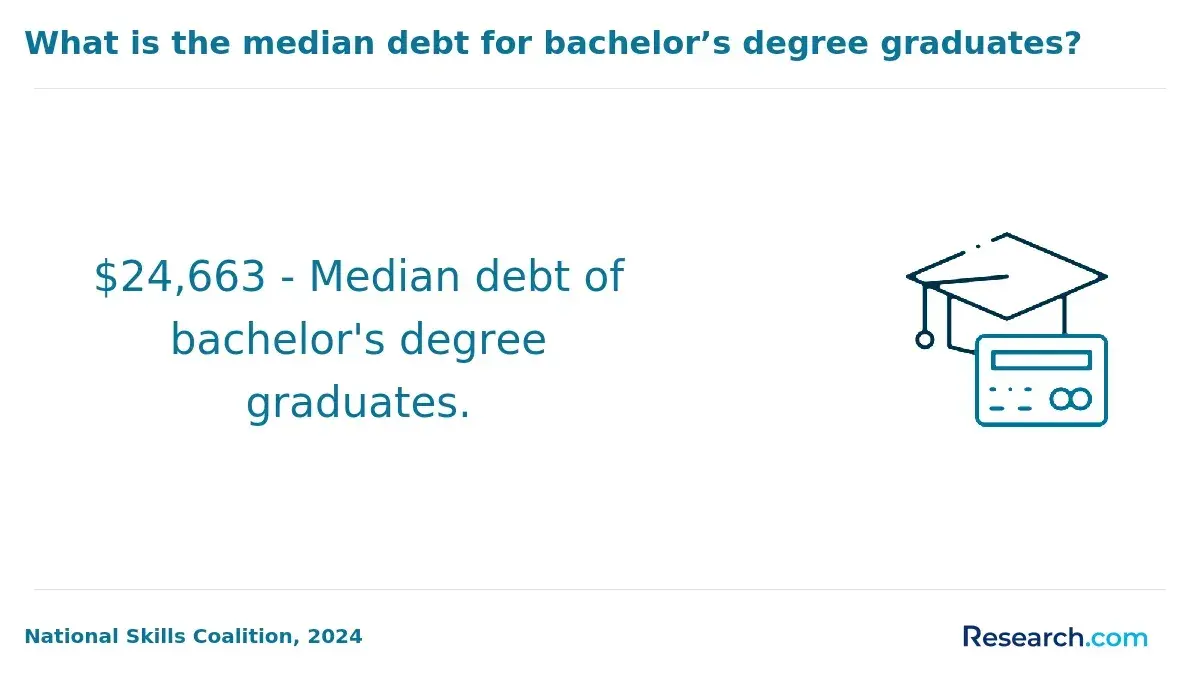
How Much Does an Online Audio & Music Degree Cost After Financial Aid?
The cost after financial aid is the school's total cost of attendance minus grants, scholarships, tuition discounts, employer assistance, and any other gift aid. Loans reduce the amount due now, but they do not reduce the real price of the degree because they must be repaid with interest.
For a 120-credit bachelor's degree, students often encounter these broad tuition ranges before fees and aid:
- Lower-cost public online option: about $31,000 to $47,000 in tuition before fees for 120 credits.
- Midrange private nonprofit or specialized online option: about $60,000 to $80,000 in tuition before fees for 120 credits.
- Specialized production-focused private or career-school option: often $60,000+ in program tuition before fees, supplies, or borrowing costs.
The Federal Pell Grant can make a meaningful difference for eligible low-income students, but it rarely covers the full price of a bachelor's degree by itself. The maximum Pell Grant is $7,395 for the 2025-26 award year, so even a student receiving the maximum award should compare remaining tuition, fees, books, software, equipment, and living costs.
The table below shows how to think about net tuition using a simple aid comparison. It is not a guarantee of aid; it illustrates why two students in the same program can face very different out-of-pocket costs.
| Cost factor | Lower-cost public example | Specialized private example | Why it matters |
| Published tuition before aid | About $31,000 to $47,000 | About $60,000 to $80,000+ | Lower tuition reduces the amount aid must cover |
| Potential Pell Grant support | Up to $7,395 per eligible award year | Up to $7,395 per eligible award year | The annual federal maximum is the same, but it covers a larger share at a cheaper school |
| Transfer credit effect | Can remove many general education credits | May vary by school and program structure | Accepted credits reduce both time and tuition |
| Equipment and software | May be student-purchased or course-specific | May be bundled or required separately | Audio students may need a laptop, DAW software, headphones, microphone, interface, or subscriptions |
| Net price risk | Usually lower if aid and transfer credits apply | Can still be worthwhile but requires stronger ROI scrutiny | Higher tuition increases the risk of borrowing more than early-career wages can comfortably support |
To estimate your own cost, ask each school for a term-by-term cost sheet. Include tuition, mandatory fees, graduation fees, online course fees, textbooks, digital materials, studio or lab requirements, technology subscriptions, and any residency or campus visit costs.
Which Affordable Online Audio & Music Degree Programs Offer the Best Value?
The best value is not always the school with the lowest tuition. A strong-value online audio or music degree combines manageable net cost, legitimate accreditation, relevant coursework, portfolio-building opportunities, transfer friendliness, student support, and career alignment.
The table below summarizes how different affordable program types tend to compare. Use it to decide which kind of school best fits your goals before narrowing your list to specific institutions.
| Program type | Value strengths | Potential drawbacks | Best for |
| Low-cost public online music program | Lower tuition, broad general education, public-university credibility | May be less specialized in studio production or commercial audio workflows | Students who want the lowest debt and a flexible bachelor's credential |
| Commercial music or popular music program | More career-relevant for songwriting, production, performance, or music business | May cost more than a general music degree | Students pursuing industry-facing creative work |
| Specialized audio production program | Focused on recording, mixing, post-production, live sound, and portfolio projects | Higher tuition may require more borrowing | Students who need a production-centered curriculum and are confident about their target role |
| Music business-focused program | Useful for artist management, publishing, promotion, entrepreneurship, and venue work | May offer less technical audio depth | Students who want to work around music rather than primarily behind a console |
A more expensive program can be worth considering if it offers substantial transfer credit, strong career services, industry-standard software training, portfolio review, internship access, or a curriculum that directly matches your career plan. It is less attractive if the higher price only buys a brand name without better completion support, stronger projects, or a clearer employment pathway.
Before choosing the "best value," compare these practical indicators:
- Net price after grants and scholarships, not just tuition per credit.
- Total borrowing expected by graduation, including federal loans and any private loans.
- Number of credits accepted from prior college, military training, exams, or portfolio assessment.
- Required software and equipment costs for audio production courses.
- Portfolio outcomes, such as mixes, recordings, live sound plans, cue sheets, or music business projects.
- Student support for online learners, including tutoring, advising, technical help, and career coaching.
- Whether courses teach tools commonly used in the field, such as digital audio workstations, MIDI sequencing, mixing workflows, and audio editing.
The highest-value program is the one that gets you to a credible credential and a usable portfolio with the least unnecessary debt.
Are the Cheapest Online Audio & Music Degree Programs Properly Accredited?
The cheapest online audio and music degree programs can be properly accredited, but students must verify accreditation before applying. For federal aid purposes, the institution generally needs accreditation from an agency recognized by the U.S. Department of Education, along with Title IV participation.
There are two main accreditation layers to understand. Institutional accreditation applies to the college or university as a whole and is the key accreditation type for federal financial aid eligibility, transferability, and general academic recognition. Programmatic accreditation, such as review by music-focused bodies, can add credibility in some music fields but is not always required for audio production, music business, or commercial music careers.
Students should verify accreditation using a step-by-step approach:
- Look up the school in the U.S. Department of Education's Database of Accredited Postsecondary Institutions and Programs.
- Confirm the accreditor listed on the school's website matches the accreditor in the federal database.
- Ask whether the online audio or music degree is offered by the accredited institution, not by a separate non-accredited partner.
- Check whether credits are likely to transfer to public universities or graduate schools if that matters for your goals.
- For music education or teaching goals, ask whether the program meets state-specific teacher preparation or licensure expectations.
Red flags include vague claims like "internationally recognized," "industry certified," or "fully approved" without naming a recognized accrediting agency. Another warning sign is a school that advertises federal aid but will not provide a clear school code, financial aid office contact, or written cost estimate.
For audio and music careers, accreditation is only one part of quality. Employers may care more about your portfolio, technical skills, reliability, credits, and experience. However, accreditation still matters because it affects federal aid, credit transfer, graduate school options, and the long-term credibility of the degree.
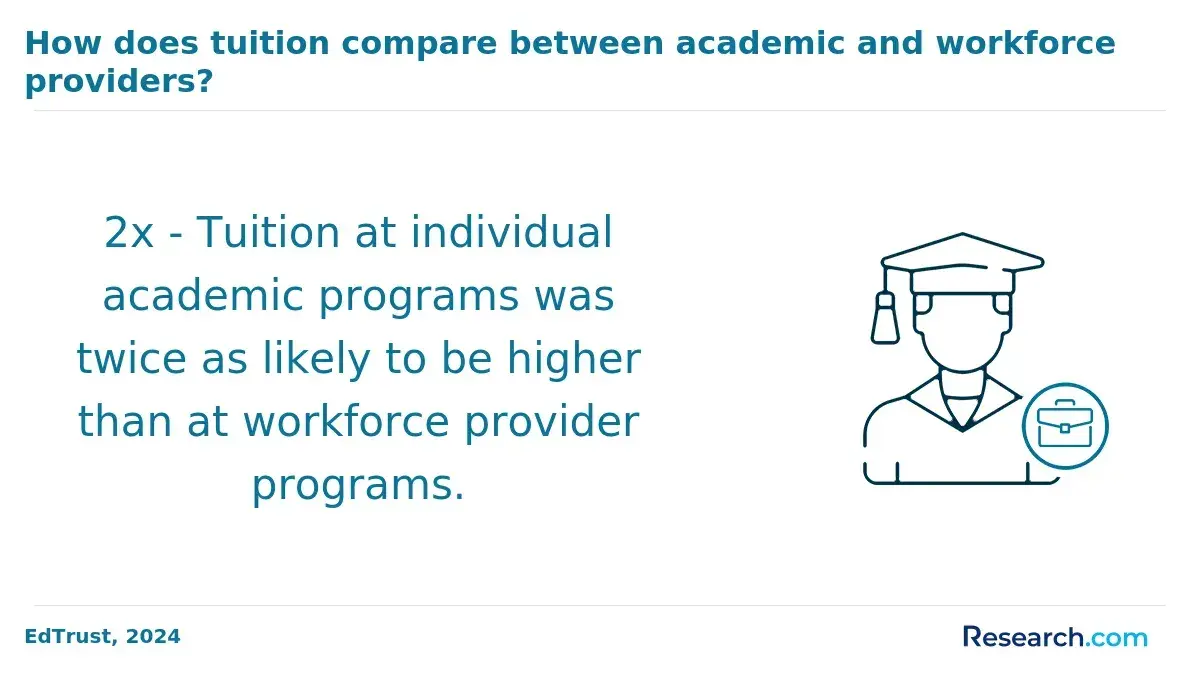
What FAFSA Grants and Federal Aid Can Pay for an Online Audio & Music Degree?
FAFSA can connect eligible online audio and music degree students with federal grants, federal loans, and work-study opportunities. Schools may also use FAFSA information to award institutional scholarships or need-based aid.
The main federal aid categories include the following, and each one affects affordability differently:
- Federal Pell Grant: need-based grant aid that does not have to be repaid if eligibility requirements are maintained.
- Federal Supplemental Educational Opportunity Grant: additional need-based grant aid at participating schools, usually limited by campus funding.
- Federal Direct Subsidized Loan: need-based loan for eligible undergraduates where the federal government pays interest during certain in-school periods.
- Federal Direct Unsubsidized Loan: non-need-based federal loan that accrues interest while the student is in school.
- Federal Work-Study: part-time work funding at participating schools, though online students should ask whether remote or local placements are available.
- Parent PLUS Loan: federal loan for eligible parents of dependent undergraduate students, which can cover remaining costs but adds family borrowing risk.
Grants are the most valuable form of aid because they reduce the actual price. Loans can make enrollment possible, but they should be evaluated against realistic early-career earnings in audio, music, media production, teaching, or entertainment administration.
Students should also ask schools about music-specific scholarships. Some online programs may offer awards for academic performance, transfer students, military students, church music, commercial music, songwriting, or creative portfolios. Scholarship rules vary widely, and some awards require full-time enrollment or a minimum GPA to renew.
Avoid the common mistake of accepting the full loan amount without calculating repayment. If a financial aid offer includes loans, ask the school to separate free aid from borrowed aid and show the estimated remaining balance for each term.
How Do Transfer Credits Lower the Cost of an Online Audio & Music Degree?
Transfer credits lower the cost of an online audio and music degree by reducing the number of credits you must pay for at the new school. This can be the largest affordability lever for students who already completed general education courses, community college credits, military training, or prior college coursework.
For example, transferring 60 accepted credits into a 120-credit bachelor's program can cut the remaining tuition roughly in half, assuming the school accepts those credits toward degree requirements. The savings are strongest when transferred credits replace required courses rather than only counting as electives.
Use this checklist before enrolling if transfer savings are part of your plan:
- Request an unofficial transfer review before applying if the school offers one.
- Ask how many credits can transfer into the major, general education core, electives, and upper-division requirements.
- Confirm whether audio, music theory, performance, production, or music business courses must be retaken because of sequencing or portfolio standards.
- Ask whether the school accepts CLEP, AP, military Joint Services Transcript credit, prior learning assessment, or professional certifications.
- Get the final transfer evaluation in writing before committing to a tuition deposit.
Community college can be a smart first step for students who want to complete general education requirements at a lower cost before moving into a specialized bachelor's program. Students comparing starter credentials may also review an easiest associates degree, but audio and music students should make sure any associate-level credits will actually transfer into the intended bachelor's curriculum.
One major red flag is a school that advertises generous transfer credit but delays the official evaluation until after enrollment. Another is a program that accepts many credits as electives but still requires nearly the full major sequence, leaving the student with less savings than expected.
Which Students Benefit Most From a Low-Cost Online Audio & Music Degree With FAFSA?
Low-cost FAFSA-eligible online audio and music degrees are most useful for students who need a flexible college credential, want to limit debt, and can build experience outside the classroom. Because music and audio careers often depend on portfolio quality, networking, freelance experience, and technical skill, affordability can be a major advantage.
These students tend to benefit the most:
- Working adults who need asynchronous or flexible coursework while maintaining income.
- Community college transfer students who can apply 30 to 60 credits toward a bachelor's degree.
- Military-connected students who can combine federal aid, transfer credit, and military education benefits.
- Independent musicians, producers, or church musicians who need formal training but already have practical experience.
- Students pursuing music business, live sound, podcasting, post-production, venue operations, or media support roles where a portfolio and degree together can be useful.
- Students who qualify for Pell Grant funding or state aid and want a public or lower-cost online option.
Students should be cautious if they are choosing the program only because it is cheap but do not enjoy music theory, production technology, critique, collaboration, or project-based learning. Audio and music programs require consistent creative output, technical practice, and feedback; low tuition will not help if the curriculum does not fit your strengths.
Some students may be better served by a different low-cost major if their main goal is stable employment outside the creative industries. For example, students comparing creative fields with human-services pathways may consider an accelerated online bachelor's degree in psychology, especially if they are more interested in counseling preparation, social services, or graduate study than audio production or music business.
The best candidates for a low-cost online audio or music degree are self-directed learners who can use the degree as one part of a broader plan: portfolio development, internships, freelance projects, local networking, and continued skill-building.
How Does the Cost of an Online Audio & Music Degree Affect Career ROI?
The cost of an online audio and music degree affects ROI because many entry-level creative and media roles do not pay enough to justify heavy borrowing. A degree can help students build theory knowledge, production skills, a portfolio, and professional credibility, but it should be priced in line with realistic career paths.
The BLS reported a May 2024 median annual wage of $54,160 for broadcast, sound, and video technicians. That figure is a useful benchmark, not a promise: actual pay varies by city, industry, union status, freelance workload, employer type, experience, and whether the role is full time or project-based.
Students should compare degree cost with the kinds of roles they are targeting. Common paths include studio assistant, sound engineering technician, live sound technician, podcast producer, music producer, music director, composer, music business coordinator, artist services assistant, venue operations assistant, media technician, and post-production assistant. Some roles emphasize technical audio skills; others require business, communication, performance, or teaching preparation.
Use these ROI rules of thumb when comparing programs:
- Prefer grants, scholarships, transfer credits, employer tuition assistance, and payment plans before borrowing.
- Keep total debt low enough that repayment would be manageable even if your first job is not in a high-paying studio or entertainment market.
- Ask whether the program produces portfolio-ready projects that match your target role.
- Check whether internships, local partnerships, capstones, or faculty feedback are available to online students.
- Consider location because music and audio opportunities can be stronger in certain metro areas, but online students may need to build local networks independently.
A more expensive program may make sense if it substantially improves completion odds, transfer efficiency, portfolio quality, or access to specialized instruction. It is harder to justify if the same curriculum outcomes are available through a lower-cost accredited school plus independent projects, internships, and certifications.
Students thinking beyond a bachelor's degree should also compare graduate-level ROI carefully. A music or audio bachelor's may support creative careers, while a different graduate path such as an online master's degree in counseling serves a regulated professional route with different licensure, cost, and employment considerations.
How Should Students Choose the Cheapest FAFSA-Eligible Online Audio & Music Degree?
Students should choose the cheapest FAFSA-eligible online audio and music degree by comparing total net price, accreditation, career fit, transfer credit, online support, and portfolio outcomes. The right program is not simply the one with the lowest advertised tuition; it is the one that helps you finish with credible skills and manageable debt.
Use this step-by-step process to make a safer decision:
- Define your target outcome: audio engineering, music production, commercial music, music business, teaching preparation, songwriting, performance, or graduate study.
- Build a shortlist of accredited schools that clearly state the online program is eligible for federal student aid.
- Request a complete cost estimate from each school, including tuition, fees, software, books, equipment, and graduation costs.
- Submit the FAFSA early and compare aid offers by separating grants and scholarships from loans.
- Ask for a transfer credit evaluation before enrollment if you have prior credits.
- Review the curriculum for career-relevant courses, portfolio projects, production tools, capstones, and online student support.
- Compare expected debt with realistic early-career wages and your willingness to freelance, relocate, or build experience outside class.
- Choose the lowest net-cost program that still meets your academic, technical, and career requirements.
Ask each admissions or financial aid office these questions before committing:
- Is this exact online degree program eligible for federal student aid?
- What is the total cost to finish if I transfer my current credits?
- Which fees are mandatory for online students?
- What equipment and software must I buy myself?
- What happens to my aid if I attend part time?
- How many students in this program complete online?
- What portfolio, internship, practicum, or capstone experiences are available remotely?
- Will this degree support graduate school, teacher preparation, or licensure if those are my goals?
Students who want a faster, more job-adjacent credential should also consider whether a different online program would meet their financial goals better. For example, an office administration degree may provide a more direct route to administrative roles, while audio and music degrees are better suited to students committed to creative, technical, or music-industry work.
The safest choice is a program that you can afford even under conservative assumptions. If the only way to enroll is to borrow heavily for a field with variable early-career income, keep comparing options before signing an enrollment agreement.
Other Things You Should Know About Audio & Music
Some are fully online, while others may require auditions, performances, internships, practicums, ensemble participation, or short residencies. Always ask whether any in-person requirement affects travel costs or financial aid enrollment status.
Often, yes. Many programs expect students to have a capable computer, headphones, microphone, audio interface, and access to required software. Ask for the required equipment list before enrolling so you can include it in your total cost estimate.
Not always. Public school music teaching usually requires state-approved teacher preparation and licensure. If teaching is your goal, confirm that the online program meets your state's requirements before applying.
Yes, if the school and scholarship rules allow it. Scholarships may come from the institution, state agencies, music organizations, employers, or private foundations, but they can affect the final aid package, so report outside awards to the financial aid office.
References
- Scholarships for Music Majors https://majoringinmusic.com/scholarships-for-music-majors/
- Top 10 Music Production Courses Online - Mastering.com https://mastering.com/top-10-music-production-courses-online/
- Financial Aid for Undergraduate International Students https://www.nafsa.org/about/about-international-education/financial-aid-undergraduate-international-students
- Bachelor of Music Degrees | Undergraduate Programs | Musicians Institute https://www.mi.edu/bachelor-of-music/
- 2025 Most Affordable Online Degrees in Music https://www.onlineu.com/most-affordable-colleges/music-degrees
- Tuition & Fees https://sfcm.edu/study/apply/financial-aid/tuition-fees
- The Three Audio Disciplines You'll Learn at OIART https://www.oiart.org/program/creative-paths
- Job Placement - Recording Connection https://recordingconnection.com/job-placement/
- Financial Aid For Online Colleges https://www.affordablecollegesonline.org/financial-aid/financial-aid-for-online-colleges/
- Can I get financial aid for an online degree? | edX https://www.edx.org/resources/can-i-get-financial-aid-for-an-online-degree