2027 Business Communications Degree Completion Time Report: How Long Students Actually Take to Graduate

Co-Founder and Chief Data Scientist
Degree completion timelines for business communications students often diverge significantly from published program lengths due to diverse real-world pressures. Many juggle work commitments, transfer credits, or part-time enrollment, which extend their path to graduation. According to the National Student Clearinghouse Research Center's 2024 report, delayed graduation beyond six years affects over 40% of bachelor's graduates nationally, reflecting complex enrollment patterns rather than academic shortcomings alone.
For business communications students balancing career advancement and course demands, these factors shape the actual duration of study more than static program requirements. This article explores how long students truly take to graduate, the influences that affect timing, and key graduation patterns to inform educational planning.
Key Things To Know About Business Communications Degree Completion Time
- More accurate salary and ROI planning: Business Communications completion time can vary based on internships, professional certifications, or pairing the degree with a business/marketing minor — knowing the realistic timeline helps students project when they'll actually enter the workforce and start earning, since practical writing/presentation experience and internships often directly influence starting salary potential.
- Smarter scheduling around internships and applied projects: Because Business Communications programs often emphasize hands-on projects (corporate writing, presentations, client communications) alongside internships, completion time data helps students and advisors build course plans that balance core coursework with practical experience, avoiding unnecessary extra semesters.
- Clearer career outcome tradeoffs: Comparing completion time against job placement rates and starting salaries across common paths (corporate communications, public relations, marketing communications, technical writing, HR communications) can reveal whether students who take extra time for internships or specialized coursework land stronger job offers — helping future students weigh a faster degree against building the practical communication skills many employers prioritize.
- What Is the Average Graduation Time for Business Communications Students? Average Graduation Timeline
- What Factors Have the Biggest Impact on Graduation Speed? Graduation Timeline Factors
- How Does Full-Time Versus Part-Time Enrollment Affect Graduation Timelines? Full-Time vs. Part-Time Graduation Timeline
- Do Online Business Communications Students Graduate Faster Than Campus-Based Students? Online vs. On-Campus Graduation Time
- How Many Months or Years Can Transfer Credits Save? Transfer Credits
- Do Accelerated Business Communications Programs Significantly Reduce Completion Time? Accelerated Program Timeline
- Which Business Communications Program Requirements Most Often Extend Graduation Timelines? Factors Extending Graduation Timeline
- Does Taking Longer to Graduate Increase the Cost of a Business Communications Degree? Impact on Program Cost
- Does Graduating Faster Improve Career Prospects? Impact on Career Prospects
- Which Scheduling Mistakes Commonly Delay Graduation? Mistakes to Avoid
What Is the Average Graduation Time for Business Communications Students?
The average time to complete a business communications degree generally spans three to six years, with full-time students at four-year institutions typically aiming for a four-year completion. However, graduation timelines often extend beyond this conventional period, particularly for part-time students balancing employment, family, or other obligations alongside their studies.
According to the National Center for Education Statistics data published in 2024, a significant portion of students require additional time due to varied enrollment patterns and institutional demands, highlighting that typical graduation timelines for business communications students are far from uniform across all contexts.
Variations in time to degree completion largely stem from differences in program design and student circumstances. Part-time enrollment reduces credit load per term, stretching the duration needed, while transfer students face extended timelines due to credit acceptance issues and curricular alignment challenges.
Programs incorporating practical elements like internships or capstone projects can also lengthen study periods, trading off faster completion for enhanced professional readiness. Additionally, the choice between online and on-campus formats influences pacing; students opting for flexible online doctorate programs demonstrate alternative models of progression that differ from traditional campus-based pathways, reflecting evolving educational structures within business communications degrees.
Extended graduation timelines impact more than just academic progression; they affect financial investment, motivation, and timing of labor market entry for business communications students. Employers often prioritize skill relevance over rapid graduation, yet prolonged completion can delay practical workforce integration and return on investment considerations. Understanding these dynamics is critical for students and planners making informed decisions about program selection and enrollment strategies, ensuring alignment between educational pathways and long-term career goals.
What Factors Have the Biggest Impact on Graduation Speed?
Graduation speed for business communications degrees is rarely determined by a single dominant factor; rather, it depends on a complex mix of academic planning choices, institutional program design, and students' external responsibilities. For many students, particularly working adults or transfer students, these interacting variables create significant variation in how quickly a degree program can be completed. Understanding these influences is critical to making informed decisions about enrollment status, course load, and program format that align with individual circumstances and long-term goals.
- Enrollment Status and Course Load: Full-time students generally complete business communications programs faster than part-time students because they take a heavier course load each term. Part-time students frequently balance employment and family obligations, which can extend their graduation timelines substantially. According to the National Center for Education Statistics, only 45% of part-time undergraduates graduate within six years compared to 62% of full-time students, underscoring how enrollment status directly impacts time to degree.
- Transfer Credits and Institutional Policies: Students entering with a significant number of transfer credits often accelerate completion by bypassing entry-level courses. However, variability in credit acceptance policies among institutions can introduce delays if credits are denied or require supplementary coursework. Navigating these policies requires strategic planning to ensure that prior learning effectively reduces time to degree.
- Program Structure and Delivery Format: Accelerated or competency-based business communications programs enable students to move quickly through curriculum components by testing out of content or completing condensed terms. Conversely, traditional semester-based tracks with fixed sequences and limited course offerings can create bottlenecks, especially if needed classes are unavailable or conflict with students' schedules. Delivery mode decisions also impact how well students can manage their time and workload.
- External Obligations and Time Management: Many students pursuing business communications degrees work full-time while studying, which increases the time needed to graduate by 25-40%, as identified by the Postsecondary National Policy Institute. Balancing sustained employment with academic demands restricts course load options and can delay progression, particularly when employers do not offer flexible scheduling or education support.
- Academic Preparedness and Support Needs: Students with strong writing, critical thinking, and technology skills tend to complete degree requirements more swiftly, whereas those requiring developmental courses or academic support often face elongated timelines. These gaps influence how quickly students can advance through core business communications coursework and meet program benchmarks.
These factors intersect and amplify one another: for example, transfer credit policies impact how external obligations shape enrollment choices, while program format affects how academic preparedness translates into actual classroom progression. Prospective students should critically evaluate these dynamics to align their enrollment strategy and workload with realistic graduation expectations. For comprehensive comparisons of flexible degree options and to explore program structures, students can consult resources like the best online schools.
How Does Full-Time Versus Part-Time Enrollment Affect Graduation Timelines?
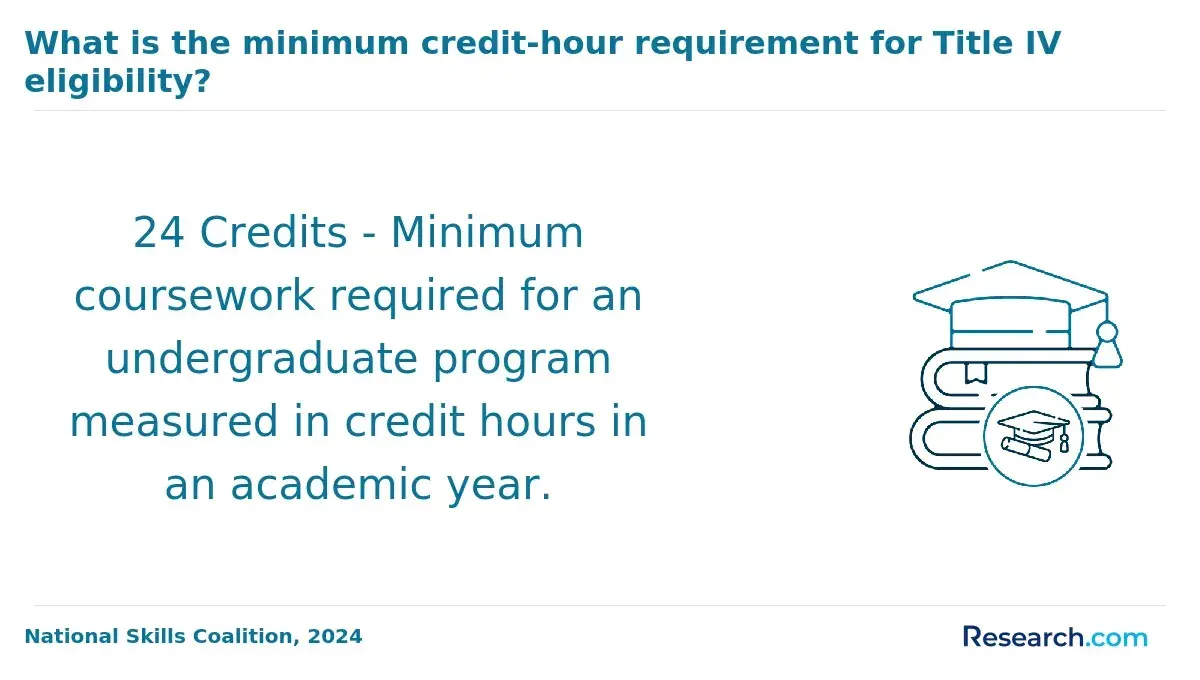
Students enrolled full-time in business communications programs generally complete their degrees within the standard four-year period by maintaining a course load of 12 or more credit hours each semester. Data from the National Center for Education Statistics in 2024 indicates that full-time enrollment strongly correlates with higher rates of on-time graduation across communication fields. Conversely, part-time students often extend completion timelines by 50% to 100%, reflecting smaller, less consistent course loads and the need to balance external obligations. These extended pathways result from interrupted enrollment patterns or lighter semester schedules that slow credit accumulation.
The pace of degree completion hinges not only on credit load but also on program structure and individual circumstances. Sequencing requirements and limited course availability in some programs may restrict how quickly part-time students can progress. Additionally, online or hybrid delivery formats, while offering flexibility, can introduce variable time commitments and affect continuity. Part-time students frequently manage work, family, or other life responsibilities that constrain their academic focus and availability, creating a trade-off that impacts progression speed and academic rhythm.
Choosing between full- and part-time status shapes not only academic intensity but also financial planning and workforce entry timing. Full-time students typically benefit from quicker credentialing, enabling faster transition into employment, which can be critical in competitive fields that value timely degree completion. Meanwhile, part-time enrollment may reduce immediate financial strain and allow income generation, but this often results in longer overall educational expenses and delayed career advancement opportunities. These enrollment decisions thus involve balancing short-term manageability against longer-term educational and professional objectives.
Do Online Business Communications Students Graduate Faster Than Campus-Based Students?
Many perceive that online business communications students generally graduate faster than their campus-based peers, but this outcome is far from uniform. Recent data from the National Center for Education Statistics in 2024 highlights that about 65% of online business communications students complete their programs within four years, compared to 55% of those studying on campus. However, program completion timelines vary widely depending on individual circumstances and institutional structures, so the modality alone does not guarantee accelerated graduation.
The speed of degree completion hinges on several interconnected factors. Online programs often provide flexible scheduling options, including asynchronous courses and year-round enrollment, which can accommodate working adults balancing education with other responsibilities. This flexibility allows for accelerated pacing or part-time study as needed, but it also demands strong self-discipline and time management. Meanwhile, campus-based students benefit from fixed semester schedules and more immediate access to institutional resources, which aid steady progress but may lack the same adaptability. Additionally, requirements such as internships or practicum components and students' course load choices significantly shape how quickly they move through their programs, regardless of learning environment.
Choosing between online and campus study also influences how students cultivate academic discipline and manage competing demands. Online learners often face greater autonomy, which can speed up progress for highly motivated individuals but may delay those adjusting to less structured pacing. On-campus students may experience a more regimented timeline, helping some maintain momentum but limiting opportunities to accelerate. These differences affect not only graduation timing but also the transition into the workforce, as earlier completion can offer a head start while extended timelines might allow for deeper integration of practical experiences.
One recent business communications graduate recalled hesitating during the rolling admissions process due to uncertainty about when exactly to begin courses. They had professional obligations and hoped to minimize downtime between application approval and starting class. The student finally enrolled in the summer term after receiving their acceptance late in spring, a decision influenced by balancing readiness with the desire to graduate sooner. This experience of navigating flexible start dates and weighing timing highlights how strategic planning, rather than modality alone, often plays a decisive role in completing the degree efficiently.
How Many Months or Years Can Transfer Credits Save?
Transfer credits can shorten business communications degree completion time by varying amounts, often ranging from several months to over a year, depending primarily on the volume of accepted credits and how closely those credits align with degree requirements. On average, students who transfer substantial credits tend to graduate faster than those starting a program from scratch; data from the National Student Clearinghouse Research Center shows many transfer students finish their degrees in under four years compared to the typical four to six years for full-time students without prior credits. However, the actual duration saved depends heavily on how those transferred courses fulfill core, general education, or major-specific requirements within the business communications curriculum.
Key factors governing how long transfer credits reduce total program time include institutional policies on maximum transferable credits, course equivalency evaluations, and residency requirements mandating a minimum number of credits earned directly from the degree-granting institution. Accreditation compatibility also plays a role, as credits from regionally accredited schools are more likely to be accepted in full. Even when credits transfer, discrepancies in curriculum structure or content can limit applicability towards major requirements, meaning students must take additional courses to meet degree pathways. These variables contribute to why estimates of how long transfer credits can shorten business communications degree completion vary widely.
From an academic planning perspective, transfer credits influence not only time-to-degree but also course sequencing and financial costs, potentially enabling students to focus earlier on advanced business communications topics. Still, students must consider how remaining coursework is arranged, as balancing credits with part-time work or other obligations can affect progression speed. For those comparing educational options, reviewing transfer policies remains essential, especially given increasing interest in fields linked to digitally driven communications and social media degrees, where relevant prior coursework frequently factors into accelerated degree pathways.
Do Accelerated Business Communications Programs Significantly Reduce Completion Time?
Accelerated business communications programs are structured to compress traditional degree timelines by increasing course intensity and pace, often by reducing term lengths or requiring denser credit loads per session. These programs aim to streamline progression through curriculum requirements, potentially allowing students to complete essential coursework more quickly than in conventional formats. However, the extent of actual time reduction depends heavily on how institutions organize course sequencing and whether key experiential components, like internships or capstone projects, retain standard durations. The design typically assumes students can sustain a higher workload continuously without breaks, which impacts pacing and overall completion time.
The practical time savings from accelerated programs hinge on multiple variables. Intensified credit hours per term and minimized gaps between courses can shorten timelines, but prerequisite dependencies and required professional experiences often impose fixed minimum durations. Additionally, some courses cannot be effectively compressed without sacrificing content depth, limiting acceleration potential. Students also face challenges balancing heavier workloads, which can lead to pauses or part-time enrollment that reduce or negate intended speed gains. The presence of remediation needs or additional electives for specialization further complicates seamless acceleration, making the expected time reductions conditional rather than guaranteed.
This compression of academic schedules carries trade-offs involving workload demand and flexibility. While accelerated formats may benefit disciplined learners ready for rigorous study, they often leave less room for reflection or application of skills, potentially affecting learning quality. Scheduling constraints may interfere with securing internships or networking opportunities vital for career outcomes in communication-driven fields. For many students, this raises questions about whether shortening completion time is worth the intensified strain and possibly diminished experiential breadth.
One accelerated business communications graduate shared that during the rolling admissions process, uncertainty about start dates and application deadlines created added stress. Although initially eager to enroll quickly, they delayed submitting required documents while weighing if waiting for the next term might offer more manageable scheduling. This hesitation extended their timeline unexpectedly but also allowed them to better prepare and balance work commitments. Their experience highlighted how admissions timing and personal circumstances can influence actual completion time as much as program structure.
Which Business Communications Program Requirements Most Often Extend Graduation Timelines?
Extended graduation timelines in business communications programs often stem from specific embedded curriculum requirements rather than overall credit volume. These elements underpin program rigor and professional readiness but also impose pacing constraints that slow student progression. Institutional sequencing, workload intensity, and the need for experiential learning create bottlenecks affecting how quickly students can complete their degrees.
- Capstone Projects and Internships: Capstones and supervised work experiences demand integration of academic knowledge with practical application, frequently requiring students to secure external placements. Scheduling challenges and competitive internship availability often delay progress, especially for students balancing employment or other commitments.
- Advanced Research and Quantitative Methods Courses: These courses develop essential analytical skills but may require prerequisite training in statistics or research design, causing students with weaker backgrounds to repeat or extend coursework. The sequential nature and high workload contribute to longer completion times.
- Credit Transfer Evaluations for Transfer Students: Transfer students often encounter discrepancies in credit acceptance and must satisfy distinct communication theory prerequisites unique to business communications degrees. These credit articulation issues can add on average 1.5 semesters, according to 2024 Lightcast data.
- Specialized Electives and Course Sequencing: Concentrations in digital media, public relations, or corporate communication involve limited course offerings and restrictive enrollment windows. This structure forces students to extend their programs while waiting for required classes to be available sequentially or in specific terms.
- Concurrent Enrollment Limits and Part-Time Study: Institutional policies frequently restrict the number of upper-level communication courses students can take simultaneously to maintain academic quality, elongating the degree for those managing part-time schedules alongside work or family obligations.
Collectively, these mandatory requirements embed professional standards and skill development in business communications education but create unavoidable time tradeoffs in degree completion. Students and planners should anticipate these factors to better align academic pacing with career timelines and personal circumstances.
Does Taking Longer to Graduate Increase the Cost of a Business Communications Degree?
Taking longer to graduate from a business communications degree program often increases total tuition and related expenses due to how many institutions structure their charges per term or credit hour. Students who extend their studies may face additional semesters of enrollment fees, textbooks, and technology costs that accumulate beyond initial estimates. Furthermore, longer timelines can reduce eligibility for certain financial aid packages, which are frequently tied to standard program lengths, pushing students toward higher out-of-pocket expenses.
This dynamic is particularly relevant given the impact of extended graduation time on business communications tuition, where delayed completion can add indirect costs such as lost income opportunities. Meanwhile, many employers in this field expect graduates to demonstrate strong time management skills, so financing an extended timeline may also influence salary offers or early career growth.
However, longer completion times do not always dramatically increase costs. Some business communications programs adopt flat-rate tuition models for full-time enrollment regardless of course load intensity, limiting financial penalties for extending completion when maintaining full-time status. Others offer part-time pricing options, or students may leverage employer tuition assistance that buffers incremental costs incurred by slower progress. Additionally, flexible pacing policies that enable students to pause and resume study without additional fees can mitigate cost accumulation.
Ultimately, enrollment decisions and course load adjustments shape overall expenses, influencing how extended timelines interact with tuition structures. For those considering accelerated options or more accessible paths like the easiest MBA programs, these factors are important in balancing the financial realities of a business communications degree cost and graduation time.
Does Graduating Faster Improve Career Prospects?
Graduating faster from a business communications degree can accelerate entry into the workforce, positioning students to begin their careers sooner than peers on traditional timelines. Early labor market participation can lead to increased earnings in the initial years of employment, which may offer a financial advantage. However, employers rarely assess graduation speed in isolation; they place greater emphasis on practical skills and demonstrated professional readiness. Understanding the impact of accelerated graduation on business communications careers requires recognizing how timing interacts with real-world hiring criteria and job market dynamics.
The advantage of completing a degree more quickly depends heavily on factors such as the quality of internship experiences, the strength of communication portfolios, and the extent of skill development and networking during the program. Employers evaluating candidates weigh these tangible indicators of capability above simply finishing faster. Solid internship participation, meaningful professional affiliations, and communication skill mastery often have a greater bearing on hiring competitiveness than graduation speed alone. Thus, accelerated completion only improves career prospects to the extent that it coincides with robust practical preparation aligned with industry demands.
Trade-offs between speed and experiential depth are critical considerations for business communications students weighing earlier graduation. Rushing through coursework may limit access to internships, reduce opportunities for portfolio-building, and constrain networking opportunities essential for long-term employability. Balancing the desire to graduate quickly with the need to cultivate comprehensive skills and professional connections typically yields more sustainable career trajectories. For students targeting roles in areas such as high paying jobs for introverts, this nuanced understanding of whether graduating faster improves career prospects in business communications degree programs is particularly relevant to strategic academic and career planning.
Which Scheduling Mistakes Commonly Delay Graduation?
Delays in graduating from business communications programs often stem more from scheduling and planning missteps than from academic difficulty alone. These challenges affect students across program levels and formats, disrupting steady progress toward degree completion. Recognizing these common enrollment and course sequencing errors helps students better navigate institutional rules and prerequisite chains that otherwise extend timelines.
- Inconsistent Enrollment Status: Alternating between full-time and part-time enrollment frequently leads to elongated degree timelines. Business communications programs require accumulating a set credit load each semester; fluctuating statuses hinder consistent progression and eligibility for timely course sequences.
- Improper Prerequisite Sequencing: Delaying foundational courses or skipping prerequisite chains creates bottlenecks, especially when required classes are offered only once annually. This disrupts the logical flow of curriculum and forces students to pause progression while awaiting course availability.
- Transfer Credit Misalignment: Transfer students often encounter credit acceptance issues or mismatched course equivalencies, necessitating additional coursework. This increases semester loads or extends study duration because required credits must still be met under institutional policies.
- Neglecting Course Availability Planning: Failing to factor in summer or intersession courses limits flexibility to accelerate progress. Students who overlook these opportunities miss chances to reduce their academic load during regular semesters, impacting overall time to degree.
- Inadequate Integration of External Commitments: Balancing internships, employment, or family demands without proactive scheduling leads to unexpected course withdrawals or delayed enrollment. This mismanagement interrupts semester plans, often lengthening time needed to graduate.
Data from the National Student Clearinghouse Research Center (2024) shows that students taking fewer than 12 credits per semester are 45% more likely to require extra semesters. This reflects how enrollment strategy and institutional progression rules intertwine, making consistent course loads and careful planning essential to avoid common delays across business communications programs.
References:
- 5 Myths about earning an online communications degree — Busted https://www.boisestate.edu/online/2026/01/06/5-myths-about-earning-an-online-communications-degree-busted/
- 7 Factors That Affect Online Business in the Start Up Phase - Eaton Business School https://ebsedu.org/blog/factors-affect-online-business-start-phase/
- A Bachelor’s degree is the first step towards a career in business communication | University Canada West (UCW) https://www.ucanwest.ca/blog/education-careers-tips/
- A Descriptive Summary of Bachelor's Degree Recipients 1 Year Later, With an Analysis of Time to Degree https://nces.ed.gov/pubs2003/2003165.pdfa-bachelors-degree-is-the-first-step-towards-a-career-in-business-communication
- Strategic Communications (BA) https://www.uagrantham.edu/online-degrees/strategic-communication-bachelor-of-arts/
- The Four-Year Myth: Make College More Affordable. Restore the Promise of Graduating on Time https://eric.ed.gov/?id=ED555824
- What to do after a Bachelor's degree in communication? https://www.ipag.edu/en/blog/what-do-after-bachelors-degree-communication
Other Things You Should Know About Business Communications
The order in which students take required courses can extend or shorten their time to graduate. Some programs have strict prerequisites that delay enrollment in key subjects if earlier courses are not completed promptly. To avoid unnecessary delays, students should prioritize completing prerequisite-heavy courses early in their studies, especially those tied closely to capstone projects or internships, which often are scheduled late in the program.
Effective workload management is crucial for timely graduation in 2027. Students who balance coursework, internships, and extracurricular activities tend to maintain a steady pace, achieving their degree within the expected timeframe while gaining industry-relevant skills.
Working adults must weigh longer completion times against immediate career demands and opportunities for on-the-job application of learning. Slower pacing can enable integration of new skills in real work contexts, improving retention and relevance. However, when career advancement depends on rapid credentialing, a more intensive schedule might be necessary despite the increased stress. Prioritizing program flexibility to accommodate work-life balance is critical in these decisions.
Employers in fields requiring business communications expertise often value demonstrated competency and relevant experience more than speed of graduation. Taking additional time to engage in internships, practicums, or advanced projects can enhance employability despite lengthening the degree timeline. Students should consider employer preferences in their target industries and prioritize meaningful professional experiences within their academic schedules rather than focusing solely on finishing quickly.