2027 Behavioral Health Leadership Student Debt Report: Borrowing, Monthly Payments, and Repayment Risk

Co-Founder and Chief Data Scientist
Behavioral health leadership programs often require extended study periods, reflecting comprehensive licensing and accreditation standards that shape borrowing behavior among students. The integration of fieldwork and internship obligations extends time to degree completion, influencing debt accumulation and monthly repayment amounts.
Workforce entry in this sector also presents variability in salary trajectories, affecting loan repayment risk differently than in other fields. Data from the National Center for Education Statistics in 2024 highlights a notable proportion of older students in behavioral health leadership, suggesting evolving workforce demands and accessibility considerations. This report examines borrowing patterns, payment expectations, and repayment challenges specific to this discipline's educational context.
Key Things to Know About Behavioral Health Leadership Student Debt
- High average student debt in behavioral health leadership programs often delays financial independence, forcing graduates to weigh longer repayment terms against increased cumulative interest costs, impacting lifetime earnings tradeoffs.
- Employers increasingly scrutinize debt-to-income ratios for leadership roles, signaling that heavy student debt may limit candidates' perceived financial stability and career mobility in behavioral health management.
- Rising monthly repayment obligations tied to behavioral health leadership loans typically peak early post-graduation, challenging access to advanced certifications or professional development critical for workforce advancement.
- Key Things to Know About Behavioral Health Leadership Student Debt Key Things to Know About Behavioral Health Leadership Student Debt
- How Much Student Loan Debt Do Behavioral Health Leadership Graduates Typically Have at Graduation? Average Studen Loan Debt
- What Factors Have the Biggest Impact on Behavioral Health Leadership Student Loan Debt? Student Debt Key Factors
- What Is the Average Monthly Student Loan Payment for Behavioral Health Leadership Graduates? Average Monthly Payment
- How Do Repayment Rates Compare Between Public and Private Institutions? Public vs. Private Institution Repayment Rates
- Do Online Behavioral Health Leadership Graduates Have Different Repayment Outcomes Than Campus-Based Students? Online vs. On-Campus Student Loan Repayment
- Which Industries Provide the Best Financial Return Relative to Borrowing Costs? Which Industries Provide the Best Financial Return Relative to Borrowing Costs?
- Does Student Debt Affect Which Jobs Behavioral Health Leadership Graduates Accept? Does Student Debt Affect Which Jobs Behavioral Health Leadership Graduates Accept?
- What Factors Increase Student Loan Repayment Risk for Behavioral Health Leadership Graduates? Loan Repayment Risk Factors
- How Can Behavioral Health Leadership Students Reduce Student Loan Debt While Earning Their Degree? Tips to Reduce Student Debt
- How Should Prospective Students Evaluate Borrowing Risk Before Enrolling? Evaluating Student Debt Risk
How Much Student Loan Debt Do Behavioral Health Leadership Graduates Typically Have at Graduation?
Graduates completing behavioral health leadership degree programs often carry student loan debt ranging between $30,000 and $60,000 at graduation, based on 2024 data from national education sources like the National Center for Education Statistics. This spectrum aligns with borrowing amounts typical in social science and health-related fields but remains notably lower than debt accumulated in professions with higher tuition costs such as law or medicine.
Variability exists depending on program level and institutional type, with some students incurring debts below or slightly above this average. These behavioral health leadership graduate student loan debt averages reflect the broader funding landscape, where moderate borrowing supports credential attainment without reaching the extreme debt burdens seen in other graduate programs.
The differences in student borrowing often trace back to factors including whether the student attended a public or private institution, with private schools generally imposing higher tuition and consequently greater loan requirements. In-state versus out-of-state tuition rates also shape borrowing levels, as does access to scholarships, federal grants, and employer tuition assistance, which can significantly offset costs.
Program duration and enrollment status matter as well; part-time students studying through hybrid or online options frequently spread out tuition expenses but might accumulate more debt over extended enrollment periods. These dynamics illustrate why typical borrowing amounts for behavioral health leadership graduates vary and highlight the importance of program format, geographic location, and financial aid availability in shaping overall debt.
Given that entry-level salaries in this field are often modest, the cumulative debt load presents complex challenges related to repayment and financial well-being post-graduation. Many borrowers must navigate repayment plans that adjust monthly obligations according to income, yet the size of their debt still affects long-term financial choices, including further education, housing, and retirement savings.
Understanding these borrowing and repayment nuances supports better-informed decisions for current and prospective students weighing the costs and career benefits of behavioral health leadership degrees. For those interested in exploring flexible doctoral options with potentially different cost implications, reviewing programs such as PharmD online programs can provide additional context on financing health-related degrees.
What Factors Have the Biggest Impact on Behavioral Health Leadership Student Loan Debt?
Student loan debt levels among behavioral health leadership students are influenced by a complex interplay of institutional pricing, program structure, individual financial circumstances, and aid availability rather than a single driving factor. Understanding these dynamics requires examining how the affordability system within higher education translates into variable borrowing behaviors.
These variations in debt emerge as students navigate pricing tiers, enrollment patterns, and their own financial resources while managing living costs and academic workload. Behavioral health leadership student loan borrowing trends reflect these nuanced pressures, underscoring the layered reality behind reported debt figures.
- Institutional Pricing and Tuition Models: Tuition rates can differ dramatically between public universities with in-state discounts and private institutions with higher sticker prices. This structural pricing disparity directly impacts borrowing amounts, as students at higher-cost institutions often accumulate more debt even when program outcomes are comparable. The overall rise in graduate program tuition by 4.5% in 2024 further compounds this effect, increasing reliance on loans.
- Program Length and Enrollment Intensity: Behavioral health leadership programs typically span two to three years, sometimes extending further due to practicum or internship requirements. Longer durations mean higher cumulative tuition and sustained living expenses, pushing students to borrow more, especially if part-time work options are limited. Data from the U.S. Department of Education shows that students in extended programs borrow around 20% more than those in accelerated tracks, reflecting how program format influences debt.
- Availability and Structure of Financial Aid: Access to merit-based scholarships, employer tuition reimbursement, and federal grants reduces the need for borrowing but varies widely among behavioral health students. Those without substantial aid packages face greater pressure to rely on federal and private loans. Financial aid disparities often align with socioeconomic background and institutional capacity, creating uneven debt burdens across the student population.
- Career Earnings Potential and Debt Management: The moderate entry-level salaries typical for behavioral health leadership roles, with median management wages near $85,000 annually, shape borrowing capacity and repayment strategies. While these salaries are respectable, they impose practical limits on manageable debt, influencing how much students choose or need to borrow. Students who anticipate salary growth might accept heavier debt loads, whereas others curb borrowing to avoid repayment difficulties.
- Individual Financial Circumstances and Borrowing Behavior: Prior undergraduate debt, family support, and personal borrowing habits significantly affect cumulative debt levels. Students entering behavioral health leadership programs with existing loans often face compounded repayment challenges, which may constrain additional borrowing. These personal financial factors intertwine with institutional and program elements to produce diverse borrowing outcomes.
Program structure and degree format also influence students' borrowing decisions, especially when considering alternatives like the LPN fast-track program, which some may weigh against longer behavioral health leadership paths. Together, these interconnected factors create a complex mosaic of debt formation that prospective and current students must navigate carefully.
What Is the Average Monthly Student Loan Payment for Behavioral Health Leadership Graduates?
Recent data from the U.S. Department of Education and the Federal Reserve indicate that behavioral health leadership graduates generally face monthly student loan payments ranging from approximately $250 to $450. This span reflects a balance between diverse borrowing amounts, typical repayment durations, and interest rates that characterize this field. Variations in these figures also arise from differences in credential levels, with undergraduate and graduate programs influencing total debt loads and, consequently, repayment expectations.
Such ranges are indicative rather than fixed, reflecting the real-world complexity of loan repayment across varied career and educational trajectories within behavioral health leadership. The underlying factors driving payment differences include the total loan debt-often between $30,000 and $70,000-and the choice of repayment plan, such as standard 10-year amortization versus income-driven options. Income-driven plans can lower monthly installments but extend overall repayment periods, increasing interest costs and affecting long-term financial planning.
Additionally, starting salaries in behavioral health leadership typically fall between $50,000 and $70,000, making loan payments that exceed 10-15% of discretionary income potentially burdensome. Employment sector matters too; those working in public or nonprofit roles may access loan forgiveness, reducing effective monthly costs, while graduates in private sectors without salary growth face amplified repayment pressure and financial risk.
An early-career behavioral health leadership graduate shared that the timing and uncertainty of her program's rolling admissions complicated her financial planning. She delayed submitting her application initially, weighing whether to gather more work experience to qualify for better job prospects post-graduation.
During the admission wait, fluctuating repayment scenarios weighed on her decision, as she wasn't certain how soon her loan obligations would begin or how repayment plans might fit her income when she started working. Ultimately, this hesitation proved useful, allowing her to better prepare for the financial realities tied to her eventual enrollment and manage expectations about her monthly loan payments.
How Do Repayment Rates Compare Between Public and Private Institutions?
Recent data from the U.S. Department of Education's College Scorecard reveals that graduates of behavioral health leadership programs at public universities typically demonstrate higher five-year loan repayment rates-around 62%-compared to approximately 54% for those from private institutions. This gap reflects more than just institutional type; it points to varying financial burdens and post-graduation outcomes that directly affect borrowers' ability to manage debt.
Public school graduates often begin repayment with lower overall debt levels, which correlates with steadier repayment patterns within the critical first five years of loan obligation. Several structural factors contribute to these observed differences. Public institutions generally offer lower tuition rates, particularly for in-state students, reducing borrowing needs and easing repayment pressure.
Graduates from these programs also tend to secure employment in more stable, government- or community-based health roles with predictable income streams, enhancing their capacity to meet loan obligations in a timely manner. In contrast, attendees of private programs frequently incur higher debt due to elevated tuition and fees, leading to greater reliance on income-driven repayment plans.
This financial strain, combined with more variable earnings and employment settings, can hinder consistent repayment and increase default risk, underscoring the importance of debt-to-income considerations in evaluating the real economic value of behavioral health leadership education.
Do Online Behavioral Health Leadership Graduates Have Different Repayment Outcomes Than Campus-Based Students?
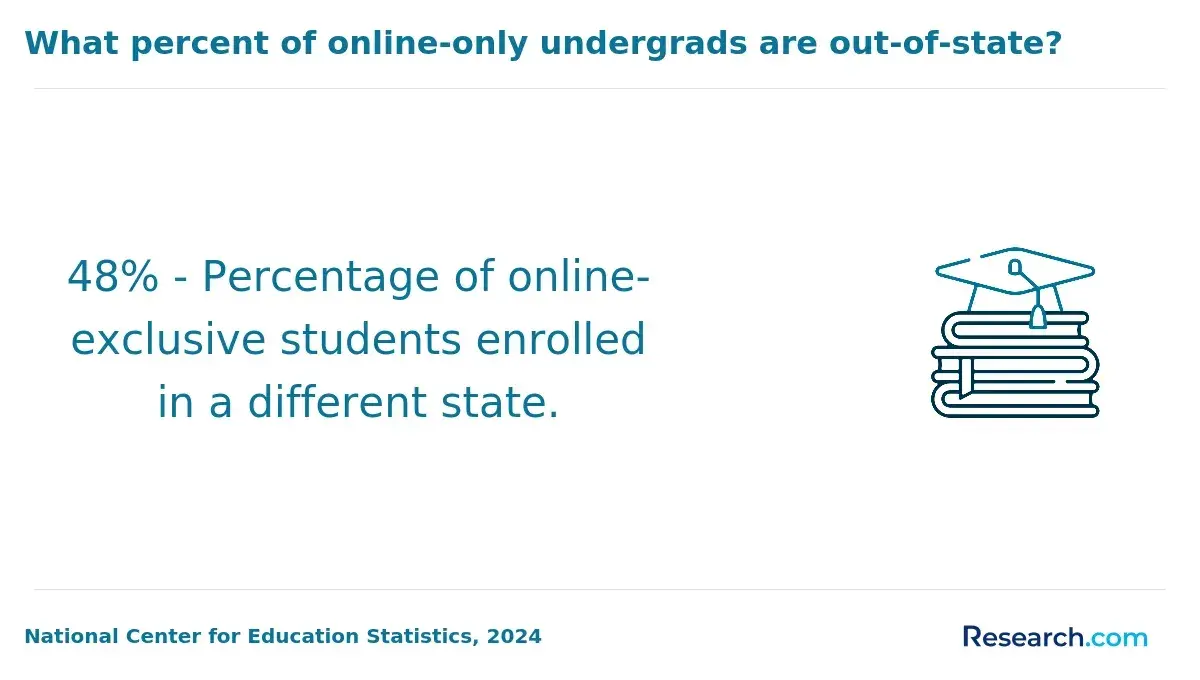
Recent data from the National Center for Education Statistics and the U.S. Department of Education's 2024 Postsecondary Student Loan Repayment report show that repayment rates for graduates in behavioral health leadership programs diverge significantly between public and private institutions. Approximately 58% of public university graduates manage their student loan repayment on schedule within three years post-graduation, compared to just 45% of private institution graduates.
These differences reflect underlying financial realities rather than just institutional type, revealing how repayment outcomes are influenced by a range of socioeconomic and institutional factors. When evaluating online behavioral health leadership graduate repayment outcomes alongside campus-based metrics, it becomes clear that institutional sector impacts repayment patterns more than enrollment modality alone.
Higher tuition and fees at private universities typically lead to greater initial borrowing, increasing debt-to-income ratios for their graduates. Public institutions often benefit from more robust state funding and financial aid distribution that can reduce average loan amounts, positively influencing repayment behavior. Institutional prestige and employer recognition also shape earning potential after graduation, as well as job market access, which correlates with capacity to meet loan obligations.
These structural distinctions impact how graduates navigate repayment stress and long-term financial mobility, underscoring the importance of considering borrowing levels and debt management strategies specific to the institutional context rather than relying solely on modality comparisons. For students weighing program options, including those exploring an exercise science online degree, understanding this nuanced interplay between institutional type, program cost, and repayment risk is critical for sustainable educational investment decisions.
Which Industries Provide the Best Financial Return Relative to Borrowing Costs?
Financial return from a behavioral health leadership degree diverges notably across industries, reflecting distinct balances between salary progression and debt repayment demands. Rather than emphasizing salary alone, true return on investment (ROI) hinges on how income growth, sector-specific hiring patterns, and typical borrowing levels converge to influence long-term debt sustainability.
Recent data from the U.S. Bureau of Labor Statistics and the National Center for Education Statistics highlight that median starting salaries vary widely, affecting graduates' capacity to manage student loans effectively under prevailing repayment plans.
- Healthcare Administration: This sector generally offers strong entry salaries ranging from $65,000 to $75,000, paired with steady demand driven by expanding healthcare systems. The higher initial pay and relatively rapid career advancement reduce the ratio of monthly loan payments to income, making it among the most financially viable paths for graduates carrying typical borrowing between $40,000 and $60,000.
- Public Health Agencies: While salaries in public health often start lower, around $60,000, these roles frequently include structured benefits and loan forgiveness opportunities, which mitigate long-term debt burdens. Slower salary growth can limit repayment acceleration, so graduates may face prolonged repayment periods despite lower immediate risk.
- Managed Care Organizations: With increasing demand for cost-effective behavioral health management, these employers offer competitive salaries and consistent hiring, translating into relatively favorable income-to-debt ratios. Graduates often benefit from clearly defined career ladders that can quickly enhance earning potential beyond entry-level figures.
- Non-Profit Behavioral Health Services: Often mission-driven, these organizations typically provide lower starting incomes-frequently under $50,000-which heightens repayment risk when offsetting typical loan balances. Resource constraints within these sectors can slow salary growth and limit opportunities for loan repayment relief, intensifying long-term financial risk for borrowers.
- Community-Based Behavioral Health: This field aligns closely with social impact goals but usually presents the most challenging economic environment for debt management. Lower and stagnant wages, combined with high borrowing costs, often result in repayment burdens exceeding recommended thresholds, particularly in areas with higher living expenses.
Evaluating ROI in behavioral health leadership must consider both the immediate financial landscape and the structural career dynamics of each industry. Graduates should weigh these tradeoffs closely, aligning borrowing decisions with the realistic earning trajectories and repayment challenges inherent to their chosen professional sectors.
Does Student Debt Affect Which Jobs Behavioral Health Leadership Graduates Accept?
High student debt levels notably shape the initial employment choices of behavioral health leadership graduates, as repayment obligations compel many to prioritize salary over other job attributes. The need to cover monthly loan payments nudges graduates toward positions with stronger immediate financial returns, often steering them away from nonprofit or community roles where compensation tends to lag despite potential long-term benefits.
Data from the National Center for Education Statistics in 2024 reveals that roughly 62% of graduates with relevant master's degrees considered their outstanding loan balances when selecting their first role, indicating a prevalent financial calculus behind early career moves. This dynamic underscores how perceived debt-to-income ratios directly influence decisions about employer type and job stability, with graduates frequently opting for settings that provide predictable income streams and, in some cases, loan repayment assistance as part of benefits packages.
Beyond salary considerations, debt burdens interact with broader behavioral and structural factors that affect employment patterns in the field. Graduates carrying substantial loans often face limited geographic mobility due to cost-of-living disparities and the necessity to maintain a stable income, narrowing their job search scope compared to peers with lower debt. These constraints may disincentivize acceptance of internships, fellowships, or entry-level leadership roles traditionally associated with nonprofit or public sectors, which can offer meaningful experience but less immediate financial security.
Consequently, the interplay between debt levels, industry wage scales, and the uncertainty surrounding loan forgiveness programs creates differentiated career trajectories, often privileging short-term economic needs over diversified professional development or mission-driven work. These trade-offs illustrate how student debt intricately shapes labor market behavior by decisively influencing which roles graduates find feasible and desirable in the complex behavioral health landscape.
A behavioral health leadership graduate recalled navigating the graduate admissions process while juggling significant debt concerns. With rolling admissions deadlines approaching unpredictably, she hesitated to submit applications immediately, fearing a prolonged acceptance timeframe might increase financial strain.
Ultimately, she chose programs offering phased enrollment and clearer loan counseling resources, valuing the ability to plan repayment alongside academic commitments. This experience highlighted how debt considerations extend even into application strategies, reflecting a layered decision-making process where financial uncertainty and timing influence not only job acceptance but also educational pathway choices.
What Factors Increase Student Loan Repayment Risk for Behavioral Health Leadership Graduates?
Student loan repayment risk for behavioral health leadership graduates arises from the complex interplay of borrowing magnitude, income reliability, and labor market conditions rather than any single factor. This risk reflects not only the total debt accrued but also the stability and sufficiency of post-graduation earnings necessary to manage repayment.
Given the variability in employment outcomes and loan structures, understanding these interconnected drivers is crucial for assessing long-term financial stability and repayment capacity.
- High Borrowing Relative to Starting Salary: Graduates often face significant loan balances that outpace their initial wages in behavioral health roles. This imbalance prolongs repayment periods and increases vulnerability to default, particularly when starting salaries lag industry inflation or regional cost of living. High debt servicing demands can limit financial flexibility, compounding stress when combined with other repayment challenges.
- Extended Program Duration Increasing Total Debt: Lengthy degree paths typical in behavioral health leadership accumulate greater loan principal and interest over time. Longer enrollment delays workforce entry, reducing the effective earning years to manage debt and heightening exposure to escalating balances, especially when combined with deferred interest capitalization.
- Underemployment or Low Initial Wages: Many graduates accept part-time or lower-paying roles due to labor market saturation or geographic constraints. This reduces monthly repayment capacity and often leads to reliance on forbearance or income-driven plans, which can increase overall interest costs and repayment timelines.
- Loan Terms With High Interest Rates or Limited Repayment Flexibility: Graduates with federally subsidized loan options have more repayment choices than those with private or high-interest debt. Limited access to income-driven repayment plans or refinancing opportunities amplifies risk of balance growth and repayment strain over time.
- Geographic Disparities in Job Markets: Regional demand differences affect employment prospects and wages, with graduates in underserved areas facing steeper financial pressures. Variability in local healthcare funding and employer capacity directly influences earning stability and repayment feasibility.
According to a 2024 study by the National Center for Education Statistics, approximately 42% of behavioral health leadership graduates struggled to meet monthly loan obligations within five years after graduation, highlighting the critical misalignment between borrowing levels and realistic income trends. These dynamics are especially relevant when considering the practical outcomes of 5-year speech pathology programs as comparative models for program length and associated debt.
Behavioral health leadership student loan repayment challenges stem from this multifactorial risk landscape, where the cumulative effects of borrowing, labor market volatility, and loan features shape overall financial endurance. Assessing these factors aids prospective and current students in navigating repayment risks grounded in economic realities.
How Can Behavioral Health Leadership Students Reduce Student Loan Debt While Earning Their Degree?
Reducing student loan debt while earning a behavioral health leadership degree demands intentional planning and strategic decision-making that integrates financial awareness, academic efficiency, and maximizing institutional resources. Given the 2024 National Center for Education Statistics data showing average borrowing exceeding $40,000, students must actively pursue avenues to minimize debt to align with the often moderate entry-level salaries in this field. Structuring education paths to balance cost, time, and quality is critical for sustainable financial outcomes and manageable repayment obligations.
- Prioritize Accredited, Cost-Effective Programs - Selecting accredited programs with competitive tuition prevents overpaying for credentials while ensuring marketable skills. Public universities and community colleges often offer foundational coursework at significantly lower costs, making early transfer a financially prudent approach.
- Leverage Scholarships and Grants Targeted at Behavioral Health Students - Scholarships and grants reduce reliance on loans, with federal social and behavioral sciences aid lowering debt by up to 25%. Applying early and strategically increases the odds of securing non-repayable support essential to minimizing borrowing.
- Enroll Part-Time While Employed in Relevant Roles - Combining part-time enrollment with employment in behavioral health generates income to offset expenses and limits loan dependence. This approach also encourages practical skill development aligned with workforce expectations.
- Utilize Employer Tuition Assistance - Many healthcare employers offer tuition aid for staff advancing leadership credentials, directly reducing out-of-pocket costs. Understanding eligibility and navigating benefits can shrink the loan burden substantially.
- Opt for Online or Hybrid Programs - Distance-learning options cut expenses linked to relocation, commuting, and housing. Online pathways allow students to maintain employment and adhere to accelerated completion schedules, preventing excess tuition accrual. Students exploring related graduate paths may also want to research the different counseling degrees available, since comparing options can reveal similarly flexible, cost-conscious formats.
- Engage in Federal Work-Study or Assistantships Focused on Behavioral Health Leadership - These roles provide financial support and relevant experience, offsetting costs while enhancing résumés. Prioritizing assistantships linked to the degree area maximizes both affordability and employability.
- Accelerate Degree Completion - Efficiently completing coursework reduces cumulative tuition fees and limits additional semesters of borrowing. However, students must balance speed with mastering leadership competencies required in behavioral health settings.
Effective borrowing minimization strategies require continuous adjustment as students progress through their programs. There is a growing emphasis on integrating financial planning with academic decisions to improve long-term affordability and workforce readiness in behavioral health leadership.
How Should Prospective Students Evaluate Borrowing Risk Before Enrolling?
Evaluating borrowing risk before enrolling in a behavioral health leadership program is crucial for understanding the long-term financial implications of the degree. Borrowing risk fundamentally balances the total expected student debt against projected post-graduation earnings and job prospects. This assessment enables prospective students to weigh whether program costs align with realistic salary outcomes and manageable repayment obligations.
- Total Debt Load: Analyze the average cumulative debt required to complete the program. Excessive borrowing relative to median starting salaries-often between $50,000 and $65,000 according to 2024 National Center for Education Statistics data-signals higher default risks and repayment burden.
- Projected Earnings: Consider median entry-level salaries in target markets and roles. Understanding the variance in pay by geography and specialization helps determine if loan repayment fits within expected cash flow.
- Repayment Terms and Monthly Payments: Review typical interest rates, loan durations, and estimated monthly payments. Aligning these with your personal budget ensures payments won't severely limit financial flexibility.
- Employment Outcomes and Placement Rates: Assess the program's graduate employment statistics in behavioral health leadership. Strong job placement indicates sustainable income streams critical for loan servicing.
- Institutional Default Rates: High default or delinquency rates among alumni may reflect institutional or programmatic challenges in supporting student debt management.
- Access to Support Mechanisms: Verify availability of income-driven repayment plans, borrower counseling, or financial literacy resources that mitigate long-term financial risk.
By systematically evaluating these factors, students can make informed decisions that balance educational investment with realistic repayment capacity and financial stability.
References
- The Impact of Carrying Student Loan Debt on Your Health https://blackrainbow.org.au/blog/mental-health-and-wellbeing/the-impact-of-carrying-student-loan-debt-on-your-health.html
- Key Figures on Cost, Student Debt, & ROI at Public Universities - APLU https://www.aplu.org/our-work/4-policy-and-advocacy/publicuvalues/key-figures-on-cost-student-debt-amp-roi-of-public-universities/
- Student Debt Outcomes | ACHE https://achehealth.edu/student-debt-outcomes/
- Fact Sheet: Federal Student Loan Limits for Graduate and Professional Programs | AHA https://www.aha.org/fact-sheets/2026-02-11-fact-sheet-federal-student-loan-limits-graduate-and-professional-programs
- Debt and mental health https://www.rcpsych.ac.uk/mental-health/mental-illnesses-and-mental-health-problems/debt-and-mental-health
- fidelityworkplace https://www.fidelityworkplace.com/s/article/student-debt-healthcare
- Behavioral Health Workers Closer to Winning Full Funding of Student Loan Repayment Program https://www.afscme.org/blog/behavioral-health-workers-closer-to-winning-full-funding-of-student-loan-repayment-program
- Oregon Office of Rural Health https://www.ohsu.edu/oregon-office-of-rural-health/oregon-behavioral-health-loan-repayment-program
Other Things You Should Know About Behavioral Health Leadership
Longer degree programs or those requiring internships and practicum hours often increase total borrowing due to extended enrollment periods and associated costs. Students should prioritize programs with integrated field experience that balance hands-on learning and cost efficiency, as this practical training tends to improve job readiness and employer appeal, potentially accelerating repayment capacity post-graduation.
Part-time students typically accrue less debt per year but face longer repayment horizons, which can increase overall interest costs and delay income growth. Conversely, full-time enrollment may drive higher short-term borrowing but can lead to faster entry into the workforce and earlier income stabilization. Prospective students should weigh their current financial obligations and job flexibility, as stretched repayment timelines from part-time study may elevate long-term financial risk.
Employers increasingly seek graduates with proven leadership and practical management skills, not just academic credentials. Programs that build strong operational and supervisory competencies better prepare students to meet these demands, improving job placement in roles with more competitive salaries. Investing in programs aligned with these expectations can mitigate repayment risk by enhancing earning potential and career advancement prospects.
Income in behavioral health leadership can vary widely depending on sector, geographic location, and leadership level, directly impacting repayment feasibility. Graduates expecting roles in nonprofit or public sectors must plan for potentially lower salaries and longer repayment timelines, prioritizing income-driven repayment options or forgiveness programs. A clear understanding of typical salary trajectories helps borrowers choose realistic repayment plans and avoid unsustainable monthly obligations.