2027 Behavioral Health Leadership Admissions Trends Report: Acceptance Rates, GPA Expectations, and Test Policy Changes

Co-Founder and Chief Data Scientist
Behavioral health leadership programs are increasingly shaped by workforce demands and regulatory expectations that influence admissions beyond simple metrics. Shifts in acceptance rates and GPA requirements often reflect evolving accreditation standards, clinical licensing pathways, and strategic enrollment management aimed at balancing student preparedness with faculty capacity. The recent move by several programs to modify standardized testing policies aligns with broader efforts to reduce barriers for experienced professionals transitioning into leadership roles.
These trends reveal how institutions adapt admissions criteria in response to the sector's complex educational and workforce dynamics. Notably, the age distribution of enrolled students may signal growing demand for mid-career advancement and diversified leadership pipelines within behavioral health fields.
Key Things to Know About Behavioral Health Leadership Admissions Trends
- Acceptance rates for behavioral health leadership programs fluctuate widely, often below 40%, reflecting employer demand for candidates with demonstrated leadership and practical field experience rather than solely academic credentials.
- Competitive GPA thresholds typically center around 3.3 to 3.6, signaling that employers value consistent academic performance as a proxy for critical thinking but still weigh professional experience heavily during hiring.
- Since 2023, more programs have adopted test-optional policies to reduce entry barriers; however, this shift increases reliance on comprehensive applicant portfolios, affecting timing and coaching costs for prospective students.
- Key Things to Know About Behavioral Health Leadership Admissions Trends Key Things to Know About Behavioral Health Leadership Admissions Trends
- What Are the Current Acceptance Rates for Behavioral Health Leadership Degree Programs? Current Acceptance Rates
- What Is the Average GPA of Accepted Behavioral Health Leadership Students? GPA Requirement
- Are SAT or ACT Scores Still Required for Behavioral Health Leadership Degree Programs? SAT/ACT Requirement
- How Many Behavioral Health Leadership Programs Have Adopted Test-Optional Admissions Policies? Test-Optional Programs
- What Non-Academic Factors Do Behavioral Health Leadership Admissions Committees Consider? What Non-Academic Factors Do Behavioral Health Leadership Admissions Committees Consider?
- Which Types of Schools Are the Most Selective for Behavioral Health Leadership Applicants? Which Types of Schools Are the Most Selective for Behavioral Health Leadership Applicants?
- How Do Admissions Standards Differ Across States and Regions? Admission Standards by State
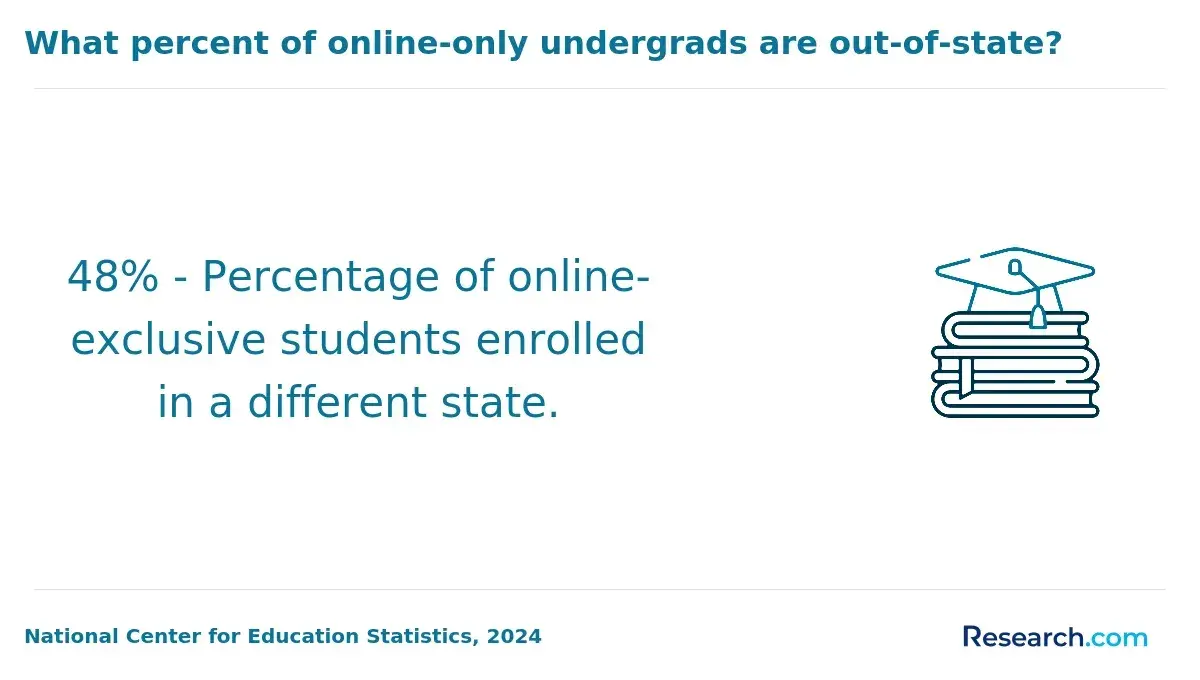
- How Do Admissions Requirements Compare Between Online and Campus Programs? Online vs On-Campus Admissions
- Is There a Relationship Between Admissions Standards and Student Success? Admission Standards & Student Success
- How Can Students Strengthen a Behavioral Health Leadership Program Application? Program Application Preparation
What Are the Current Acceptance Rates for Behavioral Health Leadership Degree Programs?
Recent data from the U.S. Department of Education College Scorecard and NCES indicate that acceptance rates for behavioral health leadership degree programs across the United States generally fluctuate between 30% and 70%. More selective offerings, especially those at research-driven universities or advanced graduate levels such as master's and doctoral programs, often accept applicants at rates near the lower end of this spectrum.
Undergraduate behavioral health leadership programs typically record higher acceptance figures, aligning with broader enrollment goals and efforts to diversify the future workforce. These acceptance trends reflect the average acceptance rate trends for behavioral health leadership degrees by region and remain influenced by institutional mission, program rigor, and local demand.
The variation in acceptance rates stems largely from differences in institutional prestige, program capacity, and applicant pool volume. Public universities and online platforms tend to have larger enrollment capabilities and slightly more flexible entry requirements, making them more accessible than some private, highly competitive institutions.
Additionally, regional workforce demands affect program selectivity, with areas experiencing shortages of behavioral health leaders often seeing expanded capacity but also heightened applicant interest. Policy shifts such as increased test-optional admissions and waived standardized exam requirements further complicate the landscape, pushing programs to weigh qualitative factors like leadership experience and professional recommendations more heavily in their decisions.
These evolving admission dynamics suggest a tightening competitiveness that requires candidates to strategically position themselves beyond academic metrics alone. Applicants with robust leadership backgrounds and relevant experience may offset GPA limitations, while those relying solely on grades without practical exposure could face challenges at programs emphasizing workforce readiness.
Understanding these nuances is crucial for prospective students when evaluating programs, including specialized pathways such as the online DNP, which represent alternative routes within behavioral health leadership education and may present distinct admissions considerations in line with institutional priorities and labor market needs.
What Is the Average GPA of Accepted Behavioral Health Leadership Students?
Recent admissions data reflect that the average GPA of accepted behavioral health leadership students generally falls between 3.3 and 3.7 on a 4.0 scale, a range supported by various institutional profiles and education datasets from 2024 onward. Median GPAs often cluster near 3.5, underscoring a moderate level of academic competitiveness balanced with practical leadership experience.
This GPA range functions as a clear signal of academic preparedness while admitting a diversity of candidates who demonstrate potential across quantitative and qualitative measures. Such typical GPA benchmarks for accepted behavioral health leadership students indicate that while a minimum of around 3.0 is common, stronger academic performance can compensate for limited professional exposure.
Key factors influencing GPA expectations include institutional selectivity, program demand, and grading leniency across different school types. Public urban universities with access-focused missions tend to admit students with GPAs closer to the lower end of the range, roughly 3.0 to 3.3, while private and research-intensive institutions maintain a higher bar, often expecting GPAs above 3.6 to stratify academically elite cohorts.
Additionally, evolving test policies that emphasize test-optional or test-flexible admissions in 2023 and 2024 have increased reliance on GPA as a standardized academic metric. These nuances reflect how grading discrepancies and program priorities shape admissions signals within this competitive educational landscape.
GPA thresholds in behavioral health leadership programs also affect applicant behavior and preparation strategies, nudging candidates to strengthen their academic records or supplement them with relevant leadership experience to remain competitive. Employers in behavioral health sectors often interpret GPA as a proxy for cognitive rigor and perseverance, affecting perceptions of applicant quality and suitability.
Prospective students balancing these benchmarks must consider not only their GPA but how it aligns with program selectivity and workforce expectations, a consideration critical enough to inform discussions around alternative pathways such as exploring what nursing school doesn't require TEAS when navigating admissions roadblocks.
Are SAT or ACT Scores Still Required for Behavioral Health Leadership Degree Programs?
As of 2024, the use of SAT and ACT scores in admissions for behavioral health leadership degree programs continues to decline, with a growing number of institutions removing or making these test scores optional. Data from the National Center for Education Statistics and admissions policies from diverse universities indicate that programs increasingly emphasize undergraduate GPA, relevant coursework, and experiential qualifications rather than standardized testing metrics.
This shift reflects skepticism about the ability of SAT and ACT scores to effectively predict success in leadership-focused behavioral health roles, where interpersonal and critical thinking skills carry substantial weight. While some programs permit submitting test scores to supplement weaker academic records, these scores rarely influence final admission decisions compared to holistic components like letters of recommendation and professional background.
The driving forces behind these policy changes include concerns about equitable access, critiques of standardized testing biases, and strategic institutional efforts to broaden their applicant pools without compromising selectivity metrics. Public universities, private institutions, and highly selective schools vary in their implementation, with more selective programs sometimes retaining optional submission policies to contextualize nontraditional applicants.
Additionally, the rising demand for practitioners equipped with practical skills encourages admissions committees to prioritize demonstrated competencies over standardized scores. These evolving practices reflect broader trends within higher education that seek to align admission criteria with both academic preparedness and the complex skill sets required for leadership in behavioral health settings.
How Many Behavioral Health Leadership Programs Have Adopted Test-Optional Admissions Policies?
Recent data from sources such as the National Center for Education Statistics and FairTest indicate that between 45% and 55% of behavioral health leadership programs at accredited institutions have moved toward test-optional admissions by 2024. This shift reflects a significant portion of programs no longer requiring GRE or GMAT scores, signaling a departure from traditional gatekeeping metrics.
The College Board's 2023 research supports this trend, highlighting institutional movement away from standardized testing toward a broader evaluative framework that weighs GPA, personal statements, and relevant professional experience more heavily.
The adoption of test-optional policies is largely driven by growing concerns over equity and access. Institutions increasingly recognize that standardized test scores often mirror socioeconomic disparities rather than genuine leadership potential or readiness for graduate study in behavioral health leadership.
The impetus for these changes has been accelerated by pandemic-era admissions adaptations and heightened competition among programs to attract diverse, qualified candidates. Consequently, programs aim to reduce barriers that may discourage capable applicants from underrepresented backgrounds or non-traditional pathways.
As a result, many behavioral health leadership programs report stable or improved application volumes and quality despite waiving standardized testing requirements. This shift encourages applicants and advisors to place greater emphasis on comprehensive academic records and demonstrable leadership experience rather than singular test outcomes.
Ultimately, the growing prevalence of test-optional policies reshapes recruitment strategies and applicant evaluation, influencing how candidates prioritize their preparation and how programs calibrate selectivity in a changing admissions landscape.
What Non-Academic Factors Do Behavioral Health Leadership Admissions Committees Consider?
Behavioral health leadership admissions committees generally apply a holistic review process that integrates non-academic criteria alongside traditional academic metrics. This approach reflects recognition that GPA and test scores alone insufficiently capture the qualities necessary for success in complex behavioral health environments. Non-academic factors help identify candidates with practical insights, interpersonal aptitude, and leadership capacity crucial to effective behavioral health leadership.
Evaluating these criteria mitigates overreliance on purely quantitative measures and supports selection of a more diverse and capable cohort.
- Relevant Work or Volunteer Experience: Committees prioritize applicants with direct experience in behavioral health or related social services, viewing this as evidence of practical understanding of client needs, organizational dynamics, and sector challenges. This criterion often receives heavy weighting-over 65% of programs reported emphasizing experience in admissions-because it supplements academic performance with real-world exposure that enhances problem-solving and adaptability.
- Communication Skills: The ability to articulate complex behavioral health issues clearly and empathetically is assessed through personal statements, interviews, or situational judgment exercises. Effective communication is essential for collaboration across multidisciplinary teams and stakeholders, making admissions committees attentive to how applicants present their ideas and demonstrate reflective listening beyond paper credentials.
- Leadership Potential: Behavioral health leadership programs look for documented leadership instances such as initiative-taking, mentorship, or advocacy. Approximately 48% of programs weigh leadership experience as heavily as academic qualifications, reflecting employer demands for graduates capable of driving innovation and managing policy or program improvements in often fast-evolving systems.
- Cultural Competence and Adaptability: Admissions evaluations include consideration of candidates' ability to navigate diverse populations and complex systemic realities. These human-centered qualities, often evidenced through recommendation letters or reflective essays, signify readiness for the equity-focused, culturally informed strategies increasingly prioritized in the field.
- Resilience and Problem-Solving Capacity: Selection panels assess applicants' demonstrated ability to overcome challenges, adapt to changing conditions, and sustain performance under pressure. This trait aligns with behavioral health leadership's demands for persistence amidst unpredictable environments and resource constraints.
Incorporating these non-academic factors shapes admissions outcomes by balancing measurable academic achievements with qualities predictive of real-world effectiveness and leadership potential. This holistic approach better aligns program selection with employer expectations and sector realities, especially as behavioral health systems face increasing demand for leaders prepared to apply both technical expertise and interpersonal skills.
For prospective students exploring pathways into this field, understanding how admissions committees evaluate behavioral health leadership applications can inform preparation strategies that extend beyond traditional academic metrics.
Those interested in foundational education options that can support entry or transfer into behavioral health leadership pathways may also consider accredited online radiology programs, which exemplify practical, skill-based healthcare education models responsive to evolving workforce needs.
Which Types of Schools Are the Most Selective for Behavioral Health Leadership Applicants?
Admissions competitiveness in behavioral health leadership programs varies significantly depending on the institutional type, shaped by enrollment capacity, applicant volume, funding priorities, and regional demand for behavioral health professionals. Understanding these dynamics provides clearer insight into why some institutions maintain stringent entry barriers while others adopt more flexible criteria.
These differences have implications for prospective students balancing academic credentials and practical access to programs.
- Research Universities: These institutions typically exhibit the highest selectivity, accepting only about 20-30% of applicants, as reported by the National Center for Education Statistics in 2024. High applicant interest combined with limited cohort sizes drives intense competition. Their extensive research funding and emphasis on academic excellence also lead to rigorous admissions standards, often requiring GPAs above 3.5 and GRE scores, which serve as gatekeepers for sustained program quality and employer recognition.
- Private Nonprofit Colleges: Often aligned with research universities in selectivity, private nonprofits balance program prestige with constrained capacity. Their admissions filters reflect both academic achievement and demonstrated leadership potential, maintaining stringent entry requirements amid increased demand. Unlike public institutions, these colleges rely heavily on tuition and donations, which shape selective enrollment to align with resource availability and program outcomes.
- Public Regional Universities: These institutions generally accept a larger share of applicants, with acceptance rates around 50-60%. They emphasize broader access, accommodating diverse academic backgrounds with lower GPA thresholds typically between 3.0 and 3.3. Additionally, most have adopted test-optional policies, reflecting efforts to reduce barriers and meet local workforce needs, especially in underserved or rural areas with ongoing behavioral health shortages.
- Community Colleges and Online Programs: Although not as prominent in leadership-specific advanced degrees, these providers offer entry points into workforce development with less restrictive admissions. Their growing role in behavioral health education addresses immediate staffing gaps but usually leads to different career trajectories compared to selective university programs.
How Do Admissions Standards Differ Across States and Regions?
Admissions criteria for behavioral health leadership degree programs vary significantly across U.S. states and regions, influenced by diverse educational infrastructures, workforce needs, and funding mechanisms. Data from 2024 by the National Center for Education Statistics and several state university systems reveal that northeastern states maintain higher GPA requirements and more competitive acceptance rates, reflecting dense healthcare networks and established academic traditions.
In contrast, southern and midwestern programs often adopt lower academic thresholds to address regional shortages of behavioral health professionals, frequently emphasizing applicant experience and holistic review components. West Coast institutions tend to balance these approaches, employing moderate GPA standards coupled with a growing shift toward test-optional admissions policies, reflecting evolving priorities around equity and accessibility.
These disparities arise largely from differences in public investment, labor market dynamics, and institutional capacity within each region. States with greater funding and larger urban populations tend to foster more selective programs due to heightened applicant demand and established education ecosystems. Conversely, regions experiencing workforce deficits and population growth pressures implement broader admissions criteria to expand enrollment and pipeline development.
Variations in state education policies, particularly regarding standardized testing requirements and interdisciplinary competencies, further shape admissions competitiveness. Additionally, rural versus urban institutional contexts influence how programs weigh academic credentials against practical experience, resulting in regionally distinct selectivity frameworks aligned with local workforce realities.
How Do Admissions Requirements Compare Between Online and Campus Programs?
Admissions requirements for behavioral health leadership programs reveal notable distinctions between online and campus-based formats, reflecting evolving institutional strategies and enrollment dynamics. Recent analyses from 2024 indicate that while GPA thresholds generally align-commonly falling between 2.75 and 3.5-online formats often adopt more flexible standards to accommodate diverse learner backgrounds.
Campus programs frequently retain standardized test requirements, although a growing number have shifted toward test-optional policies. In contrast, online programs emphasize comprehensive holistic reviews that prioritize professional experience, personal statements, and recommendations over quantitative metrics, a trend consistent with broader shifts in behavioral health leadership online program admissions standards.
These differences stem from divergent institutional goals and target demographics. Online programs aim to enhance accessibility and scalability, often servicing working professionals who bring practical insights but may not meet traditional academic metrics. Campus programs, constrained by physical space and designed to nurture in-person mentorship, enforce more stringent criteria and lower acceptance rates, under 40% on average, reflecting increased selectivity.
Such disparities highlight how program delivery modes influence academic prerequisites, with online formats favoring adaptive admissions to expand enrollment and campus models emphasizing structured progression and close academic support.
This divergence in admissions frameworks also shapes student decision-making and enrollment patterns. Online options can broaden access for nontraditional applicants balancing employment while maintaining reasonable academic rigor as perceived by many employers who weigh experiential learning heavily.
Meanwhile, campus offerings continue to attract candidates seeking intensive networking and mentorship, important for longer-term career trajectories. Prospective students should consider these trade-offs, including reviewing opportunities like the BSN to MSN online pathways, in light of institutional policies and evolving behavioral health leadership acceptance rates across modalities.
Is There a Relationship Between Admissions Standards and Student Success?
Recent data from the National Center for Education Statistics (NCES) illustrates a complex relationship between admissions standards and student success in behavioral health leadership admissions selectivity and student outcomes. Programs with moderate GPA requirements around 3.0 tend to see higher retention and six-year graduation rates, nearing 78%, compared to more flexible admissions criteria which yield lower completion rates near 65%.
However, this does not imply that stricter admissions alone drive success; factors such as student preparation and institutional academic support play critical roles. Research from 2024 further suggests that behavioral health leadership programs embracing test-optional policies have not experienced significant declines in graduate employability or academic achievement, challenging conventional assumptions about rigid entry standards.
This relationship is further complicated by varying institutional resources, demographic diversity, and program design differences that influence outcomes beyond selectivity metrics. Programs with robust academic support, experiential learning components, and aligned graduation requirements often perform better in workforce readiness, reflecting employer demand for emotional intelligence and practical skills alongside academic credentials.
Thus, no single admissions criterion adequately predicts student success or career placement across the sector. Institutional effectiveness in managing a balance between selectivity and inclusivity is essential for sustainable student achievement in behavioral health leadership program standards on academic success.
Prospective students evaluating their options should consider that admissions standards, while important, represent only one dimension of program quality and long-term career impact. Focusing solely on selectivity may overlook programs emphasizing comprehensive skill development and real-world readiness-a growing priority in behavioral health leadership fields facing increasing demand across healthcare systems.
For those seeking accelerated pathways, resources like the fastest online masters in applied behavior analysis can offer focused training aligned with current industry expectations without overreliance on high admissions thresholds.
How Can Students Strengthen a Behavioral Health Leadership Program Application?
Strong applicants to behavioral health leadership programs demonstrate more than baseline academic qualifications; admissions committees increasingly emphasize evidence of readiness and program alignment. Rather than resting on GPA alone, which recent data from the National Center for Education Statistics shows often centers around a 3.0 threshold, holistic admissions weigh integrated factors reflecting both commitment and practical understanding.
Successful candidates articulate their fit with program goals through diverse, verifiable experiences and well-crafted narratives that anticipate the complex, interdisciplinary nature of behavioral health settings.
- Relevant Practical Experience: Admissions reviewers value internships, volunteer roles, or paid positions that expose applicants to real-world behavioral health challenges. These roles signal familiarity with multidisciplinary teams and ethical considerations, reinforcing claims of leadership potential beyond academic metrics and enriching the application's contextual foundation.
- Focused Academic Preparation: Beyond maintaining competitive GPAs, demonstration of coursework or projects directly related to behavioral health frameworks evidences an applicant's intellectual engagement. Selective programs often interpret this as a proxy for both motivation and sustained critical thinking relevant to leadership demands.
- Strategic Letters of Recommendation: Endorsements from supervisors or professionals who can attest to interpersonal abilities, adaptability, and leadership under pressure carry significant analytic weight. These references help admissions committees differentiate candidates with comparable grades by providing insight into practical performance and professional demeanor.
- Purposeful Personal Statements: Applicants who explicitly connect their career objectives with specific program strengths and sector trends demonstrate understanding of systemic behavioral health complexities. Such statements underscore intentionality and highlight the applicant's capacity to contribute meaningfully to evolving workforce needs.
- Ongoing Professional Development: Evidence of certifications, workshops, or continued education in leadership or behavioral health fields signals proactive learning and resilience. This dimension of the application can distinguish candidates in competitive pools by showing adaptability to the sector's rapid evolution and sustained commitment to skill enhancement.
References:
- Behavioral Health Leadership Guide https://paloaltou.edu/resources/business-of-practice-blog/behavioral-health-leadership-guide
- PsyD in Behavioral Health Leadership: Overview, Requirements, and More - Psych Degree Starter https://psychdegreestarter.com/degrees/doctorates/psyd-behavior-health-leadership/
- Doctor of Education in Executive Leadership in Mental Health and Human Services (EdD) | Houston Christian University https://hc.edu/online-learning/degrees/edd-mental-health-human-services/
- The Role of Behavioral Health in Improving School Performance - Suffolk https://suffolkhealth.com/the-role-of-behavioral-health-in-improving-school-performance/
- Online DBH Programs – Online Doctor of Behavioral Health https://www.onlineeducation.com/healthcare/doctor-of-behavioral-health-programs
- Understanding Student Mental Health for Academic Success | Mantra Health - Mantra Health https://mantrahealth.com/student-mental-health-and-its-impact-on-student-success/
- Leadership Mental Health Integration | BPI Training https://blog.bestpracticeinstitute.org/integrating-mental-health-into-leadership-development-programs/
- Behavioral Health Career Descriptions | SAMHSA https://www.samhsa.gov/about/careers/behavioral-health-workforce/careers-by-state/descriptions
- Leadership 101: Helping Behavioral Health Managers Lead Change https://www.thenationalcouncil.org/leadership-101-helping-behavioral-health-managers-lead-change/
- You Are Not Failing: Navigating Student Loan Debt, Mental Health, and Wage Garnishment https://edtrust.org/blog/you-are-not-failing-navigating-student-loan-debt-mental-health-and-wage-garnishment/
Other Things You Should Know About Behavioral Health Leadership
GPA expectations in behavioral health leadership programs often reflect the program's academic rigor and accountability standards, but an above-average GPA alone does not guarantee success in the field. Higher GPA requirements commonly signal programs with intense coursework and leadership training, which can better prepare students for complex workplace challenges and competitive job markets. Applicants with GPAs below the typical threshold should consider programs with more flexible grading expectations but must be ready to compensate through practical experience or professional development to remain competitive post-graduation.
While test-optional policies aim to reduce barriers and emphasize holistic review, they can shift more weight onto GPA and qualitative application components. This change often benefits applicants with strong academic or professional backgrounds but less traditional standardized testing performance. However, it may also increase subjectivity in admissions decisions, prompting applicants to strategically build portfolios that highlight relevant leadership experience and quantitative skills valued by employers rather than focusing solely on test preparation.
Programs with lower acceptance rates may appear more prestigious, but this often correlates with a more conventional curriculum and heavier theoretical focus, which may not align with every student's learning style or career goals. Applicants should prioritize fit with program structure-such as emphasis on applied leadership, flexibility for working students, or integration with behavioral health settings-over sheer selectivity to maximize practical outcomes. Choosing a program aligned with specific career pathways and employer networks usually leads to better long-term employability than simply targeting the most selective schools.
Employers are increasingly aware that behavioral health leadership admissions criteria vary widely, especially with test-policy changes and acceptance rate fluctuations. They often prioritize demonstrated leadership skills and applied knowledge over GPA or test scores alone, reflecting program shifts towards experiential learning. Graduates from programs that balance academic standards with hands-on training generally meet employer demands more effectively, so applicants should research how prospective schools' admissions strategies correlate with the practical workforce readiness of their alumni.