2027 Behavioral Health Leadership Affordability by State: Where Students Pay the Most and Least

Co-Founder and Chief Data Scientist
Choosing between two behavioral health leadership programs can feel like a financial labyrinth, especially when one tuition is nearly double the other's. Beyond sticker prices, students must consider the hidden burden of living costs, which the College Board reports have surged over 5% nationwide in 2024, disproportionately impacting out-of-state enrollees. This inflation magnifies debt risks and may force students to compromise on program quality or location.
Variations in state funding and policy directly shape these affordability gaps, influencing enrollment patterns and workforce diversity in behavioral health leadership fields. This article examines state-by-state cost differences to help students pinpoint where earning this degree is most and least affordable.
Key Things to Know About Behavioral Health Leadership Affordability by State
- States with lower published tuition often require higher out-of-pocket expenses due to limited financial aid, prompting prospective behavioral health leadership students to weigh initial savings against total debt burden.
- Employers increasingly value program accreditation and regional networking over state residency; thus, attending lower-cost out-of-state or online programs may affect internship access and local job placement.
- The 2024 National Center for Education Statistics report indicates rising cost of living in traditionally affordable states, meaning students must consider timing and living expenses as integral to overall behavioral health leadership program affordability.
- Key Things to Know About Behavioral Health Leadership Affordability by State Key Things to Know About Behavioral Health Leadership Affordability by State
- Which States Have the Most Affordable Behavioral Health Leadership Degree Programs? Most Affordable State Programs
- Which States Have the Highest Behavioral Health Leadership Degree Costs? Highest State Tuition Costs
- How Much Does a Behavioral Health Leadership Degree Cost by State? Degree Costs by State
- Why Does Behavioral Health Leadership Affordability Vary So Much Between States? State Affordability Variations
- How Do In-State and Out-of-State Tuition Rates Affect Behavioral Health Leadership Affordability? In-State vs. Out-of-State Rates
- How Does the Cost of Living Impact Overall Behavioral Health Leadership Affordability by State? Living Costs and Affordability
- Which States Offer the Best Value for a Behavioral Health Leadership Degree? Best Value State Degrees
- What Financial Aid and Scholarship Opportunities Can Reduce Behavioral Health Leadership Costs? What Financial Aid and Scholarship Opportunities Can Reduce Behavioral Health Leadership Costs?
- Are Online Behavioral Health Leadership Degree Programs More Affordable Than On-Campus Options? Are Online Behavioral Health Leadership Degree Programs More Affordable Than On-Campus Options?
- Is a Behavioral Health Leadership Degree Worth the Cost Based on Career Outcomes and ROI? Degree ROI and Outcomes
Which States Have the Most Affordable Behavioral Health Leadership Degree Programs?
State-level policies on public university funding and residency tuition significantly shape where behavioral health leadership degree programs offer the most affordable options. States that prioritize sustained investment in regional universities often cap tuition increases for in-state students, reducing financial volatility over a degree's multi-year duration. For example, a student living in Wyoming can anticipate considerably lower annual costs-often half the national average-compared to attending similar programs in states with less robust public funding, directly affecting debt accumulation and career launch timelines. However, these savings come with tradeoffs, including fewer program choices and sometimes limited online options, which could influence the practical fit for students balancing work, family, or relocation constraints.
Affordability varies with individual circumstances such as residency status, as in-state tuition advantages create a pronounced cost gap in many states. Florida exemplifies a model where multiple large public institutions leverage state tuition regulations alongside virtual learning platforms to keep costs under $7,500 annually, allowing both resident and nonresident students some flexibility-a critical factor for out-of-state or working professionals. Still, students must weigh lower tuition against regional variations in living expenses, since housing and transport costs can offset upfront savings and impact sustained enrollment feasibility. Those comparing states should also consider availability of financial aid geared toward resident students and the degree's alignment with long-term employability within local healthcare systems. For practical guidance on flexible program formats that avoid clinical requirements, prospective students may find RN to BSN online programs without clinicals a relevant model of tuition-access and delivery tradeoffs.
Which States Have the Highest Behavioral Health Leadership Degree Costs?
States with the highest costs for behavioral health leadership degrees often reflect a complex interplay of reduced public funding, high regional living expenses, and a concentration of private institutions. For instance, reduced state subsidies compel public universities in states like California to raise tuition, forcing students to balance tuition hikes against living in costly urban areas such as Los Angeles. The financial tradeoff extends beyond sticker price; non-residents frequently face tuition surcharges that can double costs, pushing some to consider online or out-of-state options despite differences in program reputation or access to clinical resources. According to 2024 data from the National Center for Education Statistics, students in these high-cost states may pay up to 40% more on living expenses alone compared to counterparts in more affordable regions, raising questions about the overall value versus upfront investment in these markets.
The institutional mix also shapes expenses, as states with numerous specialized behavioral health programs offering extensive research and clinical training tend to command premium pricing. These programs appeal to students targeting roles demanding advanced skill sets or specialized certifications but require weighing immediate costs against long-term employability gains in competitive labor markets. Residency rules further complicate choices; out-of-state students must navigate steep tuition differentials, often contingent on state policies that vary widely and can dramatically affect total cost of attendance. For budget-conscious learners, these factors highlight the need to assess financial aid availability, program focus, and geographic cost differentials rather than relying solely on institutional prestige or proximity.
One behavioral health leadership student from the Midwest shared the challenge of deciding between a high-cost program in a northeastern state and a more affordable in-state university. Initially drawn to the out-of-state option for its clinical specialization, she hesitated after calculating that non-resident tuition combined with New York City's housing expenses would exceed her budget substantially. Despite the program's allure, the student chose to enroll locally while pursuing targeted certifications online, reflecting a cautious approach to balancing educational quality with financial sustainability and indicating the importance of contextual cost-benefit evaluations for prospective students.
How Much Does a Behavioral Health Leadership Degree Cost by State?
State-based differences in tuition structures and living costs create substantial financial divergence for those pursuing a behavioral health leadership degree. For example, according to Integrated Postsecondary Education Data System (IPEDS) 2024 data, total annual expenses can surpass $45,000 in states like California and Massachusetts due to a concentration of private institutions and elevated housing costs. In contrast, states such as Wyoming and New Mexico, with their predominantly public university systems and lower cost of living, offer programs closer to $20,000-$25,000 annually, presenting a notable tradeoff between affordability and local professional ecosystems.
This variation highlights the importance of weighing in-state tuition benefits against the financial and practical implications of attending out-of-state or private programs. Many students face decisions about relocating to high-cost states with stronger job markets and advanced training options or remaining in more affordable regions that may limit post-graduation opportunities. Additionally, inconsistencies in state-funded financial aid or scholarship availability further complicate net cost calculations, often influencing borrowing needs and long-term repayment plans for degree seekers.
Prospective students should also consider program availability and modality; for example, online or hybrid formats sometimes provide cost mitigation but may affect networking potential and employer perceptions. Ultimately, evaluating these factors side-by-side allows for more strategic financial planning and program selection tailored to individual circumstances, balancing initial expense against expected labor market outcomes and regional workforce demands within behavioral health leadership.
Why Does Behavioral Health Leadership Affordability Vary So Much Between States?
Variations in behavioral health leadership degree costs reflect deeper state-level policy decisions and economic conditions rather than simple tuition fluctuations. For instance, states that invest more heavily in public higher education typically maintain lower tuition rates for resident students, a trend underscored by the National Center for Education Statistics (NCES, 2024). In practice, this means a student pursuing this degree in a state with substantial public subsidies may pay significantly less than a peer in a state relying on private institutions or offering fewer in-state aid options. These regional differences in behavioral health leadership degree costs often prompt students to weigh not just sticker prices but also enrollment incentives and transfer opportunities between states, which can affect long-term financial and educational planning.
Cost of living and institutional mix further complicate affordability. Urban states with high living expenses tend to pass operational costs to students, pushing tuition and related educational expenses upward. Moreover, private colleges, which are more common in some states, generally charge higher rates since they receive less state funding, shifting the financial focus onto student fees and aid distribution models. A practical consequence is that many budget-conscious students explore online colleges with free applications or look beyond their home states to manage expenses. Rising demand for behavioral health leadership in certain regions can also lead to tuition hikes aimed at controlling enrollment, thus influencing where and how candidates choose to pursue their degrees.
How Do In-State and Out-of-State Tuition Rates Affect Behavioral Health Leadership Affordability?
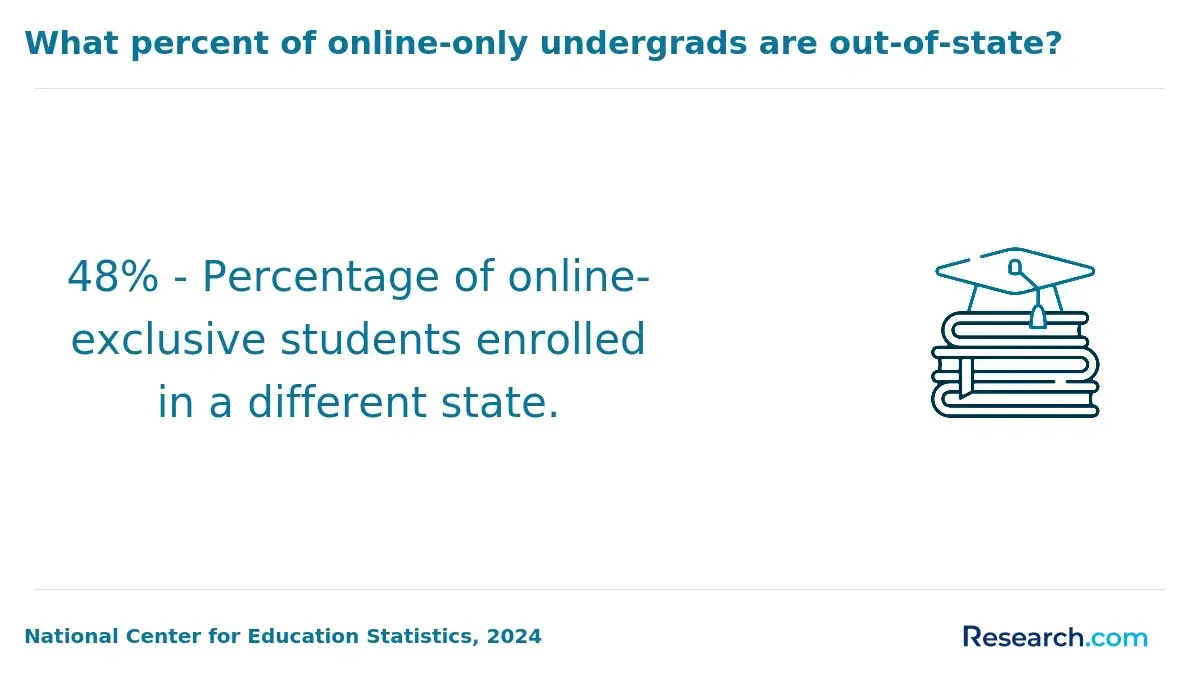
The financial impact of residency on behavioral health leadership tuition is a critical consideration that often dictates program choice and geographic flexibility. For example, public universities typically charge in-state students about $10,600 annually, while out-of-state students can face fees exceeding $27,000 according to 2024 National Center for Education Statistics data. This wide gulf forces students to weigh the benefits of attending higher-ranked out-of-state programs against the potentially prohibitive costs and limited financial aid access, which is predominantly reserved for state residents. Additionally, some states offer reciprocity agreements with their neighbors, which can moderate these out-of-state premiums, but eligibility criteria vary enough to require careful investigation before enrolling.
Online behavioral health leadership programs provide an alternative for those navigating these cost disparities, though residency-based differential pricing still surfaces in some cases, complicating the cost-benefit analysis. Students who relocate with the intent to reclassify their residency may face delays or restrictions that maintain out-of-state fees for multiple semesters, deepening financial strain. The interplay of tuition rates, housing costs, and regionally limited state-funded aid accentuates these disparities and highlights the need to project total living and education expenses over time, not tuition alone. This dynamic influences not only immediate affordability but also long-term financial commitments and career mobility within the behavioral health sector.
A recent behavioral health leadership graduate recalled struggling to determine if moving to a neighboring state for an out-of-state program was financially justifiable. Despite the program's reputation, the student grappled with uncertainty over qualification for in-state tuition after relocating, and the absence of clear guidance from the university led to unanticipated out-of-state charges. This experience underscored the importance of confirming residency policies early and factoring in the full spectrum of expenses, as the tentative financial planning ultimately influenced the student's decision to delay enrollment and reassess local program options first.
How Does the Cost of Living Impact Overall Behavioral Health Leadership Affordability by State?
Housing costs are the most significant factor altering the affordability of earning a behavioral health leadership degree by state, often overshadowing tuition differences. For instance, a student in New York might face monthly rents two to three times higher than a peer in Mississippi, substantially increasing total education expenses. This disparity influences decisions about where to enroll or live, as high living costs can necessitate heavier reliance on financial aid or extending time in the program to maintain part-time work, altering debt loads and degree completion timelines.
Transportation, food, and healthcare expenses compound these challenges, particularly in sprawling urban centers lacking efficient public transit, driving up both direct costs and time commitments. In contrast, lower-cost regions in the Midwest and South offer more manageable budgets, impacting not only immediate affordability but also students' capacity to sustain work outside school and pay down debt. Such regional living expense differences play a crucial role in behavioral health leadership degree cost by state cost of living calculations, informing practical educational planning and enrollment strategies.
Students weighing where to pursue a behavioral health leadership degree should consider these downstream costs alongside tuition. Those unable to relocate or enroll in fully online formats might explore programs linked with affordability indices or alternative study plans. For those also interested in related fields, reviewing resources on dietetics masters programs can offer comparative insight into how location-based cost tradeoffs affect graduate education choices more broadly.
Which States Offer the Best Value for a Behavioral Health Leadership Degree?
Evaluating the best value for a behavioral health leadership degree requires looking beyond sticker tuition to factors like degree completion rates, local economic conditions, and financial aid availability. In Iowa, for example, modest in-state tuition combined with a 70% graduation rate and median early career salaries near $55,000 create a realistic measure of return on investment that outpaces pricier states without comparable workforce outcomes. Students who qualify for residency-based tuition in states like Iowa or Minnesota may find that moderate costs paired with strong job placement-over 80% within six months in Minnesota-translate into more practical affordability when factoring living expenses and career prospects.
Low tuition alone can be misleading, especially in regions where salary growth does not keep pace with rising educational costs or living expenses. North Carolina illustrates this balance with tuition below national averages and targeted scholarships in behavioral health fields, yet higher metropolitan living costs can offset these savings unless supplemented by state-funded mental health initiatives that support employment opportunities. Conversely, states such as Florida and Texas offer many programs but present riskier financial tradeoffs because tuition growth and salary entry points often diverge, necessitating careful assessment of how local market demand and funding policies influence the net value of pursuing this degree in those areas.
What Financial Aid and Scholarship Opportunities Can Reduce Behavioral Health Leadership Costs?
Financial aid and scholarship availability profoundly shape the real cost of pursuing a behavioral health leadership degree, with funding landscapes varying considerably by state and program type. According to National Center for Education Statistics (NCES) 2024 data, about 54% of graduate students in health-related fields receive financial support, but the types and amounts differ widely. For instance, states like New York and California offer substantial state grants and tuition reciprocity programs that lower expenses for residents, while students in states lacking such policies often bear greater financial burdens. These distinctions affect not only upfront affordability but also influence long-term decisions around where to enroll and whether to study full- or part-time, as aid renewal rules and eligibility often hinge on enrollment status and residency.
Federal grants can supplement costs but are limited in scope for graduate students, primarily assisting those who demonstrate significant financial need. More impactful for many are institutional scholarships and merit-based awards, which depend heavily on academic or professional merit and vary according to each institution's priorities. Employer tuition reimbursement programs provide an alternative funding stream but typically require work commitments that can constrain geographic mobility and career flexibility. Students must navigate these complex aid structures carefully, considering application timing, stacking restrictions, and conditional renewals to realistically assess net costs and related career tradeoffs across different states and institutions.
Are Online Behavioral Health Leadership Degree Programs More Affordable Than On-Campus Options?
Online behavioral health leadership degree affordability in the United States depends heavily on state residency policies, institutional tuition structures, and individual student circumstances rather than offering a straightforward cost advantage. While online programs often report tuition roughly 15% lower than comparable on-campus options, this discount can be offset by technology fees, out-of-state charges, or limited access to certain financial aid typically available to on-campus students. For example, a working professional balancing family responsibilities might find online pathways financially advantageous due to eliminated housing and commuting expenses, but a resident attending a public in-state campus with strong tuition benefits may experience lower overall costs by choosing on-campus enrollment.
Cost comparison of on-campus vs online behavioral health leadership programs by state reveals significant variation influenced by local policies on in-state tuition eligibility for online students and differences in institutional fee allocation. In some states, online learners pay full out-of-state tuition, increasing total costs despite savings on ancillary expenses, while others have expanded residency definitions that narrow the price gap. Additionally, opportunity costs must be evaluated: online schedules can preserve income streams for students unable to forego employment, impacting net affordability beyond sticker prices. Navigating these nuances requires assessing total expense components, including how employer tuition assistance programs align with flexible formats.
Practical decision-making also entails exploring alternative educational pathways related to health sciences where financial and career outcomes intersect, such as programs highlighted in resources on online exercise science degree options that sometimes share cross-discipline credit or apply to behavioral health leadership roles. Students prioritizing cost-effectiveness should investigate these overlaps and state-specific factors thoroughly rather than assuming intrinsic affordability in online behavioral health leadership degrees alone.
Is a Behavioral Health Leadership Degree Worth the Cost Based on Career Outcomes and ROI?
Affordability differences across states significantly shape the return on investment for behavioral health leadership degrees, often influencing career trajectories more than raw salary data. For example, a student attending a program in Texas or Florida benefits from lower tuition paired with strong regional demand-factors that help balance the opportunity cost of extended study and minimize debt burdens. In contrast, pursuing the same degree in states with higher tuition can increase long-term financial strain, even if reported starting salaries are somewhat higher. Students must consider these geographic variations alongside graduation rates, as programs with lower completion percentages can prolong debt accumulation and delay employment, directly impacting earning potential and perceived value.
The evolving labor market demand, highlighted by a projected 10% growth in mental health and substance abuse social worker employment through 2032, underscores the practical significance of program quality and outcomes. Students who combine advanced certifications or graduate degrees often secure leadership roles offering better compensation, but this pathway requires careful evaluation of total costs versus benefits. Prospective learners should also weigh non-financial returns such as job satisfaction and alignment with personal values, though these must be balanced against measurable ROI factors like debt-to-income ratios and local employment opportunities. Those seeking cost-effective options might explore specialized pathways like the cheapest DSW program to navigate financial barriers without sacrificing career potential within behavioral health leadership sectors.
References
- 50 Most Affordable Mental Health Counseling School Programs | UniversityHQ https://universityhq.org/best-colleges/rankings/most-affordable-mental-health-counseling-schools/
- Academic Scholarships for Behavioral Health Students https://americanaddictioncenters.org/behavioral-health-academic-scholarship
- Government Mental Health Spending By State | Rehabs.com https://rehabs.com/explore/mental-health-spending-by-state-across-the-us/
- Online Doctorate in Behavioral Health Leadership https://www.counselingschools.com/programs/phd/behavioral-health-leadership
- Strengthening Leaders, Fostering Connections, Inspiring Innovation - The College for Behavioral Health Leadership https://www.leaders4health.org/
- Bridge Program https://fhu.edu/academics/graduate/graduate-studies-in-counseling/behavioral-health/
- How much does the DBH program cost? - Cummings Graduate Institute for Behavioral Health Studies https://cgi.edu/dbh-tuition/
- PsyD in Behavioral Health Leadership: Career Guide & Salary https://psydprograms.org/what-is-a-psyd-in-behavioral-health-leadership/
- Behavioral Health System Modernization: Comprehensive Approaches and Cross-Cutting Tools - NASHP https://nashp.org/behavioral-health-system-modernization-comprehensive-approaches-and-cross-cutting-tools/
- Workforce: Scholarship and Loan Repayment Programs | NAMI https://www.nami.org/advocacy-at-nami/policy-positions/improving-health/workforce-scholarship-and-loan-repayment-programs/
Other Things You Should Know About Behavioral Health Leadership
States differ significantly in their licensing and certification requirements for behavioral health leadership roles, which can affect program design and necessary coursework. Programs in states with more stringent regulations may require additional supervised clinical hours or specialized training, driving up costs and extending time to completion. Consequently, affordability isn't just tuition-based; students must assess whether a program's curriculum aligns with their state's credentialing rules to avoid paying for unnecessary courses or facing delays in workforce entry.
While some states offer more affordable tuition for behavioral health leadership degrees, these states may also have smaller or less competitive job markets for leadership roles in behavioral health organizations. Lower education costs can be offset by reduced earning potential or fewer advancement opportunities locally. Students should weigh upfront cost savings against potential career growth and salary in their desired geographic area, possibly prioritizing programs in states where workforce demand and starting salaries justify higher investment.
Programs vary between full-time, part-time, and hybrid formats depending on the state's educational institutions and regional demand. States with more affordable programs often offer flexible pacing that balances work and study, reducing opportunity costs for employed students. However, part-time or extended programs may prolong degree completion, leading to sustained indirect costs like lost income or ongoing fees. Students should prioritize program formats that fit their work-life balance while minimizing long-term financial strain, especially if affordability is a core concern.
Relocating to a lower tuition state can reduce direct educational costs but often entails significant hidden expenses such as moving, higher local living costs, or temporary loss of established employment networks. Additionally, employers in the student's home state may value local accreditation or state-specific credentials more highly, potentially limiting the return on investment. Students considering relocation should rigorously evaluate whether savings on tuition outweigh these indirect costs and possible challenges in post-graduate employment within their preferred region.