2027 Behavioral Health Leadership Salary Trends Report: Are Wages Keeping Up With Tuition and Inflation?

Co-Founder and Chief Data Scientist
Consider a prospective behavioral health leadership student weighing the decision to pursue an advanced degree amid rising tuition costs and economic uncertainty. Evaluating whether salary outcomes will balance these costs is no longer straightforward. Inflation changes the purchasing power of income, and tuition often rises faster than wage growth. This creates a complex financial picture that requires analyzing multiple factors beyond just starting salaries.
Salary trends, education expenses, and inflation rarely move in sync, which means focusing solely on wages can be misleading. Prospective students and recent graduates must consider how these variables interact over time to assess the true return on investment. This article examines behavioral health leadership salary trends alongside tuition increases and inflation rates to explore affordability and long-term financial value. It aims to clarify the key economic factors shaping the degree's worth in today's market.
Key Things to Know About Behavioral Health Leadership Salary Trends
- Graduate salaries in behavioral health leadership have grown 4% annually since 2022, lagging behind average tuition increases of 6%, signaling a compression of net income growth for early-career professionals.
- Rising inflation rates, currently above 5%, erode starting wages' purchasing power, necessitating strategic career advancement to offset diminished real earnings over the initial five years post-graduation.
- Long-term earning potential is closely tied to specialized certifications and leadership roles, emphasizing that without targeted professional development, salary trajectories remain flat despite degree attainment.
- Key Things to Know About Behavioral Health Leadership Salary Trends Key Things to Know About Behavioral Health Leadership Salary Trends
- What Is the Current Salary Outlook for Behavioral Health Leadership Graduates? Salary Outlook
- Are Behavioral Health Leadership Salaries Keeping Up With Inflation? Inflation Impact
- How Do Tuition Costs Compare With Behavioral Health Leadership Salary Growth? Tuition vs Salary
- Does a Behavioral Health Leadership Degree Deliver a Positive Return on Investment? Degree ROI
- Which Industries Offer the Highest Salaries for Behavioral Health Leadership Graduates? Which Industries Offer the Highest Salaries for Behavioral Health Leadership Graduates?
- Which States and Cities Offer the Highest Pay for Behavioral Health Leadership Professionals? Which States and Cities Offer the Highest Pay for Behavioral Health Leadership Professionals?
- How Do Behavioral Health Leadership Salaries Grow Throughout a Career? Career Growth
- How Do Behavioral Health Leadership Salaries Compare With Similar Degrees? Salary Comparison
- How Is Employer Demand Affecting Behavioral Health Leadership Salary Trends? Employer Demand
- How Can Students Maximize Their Lifetime Earnings With a Behavioral Health Leadership Degree? Maximizing Earnings
What Is the Current Salary Outlook for Behavioral Health Leadership Graduates?
The current earnings outlook for behavioral health leadership graduates is influenced by several factors, including experience, location, and the type of institution they work for. According to the U.S. Bureau of Labor Statistics data from 2024, healthcare managers-a category encompassing many behavioral health leadership roles-earn a median annual wage of about $104,280.
While this figure is well above the national median wage, entry-level salaries often cluster between $85,000 and $90,000, reflecting the variation in demand and budget constraints across employers. For instance, two graduates with the same degree might see different starting salaries if one takes a position in a rural community health program while the other moves into a metropolitan hospital system with greater funding for behavioral health services.
When evaluating behavioral health leadership graduate salary trends, it's important for candidates to look beyond initial paychecks. Although salary growth has been somewhat restrained by inflation and rising tuition-often increasing by 3% to 7% annually-long-term prospects remain favorable.
Research institutions like the American College of Healthcare Executives forecast steady expansion in behavioral health leadership opportunities, driven by policy priorities that emphasize integrated care models. Thus, while immediate compensation may not fully offset educational expenses or inflation, career trajectories typically include substantial opportunities for advancement and higher earnings over time.
Prospective students should also consider how their investment in education compares against program costs and potential earnings by exploring options such as the cheapest online FNP programs, which offer a model for cost-effective degree paths. Careful strategic planning and skill development tailored to high-demand sectors within behavioral health can enhance a graduate's ability to capitalize on this evolving landscape.
This nuanced understanding helps ground expectations in realistic scenarios, offering a balanced view that acknowledges both challenges and growth potential in the field's compensation outlook.
Are Behavioral Health Leadership Salaries Keeping Up With Inflation?
Behavioral health leadership salary trends reveal a persistent gap between nominal wage increases and inflation. Recent data from the U.S. Bureau of Labor Statistics indicates that wages for healthcare and social assistance managers, a category encompassing behavioral health leadership roles, have grown by about 3% annually.
However, inflation, as measured by the Consumer Price Index, has averaged approximately 6-7% per year over the same period. This divergence means that even as salaries rise in absolute terms, the real purchasing power of those earnings is declining, effectively reducing what leaders can afford with their paychecks.
Consider a recent graduate who accepted a behavioral health leadership position with a 3% raise over two years. Despite this increase, their living expenses, including housing and tuition-related costs, may have gone up more steeply, especially in urban areas.
This salary inflation mismatch forces tough choices-for example, delaying homeownership or taking on supplemental work-to maintain financial stability. Factors contributing to this divergence include constrained organizational budgets influenced by public funding limits and complex insurance reimbursements, which keep salary growth below inflationary pressures commonly seen in broader markets.
The impact of inflation on behavioral health wages is compounded by the rising costs of education itself, making the financial return on investment for behavioral health leadership degrees less straightforward. Prospective students and career changers must evaluate not only potential starting salaries but also how wage growth aligns with inflation over time.
For those weighing degree options, it may be beneficial to consider fields offering better real wage prospects or to examine programs like a nutrition masters degree as alternative pathways with different economic dynamics. In any case, geographic flexibility and strategic career planning become critical in bridging the gap between education costs and salary growth within behavioral health leadership.
How Do Tuition Costs Compare With Behavioral Health Leadership Salary Growth?
Evaluating the financial viability of a behavioral health leadership degree requires more than examining tuition increases or salary growth in isolation; their relationship offers deeper insight into the true return on investment.
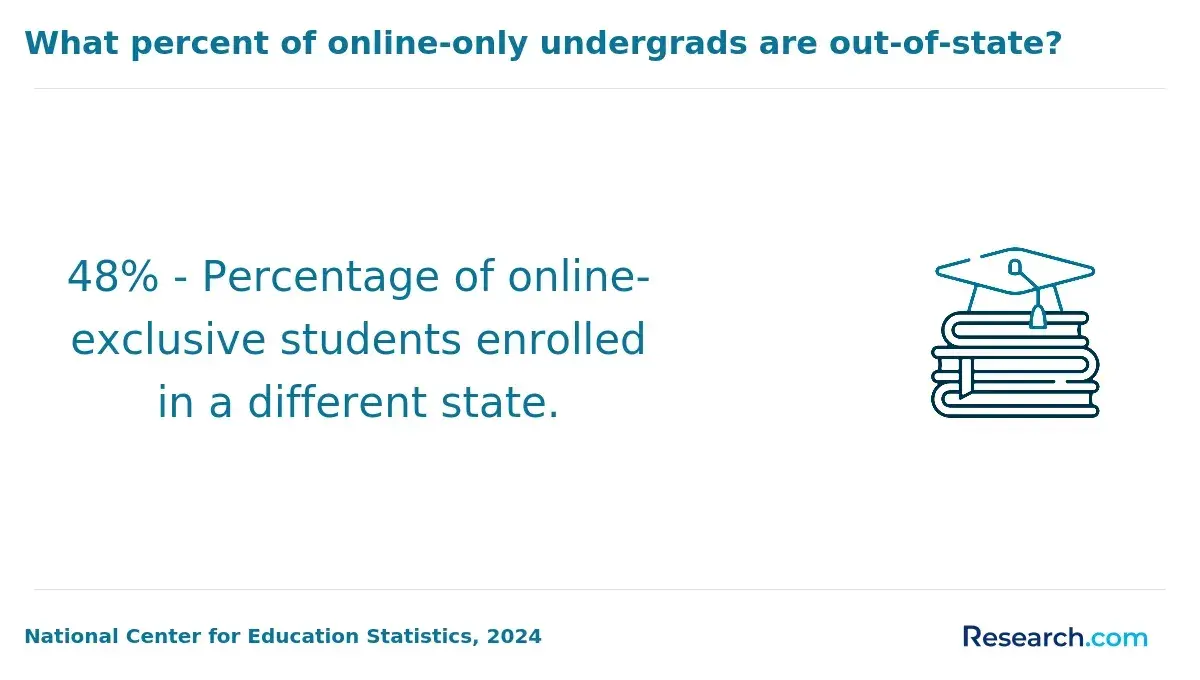
Tuition for relevant graduate programs has risen about 4% annually over the past decade, surpassing inflation, while early-career salaries for graduates have only grown around 2% each year, according to data from the National Center for Education Statistics and the U.S. Bureau of Labor Statistics as of 2024.
This disparity means that even as graduates earn more over time, the rising cost of education strains their initial financial stability and delays wealth accumulation. For instance, a student facing $40,000 per year in tuition plus fees might find their starting salary in the $50,000 to $60,000 range insufficient to cover educational debt comfortably without curtailing savings or lifestyle expenses.
Several factors influence how tuition compares with salary growth, including the institution attended, geographic job market variations, and individual career choices within behavioral health leadership. Mid-career salaries can rise to $70,000-$85,000 but often only after a decade of work during which living costs and inflation erode increases in purchasing power.
Diverse economic conditions and personal financial management also shape outcomes, so some graduates may navigate the imbalance more successfully than others. Comparing tuition and wage growth side-by-side thus provides a nuanced framework that helps prospective students anticipate financial challenges and weigh the long-term benefits of their educational investment in this field.
One graduate recalls the difficult decision to enroll despite knowing that tuition costs had climbed faster than his expected salary growth. He hesitated because monthly loan payments threatened to consume a large portion of his modest starting income, forcing him to delay buying a home and build emergency savings more slowly than peers with less expensive degrees.
Yet, after several years, he observed that strategic job moves and further specialization within behavioral health leadership began closing the income gap. Although burdened initially, this gradual progression offered some relief and validated the upfront expense, though he advises prospective students to carefully assess their personal financial resilience before committing to such a costly degree.
Does a Behavioral Health Leadership Degree Deliver a Positive Return on Investment?
Return on investment (ROI) in higher education involves weighing the total cost of earning a behavioral health leadership degree against the long-term financial and professional gains it can generate. This balance extends beyond initial salaries to consider career longevity, salary growth, and expanded leadership opportunities in a competitive field.
For example, a professional who invests $50,000 in tuition may face slower salary gains initially, but with an average wage premium of 20% to 30% compared to non-degree holders-as reported by the Council on Social Work Education and the Health Resources and Services Administration-that investment can pay off over a decade, especially as the demand for qualified behavioral health leaders is expected to increase by 15% through 2034, according to a 2024 workforce report.
Key factors shaping ROI include steadily rising tuition costs, which have increased roughly 4.2% annually since 2020, outpacing wage growth that averages 3.8% per year for behavioral health management roles, based on data from the National Center for Education Statistics and the Bureau of Labor Statistics.
This divergence means short-term financial returns may be compressed, requiring candidates to evaluate whether the potential for enhanced job security, leadership roles in public health or policy, and a more resilient career path justifies the upfront costs. Individual outcomes vary widely, influenced by geographic region, employer sector, and personal career strategy, making a careful, data-informed assessment essential before pursuing this advanced degree.
Which Industries Offer the Highest Salaries for Behavioral Health Leadership Graduates?
Compensation for behavioral health leadership graduates can vary widely, influenced heavily by the industry in which they work. Sectors combining clinical expertise with administrative oversight tend to offer the most robust salaries.
Recent 2024 data from the U.S. Bureau of Labor Statistics confirm healthcare systems, government agencies, and corporate wellness programs as the top industries by salary for behavioral health leadership roles. Navigating these opportunities requires understanding where demand aligns with higher earning potential and long-term career viability.
Below are the highest-paying industries typically associated with behavioral health leadership graduates:
- Healthcare Systems: Large hospitals and managed care organizations offer median salaries between $95,000 and $130,000. Positions such as behavioral health program directors or clinical services managers command these salaries due to the critical need to integrate mental and physical health services, making leadership experience and clinical credentials highly valuable.
- Government Agencies: Federal, state, and local public health departments offer competitive compensation, generally $85,000 to $120,000 annually. Roles often involve overseeing substance abuse programs and mental health services, with an emphasis on job stability and benefits rather than rapid wage growth.
- Corporate Wellness Programs: Corporations investing in employee assistance programs frequently pay behavioral health leaders above $100,000, often including performance bonuses. These roles require expertise in program design and aligning mental health initiatives with organizational productivity goals.
- Nonprofit Organizations: While mission-driven and essential, nonprofits usually provide lower salaries due to restricted budgets. Leadership roles focus on community-based mental health but with less financial incentive, which may impact long-term salary progression.
- Academic and Research Institutions: Some behavioral health leadership graduates find opportunities in universities or research centers, combining administration with research projects. Salaries can vary widely but often benefit from grant funding and academic prestige.
- Behavioral Health Technology Firms: Emerging tech companies focused on digital mental health platforms increasingly seek leadership to manage clinical content and program strategy. Compensation is rising in this sector due to innovation demand and venture capital investment.
- Insurance and Managed Care: Behavioral health directors in insurance organizations manage clinical policy and network strategies, earning competitive salaries due to the complexity of balancing cost containment with care quality.
For prospective students weighing these options, focusing on industries backed by stable funding and growing mental health integration initiatives usually yields the strongest earning potential. Deciding factors often hinge on desired work environment and salary expectations, evidenced clearly when comparing a senior program manager position in a hospital system versus an equivalent role in a nonprofit.
Those aiming to balance financial return and academic credentials may also consider a specialized credential such as the FNP post master's certificate to expand their qualifications. Recognizing which sectors correlate with the behavioral health leadership highest paying industries can critically guide realistic career planning efforts.
Which States and Cities Offer the Highest Pay for Behavioral Health Leadership Professionals?
The landscape of earnings for behavioral health leadership professionals differs significantly depending on geographic location, driven by regional healthcare infrastructure, demand intensity, and cost-of-living considerations. While some states and cities offer salaries well above the national average-reflecting dense medical networks and extensive mental health initiatives-these higher wages often coincide with greater expenses and economic pressures.
Students and recent graduates must carefully weigh these factors; a top salary in a major metro area doesn't necessarily translate into substantial net financial gain after tuition and living costs are considered. Below are key states and metropolitan areas where compensation tends to be highest, along with contextual factors relevant to decision-making about career geography:
- California: Salary levels for senior behavioral health leadership roles frequently exceed $120,000 annually, fueled by the state's vast healthcare system and a strong focus on integrated behavioral health services. However, California's high tuition fees and cost of living, especially in urban centers like Los Angeles and San Francisco, can diminish real income gains, posing a tradeoff for those targeting this market.
- New York: Behavioral health leaders in the New York City metro area often earn between $110,000 and $130,000, reflecting the region's sizeable mental health sector and policy emphasis on community-based care. High urban living expenses and competitive educational costs require careful budgeting to ensure lifestyle sustainability alongside attractive pay.
- Massachusetts: Boston and surrounding cities provide above-average wages, supported by renowned academic medical centers and robust public health programs. Though salaries are competitive, students must consider the premium education costs and inflation trends when forecasting career returns.
- Washington (Seattle): With median wages surpassing national averages by up to 25%, Seattle benefits from progressive mental health initiatives and expanding healthcare networks. The city's elevated cost of living and steep housing market are important factors offsetting higher salaries.
- Washington, D.C.: The metropolitan area combines federal mental health funding and policy leadership, driving demand for behavioral health executives with salaries reflecting this influence. While pay is strong, higher inflation and educational expenses can limit disposable income after graduation.
- Texas: Offering more moderate salaries in the $90,000 to $105,000 range, Texas markets balance income with lower tuition and living costs. Emerging suburban regions especially provide competitive compensation with less financial strain, representing strategic opportunities for new professionals.
- Florida: Similar to Texas, Florida's behavioral health leadership roles offer reasonable pay alongside affordable educational programs and living expenses. This combination may appeal to those prioritizing net financial stability over gross salary.
Employer Confidence in Online vs. In-Person Degree Skills, Global 2024

How Do Behavioral Health Leadership Salaries Grow Throughout a Career?
Salaries in behavioral health leadership typically start in the $60,000 to $75,000 range for entry-level roles, reflecting the transitional nature from clinical positions or recent completion of graduate training. Over the next five to ten years, professionals often see pay increases between 15% and 30%, largely driven by accumulating experience and obtaining specialized credentials such as LCSW or Certified Behavioral Health Manager.
At the senior level-spanning directors to chief officers-annual compensation generally ranges from $110,000 to $160,000, with total earnings sometimes augmented by bonuses and benefits. However, salary growth often slows after 15 to 20 years, meaning that advancing into executive positions or diversifying skills becomes necessary for further income gains, according to 2024 data from the U.S. Bureau of Labor Statistics and major behavioral health research organizations.
Consider two graduates with identical behavioral health leadership degrees: one focuses on obtaining advanced certifications and transitions into management roles within large metropolitan hospitals, while the other remains in smaller agencies without pursuing further credentials. The first individual might experience early salary growth faster than the second, benefiting from institution size and specialization.
Beyond experience and education, factors like networking, geographic location, and institutional employer play critical roles in shaping long-term salary trajectories. Thus, strategic career decisions and professional development investments often distinguish higher earners from peers with similar academic backgrounds.
One behavioral health leadership graduate recalled feeling hesitant during graduate school about whether the investment would yield sufficient financial rewards. Early on, they accepted a mid-tier management role in a regional clinic, delaying certification pursuits to prioritize stability.
Years later, after securing a Certified Behavioral Health Manager credential and moving to a metropolitan health system, their salary nearly doubled. Reflecting on this path, they often emphasize how critical timing and targeted skill development were in shifting their compensation trajectory, illustrating that salary growth within this field depends heavily on proactive career planning beyond the degree itself.
How Do Behavioral Health Leadership Salaries Compare With Similar Degrees?
Graduates holding a behavioral health leadership degree often find themselves positioned between clinical practitioners and broader healthcare administrators in terms of salary and career options. The earnings of behavioral health leadership graduates reflect a specialized blend of management skills and healthcare knowledge, which results in competitive pay relative to many related fields.
However, when evaluating behavioral health leadership salary comparison data, it is crucial to consider how factors like organizational size, geographic location, and experience influence potential income. Below are comparative insights into how behavioral health leadership salaries stack up against several closely related degrees:
- Healthcare Management: Median salaries for healthcare management graduates generally range from $85,000 to $100,000. These roles often involve larger organizational responsibilities and oversight of extensive institutional budgets, contributing to higher earnings compared to behavioral health leadership graduates who typically earn between $70,000 and $90,000.
- Mental Health Counseling: This field usually reports median salaries around $48,000 to $60,000. Given its more clinical and therapeutic focus without extensive managerial duties, behavioral health leadership graduates enjoy a notable salary premium due to their combined expertise in leadership and behavioral health.
- Social Work Administration: According to the National Association of Social Workers, median pay in social work administration hovers near $65,000, placing it below behavioral health leadership roles but still within a similar sector. This overlap highlights how administrative scope and sector-specific demands affect compensation.
- RN to BSN Programs: Career changers sometimes consider accelerated nursing degrees such as the RN to BSN in 3 months pathway, which can lead to median RN salaries slightly above behavioral health leadership entry points, particularly in acute care settings. This option may appeal to those seeking to pivot toward bedside care alongside leadership aspirations.
These distinctions underscore that while behavioral health leadership graduates earn competitive salaries for their niche, evaluating earnings of behavioral health leadership versus similar degrees depends heavily on career path, industry sector, and local market conditions.
With tuition rising and inflation impacting household budgets, prospective students should weigh these salary ranges carefully to assess the long-term financial viability of their educational investment.
How Is Employer Demand Affecting Behavioral Health Leadership Salary Trends?
Employer demand fundamentally shapes salary trends within behavioral health leadership by intensifying competition among organizations for qualified candidates. When demand surges, employers often increase compensation offers and accelerate hiring to secure talent capable of managing complex care environments and adhering to regulatory standards.
For example, a mid-sized mental health facility expanding services might compete with larger institutions by offering a salary premium to attract an experienced behavioral health leader, reflecting a practical tradeoff in budget allocation. However, this dynamic is influenced not only by employer demand but also by candidates' experience, specialization, and the broader economic climate, which collectively moderate wage growth despite increasing hiring activity.
Major factors driving employer demand include policy shifts expanding mental health service access and the growing recognition of behavioral health's critical role in healthcare systems. According to data from the U.S. Bureau of Labor Statistics (2024), salaries for behavioral health leadership occupations have risen gradually, with mid-level and senior administrators experiencing the most notable growth.
Even so, wage increases may lag behind the escalating costs of education and inflation, creating a nuanced financial picture for job seekers. Those evaluating a Behavioral Health Leadership degree must consider these variables carefully, alongside exploring the full spectrum of types of therapy degrees available, to align educational investments with realistic salary expectations in a competitive job market.
How Can Students Maximize Their Lifetime Earnings With a Behavioral Health Leadership Degree?
The lifetime earnings of students pursuing a behavioral health leadership degree hinge heavily on a strategic approach that aligns education, experience, and market demands. According to 2024 data from the U.S. Bureau of Labor Statistics and the National Council for Mental Wellbeing, roles within government agencies, large hospital systems, and private corporations typically offer higher compensation than smaller nonprofit settings.
A realistic scenario involves a graduate who supplements their master's in behavioral health leadership with specialized certifications, securing a managerial position in a large hospital system within five years, thus leveraging both skills and sector demand for salary growth.
The following key strategies highlight how students can maximize their long-term earning potential:
- Advanced Certification: Obtaining credentials like Certified Behavioral Health Manager signals expertise and dedication, opening doors to higher-paying positions in competitive sectors.
- Targeted Sector Experience: Gaining work experience in government or private healthcare organizations provides access to superior salary packages compared to nonprofit roles.
- Specialized Skill Development: Focus on healthcare administration, policy planning, or data-driven evaluation to become indispensable in roles commanding premium pay.
- Leadership Roles: Pursue roles such as clinical director or program manager, which consistently align with elevated compensation and benefits.
- Networking and Professional Engagement: Active involvement in industry groups enhances visibility and access to emerging opportunities in telehealth and rural mental health services.
- Continuous Education: Commitment to ongoing training ensures adaptability in a rapidly evolving field, increasing qualifications for higher-responsibility positions.
- Early Market Entry: Positioning oneself in emerging sectors like telehealth leadership takes advantage of current undervaluation, leading to accelerated salary growth.
References
- Behavioral Health Career Descriptions | SAMHSA https://www.samhsa.gov/about/careers/behavioral-health-workforce/careers-by-state/descriptions
- Salary growth forecasted to outpace inflation for first time in four years https://www.telus.com/health/press-releases/salary-growth-forecasted-to-outpace-inflation-for-first-time-in-four-years
- Has pay kept up with inflation? - The Hamilton Project https://www.hamiltonproject.org/data/has-pay-kept-up-with-inflation/
- Behavioral Health Workforce - Career Roadmap - Mayor's Office of Community Mental Health https://mentalhealth.cityofnewyork.us/workforce-career-roadmap
- Growing Mental Health Needs Drive Costs Globally, Requiring Employers to Push for Value https://www.businessgrouphealth.org/topics/blog/growing-mental-health-needs-drive-costs-globally
- What does a Behavioral Health Director do? Career Overview, Roles, Jobs | APOS https://careers.apos-society.org/career/behavioral-health-director
- PsyD in Behavioral Health Leadership: Career Guide & Salary https://psydprograms.org/what-is-a-psyd-in-behavioral-health-leadership/
- Behavioral Health Group Number of Employees 2026 | Employee Count & Headcount Data https://www.reveliolabs.com/companies/behavioral-health-group/employees/
- Behavioral Health Salary & Benefits Report - Hospital & Healthcare Compensation Service https://hhcsinc.com/reports/behavioral-health-salary-benefits-report/
- What Are You Worth as an Integrated Behavioral Health Clinician and Doctor of Behavioral Health (DBH)? https://www.thehumanmove.org/post/what-are-you-worth-as-an-integrated-behavioral-health-clinician-and-doctor-of-behavioral-health-dbh
Other Things You Should Know About Behavioral Health Leadership
The structure of behavioral health leadership programs-whether full-time, part-time, online, or hybrid-can influence early earnings and long-term salary growth. Graduates from accelerated or full-time programs may enter the workforce sooner, enabling faster salary accumulation, but part-time and online students often balance work and study, resulting in slower initial salary increases. For those prioritizing immediate income, selecting a program with quicker completion may be advantageous, while those needing to maintain employment during study should weigh potential short-term earning delays against the flexibility offered.
Many salary gains in behavioral health leadership are tied to expanded managerial responsibilities, longer hours, and higher stress levels. While compensation increases exist, they often come with marked workload intensification, resulting in tradeoffs between income and work-life balance. Prospective leaders should evaluate whether incremental pay adequately compensates for the anticipated rise in job demands, especially since organizational support varies widely and can affect both job satisfaction and salary sustainability.
Employers increasingly prioritize candidates with hands-on behavioral health leadership experience, often making entry-level higher salaries difficult to obtain without relevant work history. Graduates often face tradeoffs between accepting lower initial pay to build experience or pursuing roles with higher immediate salaries but less leadership development. Prioritizing positions with structured mentorship and clear advancement pathways can accelerate salary growth more effectively than chasing higher starting wages without adequate professional growth.
Investing in a highly regarded behavioral health leadership program can open doors to elite employers and stronger salary trajectories, but the premium tuition costs demand careful consideration. Graduates from lower-cost, lesser-known programs may face longer timelines before reaching comparable salaries. Prospective students should prioritize program reputation when it aligns with their career goals and if the expected salary gains justify the tuition premium-otherwise, lower-cost alternatives with strong local employer ties could yield better net financial outcomes.