2027 Adult Gerontology Primary Care Nurse Practitioner Job Market Report: Open Roles, Salary Bands, and Hiring Momentum

Co-Founder and Chief Data Scientist
The adult gerontology primary care nurse practitioner (AG-PCNP) job market reflects shifting employer priorities driven by evolving clinical demands and regulatory frameworks. Increased integration of telehealth and chronic disease management technologies reshapes skill requirements, influencing hiring patterns and compensation levels. Open roles and salary bands reveal disparities tied to geographic concentration, credential expectations, and organizational restructuring within healthcare systems.
Hiring momentum is affected by cyclical investment in primary care and adjustments in workforce demographics, underscoring the dynamic nature of supply and demand for AG-PCNPs. Enrollment trends suggest an aging student population, pointing to experienced practitioners seeking specialization and signaling a maturing profession adapting to complex care needs.
Key Things to Know About Adult Gerontology Primary Care Nurse Practitioner Job Market
- Open roles for adult gerontology primary care nurse practitioners have grown over 12% year-over-year in 2024, signaling rising demand but also increasing competition from similarly credentialed candidates.
- Salary bands remain broad due to regional healthcare funding disparities, requiring candidates to carefully assess local market viability versus expected compensation tradeoffs.
- Hiring momentum favors seasoned practitioners with integrated care experience, reflecting employer preference for candidates who can immediately manage complex geriatric populations without extensive onboarding.
- Key Things to Know About Adult Gerontology Primary Care Nurse Practitioner Job Market Key Things to Know About Adult Gerontology Primary Care Nurse Practitioner Job Market
- How Strong Is Demand for Adult Gerontology Primary Care Nurse Practitioner Graduates in Today's Job Market? Demand for Graduates
- Which Adult Gerontology Primary Care Nurse Practitioner Careers Have the Most Open Job Opportunities? In-Demand Careers
- What Salary Bands Are Employers Offering Across Adult Gerontology Primary Care Nurse Practitioner Careers? Offered Salary Bands
- Which Industries Are Hiring the Most Adult Gerontology Primary Care Nurse Practitioner Graduates? Top-Hiring Industries
- How Does Hiring Demand Vary by State, Region, and City? Hiring Demand by Location
- What Skills Are Employers Prioritizing in Adult Gerontology Primary Care Nurse Practitioner Job Postings? In-Demand Skills
- Which Certifications Increase Employability and Salary Potential? High-Value Certifications
- How Do Remote and Hybrid Opportunities Affect the Adult Gerontology Primary Care Nurse Practitioner Job Market? How Do Remote and Hybrid Opportunities Affect the Adult Gerontology Primary Care Nurse Practitioner Job Market?
- Which Adult Gerontology Primary Care Nurse Practitioner Careers Show the Strongest Long-Term Hiring Momentum? Strongest Careers
- How Can Students Use Job Market Data to Make Better Career Decisions? How Can Students Use Job Market Data to Make Better Career Decisions?
How Strong Is Demand for Adult Gerontology Primary Care Nurse Practitioner Graduates in Today's Job Market?
Recent labor market data indicates that demand for adult gerontology primary care nurse practitioner graduates remains notably strong. The U.S. Bureau of Labor Statistics (2024) projects nurse practitioner roles to expand at a rate well above the average across occupations, with adult gerontology primary care positioned as a specialty benefiting from this growth. Insights from LinkedIn Workforce Analytics further reveal that health systems and outpatient facilities are aggressively recruiting these practitioners to meet the increasing complexities associated with elderly patient care. This hiring momentum reflects not only demographic trends but also a strategic industry shift toward preventative care and chronic condition management outside hospital environments, underscoring the nuanced demand dynamics within the adult gerontology primary care nurse practitioner job market demand.
The drivers fueling this demand include a persistent shortage of professionals with both clinical expertise and specialized geriatric knowledge, amplified by regional hiring trends for adult gerontology primary care nurse practitioner graduates that reveal disparities between urban and rural markets. Urban areas typically offer more positions but face greater competition, while rural settings present opportunities requiring adaptability to broader scopes of practice and resource limitations.
Additionally, evolving healthcare technologies and multidisciplinary care models emphasize the importance of practitioners who can independently manage complex cases and integrate diverse care teams. As healthcare delivery continues to pivot toward community-based and preventative models, graduates must weigh these factors thoughtfully when preparing for the realities of the field, including careful consideration of where they pursue their education-some opting for flexible pathways such as RN BSN online programs no clinicals to build foundational skills before specialization.
Which Adult Gerontology Primary Care Nurse Practitioner Careers Have the Most Open Job Opportunities?
Job opportunity distribution within adult gerontology primary care nurse practitioner careers is influenced by industry expansion, persistent skills shortages, and shifting employer requirements shaped by broader healthcare system changes. Rather than isolated roles, these openings reflect how demand is reallocating toward settings emphasizing longitudinal patient management, value-based care models, and technology-enabled service delivery. Organizations serving aging populations increasingly prioritize practitioners equipped to provide comprehensive chronic disease management in outpatient and community contexts. Understanding this labor market context is critical for aligning career choices with openings that offer both employment stability and role relevance going forward.
- Outpatient Clinic AGPCNPs: Outpatient and ambulatory care settings lead in job availability due to their focus on managing chronic conditions such as diabetes and hypertension among older adults. The steady growth of these roles correlates strongly with the rise in community health centers and family practice clinics emphasizing continuous care outside hospital walls. Employers seek nurse practitioners adept at coordinating multi-morbidity care and working within interdisciplinary teams rooted in value-based payment models.
- Primary Care Physician Office AGPCNPs: Physician group practices specializing in adult gerontology care present substantial hiring volume, driven by aging population demands and efforts to expand primary care access. These roles require strong competencies in longitudinal patient assessment, preventive care, and patient education, as well as proficiency in electronic health record systems to support efficient care delivery.
- Home Health Care AGPCNPs: The increasing preference for in-home care options, especially for patients with mobility challenges or complex chronic illnesses, has spurred growth in home health nurse practitioner roles. These positions demand advanced skills in remote patient monitoring, care coordination, and telehealth technologies, reflecting a shift toward decentralized healthcare frameworks.
- Telehealth AGPCNPs: Telemedicine's rapid expansion post-pandemic underpins rising job openings for AGPCNPs who deliver primary care remotely. These roles require clinical proficiency combined with technological adaptability and strong communication skills to maintain care quality without face-to-face encounters. Government and private sector endorsements of telehealth signal sustained investment and role diversification in this space.
- Community Health Center AGPCNPs: Community health centers serve as critical access points for aging populations in underserved areas, creating ongoing demand for adult gerontology practitioners. Employers emphasize culturally competent care and the ability to manage social determinants of health, which shape patient outcomes in these environments.
- Hospital Outpatient Department AGPCNPs: Although inpatient hospitalist positions exhibit comparatively modest growth, hospital outpatient departments are increasing hires of AGPCNPs to handle follow-ups and chronic disease management. This hybrid setting bridges acute care and community practice, requiring practitioners to navigate complex care transitions and multidisciplinary collaboration.
- Long-Term Care Facility AGPCNPs: Positions in long-term care and assisted living facilities continue to expand, reflecting the growth of residential elder care needs. These roles demand expertise in geriatric syndromes, polypharmacy, and palliative care, aligning with broader healthcare goals of improving quality of life for frail older adults.
According to a 2024 report by the Healthcare Employment Research Institute, nearly 60% of adult gerontology primary care nurse practitioner positions advertised nationally are concentrated in outpatient or ambulatory care settings, underscoring which sectors offer the most immediate hiring potential. This trend also aligns with the highest demand adult gerontology primary care nurse practitioner roles in the US, which favor decentralized, preventive, and multidisciplinary care delivery models. For prospective professionals, understanding these job market nuances can inform better targeted skill development and job search strategies focused on high-opportunity sectors. Additionally, exploring no application fee colleges can be beneficial for those seeking education options aligned with current market needs.
What Salary Bands Are Employers Offering Across Adult Gerontology Primary Care Nurse Practitioner Careers?
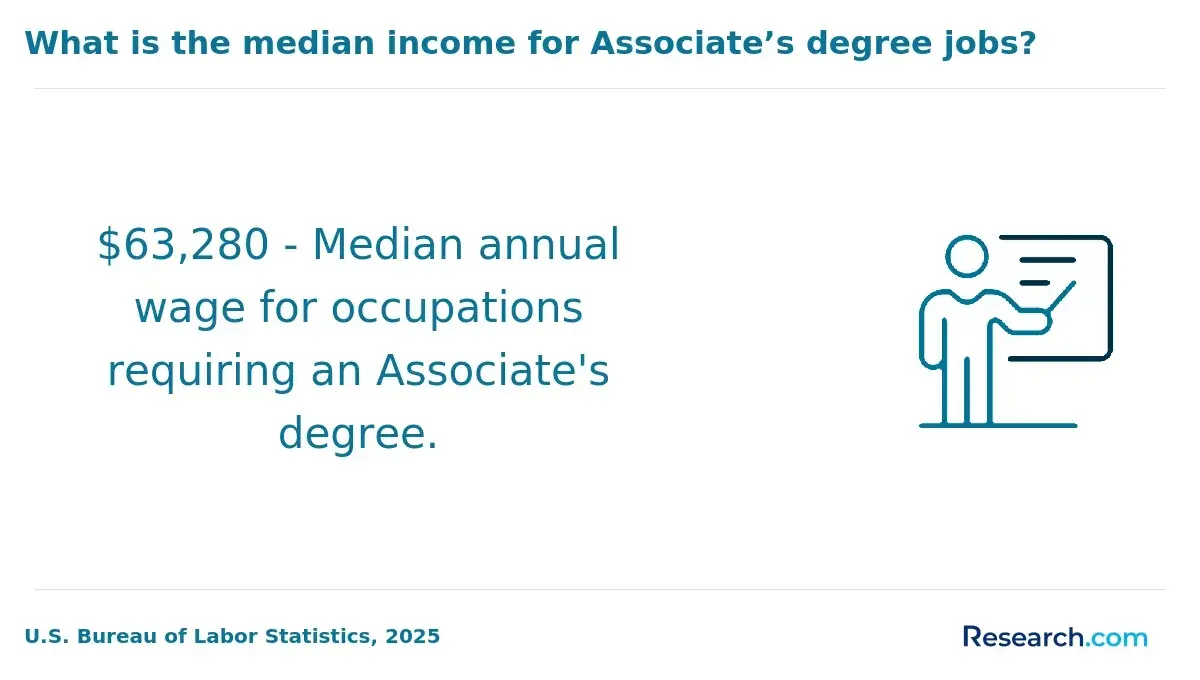
Salary bands for adult gerontology primary care nurse practitioners (AGPCNPs) in 2024 demonstrate a clear escalation tied to experience, beginning at approximately $90,000 to $105,000 for entry-level practitioners who are newly certified or have under two years of clinical practice. Mid-career AGPCNPs with three to seven years in the field typically earn between $105,000 and $130,000, reflecting greater clinical independence and often broader patient responsibilities. At the senior level, those exceeding seven years of experience or assuming specialized or leadership roles command salaries ranging from $130,000 up to $155,000 or higher, with compensation packages occasionally including bonuses and performance incentives. These figures, drawn from LinkedIn Salary Insights and contemporaneous industry analyses, underscore how compensation scales not only with tenure but with demonstrated skill and role complexity in diverse healthcare settings.
Several factors shape these salary disparities beyond mere experience. Geographic variation plays a significant role, as urban and high-demand regions offer premiums to recruit and retain talent, whereas rural or underserved settings might combine moderate base pay with incentives like loan repayment to bridge shortages. The healthcare sector itself influences wages, with large academic medical centers typically providing steadier but slower-growth compensation compared to private practices or specialized clinics that may reward niche expertise more aggressively. Additionally, skill scarcity and specialization intensity amplify earning potential; practitioners who expand certifications or manage more complex adult and geriatric panels often justify compensation at the higher end of the spectrum. Employer expectations around patient volume, administrative responsibilities, and on-call duties further mediate pay differences, reflecting operational demands alongside workforce supply.
One graduate recalled hesitating during the rolling admissions cycle when the delay in receiving confirmation pressured decisions about when to start applications or accept offers. Balancing job search timing against application deadlines meant strategic planning, especially given that some programs provided quicker responses only to later change terms or requirements. This uncertainty underscored the importance of early preparation but also flexibility, as waiting too long risked losing admission opportunities, while jumping in too soon could result in skipped options. The experience highlighted that navigating admissions effectively demands more than meeting minimum thresholds-it requires aligning timing with career priorities amid unpredictable administrative schedules.
Which Industries Are Hiring the Most Adult Gerontology Primary Care Nurse Practitioner Graduates?
Demand for adult gerontology primary care nurse practitioner graduates is predominantly concentrated in sectors experiencing rapid workforce expansion, digital integration, and persistent skill shortages. These industries reflect broader healthcare system transformations focused on aging populations, preventative care models, and chronic disease management. Hiring trends hinge not just on growth but also on the capacity of organizations to integrate advanced clinical skills that align with evolving patient needs and care delivery innovations.
- Outpatient Care Centers: These facilities lead hiring due to their emphasis on preventative services and managing complex chronic conditions outside traditional hospital settings. Employers prioritize nurse practitioners skilled in care coordination, patient education, and the use of telehealth and electronic health records to enhance access and efficiency.
- Hospitals: Acute care and specialized adult-gerontological units drive demand for practitioners capable of managing both short-term critical episodes and longer-term complex care plans. Hospitals seek advanced clinical reasoning, multidisciplinary collaboration, and expertise in procedural care that complement inpatient workflows.
- Private Physician Practices: Growing demand for comprehensive primary care in community settings fuels recruitment in this sector. Practices value nurse practitioners proficient in holistic patient assessment, treatment planning, and delivering personalized care that strengthens patient-provider relationships.
- Federally Qualified Health Centers (FQHCs): These centers increasingly hire adult gerontology primary care nurse practitioners to address care gaps in underserved populations. Competencies in culturally sensitive communication, resource navigation, and chronic disease management under constrained resource conditions are critical.
- Assisted Living and Long-Term Care Facilities: The expansion of senior care services fuels need for practitioners adept in gerontological assessment, medication management, and multidisciplinary coordination focused on functional independence and quality of life for older adults.
According to the U.S. Bureau of Labor Statistics (2024), outpatient care centers have exhibited the fastest growth in hiring adult gerontology primary care nurse practitioners, reflecting systemic shifts toward ambulatory and community-based care. Salary variances across these settings tend to favor hospital and outpatient roles, underscoring the premium placed on advanced clinical skills and adaptability to technological tools in care delivery. Graduates should weigh these sector-specific conditions carefully, considering how their competencies align with employer expectations and sector-level operational demands.
How Does Hiring Demand Vary by State, Region, and City?
Hiring demand for adult gerontology primary care nurse practitioners varies notably across states and broader regions, influenced by local demographics, healthcare infrastructure, and policy environments. States like Florida, California, and Texas exhibit a higher concentration of available roles, driven by larger aging populations and expanding care networks, reflective of shifting labor markets reported by regional economic data. Conversely, less populous states and rural areas often show more stable but limited openings, a pattern consistent with workforce analytics that highlight how economic density and healthcare spending correlate with nurse practitioner job availability.
Regional distinctions also matter; the Northeast and West Coast benefit from policy frameworks that enhance nurse practitioner autonomy, which not only increases employer demand but can also impact practice scope and reimbursement models. These dynamics illustrate the complex geography of adult gerontology primary care nurse practitioner job market demand by state, reinforcing the need for candidates to assess workforce ecosystems alongside population trends and regulatory context.
At the city level, urban centers and specialized healthcare clusters create pockets of intensified hiring activity and wage variation for adult gerontology primary care nurse practitioners. Metropolitan areas such as New York, Los Angeles, and Chicago concentrate employer density, healthcare systems, and specialty clinics, fostering competitive labor markets where salary levels reflect the interplay of demand and cost of living. Moreover, cities with targeted geriatric care initiatives, including some in the Mountain West, demonstrate how localized programs and talent pipeline development shape employment opportunities.
Infrastructure robustness and local economic conditions further influence the sustainability of demand, signaling that practitioners must weigh not only immediate openings but also long-term regional viability. Job seekers exploring these trends might consider integrated strategies, including specialized credentials or certificates, and resources like the shortest PMHNP certificate program, which can provide practical differentiation within competitive labor markets.
In summary, hiring demand for adult gerontology primary care nurse practitioners is influenced by demographic shifts, regional healthcare policies, and urbanization patterns. Prospective applicants are advised to research local labor markets carefully and balance salary expectations with cost of living and professional growth opportunities.
What Skills Are Employers Prioritizing in Adult Gerontology Primary Care Nurse Practitioner Job Postings?
Employer expectations for adult gerontology primary care nurse practitioners reflect ongoing shifts driven by healthcare technology, increased chronic disease prevalence, and interdisciplinary care models. The skills prioritized in job postings are not static; they adjust alongside innovations in telehealth, data management, and evolving approaches to managing complex patient needs in aging populations. This dynamic environment requires practitioners who can integrate clinical acumen with system navigation and collaborative problem-solving.
- Comprehensive Geriatric Assessment: Employers emphasize this skill to ensure practitioners can accurately evaluate multifaceted health conditions common in older adults. Mastery here supports tailored care strategies, improving outcomes and reducing avoidable hospitalizations, which aligns with value-based care models.
- Chronic Disease Management: Given the high incidence of coexisting illnesses such as diabetes and heart failure, this expertise directly affects patient quality of life and healthcare utilization. Practitioners proficient in managing multiple chronic conditions remain competitive as healthcare systems prioritize coordinated, longitudinal care.
- Evidence-Based Practice Proficiency: The growing demand for clinically sound interventions is reflected in requirements to apply current research and guidelines rigorously. Demonstrated skill in this area enhances practitioner credibility and responsiveness to protocol updates, a necessity amid constantly evolving clinical standards.
- Electronic Health Record (EHR) and Telehealth Competence: Over half of recent job posts highlight familiarity with EHR and virtual care platforms due to the rising reliance on digital health tools. Efficiency in these technologies facilitates remote monitoring and interdisciplinary communication, critical in expanding access to geriatric care.
- Communication and Patient Education: As patient-centered care advances, providers must effectively convey complex information and enhance health literacy among seniors. Strong communication abilities not only support adherence and preventive health but are also integral to navigating diverse socio-cultural contexts within aging populations.
- Pharmacology and Polypharmacy Awareness: Managing multiple medications safely remains a core priority due to the risks associated with polypharmacy in older adults. Expertise here reduces adverse drug events and aligns with efforts to optimize medication regimens through interdisciplinary collaborations.
- Interdisciplinary Collaboration Skills: The increasingly interconnected nature of healthcare demands that adult gerontology primary care nurse practitioners work seamlessly with medical, nursing, and social work teams. Skillful collaboration expands care capacity and enhances holistic treatment approaches, which are pivotal in meeting complex geriatric needs.
According to the U.S. Bureau of Labor Statistics 2024 report, about 78% of adult gerontology primary care nurse practitioner roles explicitly require advanced chronic disease management, underscoring its significance in the field's evolving demands. These prioritized skills reflect broader market trends emphasizing adaptability, technological fluency, and integrated care delivery, directly influencing employability and sustained professional relevance in this specialty.
Which Certifications Increase Employability and Salary Potential?
Certifications in the adult gerontology primary care nurse practitioner field function as critical markers of specialized knowledge and clinical competency, extending beyond foundational nursing education. They act as strategic career assets that signal readiness to manage increasingly complex patient populations, especially in aging care settings. Employers regard these credentials as proxies for advanced technical skills and practical expertise, which can differentiate candidates in a saturated labor market and justify higher compensation.
- ANCC or AANP Adult-Gerontology Primary Care Board Certification: These certifications represent standardized validation of core nursing competencies tailored to adult-gerontology primary care. They address widespread employer demand for practitioners who can deliver evidence-based, comprehensive care to older adults. Holding such a credential often correlates with a 10-15% salary premium and improves prospects for positions in integrated health systems where credentialing standards are stringent.
- Advanced Cardiac Life Support (ACLS): ACLS certification signals proficiency in managing acute cardiac events-a frequent complication among older patients. Employers in hospital-affiliated clinics and ACOs prioritize this certification for its direct impact on emergency responsiveness and patient safety. Candidates with ACLS often gain an edge in roles requiring rapid intervention capabilities, which can translate to enhanced job retention and incremental pay increases.
- Geriatric Nursing Certifications (RN-BC or Certified Geriatric Nurse Practitioner): These certifications demonstrate specialized understanding of aging physiology, chronic disease complexities, and comorbidity management. As workforce shortages persist in geriatric care, credentials that validate these niche skills carry significant weight in hiring decisions. According to recent data from the Healthcare Financial Management Association, possession of geriatric specialty certifications corresponds with a 20% higher placement rate within six months post-certification.
- Specialty Certifications in Palliative Care or Chronic Disease Management: Given the rising prevalence of multimorbidity in the elderly population, expertise in symptom management and long-term disease control is in growing demand. Certifications in these areas enhance employability by aligning practitioner skills with systemic shifts toward value-based care, where quality outcomes directly affect organizational reimbursement. Candidates holding these qualifications often see improved negotiation leverage for salary and leadership roles.
A nurse practitioner graduate recalled navigating the certification landscape soon after completing their program. During the rolling admissions for a competitive post-graduate certification in geriatric care, they hesitated initially, uncertain about timing and the financial commitment. When a delay in their application feedback occurred, anxiety mounted, but ultimately the candidate prioritized securing the geriatric nursing credential first, recognizing its strategic importance in their preferred metropolitan job market. This deliberate sequencing proved worthwhile as employers explicitly requested that certification, and it materially boosted hiring interest and starting salary offers.
How Do Remote and Hybrid Opportunities Affect the Adult Gerontology Primary Care Nurse Practitioner Job Market?
Remote and hybrid work models are progressively influencing hiring trends for adult gerontology primary care nurse practitioners by prompting employers to rethink traditional recruitment geographies and job structures. According to recent labor market analyses, including 2024 LinkedIn Workforce Reports, hybrid roles often emerge as flexible solutions that integrate telehealth and administrative duties, though entirely remote positions remain scarce due to the hands-on clinical requirements. This shift aligns with evolving patient care delivery but also reflects employer strategies to attract and retain talent amid ongoing practitioner shortages. Within the United States, the rise of these mixed models is subtly reshaping demand patterns, encouraging hiring managers to emphasize candidates skilled in digital communication alongside clinical excellence, which has started to affect how job opportunities are advertised and compensated in this specialty.
These work arrangements expand geographic hiring pools by reducing the emphasis on physical proximity, contributing to salary normalization across regions with historically varied pay scales. Consequently, competition intensifies as more candidates from diverse locations vie for limited adult gerontology primary care nurse practitioner remote job opportunities in the United States, forcing employers to recalibrate productivity expectations and collaboration metrics.
The growing need for technological adaptability and telemedicine proficiency highlights a trend toward integrating clinical and digital skill sets, which will likely influence the long-term workforce structure and educational requirements. For those considering pathway options, understanding this evolving dynamic alongside the quickest way to become a nurse practitioner remains crucial in navigating future career prospects effectively.
Which Adult Gerontology Primary Care Nurse Practitioner Careers Show the Strongest Long-Term Hiring Momentum?
Long-term hiring momentum for adult gerontology primary care nurse practitioner (AG-PCNP) careers stems from structural transformations in healthcare delivery rather than short-term fluctuations. This momentum reflects broader economic and demographic trends shaping demand for specialized care providers equipped to manage the complexities of aging populations. As healthcare systems prioritize chronic disease management and preventative care, AG-PCNP roles aligned with these priorities exhibit sustained workforce demand.
- Outpatient Clinic Practitioners: Sustained hiring in outpatient settings is driven by the shift toward ambulatory care models emphasizing ongoing preventive management of age-related conditions. These roles benefit from technological advances in telehealth and integrated care platforms that enable continuous monitoring and early intervention, reinforcing long-term stability.
- Community Health Center Nurses: Community health centers maintain strong demand due to their central role in expanding access to primary care for diverse elderly populations. Policy shifts that increase nurse practitioner autonomy also empower AG-PCNPs to address local health disparities, creating enduring employment opportunities.
- Hospital-Based AG-PCNPs with Acute Care Skills: The combination of primary care knowledge and acute care coordination addresses staffing shortages in complex inpatient geriatric units. As hospitals adapt to more integrated care models, practitioners with dual certification see consistent demand rooted in evolving clinical protocols and regulatory requirements.
- Long-Term Care Facility Providers: Increasing elderly populations in nursing homes and assisted living drive persistent staffing needs. Emphasis on quality outcomes and cost containment encourages facilities to hire AG-PCNPs who can reduce hospital readmissions through proactive health management, supporting sustained hiring trajectories.
According to the U.S. Bureau of Labor Statistics (2024), employment for nurse practitioners, including AG-PCNPs, is expected to grow by 28% over the decade, underscoring the structural demand for these specialties. Importantly, salary bands in these career paths reflect regional variation and specialization, meaning geographic and clinical focus decisions critically influence long-term employability and earnings potential.
Careers in the adult gerontology primary care nurse practitioner field show robust hiring momentum not merely because of immediate job openings but through ongoing systemic transformations in healthcare delivery. The persistent demographic shifts toward aging populations combined with evolving care models that emphasize outpatient management and nurse practitioner autonomy ensure the demand remains resilient.
Prospective professionals should consider educational pathways with practical foci that align with these market realities. Exploring specialized credentials and staying informed on industry trends can be beneficial. For those weighing further education, programs such as an online masters in marriage and family therapy illustrate how interdisciplinary skills can complement clinical roles and enhance care coordination capabilities within gerontology primary care contexts.
How Can Students Use Job Market Data to Make Better Career Decisions?
Students exploring a path as an Adult Gerontology Primary Care Nurse Practitioner can extract valuable insights by analyzing contemporary labor market data from sources such as recent hiring platforms, salary databases, and healthcare workforce reports from 2024 onward. These data illuminate which regions and clinical settings exhibit the highest demand, provide realistic salary bands reflective of experience and location, and reveal hiring velocity that signals growth or contraction in available roles. By understanding the nuances behind open job volumes and compensation trends, students can identify where educational investments align with tangible employment opportunities and long-term industry expansion.
Interpreting this data requires balancing short-term market fluctuations against enduring factors like career stability, geographic mobility, and alignment with both employer-preferred skills and personal interests. Overemphasis on transient hiring spikes may mislead decisions if not weighed alongside practical readiness, credentialing requirements, and regional employment consistency. Students who integrate labor market analytics with their own career objectives and skill development plans will be better positioned to make informed, strategic choices that reflect realistic workforce conditions rather than idealized expectations.
References
- Job Growth Trends and Employment Outlook for Nurse Practitioners - Hayes Locums https://www.hayeslocums.com/blog/job-growth-trends-and-employment-outlook-for-nurse-practitioners/
- Nurse Practitioner, Adult and/or Gerontology - CommuniCare Health https://www.weekdaydoc.com/jobs/18aea07f-4f61-440c-973a-34d480ddbe4a
- Adult Gerontology Nurse Practitioner: A Brimming Profession https://nursingcecentral.com/adult-gerontology-nurse-practitioner/
- How to Become an Adult Gerontology Nurse Practitioner https://credenzahealth.com/career-advice/how-to-become-an-adult-gerontology-nurse-practitioner
- Adult-Gerontology Primary Care Nurse Practitioner DNP https://www.rushu.rush.edu/college-nursing/programs-admissions/adult-gerontology-primary-care-nurse-practitioner-dnp
- Future Skills Centre • Centre des Compétences futures https://fsc-ccf.ca/projects/hybrid-work-models/
- Exploring Career Opportunities with an Adult-Gerontology Primary Care Nurse Practitioner Degree https://www.keuka.edu/blog/exploring-career-opportunities-adult-gerontology-primary-care-nurse-practitioner-degree
- How to Become a Community Health Nurse https://www.allnursingschools.com/specialties/adult-gerontology-nurse-practitioner/
- Adult-Gerontology Primary Care Nurse Practitioner https://nursinglicensemap.com/advanced-practice-nursing/nurse-practitioner/adult-anp/
- Are You Considering a Career as an Adult-Gerontology Primary Care Nurse Practitioner? https://www.aanp.org/news-feed/are-you-considering-a-career-as-an-adult-gerontology-primary-care-nurse-practitioner
Other Things You Should Know About Adult Gerontology Primary Care Nurse Practitioner
The highest salary bands often correlate with roles in high-demand or underserved areas, but these positions can come with increased patient loads and administrative responsibilities. Prioritizing salary may lead to burnout if workload and employer support are not carefully assessed. It's advisable to weigh total compensation against realistic daily demands, including overtime expectations and clinical complexity, to avoid mismatched expectations that could affect long-term job satisfaction.
Programs that offer diverse, hands-on clinical experiences across various settings tend to prepare graduates better for the broad scope expected in adult gerontology primary care nurse practitioner roles. Limited exposure to geriatric specialties or complex chronic care during training can delay confidence and performance in real-world roles, impacting initial job market competitiveness. Candidates should prioritize training programs that integrate advanced clinical decision-making with substantial adult and elderly patient care exposure to optimize career readiness.
Hospital systems typically offer more structured onboarding and continuing education, which can accelerate skill development for new adult gerontology primary care nurse practitioners. However, private practices often provide greater autonomy and flexibility but expect quicker independent clinical judgment. For early-career professionals, hospital employment may be preferable for steady learning and support, while experienced practitioners seeking control over workflow might lean toward private practices.
While some regions show rapid hiring growth, others fluctuate with healthcare policy changes and reimbursement models, affecting long-term stability. Assessing employer types with consistent demand-like outpatient clinics focused on chronic disease management-can provide steadier career paths. Job seekers should analyze trends beyond immediate openings, favoring roles allied with evolving care models that emphasize preventive and geriatric care, which are more likely to sustain recruitment and retention efforts.