2027 Adult Gerontology Primary Care Nurse Practitioner Salary Trends Report: Are Wages Keeping Up With Tuition and Inflation?

Co-Founder and Chief Data Scientist
A prospective adult gerontology primary care nurse practitioner student faces a complex financial decision when considering enrollment. Rising tuition costs and persistent inflation make it challenging to assess whether the degree's salary prospects can offset educational expenses.
This dilemma requires more than just comparing starting salaries to tuition fees; it demands a detailed look at how both wages and education costs evolve over time. Understanding the interaction between salary growth, tuition inflation, and purchasing power is critical for realistic financial planning.
Salary increases, tuition costs, and inflation rarely align, which complicates evaluating the value of an adult gerontology primary care nurse practitioner degree. A snapshot of initial income fails to capture the degree's long-term financial implications. Instead, a comprehensive analysis must factor in these economic variables to gauge true return on investment and affordability.
This article explores salary trends, tuition fluctuations, inflation impact, and key factors shaping the sustained financial value of earning an adult gerontology primary care nurse practitioner degree.
Key Things to Know About Adult Gerontology Primary Care Nurse Practitioner Salary Trends
- Recent 2024 data shows median entry-level adult gerontology primary care nurse practitioner salaries lag inflation-adjusted tuition costs by approximately 12%, pressuring new graduates to prioritize loan management strategies.
- Factors like geographic location and healthcare facility type increasingly dictate salary variance, meaning graduates in rural or public health settings may face slower wage growth despite growing demand.
- Long-term earning potential correlates strongly with specialization within gerontology and advanced certifications; these credentials mitigate inflation impact by enabling upward mobility beyond standard primary care roles.
- Key Things to Know About Adult Gerontology Primary Care Nurse Practitioner Salary Trends Key Things to Know About Adult Gerontology Primary Care Nurse Practitioner Salary Trends
- What Is the Current Salary Outlook for Adult Gerontology Primary Care Nurse Practitioner Graduates? Salary Outlook
- Are Adult Gerontology Primary Care Nurse Practitioner Salaries Keeping Up With Inflation? Inflation Impact
- How Do Tuition Costs Compare With Adult Gerontology Primary Care Nurse Practitioner Salary Growth? Tuition vs Salary
- Does a Adult Gerontology Primary Care Nurse Practitioner Degree Deliver a Positive Return on Investment? Degree ROI
- Which Industries Offer the Highest Salaries for Adult Gerontology Primary Care Nurse Practitioner Graduates? Which Industries Offer the Highest Salaries for Adult Gerontology Primary Care Nurse Practitioner Graduates?
- Which States and Cities Offer the Highest Pay for Adult Gerontology Primary Care Nurse Practitioner Professionals? Which States and Cities Offer the Highest Pay for Adult Gerontology Primary Care Nurse Practitioner Professionals?
- How Do Adult Gerontology Primary Care Nurse Practitioner Salaries Grow Throughout a Career? Career Growth
- How Do Adult Gerontology Primary Care Nurse Practitioner Salaries Compare With Similar Degrees? Salary Comparison
- How Is Employer Demand Affecting Adult Gerontology Primary Care Nurse Practitioner Salary Trends? Employer Demand
- How Can Students Maximize Their Lifetime Earnings With a Adult Gerontology Primary Care Nurse Practitioner Degree? Maximizing Earnings
What Is the Current Salary Outlook for Adult Gerontology Primary Care Nurse Practitioner Graduates?
Adult Gerontology Primary Care Nurse Practitioner salary trends 2024 show a generally positive outlook, but with considerable variability tied to geography, experience, and workplace setting. Median wages hover around $120,000 annually according to the U.S. Bureau of Labor Statistics, reflecting steady growth in response to rising demand for primary care amid an aging population.
However, two recent graduates with the same credentials may see distinct salary outcomes: one employed in a metropolitan hospital might start near the upper range of $110,000 due to location and institutional resources, while another working in a rural clinic could earn closer to $95,000 but benefit from loan repayment incentives and signing bonuses common in underserved areas. This scenario illustrates how factors beyond degree attainment-such as employer type and region-play a crucial role in shaping initial earnings.
When evaluating the average wages for Adult Gerontology Primary Care Nurse Practitioners in the US, it's essential to look beyond starting salaries. Graduates with advanced certifications and several years of clinical experience can exceed $140,000, particularly in specialized or hospital-based roles offering overtime and extensive benefits.
The salary trajectory is also influenced by ongoing skill development and sector demands, which remain strong given nationwide healthcare workforce shortages.
Yet, rising tuition fees averaging 5% annual growth over recent years complicate the net financial picture for early-career practitioners, urging prospective students to carefully weigh immediate costs against long-term income potential. Those exploring fast medical assistant programs or related healthcare fields might consider how initial educational investments correlate with career earnings and advancement opportunities over time.
Are Adult Gerontology Primary Care Nurse Practitioner Salaries Keeping Up With Inflation?
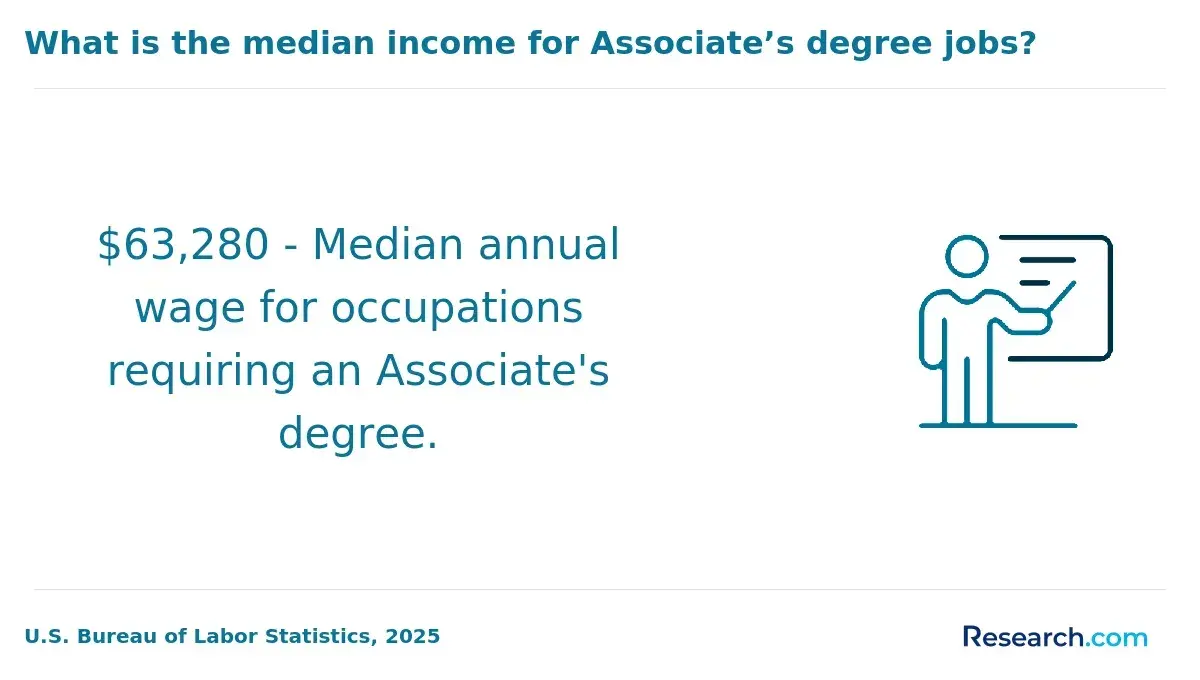
Nominal salary increases for adult gerontology primary care nurse practitioners have outpaced inflation modestly, with a reported wage growth of about 5.5% from 2021 to 2024 compared to an average inflation rate near 3.4% annually, according to the U.S. Bureau of Labor Statistics.
While this suggests a slight improvement in real earnings, the picture becomes more complex when considering the broader economic context. For instance, a newly certified nurse practitioner earning a typical starting salary might see a boost in paycheck amounts; however, rising costs in housing, healthcare, and essential goods could erode much of that gain, leaving purchasing power only marginally improved at best.
This dynamic underscores how increases in nominal wages do not always translate into meaningful enhancements in financial stability or lifestyle quality.
The relationship between adult gerontology primary care nurse practitioner salary trends 2024 and inflation must also be adjusted for regional disparities and institutional settings. Practitioners in urban centers or within large healthcare networks often experience stronger salary growth compared to those in rural or smaller practice environments, introducing variation in real income gains.
Moreover, the steep annual rise in graduate nursing tuition, exceeding both inflation and salary hikes, dampens the return on investment, especially for those financing their education through loans. Prospective students may find it useful to explore programs featured among no application fee online colleges to mitigate upfront costs while weighing earning potential against long-term debt.
How Do Tuition Costs Compare With Adult Gerontology Primary Care Nurse Practitioner Salary Growth?
Evaluating the financial value of an adult gerontology primary care nurse practitioner degree requires more than comparing tuition or salary figures in isolation; it demands analyzing how tuition increases align with earnings growth over time. Recent data from the National Center for Education Statistics and the Bureau of Labor Statistics indicate that graduate tuition for nurse practitioner programs surged by about 35% over five years, with 2024 tuition costs ranging from $30,000 to $50,000.
Meanwhile, median starting salaries hover between $90,000 and $100,000, rising to $110,000-$130,000 after 5 to 10 years in the field. This disproportionate growth-tuition outpacing salary increases by a significant margin-means the financial return on investment may be compressed, especially when factoring in inflation rates near 6% annually during recent years.
Consider two prospective students: one attends a public university with $30,000 total tuition, financing it primarily through scholarships and part-time work, while another opts for a more expensive private program costing $50,000 but relies on substantial loans.
Despite similar salary trajectories post-graduation, the latter faces larger debt burdens, extending repayment timelines and affecting disposable income early in their career.
Factors influencing the tuition-to-salary dynamic include program format, geographic location, institutional prestige, and access to employer tuition assistance, which can all shift the balance of financial risk and reward. Understanding these nuances allows students to anticipate how rising costs might impact long-term economic stability rather than relying solely on headline salary data.
One recent graduate reflected on their decision to pursue the degree amid escalating tuition: initially hesitant about the steep fees, they chose an accelerated program with employer tuition reimbursement that helped mitigate debt.
Despite starting salaries only modestly higher than a decade ago, the lower loan principal and faster repayment offered tangible relief. "It wasn't just about the paycheck," they said, "but how manageable the debt felt alongside it." Their experience underscores how individual circumstances and support systems critically shape the true affordability and financial payoff of earning this credential.
Does a Adult Gerontology Primary Care Nurse Practitioner Degree Deliver a Positive Return on Investment?
Assessing the return on investment (ROI) for an adult gerontology primary care nurse practitioner degree means weighing the total costs of education-tuition, fees, and living expenses-against the career trajectory it unlocks, including salary growth and professional stability. Unlike a simple comparison of starting wages, ROI in this context reflects the full financial benefit accrued over time.
For instance, a graduate who begins with a median salary above that of registered nurses and experiences steady wage gains aligned with industry demand can expect to recoup the upfront cost of their degree within five to seven years, as reported by the American Association of Nurse Practitioners. This timeframe considers both rising tuition influenced by inflation and the growing need for specialized primary care providers.
In practical terms, an aspiring nurse practitioner paying escalating tuition-currently increasing around 3 to 5 percent annually-must evaluate local employment markets and wage trends carefully. Data from the U.S. Bureau of Labor Statistics in 2024 confirms that adult gerontology nurse practitioners consistently earn salaries that outpace inflation, supported by a national shortage of qualified clinicians in this specialty.
However, individual ROI outcomes can differ due to regional salary disparities, personal circumstances, and changes in healthcare policies or education funding. Therefore, while the degree generally offers a positive long-term economic return, prospective students should consider these variables alongside the degree's cost to make a well-informed decision.
Which Industries Offer the Highest Salaries for Adult Gerontology Primary Care Nurse Practitioner Graduates?
Adult gerontology primary care nurse practitioner graduates seeking the highest salaries should focus on industries characterized by complex patient needs and advanced care settings. Data from the U.S. Bureau of Labor Statistics (2024) highlights that the top-paying industries require skills in chronic disease management, multidisciplinary coordination, and the capacity to operate in highly specialized environments.
Balancing salary potential with work demands and personal career goals is crucial for those evaluating these pathways. The following list identifies industries that typically offer the strongest financial rewards for adult gerontology primary care nurse practitioner graduates:
- Specialty Outpatient Care Centers: These centers provide care for chronic and complex adult illnesses and often require practitioners to deliver physician-level decision-making and patient management. High salaries stem from the need for specialized knowledge and the integration of comprehensive care strategies for aging populations.
- Hospitals: Large urban hospitals and academic medical centers offer competitive pay to compensate for the acuity and complexity of cases. Extended hours and on-call responsibilities increase compensation, as these environments demand advanced clinical expertise and rapid, high-stakes decision-making.
- Federal Government Positions: Roles within the Veterans Health Administration and other government agencies provide robust salaries alongside benefits like loan repayment programs. These positions attract graduates managing high tuition debt and offer stability in return for specialized skills in adult gerontology care.
- Home Health and Long-Term Care Facilities: While generally offering lower base salaries, these settings appeal to those valuing predictable hours and a steady patient population. Specialized gerontology knowledge is vital to address chronic illness and end-of-life care needs, though salary growth is more modest.
- Private Practice Groups: These often present more controlled work environments with consistent schedules but typically offer less compensation compared to institutional settings. Providers with entrepreneurial skills or those working in high-demand regions may negotiate higher earnings.
- Academic and Research Institutions: Involvement in teaching and clinical research can supplement income, especially for graduates interested in healthcare innovation. Expertise in adult gerontology contributes to leadership roles that command premium pay within academic medical centers.
According to the latest reported trends, specialty outpatient care centers, hospitals, and federal roles constitute the highest-paying industries for adult gerontology primary care nurse practitioner-related occupations. Prospective students should also consider top paying states for adult gerontology primary care nurse practitioner graduates, as geographic differences significantly influence salary outcomes.
To explore educational pathways supporting these career options, prospective students might consult resources like the top dietetics masters programs, which underscore the importance of interdisciplinary knowledge in managing complex adult care.
Which States and Cities Offer the Highest Pay for Adult Gerontology Primary Care Nurse Practitioner Professionals?
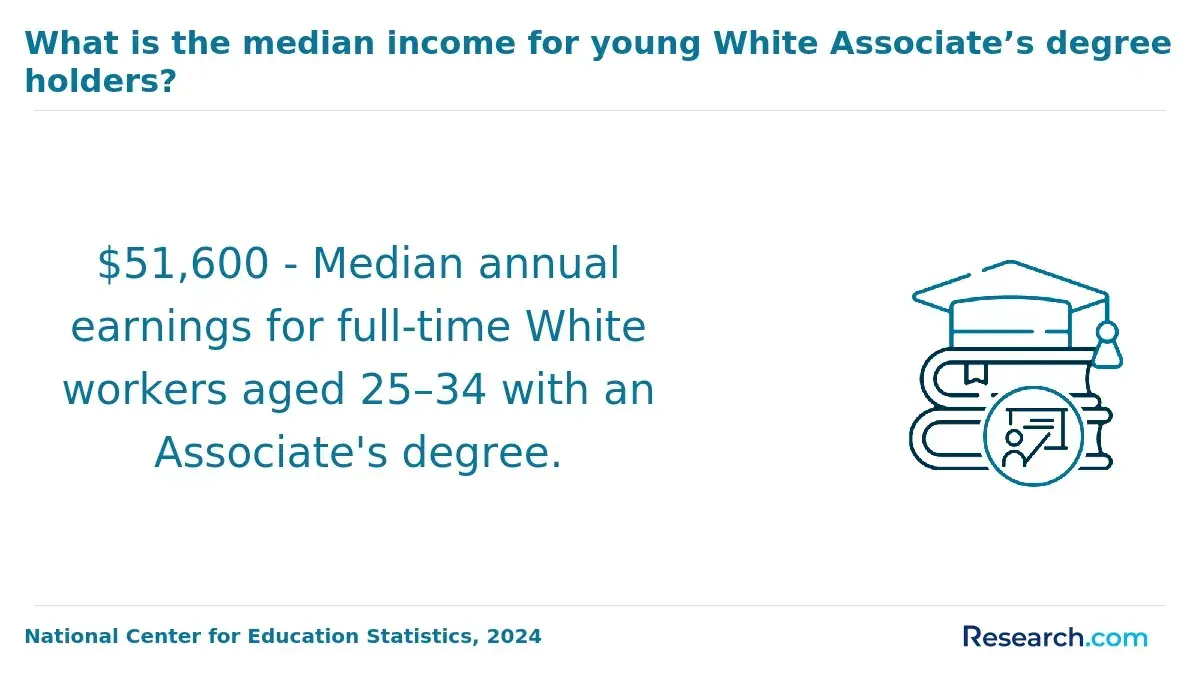
Geographic location plays a crucial role in shaping the earning potential of adult gerontology primary care nurse practitioners, particularly in light of ongoing tuition increases and inflation. While some states and cities offer top-tier salaries, these higher wages often coincide with significant living costs, which can reduce overall financial gain.
According to the U.S. Bureau of Labor Statistics and the National Compensation Survey in 2024, certain areas stand out for offering notably higher compensation, but prospective professionals must weigh these opportunities against expenses like housing and taxes.
Below are key regions that exemplify these tradeoffs:
- California: Known for its large healthcare market and high demand in both urban and suburban areas, California offers adult gerontology primary care nurse practitioners some of the highest wages nationally, often surpassing $130,000 annually. However, the state's soaring housing prices and elevated taxes may significantly erode net income, challenging professionals to balance salary gains against living costs.
- New York City: A competitive and densely populated healthcare hub, New York City routinely reports salaries near $150,000 for these practitioners. The city's vast network of hospitals and specialist practices fuels demand, yet the exceptionally high cost of living and state-specific tax burdens require careful financial planning for those considering relocation.
- Massachusetts: With its concentration of top medical institutions and academic hospitals, Massachusetts consistently ranks among the highest-paying states. Salaries often reflect this demand, but the higher cost of living and insurance expenses mean that practitioners should evaluate the total economic environment, not just base pay.
- Alaska: Although geographically isolated, Alaska offers premium wages up to $140,000, motivated by limited healthcare resources and a need to incentivize skilled professionals. The tradeoff here includes high living costs and logistical challenges, making it a unique but potentially rewarding location.
- Boston Metropolitan Area: Mirroring state-level trends, Boston's robust healthcare infrastructure supports lucrative salaries exceeding $140,000. Opportunities abound in both hospital systems and outpatient facilities, though candidates must consider regional housing affordability and transportation options.
- Seattle, Washington: This rapidly growing market pays around $120,000 to $130,000, fueled by expanding healthcare services and aging populations. Seattle presents a somewhat more moderate cost-of-living increase compared to East Coast metros, offering a compelling middle ground for many practitioners.
- Washington, D.C.: Reflecting its role as a high-demand government and private healthcare center, Washington, D.C., maintains salaries in the $120,000-plus range. However, practitioners should factor in the area's housing market volatility and local tax implications when assessing overall compensation.
How Do Adult Gerontology Primary Care Nurse Practitioner Salaries Grow Throughout a Career?
Salaries for adult gerontology primary care nurse practitioners tend to rise steadily from entry-level through mid-career stages, though growth rates can vary widely depending on location, work environment, and additional credentials.
Entry-level annual salaries generally range between $95,000 and $105,000, according to 2024 data from the U.S. Bureau of Labor Statistics and the American Association of Nurse Practitioners. Over the first decade of practice, practitioners often see salary increases averaging 3% to 6% annually, placing mid-career earnings typically between $110,000 and $130,000.
However, those who pursue leadership roles, hone specialized skills in geriatric care, or work in states with higher demand like California or New York often experience more substantial pay boosts, reflecting the uneven nature of career salary trajectories in this field.
Beyond 10 to 15 years, salary growth tends to plateau for many AGPCNPs who remain in standard clinical roles, with typical wages stabilizing below the $140,000 mark. Advancement into administrative, educational, or consultancy roles can push earnings higher, sometimes exceeding $160,000, emphasizing how diversification and leadership impact long-term income potential more than tenure alone.
Inflation and rising tuition debt continue to pressure real income gains, which means that continuous professional development and strategic career moves are crucial to enhancing financial returns. The National Academy of Medicine notes that nearly 40% of adult gerontology primary care nurse practitioners reported pay increases tied to promotions or added responsibilities, further underscoring that proactive career management influences salary trajectories.
One graduate initially accepted a standard clinical role earning just above $100,000 in a midwestern hospital, prioritizing work-life balance over rapid advancement. Meanwhile, a peer from the same program pursued additional certification in geriatric pharmacology and eventually took on a supervisory role in a large urban healthcare system.
Over 12 years, the second nurse's salary grew to nearly $150,000, whereas the first nurse's income plateaued near $110,000. This contrast highlights how distinct choices about specialization and management responsibilities shape earning paths, reinforcing that the financial benefits of an adult gerontology primary care nurse practitioner degree depend heavily on individual career strategies and regional market conditions.
How Do Adult Gerontology Primary Care Nurse Practitioner Salaries Compare With Similar Degrees?
When assessing the salary outlook for adult gerontology primary care nurse practitioner graduates, comparing their earnings with related advanced nursing and healthcare degrees offers critical insights.
Median salaries for adult gerontology primary care nurse practitioners hover around $113,000, based on the latest data from the U.S. Bureau of Labor Statistics and industry reports. This salary is competitive but closely aligned with other nurse practitioner specialties and certain healthcare professions. It's important to weigh these figures against rising tuition costs and inflation when determining the long-term value of the degree.
Below are key comparisons to consider:
- Family Nurse Practitioner: Family nurse practitioners typically earn a median salary near $110,000. Their broader patient scope across all ages often creates versatile career options, but salaries are generally similar to adult gerontology primary care nurse practitioners due to overlapping skill sets and practice settings.
- Adult Gerontology Acute Care Nurse Practitioner: These practitioners command higher pay, averaging about $120,000, reflecting the advanced acute care skill set and more specialized environments requiring rapid decision-making, which drives higher compensation.
- Pediatric Nurse Practitioner: With median pay around $105,000, pediatric nurse practitioners work primarily with children and adolescents. Salary differences arise from specialty demand, patient demographics, and procedural complexity, often resulting in slightly lower compensation compared to adult-focused roles.
- Physician Assistant: Physician assistants frequently earn above $120,000, benefiting from a broader medical scope of practice and procedural authority in many states, which typically elevates their earning potential compared to nurse practitioners.
For prospective and current adult gerontology primary care nurse practitioners navigating salary differences between nurse practitioner specialties, focusing on high-demand regions or employers and actively negotiating compensation can help offset education and cost inflation.
Additionally, exploring allied opportunities such as specialized certifications or advanced practice settings may enhance earning potential over time. Budget-conscious students might also consider cheapest PMHNP programs as an alternative pathway within nursing specialties.
How Is Employer Demand Affecting Adult Gerontology Primary Care Nurse Practitioner Salary Trends?
Employer demand directly shapes salary trends for adult gerontology primary care nurse practitioners by intensifying competition among healthcare providers to secure qualified candidates. In markets with acute shortages, such as rural regions or metro areas experiencing increased aging populations, organizations often respond with higher salaries and incentive packages to attract talent.
For example, a newly graduated adult gerontology primary care nurse practitioner relocating to a state with widespread primary care gaps might find starting wages considerably above the national average, driven by urgent employer demand to fill critical roles. This dynamic illustrates how hiring activity and compensation strategies accelerate wage growth beyond typical inflation rates, as confirmed by the U.S. Bureau of Labor Statistics projecting a 30% employment increase for nurse practitioners between 2022 and 2032.
Several major factors shape employer demand, including demographic shifts toward older adults requiring complex care and systemic shortages of primary care providers. While strong demand can bolster salaries, overall compensation is also moderated by experience, specialization, economic conditions, and individual organizational budgets.
Industry analyses reveal that even with increasing salaries, rising tuition and living costs might limit net financial gains for recent graduates, which calls for strategic career planning.
Prospective students should consider these tradeoffs carefully, especially in light of rising education expenses documented in reports from the National Association of Nurse Practitioners in Women's Health. For those weighing the value of specialized education paths, resources like top psychiatric mental health nurse practitioner programs online demonstrate demand-driven program outcomes and clinical placement success.
How Can Students Maximize Their Lifetime Earnings With a Adult Gerontology Primary Care Nurse Practitioner Degree?
Maximizing lifetime earnings as an adult gerontology primary care nurse practitioner requires strategic choices beyond degree completion. Data from the U.S. Bureau of Labor Statistics and recent nursing workforce analyses reveal that specialization, credentialing, and work setting significantly influence salary trajectories.
For example, a nurse practitioner working in a metropolitan outpatient clinic with advanced certifications can out-earn peers in less specialized roles. Graduates should weigh costs against long-term income prospects by targeting roles with higher demand and recognized value.
Below are key strategies to consider:
- Specialize in High-Demand Settings: Targeting outpatient care centers, specialty clinics, or telehealth taps into sectors paying premium wages due to complex patient needs and evolving care models, offering sustained salary growth.
- Pursue Advanced Certifications: Obtaining credentials in geriatric pharmacology or chronic disease management enhances marketability and is linked to leadership roles with higher compensation per research from the National Academy of Medicine.
- Leverage Geographic Mobility: Working in metropolitan areas or underserved regions drives earning potential upward; relocation can yield long-term financial benefits despite short-term costs.
- Combine Clinical and Academic Roles: Enrich income streams by integrating teaching, research, or administration, which stabilizes earnings and supports career resilience in fluctuating healthcare markets.
- Engage in Continuing Education: Lifelong learning correlates with promotion and salary increases; actively updating skills aligns with industry expectations and career longevity.
- Network Within Healthcare Systems: Building relationships across interdisciplinary teams can open higher-paying opportunities and leadership tracks often inaccessible to isolated practitioners.
References
- Are You Considering a Career as an Adult-Gerontology Primary Care Nurse Practitioner? https://www.aanp.org/news-feed/are-you-considering-a-career-as-an-adult-gerontology-primary-care-nurse-practitioner
- Job Growth Trends and Employment Outlook for Nurse Practitioners - Hayes Locums https://www.hayeslocums.com/blog/job-growth-trends-and-employment-outlook-for-nurse-practitioners/
- Costs for M.S.N. in Adult-Gerontology Primary Care Nurse Practitioner - Online https://www.midwestern.edu/admissions/paying-college/cost-attendance/online-program-budgets/costs-msn-adult-gerontology-primary-care-nurse-practitioner-online
- 12 Highest-Paid Nurse Practitioner Specialties - Nurse Practitioner Degrees https://npdegrees.org/resources/highest-paid-nurse-practitioner-specialties/
- Nurse Practitioner Salaries in the U.S.: What Is the Average Income in Every State? [Updated 2024] https://nightingale.edu/blog/nurse-practitioner-salary.html
- Understanding Adult Gerontology Nurse Practitioner Salary and Benefits https://www.nphub.com/blog/adult-gerontology-np-salary
- Adult-Gerontology Primary Care Nurse Practitioner https://nursinglicensemap.com/advanced-practice-nursing/nurse-practitioner/adult-anp/
- How to Become a Community Health Nurse https://www.allnursingschools.com/specialties/adult-gerontology-nurse-practitioner/
Other Things You Should Know About Adult Gerontology Primary Care Nurse Practitioner
Programs with longer durations and higher clinical hour expectations often demand greater upfront time and financial investment. These factors can delay entry into the workforce and initial salary earning, meaning graduates might experience slower short-term salary growth despite higher competencies. Prospective students should weigh whether extended training translates into better job performance or employer preference in their targeted markets, as this can affect starting salaries and advancement opportunities.
Focusing on employers with loan repayment or tuition reimbursement programs can be advantageous, especially given the growing tuition costs for adult gerontology primary care nurse practitioner programs. Such benefits help mitigate debt burden faster than a marginally higher salary alone. New graduates should weigh these options carefully, as the long-term financial relief from debt forgiveness may outweigh a modest salary increase without similar support.
Job roles with heavier workloads or increased patient caseloads often come with higher pay but also greater burnout risk. For many, accepting higher salary offers in exchange for unsustainable work demands may lead to turnover and diminished job satisfaction. Evaluating work-life balance and sustainable productivity is crucial, as these factors influence whether salary gains truly translate to improved overall career satisfaction and stability.
Additional certifications can lead to salary premiums and broader job prospects, but they involve further costs and time commitments. Candidates must assess whether the credential's labor market value justifies the investment, considering their career goals and regional demand. Prioritizing certifications with proven employer recognition and relevance within primary care can offer measurable salary returns over general or less-widely recognized credentials.