2027 Adult Gerontology Primary Care Nurse Practitioner Degree Completion Rates by Format: Online, Hybrid, and Campus Programs Compared

Co-Founder and Chief Data Scientist
Choosing how to complete an adult gerontology primary care nurse practitioner program presents practical challenges for many students. A working nurse must weigh the demands of clinical hours, coursework, and personal responsibilities when deciding between an online, hybrid, or traditional campus format. Each option varies significantly in terms of scheduling flexibility, access to faculty, and hands-on learning opportunities, which can affect a student's ability to stay on track.
Completion rates offer valuable insight into how well students manage these tradeoffs across formats. Understanding the factors that influence success-such as technology access, time management, and program support-helps clarify which delivery method aligns best with a student's situation. This article examines online, hybrid, and campus completion rates, analyzing the key elements that shape outcomes and guiding prospective students toward the format most likely to advance their educational and career goals.
Key Things to Know About Adult Gerontology Primary Care Nurse Practitioner Degree Completion Rates by Format
- Online programs show a 12% lower completion rate due to limited clinical supervision, impacting readiness for complex adult gerontology patient care and delaying workforce entry.
- Hybrid formats often yield the highest completion rates by combining flexibility with in-person mentorship, which enhances retention and practical skill acquisition essential for advanced practice roles.
- Campus-based programs maintain steady completion rates but require significant time investment, potentially limiting access for working professionals managing caregiving responsibilities in adult gerontology primary care settings.
- Key Things to Know About Adult Gerontology Primary Care Nurse Practitioner Degree Completion Rates by Format Key Things to Know About Adult Gerontology Primary Care Nurse Practitioner Degree Completion Rates by Format
- How Do Completion Rates Compare Across Online, Hybrid, and Campus Adult Gerontology Primary Care Nurse Practitioner Programs? Completion Rate Comparison
- What Factors Have the Greatest Impact on Adult Gerontology Primary Care Nurse Practitioner Degree Completion? Degree Completion Factors
- Which Adult Gerontology Primary Care Nurse Practitioner Degree Format Is Hardest to Complete? Completion Difficulty
- How Does Each Adult Gerontology Primary Care Nurse Practitioner Learning Format Affect Student Success? How Does Each Adult Gerontology Primary Care Nurse Practitioner Learning Format Affect Student Success?
- How Does Enrollment Status Affect Adult Gerontology Primary Care Nurse Practitioner Completion Rates? How Does Enrollment Status Affect Adult Gerontology Primary Care Nurse Practitioner Completion Rates?
- Can Transfer Credits Improve Adult Gerontology Primary Care Nurse Practitioner Degree Completion? Transfer Credits
- What Student Support Services Improve Adult Gerontology Primary Care Nurse Practitioner Completion Rates? Student Support Services
- How Do Adult Gerontology Primary Care Nurse Practitioner Completion Rates Affect Career Outcomes? Impact on Career Outcomes
- How Should Students Choose the Best Adult Gerontology Primary Care Nurse Practitioner Learning Format? Choosing the Best Format
- What Are the Long-Term Pros and Cons of Each Adult Gerontology Primary Care Nurse Practitioner Learning Format? Learning Format Pros & Cons
How Do Completion Rates Compare Across Online, Hybrid, and Campus Adult Gerontology Primary Care Nurse Practitioner Programs?
Completion rates in adult Gerontology Primary Care NP programs often reflect student demographics and life circumstances more than inherent program quality. For example, online cohorts may include working professionals balancing jobs and family care, which can lower completion percentages compared to campus-based peers with more structured environments. Thus, understanding adult Gerontology Primary Care NP program completion rates by format requires recognizing these rates as indirect indicators of outcomes shaped by student situations rather than strict measures of academic rigor.
Differences in completion between online, hybrid, and campus formats frequently arise from factors such as work commitments, course load intensity, and available student support. While hybrid programs offer a blend of flexibility and face-to-face contact, easing some challenges of purely remote study, campus formats provide immersive schedules and peer interaction that foster persistence. Yet, success is not format-dependent alone; individual discipline, time management, and access to resources critically influence whether students finish their program on time or at all.
Prospective students should weigh completion rate data alongside personal learning preferences, external responsibilities, and career timelines. Those needing flexible scheduling due to jobs or family might find hybrid or online pathways more viable despite slightly lower average completion rates. Conversely, students thriving in structured settings may prefer campus programs. To select effectively, students can also explore options like fast medical assistant programs as complementary pathways supporting healthcare career entry or transition while completing higher-level NP training.
What Factors Have the Greatest Impact on Adult Gerontology Primary Care Nurse Practitioner Degree Completion?
Degree completion for adult gerontology primary care nurse practitioner programs reflects a complex interplay of personal resilience, academic readiness, and the type of program format chosen. Motivation alone cannot guarantee success; instead, external and internal factors converge to shape persistence and graduation outcomes. Recognizing these elements helps students make informed decisions that align with their circumstances and resources. Here are some of the most influential factors affecting completion rates.
- Student Engagement and Interaction: Consistent engagement with faculty and peers significantly boosts persistence by fostering a sense of community and accountability. This factor particularly affects students in online formats, where isolation can reduce motivation. Building relationships through active participation in advising and networking platforms can mitigate attrition risks.
- Program Support Services: Access to mentorship, academic advising, and psychosocial support services is critical across all delivery formats. Programs that provide tailored resources enhance students' capacity to manage challenges, with data from the American Association of Colleges of Nursing showing up to a 15% decrease in dropout rates where such support is robust.
- Time Management and Self-Discipline: The ability to juggle coursework alongside clinical duties, family, and employment is a decisive factor, especially in hybrid and online delivery models. Clear communication of workload expectations before enrollment helps students realistically assess their capacity, improving their chances of persistence.
- Alignment of Program Format with Personal Circumstances: Success often depends on choosing a format compatible with one's lifestyle. For example, campus-based programs may favor students who thrive in immersive settings with fixed schedules, while working professionals juggling multiple responsibilities often benefit from the flexibility of online options, albeit with potential tradeoffs in community cohesion.
- Academic Preparedness and Learning Strategies: Prior knowledge and effective study habits influence how well students adapt to rigorous content. Those with stronger foundational skills or who engage in evidence-based learning techniques demonstrate higher retention, underscoring the importance of readiness assessment before program entry.
- Work and Family Obligations: The competing demands of clinical practice and personal life can delay or derail progress. For instance, a student managing night shifts and caregiving duties will need additional support and scheduling flexibility to maintain steady progress.
- Clarity of Career and Educational Goals: Students with well-defined post-graduation plans often exhibit stronger persistence, including during DNP programs, viewing challenges as necessary hurdles rather than deterrents. This goal alignment fosters resilient mindsets that sustain effort through the program's demands.
Which Adult Gerontology Primary Care Nurse Practitioner Degree Format Is Hardest to Complete?
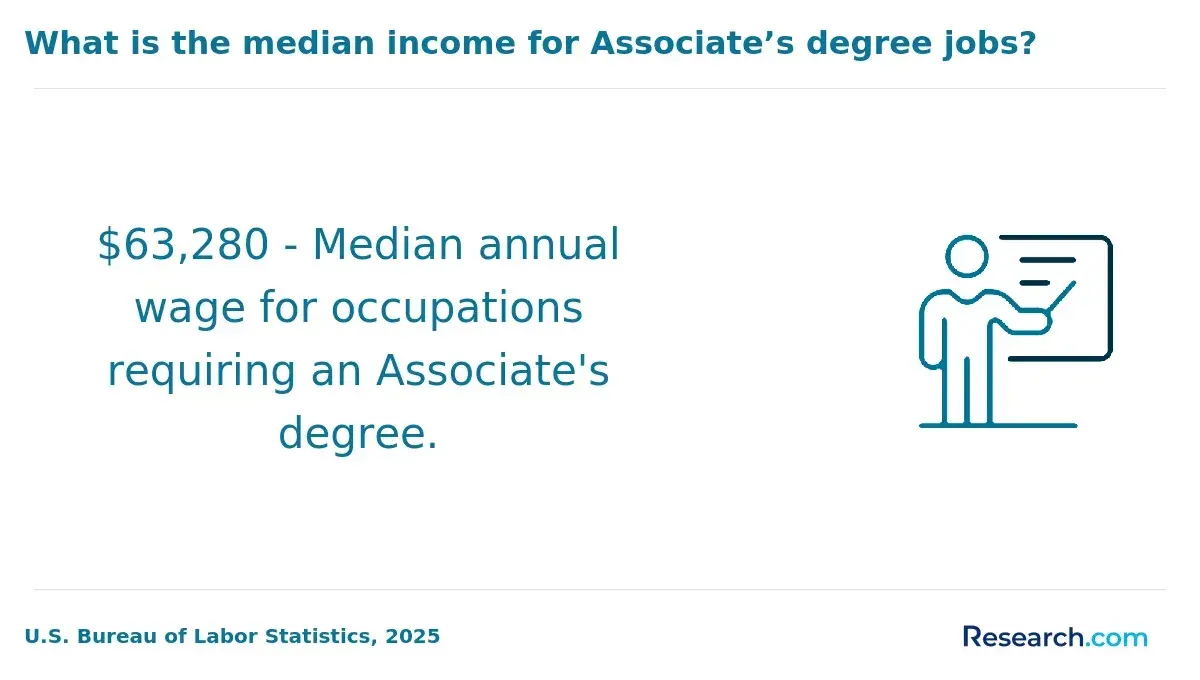
Recent 2024 data from the National Center for Education Statistics highlights that traditional campus-based adult gerontology primary care nurse practitioner programs maintain the highest completion rates, often exceeding online formats by 10-15 percentage points. This is largely due to immersive classroom settings that foster consistent peer support, immediate faculty access, and hands-on clinical experience-elements that greatly enhance student retention. Hybrid programs fall in between, offering a blend of flexibility and in-person engagement, but still face challenges with scheduling and time management that affect persistence.
Fully online programs, while expanding access for working adults, consistently report lower completion rates linked to isolation, competing life demands, and fewer direct academic supports. The need for strong self-discipline and technological proficiency presents significant hurdles absent from campus environments. However, virtual tools such as synchronous sessions and simulations are narrowing this gap slightly. Ultimately, prospective students must weigh these tradeoffs: the convenience of online study often comes with increased risk of attrition, while campus formats provide more structured support but less flexibility.
One graduate recalled initially choosing a fully online program to juggle a full-time job and family responsibilities, only to encounter unexpected difficulty maintaining momentum during clinical placements without immediate on-site guidance. "There were weeks I questioned whether I could finish," they reflected, noting that peers in hybrid and campus cohorts often benefited from direct faculty interaction that reduced uncertainty. This experience reinforced how critical consistent, accessible support can be-not just content delivery-when navigating the demands of an adult gerontology primary care nurse practitioner degree.
How Does Each Adult Gerontology Primary Care Nurse Practitioner Learning Format Affect Student Success?
Student success in adult gerontology primary care nurse practitioner programs hinges more on how well the learning format suits individual needs, schedules, and commitments than on the option chosen alone. Different formats accommodate varying degrees of flexibility, interaction, and structure, which directly influence motivation, retention, and degree completion. For example, a working nurse with family responsibilities may find purely online programs offer needed convenience but may also face challenges without structured guidance. The following points highlight critical factors shaping success across online, hybrid, and campus learning models.
- Degree Completion Rates Favor Hybrid Models: Recent findings from the National Student Clearinghouse Research Center in 2024 reveal hybrid programs generally produce higher graduation rates than entirely online or fully campus-based formats. This is largely due to hybrid's blend of flexibility and face-to-face accountability, which sustains student engagement more effectively.
- Flexibility vs. Structure Balance: Online learning provides unmatched flexibility, benefiting those juggling clinical practice and personal duties. However, students lacking self-discipline or support may struggle with persistence since online environments often have fewer real-time interactions and less immediate academic assistance.
- Campus Immersion Supports Hands-On Skills: Campus-based study offers direct access to mentors and peers, promoting practical skill development and confidence through immersive experiences. Yet, rigid schedules and commuting can be obstacles for those with tight time constraints or geographic barriers, sometimes leading to lower retention.
- In-Person Interaction Enhances Motivation: Hybrid programs incorporate periodic on-site sessions that foster peer connection and mentorship opportunities, critically enhancing motivation and accountability. This combination suits learners who thrive on social engagement but require some scheduling flexibility.
- Access to Academic Resources: Students attending campus programs benefit from immediate access to libraries, lab facilities, and counseling services, which can accelerate problem-solving and reduce delays in overcoming challenges. Online learners must proactively seek virtual resources, which not all can easily navigate.
- Persistence Linked to Peer and Faculty Engagement: Limited direct contact in online formats is associated with lower persistence rates, according to the National Center for Education Statistics. Those who struggle without real-time feedback or community may find campus or hybrid models more conducive to sustained progress.
- Fit with Personal Circumstances Determines Outcomes: Ultimately, students whose chosen format aligns closely with their professional duties, learning preferences, and personal life responsibilities report better satisfaction and completion. For instance, a caregiver balancing work might excel in hybrid settings, while a highly self-motivated individual with stable schedules may thrive online.
How Does Enrollment Status Affect Adult Gerontology Primary Care Nurse Practitioner Completion Rates?
Enrollment status remains one of the most influential factors affecting completion rates in adult gerontology primary care nurse practitioner degree programs. However, its true impact depends heavily on individual student circumstances beyond the mere number of courses undertaken. For example, a full-time student without external obligations may progress smoothly, while a part-time student juggling family and work may find steady progress more challenging. Recognizing how enrollment status interacts with personal responsibilities and program format is crucial for realistic planning. Below are key ways enrollment status influences degree completion in these programs.
- Concentration and Consistency of Engagement: Full-time students often benefit from sustained immersion in coursework, which fosters consistent learning habits and timely progression. This concentrated engagement supports higher completion rates-educational research in 2024 shows that full-time learners complete their degrees at rates up to 25% higher than part-time peers.
- Time Management Challenges for Part-Time Students: Part-time enrollees frequently manage competing demands such as employment and caregiving, which disrupt academic momentum. These interruptions can extend time-to-degree and increase attrition unless programs provide flexible scheduling and robust support tailored to this group.
- Program Delivery Format Interaction: Full-time students generally thrive in campus or hybrid programs where structured schedules and immediate faculty access bolster persistence. Conversely, part-time students tend to perform better in online formats, where asynchronous coursework accommodates their unpredictable time commitments.
- Impact of Institutional Support Services: Comprehensive academic advising, peer mentoring, and time management resources improve completion outcomes across enrollment types. Part-time students particularly benefit when these services address flexibility and personalized planning.
- Real-World Scenario - Balancing Work and Study: Consider a nurse working full time who takes part-time online courses to advance into adult gerontology primary care nurse practitioner roles. The flexibility of the program allows continuation without sacrificing job stability, yet the extended timeline demands sustained motivation and institutional support to avoid attrition.
- Financial and Life Stability Considerations: Full-time enrollment may offer faster degree completion but requires financial and personal stability to manage intensive study loads. Part-time students trade speed for the ability to balance education with other life priorities, making program choice a strategic decision aligned with immediate and long-term goals.
- Strategic Enrollment Planning: Understanding the impact of enrollment status on adult gerontology primary care nurse practitioner degree completion rates helps students select pacing that fits their life situation. Prospective learners should evaluate program flexibility, support structures, and their own capacity to sustain engagement over time to maximize success.
For those considering accelerated options, exploring a highly focused 1 year PMHNP program provides insight into how condensed timelines interact with enrollment status and format choices.
Can Transfer Credits Improve Adult Gerontology Primary Care Nurse Practitioner Degree Completion?
Transfer credits can shorten the time required to complete an adult gerontology primary care nurse practitioner degree by allowing students to bypass courses covering content they've already mastered. This can be especially advantageous for those with prior college credits, military education, or professional training relevant to the program. By reducing redundant coursework, students can focus sooner on advanced clinical practice and specialization, which is critical for balancing education with professional and personal responsibilities.
However, the degree to which transfer credits accelerate completion varies widely. Acceptance depends on how closely previous credits align with specific program requirements and competencies. Not all credits are equally transferable, and some programs demand strict articulation policies that limit usable transfer hours. For example, campus-based programs often enforce more rigid standards than online or hybrid formats, which tend to have more flexible transfer policies to accommodate working adults. This means a student with extensive prior coursework might see a substantial reduction in time and cost at one institution but only marginal benefit at another.
According to 2024 data from the National Center for Education Statistics, students incorporating transfer credits into nursing graduate programs complete their degrees faster and persist at higher rates than those starting from scratch. This underscores the importance of a thorough credit evaluation before enrollment. Prospective students should request an official transcript review to identify how many credits will count toward degree requirements and compare the remaining course load against the pace they can realistically maintain.
For example, a nurse who has earned graduate-level credits through previous coursework or military training may bypass foundational courses if those credits align with the adult gerontology primary care nurse practitioner curriculum. This can reduce tuition costs and time away from the workforce, but only if the program formally accepts and applies those credits toward core requirements. If transfer credits cover non-essential electives instead, the impact on time-to-degree will be minimal.
Ultimately, transfer credits can improve degree completion prospects for many students, but they are one factor among several-including program format, individual capacity, and institutional policies-that influence graduation success and readiness for clinical practice.
What Student Support Services Improve Adult Gerontology Primary Care Nurse Practitioner Completion Rates?
Completion rates in Adult Gerontology Primary Care Nurse Practitioner (AGPCNP) programs vary notably depending on the student support services embedded within online, hybrid, and campus formats. These services play a decisive role in mediating challenges unique to each modality, shaping persistence and ultimate graduation success. Below are key support strategies shown to enhance degree completion based on recent evidence from higher education data in 2024.
- Comprehensive Academic Advising: Personalized academic planning helps students navigate course sequencing and clinical requirements efficiently. A National Center for Education Statistics report highlights that students receiving tailored virtual advising in online programs are 20% more likely to graduate on time than those without such support.
- Proactive Communication Channels: Regular, anticipatory outreach from faculty and staff combats isolation in remote learners. Timely feedback and check-ins sustain engagement and reduce dropout risk, especially in fully online formats.
- Flexible Scheduling and Technology Assistance: Hybrid students benefit from support balancing face-to-face interaction with adaptable online components. Assistance with scheduling and troubleshooting tech reduces barriers to participation and fosters steady progress.
- On-Campus Counseling and Peer Networks: Campus-based cohorts gain from direct access to mental health services and collaborative learning groups. These resources create accountability and social connection, vital for managing the stress of rigorous clinical study.
- Career and Clinical Placement Guidance: Clear, actionable advice about clinical rotations and career pathways helps students align academic requirements with professional goals, reducing uncertainty that can stall advancement.
- Addressing Non-Academic Challenges: Support targeting childcare, transportation, and financial concerns is crucial, particularly for adult learners balancing outside responsibilities. Efficient coordination of these services improves retention across all delivery formats.
One online AGPCNP graduate shared how virtual tutoring and frequent faculty outreach alleviated feelings of isolation during pandemic-disrupted semesters. Initially hesitant to seek help, she found that proactive advising and structured group webinars created a virtual community that replaced lost in-person connections. This network not only bolstered her confidence but also kept her on track despite balancing work and family demands, illustrating how thoughtful support structures are vital for sustaining momentum in distance learning environments.
How Do Adult Gerontology Primary Care Nurse Practitioner Completion Rates Affect Career Outcomes?
Completion rates in adult gerontology primary care nurse practitioner programs have a direct impact on professional outcomes, influencing employment, earnings, and career trajectory. Graduates typically have greater access to desirable roles, certification, and leadership positions, making persistence crucial. Different delivery formats-campus, hybrid, and online-introduce varying challenges that shape completion likelihood and, ultimately, career success. Below are key ways completion affects career outcomes.
- Certification and Licensure Eligibility Drive Career Entry and Advancement: Completing an AGPCNP program is mandatory for certification and advanced practice licensure, which employers require for most primary care roles. Students who do not finish risk delays in entering the workforce or missing licensing deadlines, limiting job prospects and professional growth.
- Employment Opportunities and Job Market Competitiveness Improve with Completion: Employers view graduation as evidence of competence and determination. According to recent data from the National Center for Education Statistics, individuals with completed bachelor's or higher degrees have significantly higher employment rates and are more likely to receive promotions. Campus and hybrid formats often foster better completion rates through structured support, enhancing employability.
- Income Potential and Financial Stability Are Closely Linked to Program Completion: Graduates generally command higher salaries than non-completers. Delayed or incomplete programs can cause lost earnings and reduce long-term financial security. For example, an AGPCNP graduate hired promptly after finishing campus or hybrid programs may start earning stable income faster than those in less structured online formats.
- Access to Employer Tuition Reimbursement and Graduate Studies Depends on Completion: Some employer tuition assistance or advancement opportunities require formal degree completion. Those who finish their AGPCNP program are more likely to benefit from these supports, creating a positive feedback loop for ongoing career development.
- Program Format Influences Persistence and Outcome, Affecting Long-Term Success: While online AGPCNP programs offer flexibility, they often have lower completion rates due to limited direct oversight, which can hamper timely licensure and job placement. Prospective students should consider these trade-offs, including exploring options such as online exercise science degrees that illustrate how program design impacts persistence and outcomes.
Prospective students evaluating adult gerontology primary care nurse practitioner career outcomes based on completion rates should weigh how program format affects persistence. Campus and hybrid programs tend to support higher completion, improving long-term employability, salary potential, and graduate education access. Conversely, online options require strong self-discipline and proactive strategies to mitigate risks of non-completion that could stall career goals.
How Should Students Choose the Best Adult Gerontology Primary Care Nurse Practitioner Learning Format?
Choosing the optimal adult gerontology primary care nurse practitioner program format requires weighing personal circumstances against academic and career goals. Each format-online, hybrid, or campus-presents distinct advantages and challenges that affect degree completion pathways. For example, a working nurse with family responsibilities may find online flexibility essential but must also contend with self-discipline demands. Consider these factors carefully to align the program delivery with your realistic capacity for sustained engagement over 2-3 years.
Key considerations for selecting the best adult gerontology primary care nurse practitioner degree completion pathway include:
- Work and Family Commitments: Individuals balancing jobs and caregiving often benefit from online programs offering schedule flexibility. However, success hinges on managing time independently; those unable to establish rigid study routines may struggle without structured campus environments.
- Self-Motivation and Time Management: Research from 2024 highlights that online formats require high self-motivation to avoid attrition. Students with strong personal discipline are more likely to complete online programs, whereas those needing regular faculty interaction might perform better in hybrid or on-campus formats.
- Learning Style and Peer Interaction: Hybrid programs blend in-person engagement with online convenience, fostering peer support known to increase retention and academic performance compared to purely remote settings.
- Access to Clinical Experiences: Campus-based programs often provide more immersive clinical training with direct faculty supervision, benefiting learners who prefer face-to-face mentorship and hands-on guidance.
- Long-Term Career Objectives: Consider how program format influences practical readiness and networking opportunities. Some employers value the intensive campus experience, while others prioritize flexible learning demonstrated by online degrees.
- Technological Readiness: Successful online learners must have reliable internet access and comfort with digital platforms; otherwise, hybrid or campus options may reduce technological barriers and frustrations.
- Program Support Services: Evaluate the availability of academic advising, mental health resources, and tech support. Online students may need more proactive access to these services to mitigate isolation effects noted in adult gerontology primary care nurse practitioner program outcomes.
Recent data shows that enrollment patterns and completion rates are strongly influenced by these factors, with hybrid learners often achieving higher retention than purely online students. Prospective students comparing accredited online colleges for drug and alcohol counseling may also find relevant insights into balancing professional demands, which parallel those encountered in adult gerontology primary care nurse practitioner degree completion pathways.
What Are the Long-Term Pros and Cons of Each Adult Gerontology Primary Care Nurse Practitioner Learning Format?
Choosing between online, hybrid, and campus formats for an adult gerontology primary care nurse practitioner degree influences not only immediate educational experience but also long-term professional growth. For instance, a working parent opting for an online program may finish faster due to flexibility but might need extra clinical mentorship afterward. Below are key considerations that shape lasting outcomes for each learning format.
- Flexibility and Accessibility: Online programs offer unmatched scheduling freedom, benefiting students balancing work or family. Hybrid formats provide moderate flexibility with periodic in-person sessions, while campus programs require fixed attendance, favoring those who thrive in immersive environments.
- Clinical Skill Development: Campus-based programs provide continuous direct supervision, essential for hands-on confidence. Hybrid learners enjoy some in-person practice, whereas online students may face gaps in clinical exposure, possibly requiring supplementary training.
- Completion Rates and Support: Data from 2024 indicates hybrid programs show higher retention than purely online formats due to balanced engagement. Campus programs often have structured support but may limit accessibility for non-traditional students.
- Networking and Mentorship Opportunities: Campus settings foster stronger peer and faculty connections essential for career advancement. Hybrid formats offer some mentorship benefits, while online learners might experience isolation without intentional outreach.
- Financial and Time Commitments: Online and hybrid routes usually reduce commuting costs and time, appealing to working adults. Campus programs often involve greater financial and time investments but may provide richer resources.
References
- MS Adult Gerontology Primary Care Nurse Practitioner (Blended format) https://liu.edu/brooklyn/academics/harriet-rothkopf-heilbrunn-school-of-nursing/academic-programs/MS-adult-gerontology-primary-care-nurse-practitioner-blended-format
- UTMB School of Nursing | Adult-Gerontology Primary Care Nurse Practitioner Program https://nursing.utmb.edu/PrimaryCareNursePractitioner
- Are You Considering a Career as an Adult-Gerontology Primary Care Nurse Practitioner? https://www.aanp.org/news-feed/are-you-considering-a-career-as-an-adult-gerontology-primary-care-nurse-practitioner
- Top Online Adult-Gerontology NP Programs 2026: AGNP Rankings https://www.npschools.com/rankings/all-online-agnp-programs
- How To Become an Adult-Gerontology Nurse Practitioner (AGNP) https://betternurse.org/adult-gerontology-nurse-practitioner/
- Adult-Gerontology Primary Care Nurse Practitioner – Fitzgerald Health Education Associates https://www.fhea.com/np-certification-exam-review/adult-gerontology-primary-care/
- Best AGNP - BestNursingPrograms https://bestnursingprograms.org/adult-gerontology-np/
- MSN Adult-Gerontology Primary Care Nurse Practitioner | WCU https://westcoastuniversity.edu/online-programs/msn/agpcnp
- Adult-Gerontology Primary Care Nurse Practitioner (Post-Master's Certificate) https://www.madonna.edu/academics/programs/adult-gerontology-primary-care-np-msn/
- Adult-Gerontology Primary Care Nurse Practitioner https://nursinglicensemap.com/advanced-practice-nursing/nurse-practitioner/adult-anp/
Other Things You Should Know About Adult Gerontology Primary Care Nurse Practitioner
Yes, clinical placement availability often varies significantly by format. Online programs may offer more flexibility but sometimes have less direct control over clinical site quality or proximity, potentially limiting hands-on experiences compared to campus programs. For students prioritizing strong clinical exposure and networking within a specific healthcare market, hybrid or campus formats typically provide more curated and locally integrated placements, which can enhance practical skills and employer engagement.
Online formats generally compress didactic content into asynchronous modules, demanding high self-discipline amidst competing personal and work responsibilities. Hybrid and campus programs often integrate scheduled classes and labs, fostering structured time management but requiring physical attendance. Those less confident in juggling independent study with clinical demands may find hybrid or campus settings more supportive for steady progress, as fixed schedules can reduce dropout risk linked to procrastination or burnout.
Employer recognition can differ by geography and facility, with some institutions still favoring campus degrees for perceived rigor and networking benefits. However, well-established online and hybrid programs with accreditation are gaining acceptance, especially if complemented by strong clinical performance. Prospective students aiming for employers valuing face-to-face interaction should prioritize hybrid or campus formats, while those targeting flexible or telehealth roles might emphasize accredited online options to balance completion chances and market fit.
Social interaction and peer support are critical for retention but vary widely by format. Campus programs offer immersive communities enhancing motivation and accountability, which can boost completion, especially for students needing external structure. Hybrid formats blend these benefits with online flexibility, supporting students who thrive on occasional in-person collaboration. Fully online students might face isolation challenges; therefore, unless strong virtual community-building is present, they risk lower completion rates due to limited peer engagement.