2027 Adult Gerontology Primary Care Nurse Practitioner Degree Popularity by Gender, Region, and Degree Level

Co-Founder and Chief Data Scientist
A prospective adult gerontology primary care nurse practitioner student recently noted stark contrasts in enrollment figures across the U. S., with some states reporting a 30% rise in degree completions since 2022 while others saw stagnation or decline. This uneven pattern complicates how one assesses program popularity and, by extension, the perceived value of various educational routes. Enrollment shifts influence peer networks, local workforce potential, and access to diverse clinical experiences, shaping graduate outcomes. Yet, such data may overlook regional healthcare demands and gender imbalances that also steer demand. This article analyzes adult gerontology primary care nurse practitioner degree popularity by gender, region, and degree level to clarify these complexities and guide informed decisions on education and career paths.
Key Things to Know About Adult Gerontology Primary Care Nurse Practitioner Degree Popularity by Gender, Region, and Degree Level
- Gender disparities persist, with over 85% of adult gerontology primary care nurse practitioner enrollees being female in 2024, reflecting workforce gender norms but potentially limiting male representation in geriatric-focused care.
- Regional enrollment spikes in the Northeast correlate with higher elderly population density, influencing employer demand for specialized nurses but also signaling uneven access to programs nationwide.
- Master's degree programs attract more first-time students due to shorter duration and lower upfront costs, yet the tradeoff includes potentially limited clinical depth compared to doctoral-level pathways, affecting long-term career flexibility.
- Key Things to Know About Adult Gerontology Primary Care Nurse Practitioner Degree Popularity by Gender, Region, and Degree Level Key Things to Know About Adult Gerontology Primary Care Nurse Practitioner Degree Popularity by Gender, Region, and Degree Level
- How Does Job Market Demand Influence Adult Gerontology Primary Care Nurse Practitioner Degree Popularity? Market Demand and Degree Popularity
- How Does Online Adult Gerontology Primary Care Nurse Practitioner Degree Enrollment Compare to Traditional Campus Programs? Online vs. Campus Enrollment
- What Degree Level Is Most Common Among Adult Gerontology Primary Care Nurse Practitioner Students? Most Common Degree Levels
- How Do Enrollment Trends Differ Between Associate, Bachelor's, Master's, and Doctoral Adult Gerontology Primary Care Nurse Practitioner Degrees? Enrollment Trends by Degree Level
- How Popular Is the Adult Gerontology Primary Care Nurse Practitioner Degree Compared to Other College Majors? Degree Popularity vs. Other Majors
- Why Is the Adult Gerontology Primary Care Nurse Practitioner Degree More Popular in Certain States and Regions? Regional Popularity Drivers
- What Demographic Groups Are Driving Growth in Adult Gerontology Primary Care Nurse Practitioner Degree Programs? Growth by Demographic Groups
- What Is the Future Outlook for Adult Gerontology Primary Care Nurse Practitioner Degree Enrollment by Gender, Region, and Degree Level? What Is the Future Outlook for Adult Gerontology Primary Care Nurse Practitioner Degree Enrollment by Gender, Region, and Degree Level?
- How Have Adult Gerontology Primary Care Nurse Practitioner Degree Enrollment Trends Changed Over the Past Decade? How Have Adult Gerontology Primary Care Nurse Practitioner Degree Enrollment Trends Changed Over the Past Decade?
- Where Is the Adult Gerontology Primary Care Nurse Practitioner Degree Most Popular Across the United States? Geographic Popularity Analysis
How Does Job Market Demand Influence Adult Gerontology Primary Care Nurse Practitioner Degree Popularity?
Employer demand for advanced clinical skills and certification in adult gerontology primary care nurse practitioner roles heavily influences degree popularity, particularly across regions facing pronounced workforce shortages. For example, states like Florida and Arizona, with rapidly aging populations, show stronger enrollment growth as healthcare systems urgently seek nurse practitioners prepared to manage complex chronic conditions in older adults. However, this regional employment trend affecting adult gerontology primary care nurse practitioner degree popularity also highlights how program capacity constraints-such as limited faculty and clinical placements-can bottleneck enrollment despite high job demand, complicating how gender and degree level participation evolves in these areas.
While labor market signals encourage many applicants toward master's or DNP pathways balancing clinical expertise with certification requirements, these signals do not uniformly translate to higher enrollment across all demographics or geographic zones. Some regions with fewer educational resources demonstrate muted degree uptake despite clear occupational need, reflecting deeper structural barriers beyond employer hiring trends. Furthermore, workforce pipeline dynamics mean that even as demand rises sharply, programs may see uneven participation across gender groups, with some students opting for broader nurse practitioner tracks rather than specializing, resulting in a degree popularity that may underestimate actual occupational demand in the adult gerontology specialty.
Prospective students should weigh these nuanced labor market realities carefully-recognizing that an adult gerontology primary care nurse practitioner degree's long-term career relevance depends not only on current regional job openings but also on factors like program availability and competitive educational pathways. Decision-makers interested in practical implications might also explore alternative or affordable program options, including some noted for accessibility, such as affordable online FNP programs, while acknowledging that adult gerontology-specific training remains essential for meeting growing primary care demands within aging populations.
How Does Online Adult Gerontology Primary Care Nurse Practitioner Degree Enrollment Compare to Traditional Campus Programs?
Online adult gerontology primary care nurse practitioner programs have expanded significantly faster than traditional campus options, driven largely by the need for flexible learning that accommodates older students balancing work and family. Data from the National Student Clearinghouse Research Center in 2024 highlights a 12% rise in online graduate nursing enrollments compared to just 3% growth for campus-based programs. This shift not only broadens access for those living in rural or underserved areas but also attracts a demographic often aged 30 and above who prefer education that doesn't require relocation or interrupting their careers. However, this growth reflects clear tradeoffs: while online programs increase accessibility and enrollment numbers, they often face challenges in providing robust clinical placements and peer interactions that campus settings more readily offer.
The different demographic and regional profiles between online and traditional formats shape enrollment patterns and student experiences. Campus programs tend to serve younger nurse practitioner candidates transitioning directly from undergraduate study, while online pathways appeal to established professionals returning for advanced credentials. For prospective students, these differences mean weighing factors like personal discipline, geographic constraints, and learning preference against program modality when deciding where to enroll. Employers generally value the competencies of graduates regardless of delivery method, provided program quality and clinical rigor meet industry standards, but the self-directed nature of online programs may impact completion rates and student engagement.
An adult gerontology primary care nurse practitioner student from a rural community recalled weighing an online program against a traditional campus that required a two-hour commute each way, which was unsustainable alongside her family responsibilities. Though initially skeptical about online education's credibility and worried about missing in-person peer support, she chose the flexible online option and found that adaptive learning technologies and scheduled hybrid clinical experiences offered a workable compromise. Her decision reflected the practical constraints and opportunities many face, illustrating how rising online enrollments are not simply about convenience but respond to real-world geographic and lifestyle demands within the field.
What Degree Level Is Most Common Among Adult Gerontology Primary Care Nurse Practitioner Students?
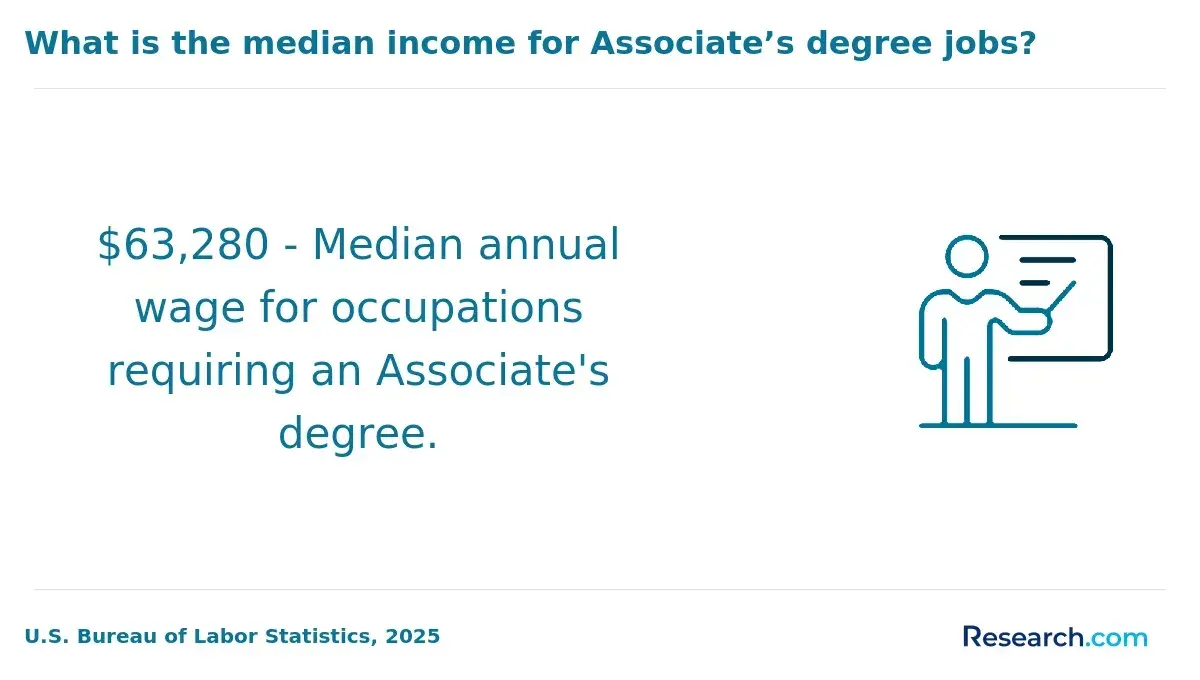
The predominance of master's-level education among adult gerontology primary care nurse practitioner students reflects entrenched clinical and regulatory expectations that still favor the master's degree as the primary entry point into advanced practice roles. As of 2024, data from the National Center for Education Statistics shows roughly 65% of students are enrolled in master's programs, chiefly the Master of Science in Nursing (MSN), with doctoral programs such as the Doctor of Nursing Practice (DNP) representing a smaller but steadily increasing segment at about 25%. This distribution underscores a tradeoff faced by students: master's degrees offer a more accessible route in terms of cost, program availability-including flexible online options-and time commitment, whereas the doctoral track, while more costly and time-intensive, aligns with emerging demands for clinical leadership and complexity management.
The relative scarcity of associate and bachelor's degree programs specifically targeting this specialty further concentrates enrollment at the graduate level, reflecting licensing mandates and workforce norms that require advanced credentials. Employers and state boards largely maintain the master's degree as sufficient for clinical practice, but growing institutional interest in the DNP indicates future shifts in hiring preferences may favor doctoral preparation for leadership-oriented positions. This creates a layered pipeline where many aspirants pursue the master's as a foundational credential before considering doctoral education, shaping both immediate employability and long-term professional development strategies. Understanding these dynamics helps students and professionals calibrate educational investments against practical career goals and evolving healthcare system expectations.
How Do Enrollment Trends Differ Between Associate, Bachelor's, Master's, and Doctoral Adult Gerontology Primary Care Nurse Practitioner Degrees?
Enrollment patterns in adult gerontology primary care nurse practitioner degree programs reveal distinct motivations and workforce alignments at each educational level. Associate degrees typically attract students seeking rapid entry into nursing roles with limited practice scopes, resulting in lower and more localized enrollment. In contrast, bachelor's pathways serve as transitional credentials for those aiming to progress quickly to graduate education, reflecting modest direct nurse practitioner specialization despite a 3.5% national increase in nursing completions noted by the National Center for Education Statistics in 2024. This underscores a strategic choice favoring timely clinical qualification over extended undergraduate focus in adult gerontology primary care nurse practitioner degree enrollment by degree level in the United States.
The master's degree remains the dominant entry point into the adult gerontology primary care nurse practitioner field, with a 7% annual growth in completions documented by the American Association of Nurse Practitioners in 2024. This growth reflects expanding demand for practitioners specialized in elder care, attracting diverse populations and offering broad geographic access. Conversely, doctoral programs, including DNP pathways, experience rapid yet smaller-scale enrollment increases driven by leadership and clinical expertise demands, with a 15% rise over two years according to the Council on Graduate Education. Prospective students must weigh these trends against the significantly greater time and financial investment doctoral studies require, especially as many employers still prioritize master's credentials for clinical roles. For informed program selection, applicants can consider how each degree level shapes their professional trajectory and the healthcare system's evolving geriatric needs while exploring options such as the best medical coding programs to support operational knowledge alongside clinical proficiency.
How Popular Is the Adult Gerontology Primary Care Nurse Practitioner Degree Compared to Other College Majors?
The relatively low enrollment in adult gerontology primary care nurse practitioner programs compared to broader healthcare and STEM disciplines highlights a niche educational path that prioritizes specialization over scale. According to the U.S. Department of Education's IPEDS 2024 data, nursing-related graduate degrees represent about 6% of all master's degree completions, with adult gerontology primary care nurse practitioner degrees forming a smaller portion within this segment. This smaller volume reflects targeted workforce demands tied to aging populations rather than mass-market enrollment trends seen in fields like business or psychology. While this specialization has seen steady growth over recent years, it remains less popular than family nurse practitioner tracks and general registered nurse programs, which offer larger peer networks and more widely recognized credentials across healthcare settings.
Demographically, the student population in these programs skews heavily female and concentrates in regions with larger elderly populations, such as the Northeast and Midwest, where demand for geriatric primary care is more pressing. The focused nature of the degree narrows program availability and can limit peer and alumni connections, making it essential for students to weigh these tradeoffs against increased job specificity and competitive salaries in primary care roles. The concentration in certain geographic areas also means prospective students must consider local healthcare market conditions alongside national enrollment trends when evaluating the long-term viability of their educational investment.
A graduate recalled initially feeling unsure about pursuing a relatively less common adult gerontology primary care nurse practitioner path after noticing small cohort sizes during orientation and fewer peers sharing similar research interests. Conversations with academic advisors highlighted the degree's targeted demand but also underscored regional differences in program growth, which helped the student contextualize the tradeoff between joining a smaller network versus entering a growing specialty with specific employment prospects. This experience illuminated how program popularity-or the lack thereof-can shape perceptions and decisions early in the educational journey.
Why Is the Adult Gerontology Primary Care Nurse Practitioner Degree More Popular in Certain States and Regions?
Variations in adult gerontology primary care nurse practitioner demand by state reflect the intersection of healthcare market needs, educational infrastructure, and regulatory environments. For example, Florida's aging population, where over 21% of residents are 65 and older, drives heightened enrollment as students anticipate strong employer demand in geriatrics-focused roles. In contrast, states with full practice authority, such as Arizona and California, offer broader clinical autonomy, which enhances the value of adult gerontology primary care nurse practitioner credentials by expanding job prospects and professional independence. These factors compel students to weigh regional workforce conditions and state policies carefully when selecting programs, as they directly influence clinical placement quality, networking opportunities, and long-term career mobility.
Regional growth trends for adult gerontology primary care nurse practitioners also hinge on academic availability and geographic clustering of accredited programs, predominantly found along the Northeast and West Coast. This concentration affects student decisions by limiting proximity options elsewhere and prompting reliance on online education offerings, particularly in underserved or rural areas. However, the presence of reputable local institutions often correlates with stronger employer connections and more competitive graduate outcomes. Gender demographics remain consistent nationwide, with women constituting over 85% of enrollees, emphasizing workforce continuity despite regional disparities. Prospective students should also explore complementary pathways, such as best online radiology tech programs, which may intersect with gerontology services in clinical practice environments.
What Demographic Groups Are Driving Growth in Adult Gerontology Primary Care Nurse Practitioner Degree Programs?
The increasing enrollment in Adult Gerontology Primary Care Nurse Practitioner (AGPCNP) programs is largely driven by mid-career professionals seeking specialized skills to address the complexities of an aging population. With about 60% of students over age 30, this demographic shift reflects the pressing workforce demand for practitioners who combine clinical expertise with experience. The expansion of online and hybrid learning options has further enabled nurses, particularly in rural and underserved regions like Texas and Ohio, to pursue advanced degrees without relocating, highlighting how geographic and technological factors intersect to broaden access.
While the field remains predominantly female, male participation is slowly rising, potentially influenced by evolving perceptions of geriatric nursing roles and competitive compensation. Regional trends show enrollment growth concentrated in the Southern and Midwestern United States, where healthcare shortages and larger elderly populations intensify primary care needs. Additionally, degree level preferences reveal a pragmatic divide: master's programs maintain high enrollment due to shorter completion times and lower upfront costs, whereas Doctor of Nursing Practice (DNP) programs grow rapidly owing to employer demand for doctoral-level providers in leadership and complex care positions, signaling a strategic choice with implications for career trajectory and educational investment.
These enrollment patterns also affect cohort diversity and peer dynamics, with first-generation college students and minority groups slowly increasing their presence but still underrepresented, underscoring ongoing barriers despite targeted resources. For current and prospective students, understanding these trends informs decisions about program format, geographic considerations, and credential level, all of which bear on employability and long-term role suitability within evolving healthcare systems. Stakeholders must recognize that these demographic and educational shifts are not merely statistics but indicators of how training pathways align with practical workforce realities and shifting market expectations.
What Is the Future Outlook for Adult Gerontology Primary Care Nurse Practitioner Degree Enrollment by Gender, Region, and Degree Level?
Enrollment in adult gerontology primary care nurse practitioner programs is poised for gradual shifts shaped by evolving demographic and regional patterns alongside academic preferences. Male participation, while remaining a minority, is projected to increase from about 10% to nearly 15% over the next five years, reflecting both shifting gender norms and targeted recruitment efforts in historically female-dominated nursing fields. This demographic change has implications for program culture and professional networking, as well as for institutions aiming to foster more diverse cohorts that may influence workforce dynamics over time.
Regionally, enrollment growth will not be uniform. The Southeast and West stand out as areas likely to experience above-average increases due to both the growing healthcare needs of aging populations and the expanding use of online and hybrid program formats that improve access for rural and underserved students. Conversely, the Midwest and Northeast may see enrollment stabilization or slower growth, influenced by population plateaus and market saturation. These geographic distinctions should inform prospective students' decisions, particularly regarding program availability, clinical placement opportunities, and local job market receptiveness.
At the degree level, master's programs continue to dominate as the primary entry point, but Doctor of Nursing Practice (DNP) enrollment is rising steadily-about 12% year-over-year-driven by employer preference for terminal clinical preparation. However, the DNP's longer duration and higher costs present tangible tradeoffs that may restrict accessibility for some candidates. Prospective and current students must weigh these factors against their career goals, financial resources, and anticipated return on investment, especially as healthcare employers increasingly differentiate roles based on education level and practical readiness.
How Have Adult Gerontology Primary Care Nurse Practitioner Degree Enrollment Trends Changed Over the Past Decade?
Enrollment trends in adult gerontology primary care nurse practitioner degree programs over the past decade reveal deeper shifts not just in volume but in participant demographics and geographic distribution. Female students continue to dominate enrollment figures, yet male representation has increased gradually, reflecting ongoing efforts to diversify the nursing workforce. Regionally, the Southeast and West Coast have shown particularly strong growth, likely influenced by state healthcare policies and expanded online learning options that increase accessibility for working professionals. These shifts mean program availability and student demand vary substantially by location, impacting clinical placement competitiveness and the broader educational pipeline.
The degree level distinctions also carry important practical implications. Master's level completions outpace doctoral graduations, but both have grown, influenced heavily by hybrid and online formats that accommodate nontraditional learners. These educational pathways respond to employer expectations for advanced clinical skills and interdisciplinary collaboration, but rising enrollment intensifies challenges in faculty resources and clinical training slots. Students must weigh these operational realities against long-term career benefits and evolving practice scopes shaped by state-specific regulatory frameworks. For more detailed employment compensation trends, prospective students and graduates can consult DNP salary transparency.
Understanding adult gerontology primary care nurse practitioner degree enrollment trends in the United States is essential for gauging how the field adapts to healthcare workforce demands and demographic changes. Graduates face an increasingly complex landscape where advanced qualifications enhance employability but also demand navigating clinical training bottlenecks. Regional variations underscore the need for strategic choices regarding study location and degree level, particularly as policy shifts influence practice authority and educational offerings. These dynamics highlight the practical tradeoffs embedded in career decisions for current and future practitioners.
Where Is the Adult Gerontology Primary Care Nurse Practitioner Degree Most Popular Across the United States?
Degree popularity for adult gerontology primary care nurse practitioner programs tends to cluster in states with established healthcare industries and dense metropolitan centers rather than being evenly distributed across the United States. This regional concentration often coincides with areas exhibiting significant demographic shifts toward older populations, which increases demand for providers skilled in geriatric and adult primary care. States with well-developed nursing education infrastructure create practical advantages for students, offering broader clinical placement options and networking opportunities with employers focused on chronic disease management and preventive care in aging adults. Consequently, prospective students face tradeoffs between program accessibility and workforce integration depending on their geographic location.
Regions such as the Southeast and Midwest demonstrate notable enrollment driven by strong state-level support for advanced nursing roles paired with a growing older populace requiring care. However, rural areas frequently report lower degree attainment, highlighting challenges related to educational access and fewer clinical sites despite a concurrent high need for providers. These enrollment patterns impact perceptions of degree value, where graduates from high-concentration areas may benefit from immediate local connections, whereas those from less-populated regions might confront barriers to employment or continuing education. This geographic disparity underscores the importance of assessing both regional healthcare demand and educational program availability when considering adult gerontology primary care nurse practitioner degree popularity by region in the United States.
Gender demographics remain consistent nationally with a predominance of female enrollees, though a gradual increase in male participation reflects broader shifts in nursing workforce diversity. Those comparing program options can also evaluate alternative pathways, including exploring the best online BSN programs for non nurses, which may offer flexible access to foundational nursing education supporting advanced specialty study. Understanding these dynamics helps clarify enrollment trends and assists students and professionals in making informed decisions tailored to both career goals and market realities.
References
- 4 Reasons to Consider a Career as an Adult-Gerontology Nurse Practitioner https://www.chamberlain.edu/blog/4-reasons-to-consider-a-career-as-an-adult-gerontology-nurse-practitioner-
- Family NP vs Adult NP: Which Specialty to Choose? https://blog.methodistcollege.edu/fnp-or-agnp-degree-that-is-the-question
- Adult Gerontology Nurse Practitioner: A Brimming Profession https://nursingcecentral.com/adult-gerontology-nurse-practitioner/
- Adult-Gerontology Primary Care Nurse Practitioner DNP https://www.rushu.rush.edu/college-nursing/programs-admissions/adult-gerontology-primary-care-nurse-practitioner-dnp
- Adult Gerontology Primary Care Nurse Practitioner Programs https://www.herzing.edu/nursing/agpcnp-programs
- Online Adult-Gerontology Primary Care Nurse Practitioner (AGPCNP) Programs | Maryville Nursing https://nursing.maryville.edu/concentrations/adult-gerontology-primary-care-nurse-practitioner-online-program
- How to Become a Community Health Nurse https://www.allnursingschools.com/specialties/adult-gerontology-nurse-practitioner/
- How To Become an Adult-Gerontology Nurse Practitioner (AGNP) https://betternurse.org/adult-gerontology-nurse-practitioner/
- Adult-Gerontology Primary Care Nurse Practitioner https://nursinglicensemap.com/advanced-practice-nursing/nurse-practitioner/adult-anp/
- Job Growth Trends and Employment Outlook for Nurse Practitioners - Hayes Locums https://www.hayeslocums.com/blog/job-growth-trends-and-employment-outlook-for-nurse-practitioners/
Other Things You Should Know About Adult Gerontology Primary Care Nurse Practitioner
Gender imbalance, with a predominance of female students and practitioners, can shape the learning environment and professional culture within adult gerontology primary care nurse practitioner programs. This disparity may affect mentorship availability and peer collaboration, often benefiting women but potentially marginalizing men who might feel less represented. In practice, employers increasingly value diversity to improve patient care outcomes, so male applicants should be aware that their minority status could both challenge and differentiate them in hiring. Prospective students should weigh how gender dynamics align with their learning preferences and career goals before committing.
Regional variations impact clinical placement availability, patient demographics, and scope of practice regulations, all of which influence training quality and job readiness. For example, programs in urban Northeast or West Coast areas may offer more acute care site diversity but face higher competition and cost of living. Conversely, Southern and Midwest programs might provide more access to rural and underserved populations, beneficial for those targeting community-based careers. Students should prioritize regions aligning with their intended patient population and post-graduate employment preferences to optimize hands-on experience and licensure flexibility.
While master's degrees remain the standard entry point for clinical roles, obtaining a doctoral degree often correlates with expanded leadership and research opportunities but at the cost of longer and more intensive education. Employers in academic medical centers and specialized clinics lean toward doctoral-prepared nurses for advanced practice roles, but smaller or rural providers may prioritize practical experience over degree level. Prospective students should assess their career ambitions carefully; those aiming for direct patient care roles might prioritize faster entry via master's programs, whereas those seeking policy influence or academic careers should consider doctoral pathways.
Popularity concentration affects cohort size and diversity, which in turn shapes networking and support structures critical for student success and employment connections. Highly popular programs in predominantly female-dominated regions may offer robust peer and alumni networks but limited gender diversity. Conversely, less popular locations with more balanced gender ratios might provide closer-knit, though smaller, professional communities. Students should evaluate program popularity not just by rankings but by the quality of peer interaction and mentoring opportunities that could impact their professional development and long-term career integration.