What Employers Look for in Entry-Level Tech Resumes in 2027

Co-Founder and Chief Data Scientist
In 2026, entry-level tech resumes are evaluated in a highly competitive, increasingly automated hiring environment. Many large organizations use Applicant Tracking Systems (ATS) to scan, organize, and shortlist candidates before human review, with adoption especially common among large employers.
Recruitment automation is also gaining regulatory attention. The EU AI Act’s high-risk AI rules classify certain AI systems used in employment, including CV-sorting software as high-risk, highlighting the growing role of automated resume screening in hiring.
Job seekers are adapting quickly. Freshers and experienced professionals now use ATS checkers, resume scanners, keyword tools, and AI platforms like ChatGPT and Claude to improve resume relevance and formatting. According to the Mployee.me ATS Score Benchmark Report 2026, average ATS scores rose from 30.41 in August 2023 to 52.37 in April 2026, a 21.96-point increase.
This shift is driven by AI-powered tools that help optimize keywords, structure, and job alignment, but it has also raised competition. While a 75% ATS score was once strong, candidates in 2026 increasingly aim for an ATS readiness score of 85% or higher for high-match roles.
Still, a high ATS score alone is not enough. A strong resume should remain honest, readable, role-specific, and supported by real skills, projects, and measurable achievements, ensuring it appeals to both automated systems and human recruiters.
Why ATS and AI Have Raised Resume Standards in 2026
Before a resume reaches a recruiter, it often passes through a hiring system first. Many large companies use Applicant Tracking Systems, commonly known as ATS, to collect, organize, search, and filter applications.
This does not mean every resume is rejected by a robot. It means that resumes now need to be written for both hiring systems and human recruiters.
For job seekers, this creates a simple reality:
- The resume must be easy for hiring software to read.
- The resume must include the relevant keywords from the job description.
- The resume must show proof of skills, not just list skills.
- The resume must be relevant to the role being applied for.
- The resume must still be clear enough for a recruiter or hiring manager to understand quickly.
AI has also changed the way resumes are written and reviewed. Many candidates now use tools such as ChatGPT, Claude, and other writing assistants to improve their resumes. At the same time, employers are also using more advanced hiring tools to manage large numbers of applications.
This has raised the standard.
A resume that looked strong in 2023 may not look strong enough in 2026. According to Mployee.me’s ATS Score Benchmark Report, the average ATS score increased from 30.41 in August 2023 to 52.37 in April 2026, a gain of 21.96 points. The report also suggests that while a 75% ATS score was earlier seen as competitive, many job seekers now need to aim closer to 85% - 90% or above to stand out in highly competitive roles.
This does not mean candidates should chase an ATS score blindly. A high score is useful only when the resume is honest, role-specific, and backed by real skills.
The better goal is to build a resume that is:
- ATS-readable
- Keyword-aligned
- Project-backed
- Easy to scan
- Specific to the job
- Honest about skill level
- Strong enough for a human recruiter
In 2026, Kept, but polished around it. It is about matching the role, proving the skills, and making the recruiter’s job easier.
What Do Employers Look for in Entry-Level Tech Resumes?
In 2026, employers look for several key factors in a freshers resume like proof of skills, relevance to the role, practical projects, technical abilities, and ATS-friendly formatting. Understanding these expectations can help you build a resume that stands out to both recruiters and applicant tracking systems.
1. Employers Want Proof, Not Just Potential
Many applicants make the same mistake during the application process. They prepare resumes that focus more on what they want than on what they can already show. An example of a resume statement is “Seeking opportunities for development within a reputable firm.” The statement sounds polite, but it does not show skills, effort, or readiness.
A stronger resume says something more specific:
“Entry-level software developer with experience in JavaScript, React, SQL, and REST API development projects. Developed two responsive websites and worked on authentication, database integration, and Git-based version control.”
This kind of language gives the employer something real to evaluate. It helps them understand the candidate’s skills and possible fit.
Employers understand that entry-level applicants may not have years of work experience. Still, they look for some form of evidence. This evidence can come from internships, assignments, freelancing, hackathons, open-source contributions, certifications, or personal projects.
The important thing is to connect every claim with some proof.
If the resume claims “problem-solving,” include a task where a problem was solved. If it includes “teamwork,” include an example of a team assignment and the candidate’s role. If the resume uses the term “Python,” then include something that was developed with the use of Python.
In 2026, a strong entry-level tech resume should not only describe potential. It should also show job readiness.
2. Employers Check Resume Relevance to the Role
One of the first things employers check is whether the resume matches the role. A generic resume may look fine at first, but it rarely makes a strong impression.
Match Your Resume to the Job Description
One practical way to do this is by using Mployee.me’s Resume Keywords Finder. It can help candidates customize their resume according to the job description. It helps job seekers identify the skills, competencies, and experience employers are looking for.
If the job description says that the employer wants someone proficient with SQL, Excel, dashboards, and data cleaning, simply mentioning the word “data analysis” in your resume is not enough.
This does not mean simply repeating words from the job listing. It means writing about relevant experience in language that matches the employer’s requirements. If you have done it, write about it clearly.
Avoid Sending the Same Resume Everywhere
It is common for entry-level job seekers to apply to hundreds of positions using the same resume. Although this may feel productive, the results are often weak. The resume may include irrelevant skills, poorly chosen project highlights, missing keywords, and an unclear career objective.
For example, a candidate applying for both software testing and frontend development roles can create two resume versions. For the software testing version, the candidate can highlight manual testing, test cases, bug reporting, Selenium basics, and QA project experience.
Both resumes may come from the same experience, but each version should speak to a different employer need.
Mployee.me’s Job Match Pro can help candidates find roles that better match their resume, skills, and experience. The key point is simple: better matching leads to better applications.
3. Technical and Soft Skills Employers Expect on Entry-Level Tech Resumes
While technical skills are essential, employers want more than a generic list of tools the candidate has heard of. Employers want skills that make sense for the job and are backed by practical experience.
This is why reviewing what job postings reveal about computer science careers can help entry-level candidates understand which technical skills, soft skills, degrees, and experience signals employers repeatedly prioritize.
For software engineering roles, relevant skills may include coding, data structures, AI skills, API integration, Git, databases, debugging, testing, and deployment. For data roles, relevant skills may include SQL, Excel, Python, dashboards, statistics, data cleaning, and visualization.
A strong skills section should be easy to scan. Instead of writing one long line of tools, group skills by category.
Example:
Languages: Python, JavaScript, SQL
Frameworks: React, Node.js
Tools: Git, GitHub, Postman, VS Code
Databases: MySQL, MongoDB
Concepts: REST APIs, debugging, testing, responsive design
This format is easier for both recruiters and hiring managers to understand.
Soft skills are also important, but they should not be expressed through empty words. Many resumes include phrases such as “hardworking,” “quick learner,” “team player,” and “good communication skills.” All of these are generic.
Instead of writing “good communication skills,” a candidate can write:
“Documented the project with instructions, APIs, and limitations for a team of four students at college.”
Employers want technical ability, but they also value communication, teamwork, and ownership.
4. Projects Are the New Entry-Level Experience
For many freshers, projects are one of the most important parts of the resume. For candidates with limited work experience, projects help employers understand what the candidate can do.
Candidates exploring entry-level jobs with a computer science degree should treat projects as proof of job readiness, especially when they do not yet have full-time technical experience.
What Makes a Project Resume-Worthy?
A project is resume-worthy when it shows practical use of skills.
A strong project description should include:
- What the project does
- Why it was built
- Which technologies were used
- What features were included
- What the candidate personally worked on
- Whether there is a GitHub link, live demo, or screenshot available
- Any result, improvement, or learning outcome
For example:
Project: Job Application Tracker
Tools: React, Node.js, MongoDB
Description: Built a web app to help users track job applications. Added login, application status filters, notes, and deadline reminders.
Weak project description vs strong project description
Many candidates have decent projects, but they describe them too weakly.
Weak example:
- Made a React app.”
Strong example:
- “Built a responsive React weather app using API integration, search functionality, error handling, and mobile-friendly design.”
5. Internships, Freelance Work, and College Experience Still Matter
Internships, freelance work, and college experience can make an entry-level resume stronger. These experiences show that the applicant has worked with deadlines, tools, feedback, and real expectations. The main mistake many candidates make is writing only about responsibilities.
Weak example:
“I worked as a web development intern.”
Better example:
“Updated website pages using HTML, CSS, and JavaScript, fixed layout issues, and tested pages across mobile and desktop screens.”
Employers do not expect freshers to have a long work history, but they do expect them to show initiative.
6. Certifications and Courses
Certifications and courses can help, but they should not become the main focus of the resume. A certificate shows the employer that the candidate has studied a topic. A project shows that the candidate has applied that learning.
Candidates still deciding how to start a career in tech, education, hands-on experience, and certifications should work together instead of appearing as disconnected resume items.
Certifications Are Useful When Connected to Skills
A certification becomes stronger when it is connected to the target role.
For example:
- A cloud certification can be useful for cloud support, DevOps, or backend roles.
- An SQL certification can be useful for data analyst or backend roles.
- A React course can be useful for frontend roles.
- A cybersecurity basics certificate can be useful for IT security or SOC roles.
- A software testing course can be useful for QA roles.
For most entry-level tech resumes, three to five relevant certifications are enough.
7. The Resume Sections Employers Expect to See
The resume should be easy to scan. All key information should be easy for the employer to find quickly. For most entry-level tech candidates, the resume should include:
- Contact information
- Skills
- Projects
- Internship or work experience
- Education
- Certifications
- GitHub, portfolio, or LinkedIn links
The order can change based on the candidate’s strength.
If the candidate has strong projects but no internship, projects can come before experience. If the candidate has a good internship, experience can come before projects.
Skills Section
The skills section should be grouped clearly and easy to read.
Example:
- Languages: Python, JavaScript, SQL
- Frontend: HTML, CSS, React
- Backend: Node.js, Express
- Database: MySQL, MongoDB
- Tools: Git, GitHub, Postman
- Concepts: REST APIs, debugging, responsive design
Avoid adding skills only because they appear in job descriptions. Add only skills the candidate can explain.
Projects Section
The projects section should include enough detail to prove ability.
Each project can include:
- Project name
- Tools used
- Short explanation
- Key features
- Candidate’s role
- GitHub or demo link if available
Example:
Project: Expense Tracker App
Tools: React, Node.js, MongoDB
Built an application to record daily expenses, categorize spending, and calculate monthly totals. Added login, a dashboard view, and filtering options.
Experience Section
Experience can come from internships, freelancing, part-time work, volunteer work, or technical responsibilities at college. Experience bullet points should start with action verbs.
Example:
“Tested website forms and reported bugs to improve user flow before final submission.”
“Created Excel reports from raw data and summarized weekly trends.”
“Updated frontend pages and improved mobile layout consistency.”
Education and Certifications
The education section should include:
- Degree
- College or university
- Graduation year
- Relevant coursework if useful
Certifications should include:
- Course or certificate name
- Platform or institution
- Year, if available
- Only relevant certifications
Do not let education and certifications take over the resume. For entry-level tech roles, skills and projects usually need more attention.
ATS-Friendly Formatting Still Matters in 2026
A resume may be well written but still poorly formatted. Since many companies use applicant tracking systems to review resumes, recruiters usually prefer resumes that are easy to scan.
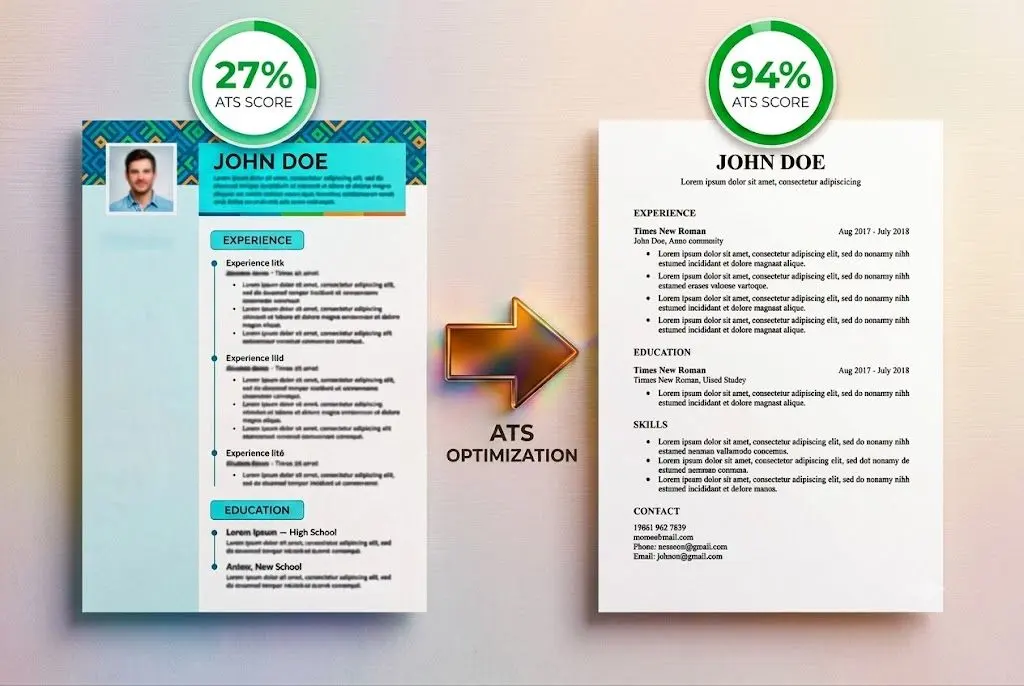
Being ATS-friendly does not mean creating a boring resume. It means creating a clear, professional, and readable resume.
Use Simple Formatting
A resume should use clear headings such as Summary, Skills, Projects, Experience, Education, and Certifications. Candidates should use a readable font size, consistent spacing, and simple bullet points.
For most entry-level job seekers, a one-page resume is enough. However, if the candidate has multiple internships, strong projects, and relevant experience, a two-page resume may work. The resume must not be padded.
Use Keywords Naturally
Keywords are important because they help match the resume to the job description. However, candidates should not overstuff the resume with keywords. Keywords should appear naturally in the projects and experience sections.
Example:
“Used Python and pandas to clean data, remove duplicates, and generate monthly reports.”
Applicants should review the job posting and identify the skills that are important for the role. Then, they should include only the skills they can explain.
Check Readability Before Applying
Before applying, candidates should check whether their resume is easy to read for both recruiters and ATS systems.
Using a ResuScan’s resume score checker can help candidates identify formatting issues, missing keywords, readability gaps, and ATS parsing problems before they submit an application.
They should ask:
- Are the headings clear?
- Are the most relevant skills visible quickly?
- Are project descriptions specific?
- Are keywords used naturally?
- Is the formatting simple?
- Are there spelling or grammar errors?
- Are all links working?
- Is the resume tailored to this role?
Mployee.me’s ResuScan can help candidates review formatting, keywords, readability, and resume structure before submitting. This is helpful because some resume errors are easy to miss during manual review.
Common Mistakes That Make Entry-Level Tech Resumes Look Weak
Why do many entry-level tech resumes get rejected? The answer often lies in vague writing. Many resumes include too much generic information and do not provide enough proof of skills.
Listing tools without proof
- Don’t include everything that you’ve come across. Include only tools that you have used.
- Proving your skills with real-world applications.
- For example, instead of stating "Docker," state what project you've used Docker in.
Writing responsibilities instead of outcomes
- Don’t use vague sentences such as “Performed backend development.”
- Describe what you have created, fixed, tested, or enhanced.
- For example: “Created the login and authentication API using Node.js and Express.”
Using one resume for every job
- One resume does not always work well for every technical position.
- Showcase your relevant skills and projects according to the position you are applying for.
- For instance, frontend positions require frontend projects while data positions require SQL, visualization, and analytics experience.
Overdesigning the resume
- Overly decorated templates, graphics, and skills bars tend to make resumes less readable.
- A clean layout is what recruiters love.
- Prioritize content over design.
Adding fake or exaggerated skills
- Always be sure to know enough about all of the skills that you list.
- Many interviewers will ask specific questions regarding technologies that you mention.
- Always be open about your skill level and what you are learning.
Key Takeaways
- Build resumes that pass ATS and impress recruiters with clean format, clear headings, and relevant keywords.
- Prove skills through projects, internships, or real work instead of relying on lack of experience.
- Customize each resume for the role by aligning with job descriptions and removing irrelevant details.
- Showcase strong projects with clear contributions, tools used, features built, and live or GitHub links.
- Review resumes for ATS compatibility, keywords, formatting, and errors before applying.