2027 What Do You Learn in an Educational Administration Degree: Curriculum, Skills & Core Competencies

Co-Founder and Chief Data Scientist
Many aspiring education leaders struggle to understand what an educational administration degree truly offers. With over 30% of school districts facing leadership shortages, the demand for qualified administrators grows steadily. This degree equips students with essential skills in organizational management, policy development, and instructional leadership. The curriculum often combines theory with practical experience to prepare candidates for real-world challenges.
This article explores the key courses, competencies, and skills developed in educational administration programs, helping prospective students and professionals evaluate how such a degree aligns with career goals and addresses workforce needs.
Key Benefits of a Educational Administration Degree
- Curriculum focuses on leadership theories, policy analysis, and school finance, equipping students to design effective educational programs and manage institutional resources efficiently.
- Develops critical skills in conflict resolution, strategic planning, and data-driven decision-making essential for enhancing school performance and promoting inclusive learning environments.
- Core competencies include stakeholder communication, ethical governance, and organizational management, preparing graduates to lead education systems that meet diverse community needs effectively.
What Is a Educational Administration Degree?
An educational administration degree is a graduate-level program designed to prepare individuals for leadership positions within schools, districts, and other educational settings. While often pursued after completing a bachelor's degree, some undergraduate pathways also exist. This degree is intended mainly for educators, aspiring principals, superintendents, and administrators aiming to deepen their management expertise. Employment for education administrators is expected to grow 8% from 2022 to 2032, indicating a stronger demand for qualified leaders in the education sector.
The goal of an educational administration degree is to cultivate a thorough understanding of the principles essential to effective educational leadership. Its curriculum centers on school law, finance, policy, and organizational management, equipping candidates with the skills to navigate complex educational environments. The degree overview commonly highlights these foundational elements as critical to advanced leadership roles.
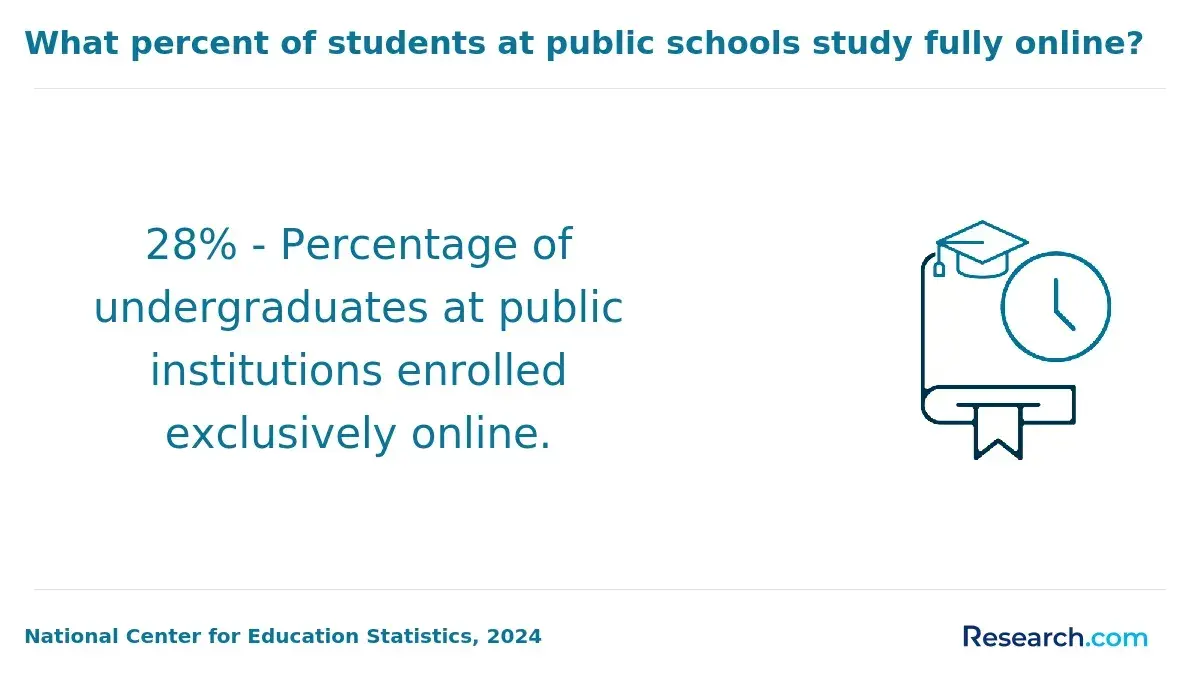
Programs are typically available in multiple formats, including traditional on-campus, accelerated, and fully online options. This flexibility meets the needs of working professionals balancing career and study, reflecting current workforce demands. Such accessibility also complements trends seen in other focused degrees like bcba masters programs online.
When exploring what you learn in educational administration programs, students often gain strategic insights into managing educational institutions, understanding legal and financial frameworks, and mastering policy-making processes essential to their future roles.
What Core Courses Are Included in a Educational Administration Degree?
Choosing the right educational administration program requires a clear understanding of its essential coursework. Core courses build the foundation of skills and knowledge necessary for leadership and management roles in schools and educational organizations. Below is a breakdown of the typical curriculum components prospective students can expect.
- Educational Leadership: This course delves into leadership theories and practical strategies, helping students develop the ability to inspire and guide teachers and staff effectively. It lays the groundwork for advanced leadership roles by fostering critical decision-making and communication skills.
- School Law and Ethics: Focused on legal frameworks and ethical considerations, this subject ensures students grasp the complexities of regulatory compliance and moral responsibilities within educational settings, preparing them to navigate contentious issues confidently.
- Curriculum Development and Instructional Design: Students learn how to design, implement, and evaluate curricula that meet educational standards, ensuring programs are effective and responsive to diverse student needs. This course is central to understanding how educational offerings align with broader instructional goals.
- Educational Finance and Budgeting: This course equips students with the skills to manage financial resources within educational institutions, emphasizing budgeting techniques and resource allocation critical to sustaining quality education despite funding challenges.
- Data Analysis in Education: Focusing on statistics and data interpretation, this course empowers students to analyze academic performance and operational metrics. Data-driven decision-making is a core competency supported by current industry expectations.
These core courses in an educational administration degree curriculum are carefully aligned with the essential subjects in educational leadership degree programs recommended by professional associations. For those interested in related fields, exploring options like a counseling degree online can complement an educational career path.
What Specializations Are Available in a Educational Administration Degree?
Specializations within educational administration degrees enable students to customize their studies toward distinct leadership roles in education, enhancing their expertise for targeted career paths. This focused approach helps graduates meet the varied demands of educational institutions and policy environments. Employment for education administrators is expected to grow by 8% from 2021 to 2031, reflecting the sector's increasing need for skilled management across diverse settings. Below are some key specializations.
- K-12 Administration: Emphasizes leadership in elementary and secondary schools, addressing challenges like improving student outcomes, managing staff, and implementing educational policies effectively.
- Higher Education Administration: Concentrates on managing colleges and universities, including overseeing student services, academic programs, and institutional development strategies.
- Special Education Leadership: Focuses on designing and managing programs that support students with disabilities, prioritizing inclusive practices and adherence to legal regulations.
- Educational Policy and Planning: Involves creating, evaluating, and influencing policies often within government or nonprofit sectors, aimed at advancing education systems and reform initiatives.
- Curriculum and Instructional Leadership: Targets enhancing teaching approaches and curriculum design to improve educational effectiveness and learning outcomes.
Each specialization cultivates skills such as strategic planning, budget oversight, and regulatory compliance, preparing graduates to tackle specific institutional challenges and assume leadership positions across varied educational contexts.
When choosing an educational administration degree, understanding the program length is essential for balancing time investment, expenses, and career progression. Each degree format has unique pacing and scheduling demands, which can impact a student's ability to manage personal and professional commitments. Below is a breakdown of typical completion timelines across common formats to help inform your decision.
- Traditional full-time programs: These usually require about two years of study, blending coursework with practical experiences like internships and capstone projects. They suit students who can dedicate themselves fully to their studies for a structured, immersive learning experience.
- Part-time programs: Taking around three or more years, part-time options offer greater flexibility by allowing fewer courses each term. This format works well for working educators balancing jobs and family obligations while gradually advancing their education.
- Accelerated programs: Designed for completion within 12 to 18 months, accelerated tracks demand a rigorous schedule and strong time management. They appeal to highly motivated individuals aiming for quick career advancement in educational leadership roles.
- Online programs: Typically spanning 18 months to three years, online degrees provide flexible pacing and location independence. These are ideal for students needing adaptable hours or who live far from campus, reflecting the growing trend in distance education enrollment.
Speaking with a professional who completed a hybrid educational administration degree provided insight beyond the timelines. He described juggling between in-person sessions and online coursework as "a balancing act that required constant adjustment." Despite the challenges of switching learning modes and managing deadlines remotely, he appreciated how the hybrid format helped him "stay connected with peers while accommodating my hectic work schedule." He reflected that completing the degree was not only about time but also about maintaining motivation through periods of intense workload and occasional uncertainty. His experience highlights the importance of adaptability and self-discipline in successfully navigating varied program formats.
Developing technical skills is a fundamental outcome of educational administration programs, equipping graduates with the tools needed to lead modern educational settings effectively. With 73% of school administrators highlighting data analysis as essential to their job performance, proficiency in these competencies is highly sought after across the education sector. The following breakdown highlights key technical abilities cultivated throughout these programs.
- Data Management Systems: Students learn to operate platforms like student information systems and learning management systems, which facilitate tracking academic performance and managing operational workflows efficiently.
- Analytical Tools: Training includes interpreting educational data using statistical and analytic software, supporting informed decision-making for enhancing student success and optimizing resource use.
- Project Management Software: Familiarity with tools for scheduling, budgeting, and coordinating staff enables graduates to effectively oversee school projects and initiatives.
- Educational Technology Integration: Programs teach implementation of digital tools and technologies aimed at improving instruction quality and creating engaging learning environments.
In educational administration, mastering soft skills is crucial to complement technical expertise and lead effectively within schools. These interpersonal abilities empower professionals to handle diverse challenges and build strong relationships with all stakeholders. Below is an overview of the essential soft skills cultivated in educational administration programs.
- Communication: Students learn to articulate ideas clearly and manage discussions that involve teachers, parents, and community members. This skill facilitates collaboration, eases conflict resolution, and supports the enforcement of policies.
- Teamwork: Group projects and hands-on experiences help future administrators develop the ability to work cohesively with educators and staff. This cooperative mindset is vital for consensus-building and moving school initiatives forward.
- Problem-solving and Critical Thinking: These skills enable students to address obstacles like resource limitations or curriculum challenges through strategic and innovative solutions, aligning with the demands of administrative decision-making.
- Adaptability: Given the ever-changing nature of educational policies and technologies, students develop flexibility to embrace change and maintain effective leadership amid evolving conditions.
When discussing the question, "What soft skills do educational administration students develop?" a professional who completed such a program shared valuable reflections. She described how navigating a particularly challenging internship, where conflicting interests between staff and parents threatened a new initiative, tested her communication and mediation abilities. Through guided practice and feedback during her coursework, she gained confidence in facilitating dialogue and crafting compromises.
This experience not only strengthened her interpersonal skills but also shaped her approach to leadership, helping her secure a leadership role soon after graduation. She remarked, "The program didn't just teach me theories-it gave me tools to listen deeply and act thoughtfully, which made all the difference in my career progression."
Nearly 85% of educational administration programs across the United States incorporate internships or cooperative work experiences into their curricula. These placements usually span a semester or an entire academic year, during which students collaborate with school districts, education agencies, or administrative bodies under the guidance of seasoned professionals. While some programs require these hands-on experiences for graduation, others regard them as highly encouraged but optional. Through such practical involvement, students can translate theoretical concepts into real-world leadership scenarios, gaining firsthand exposure to the complexities of managing educational institutions.
Participating in internships or co-ops helps students cultivate essential skills such as policy evaluation, organizational management, and navigating educational law. These experiences also foster critical abilities like decision-making, conflict resolution, and collaborative leadership needed for successful administration. Beyond skill acquisition, these opportunities provide valuable networking channels by connecting students with mentors and key educational leaders, which can open doors to future career advancements. Students completing these experiential components often strengthen their resumes with demonstrable examples of leadership and problem-solving, boosting their confidence and readiness for administrative roles in education.
Professional certifications can significantly complement an educational administration degree by enhancing practical skills and career readiness in leadership roles. While not always embedded within degree programs, these certifications offer valuable credentials that demonstrate expertise in key areas such as budgeting, staff management, and policy implementation. This makes them a valuable addition for students who want to strengthen their resumes and better meet industry expectations.
Typically, certifications included in educational administration degrees vary widely by institution and state. Some programs align coursework with state licensing standards or integrate preparation for administrative credentials as part of their curriculum. When certifications are provided, they often follow guidelines from national organizations like the Council for the Accreditation of Educator Preparation (CAEP), helping students fulfill both academic and professional benchmarks. However, many students pursue certification independently through state education departments or professional organizations, which can involve exams, supervised experience, or continuing education. Combining these credentials with a degree in educational administration creates broader career prospects and ensures compliance with district policies. Students interested in related fields may also consider exploring an mlis degree, which offers complementary skills in information organization and management.
- Certification inclusion in educational administration degrees varies widely
- Some programs align coursework with state licensing standards
- Independent certification pursuit is common and beneficial
- Certifications may require exams, practical experience, or continuing education
Knowing the variety of career paths available after earning a degree in educational administration helps prospective students align their goals with real-world opportunities. Employment for educational administrators is projected to grow 8% from 2022 to 2032, reflecting steady demand in school systems adapting to evolving educational standards and technologies. Exploring common job options can clarify how graduates apply their skills to improve educational environments.
- School Principal or Assistant Principal: These leadership roles entail overseeing daily school operations, managing faculty and staff, and ensuring a safe, productive learning environment. Graduates often find opportunities in K-12 public and private schools where they implement educational policies and coordinate programs.
- District Administrator: Working at the district level, administrators supervise multiple schools, allocate resources, and ensure compliance with state and federal regulations. Their responsibilities include strategic planning and support for curriculum development across schools.
- Curriculum Coordinator: This role focuses on developing, evaluating, and improving instructional materials and teaching methods. Educational administration graduates bring expertise in policy analysis and organizational leadership to enhance academic programs.
- Director of Student Services: Professionals in this position manage programs related to student welfare, counseling, and extracurricular activities. The degree's emphasis on communication and personnel management prepares graduates to address diverse student needs effectively.
- Higher Education Administrator: Beyond K-12 settings, graduates may pursue careers in colleges and universities handling admissions, student affairs, or academic program management. The skills gained in budgeting and ethical decision-making are crucial in these complex environments.
The curriculum in educational administration equips students with core competencies to lead and innovate in various educational settings. It fosters expertise in decision-making, strategic planning, and legal issues, which are essential for navigating challenges faced by educational institutions today. Those evaluating which career path to follow may also consider salary prospects and job stability, important factors along with personal interests and skills.
For students interested in understanding which bachelor degree is best to secure a strong future, exploring educational administration career options and average salaries for education administrators can provide valuable insights. More detailed information is available at the which bachelor degree is best resource.
Evaluating the potential earnings of educational administration graduates is essential when considering the return on investment of this degree. According to the U.S. Bureau of Labor Statistics, the median annual wage for education administrators was about $98,000 in recent years, highlighting the significant earning potential in this field. Understanding these salary outcomes can help students and early-career professionals make informed decisions about their educational and career paths.
- Early-career salaries: Graduates starting with an educational administration degree often earn between $50,000 and $70,000 annually. Entry-level roles might include assistant principals or administrative coordinators, where gaining practical experience is a key step toward higher compensation.
- Mid-career potential: Those advancing to positions such as principals or department heads typically see salaries ranging from $80,000 to $110,000 per year. With additional experience, advanced degrees, or leadership roles in larger districts, earnings can exceed this range substantially.
- Geographic and institutional factors: Salary differences are influenced by the type of educational institution-public versus private-as well as location. Urban areas usually offer higher wages, and larger institutions or roles with greater responsibilities often come with enhanced pay.
- Advanced credentials: Obtaining certifications or graduate degrees beyond the initial educational administration degree can further increase earning potential, reflecting specialized leadership skills and expertise valued in the field.
For students exploring options in higher education, researching online colleges can provide flexible paths to earning these qualifications. Salary prospects also vary significantly by state; educational administration graduate earnings by state reflect local demand and funding priorities, adding another layer to consider when planning a career in this area.
What Graduates Say About Their Educational Administration Degree
- Emiliano: "The core curriculum of the educational administration program thoroughly prepared me with essential leadership, policy analysis, and organizational management skills. This degree enabled me to confidently manage school operations and lead initiatives that improve student outcomes. Considering the average cost of attendance, it was a worthwhile investment that accelerated my career growth in educational leadership. "
- Jared: "Reflecting on my journey through the educational administration program, I appreciate how the coursework emphasized strategic planning and communication competencies. These skills have become invaluable in navigating the complexities of district-level administration. The balance of theory and practical application truly shaped me into a thoughtful, effective professional. "
- Amir: "The educational administration degree built a strong foundation in budgeting, human resources, and legal aspects of education that directly impact my daily work as a school principal. The program's comprehensive approach ensured I developed core competencies needed to lead with confidence and integrity. Despite the average cost of attendance, the career advancement opportunities have been significant. "
Other Things You Should Know About Educational Administration Degrees
In 2027, educational administration degrees prioritize diversity and inclusion by incorporating coursework on equitable practices, cultural competence, and anti-bias training. Programs often include modules on how to create inclusive environments and address disparities in educational outcomes, preparing administrators to foster equitable learning experiences for all students.
Policy study is a critical component that helps students understand educational laws, regulations, and governance. It enables future administrators to navigate legal requirements and advocate for policies that improve educational quality and equity. This knowledge supports informed decision-making within public and private education systems.
Most programs include a school-law and ethics unit covering student privacy, equity, mandated reporting, due process, and professional conduct. Students usually study the ethical duties of principals and district leaders through case analyses, typically in a 30–36 credit master’s curriculum aligned with state leadership standards.
- Postsecondary Education Administrators : Occupational Outlook Handbook: : U.S. Bureau of Labor Statistics https://www.bls.gov/ooh/management/postsecondary-education-administrators.htm
- What are Education Administration Degrees Like? | All Education Schools https://www.alleducationschools.com/teaching-degrees/education-administration-degree-programs/
- 4 Key Components to Successful School Administration https://strobeleducation.com/blog/successful-school-administration/
- Principal Certification Programs - Education Administration Degree - School of Education https://drexel.edu/soe/academics/graduate/educational-administration/School%20Principal%20Certifications/
- Master in Educational Administration https://heritage.edu/academic-paths/graduate-degrees/educational-administration/
- Education Administration Certification Program, K-12 https://www.duq.edu/academics/colleges-and-schools/education/programs-and-degrees/graduate-programs/ed-admin-cert/index.php
- Educational Administration - Specialists and Doctorate https://www.usm.edu/graduate-programs/educational-administration.php
- Modelling school principals’ soft skills with sustainable administrative effectiveness https://ijere.iaescore.com/index.php/IJERE/article/view/29321
- Educational Administration Specialization | Doctor of Education (Ed.D.) in Educational Leadership | Concordia University Irvine https://www.cui.edu/academicprograms/graduate/edd/leadership/educational-administration
- Best Degrees for a Career in Education Administration https://online.stu.edu/degrees/education/innovation-leadership/edd-administration/best-degree-for-admin-careers/