2027 Admission Requirements for Educational Administration Degree Programs

Co-Founder and Chief Data Scientist
As competition intensifies in higher education, understanding admission requirements for educational administration degree programs becomes increasingly critical for prospective students. Recent data shows that overall graduate program acceptance rates in the U.S. have tightened, reflecting rising applicant pools and heightened standards. Navigating this landscape demands clear insight into the essential qualifications and expectations that institutions uphold.
This article offers a comprehensive overview of the key admission requirements for educational administration programs. It provides reliable guidance to help applicants prepare strong applications and enhance their chances of gaining acceptance into these competitive graduate programs.
Key Benefits of Educational Administration Degree Programs
- Understanding admission requirements allows applicants to tailor their preparation effectively, with over 60% of colleges emphasizing relevant leadership experience in educational settings to increase acceptance chances.
- Knowing prerequisites helps candidates meet necessary academic and professional benchmarks, such as maintaining a minimum GPA often around 3.0, which aligns with national trends showing higher competition for educational administration programs.
- Familiarity with application components like recommendation letters and personal statements can boost competitiveness, as programs increasingly rely on holistic reviews reflecting interpersonal and administrative skills crucial in education leadership roles.
What GPA Do You Need to Get Into a Educational Administration Program?
GPA remains one of the most important factors in college admissions because it serves as a standardized indicator of academic readiness and past performance. However, the specific GPA requirements for educational administration programs can vary significantly depending on the institution, degree level, and the competitiveness of the program. Understanding the minimum GPA requirement for educational administration programs and how additional factors come into play is essential for prospective students, especially when considering the educational administration admission GPA standards in the United States. Below are the typical GPA expectations and influencing factors applicants should be aware of:
- Minimum GPA Requirements: Most master's-level educational administration programs require a minimum undergraduate GPA of 2.75 to 3.0 for admission. Some schools, like the University of Texas at El Paso, specify needing either a cumulative GPA of 3.0 or a 3.0 in upper-division coursework to meet eligibility standards.
- Competitive GPA Range: Highly selective programs often expect GPAs closer to 3.5 or higher, although few institutions publish the average admitted GPA. Meeting the minimum does not guarantee admission, as many programs consider additional factors.
- Conditional or Provisional Admission: Applicants with GPAs slightly below the threshold, such as between 2.60 and 2.99, may receive conditional admission. These students typically must reach a 3.0 GPA during their first semester to continue in the program.
- Online vs. On-Campus Programs: GPA requirements are generally similar between online and on-campus options, but online programs might offer more flexibility by emphasizing work experience or professional recommendations for applicants with lower GPAs.
- Strengthening Your Application: Candidates near the minimum GPA can improve their chances by submitting strong letters of recommendation, compelling personal statements, and proof of leadership or teaching experience. Demonstrated academic improvement in later undergraduate years can also help bolster the application.
- Graduate GPA for Degree Conferral: Maintaining a 3.0 GPA once admitted is typically required to remain in good standing and graduate from most educational administration programs.
For students exploring ways to combine accelerated learning with career goals, resources on college fast track programs can offer valuable pathways that align with their educational administration admission goals.
What Prior Education Is Required for a Educational Administration Program?
Prior education plays a crucial role in determining eligibility for educational administration degree programs, as it ensures that applicants have the essential academic foundation and relevant experience for leadership roles in education. Requirements differ significantly based on program level, whether undergraduate, graduate, or professional paths.
Below is a summary of common educational prerequisites for educational administration programs at different academic levels:
- Undergraduate prerequisites: Most educational administration programs are offered at graduate or professional levels. Where undergraduate options exist, applicants generally need a high school diploma or equivalent and must meet standard college admission requirements, including minimum GPA and college preparatory coursework.
- Graduate-level expectations: Applicants typically must hold a bachelor's degree from an accredited institution. Preferred undergraduate fields include education or related disciplines, but some programs accept other degrees if applicants demonstrate relevant professional experience or complete foundational courses. A minimum undergraduate GPA, often between 2.5 and 3.0, is usually required, reflecting common bachelor's degree requirements for educational administration.
- Teaching experience and certification: Many graduate programs mandate a valid teaching certificate and two to three years of licensed teaching experience, underlining the importance of teaching experience needed for educational administration programs. This practical background ensures candidates understand school environments before assuming administrative roles.
- Bridge and foundational coursework: For those lacking a strong education background, some programs offer conditional admission requiring completion of bridge courses. This approach helps applicants meet academic prerequisites without delaying progress.
- Doctoral-level requirements: Doctoral programs usually require a master's degree in education or a related field, along with strong academic records and significant leadership experience in education.
Additionally, students exploring alternative career paths in education leadership may consider certifications that pay well without a degree, which can complement formal studies or serve as entry points into the field. For more information on these options, visit certifications that pay well without a degree.
Do Educational Administration Programs Require GRE, GMAT, or Other Standardized Tests?
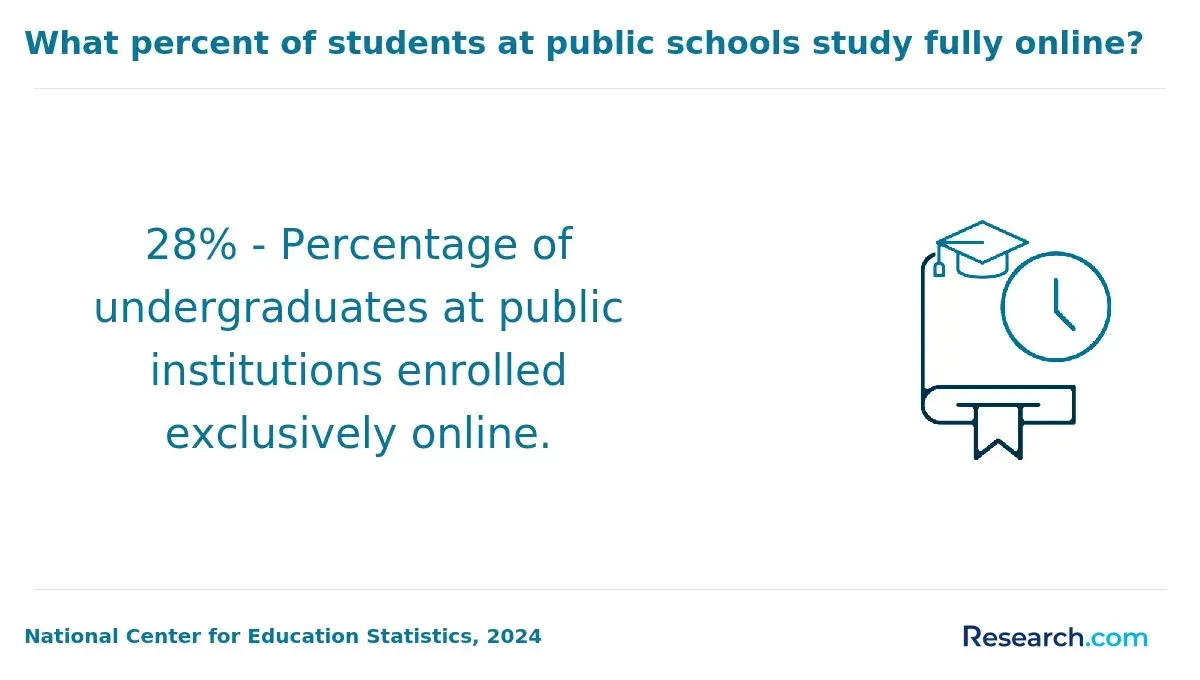
Standardized tests such as the GRE (Graduate Record Examination) and GMAT (Graduate Management Admission Test) have traditionally served as key benchmarks in graduate admissions, helping institutions assess academic readiness and analytical skills. However, evolving attitudes toward equity, accessibility, and the predictive value of these exams are prompting many educational administration programs to reconsider their reliance on test scores.
Current testing expectations for educational administration programs reflect these shifts, ranging from optional submissions to outright waivers or requirements. The landscape can be summarized as follows:
- Test-Optional Policies: Many programs now allow applicants to submit GRE or MAT scores if they choose, but do not mandate them. For instance, Kean University encourages score submission but reviews applications holistically, emphasizing professional experience and academic performance instead.
- No Standardized Test Required: A growing number of programs explicitly do not require GRE, GMAT, or other standardized test scores, particularly online and practitioner-focused degrees. Examples include the University of Georgia's M.Ed. in educational administration and policy and Florida International University's online educational leadership master's program.
- Waivers for Experienced Professionals: Some institutions offer waivers for applicants with significant relevant work experience or strong academic records. Northwestern University, for example, permits candidates to petition for a GRE waiver, though approval is evaluated carefully within the broader admissions process.
- Programs Still Requiring Exams: Though less common, a few research-intensive programs continue to require standardized test scores, especially for applicants lacking extensive professional experience or with lower GPAs. Prospective students must review specific program requirements and communicate directly with admissions offices for clarity.
Applying to college or graduate programs in educational administration typically involves submitting several documents that demonstrate your academic readiness, relevant experience, and potential fit for the program. Requirements can differ depending on the institution, the level of the program (such as master's or certification), and whether you are applying to an online or on-campus program. To help you prepare, here is a summary of the most common application materials requested.
- Official Transcripts: These verify your academic history and are required by most programs from all previously attended colleges or universities. While some online programs may accept unofficial transcripts initially, official copies are usually required upon admission to confirm your qualifications.
- Résumé or Curriculum Vitae: This outlines your professional experience, especially within educational settings. Admissions committees often look for evidence of leadership roles such as teaching, counseling, or administrative positions, as practical leadership experience is an important prerequisite.
- Personal Statement or Statement of Purpose: This essay allows you to explain your goals, motivation for pursuing educational administration, and how your background aligns with the field. It's a critical opportunity to highlight your communication skills and fit with the program's mission.
- Letters of Recommendation: Typically, two or three letters are required from supervisors, faculty, or colleagues who can attest to your leadership potential and academic strengths. Submission methods may vary, with online programs often preferring electronic letters while on-campus programs might accept mailed recommendations.
- Proof of Teaching Credential and Experience: Many programs require a valid teaching or professional credential and a minimum number of years in an educational role, commonly around three years of full-time experience in teaching, counseling, or similar positions.
- Writing Sample or Entrance Essay: Some institutions ask for a specific writing sample or entrance essay to assess your writing skills and readiness for graduate-level work, often responding to a prompt provided by the program.
- Interview: Certain programs include an interview to evaluate your communication skills and ensure your goals align with their expectations for educational leaders.
Standardized test scores such as the GRE are increasingly optional or waived, but it's important to confirm each program's policy since requirements still vary.
International students applying to educational administration degree programs in the United States encounter several additional admission requirements beyond standard academic qualifications. These include demonstrating English language proficiency and verifying academic credentials, which ensure applicants are prepared for rigorous U.S.-based coursework and comply with institutional and federal visa regulations. Such measures help protect academic integrity and support a smooth transition into graduate studies.
Below are the key admission requirements international applicants should prepare to meet:
- English Proficiency Proof: Most programs require non-native English speakers to submit standardized test scores such as the TOEFL, usually between 79 and 100 for graduate admission, the IELTS with a minimum score of 6.5, or the Duolingo English Test scoring 105 or higher. Expectations may be more flexible for online programs, but all applicants must convincingly demonstrate their ability to communicate effectively in academic English.
- Credential Evaluation: International transcripts must be evaluated by an accredited credential evaluation agency, like World Education Services, to confirm U.S. degree equivalency and translate grades to the U.S. GPA system. Admissions officers typically request detailed, course-by-course evaluations rather than mere document verifications, ensuring the academic work matches U.S. standards.
- Financial Documentation: To satisfy federal visa requirements, applicants must provide evidence of sufficient financial resources to cover tuition and living expenses for at least one academic year. This usually involves submitting recent bank statements, affidavits of support, or official financial certification forms dated within the past three months.
- Immigration and Visa Forms: Submission of passport copies, visa documentation (such as F-1 or J-1 visas), and I-20 or DS-2019 forms is mandatory. Students transferring from other U.S. institutions must also include SEVIS transfer forms and current I-94 cards. Maintaining full-time enrollment status is generally required to comply with visa regulations.
- Program-Specific Requirements: Beyond these general prerequisites, applicants must meet all usual program criteria including academic transcripts, personal statements, recommendation letters, and sometimes interviews or entrance exams. Different start dates and internship components may apply, especially contrasting on-campus with online program formats.
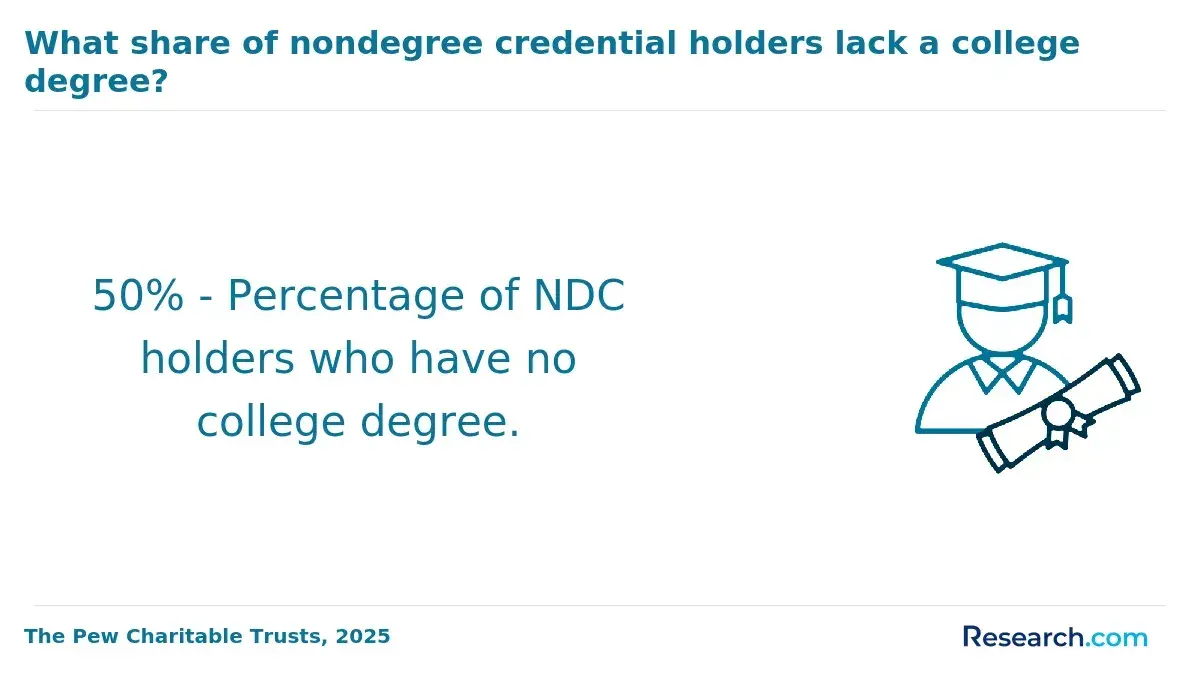
Professional experience plays a significant role in admission decisions for educational administration programs, especially at the graduate level. Schools often prefer applicants with a relevant background and practical skills that demonstrate leadership or teaching abilities. While some programs consider work experience as "recommended," others make it a core admission requirement.
Below are the main ways professional experience factors into admissions for both online and on-campus educational administration programs:
- Minimum Experience Requirements: Many programs require a set number of years of full-time teaching or related educational experience, typically between two and five years. For example, some institutions mandate three years of licensed teaching before admission, while others may have slightly different thresholds depending on the program focus.
- Experience as a Competitive Edge: Even when not mandatory, relevant professional experience such as teaching, counseling, or school-based roles can enhance an application. Admissions committees look for leadership potential and impact, often showcased through detailed resumes, personal statements, and recommendation letters highlighting achievements.
- Credentialing and Advancement: Programs leading to administrative credentials usually require a valid teaching license and documented service experience. Certain states might mandate up to five years of full-time professional service to recommend candidates for advanced administrative credentials.
- Waivers and Flexibility: Some programs consider applicants without standard experience on a case-by-case basis, potentially granting waivers or provisional admission if other application components are strong.
- Documentation Expectations: Applicants are generally expected to provide official verification of their work history, such as letters from employers or school districts, to confirm professional experience as part of the admissions process.
Many universities tailor admission requirements for educational administration concentrations based on the specific area of specialization an applicant chooses. While core prerequisites such as minimum GPA, standardized test scores, and prior degrees remain consistent, research-heavy or technical tracks often demand additional coursework, higher academic standards, or relevant professional experience to ensure candidates are well-prepared.
Admission standards can vary notably depending on the concentration, and applicants should carefully consider how their backgrounds align with the specific expectations. Below are key ways admission requirements differ by concentration within educational administration programs:
- K-12 school leadership or principal certification tracks: These usually require a valid teaching license and multiple years of full-time teaching experience in K-12 settings. Applicants often need strong letters of recommendation from school administrators and evidence of leadership potential. Online candidates may face more stringent verification of credentials and work history.
- Higher education administration or community college specializations: Admission typically focuses on prior postsecondary professional experience rather than a teaching license. A résumé detailing 2-3 years of administrative or teaching roles in higher education is commonly requested to demonstrate relevant leadership capabilities.
- Technical or quantitative research concentrations: These tracks often mandate higher GPAs (usually 3.5 or above for doctoral-level programs) and require applicants to have solid research experience. Strong performance on exams like the GRE or MAT, writing samples, and sometimes interviews or on-site assessments are expected to evaluate research aptitude.
- Leadership and management concentrations: Candidates should highlight experience in organizational management, curriculum development, or supervisory roles. Supplemental materials such as leadership philosophy statements or portfolios may be part of the application to showcase managerial skills.
- Online versus on-campus applicants: While academic requirements remain aligned, online applicants are often assessed for self-direction, technical skills, and the ability to juggle work with study. Some programs have distinct application cycles or part-time options influencing how work experience and references are evaluated.
Understanding the differences between educational administration TK-12 vs higher education requirements aids applicants in targeting their applications more effectively. For those curious about broader educational paths, exploring what bachelor's degree makes the most money can offer insights into rewarding fields before pursuing advanced studies.
Most universities in the United States strive to maintain consistent admission standards for both online and on-campus educational administration programs to ensure academic parity and student readiness. However, some variations exist due to differences in student demographics, program delivery, and experiential learning components between the two formats.
Below is a summary highlighting the key similarities and differences that can help potential students compare admission requirements for online vs traditional educational administration degrees:
- Core Academic Standards: Both online and on-campus programs usually require applicants to hold a bachelor's or master's degree from a regionally accredited institution. Minimum GPA thresholds are typically similar, often around 2.5 for undergraduate work and 3.0 to 3.25 for graduate coursework, reflecting uniform academic expectations.
- Professional Experience Expectations: Most programs mandate several years of professional experience in PK-12 education settings. Online programs may offer greater flexibility by accommodating working professionals through asynchronous coursework and flexible start dates, while on-campus programs often emphasize in-person internships and experiential learning.
- Credential and Licensure Documentation: Both formats require proof of valid teaching or administrative credentials, such as a Standard License or a California Clear Credential. The submission process can vary; online programs tend to use digital portals for documentation and electronic recommendations, whereas on-campus applicants might be asked for physical copies or in-person interviews.
- Standardized Test Policies: Many educational administration programs have eliminated the GRE or similar standardized test requirements regardless of format. This trend supports more holistic admissions, especially favoring working professionals and those with advanced degrees.
- Experiential Learning Components: On-campus programs typically require on-site residencies or fieldwork. In contrast, online programs may allow virtual internships or require proof of current employment in an educational setting to fulfill these requirements.
For those exploring options, understanding the differences between online and on-campus educational administration program requirements is vital to choosing the best path. Additionally, some students interested in fast-tracking their careers might explore 1-year PhD programs online Canada to supplement their academic journey efficiently.
Most financial aid applications, including the FAFSA, can be submitted before a student is formally admitted into an educational administration program. This early application process allows prospective students to begin assessing their financial aid options well in advance of admission decisions. Submitting the FAFSA early helps applicants estimate their eligibility for grants, loans, and work-study opportunities, while also enabling them to calculate the potential net cost of attendance.
Additionally, early submission ensures that students meet important institutional and federal deadlines, some of which may be more restrictive than others. For those seeking to apply for financial aid for educational administration degree programs, starting the process early is highly advantageous to keep funding options flexible and accessible.
There are, however, some limitations when applying before program acceptance. Certain scholarships and grants, especially those offered directly through educational administration programs or based on academic merit, might require students to be officially admitted before they can be considered. Final confirmation of eligibility for federal and institutional aid typically depends on a student being accepted and their enrollment verified by the school.
It is practical advice for applicants to list multiple schools on their FAFSA form to maximize their chances of receiving aid, regardless of where they are admitted. Staying mindful of financial aid timelines and aligning them closely with admission deadlines is crucial, as missing either can lead to lost funding opportunities. For those exploring degree options, comparing the cheapest online bachelors degree choices can also support better financial planning.
Timing plays a crucial role in the educational administration application process, as submitting materials early can greatly enhance your chances of acceptance and eligibility for competitive financial aid. Many programs prioritize applicants who meet early deadlines, allowing these students access to a larger pool of scholarships and assistantships. Notably, over 50% of U.S. graduate programs now utilize rolling or multiple deadlines, emphasizing the need to plan your application timeline carefully.
To optimize your admission prospects, it is important to understand the ideal timeline for preparing and submitting applications, whether you are interested in online or on-campus educational administration programs.
Begin by researching potential programs at least six to nine months before your desired start date. This time frame enables you to compare curriculum, faculty expertise, and accreditation, as well as identify deadlines that secure priority consideration for financial awards. Next, allocate two to three months to gather and prepare essential application materials such as official transcripts, letters of recommendation, and your statement of purpose, keeping in mind that recommendation letters and transcripts may take weeks to process. Finally, submit your applications and apply for financial aid by the earliest deadlines to maximize your access to scholarships and grants, since many programs offer early admission dates specifically tied to financial award eligibility.
Starting your preparation early not only provides flexibility to address unforeseen delays but also helps reduce stress, leading to a smoother and more successful application experience.
Here's What Graduates of Educational Administration Programs Have to Say About Their Degree
- Savannah: "Completing my educational administration degree opened doors I didn't even realize were possible. The curriculum prepared me for real-world challenges, and the practical leadership experiences were invaluable. Starting my career as a school principal, I felt confident making decisions that positively impact both teachers and students. This degree truly equipped me to be a changemaker in education, and I'm passionate about fostering supportive learning environments. It's been a transformative journey that fuels my dedication every day. "
- Austin: "Reflecting on my time earning an educational administration degree, I appreciate how much personal growth I experienced. It wasn't just about advancing my career; it was about understanding the complexities of educational systems and learning how to advocate for equity and inclusion. This program challenged me to think critically and develop empathy, skills essential for making meaningful changes in diverse communities. The degree empowered me to step into leadership roles that prioritize student well-being and community engagement. "
- Peyton: "With my educational administration degree, I entered the field with a strong foundation in both theory and practice. The knowledge I gained about policy, finance, and organizational management has been critical in advancing my career in district-level administration. I appreciate how the program emphasized professional development, which helped me build networks and improve my leadership skills continuously. Holding this degree has not only given me job stability but also the confidence to innovate and inspire other educators. "
Other Things You Should Know About Educational Administration Degree Programs
Many programs require at least two years of licensed K–12 teaching experience before admission, especially for principal or superintendent tracks. Some universities waive this for pre-service master’s programs, but internship-based degrees often still expect classroom experience and a valid teaching certificate.
Standardized tests like the GRE are sometimes required, but many programs have recently waived this requirement. This depends on the institution and specific program policies. Applicants should check individual program criteria to confirm whether test scores are needed.
- Online MBA vs Campus MBA Program - Which one to choose https://rcu.education/online-mba-vs-campus-mba-programs/
- Your Career in Educational Leadership – Educational Administration - Career Services https://careerservices.myyu.ca/your-career-in-educational-administration/
- Master of Education in Educational Administration and Supervision https://www.deltastate.edu/academics/graduate-programs/med-educational-administration-supervision/
- PK-12 Educational Leadersip | EAHR https://eahr.tamu.edu/academics/pk-12/
- Educational Administration: PK-12 Administration https://grad.admissions.uiowa.edu/academics/educational-administration-pk-12-administration
- Graduate Catalog 2025-2026 https://www.siue.edu/academics/graduate/degrees-and-programs/educational-administration/teacher-leader/admission-requirements
- Faculty of Graduate and Postdoctoral Studies | University of Manitoba - Educational Administration, Foundations and Psychology (MEd) https://umanitoba.ca/graduate-studies/admissions/programs-of-study/educational-administration-foundations-and-psychology-med
- Master of Educational Administration at UW-Superior https://online.uwsuper.edu/degrees/education/msed/educational-administration/
- Benefits of a Degree in Educational Administration - Graduate Programs for Educators https://www.graduateprogram.org/blog/benefits-of-a-degree-in-educational-administration/
- 54 Grad Schools That Don't Require the GRE | 2025+ Update https://www.gradschools.com/degree-guide/grad-schools-no-gre