2027 Hardest and Easiest Courses in an Educational Administration Degree Program

Co-Founder and Chief Data Scientist
Students pursuing an educational administration degree often struggle to balance coursework with practical demands. For example, many find leadership theory courses abstract yet demanding, while finance classes require precise analytical skills. According to the U. S. Bureau of Labor Statistics, employment of education administrators is projected to grow 8% from 2022 to 2032, highlighting the growing importance of this field.
Navigating the difficulty levels of courses helps students prepare effectively for careers in this expanding sector. This article examines the hardest and easiest courses in educational administration programs, offering insights to optimize study strategies and academic success.
Key Things to Know About the Hardest and Easiest Courses in a Educational Administration Degree Program
- Courses with dense policy analysis and legal frameworks tend to be the hardest due to complex content and frequent case study assessments requiring critical thinking skills.
- The easiest courses often feature collaborative projects and practical leadership exercises, accommodating diverse student backgrounds and emphasizing applied rather than theoretical knowledge.
- Online learning formats in certain courses reduce workload stress but may challenge students lacking self-motivation, impacting perceived difficulty and completion rates in the field.
What Are the Hardest Core Courses in a Educational Administration Degree Program?
Core courses in educational administration degree programs often vary in difficulty due to factors like technical complexity, heavy workload, and stringent accreditation standards. Students typically find that certain classes demand not only theoretical knowledge but also practical skills and critical analysis. Below are some of the hardest core courses commonly included in these programs.
- Organizational Leadership and Management: This course challenges students to master advanced leadership theories and apply them through case studies and strategic planning projects that require significant time and effort.
- Educational Law and Ethics: Understanding legal frameworks, policy interpretation, and ethical dilemmas is essential here, adding intellectual pressure due to the need for precise and careful analysis.
- Data-Driven Decision Making: Known for its quantitative rigor, this course requires proficiency with statistical methods and specialized software, which can be difficult for those less confident with numbers.
- School Finance and Budgeting: Students must grasp budgeting principles, funding models, and financial regulations, combined with hands-on exercises in managing school resources effectively.
- Curriculum Development and Evaluation: This course demands synthesizing educational theory with instructional design practice, alongside cumulative assessments evaluating students' ability to plan and assess school programs.
These challenging educational administration classes for core curriculum prepare future leaders for complex, real-world school management scenarios. Prospective students should consider these difficulties when choosing degree pathways, which may include interdisciplinary fields like ai degree programs to broaden their skill sets.
What Are the Easiest Required Courses in a Educational Administration Degree Program?
In educational administration degree programs, "easiest" typically describes courses students find more manageable due to their applied content, project-based assessments, or alignment with prior experience. This perception does not diminish the academic value of these courses but highlights their accessibility. Surveys show that courses with pass rates often exceeding 85% tend to emphasize practical skills and real-world applications rather than dense theories or heavy quantitative analysis, reflecting a trend toward the lowest difficulty core classes educational administration degree students encounter. The following list identifies commonly easier required courses in these programs.
- Introduction to Educational Leadership: This course focuses on fundamental leadership theories supported by real-world examples. Assessment methods include reflections and case studies instead of complex exams, making it more accessible for many students.
- School Law and Ethics: Emphasizing an understanding of legal principles, this course uses scenario-based tasks. Its practical decision-making focus reduces technical complexity, helping students engage more readily.
- Curriculum Design and Evaluation: Often project-based, this course requires students to create curriculum plans, fostering hands-on learning and making the content tangible rather than abstract.
Students frequently find these courses more approachable because they blend theory with professional practice and employ varied assessment types beyond traditional tests. Those seeking flexible, manageable pathways might also explore a social work degree fast track as another example of streamlined graduate programs that optimize workload without compromising learning outcomes.
What Are the Hardest Elective Courses in a Educational Administration Degree?
The term "hardest" electives refers to courses in educational administration programs that are generally seen as more demanding due to advanced technical material, intensive workloads, or comprehensive evaluations. These classes often require students to balance theory and practice while meeting high academic standards.
Below are several electives frequently recognized for their difficulty:
- Educational Research Methods: This course challenges students with complex statistical concepts and expects proficiency in designing and conducting independent research projects, which can be very demanding.
- School Finance and Budgeting: Combining financial management skills with policy analysis, this class requires understanding of resource allocation and fiscal planning within education, making it tough for many learners.
- Legal Issues in Education: Students must navigate intricate education laws and interpret detailed case studies, requiring strong critical thinking and a deep grasp of legal frameworks affecting schools.
- Organizational Leadership and Change: This course merges leadership theories with practical assignments, including strategic planning projects that simulate real organizational challenges in educational settings.
- Data-Driven Decision Making: Handling large datasets and applying both quantitative and qualitative analysis to improve school outcomes demands advanced analytical skills and meticulous attention to detail.
These electives combine theoretical knowledge with practical application, demanding a varied skill set and considerable effort to succeed.
The term "easiest" in educational administration electives often points to courses with lighter workloads, hands-on or relatable content, and assessments that allow flexibility. These classes can be more approachable for students juggling various commitments or aiming to protect their GPA. Below are several electives frequently viewed as less demanding:
- Introduction to Educational Leadership: This course covers core leadership concepts, primarily through discussions and practical case studies, minimizing heavy data analysis or technical tasks.
- Curriculum Design and Development: Assignments focus on creating lesson plans and curricula, allowing students to draw on their existing instructional knowledge with straightforward project work.
- School Community Relations: Concentrates on communication tactics and stakeholder engagement, typically assessed via presentations and reflective writing rather than lengthy exams.
- Educational Technology Integration: Emphasizes applied use of common digital tools, with grading based on hands-on activities instead of intensive theoretical testing.
- Human Resource Management in Education: Explores personnel and staff management through interactive case studies and role-playing instead of heavy academic theory or statistics.
A graduate of an educational administration degree shared that while these electives seemed easier on paper, some unexpectedly required consistent engagement. He recalled feeling relieved that group projects encouraged collaboration rather than competition; however, he found reflection papers tougher than anticipated due to nuanced personal insights needed. "What helped most was choosing electives aligned with my background," he noted, "but balancing even simpler courses alongside work was still a challenge." This perspective highlights that "easy" electives still demand steady effort and time management.
Some educational administration courses demand higher technical proficiency due to their focus on data analysis, specialized software, and complex problem-solving. About 45% of students in educational administration programs report needing advanced skills in statistical software and data management tools to manage course requirements effectively. This trend highlights the emphasis on data-driven and evidence-based leadership in education.
Below are three educational administration classes known for the most intensive technical requirements:
- Data-Driven Decision Making: This course relies heavily on tools such as SPSS and Excel to analyze student achievement data and institutional performance. Students learn to interpret metrics that inform strategic decisions for school improvement efforts.
- Finance and Budgeting in Education: Mastery of budgeting software and financial modeling is essential. The class involves applying these technologies to efficiently allocate and monitor resources in educational organizations.
- Educational Research Methods: Students must be proficient with research design and quantitative analysis, often using software like R or SAS. This class emphasizes interpreting statistical results to support evidence-based educational policies.
These educational administration classes with intensive technical requirements prepare future leaders to address complex challenges with data-driven strategies. Prospective students may also explore programs like an online masters in marriage and family therapy that emphasize technical competencies across disciplines.
Writing-intensive courses in educational administration programs tend to increase perceived difficulty for many students, with nearly 68% reporting these classes demand more weekly hours due to the depth of research and revision required. This higher workload often influences how students experience the challenges of educational administration coursework.
Several factors contribute to whether writing-heavy classes feel easier or harder for students. Consider the following key points:
- Time Management: These courses require balancing extensive reading, drafting, and editing along with other academic responsibilities. Effective time management is crucial, as writing assignments often involve multiple stages that can be overwhelming without proper planning.
- Research Requirements: Writing-intensive educational administration courses typically involve in-depth policy analysis and leadership theory integration. This research rigor increases workload but also deepens understanding, which can be rewarding for students committed to mastering the content.
- Assessment Style: Programs that emphasize drafts and iterative feedback help students improve gradually, making writing challenges more manageable. Conversely, courses with high-stakes final submissions may heighten stress and perceived difficulty.
- Prior Writing Experience: Students with a strong background in academic writing or effective research instruction often navigate these courses more easily. In contrast, those less accustomed to academic writing may find the dual demands of content mastery and clear communication particularly difficult.
- Analytical and Communication Skills: Success depends on blending these skills to produce coherent, well-structured papers. Those who develop both sets of skills tend to face fewer difficulties despite the course intensity.
When exploring degree options, prospective students aiming for a cheapest online bachelor's degree in related fields should consider these workload factors alongside program offerings to better prepare for the specific challenges associated with writing-heavy educational administration classes.
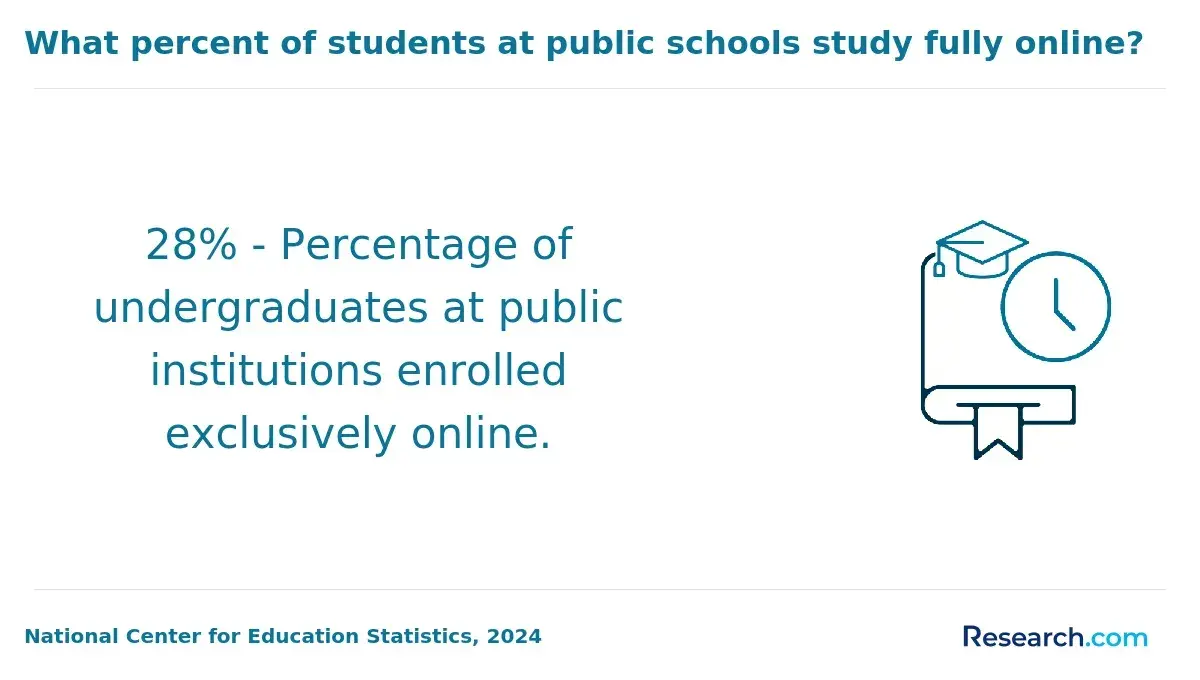
Course format can significantly influence how difficult students find educational administration classes. Research indicates that online course completion rates are typically 10-20% lower than those of face-to-face courses, reflecting some of the challenges associated with virtual learning environments. Several factors contribute to these varying perceptions of difficulty.
Consider these key aspects:
- Self-Discipline Requirements: Online courses require students to manage their time and stay motivated without the structure of scheduled classes. This independence demands strong personal accountability, which can be tough for some.
- Interaction with Instructors: Classroom settings often allow for immediate feedback and richer dialogue, helping clarify complex topics. Online students may experience delays in communication, affecting their understanding and engagement.
- Access to Resources: On-campus students benefit from physical libraries, study groups, and labs, whereas online learners depend on the quality and availability of digital materials, which can vary widely.
- Flexibility: The online format offers the ability to balance coursework with work or family commitments, though this freedom may also challenge students to maintain consistent study routines.
- Assessment Differences: Online assessments often focus on projects and open-book assignments rather than traditional exams, which can shift how students approach studying and demonstrate knowledge.
When asked about her experience, a graduate of an online educational administration degree reflected that staying motivated without in-person accountability was the biggest hurdle. She shared, "It was easy to procrastinate because no one was physically waiting for deadlines, but I learned to build my own deadlines and find peer groups online to keep me on track." She also noted that while direct interaction was limited, the flexibility allowed her to complete coursework around her job and family, which was invaluable. Her journey highlights that the perceived difficulty depends largely on personal habits and support structures rather than the course content itself.
Allocating the right amount of weekly study time is essential for success in educational administration programs, where students often report dedicating 12 to 18 hours per week to coursework. Since a single 3-credit course commonly requires about 9 hours of study outside the classroom, understanding what affects these time commitments helps students plan effectively.
Several important factors shape how much time is needed each week in educational administration courses:
- Course level: More advanced classes typically involve challenging topics and assignments, increasing study hours to fully grasp complex material.
- Technical intensity: Courses that include data analysis or use of specialized software require extra practice, adding to the total time students must spend outside of class.
- Writing requirements: Assignments like detailed research papers and reflective essays extend the time needed for reading, drafting, and revision.
- Learning format: Online programs often demand greater self-discipline and independent study, while face-to-face classes provide structured schedules and direct interaction, which can affect weekly time investment.
- Student background: Familiarity with educational theories or administrative concepts can reduce necessary study hours, whereas those new to the field may need to allocate additional time to master foundational ideas.
Course difficulty and GPA are closely linked concerns for students in educational administration programs. Research indicates that students tend to earn GPAs approximately 0.3 points lower in advanced or graduate-level courses compared to introductory ones, reflecting the impact of harder educational administration courses on GPA. This difference affects academic performance and can increase withdrawal rates in challenging classes.
Several factors contribute to how educational administration course difficulty influences GPA outcomes:
- Grading rigor: Advanced courses enforce stricter grading standards and expect comprehensive knowledge along with critical analysis, which often lowers average scores.
- Assessment structure: Harder courses emphasize complex assignments, case studies, and applied projects instead of straightforward exams, requiring deeper understanding and adding to workload intensity.
- Course sequencing: These courses typically come after foundational classes, so students lacking prerequisite knowledge or preparation may struggle, negatively impacting their GPA.
- Student preparation: Enrolling in difficult courses without strong time management or study skills can result in challenges meeting higher demands, reflected in lower grades.
- GPA weighting policies: Some degree programs weigh advanced educational administration courses more heavily, meaning performance in these classes significantly affects overall academic standing.
Prospective students evaluating their options should consider how course difficulty intersects with academic performance. For those seeking alternatives, exploring quick online degrees can provide pathways with different workload expectations and clear outcomes.
Many students assume that more challenging coursework in educational administration improves their employment prospects. This belief is supported by a 2022 survey showing that 68% of school district hiring managers favor candidates who have completed advanced classes in educational leadership, associating this with better preparedness for management roles.
Several important reasons clarify how tackling harder educational administration courses can impact job opportunities:
- Skill development: Difficult courses push students to sharpen critical thinking and complex problem-solving abilities, essential qualities for leadership. They also often require managing projects thoroughly, which mirrors real-world administrative duties.
- Employer perception: Successfully finishing demanding coursework signals motivation and capability, helping candidates to stand out in competitive recruitment environments.
- Internships and project exposure: Advanced classes frequently integrate hands-on experiences such as internships or applied projects, offering valuable professional networks and practical insights.
- Specialization signaling: Harder courses often delve into niche topics within educational administration, indicating focused expertise that some employers actively seek.
- Long-term career growth: A rigorous academic foundation equips graduates with skills and knowledge beneficial for progression into district leadership or policy advisory roles over time.
While tougher coursework provides clear advantages, success also relies heavily on interpersonal skills and practical experience gained outside the classroom environment.
What Graduates Say About the Hardest and Easiest Courses in a Educational Administration Degree Program
- Daisy: "Balancing the coursework in my online educational administration degree was a rewarding challenge. Some courses pushed me intellectually, especially the leadership strategy classes, while others were more straightforward and manageable, allowing me to catch my breath. Considering the average cost of attendance was quite reasonable, I feel the investment was well worth the doors it's opened in my career, leading to a significant promotion within my school district. "
- Jared: "The combination of tough and easy courses in my educational administration program helped me manage my time effectively, especially while working full-time. While the tuition was on the higher side, the flexibility of online learning and the practical knowledge I gained-and continue to apply-have made it invaluable for my career advancement. I now feel confident leading teams and making strategic decisions thanks to this degree. "
- Amir: "Reflecting on my educational administration degree, the rigor of certain courses was balanced well by others that were less demanding, which helped maintain my motivation throughout the program. The cost was a reasonable investment when compared to the substantial career growth I've experienced, including transitioning into a higher administrative role. This degree truly prepared me for the complexities of educational leadership in today's professional environment. "
Other Things You Should Know About Educational Administration Degrees
Practicum requirements usually appear in internship, school law, and instructional leadership courses, where students must complete 100 to 300 supervised hours in a K–12 setting. Programs often require a site supervisor’s evaluation and a written reflection before awarding credit.
Course formats, such as in-person, online, or hybrid, influence difficulty by affecting interaction levels and access to resources. Online courses may require more self-discipline, while in-person formats facilitate direct engagement, making some find them easier. Understanding your learning style can help choose the format that aligns best with your strengths.
Many programs require students to complete foundational courses before advancing to more specialized topics. Meeting these prerequisites ensures students possess necessary knowledge and skills, which can reduce the difficulty level of upper-level courses by preparing them adequately for more complex material.
- Best Degrees for a Career in Education Administration https://online.stu.edu/degrees/education/innovation-leadership/edd-administration/best-degree-for-admin-careers/
- 7 Reasons to Pursue an Education Management Program Today https://talentsprint.com/blog/7-reasons-to-do-education-management
- Curriculum | MAED: Educational Administration | Concordia University Irvine https://www.cui.edu/academicprograms/graduate/maed/educational-administration/curriculum
- Bachelor of Education (B.Ed) in Educational Administration - Graham International University https://university.fgjf.org/bed-educational-administration/
- 5 Careers you can pursue with a Master’s in Educational Administration | PLNU https://www.pointloma.edu/resources/education/5-careers-you-can-pursue-masters-educational-administration
- Ideal Academic Workloads | HESA https://higheredstrategy.com/ideal-academic-workloands/
- How much time do students spend in the classroom?: Education at a Glance 2025 | OECD https://www.oecd.org/en/publications/2025/09/education-at-a-glance-2025_c58fc9ae/full-report/how-much-time-do-students-spend-in-the-classroom_5ae440db.html
- Higher GPA vs Tougher Course Load | Wall Street Oasis https://www.wallstreetoasis.com/forum/off-topic/higher-gpa-vs-tougher-course-load
- Educational Administration & Management https://www.londoncollegeofteachers.com/educational-administration-management.php
- Evaluating Your Academic Administration Career Path Strategy - Academic Briefing | Higher Ed Administrative Leadership https://www.academicbriefing.com/best-practices/leadership-best-practices/evaluating-your-academic-administration-career-path-strategy/