2027 Is Educational Administration a Hard Major? What Students Should Know

Co-Founder and Chief Data Scientist
Many students assume educational administration is an easy major, but the academic demands often prove otherwise. According to the National Center for Education Statistics, enrollment in educational leadership programs has increased by 15% over the last decade, reflecting growing interest and competitiveness. This major requires mastering complex theories of management, policy, and educational law, making it more rigorous than perceived.
This article will explore the course rigor, workload expectations, essential skills, and individual factors influencing difficulty. Students should understand that success depends on their time management, analytical abilities, and passion for educational systems, which shape how challenging this field can feel.
Key Benefits of Educational Administration as a Major
- Educational administration develops leadership and organizational skills, benefiting career changers by providing practical, transferable competencies for school and district management roles.
- It offers flexible learning options for full-time workers returning to school, combining theory and real-world application to balance professional and academic demands effectively.
- Traditional undergraduates gain confidence through structured coursework that fosters critical thinking and problem-solving, essential for tackling complex educational challenges and advancing professionally.
Where Does Educational Administration Rank Among the Hardest College Majors?
Educational administration usually ranks in the middle to lower tier in national difficulty lists for college majors. Rankings often assess factors such as average GPA, weekly study hours, and the volume of practicum or fieldwork required. Compared to more technical disciplines, educational administration majors tend to have lighter workloads and higher average GPAs, often exceeding 3.5.
For example, majors like chemistry and architecture typically demand more intensive study time-around 18.5 to 22 hours per week-and feature stricter grading. In contrast, educational administration involves less rigorous technical or analytical skill requirements, which contributes to its relatively moderate difficulty standing among college majors.
The challenge level of educational administration can differ significantly based on the specific program and individual student experience. Some curricula emphasize hands-on internships and research projects, which may increase demands on time and effort, especially for students new to the education field.
In comparison, majors such as biochemical sciences, engineering, and architecture are commonly ranked as harder due to their intense coursework. Educational administration is often viewed as comparable in difficulty to business administration or social work and generally easier than fields like mathematics or physics.
Ultimately, how difficult educational administration feels depends on a student's background, organizational skills, and readiness for academic workload.
What Factors Make Educational Administration a Hard Major?
Educational administration can be a challenging major due to the combination of academic and skill-related demands that students must meet. These factors often require a strong commitment to mastering complex concepts and managing a demanding workload.
- Academic rigor: Coursework involves advanced critical thinking, analysis, and synthesis of complex leadership, educational law, policy, finance, and organizational theory. Students engage in higher-order thinking by applying theories to real-world educational scenarios, demanding both depth and breadth of understanding.
- Time commitment: The educational administration workload demands extensive hours for studying, research, and practical experiences. Many students balance coursework with professional duties while participating in field studies, internships, or practicum that increase the overall intensity.
- Technical and analytical complexity: Mastery of budgeting, data analysis, policy evaluation, and personnel management is essential. These skills require quantitative proficiency and sound decision-making to navigate the multifaceted leadership roles within educational systems.
- Field-specific demands: Students must address issues like equity, inclusion, and school reform while developing evidence-based, adaptable leadership strategies. This integration of theory and practice creates a uniquely challenging professional and intellectual environment.
For those considering such a demanding major, exploring options like a top associate's degree online in 6 months could provide foundational skills before tackling more specialized studies in educational administration.
Who Is a Good Fit for a Educational Administration Major?
Identifying the right profile for an educational administration major helps students match their strengths with program demands, promoting success. Understanding the skills needed for educational administration can clarify which personal traits and prior experiences best support students through the complex coursework and leadership challenges.
- Experienced Communicators: Students with strong communication skills excel by effectively interacting with diverse groups and navigating school leadership dynamics. Their ability to convey ideas clearly enhances collaboration on group projects and internships.
- Analytical Thinkers: Those who enjoy case studies and data analysis thrive, leveraging problem-solving abilities to assess educational issues. This skill set is vital for managing program tasks and tackling real-world school challenges.
- Organized Decision Makers: The best personality traits for school administrators include organization and decisiveness. Such students handle intensive internships and academic workloads with effective time management and adaptability.
- Empathetic Leaders: Students who show empathy better understand the needs of students and staff, enabling them to lead with compassion and improve educational environments.
- Hands-on Learners: Those who prefer practical experiences benefit from internships and collaborative projects, developing the leadership skills essential for the program and future roles. Prospective students curious about what's the easiest bachelor's degree often overlook the demanding balance required in educational administration.
Educational administration is often perceived as a demanding major due to its complex curriculum and high expectations. However, adopting targeted strategies can help students manage their workload and improve their academic experience.
- Master time management: Plan weekly tasks, break projects into smaller steps, and prioritize deadlines to minimize pressure and prevent last-minute work.
- Strengthen core skills early: Focus on building communication, leadership, and data analysis abilities through supplementary courses before advancing to more challenging material.
- Use effective study methods: Techniques like SQ3R and concept mapping boost comprehension and retention, while active learning such as explaining concepts enhances understanding.
- Participate in applied experiences: Engaging in practicum and action research projects connects theory with practice, clarifying complex ideas and increasing confidence.
- Tap into academic resources: Regularly seek mentorship, attend seminars, and collaborate with peers for guidance and emotional support, which reduces stress and promotes success.
When discussing how to ease the major, a graduate shared that juggling multiple assignments felt overwhelming at first, especially balancing leadership projects with data analysis tasks. She emphasized that the turning point came when she began scheduling work in smaller segments rather than tackling everything at once.
"Breaking down the workload made it less intimidating," she said, adding that forming study groups helped her stay motivated and clarify tough topics. She also noted how participating in fieldwork transformed abstract theories into practical skills, letting her see real-world applications.
Reflecting on her experience, she mentioned, "Using mentors and peers as sounding boards was invaluable-I didn't realize how much mentorship influenced not just my grades, but my confidence." This journey helped her transition from feeling overwhelmed to becoming a more organized, resilient student.
Admissions to educational administration programs are moderately competitive, largely depending on the balance between the number of applicants and available seats. While some institutions admit nearly all qualified applicants, others with limited program capacity and high applicant interest are more selective.
Key reasons for varied competitiveness include overall applicant volume and the capacity constraints of well-ranked or in-demand programs.
Selectivity also hinges on several specific criteria. Most programs require a minimum GPA around 2.75 to 3.0, prerequisite coursework, and often professional experience such as at least one year of teaching with a valid credential. In addition, letters of recommendation, personal statements, and sometimes interviews play a role.
Programs in populous regions or with strong school partnerships tend to attract more competitive applicant pools, often expecting higher academic and leadership credentials.
I spoke with a professional who completed an educational administration major, and he described the admissions process as "challenging but manageable." He needed to carefully prepare a portfolio that showcased his classroom leadership and gather strong recommendations.
He recalled feeling nervous during the interview stage but was encouraged by the thorough feedback he received. Reflecting back, he shared that the experience "helped me mature and clarified my career goals in education leadership."
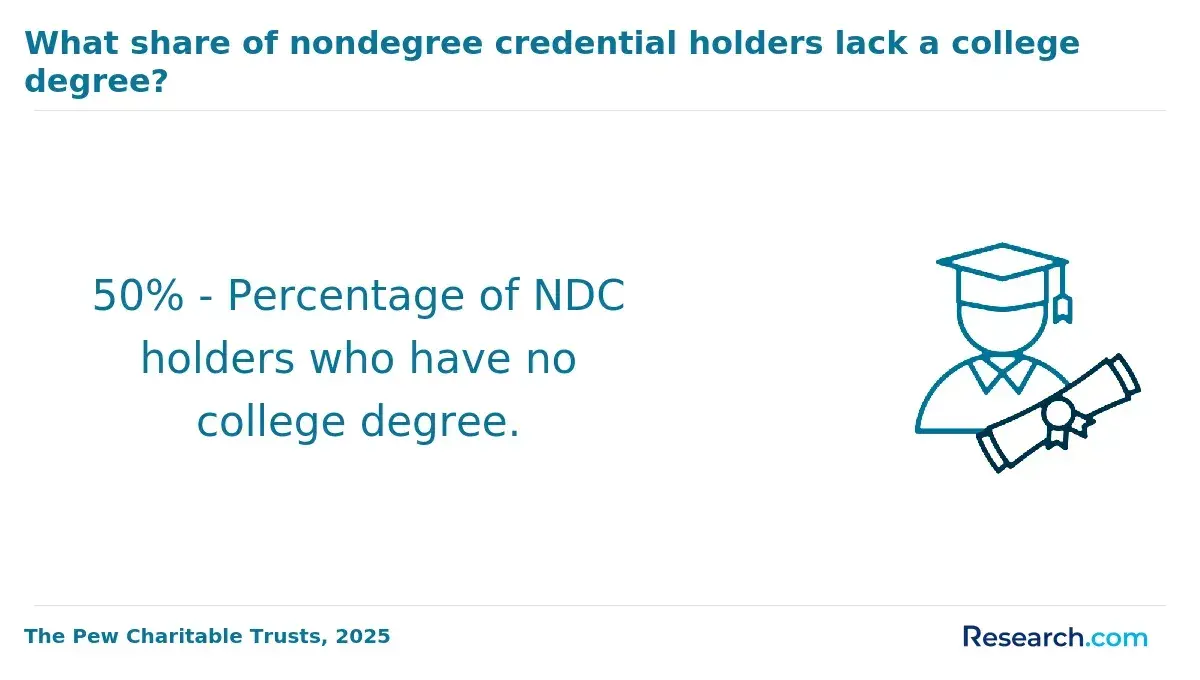
Whether an online educational administration program is harder than an on-campus one depends on various factors related to individual learning styles and circumstances. Both formats hold similar academic expectations but differ in structure, interaction, and pacing challenges.
Below is a comparison of online educational administration degree vs on-campus programs, highlighting what students can expect.
- Academic Expectations: Both online and on-campus programs maintain equivalent course content and rigor, ensuring the degree's credibility regardless of delivery mode.
- Workload and Pacing: Online students often enjoy flexibility, sometimes finishing courses up to two months earlier, but must manage their own schedules and deadlines. On-campus students follow more fixed, structured timelines.
- Interaction and Support: On-campus learners benefit from immediate face-to-face access to instructors and peers, aiding quicker doubt resolution. Online students may struggle more, with 42.6% reporting difficulty resolving questions.
- Learning Environment: Traditional classroom settings engage 64.4% of students more effectively through visual and verbal discussion, while online study demands higher self-motivation and discipline.
- Challenges for Working Students: Is online educational administration harder for working students? Potentially yes-lack of external accountability and distractions impact focus; 45.3% of online learners face attention span difficulties.
The core difference is that online programs require students to be their own accountability system, which some may find more challenging despite the convenience. For students curious about how educational administration ranks among valuable degrees, exploring what is the highest paying bachelor's degree can provide helpful context.
Accelerated Educational Administration programs are generally more demanding than traditional formats due to their condensed timelines, intensive pacing, and increased workload intensity. These factors create a faster, more rigorous student experience that requires strong organizational skills and time management.
Below is a comparison of the accelerated Educational Administration program workload versus traditional program difficulty across key aspects:
- Course pacing and content density: Accelerated programs compress the same volume of coursework into half the time or less, resulting in a higher content density per week and fewer breaks than traditional programs.
- Workload management: Students in accelerated formats must quickly absorb material and manage multiple assignments, which can increase stress, especially for first-time or less experienced students; traditional programs offer a more gradual pace with extended time for reflection.
- Academic expectations and skills: Accelerated formats demand strong time management and organizational skills due to sustained intensive workload, while traditional formats allow deeper exploration with more academic support available.
- Learning retention and stress levels: Compressed delivery in accelerated programs may hinder long-term retention as students have less time to thoroughly process information, potentially raising stress compared to traditional formats.
- Flexibility and daily structure: Accelerated programs often provide online or hybrid options with increased flexibility for working professionals, but require independent discipline since schedules are less structured than in traditional programs.
For students considering the intensity of these options, understanding the differences in traditional vs accelerated Educational Administration difficulty is vital. Those interested in accelerated paths may also explore what are the shortest PhD programs to find programs that fit demanding schedules.
Balancing a part-time job while majoring in educational administration is feasible for many students, though it hinges on factors like course intensity, weekly assignments, and schedule flexibility. The workload generally includes readings, group projects, and occasional technical tasks, but fewer fixed lab hours make scheduling less rigid.
Students with strong study habits and realistic credit loads tend to manage both commitments better. However, heavier project deadlines and exams can demand more focused time.
Students often juggle part-time work and their major by enrolling in fewer credits each semester and opting for jobs that offer flexible or remote hours. The educational administration field's emphasis on policy and leadership studies involves cycles of projects rather than constant lab attendance, which allows for some self-paced learning.
Support services on campus or online further help students maintain balance. For working professionals, asynchronous online courses can provide added flexibility, making it easier to integrate work and study responsibilities effectively.
Career paths for educational administration majors vary widely in difficulty, responsibility, and required skills. While some roles, such as school principals, are as demanding as the degree itself, others may feel less challenging or require different skill sets.
- School Principal: Principals lead schools by managing staff, setting academic goals, handling budgets, and resolving conflicts. This position is generally as rigorous and demanding as the educational administration major, involving long hours and complex problem-solving.
- Curriculum Coordinator: This role focuses on designing and evaluating educational programs. It emphasizes collaboration and curriculum planning with typically lower day-to-day stress compared to principal roles, making it somewhat less demanding.
- Dean of Students: Deans oversee student affairs in higher education, supporting campus life and mediating conflicts. Their responsibilities demand strong interpersonal and crisis management skills, which can be challenging but differ from academic rigor.
- Education Consultant: Consultants advise on curriculum, policy, or technology, often offering more flexibility and fewer supervisory duties. This makes the role generally less demanding than administrative leadership positions.
- Director of Admissions: These professionals handle recruitment, application processes, and enrollment strategies, requiring strategic thinking and attention to detail. Although less stressful than managing entire institutions, the role still demands careful data analysis and marketing skills.
Many graduates wonder is being a school administrator harder than the degree itself? Data from the Bureau of Labor Statistics highlights that principal salaries average $103,484 annually, reflecting the high responsibility and rigor of the role. For those seeking alternative paths, exploring careers with an educational administration degree offers options fitting varied interests and strengths.
Prospective students looking for a best online trades school may find that while the degree is challenging, some career paths emphasize different skills or offer more balance.
There is no direct link between educational administration being a harder major and graduates earning higher salaries. Salary differences are more closely tied to the advanced skills, leadership duties, and qualifications that the job demands rather than just the academic difficulty. While challenging programs may develop valuable competencies, pay is mainly influenced by the level of degree attained and the specific market needs.
Higher degrees like a master's or doctorate often lead to better salaries due to specialized expertise and demand, not merely because the coursework is tougher.
Several key factors shape salary outcomes for educational administration graduates. Industry demand plays a major role; for instance, postsecondary education administrators earned a median wage of $102,610 in 2023. Entry-level salaries typically start near $49,950, but experienced professionals can exceed $92,000 annually.
Geographic location matters too - states like New York, New Jersey, and California see mean salaries over $124,000. Finally, relevant work experience and advanced credentials significantly boost earnings, with top 10 percent graduates earning above $130,000 nationally.
What Graduates Say About Educational Administration as Their Major
- Emiliano: "Pursuing educational administration was a challenging yet incredibly rewarding journey for me. While the coursework demanded a strong commitment, especially balancing theory with practical applications, it ultimately prepared me well for leadership roles in education. Considering the average cost of attendance is moderately high, I believe the investment was worthwhile for the career advancement it provided."
- Jared: "Reflecting on my time studying educational administration, it wasn't an easy major by any means, but the knowledge I gained about managing schools and educational programs has had a lasting impact on my professional life. The costs were significant, but understanding the bigger picture of educational leadership made every dollar feel justified. It truly shaped how I approach my career in education. "
- Amir: "From a practical standpoint, educational administration is a demanding major that requires dedication and strategic thinking. The expenses of pursuing this field are not negligible, with average attendance costs adding up, yet the personal growth and the ability to influence educational policies made it worth the effort for me. The experience gave me a clear path forward in an educational leadership career. "
Other Things You Should Know About Educational Administration Degrees
Most public school administrator jobs require a state-issued principal or superintendent license, plus a master’s degree and supervised internship hours. Many states also require passing a licensing exam, such as Praxis School Leaders Licensure or a state-specific assessment, before certification is granted.
Many educational administration programs prefer or require applicants to have some teaching experience before enrolling. This background helps students understand the practical challenges of school environments. However, some programs accept students without teaching experience but may include coursework designed to build foundational knowledge.
In 2027, internships are essential for educational administration majors, providing hands-on experience in school management and leadership. They offer practical insights not obtainable from textbooks, helping students develop problem-solving and decision-making skills crucial for real-world educational settings.
In 2027, research and data analysis skills will be crucial for educational administration students. Schools increasingly rely on data-driven decision-making to improve educational outcomes. Students must be adept at analyzing educational data to solve problems and implement effective policies.
- How does a college degree improve graduates’ employment and earnings potential? - APLU https://www.aplu.org/our-work/4-policy-and-advocacy/publicuvalues/employment-earnings/
- 5 Careers you can pursue with a Master’s in Educational Administration | PLNU https://www.pointloma.edu/resources/education/5-careers-you-can-pursue-masters-educational-administration
- Educational Administration - Future graduate students https://grad.usask.ca/programs/educational-administration.php
- Current trends and issues in educational administration | KU SOE https://educationonline.ku.edu/community/educational-trends-and-issues-in-educational-administration
- Does Education Make a Difference in Salary? | Penn Foster https://www.pennfoster.edu/blog/does-education-make-a-difference-in-salary
- 10 Reasons Why It's Hard To Be An Education Major https://www.theodysseyonline.com/10-reasons-hard-education-major
- 5 school leaders' expert advice for aspiring administrators https://www.k12dive.com/news/advice-for-aspiring-school-administrators/585901/
- Benefits of a Degree in Educational Administration - Graduate Programs for Educators https://www.graduateprogram.org/blog/benefits-of-a-degree-in-educational-administration/