2027 Educational Administration Degree Programs for Career Changers

Co-Founder and Chief Data Scientist
Many professionals face frustration when trying to advance into leadership roles without formal training in educational administration. This gap can hinder career growth, especially for those transitioning from non-education sectors. Recent data shows that nearly 48% of adult learners pursuing educational administration degrees are career changers seeking specialized skills to navigate complex school systems and policies effectively. Without appropriate credentials, these individuals often struggle to secure administrative positions despite their experience. This article explores how educational administration degree programs cater to career changers by providing targeted knowledge and practical strategies, enabling a smoother transition into education leadership roles.
Key Things to Know About Educational Administration Degree Programs for Career Changers
- Many programs offer flexible scheduling and online or hybrid formats, allowing working adults to balance studies with full-time employment effectively.
- Employer-relevant curricula emphasize leadership and policy skills, aligning with current job market demands in educational institutions.
- Accelerated pacing options and dedicated support services improve degree completion rates among career changers, with some programs reporting up to 75% graduation within two years.
What Educational Administration Programs Accept Career Changers?
Many educational administration programs recognize the unique needs of working adults and professionals seeking to shift careers. Nearly 40% of graduate students in education are adult learners pursuing new credentials or career changes, prompting programs to offer flexible prerequisites and practical curricula that support this group.
- Master's In Educational Leadership: These programs often allow career changers to apply management experience from other fields. They feature adaptable admission requirements and focus on developing practical leadership skills relevant to educational settings.
- Educational Administration Certification: Certificate programs tend to have minimal prerequisites, emphasizing core administrative skills. This enables faster transitions for professionals without traditional education backgrounds who want to enter school leadership roles.
- Ed.D. In Educational Administration: Doctoral programs frequently value diverse professional experiences during admissions and offer research opportunities in organizational change or adult learning, aligning well with career changers' backgrounds.
- Graduate Diploma Programs: These provide additional specialization without requiring a full degree, featuring streamlined admissions and curricula designed to build essential administrative competencies for those entering education from other sectors.
Colleges with educational administration degrees for working professionals increasingly tailor their offerings to adult learners, combining flexible schedules with applied leadership training. These features support smoother career transitions into education.
Prospective students may also explore options like BCBA programs online to complement their administrative expertise or expand credentials in related fields.
What Educational Administration Specializations Are Best for Career Changers?
Selecting the right educational administration specialization is essential for career changers seeking leadership roles in schools and districts. Employment for educational administrators is expected to grow 8% from 2022 to 2032, faster than average, indicating strong demand for trained professionals.
Below are four top specializations that offer accessible entry points and align with transferable skills.
- Educational Leadership: This specialization leverages leadership and organizational skills from other fields, providing broad career mobility within schools and districts. It suits career changers aiming to lead diverse educational settings effectively.
- Higher Education Administration: Ideal for those with experience in management or student services, this focus prepares professionals for administrative roles at colleges and universities, opening pathways in a growing sector.
- Curriculum and Instruction Management: Designed for individuals with teaching or training backgrounds, this specialization enhances expertise in developing and managing educational programs, making it accessible to those transitioning from related fields.
- Special Education Administration: Tailored to individuals with counseling or social work experience, this area meets increasing needs in inclusive education environments and offers meaningful leadership opportunities.
These top educational administration concentrations for professionals transitioning from other fields help build on existing skills while providing robust career advancement prospects. For working adults exploring new pathways, programs emphasizing these specializations can offer a strategic way into education careers.
Many such programs also provide flexible options, such as business degree online offerings, which can support the dual demands of work and study.
What Are the Admission Requirements for Career Changers Applying to a Educational Administration Program?
Admission requirements are particularly important for career changers applying to an educational administration program because they ensure the applicant can transition smoothly while balancing professional and personal commitments. Over 40% of students in graduate education programs are adult learners, illustrating a strong emphasis on flexible admissions pathways.
Below are common requirements tailored to support career changers during this process.
- Bachelor's Degree: Typically, a bachelor's degree from an accredited institution is required, and many programs accept degrees outside of education, recognizing diverse academic backgrounds.
- Minimum GPA: A GPA around 2.75 to 3.0 is often expected, indicating academic readiness without excluding experienced professionals who may have nontraditional transcripts.
- Standardized Tests: GRE scores are commonly requested, but some programs waive this for applicants with substantial work experience or professional accomplishments.
- Letters of Recommendation: Recommendations that emphasize leadership, management skills, or relevant professional successes can strengthen an application by showcasing transferable experience.
- Statement of Purpose: A clear explanation of motivation for the career change and related skills helps admissions committees assess an applicant's fit and preparedness.
Career changers benefit from programs that offer alternative qualification pathways such as professional certifications or leadership roles substituting academic prerequisites. Flexibility through part-time, evening, or online courses accommodates working adults efficiently.
Many adult learners looking for the educational administration program admissions for career changers can find such adaptable options valuable. For those seeking affordable opportunities, exploring the cheapest MLIS degree online can provide a model for cost-effective, flexible graduate study options.
For professionals considering a career change into school leadership, understanding the coursework structure is vital to effectively link past experience with new academic demands. The curriculum typically balances theoretical knowledge with real-world application and offers adaptable options to fit varied schedules. Key areas covered include:
- Educational Leadership and Policy: Focuses on the governance of educational institutions, laws shaping the system, and critical policy evaluation for both K-12 and higher education environments.
- Organizational Management: Emphasizes oversight of school operations, human resource management, budgeting practices, and strategic planning to ready students for administrative roles.
- Curriculum Development and Instructional Leadership: Addresses methods to assess and enhance instructional frameworks while supporting teacher growth and effectiveness.
- Research and Data Analysis: Teaches interpretation of educational studies, application of data-informed decision-making, and program evaluation techniques.
- Practicum or Internship: Provides hands-on leadership opportunities within school settings that facilitate applying theory to practice alongside mentor guidance.
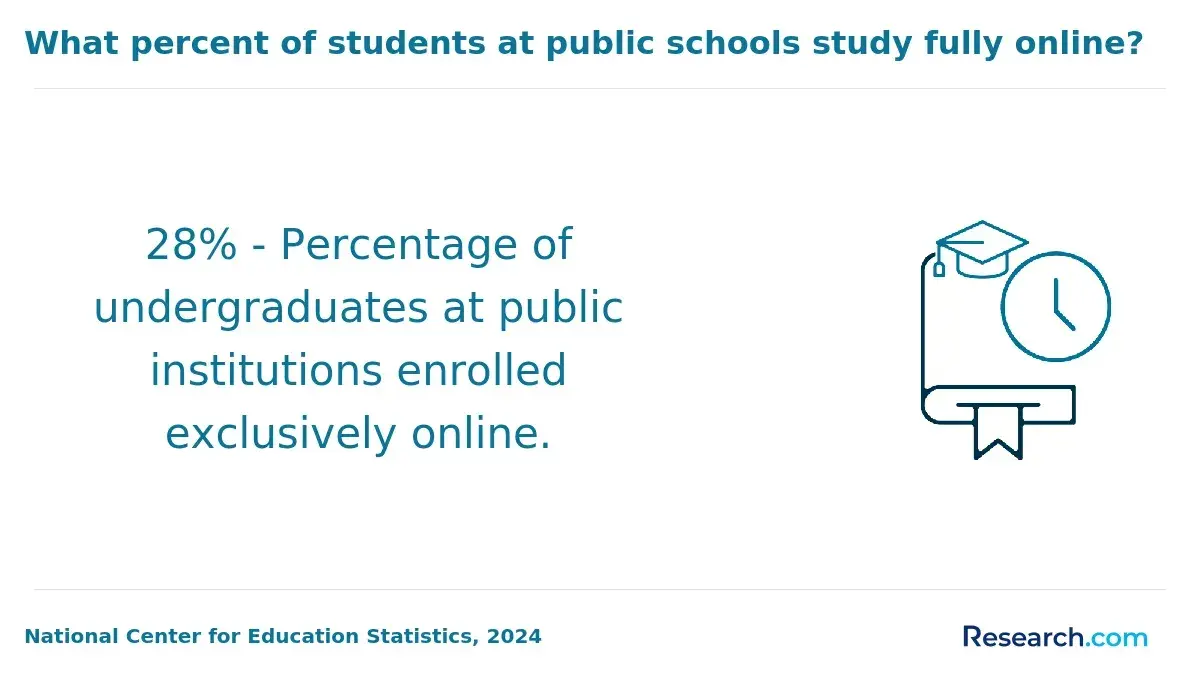
Career changers benefit from recognizing available program formats that support balancing education with professional and personal duties. Nearly 40% of graduate students nationwide enroll primarily in online courses, illustrating the increasing role of flexible digital learning for adult learners.
Below are common formats tailored to those pursuing educational administration degrees on a busy schedule.
- Online Degree Programs: Entirely remote coursework enables learners to study at their own pace and on their own time, making it ideal for professionals who need flexible access to lectures and materials without commuting.
- Hybrid Programs: These combine online learning with scheduled in-person sessions, offering a mix of convenience and direct engagement with instructors and classmates for a balanced educational experience.
- Evening and Weekend Classes: On-campus classes held outside typical work hours accommodate employed students who prefer face-to-face instruction but cannot attend during the day.
- Part-Time Study Options: Designed to extend program length while easing the demands of work and family, these options reduce pressure and help ensure steady progress toward degree completion.
Selecting the right format allows career changers to develop the necessary skills in educational administration effectively while maintaining their current lifestyle commitments.
For professionals changing careers, acquiring new skills is crucial as the job market increasingly values adaptable expertise; by 2025, almost half of all workers will require reskilling according to the World Economic Forum. These evolving expectations make certain competencies especially important for those entering educational administration.
Below are five vital skills developed through such programs.
- Leadership and Management: Prepares learners to guide school teams and manage resources effectively, allowing them to leverage prior workplace experience in a new educational context.
- Communication: Builds the ability to convey ideas clearly and foster strong relationships with teachers, parents, and community members, which is essential for collaborative success.
- Data Analysis: Strengthens skills in interpreting performance data, aiding strategic planning and driving evidence-based improvements within schools.
- Problem-Solving: Encourages creative and practical responses to institutional challenges, helping career changers navigate complex situations confidently.
- Policy Understanding: Equips students with knowledge of educational laws and regulations, ensuring compliance and the capacity to advocate for positive change.
Career changers considering an educational administration degree must closely evaluate the total program cost, as it directly influences their financial planning and long-term investment. The average graduate student loan debt stands around $66,000, highlighting the importance of understanding all expenses involved.
The following outlines the main cost components to consider for an educational administration degree.
- Tuition: This is typically the largest cost, ranging from $10,000 to $40,000 depending on whether the institution is public or private. Public universities generally offer lower tuition fees, which can significantly reduce overall expenses for working professionals.
- Fees: Administrative and technology fees cover costs linked to registration, accessing learning platforms, and graduation requirements. These fees usually add several hundred dollars annually and vary by program structure.
- Textbooks and Materials: Required textbooks and educational resources can add a few hundred dollars per year. Online or accelerated courses sometimes offer digital materials, which may reduce these costs.
- Travel and Residency: Some programs require on-site residencies, internships, or meetings, which add travel and lodging expenses. Career changers should factor in these costs, particularly if pursuing hybrid programs with occasional campus visits.
- Payment Options and Support: Flexible payment plans, employer tuition reimbursement, and scholarships targeting adult learners can ease financial burdens. Exploring such options is crucial for managing the average tuition fees for educational administration programs.
- Cost-Saving Strategies: Enrolling in online programs reduces commuting and relocation expenses. For example, a doctorate in organizational leadership online may offer flexible pacing and financial benefits for adult learners balancing work and study.
Curriculum design plays a critical role in supporting career changers by offering structured pathways that align with the unique needs of adult learners. This approach ensures that professionals from different fields can effectively develop the skills necessary for educational leadership and administration.
Below are key features that highlight how a career changers educational administration curriculum facilitates smooth transitions.
- Applied Learning: The curriculum incorporates internships, case studies, and project-based tasks that simulate real-world educational challenges. This experiential learning enhances problem-solving skills essential for managing institutions.
- Transferable Skills Development: Focused coursework nurtures leadership, communication, and organizational management skills. These competencies are valuable not only in education but across various industries, broadening career opportunities.
- Flexible Pacing: Options such as part-time and online formats allow working professionals to balance their studies with existing responsibilities. This flexibility is crucial for career changers managing multiple commitments.
- Practical Projects: Assignments centered on contemporary educational policy, finance, and human resources provide hands-on experience. This prepares students to adapt to evolving administrative environments confidently.
- Comprehensive Preparation: The curriculum covers diverse administrative roles through focused learning and applied practice. This equips students to transition efficiently into leadership positions within educational settings.
Adult learners exploring how to leverage these skills gained from educational administration degrees may consider affordable programs. Resources like cheapest online colleges that accept FAFSA can help identify cost-effective options without sacrificing quality.
For professionals shifting careers, recognizing potential job outcomes is essential to align past expertise with new opportunities efficiently. The U.S. Bureau of Labor Statistics estimates employment of education administrators will increase by 8% from 2022 to 2032, indicating strong demand in the field.
Below are typical roles available to those earning a degree in educational administration.
- School Principal: Responsible for overseeing daily operations, enforcing policies, and supporting faculty. Skills in leadership and organization are highly applicable, making this role accessible for career changers.
- District Administrator: Focuses on managing multiple schools' programs, allocating resources, and ensuring regulatory compliance. Experience in management and communication helps ease the transition into this position.
- Curriculum Coordinator: Develops and assesses instructional materials and standards. Those with teaching backgrounds or curriculum knowledge find this path suited to their expertise and skillset.
- Higher Education Administrator: Handles student services, enrollment, or academic affairs within colleges. Strong interpersonal and administrative abilities facilitate entry for career movers.
- Education Policy Analyst: Investigates and advises on education policy challenges using research and strategic planning skills. Analytical thinkers can leverage previous experience to thrive in this role.
Salary considerations play a vital role for professionals shifting careers and pursuing a degree in educational administration. Recent studies reveal that reskilled workers generally earn between 10% to 25% more when transitioning into educational administration roles.
The following key points highlight typical salary ranges and factors affecting compensation in this field.
- Entry-Level Positions: Starting salaries often range from $50,000 to $60,000 annually. These roles usually require foundational administrative skills and allow for growth as experience increases.
- Mid-Career Salaries: Professionals with several years of experience can expect earnings between $65,000 and $85,000, reflecting their expanded responsibilities and expertise.
- Senior Administrators: Seasoned administrators in larger districts or postsecondary institutions may earn from $90,000 to $120,000 or higher depending on the scope of their duties.
- Advanced Certifications: Additional credentials or graduate degrees can boost salary prospects by qualifying candidates for higher-paying roles or specialized positions.
- Prior Professional Experience: Experience in leadership, management, or education-related sectors often significantly influences salary negotiations and overall compensation.
What Graduates Say About Their Educational Administration Degrees for Career Changers
- Sova: "Switching careers to pursue a Educational Administration degree was a pivotal decision for me; the program's cost, averaging around $30,000, was an investment I carefully weighed. The structured curriculum and hands-on experience fundamentally reshaped my approach to leadership. Now, I confidently navigate my new role with skills I never thought I'd acquire so effectively. "
- Ripley: "I took a reflective pause in my life to enroll in a Educational Administration degree program, acknowledging that the $28,500 tuition was a significant commitment. Looking back, it was a crucial step that allowed me to transition into a role with greater responsibility and influence in education. This journey was more than a career change; it was a transformation in how I view my professional purpose. "
- Briar: "Pursuing a Educational Administration degree to change careers was a strategic move, given the average cost of about $32,000. The program not only provided essential theoretical knowledge but also practical insights that accelerated my career advancement in educational leadership. Completing this degree opened numerous doors, making the financial and time investment worthwhile. "
Other Things You Should Know About Educational Administration Degrees
Most states require a criminal background check and fingerprint clearance before an administrative internship or practicum begins. Many districts also require child abuse registry screening and district onboarding forms. These steps are usually completed through the state education department or the district, and clearance can take 2 to 6 weeks.
Online educational administration programs typically offer flexible schedules with asynchronous coursework, allowing working professionals to balance study and employment. Many programs also provide accelerated tracks or part-time options tailored to career changers. These formats help learners progress at their own pace without compromising current job responsibilities.
Most 2027 educational administration degree programs for career changers do not require prior teaching experience. These programs are designed to welcome individuals from diverse professional backgrounds, enhancing administrative skills through tailored coursework and practical training to facilitate a smooth transition into the education sector.
Career changers can access various financial aid opportunities, including federal student loans, grants, scholarships, and employer tuition reimbursement programs. Some institutions offer specific scholarships for adult learners or those entering education from other fields. It is advisable to explore multiple funding sources early in the application process to reduce financial barriers.
- Blog | Selin https://selinclub.com/mobile/blog/216/teacher-to-school-administrator-career-transition
- 15 Transferable Skills from Teaching (2025 Guide) | Devlin Peck https://www.devlinpeck.com/content/transferable-skills-from-teaching
- How a Graduate Degree can Help You Make a Career Transition - Graduate Programs for Educators https://www.graduateprogram.org/blog/how-a-graduate-degree-can-help-you-make-a-career-transition/
- How Much Does a Master’s in Educational Leadership Cost? https://www.educationalleadershipdegree.com/frequently-asked-questions/how-much-does-a-masters-in-educational-leadership-cost/
- Teacher Career Transition Academy https://www.teachercareertransitionacademy.com/
- Educational Administration Specialization with Curriculum Emphasis, M.Ed. (MEAC):Non-Traditional https://catalog.letu.edu/preview_program.php
- Teaching as a Second Career with Teach For America | Teach For America https://www.teachforamerica.org/apply/teaching-as-second-career
- Education Can Be a Career Changer https://www.uwstout.edu/academics/colleges-schools/college-arts-human-sciences/school-education/pathways-educator-certification/education-can-be-career-changer
- Most Affordable Master's In Educational Administration | GradSchoolHub https://www.gradschoolhub.com/affordable/online/masters/educational-administration/
- The 138 Cheapest Online Master's in Education Administration https://www.geteducated.com/online-college-ratings-and-rankings/best-buy-lists/affordable-online-masters-educational-leadership-administration/