2027 Return on Investment of an Online Game Art & Design Bachelor's Degree: Salary vs Cost

Co-Founder and Chief Data Scientist
Considering an online game art & design bachelor's degree raises a critical question: will the salary gained justify the substantial tuition and time investment? Many prospective students face uncertainty about recouping costs in a competitive, evolving industry.
According to the U.S. Bureau of Labor Statistics, digital artists' median annual wage stands at $77,700, yet regional growth and entry-level salaries vary widely, impacting how quickly graduates see returns on their investment.
This article examines career earnings potential versus degree expenses to clarify the real ROI of online game art & design programs, equipping readers to make informed educational and financial decisions.
Key Things to Know About the Return on Investment of an Online Game Art & Design Bachelor's Degree
- Average tuition for online game art & design bachelor's degrees ranges from $15,000 to $40,000, much lower than many traditional programs, improving affordability for first-generation and budget-conscious students.
- Graduates report median starting salaries near $55,000 annually with potential growth up to $80,000 within 5 years, supporting a positive ROI relative to program costs.
- Non-financial returns include increased job security in a growing industry, enhanced professional networking, and access to career advancement opportunities through skill specialization and ongoing development.
What Is the True Cost of Earning an Online Game Art & Design Bachelor's Degree From Enrollment to Graduation?
Costs associated with earning an online Game Art & Design bachelor's degree extend beyond tuition, encompassing various direct and indirect expenses. Using data from the National Center for Education Statistics, IPEDS, and university net price calculators, students can develop a clearer financial outlook.
- Tuition Sticker Price: Published tuition rates vary significantly, typically ranging from $20,000 to over $50,000 for the full online game art & design program. This reflects the gross cost before considering financial aid or scholarships.
- Net Price After Aid: Most students benefit from grants and scholarships, with average net prices falling between $12,000 and $30,000. This lower cost reflects institutional aid and federal assistance, which reduces the actual out-of-pocket expense.
- Technology Fees: Schools often require fees to support online platforms, software licenses, and technical services, totaling approximately $500 to $1,200 throughout the degree.
- Course Materials and Textbooks: Students should budget $1,000 to $2,000 for specialized software and textbooks, although open-source materials may lower this cost.
- Proctoring and Exam Fees: Online proctoring may add $30 to $100 per exam, potentially totaling $200 to $600 for multiple semesters.
- Additional Costs: Upgrading computers to run graphic-intensive software and ensuring reliable high-speed internet can add several hundred dollars in upfront costs.
Incorporating these components, the total investment in an online Game Art & Design bachelor's degree generally falls between $14,000 and $35,000 after aid but can approach $55,000 at higher-priced schools or when more advanced technology is necessary.
For first-generation college students, working professionals, or career changers seeking cost breakdown of earning an online game art & design bachelor's degree in the US, these figures help establish a realistic budget.
When comparing tuition and fees for online game art & design bachelor's degree programs, it is crucial to consider this full spectrum of costs. Using tools such as FAFSA approved online colleges can improve affordability for eligible students and make these programs financially accessible.
How Does the Starting Salary for Game Art & Design Bachelor's Degree Graduates Compare to the Total Cost of the Degree?
The starting salary for graduates holding an online game art & design bachelor's degree typically aligns with entry-level positions in multimedia art, graphic design, and 3D modeling.
According to the U.S. Bureau of Labor Statistics (BLS) Occupational Outlook Handbook, these roles have a median annual wage ranging from $45,000 to $55,000 soon after graduation. Comparing this starting salary versus tuition cost for game art and design graduates offers a crucial lens on return on investment for online game art and design degrees.
Total degree costs vary significantly depending on tuition and financial aid-from an affordable $20,000 in the best cases to $65,000 or more in programs with little aid. For those benefitting from low tuition and generous aid, the payback period can be under six months of salary, while others may need over a year of entry-level earnings to recoup their investment. Realistically, payback often takes longer since not all income is dedicated solely to education expenses.
This starting salary is only the foundation. Industry data and BLS projections show steady salary growth for creative professionals in digital arts fields, with many graduates earning 20 to 40 percent more after five years through promotions and skill advancement. Beyond finances, the degree also enhances job security and career progression opportunities.
Prospective students aiming to balance cost and return might consider exploring related affordable programs like a library science masters to understand different tuition models and career outcomes.
What Is the Average Return on Investment (ROI) for an Online Game Art & Design Bachelor's Degree Over a 10-Year Career?
Return on investment (ROI) in higher education measures the financial benefits a graduate gains relative to the total cost of earning their degree. This involves subtracting the overall expenses such as tuition, fees, and materials, from the added income earned over 10 years compared to someone with only a high school diploma or associate degree in a similar field.
According to data from the Georgetown University Center on Education and the Workforce and PayScale's College ROI Report, the average ROI for a bachelor's degree ranges between $300,000 and $400,000 over a decade.
Using median wage data from the Bureau of Labor Statistics for game art & design careers, starting salaries typically hover around $55,000 annually, with an estimated 3% yearly raise. Over 10 years, total earnings can reach approximately $625,000.
Subtracting a median degree cost of $40,000-which covers tuition and related expenses-and comparing this with the baseline salary of $35,000 earned by high school graduates in creative fields reveals a net financial gain between $345,000 and $400,000 over the period.
A professional who pursued an online game art & design bachelor's degree described his decision as a careful balancing act between cost and potential earnings. Initially overwhelmed by tuition expenses, he meticulously researched salary trajectories and weighed long-term benefits.
"It wasn't just about the numbers-it was about my passion and the career doors it could open," he said, recalling late nights managing coursework alongside full-time work. He emphasized that understanding both financial and personal returns helped him commit with confidence, making the challenging moments worthwhile for a stable and rewarding career path.
How Do Online Game Art & Design Program Tuition Rates Compare Across Public, Private, and For-Profit Institutions?
- Public Institutions: Online game art & design tuition costs at public universities tend to be the most economical option, with in-state rates typically between $7,000 and $15,000 annually. Many public schools offer flat-rate tuition for all online students, which benefits those studying out of state. These programs often boast higher graduation rates and employer recognition, key factors that support strong return on investment.
- Private Nonprofit Institutions: These schools usually command higher tuition, ranging from $20,000 to $35,000 per year. Despite the steeper price, students may access specialized faculty, innovative resources, and well-established alumni networks. Graduation rates and employer respect tend to remain robust, which can help offset the increased upfront expense.
- For-Profit Colleges: Tuition at these institutions may fall between $15,000 and $25,000 annually, occasionally cheaper than private nonprofit alternatives. However, for-profit programs sometimes face concerns over lower graduation rates and employer skepticism regarding program rigor. These factors can impact job placement and long-term earnings, diminishing the overall ROI regardless of lower tuition costs.
While lower sticker prices at for-profit schools might seem appealing, the best choice for students depends on balancing cost with employment and career advancement outcomes. Public versus private game art & design program fees often reflect differences not just in tuition but also in academic support and industry connections.
For those weighing financial and professional goals, exploring all facets of ROI can provide clarity, especially when compared to other degrees like an office administration associate's degree.
What Long-Term Salary Growth Can Game Art & Design Bachelor's Degree Holders Expect Over a 20- to 30-Year Career?
- Early Career: Starting salaries for bachelor's degree holders in game art & design generally range from $45,000 to $60,000 annually. This phase emphasizes mastering core design tools and teamwork skills, with gradual salary increases as experience is gained.
- Mid-Career Growth: Between five and ten years, salary progression quickens, often reaching $65,000 to $85,000. Professionals frequently move into senior artist or lead designer roles, taking on more complex responsibilities and leadership tasks.
- Established Career: After ten to fifteen years, earnings usually climb beyond $90,000. This period corresponds with advancement into senior lead or creative director positions, where compensation accelerates due to increased project management and creative oversight.
- Late Career: Seasoned experts with 15 to 30 years of experience often earn $100,000 to $120,000+, especially in specialized studios or sectors with high demand. Ongoing skill development and career longevity drive this peak earning stage.
- Cumulative Earnings Premium: Over a lifetime, bachelor's degree holders in game art & design earn substantially more than non-degree peers in related roles. Estimates place this premium between $500,000 and $1 million, reflecting wage differentials and career advancement potential.
One professional who launched his career after completing an online game art & design bachelor's degree shared how challenging it was balancing work and coursework initially. He described moments of frustration juggling deadlines but emphasized that the program's flexibility enabled steady progress without sacrificing income.
Over time, his growing portfolio and skills opened doors to lead roles earlier than peers, boosting his confidence and salary trajectory. Reflecting on his journey, he noted, "The degree didn't just increase my pay-it transformed how I approach projects and collaborate, which has been invaluable throughout my career."
How Does the ROI of an Online Game Art & Design Bachelor's Degree Compare to an Associate Degree or a Professional Certificate?
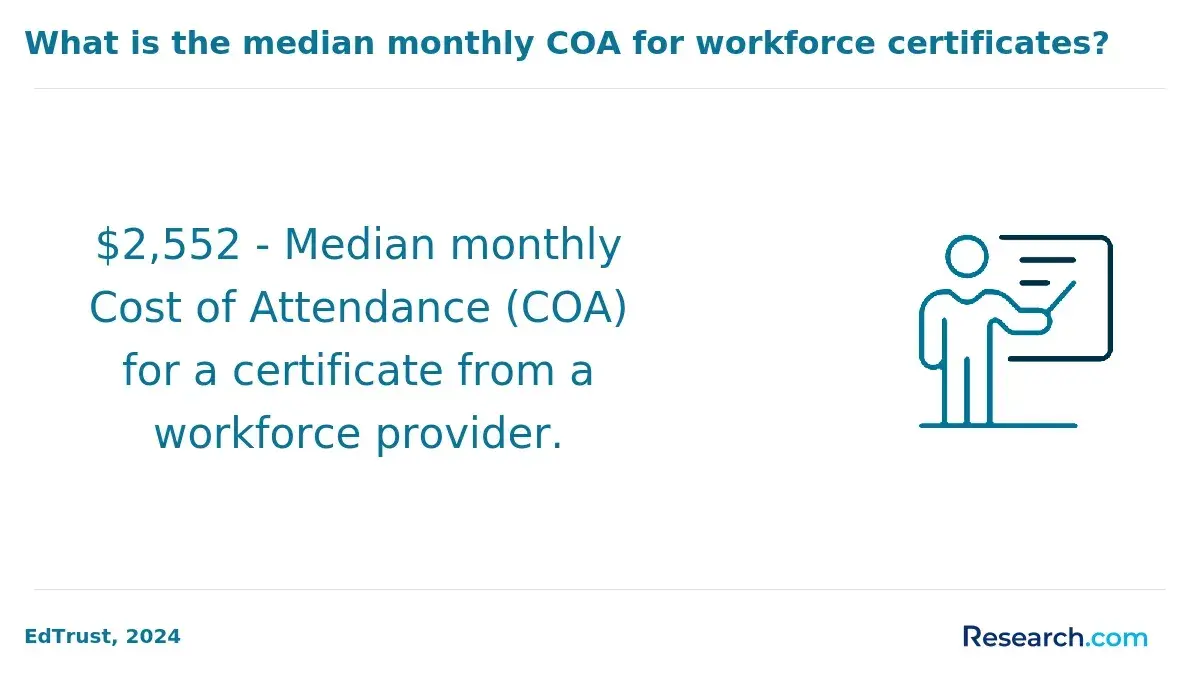
- Cost Efficiency: Certificates and associate degrees demand significantly lower upfront investment compared to bachelor's degrees. Professional certificates cost between $2,000 and $10,000, while associate degrees range from $15,000 to $30,000. In contrast, bachelor's programs typically require $40,000 to $80,000 in tuition, depending on the school.
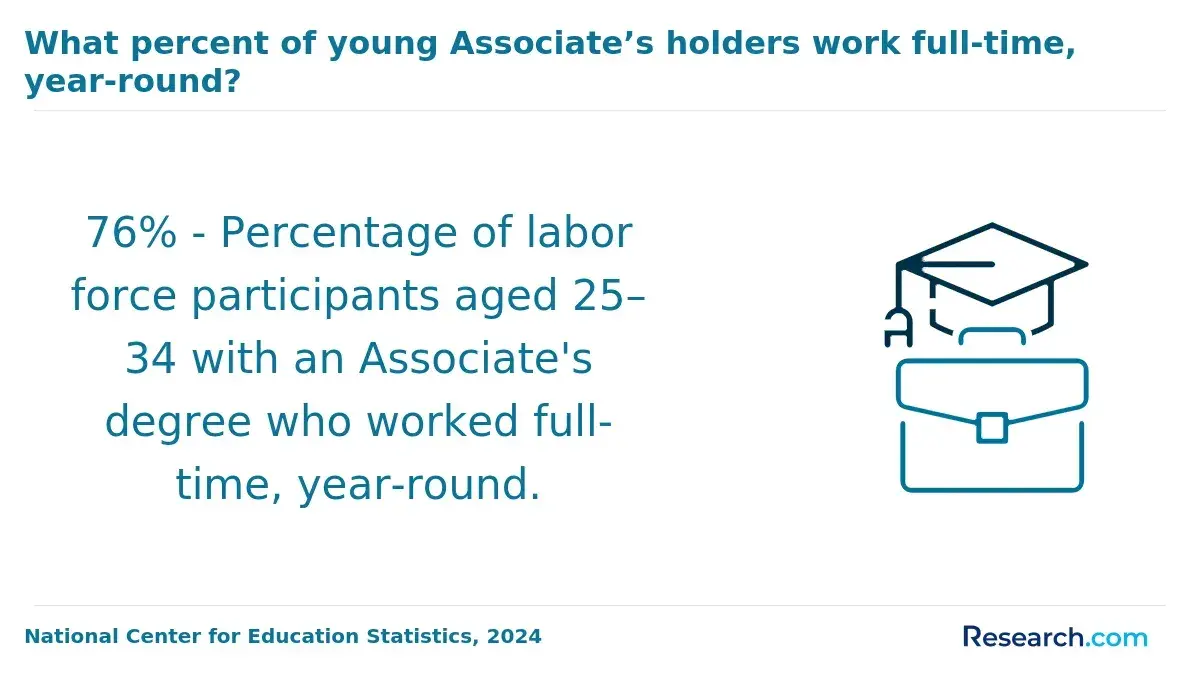
- Salary Potential: Median annual earnings rise with advanced credentials. Entry-level roles accepting certificates or associate degrees average about $45,000, while bachelor's degree holders earn roughly 20% to 30% more, around $60,000, reflecting increased job responsibilities and growth opportunities.
- Short-Term ROI: For those prioritizing quick workforce entry or working within tight budgets, certificates and associate degrees offer faster completion-several months for certificates, two years for associates-enabling sooner income generation and less debt accumulation.
- Long-Term Career Growth: Bachelor's degrees provide stronger long-term returns by unlocking leadership positions such as art director or lead artist, usually requiring a four-year education. Additionally, degree holders benefit from greater job stability and enhanced professional development, according to Lumina Foundation research.
- Decision Framework: Individuals should align their education choice with personal goals and finances. Choose certificates or associate degrees for rapid employment and lower upfront costs. Select a bachelor's degree if aiming for higher earnings and advanced roles, despite the longer timeframe and greater expense.
- Non-Financial Returns: Beyond income, bachelor's programs typically offer wider technical training, networking chances, and access to industry-standard software, helping graduates stay competitive in a constantly evolving game art & design field.
Which Online Game Art & Design Specializations or Concentrations Yield the Highest Earning Potential After Graduation?
Choosing a specialization within an online game art & design bachelor's degree greatly influences salary potential and return on investment, according to verified data from the Bureau of Labor Statistics (BLS).
Aligning your focus with market demands can help maximize earnings and career growth while managing education costs.
- 3D Modeling and Animation: This specialization tends to offer higher median wages, approximately $78,000 annually, due to demand in gaming and film. Mastery of advanced software and possible ongoing certification add to total costs but enhance employability.
- Game Programming and Technical Art: Combining design with coding skills leads to median salaries near $85,000. Additional certifications in engines like Unity or Unreal Engine can extend study time and expenses but improve job market competitiveness.
- Concept Art and Illustration: With median salaries around $65,000, this track focuses on building a strong portfolio and continuous skill improvement rather than formal certifications, resulting in lower post-graduation costs and faster time-to-ROI.
- Virtual Reality (VR) and Augmented Reality (AR) Design: Emerging fields in VR/AR design offer potential earnings above $80,000. They may require extra coursework or certificates in new technologies, influencing overall investment and time before returns materialize.
- User Interface (UI) and User Experience (UX) Design: Median salaries exceed $75,000 in this area, with certifications in UX methodologies boosting job prospects but adding to initial education costs.
Generalist game art & design graduates typically earn $50,000 to $60,000, demonstrating a notable salary premium for specialized tracks.
When choosing a specialization, weigh your prior experience and career goals alongside these salary benchmarks and the potential need for additional certification. This balanced approach supports selecting a path that optimizes financial returns and professional development.
How Do Employer Tuition Reimbursement and Financial Aid Reduce the Net Cost of an Online Game Art & Design Bachelor's Degree?
Employer tuition reimbursement programs for online game art & design degrees can substantially lower the financial burden by covering part or all of a student's tuition. Under IRS Section 127, employers may offer up to $5,250 annually in tax-free educational assistance, allowing employees to pursue their degree without additional tax costs.
According to data from the Society for Human Resource Management (SHRM), approximately 58% of U.S. employers provide some form of tuition aid, reflecting a growing trend to support workforce development.
In addition to employer benefits, financial aid options to lower the cost of an online game art & design bachelor's degree include federal grants, scholarships, and subsidized loans. These aid sources often do not require repayment or offer favorable terms while students remain enrolled.
The U.S. Department of Education's Title IV programs are a primary source of need-based support that can dramatically reduce net tuition. Combining employer tuition reimbursement with institutional financial aid often results in students paying only a fraction of the published tuition.
Consider a working professional enrolled in an online game art & design program with a total annual tuition of $15,000. If the employer provides the $5,250 IRS Section 127 benefit and the student receives $7,000 through grants and scholarships, the remaining out-of-pocket cost drops to $2,750.
This example illustrates how layering financial aid with employer tuition assistance creates significant savings, making degree completion feasible on a tight budget. Students interested in career advancement through related fields may also explore options such as a masters of human resources, which benefits from similar employer-supported funding structures.
What Hidden Costs Should Students Factor Into the Total Investment of an Online Game Art & Design Bachelor's Degree?
When budgeting for an online game art & design bachelor's degree, many students overlook hidden expenses that significantly increase the total cost. Beyond tuition, technology fees commonly range from $100 to $500 per semester to maintain digital infrastructure.
Online proctoring services add per-exam fees typically between $30 and $50, which accumulate over multiple courses. These additional financial factors in US game art & design education costs can create a substantial gap in anticipated expenses.
Course-specific software licenses are often required but not included in tuition. Tools such as Adobe Creative Cloud, Autodesk, or Unity can cost between $300 and $1,000 annually. Graduation fees, usually $100 to $300, and optional professional organization memberships that range from $50 to $200 per year also need to be considered for their impact on overall costs. These costs not only affect immediate budgets but also extend the time needed to recoup investments through post-graduation salaries.
These hidden expenses lengthen the break-even timeline for return on investment, making full cost transparency critical for anyone evaluating an online game art & design program. Students on tight budgets or career changers should always request a detailed cost-of-attendance breakdown, including all ancillary fees, not just tuition.
For those seeking specialized support, identifying an online college for military may provide additional financial benefits and resources.
How Does the Accreditation Status of an Online Game Art & Design Program Affect Graduate Salary and Employability?
Regional accreditation evaluates an institution's overall academic quality, while programmatic accreditation focuses specifically on disciplines like game art & design. Both types influence employer trust and a graduate's ability to secure higher salaries.
According to data from the National Association of Colleges and Employers (NACE), hiring managers overwhelmingly prefer candidates holding degrees from regionally accredited schools. Degrees from nationally accredited or non-accredited institutions often lack the same credibility, weakening negotiation leverage and limiting access to competitive positions.
Choosing a program without proper accreditation can restrict students from sitting for essential licensure exams, gaining admission to graduate programs, or pursuing government and healthcare jobs that require accredited credentials.
It is crucial to verify accreditation status before enrollment by consulting the U.S. Department of Education's accreditation database and the Council for Higher Education Accreditation (CHEA).
What Entry-Level Job Titles and Salary Ranges Are Available to Graduates of Online Game Art & Design Bachelor's Programs?
Graduates with a bachelor's degree in game art & design often enter the workforce through varied roles, each with distinct salary prospects across key industries. An early career as a Junior 3D Artist typically offers salaries between $45,000 and $60,000, with top wages found in technology and entertainment sectors-especially companies focused on virtual reality or AAA titles.
- Concept Artist: Entry pay ranges from $40,000 to $58,000. Specializing in character or environment design can lead to better offers, particularly in tech companies and studios with niche focus.
- Game Animator: Starting salaries hover between $42,000 and $57,000, with some healthcare and educational technology firms offering competitive packages due to gamified content needs.
- UI/UX Designer: Typically earns $50,000 to $65,000, benefiting from demand in technology and financial services for skilled designers.
- Level Designer: Initial pay ranges $43,000 to $55,000. Involvement in narrative development or multiplayer games can boost offers within gaming studios.
- Technical Artist: Salaries generally fall between $48,000 and $63,000. This hybrid role finds higher compensation in technology companies and government contracting.
- Illustrator: Starting wages range from $38,000 to $52,000, often elevated in advertising and educational sectors.
- Production Assistant: Salaries can be $35,000 to $45,000 but provide critical experience that accelerates progress to leadership roles.
Internships, certifications like Unity or Unreal Engine expertise, and robust portfolios can push graduates toward higher starting salaries. These factors significantly influence how quickly graduates recoup educational expenses by improving job placement quality and opening doors to career advancement opportunities and greater job security.
What Graduates Say About the Return on Investment of Their Online Game Art & Design Bachelor's Degree
- Finn: "I chose the online game art & design bachelor's degree because I carefully weighed the ROI against the cost and found it to be a smart investment in my future. The flexibility of the program allowed me to continue working while learning valuable skills, which accelerated my career growth. Beyond financial gains, the program opened doors to new roles where creativity and technical ability are highly valued-making the experience both rewarding and secure."
- Caitlene: "Reflecting on my journey, the non-financial returns of the online game art & design degree have been profound. It wasn't just about salary increases but the confidence and professional credibility I gained, which led to promotions and exciting projects. Pursuing this degree transformed my perspective on career possibilities and gave me the stability I sought in the competitive game industry."
- Ara: "From a professional standpoint, earning my online game art & design bachelor's degree significantly impacted my career trajectory. The program's comprehensive curriculum equipped me with cutting-edge skills that employers actively seek, enhancing my employability and job security. Investing in this degree proved worthwhile-not just for immediate benefits but as a foundation for long-term success in creative industries."
Other Things You Should Know About Game Art & Design Degrees
On average, graduates can expect to recoup the cost of their online game art & design bachelor's degree within five to eight years, depending on tuition fees and starting salaries. Early-career salaries in game design fields commonly range between $45,000 and $60,000 annually, which can rise significantly with experience. Higher tuition programs may extend this payoff period while efficient budgeting and scholarships can shorten it.
Salaries for game art & design graduates vary greatly by location and industry. Urban centers with thriving tech and gaming industries, such as San Francisco and Seattle, tend to offer higher wages compared to rural areas. Additionally, working in major game development studios or tech companies often provides better pay than in smaller studios or freelance roles, influencing overall return on investment.
Employer surveys indicate that a bachelor's degree in game art & design remains an important credential for entry-level and mid-career roles. Labor market analysis shows steady demand for skilled artists and designers as the gaming industry expands. Employers often prioritize candidates with formal training due to technical skill requirements and portfolio development supported by degree programs.
References
- Is College Worth it? | Return on Investment Analysis of College Degree https://educationdata.org/college-degree-roi
- 5 careers you can pursue with a degree in game art - RMCAD https://www.rmcad.edu/blog/5-careers-you-can-pursue-with-a-degree-in-game-art/
- Game Designer Salary Insights | ValidGrad https://validgrad.com/blog/game-designer-salary/
- Diverse Career Paths for Game Arts Graduates: From Indie Studios to Major Developers https://www.shawnee.edu/blog/career-paths-game-art-degree
- Online college courses are popular, why do they still cost so much? https://hechingerreport.org/as-online-higher-education-hits-a-milestone-why-does-it-still-cost-so-much/
- Private vs. Public Colleges https://www.onlineu.com/resources/college-planning/private-vs-public-colleges