2027 Online Game Art & Design Bachelor's Degree Programs With Open Enrollment

Co-Founder and Chief Data Scientist
Imagine a working adult eager to advance in the creative tech industry but unable to commit to rigid enrollment deadlines. Many online game art & design bachelor's degree programs with strict application periods exclude such learners despite a 23% projected job growth in digital art and game design fields through 2031. Open enrollment remedies this barrier, allowing students to begin studies at various points in the year.
This article explores accredited online programs offering flexible admissions and how these options support students balancing careers and education, guiding readers toward programs that fit their schedules and professional goals.
Key Benefits of Online Game Art & Design Bachelor's Degree Programs With Open Enrollment
- Flexible start dates in online game art & design programs accommodate varied schedules, allowing students to begin studies multiple times per year without waiting for traditional semesters.
- Open enrollment lowers barriers by minimizing strict admission requirements, providing accessible pathways for working adults and nontraditional learners to enter the field.
- Convenient online formats enable students to balance coursework with jobs or family responsibilities, supported by asynchronous classes and digital resources tailored for distance education.
Who Qualifies for an Online Game Art & Design Bachelor's Degree With Open Enrollment?
Open enrollment policies aim to create more inclusive access to higher education by removing traditional barriers like strict admission criteria. This approach allows a diverse population of students to pursue an online game art & design bachelor's degree regardless of previous academic performance or personal circumstances. According to the National Center for Education Statistics, approximately 38% of undergraduate students in the U.S. are considered nontraditional, emphasizing the importance of flexible options. Below are some groups who typically qualify under these programs.
- Recent High School Graduates: These students seek a more open pathway to college admission without the pressure of standardized tests or high GPAs. Open enrollment provides them a straightforward option to begin their studies in creative fields like game art & design.
- Working Adults: Adults balancing careers and families often require flexible schedules to pursue further education. Open enrollment accommodates their need to advance or shift careers without traditional enrollment restrictions.
- Nontraditional Students: This group includes individuals returning to education after a break, parents, or those overcoming academic challenges. Open enrollment supports their unique educational journeys by lowering entry barriers.
- Students with Prior College Experience: Learners who have some college credits but no completed degree can re-enter academic programs without the complications of reapplying through conventional admission routes, continuing their education in game art & design.
Understanding the requirements for open enrollment in online game art & design bachelor programs helps prospective students identify if this flexible admission policy suits their needs. For those exploring educational options, considering an easiest bachelor degree to get online might lead to programs with open enrollment that align with their circumstances.
What Is the Difference Between Open Enrollment and Rolling Admission in an Online Game Art & Design Bachelor's Degree?
Open enrollment and rolling admission are often confused when exploring online game art and design bachelor's degree open enrollment differences, but they represent distinct approaches to admission and enrollment timing. Over 70% of online bachelor's degree programs utilize flexible admissions of some type, reflecting growing demand from nontraditional and part-time learners. These options provide varied pathways for students seeking convenient entry into creative fields. Below, the key characteristics of each are outlined for clarity.
Open Enrollment
- Admission Flexibility: Open enrollment admits all eligible students who meet basic criteria without a competitive review, making it accessible to a broad range of applicants.
- Application Timing: Students can register for courses any term, providing multiple start dates throughout the year that accommodate diverse schedules.
- Evaluation Process: There is no selective evaluation of applications; admission decisions are immediate or guaranteed once eligibility is confirmed.
- Enrollment Structure: Continuous enrollment is supported, allowing students to begin their studies without waiting for a specific cohort or term.
Rolling Admission
- Admission Flexibility: Applications are accepted at any time but include a selective review based on academic records or portfolios, creating a competitive process.
- Application Timing: Offers are issued on a rolling basis as applications are reviewed, but seat availability may limit when students can start.
- Evaluation Process: Each application undergoes individualized assessment, balancing ongoing review with a degree of selectivity.
- Enrollment Structure: Enrollment depends on cohort sizes and open seats each term, which can restrict immediate or continuous start options.
Prospective students evaluating rolling admission versus open enrollment in game art and design programs should consider how these differences align with their goals and timelines. For those seeking accessible and flexible programs, especially nontraditional learners, open enrollment often offers the greatest convenience. For additional related options in flexible degree pathways, exploring specialized marriage and family masters programs may also provide valuable insight.
2026 Update: Software and Portfolio Readiness Before You Enroll
This 2026 update adds a practical readiness check for students considering open enrollment game art and design programs, especially those hoping to start quickly without being slowed by missing tools or portfolio expectations.
- Confirm the required computer specs for 2D art, 3D modeling, animation, and game engine coursework.
- Check whether software licenses are included in tuition or must be purchased separately.
- Ask how soon portfolio-building assignments begin after enrollment.
- Review whether classes use live critiques, recorded feedback, or peer review sessions.
- Find out if cloud storage, drawing tablets, or external drives are recommended.
- Look for courses that produce finished portfolio pieces, not only practice exercises.
Checking these items before choosing a start date helps students enter prepared, avoid unexpected delays, and make better use of the flexibility that open enrollment provides.
What Are the Admission Requirements for an Online Game Art & Design Bachelor's Degree With Open Enrollment?
Open enrollment online programs in game art & design offer more flexible admission standards than traditional degree paths. Institutions with open admission policies have increased by more than 20% over the past ten years, highlighting a trend toward broader educational accessibility. These programs often emphasize basic entry criteria designed to welcome a diverse range of learners.
- Proof of Education: Applicants must typically provide documentation such as a high school diploma or a GED to confirm they meet foundational academic prerequisites for college-level work.
- Application Submission: Candidates are required to fill out standard application forms that collect personal details and educational history to establish eligibility.
- Identity Verification: To uphold academic honesty in an online setting, programs usually verify a student's identity through secure methods before allowing course participation.
- Online Readiness Assessment: Students may need to demonstrate preparedness for online learning via surveys or orientation activities that help ensure they can succeed in a digital classroom.
- Technical Requirements: While some programs mention a need for basic technology skills or access to necessary hardware and software, they generally do not require formal portfolios or creative submissions for admission.
When asked about his experience, a current student in an online game art & design bachelor's degree with open enrollment shared that he initially worried the process might be overwhelming due to his nontraditional background. However, he found the straightforward application steps reassuring. "Submitting my high school diploma and completing the readiness questionnaire felt manageable," he said. He also appreciated the identity checks, which gave him confidence that the program took fairness seriously. Though he was nervous about adapting to self-directed online study, the orientation helped ease those concerns, making him feel welcomed despite not having a portfolio or prior art coursework.
Which Online Game Art & Design Bachelor's Degree Programs Have Open Enrollment?
Open enrollment options have expanded across many academic areas to increase accessibility for a wide range of learners. Recent statistics show that over 40% of students in higher education have engaged in distance learning, highlighting the growing availability of flexible online programs. This approach effectively supports those looking to advance their skills without traditional admissions hurdles.
Open enrollment game art and design degree programs online cover diverse specializations, each designed to accommodate various interests and career goals. Common focuses include:
- 3D Modeling and Animation: Programs in this area emphasize creating realistic characters and environments using advanced software tools, preparing students for roles in visual storytelling and game development.
- Concept Art and Visual Development: This specialization explores the initial creative phase of game design, focusing on generating innovative designs for characters, settings, and assets.
- Game Interface and User Experience Design: Students learn to enhance player interaction and satisfaction by designing intuitive and engaging game interfaces that improve usability.
- Digital Sculpting and Texture Creation: These courses teach detailed surface modeling techniques essential for producing high-quality visual elements in games.
- Interactive Media Development: Combining artistry with technology, this path trains students to develop immersive gameplay experiences through multimedia integration.
Such open enrollment formats are particularly attractive to nontraditional students and professionals seeking flexibility. Interested learners can also explore related online degree options like the best online construction management degree programs to diversify their skill sets within flexible educational frameworks.
How Do I Apply to an Online Game Art & Design Bachelor's Degree With Open Enrollment?
Applying to an online game art & design bachelor's program with open enrollment is built to be quick and accessible, catering especially to students needing flexibility. The steps focus on simplicity to streamline the entire experience. Here's an overview of the typical application flow:
- Create an Account: Start by registering on the school's admissions portal, which acts as your main hub for submitting materials and tracking progress.
- Fill Out Application: Complete the online form with your personal and academic details. These programs usually avoid lengthy essays or complex requirements.
- Submit Documents: Upload transcripts, GED certificates, or any prior college credits. Some schools may allow unofficial copies at first to speed up review.
- Confirm Enrollment: Review your chosen courses, agree to tuition terms, and finalize your start date. Institutions often offer virtual orientations around this time.
- Receive Notification: Get acceptance info and next steps via email or your account dashboard, including details about registration and payments.
A graduate from such a program reflected, "What I appreciated most was how manageable the process felt-even when juggling a full-time job. Logging into the portal whenever I had a moment allowed me to keep track without pressure. It wasn't overwhelming; the clear instructions helped me feel confident at every stage. Even when I had questions, support staff were responsive. This approach made returning to school less intimidating and more doable than I expected."
Can I Start an Online Game Art & Design Bachelor's Degree at Any Time?
Many online game art & design bachelor's degree programs with open enrollment offer flexible start dates to accommodate diverse student needs, though exact availability depends on individual program structures. Recent data show that about 65% of online degree programs provide multiple enrollment periods throughout the year. Below are important factors to consider when deciding if you can begin your studies at any time.
- Continuous Enrollment: Certain programs allow enrollment at any point without waiting for a new term, providing maximum flexibility for students balancing work or other commitments.
- Multiple Start Dates: Schools often provide quarterly, tri-semester, or monthly start options as alternatives to traditional semester schedules, enabling students to choose a beginning that fits their timeline.
- Self-Paced Learning: Many open enrollment programs incorporate self-paced courses, allowing learners to progress at a comfortable speed rather than following a rigid class timeline.
- Processing Times: Even with open enrollment, there may be brief delays as applications are reviewed and course access is arranged before classes officially begin.
- Cohort and Curriculum Design: Programs structured around cohort models or prerequisite sequences may restrict open start possibilities to ensure students follow a coherent academic path.
Is It Easier to Get Into an Online Game Art & Design Bachelor's Degree With Open Enrollment?
Open enrollment policies in online game art & design bachelor's degree programs generally reduce traditional admission barriers, making it easier for a wider range of applicants to gain acceptance. These programs often eliminate requirements like minimum GPA thresholds and standardized test scores, promoting increased accessibility for nontraditional students, working adults, and those needing flexible learning options. Recent data shows that institutions with open enrollment have experienced nearly a 20% rise in undergraduate enrollment over the past decade. This trend reflects a shift toward more inclusive admissions that welcome students who might otherwise be discouraged by competitive selection processes.
While open enrollment simplifies entry, it does not guarantee unconditional acceptance. Applicants still must complete a formal application that may include submitting transcripts and other verification documents. Additionally, programs typically require prospective students to demonstrate basic readiness by submitting portfolios or passing placement assessments in relevant software and foundational art skills. Students should also understand that success in these online programs depends heavily on self-motivation and discipline, with academic support services aiming to help learners meet the program's academic standards without compromising rigor.
How Much Does an Online Game Art & Design Bachelor's Degree With Open Enrollment Cost?
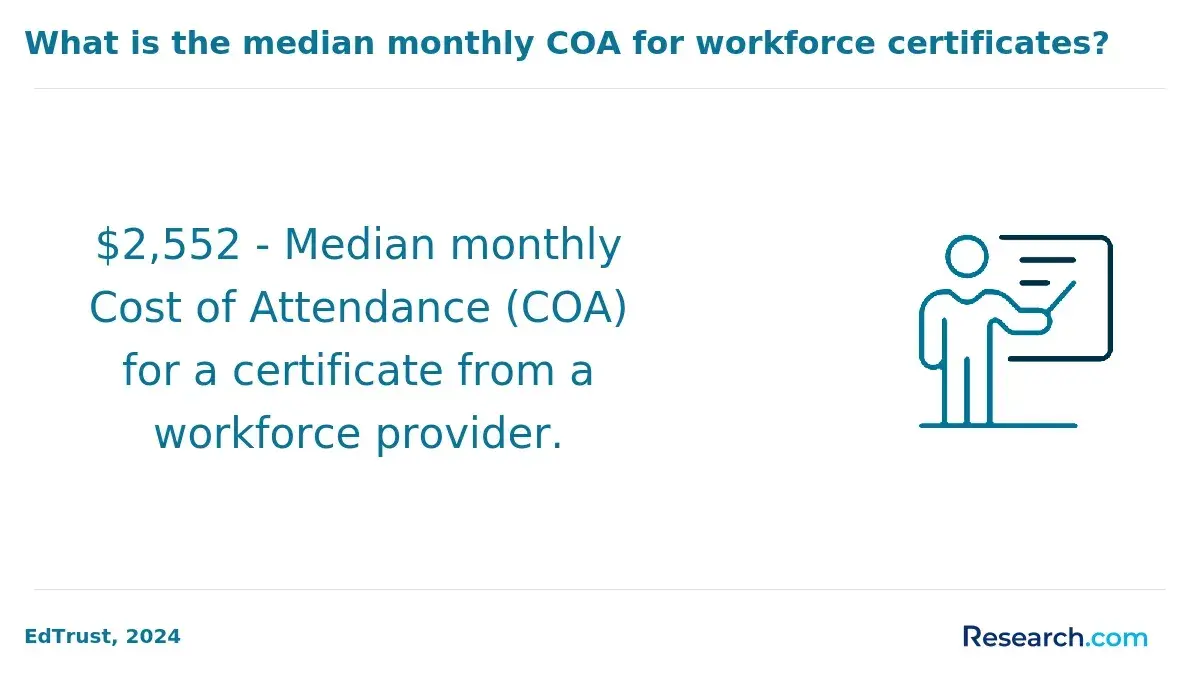
The cost of earning an online game art & design bachelor's degree with open enrollment in the United States can vary widely depending on the program's structure and credit requirements. On average, tuition for online bachelor's degrees ranges from approximately $300 to $600 per credit hour, with most programs requiring between 120 and 130 credits for completion. Total program costs can extend beyond tuition, making it important to understand all associated fees. The following outlines key cost components prospective students should consider.
- Tuition Per Credit: Tuition is typically charged by the credit hour. The average tuition fees for online game art & design bachelor's degree programs with open enrollment generally fall within the $300 to $600 range per credit, but this can differ by institution and residency status.
- Technology Fees: Many programs add technology or online learning fees to support virtual classroom platforms, software licenses, and digital materials. These fees may be assessed as a flat rate per semester or a per-credit charge.
- Course Materials: Specialized software for 3D modeling, digital animation, and graphic design can add significant expense, as game art & design relies heavily on current tools. Some programs include these costs in tuition, while others require separate purchases or subscriptions.
- Administrative Fees: Registration, application, and other administrative fees may apply at enrollment or throughout the program. Although smaller than tuition and material costs, they still affect the overall price.
- Exam or Proctoring Fees: Some online degree programs impose additional charges for online assessments or proctoring services. These fees vary by institution and are important to verify before enrolling.
Flexible learners might also explore options like an online UX degree as an alternative pathway within the digital design field.
Are There Disadvantages to Open Enrollment Online Game Art & Design Bachelor's Degrees?
Open enrollment online game art & design bachelor's degrees increase access for a broader range of students, including those who might not qualify for traditional programs. However, this inclusivity often comes with challenges; for example, the National Center for Education Statistics reports that only about 40% of online students complete their degrees within six years, compared to 60% in traditional settings. These factors contribute to several drawbacks prospective students should consider.
Key open enrollment challenges in online game art & design degree programs include the following:
- Less Selective Admissions: Open enrollment means programs often accept nearly all applicants, resulting in classes with widely varying levels of academic preparedness. This diversity can affect the overall learning pace and peer collaboration
- Limited Cohort Interaction: Many open admission game art & design bachelor's degrees offer minimal opportunities for networking or group projects. Reduced cohort engagement can hinder skill-building and professional connections critical for the creative industry
- High Self-Discipline Required: Flexible online formats demand strong time management and motivation, especially for students balancing work or family. Without regular in-person oversight, some learners may struggle to stay on track
- Restricted Access to Resources: Students may encounter limited faculty mentorship and career support compared to more selective institutions, potentially impacting education quality and professional readiness
For students exploring varied online education options, including open enrollment, it can be helpful to compare programs carefully. For those interested in complementary fields, reviewing NAAB-accredited online architecture degrees may offer insights into program accreditation and quality measures.
How Do I Manage Time in an Open Enrollment Online Game Art & Design Bachelor's Degree?
Success in flexible, self-paced online game art & design bachelor's programs depends largely on effective time management. A 2023 Online Learning Consortium study found that 62% of online learners attributed their success to maintaining a consistent study schedule. Applying practical strategies can greatly improve progress and reduce stress.
- Consistent Scheduling: Establishing regular study times each day or week creates a reliable routine. This consistency helps maintain momentum and accountability within a flexible learning environment.
- Task Prioritization: Organizing assignments by deadlines and importance prevents last-minute rushes. Focusing on urgent or critical projects first ensures steady progress and reduces anxiety.
- Minimizing Distractions: Creating a dedicated, quiet workspace free from interruptions enhances concentration. Limiting digital and environmental distractions is key when completing detailed art and design work.
- Progress Tracking: Using digital calendars or task apps to monitor deadlines and accomplishments supports better planning. Visually tracking goals helps adjust study habits and stay on target.
- Self-Assessment: Regularly reviewing completed tasks versus goals allows for course corrections. Reflecting on performance encourages balanced workload management and skill development.
What Graduates Say About Online Game Art & Design Bachelor's Degree Programs With Open Enrollment
- Francesca: "Choosing an online game art & design bachelor's degree with open enrollment allowed me to start my education right away without waiting for a traditional semester to begin. The flexibility to balance work and studies was invaluable, although staying motivated without a fixed schedule was a real challenge. Completing the program boosted my confidence and opened doors to freelance projects in the gaming industry that I had only dreamed of before."
- Carlo: "I appreciated how the open enrollment format of the game art & design program made higher education accessible without rigid admission deadlines, which helped me overcome my hesitation about going back to school. One challenge was adapting to online critiques and collaboration, but it ultimately refined my communication skills. Today, I'm applying everything I learned directly in my role as a concept artist for an indie studio, feeling more equipped and professional than ever."
- Austin: "The decision to pursue an online game art & design bachelor's degree with open enrollment came from my need to advance my career while keeping my current job. The self-paced nature required discipline, but the comprehensive curriculum and practical assignments made the effort worthwhile. Earning this degree has significantly enhanced my portfolio and helped me land a full-time position as a 3D modeler at a major game developer."
Other Things You Should Know About Game Art & Design Degrees
Students in online game art & design bachelor's degree programs usually learn to use industry-standard software such as Adobe Creative Suite, Autodesk Maya, Blender, and Unity or Unreal Engine. These programs emphasize both 2D and 3D art creation, animation, texturing, and game environment design to prepare graduates for various roles in game development studios.
Many online game art & design programs with open enrollment encourage or require internships as part of the curriculum to provide real-world experience. These internships can often be completed remotely, allowing students to gain practical skills, build professional networks, and develop portfolios that are essential for entering the game industry.
Online game art & design programs with open enrollment in 2027 offer various tracks for specialization, such as character design, environment art, and animation. These pathways allow students to tailor their education and develop targeted skills relevant to their career interests.
References
- Do I really need another bachelor's degree specifically in game art to get hired in a big studio? https://discussions.unity.com/t/do-i-really-need-another-bachelors-degree-specifically-in-game-art-to-get-hired-in-a-big-studio/689807
- The Benefits of Accelerated Online Learning - The Hub https://hub.fullsail.edu/articles/the-benefits-of-accelerated-online-learning
- Bachelor's in Game Design Program https://www.artcenter.edu/academics/undergraduate-degrees/entertainment-design/tracks/game-design.html
- So Many Choices (part VI): Early Decision, Early Action, Rolling Admission, and Open Enrollment- Which Is Best for You? – Complete College Advising https://completeadvising.com/so-many-choices-part-vi-early-decision-early-action-rolling-admission-and-open-enrollment-which-is-best-for-you/
- Bachelor of Arts in Game Design https://search.aeccglobal.com/course/bachelor-of-arts-in-game-design-university-of-europe-for-applied-sciences
- Game Art & Design Degree (BFA) - Woodbury University https://woodbury.edu/program/school-of-media-culture-design/programs/game-art-design/
- Time Management Strategies for Online Learners https://online.nmu.edu/time-management-strategies-for-online-learners/
- How to apply https://www.oca.ac.uk/studying-with-us/applying-to-oca/how-to-apply/
- Game Arts & Design https://www.cca.edu/fine-arts/game-arts-design/
- Grado en Arte y Diseño de Videojuegos y Entornos Virtuales | UDIT https://www.udit.es/en/degree-in-digital-art-and-visual-creation-of-video-games-and-interactive-environments/