2027 Easiest Online Game Art & Design Bachelor's Degree Programs That Pay Well: High-Salary Degrees with Simple Admissions

Co-Founder and Chief Data Scientist
Many aspiring creatives struggle to find online game art & design bachelor's degrees that balance simple admissions with high earning potential. Traditional programs often demand extensive portfolios and rigid prerequisites, delaying entry or deterring applicants.
Meanwhile, the digital entertainment industry continues to grow rapidly, with employment for multimedia artists and animators projected to increase 4% through 2032, fueled by gaming expansion. This article analyzes the easiest-to-enter online game art & design bachelor's programs that also lead to well-paying careers, providing clear guidance for students seeking streamlined enrollment and strong financial outcomes in this competitive field.
Key Benefits of the Easiest Online Game Art & Design Bachelor's Degree Programs That Pay Well
- Many online game art & design bachelor's programs offer asynchronous courses that enable students to balance studies with work or life commitments efficiently.
- Admissions criteria often require only basic academic records and portfolios, easing entry barriers compared to traditional degrees in creative fields.
- Graduates frequently enter high-demand roles such as 3D modeling or concept art, with median salaries exceeding $75,000 annually, ensuring strong return on investment.
Which Online Game Art & Design Bachelor's Degree Programs Have Simple Admissions?
Some online game art & design bachelor's degree programs prioritize accessibility by implementing simplified admissions processes, making higher education more attainable for a diverse student body. Reflecting a nationwide trend, over 60% of postsecondary institutions have adopted more flexible admissions policies aimed at inclusivity without compromising academic standards.
These approaches support flexible learning paths and reduce traditional barriers that many prospective students face. Below are key features common in online game art & design programs with easy acceptance rates.
- Rolling Enrollment: Programs often offer year-round admission opportunities, allowing applicants to submit materials and receive decisions on an ongoing basis. This flexibility accommodates students balancing work, family, or other responsibilities.
- Minimal Prerequisites: Many degrees waive strict coursework or major-specific preparation requirements, enabling students from varied educational backgrounds to apply without extensive prior study in art or computer science.
- Streamlined Applications: Application processes tend to require fewer documents, with some programs removing portfolio submission at the initial stage. Simplified online forms reduce the time and effort needed to start the degree path.
- Flexible Entry Pathways: To support non-traditional learners, programs may accept credit for prior learning, transfer credits, or offer foundational courses within the curriculum. This approach helps adult learners and career changers avoid redundant coursework.
Those exploring simple admission game art & design bachelor's degrees in the US can find helpful resources on online colleges that align with their academic and financial needs.
Are There Test-Optional Online Game Art & Design Bachelor's Degrees?
Test-optional online game art & design bachelor's degree programs are increasingly available, streamlining the admissions process by removing standardized test score requirements like the SAT or ACT. This flexibility allows applicants to focus on portfolio quality, relevant experience, and academic achievements instead of exam performance.
Programs offering easy admissions game art & design bachelor's degrees online provide a more accessible path for students, especially those who may not have had strong preparation or access to testing resources. Simplified admissions can enhance the applicant experience and broaden the talent pool for these creative and technical fields.
Admitting students without mandatory test scores significantly improves accessibility and application flexibility, benefitting non-traditional learners such as working adults and career changers. These test-optional online game art & design bachelor's degree programs emphasize holistic review criteria, including artistic portfolios and digital design skills, rather than relying solely on numeric test results.
This approach opens opportunities for a wider, more diverse group of students, including those from underserved communities or with unconventional educational backgrounds. For prospective applicants weighing their options, exploring flexible, affordable choices like reputable business schools online may also offer useful comparisons when planning their academic paths.
2026 Update: Check Software, Hardware, and Portfolio Costs Before Enrolling
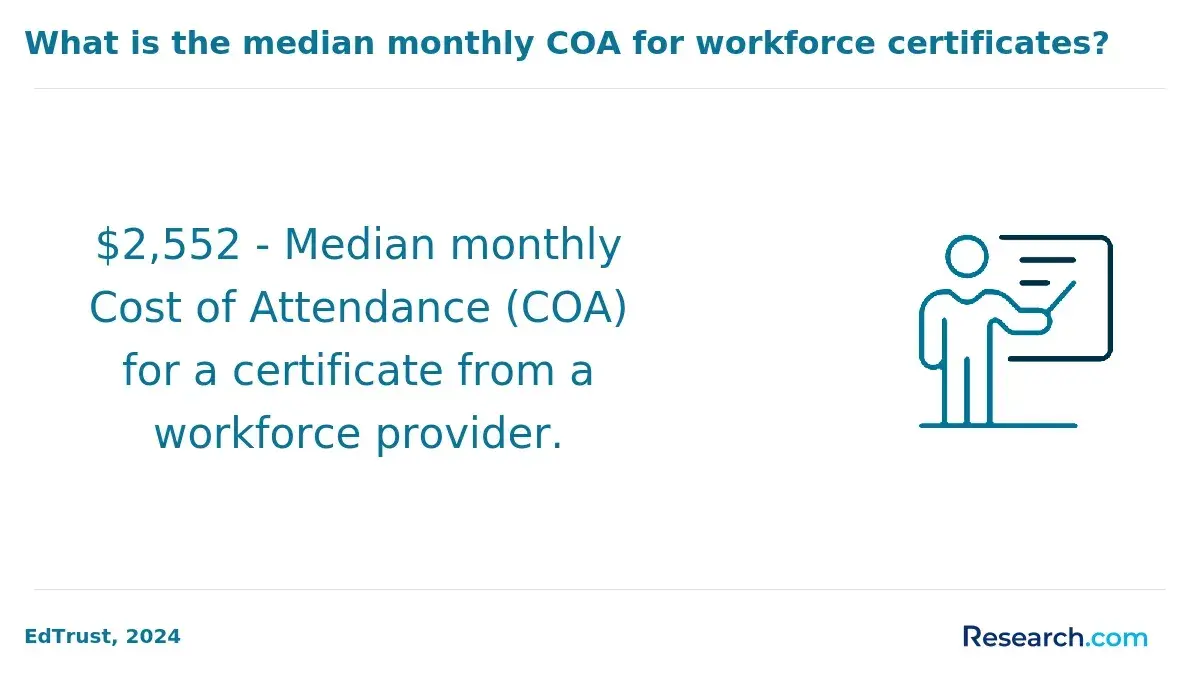
For this 2026 refresh, we added a practical cost-readiness check for online game art and design students, since required tools can affect both affordability and how quickly students can build job-ready work.
- Minimum computer specifications for 3D modeling, animation, rendering, and game engine work.
- Whether required software licenses are included in tuition or billed separately.
- Access to industry tools such as game engines, digital sculpting software, and asset pipelines.
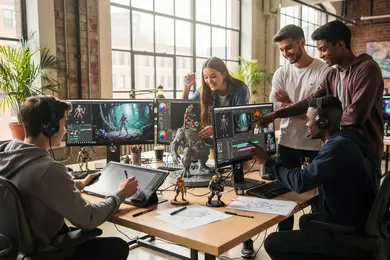
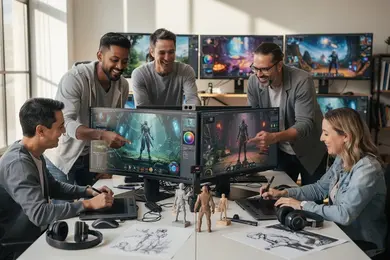
- Extra equipment needs, such as a drawing tablet, external storage, headset, or upgraded graphics card.
- Portfolio hosting, cloud storage, and file backup requirements for large visual projects.
- Whether students keep access to software, project files, and portfolio platforms after graduation.
Checking these items helps students compare the true cost of an “easy-entry” program and choose one that supports stronger portfolio development for higher-paying creative roles.
Are Accelerated Online Game Art & Design Bachelor's Degree Programs Easier?
Accelerated online game art & design bachelor's degree programs are not necessarily less demanding than traditional four-year tracks; they simply compress equivalent coursework into a shorter period, often around 2 to 2.5 years. This condensed format requires students to maintain a rapid academic rhythm and manage time meticulously to keep up with frequent assignments and project deadlines.
Research shows that approximately 60% of students in accelerated programs find the pace challenging, though they value the opportunity to start their careers sooner. While admissions might be more straightforward, the intense workload leaves little room for lagging behind, making these programs ideal for disciplined and motivated learners.
When asked about his experience, a graduate of an accelerated online game art & design program shared that "the fast pace made every week feel like a sprint," requiring constant focus and quick turnaround on creative assignments. He noted that balancing the workload alongside personal commitments was tough but rewarding, saying, "It wasn't easier by any means, but the structure pushed me to stay organized and prioritize effectively."
Despite the pressure, he appreciated how the program's format helped him build professional skills rapidly and transition more quickly into the workforce.
Which Online Game Art & Design Bachelor's Degree Concentration Is the Easiest to Get Into?
Some online game art and design bachelor's degree concentrations provide more flexible admissions standards, which enhances accessibility for a wider range of applicants. These programs often have fewer prerequisites or adopt interdisciplinary approaches, making them attractive for students seeking straightforward enrollment.
Digital media-related fields have notably grown in popularity, with an over 20% increase in enrollment over the past five years according to national statistics.
Several widely accessible online game art and design degree concentrations include:
- Digital Art Foundations: Emphasizes basic artistic skills without requiring advanced prior coursework, ideal for newcomers to the field.
- Graphic Design: Commonly housed within broader visual arts departments, this concentration allows for versatile entry paths across disciplines.
- Animation: Typically relies on portfolio reviews rather than strict academic qualifications, offering flexibility for diverse applicants.
- Interactive Media: Welcomes students from both technical and artistic backgrounds, avoiding narrow admissions criteria.
- Multimedia Arts: Combines various creative domains and often features open admissions policies that simplify enrollment.
These concentrations usually streamline admissions by waiving standardized tests or emphasizing portfolio-based evaluations, facilitating easier acceptance. Individuals interested in flexible enrollment options might also explore fields related to a Bachelor of Business Administration online.
Is an Online Game Art & Design Bachelor's Degree Easy to Complete?
Online game art & design bachelor's degrees are crafted to offer flexibility, yet how easy they are to finish varies widely based on program design and student readiness. Success depends not only on the structure but also on the quality of support and the learner's determination.
Notably, less than half of online students nationwide complete their degrees within six years, signaling challenges that go beyond scheduling.
- Course Format Flexibility: Many programs provide asynchronous lessons or recorded sessions, which let students adapt learning to their personal pace, easing conflicts with work or life obligations.
- Academic Support: Having access to mentors, tutors, or technical assistance can greatly affect a student's ability to stay on track and master complex skills.
- Workload Consistency: Carefully balanced assignments help avoid burnout, ensuring students remain engaged without becoming overwhelmed by deadlines or projects.
- Student Motivation: Clear goals and dedication drive persistence through difficult or creative challenges common in game art & design curricula.
A graduate of an online Game Art & Design bachelor's program shared that while the technical skills development was intense, the most difficult part was sustaining momentum during lengthy projects without face-to-face interaction. She recalled, "It wasn't about the content being too hard; it was managing motivation when there wasn't a classroom environment to push me."
However, she also emphasized that the convenience of managing coursework around her job and life made the journey worthwhile. "The experience taught me self-discipline and reinforced my passion for creating art that tells a story, which has been essential in my career." This illustrates that while the degree isn't necessarily easy, it's achievable for those willing to stay dedicated and seek support when needed.
What Are the Best Industries for Online Game Art & Design Bachelor's Degree Graduates?
An online game art & design bachelor's degree provides versatile training that applies to multiple creative and digital sectors. Graduates acquire artistic and technical skills suited for dynamic work environments. The U.S. Bureau of Labor Statistics predicts a 4% growth in art and design jobs from 2022 to 2032, driven by ongoing demand for digital media professionals.
Industries where online game art & design graduates often find employment include:
- Entertainment and Multimedia: This sector encompasses companies creating video games, animations, and virtual reality projects, all of which depend on visually compelling content crafted by graduates.
- Advertising and Marketing: Visual designers enhance brand visibility and engagement through innovative content that supports advertising efforts across digital platforms.
- Software Development: Developers of interactive tools, educational software, and simulations incorporate design expertise from game art & design graduates to improve user interaction and aesthetics.
- Film and Television: Growing use of visual effects and animation in this industry offers graduates opportunities to contribute creatively behind the camera and in post-production environments.
- Publishing and Digital Media: Publishers and digital content creators rely on skilled designers to produce engaging visuals for eBooks, websites, and multimedia storytelling formats.
The broad applicability of an online game art & design degree makes graduates valuable not only within creative fields but also in any area requiring multimedia design capabilities. Many online programs feature simplified admissions procedures, allowing students to quickly enter a thriving job market with promising prospects.
What Are the Highest-Paying Roles with an Online Game Art & Design Bachelor's Degree?
Certain roles in the game art & design field command higher salaries due to specialized technical skills, leadership responsibilities, or growing industry demand. The median annual wage for multimedia artists and animators-categories that include many game art professionals-stands near $78,000, with top earners significantly exceeding this figure.
These lucrative opportunities often come from mastering niche areas or taking on managerial duties. Below are some of the highest-paying roles available to graduates holding an online game art & design bachelor's degree.
- Lead Game Artist: Responsible for overseeing the visual style and artistic direction of game projects, lead game artists work primarily in gaming studios and entertainment companies. Their role requires strong project management skills, expertise in advanced digital art tools, and effective collaboration with cross-functional teams.
- 3D Modeler: 3D modelers create complex characters, environments, and assets using software like Maya or Blender. This position is essential in game development, film, and virtual reality industries, demanding both technical proficiency and creative flair.
- UI/UX Designer: Focused on crafting intuitive user interfaces and improving player experience, UI/UX designers extend their work beyond gaming into software and app development sectors. Skills in user research, wireframing, and graphic design are key to advancing in this role.
- Game Animator: Game animators develop character animations and visual effects that bring games to life. They are sought after in both the gaming and film industries, requiring expertise in motion principles and specialized animation software.
- Art Director: Art directors lead artistic teams and conceptualize visual content for large studios and media companies. This leadership role commands higher compensation due to its managerial scope and creative oversight responsibilities.
What Is the Long-Term Career Growth for an Online Game Art & Design Bachelor's Degree?
An online game art and design bachelor's degree supports steady career progression by equipping graduates with essential creative and technical skills needed in the digital entertainment industry. Many start in entry-level roles such as junior artists or designers, gaining practical experience and developing portfolios to advance within the field.
According to the U.S. Bureau of Labor Statistics, employment for multimedia artists and animators-including game artists-is projected to grow 5% from 2022 to 2032, indicating consistent demand and opportunities for promotion. This steady growth creates a solid foundation for long-term salary growth with game art and design degree holders.
Graduates can build lasting professional value by continually updating their skills and earning certifications in advancing technologies like 3D modeling, virtual reality, and augmented reality design. Adaptability in this ever-evolving industry is crucial, as new platforms and trends regularly emerge.
Continuing education and participation in industry events or online communities also enhance career prospects and job security. For students considering alternative flexible degrees, exploring online MBA programs in operations management may provide complementary skills that broaden career opportunities.
What Is the Hardest Part of an Online Game Art & Design Bachelor's Degree?
Online game art & design bachelor's degree programs are structured to maximize flexibility and accessibility, catering to a diverse range of students. Despite these advantages, the academic demands of online game art and design bachelor's degrees create hurdles that can hinder progress.
According to the National Center for Education Statistics, nearly 30% of online students face challenges completing their courses, often due to difficulties with self-discipline and engagement. The hardest challenges for many students involve managing time effectively while staying motivated and connected.
- Time Management: Balancing coursework with personal and professional obligations requires sharp planning skills. Students in online game art & design programs often struggle to carve out consistent study time amid competing demands.
- Maintaining Motivation: The lack of in-person interaction can lead to diminished motivation. Students must stay focused on assignments and long-term goals despite the self-paced environment, which can be isolating.
- Navigating Online Platforms: Mastery of various learning management systems is essential. Technical issues or unfamiliar software may slow progress and generate frustration for those not comfortable with digital tools.
- Balancing Responsibilities: Many online game art & design students juggle jobs, families, and studies. This complexity requires prioritization to prevent burnout and maintain steady advancement toward degree completion.
- Staying Engaged: Without face-to-face collaboration, student immersion and feedback quality can suffer. Proactively seeking interaction opportunities with peers and instructors is critical for staying connected and supported.
Prospective students seeking the best online game art & design options should also consider programs listed among the best online electrical engineering programs USA, as they share many features like streamlined admissions and flexible scheduling that ease the academic journey.
Is an Online Game Art & Design Bachelor's Degree Worth It?
Online game art & design bachelor's degrees offer significant advantages in accessibility and flexibility, often featuring simplified admissions compared to traditional programs. These programs allow students to study at their own pace with many courses available asynchronously, accommodating those with busy schedules or remote locations.
The financial outlook is strong; for example, multimedia artists and animators in the U.S. earn a median annual wage above $78,000, indicating good return potential for graduates with relevant skills in this growing field.
Whether this degree is the right choice depends heavily on personal career objectives and preferred learning styles. Those targeting roles in visual development, 3D modeling, or UI design will find the curriculum especially beneficial, while individuals seeking more technical or programming-intensive positions might need further education.
Additionally, building a diverse portfolio and mastering industry software through these programs helps support longer-term career growth and entry into competitive job markets.
What Graduates Say About the Easiest Online Game Art & Design Bachelor's Degree Programs That Pay Well
- Bryant: "Choosing an online game art & design bachelor's degree program was a no-brainer for me because of the straightforward admissions process. The low tuition fees made it possible to earn my degree without taking on heavy debt. Since graduating, I've seen a significant boost in my income, and my new skills landed me a great role in a top gaming studio."
- Grace: "Reflecting on my time in the program, the simplicity of enrolling was a huge relief compared to traditional universities. The affordable cost meant I could balance work and study without financial stress. Pursuing this degree online truly transformed my career trajectory, allowing me to enter the industry faster and with confidence."
- Kathryn: "Professionally, this online game art & design bachelor's degree exceeded my expectations because of its accessible admissions and reasonable pricing. I appreciated how the program respected my time and budget, which made finishing my degree achievable. Now, my career in game development is thriving, and my salary reflects the specialized expertise I gained."
Other Things You Should Know About Game Art & Design Degrees
Yes, many accredited online game art & design programs offer financial aid opportunities similar to traditional degrees. Students can access federal aid, scholarships, and grants targeted toward creative arts or technology fields. Some schools also provide specialized scholarships for game design students or based on merit and portfolio strength.
Admission requirements typically include a high school diploma or GED, a portfolio of creative work, and occasionally standardized test scores. Some programs may also require a personal statement or letters of recommendation to assess a candidate's potential in the field.
Yes, online students often have multiple opportunities to network through virtual events, discussion forums, and group projects. Many programs partner with industry professionals and host webinars or portfolio reviews. Active participation in these activities helps build valuable industry connections remotely.
References
- Top Game Design Programs for Undergraduates https://www.collegekickstart.com/blog/item/top-game-design-programs-for-undergraduates
- Game Artist - Futuregames https://futuregames.se/pl/program/game-artist/
- A List Of Game Designer Jobs By All Bachelor Degrees https://allbachelordegrees.com/degrees/arts-and-design/game-art-design/video-game-designer-jobs-and-career-paths-with-a-bachelors-degree/
- Are Game Design Degrees Worth It? | Escape Studios https://www.escapestudios.ac.uk/news-and-blog/are-game-design-degrees-worth-it/
- Bachelor of Culture and Arts, Game Art https://www.xamk.fi/en/degree-programmes/bachelor-of-culture-and-arts-game-art/
- Online Game Art and Development Degree https://www.snhu.edu/online-degrees/bachelors/ba-in-game-art-and-development
- Game Art BA(Hons) (Online) https://www.falmouth.ac.uk/study/online/undergraduate/game-art
- Opintopolku https://opintopolku.fi/konfo/en/toteutus/1.2.246.562.17.00000000000000027428
- What careers can you do with a Games degree? | University for the Creative Arts https://www.uca.ac.uk/blogs/careers-with-a-games-degree/
- The Pros (And Cons) of an Art Degree for Video Games https://www.gameindustrycareerguide.com/video-game-art-degree-pros-cons/