2027 Self-Paced Online Game Art & Design Bachelor's Degree Programs

Co-Founder and Chief Data Scientist
Many aspiring artists and designers face challenges balancing full-time jobs with pursuing a degree in game art & design. Traditional programs often require rigid schedules, creating barriers for those seeking career changes or skill upgrades. Notably, recent data shows that 68% of students in self-paced online game art & design bachelor's programs report improved time management and higher course completion rates compared to fixed-schedule alternatives.
This article explores the benefits and structure of self-paced online game art & design bachelor's degrees, offering guidance to professionals aiming to enter the industry through flexible, accredited options.
Key Benefits of Self-Paced Online Game Art & Design Bachelor's Degree Programs
- Self-paced online game art & design bachelor's programs offer flexibility for working professionals by allowing students to balance coursework with employment and personal commitments.
- These programs support accelerated skill acquisition through competency-based models, enabling students to progress by demonstrating mastery rather than following fixed schedules.
- Cost-effective pathways are available via transfer credits and prior learning assessments, reducing time and tuition fees, while maintaining accreditation and eligibility for financial aid.
What Are Self-Paced Online Game Art & Design Bachelor's Degree Programs, and How Do They Differ From Traditional Online Formats?
Self-paced learning in online higher education allows students to proceed through coursework independently, without fixed semester schedules or cohort deadlines. This approach differs significantly from traditional asynchronous programs that, while flexible in timing, still adhere to preset academic calendars. Self-paced game art & design bachelor's degree programs feature open enrollment, flexible timelines, and milestone-based progression, enabling learners to move at a pace suited to their own needs and skill mastery.
These flexible self-paced online game art & design bachelor's degree programs emphasize competency-based education models-students advance by demonstrating mastery of skills rather than by time spent in class. This allows career changers or busy professionals to accelerate their studies or spread them out to fit personal commitments, making transfer credit policies and prior learning assessments valuable components for optimizing time and cost. Understanding how these programs manage faculty interaction and student accountability is essential for success.
Compared to traditional online formats, self-paced students enjoy greater autonomy but must exercise strong time management and self-discipline. Faculty engagement is often asynchronous or by appointment, contrasting with the fixed meeting times common in cohort programs. This shift places responsibility for progress squarely on the learner, demanding enhanced accountability to avoid extended delays in completion.
- Flexible Enrollment: Students can start coursework anytime, eliminating waits for semester start dates typical in traditional programs.
- Individualized Pacing: Progression is milestone-based, allowing students to advance by mastering competencies at their own speed rather than following a set calendar.
- Faculty Engagement: Instructor support is primarily on-demand or asynchronous, providing personalized assistance without scheduled lectures.
- Enhanced Accountability: Learners must maintain self-motivation and time management skills to meet program requirements without fixed deadlines.
- Ideal Candidates: These programs suit working professionals, non-traditional students, and anyone needing maximized flexibility due to employment or personal commitments.
- Growing Popularity: Self-paced models are increasingly embraced in game art & design education for their alignment with creative skill development and competency-based learning.
For those seeking more information on affordable program options, exploring resources like bcba school online can offer insights into cost-effective education pathways.
Which Accredited Institutions Offer Self-Paced Online Game Art & Design Bachelor's Degree Programs?
Many accredited institutions now offer self-paced online game art and design bachelor's degree programs designed for flexibility, allowing students to advance based on their mastery rather than fixed schedules. These programs commonly use competency-based education models, accept transfer credits, and recognize prior learning assessments to expedite completion while maintaining academic rigor. Financial aid eligibility typically applies, making these programs accessible to working professionals and non-traditional students alike.
- Western Governors University: Accredited by the Northwest Commission on Colleges and Universities, WGU offers a competency-based Bachelor of Science in game art and design. The tuition model is subscription-based, charging per six-month term rather than per credit hour. Students can accelerate their progress by demonstrating competencies, with an average completion time between 2.5 and 3 years.
- Southern New Hampshire University: Regionally accredited by the New England Commission of Higher Education, SNHU provides a self-paced online bachelor's degree in digital art and design focused on game art. Tuition is charged per credit hour with generous transfer credit policies and offers prior learning assessments that help many students shorten their time to degree completion.
- National University: Accredited by the WASC Senior College and University Commission, National University delivers a self-paced bachelor's degree in game design and development that includes extensive game art coursework. It uses a per-credit tuition model and recognizes military and corporate training for credit. Typical completion ranges around three years for motivated learners.
- Colorado State University Global: CSU Global, accredited by the Higher Learning Commission, offers a flexible bachelor's in graphic design with elective courses in game art, allowing a self-paced approach. The subscription tuition rate per six-month term encourages accelerated progression through competency. Transfer credit policies and prior learning assessments help minimize redundant coursework.
- Capella University: Accredited by the Higher Learning Commission, Capella's competency-based Bachelor of Science in graphic design integrates game art within its curriculum. Its FlexPath model allows students to pay flat tuition per term and complete as many courses as they can, often enabling faster completion than traditional timelines.
Choosing among top online universities offering game art and design degrees with flexible pacing requires careful consideration of program structure and cost. Many institutions employ unique tuition models-subscription versus per-credit-that appeal differently to working adults. For those interested in related fields, exploring an online engineering degree can also offer flexible and affordable options.
2026 Update: Portfolio and Production Workflow Readiness
For this 2026 refresh, we reviewed how self-paced online game art and design programs help students turn coursework into a usable portfolio while learning production habits expected in game studios.
- Whether major projects can be revised after feedback and added to a professional portfolio.
- If courses include current 2D, 3D, animation, UI, or level design workflows relevant to game development.
- What software, hardware, drawing tablet, or game engine access students must provide on their own.
- Whether faculty feedback is timely enough for students moving quickly through self-paced courses.
- If students complete collaborative or production-style projects, not only isolated assignments.
- How the program supports demo reels, artstation-style portfolios, résumés, and job application materials.
Checking these details helps students choose a flexible program that supports both degree completion and career-ready creative work.
How Long Does It Take to Complete a Self-Paced Online Game Art & Design Bachelor's Degree?
The time needed to finish a self-paced online game art & design bachelor's degree can range widely. According to National Center for Education Statistics data, traditional students often take between 4.5 to 6 years to complete related degrees, but self-paced options allow more flexible timelines, which can be shorter or longer based on individual circumstances.
- Prior Credits: Entering a program with transferable college credits often reduces overall time by letting students skip foundational courses and move to advanced topics more quickly.
- Weekly Time Commitment: The number of hours dedicated each week heavily influences progress. Students investing 20 or more hours weekly typically complete requirements faster than those juggling full-time jobs or other responsibilities.
- Prior Learning Assessments: Many programs offer assessments that recognize knowledge gained from real-world experience or certifications, awarding credits that can shorten the degree path.
- Program Structure: Competency-based education models allow students to advance by demonstrating mastery rather than fixed classroom hours, often enabling motivated learners to accelerate their completion.
- Personal Scheduling: Students who create realistic, adaptable study plans aligned with their daily life and use academic advising and support services manage their pace more effectively.
A professional who enrolled in a self-paced online game art & design bachelor's program shared that balancing work and study was challenging but manageable with good time management. He described feeling overwhelmed initially but found that setting small milestones and using available academic resources helped maintain focus. "There were moments when deadlines felt distant yet pressing at the same time," he recalled, emphasizing how flexibility allowed him to advance during intense work periods and slow down when needed. This adaptability made the extended timeline feel less like a burden and more like a personalized learning journey.
What Are the Admission Requirements for Self-Paced Online Game Art & Design Bachelor's Degree Programs?
Admission criteria for self-paced online game art & design bachelor's degrees typically require a high school diploma or GED, serving as fundamental proof of academic readiness. Programs often set minimum GPA standards between 2.0 and 3.0, though some allow flexibility through prior learning or compensatory experience, accommodating a diverse range of applicants. Common prerequisites include foundation courses in art, computer graphics, or design technology to prepare students for specialized study.
Many self-paced online game art & design bachelor's programs feature open-enrollment or rolling-admission policies. These approaches reduce entry barriers for non-traditional, working, or returning students by permitting flexible start dates and relaxing typical GPA requirements. Conversely, more selective programs may ask for portfolios, interviews, or recommendation letters, increasing competition but often providing enhanced academic support, such as tutoring and mentoring services.
Applicants who don't fully meet minimum criteria can strengthen their submissions by building a creative portfolio, gaining related work experience, or completing preparatory online courses in game art and design fundamentals. These steps enhance admission prospects and readiness for rigorous coursework.
- High School Diploma or GED: Required by most programs to confirm baseline academic skills; some offer prep classes if absent.
- GPA Expectations: Generally between 2.0 and 3.0, with flexible options based on experience or credit transfer.
- Prerequisite Coursework: Introductory classes in art, design, or digital graphics enhance readiness and applications.
- Open Enrollment: Flexible admission policies suit varied student backgrounds and schedules.
- Selectivity and Support: Competitive programs require portfolios and interviews but provide stronger academic resources.
- Application Tips: Submit portfolios, gain relevant experience, or complete prep courses to boost admission chances.
For individuals balancing career advancement and education, exploring options like cheap online masters programs may provide additional pathways to advanced skills and credentials.
How Much Does a Self-Paced Online Game Art & Design Bachelor's Degree Cost, and What Affects Tuition?
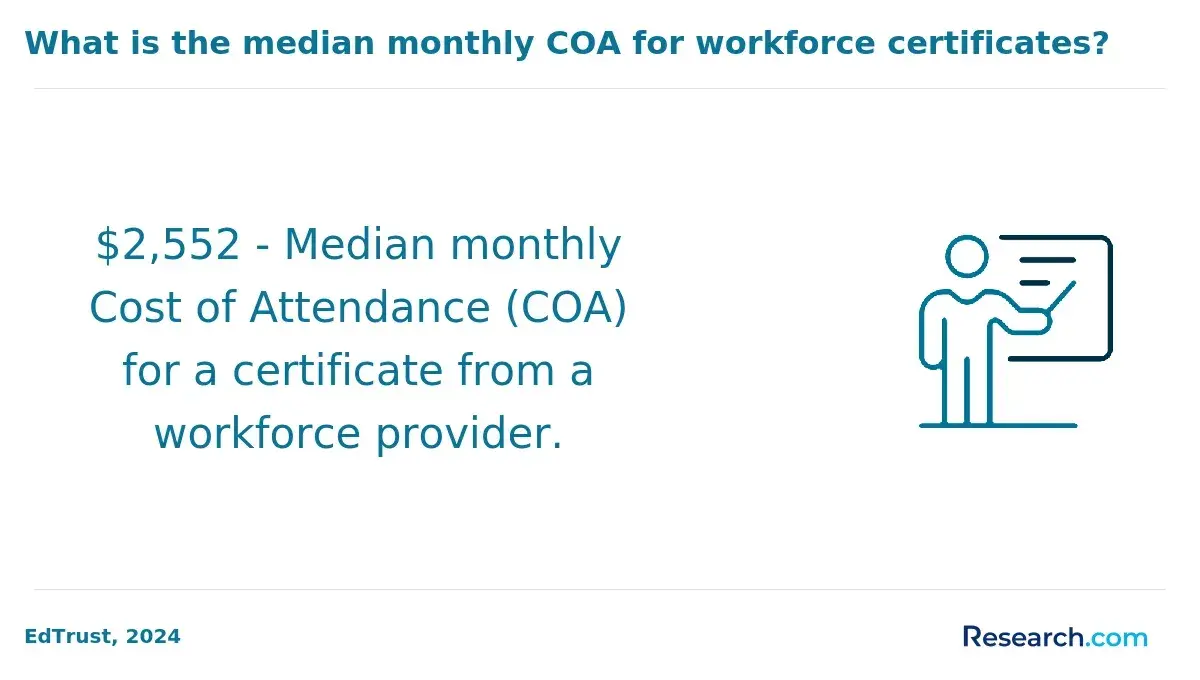
Tuition costs for self-paced online game art & design bachelor's degrees differ widely based on the institution and pricing format. Many programs charge per credit hour-typically between $300 and $600-meaning a full 120-credit degree totals approximately $36,000 to $72,000. Alternatively, some schools offer subscription-based pricing, where students pay a flat fee per term, often ranging from $1,000 to $3,000, allowing unlimited course access within that period. Bundled fees combine tuition with support services like tutoring and technical assistance, providing an all-inclusive price.
- Per-Credit Tuition: Common among traditional self-paced programs, it offers predictable per-class costs but can become expensive if progress is slow.
- Subscription Pricing: Fixed-term fees incentivize faster course completion since students can take more classes without added charges.
- Technology Fees: Additional yearly costs may cover online platform access, proctoring services, and licensed software essential for studies.
- Course Materials: Expenses for digital textbooks and specialized tools like 3D modeling software often add to the overall budget.
- Pacing Impacts Cost: While subscription models appear cheaper upfront, extended enrollment due to slower pacing can raise total expenses beyond per-credit pricing.
A professional who recently graduated from a self-paced online game art & design bachelor's program shared that managing the balance between workload and cost was challenging. She noted, "I appreciated the flexibility but realized pacing myself too slowly actually increased my total tuition because I stayed enrolled longer." She valued having control over her schedule yet found keeping consistent momentum essential to optimizing investment in both time and money. The availability of tech support and course materials streamlined her progress, though budgeting for software subscriptions required careful planning. Reflecting on her journey, she emphasized that understanding these financial nuances helped her make smarter enrollment choices and ultimately supported her successful career launch.
What Financial Aid Options Are Available for Self-Paced Online Game Art & Design Bachelor's Programs?
Self-paced and competency-based online game art & design bachelor's degree programs offer various financial aid options tailored to their unique structures. Federal aid, accessed via FAFSA, includes grants, loans, and work-study opportunities. Unlike traditional programs, some competency-based education (CBE) courses require students to meet credit-hour equivalencies for aid eligibility, which can influence the timing and amount of financial support received.
State-level financial assistance is often available to residents through grants and scholarships that extend to online learners. Prospective students should investigate their state education departments for scholarships aimed at distance education participants, as eligibility criteria commonly factor in residency and enrollment status.
Many institutions offering online game art & design degrees provide scholarships or tuition payment plans that accommodate self-paced learners. Since aid policies in these programs may differ from traditional semester-based offerings, direct consultation with college financial aid offices is essential to clarify deadlines and eligibility requirements.
Additionally, several professional associations dedicated to game art & design-such as the International Game Developers Association and Women in Animation-offer scholarships that not only ease financial burdens but also enhance career networking prospects.
Federal Student Aid data highlight a notable trend: Pell Grant awards to online undergraduate students have risen by 9% over the last three years, indicating expanding federal support for flexible learning formats.
- Federal Assistance: FAFSA provides grants, loans, and work-study, with CBE programs subject to credit-hour criteria affecting aid distribution.
- State Aid Programs: Many states offer grants and scholarships for online students, typically based on residency and enrollment requirements.
- Institutional Support: Colleges often have scholarships and payment options tailored for self-paced degree candidates, making financial aid office consultation critical.
- Professional Scholarships: Industry groups award scholarships specifically for game art & design students, fostering funding and professional connections.
- Growth in Online Aid: A 9% increase in Pell Grant recipients among online undergraduates shows growing federal investment in remote education.
How Do Competency-Based Education (CBE) Models Work in Self-Paced Online Game Art & Design Programs?
Competency-based education (CBE) models in self-paced online Game Art & Design programs focus on skill mastery rather than traditional seat time. Students demonstrate proficiency through comprehensive assessments such as portfolios, projects, and exams aligned with clear learning outcomes. This structure allows learners to advance upon proving competencies or spend additional time if necessary, providing valuable flexibility for working professionals and non-traditional students.
For federal financial aid eligibility, CBE programs convert demonstrated competencies into credit hours. There are two primary CBE formats: direct assessment programs, which strictly award credit based on mastery without relying on credit-hour equivalents, and credit-hour-equivalent CBE programs that translate competencies into traditional academic credits. This distinction influences both the student's pacing options and the administration of financial aid.
Leading examples in self-paced online Game Art & Design include Western Governors University (WGU) and Southern New Hampshire University (SNHU). WGU uses performance-based tasks evaluated by faculty with industry experience, combined with personalized mentor support. SNHU emphasizes project assessments tied to real-world skills, interactive faculty feedback, and has earned recognition from game studios and employers. Both providers stress that succeeding in CBE demands strong self-motivation and effective time management.
According to the Lumina Foundation, 36% of adult learners prefer competency-based formats to expedite degree completion in fields like digital arts. Prospective students should honestly assess their learning style, as those who thrive on self-direction and hands-on work tend to excel, while others might struggle without a structured schedule and peer interaction.
- Mastery Over Seat Time: Skill demonstration is prioritized over hours spent, enabling students to move forward by proving competencies through assessments such as portfolios and exams.
- Financial Aid Compliance: Competencies are mapped to credit hours to maintain eligibility for federal aid and ensure regulatory adherence.
- Program Structure Differences: Direct assessment and credit-hour-equivalent CBE formats impact pacing and how credit is awarded, affecting the student experience.
- Institutional Support: Schools like WGU and SNHU offer faculty mentorship and employer-recognized assessments to enhance career readiness.
- Self-Discipline Needed: Success requires strong time management and motivation; students must evaluate if this flexible learning model suits their style.
What Accreditation Should a Self-Paced Online Game Art & Design Bachelor's Program Hold?
Accreditation plays a vital role in evaluating self-paced online game art and design bachelor's accreditation standards, impacting how employers and graduate schools view a degree. Regional accreditation is widely regarded as more prestigious because it reviews an entire institution's quality and is managed by six regional agencies recognized by the U.S. Department of Education. These agencies are the Middle States Commission on Higher Education, New England Commission on Higher Education, Higher Learning Commission, Northwest Commission on Colleges and Universities, Southern Association of Colleges and Schools Commission on Colleges, and Western Association of Schools and Colleges.
In contrast, national accreditation usually applies to vocational, trade, or technical schools and is less favored, especially concerning credit transfer and acceptance by graduate programs. While some self-paced online game art and design bachelor's degrees may hold programmatic accreditation-indicating specialized quality within a discipline-this remains uncommon. Enrolling in nationally accredited or non-accredited programs carries risks such as limited credit transferability and reduced career mobility, as employers often prefer credentials from regionally accredited institutions.
Prospective students pursuing accredited online game art and design bachelor's degrees in the USA should carefully verify each program's accreditation status. Reliable sources include the U.S. Department of Education's accreditation database and the Council for Higher Education Accreditation (CHEA) directory. These platforms offer up-to-date details to confirm a program's legitimacy before enrollment. Access to financial aid, transfer credit policies, and competency-based education models also vary by accreditation and influence overall flexibility.
- Regional Accreditation: Recognized by the Department of Education and preferred in academia and employment, these accreditors ensure broad institutional quality.
- National Accreditation: Focuses on vocational training but often limits credit transfer and graduate school acceptance.
- Accrediting Bodies: Six regional commissions oversee comprehensive standards-Middle States, New England, Higher Learning, Northwest, Southern Association, and Western Association.
- Programmatic Accreditation: Rare in game art and design but signals specialized academic endorsement within the discipline.
- Risks of Non-Regional Accreditation: Credits may not transfer, hindering further study or career progress, while employers may view degrees as less credible.
- Verification Resources: Use the U.S. Department of Education and CHEA's databases to verify program accreditation before applying.
For working professionals exploring options, understanding these distinctions is crucial to selecting programs that offer the required flexibility and reputable credentials. Non-traditional students might also consider exploring related flexible degrees, such as the cheapest online master's in project management, which demonstrates how accreditation and program features affect affordability and career outcomes.
How Many Transfer Credits Can Be Applied Toward a Self-Paced Online Game Art & Design Bachelor's Degree?
Transfer credit policies for self-paced online game art & design bachelor's degree programs in the US vary considerably by institution. Most schools assess transfer credits by evaluating course equivalency, accreditation of the previous institution, and whether completed coursework matches degree requirements. These programs typically accept transfer credits only from regionally accredited colleges, ensuring academic standards align with program expectations. Understanding how many transfer credits can be applied toward a self-paced online game art & design bachelor's degree programs helps students plan their academic path and budget effectively.
Some programs offer notably generous transfer options, with certain institutions accepting up to 90 transfer credits. This approach enables students to advance more quickly or even complete much of their degree remotely without retaking prior work. Military training credits evaluated through the American Council on Education (ACE) recommendations are widely accepted, providing an important avenue for veterans and active service members to convert military experience into academic credit.
Community college articulation agreements further ease credit transfer for game art & design students by guaranteeing that specific courses satisfy core or elective requirements. Prospective students should request a formal transfer credit evaluation before enrollment to clarify their remaining credit load and potential costs. Evaluating transfer credits early supports better decision-making, especially for those seeking flexibility or exploring the quickest masters degree online options.
- Maximum Transfer Credits: Certain programs allow up to 90 transfer credits, significantly reducing time to graduation and tuition expenses.
- Military Credit Acceptance: Many schools grant credit for relevant military training based on ACE evaluations, aiding veterans' academic progress.
- Articulation Agreements: Partnerships with community colleges streamline transfer by guaranteeing credit recognition for designated courses.
- Credit Evaluation Process: Early transfer credit assessments help students understand applicable credits and remaining degree requirements.
- Accreditation Requirements: Transfer credits are generally accepted only from regionally accredited institutions to maintain degree integrity.
Can Students Earn Credit Through Prior Learning Assessment in Self-Paced Online Game Art & Design Programs?
Prior Learning Assessment (PLA) enables students in self-paced online Game Art & Design bachelor's programs to earn credit for knowledge gained outside traditional classrooms. This includes professional experience, military training, industry certifications, and self-study. Credit is often awarded through portfolio reviews, challenge exams, or nationally recognized standardized tests such as CLEP and DSST. These methods help reduce both time to completion and tuition expenses.
Programs with affordable tuition frequently feature flexible PLA policies, allowing students to earn 30 to 40 credits via this pathway. The American Council on Education (ACE) plays a vital role by providing credit recommendations, particularly benefiting military members and working professionals. Schools may differ in credit limits and require detailed documentation for submissions.
To optimize credit awards, students should compile thorough portfolios showcasing relevant artwork and projects, alongside official transcripts and certificates. Clear and well-organized evidence improves the evaluation process and enhances the likelihood of successful credit transfer. Nearly 45% of adult online learners now use PLA to accelerate their degree progression, reflecting its growing importance.
- Portfolio Reviews: Evaluation focuses on demonstrated competencies through submitted artwork or digital designs relevant to game art & design principles.
- Standardized Exams: Accepted tests like CLEP and DSST provide measurable credit by assessing mastery in related subjects.
- Military & Professional Credits: ACE converts training and certifications into academic credit, offering advantages for veterans and industry professionals.
- Credit Limits and Flexibility: Many affordable programs allow up to 40 PLA credits, significantly shortening degree timelines.
- Effective Documentation: Detailed portfolios, transcripts, and certificates improve PLA success and streamline administrative review.
What Concentrations or Specializations Are Available in Self-Paced Online Game Art & Design Bachelor's Programs?
Self-paced online game art & design bachelor's degree programs typically offer several specialized tracks that cater to distinct skills and career goals. Selecting a concentration affects both study length and career opportunities, as some require more demanding coursework, internships, or certification exams.
- 3D Modeling and Animation: This path centers on crafting realistic characters and environments using programs like Maya and Blender. Graduates pursue roles as 3D modelers and animators, with median salaries around $77,700. Portfolios and internships may be required to showcase hands-on expertise.
- Concept Art and Illustration: Focused on visual storytelling, this concentration sharpens drawing and painting abilities for character and environment design. Concept artists earn median wages near $67,000 without mandatory certifications, though a strong portfolio is crucial.
- Game Design and Development: Combining narrative design with coding skills, this track prepares students for roles such as game and level designers. Expected median income is approximately $83,400, but proficiency in programming can extend program length.
- Visual Effects (VFX): Emphasizing digital effects within games, students master tools like After Effects. VFX artists earn salaries comparable to multimedia artists. Certification exams can improve employability but are often optional.
- User Interface (UI) and User Experience (UX) Design: This specialty develops skills in player interaction and usability testing, targeting interface design roles with average salaries near $77,200. Internships boost job prospects, though licensure is generally not required.
Choosing a concentration aligned with interests and labor market demand helps tailor degree duration-intensive tracks may prolong study while others facilitate faster completion. Many self-paced programs accommodate transfer credits and prior learning, enabling flexibility to match career ambitions and schedules.
What Graduates Say About Self-Paced Online Game Art & Design Bachelor's Degree Programs
- Fisher: "Choosing a self-paced online game art & design bachelor's degree was essential for me because I needed flexibility while working full-time. The program's affordable tuition made it possible to invest in my future without accumulating heavy debt. After graduating, I quickly landed a role in a top studio where I could apply everything I learned at my own pace and style."
- Cairo: "The cost-effectiveness of the self-paced online game art & design program was a major deciding factor-I appreciated not having to pay for expensive campus facilities. Taking control of my learning schedule allowed me to balance family commitments and study efficiently. This degree opened doors to freelance opportunities that boosted my confidence as a professional artist in the gaming industry."
- Austin: "Enrolling in a self-paced online game art & design bachelor's degree was a strategic move to advance my career without pausing my job search. The program's structure enabled me to master crucial skills while managing expenses wisely. Ultimately, this education accelerated my career growth and helped me build a strong portfolio recognized by recruiters."
Other Things You Should Know About Game Art & Design Degrees
Self-paced online game art & design bachelor's programs commonly use learning management systems (LMS) such as Canvas, Blackboard, or Moodle to deliver course content. These platforms support video lectures, interactive assignments, and portfolio submissions, enabling students to work flexibly. Additionally, programs often incorporate industry-standard software like Adobe Creative Suite, Autodesk Maya, and Unity or Unreal Engine to teach relevant technical skills.
These programs offer flexible scheduling that allows students to progress through material at their own pace, accommodating varied work and life commitments. Support services typically include online tutoring, academic advising, and career counseling tailored to non-traditional learners. Some programs also provide options for credit transfer, prior learning assessments, and competency-based progress to shorten time to degree completion.
In 2027, self-paced online game art & design programs use industry-standard software like Autodesk Maya, Unity, Unreal Engine, and Adobe Creative Suite. These programs provide students with crucial tools needed for 3D modeling, game development, and digital artistry within the gaming industry.
References
- 10 Key Components of a Competency-Based Education Program https://www.openlms.net/blog/education/10-key-components-competency-based-education-program/
- Game Design & Development, Bachelor https://www.studyinpoland.pl/en/programme
- Eligibility https://www.fitnyc.edu/academics/academic-divisions/art-and-design/interactive-media-design/eligibility.php
- Game Art Bachelor's https://www.fullsail.edu/degrees/game-art-bachelor-degree-program
- Online Game Art and Development Degree https://www.snhu.edu/online-degrees/bachelors/ba-in-game-art-and-development
- A Comprehensive Guide to Competency-based Education https://www.edalex.com/guides/comprehensive-guide-to-competency-based-education/
- Prior Learning Assessment | Academy of Interactive Entertainment (AIE) https://aie.edu/student-information/prior-learning-assessment/
- Guide To Self-Paced Online Colleges And Courses https://www.affordablecollegesonline.org/college-resource-center/self-paced-online-college/
- Game Design Degree | Bachelor of Game Development https://www.cgspectrum.com/courses/game-design-program
- The Complete Guide to Competency-Based Education https://www.d2l.com/blog/the-complete-guide-to-competency-based-education/