2027 Hybrid vs Fully Online Game Art & Design Bachelor's Degree Programs

Co-Founder and Chief Data Scientist
Imagine a working parent living in a mid-sized city who dreams of advancing their career by earning a bachelor's degree in game art & design. They must decide whether to log in from home during late hours or carve out weekends for campus visits, balancing family duties with the need for hands-on creative experiences. This scenario reflects a common tension: the flexibility of fully online programs versus the immersive, in-person learning that hybrid formats offer. With 68% of online game design graduates finding relevant employment within six months, understanding these trade-offs is vital. This article explores how hybrid and fully online game art & design bachelor's programs differ and guides readers in choosing the best fit for their goals and lifestyles.
Key Benefits of Hybrid vs Fully Online Game Art & Design Bachelor's Degree Programs
- Hybrid programs offer scheduled in-person sessions that enhance hands-on skill development and peer collaboration, unlike fully online formats that rely solely on virtual interaction.
- Fully online degrees provide maximum learning flexibility, allowing students to access coursework anytime, ideal for those balancing irregular work hours or family commitments.
- Hybrid formats support stronger networking through face-to-face opportunities, while fully online programs better accommodate students needing to prioritize professional responsibilities alongside education.
What Is a Hybrid vs Fully Online Game Art & Design Bachelor's Degree?
Hybrid and fully online program formats differ notably in their delivery methods, the extent of personal interaction, and learning structures. Recent data from EduFacts shows that 43% of U.S. undergraduates have enrolled in at least one hybrid or online course, highlighting the increasing demand for flexible educational options. The following comparison illustrates the unique features of hybrid game art & design bachelor's degree programs versus fully online game art & design bachelor's degree options.
Hybrid Programs
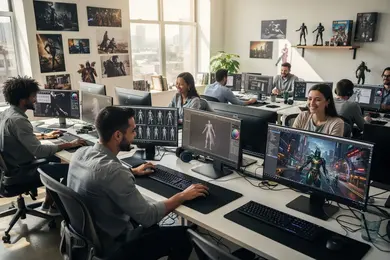
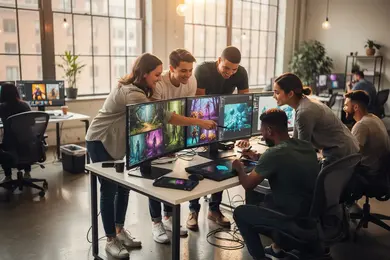
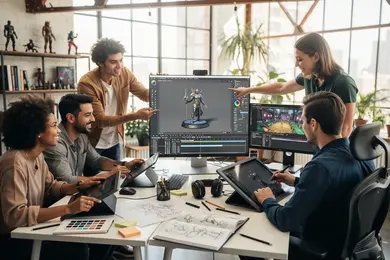
- Course delivery combines in-person studio or lab sessions with online coursework, allowing hands-on experience with specialized equipment.
- Scheduling requires students to balance on-campus commitments alongside online class work, offering a mix of fixed and flexible timing.
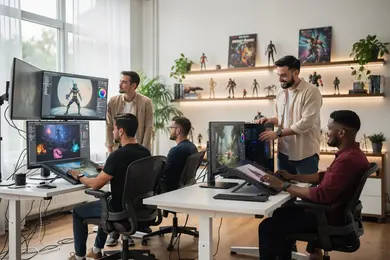
- Interaction includes face-to-face engagement with peers and instructors, which supports collaborative projects and direct mentorship.
- The learning experience benefits from tactile activities involving physical art supplies and technology, fostering practical skill development.
Fully Online Programs
- All instruction occurs through virtual classrooms, enabling students to study from any location without attending campus sessions.
- Students often have greater control over when to engage with materials, allowing for more self-paced scheduling.
- Interaction relies on digital tools like video conferencing, discussion boards, and online critiques to facilitate communication.
- Success in this format depends on strong self-discipline and access to reliable technology for independent study.
- Many students explore quick online degrees that pay well within these programs to expedite career entry.
How Does a Hybrid vs Fully Online Game Art & Design Bachelor's Degree Program Work?
Both hybrid and fully online game art & design bachelor's degree programs follow structured academic pathways designed to cover essential skills and knowledge in this creative field. However, they differ in how coursework is delivered and how students interact with instructors and peers throughout their studies. According to the National Center for Education Statistics, enrollment in online postsecondary courses increased by over 75% between 2012 and 2019, reflecting a significant shift toward digital and blended learning. The following comparison illustrates how hybrid game art & design bachelor's degree programs operate versus fully online program structures and delivery.
Hybrid Programs
- Scheduled on-campus classes provide hands-on projects, labs, or critiques to complement online learning.
- Online lectures and assignments are accessed through learning management systems to support flexible study.
- Class participation is split between face-to-face engagement and virtual formats for a balanced experience.
- Fixed weekly schedules organize in-person sessions alongside more flexible online coursework.
- Communication occurs through email, video conferencing, and in-class discussions to maintain contact with instructors and peers.
Fully Online Programs
- All coursework, including lectures, assignments, and portfolio reviews, takes place entirely online.
- Asynchronous learning modules let students complete work on their own schedules to accommodate diverse needs.
- Optional or scheduled synchronous sessions provide opportunities for group critiques and direct instructor feedback.
- Communication is mainly facilitated via discussion boards, email, video calls, and chat tools.
- Structured semesters or quarters with defined deadlines guide students' academic progress from start to finish.
Students exploring these formats often consider flexibility and interaction preferences while researching the cheapest online graduate programs. Incorporating an understanding of how hybrid game art & design bachelor's degree programs operate alongside fully online game art & design bachelor's degree program structure and delivery can help prospective learners make informed decisions suitable for their schedules and learning styles.
Are Admission Requirements Different for Hybrid and Fully Online Game Art & Design Bachelor's Degrees?
Admission requirements for hybrid and fully online game art & design bachelor's programs generally align but can vary based on each school's policies and the program format. Both typically expect standard academic qualifications, yet differences emerge in technical needs and application details. The following points explore these distinctions.
- Academic Qualifications: Both hybrid and fully online programs require applicants to hold a high school diploma or its equivalent. However, hybrid programs sometimes place additional emphasis on local residency or proximity to campus, especially if in-person participation is needed.
- Technical Requirements: Fully online programs usually mandate reliable internet access and hardware capable of running professional design software. Hybrid programs may have more lenient technical standards since some resources and software access occur on campus.
- Application Materials: While transcripts and recommendation letters are standard across both formats, hybrid programs might ask for on-campus availability documentation, such as proof of commuting ability. Fully online options often waive these location-specific materials.
- Program-Specific Prerequisites: Hybrid applicants may be required to submit physical portfolios or attend in-person auditions to demonstrate artistic skill. Conversely, fully online applicants typically submit digital portfolios, easing remote evaluation.
- Orientation and Placement: Some hybrid programs require campus visits for placement tests or orientations before coursework begins. Fully online programs handle these steps virtually, offering more flexibility in timing and logistics.
When I spoke with a student enrolled in a fully online game art & design bachelor's program, she described feeling both relieved and challenged by the admission process. She appreciated submitting a digital portfolio from home, which saved time and stress compared to traveling for an audit. However, ensuring her computer met the technical criteria was demanding, requiring upgrades and testing software compatibility. She remarked, "It felt like a mini project even before school started, but it made me confident that I'd be ready to handle course work seamlessly." Her experience underscores the balance fully online programs strike between accessibility and technical preparedness.
Is the Learning Experience Better in Hybrid vs Online Game Art & Design Bachelor's Degrees?
Hybrid game art & design bachelor's programs typically offer a balanced educational experience by blending face-to-face and online learning. This setup fosters meaningful interaction with instructors and classmates, enhancing collaboration and practical skill development. Students often have better access to campus facilities such as labs and studios, enabling hands-on experimentation with specialized equipment. Regular in-person sessions can improve focus and provide immediate feedback, which supports deeper engagement. However, attending these sessions may require careful time management to fit around other commitments.
Fully online game art & design degrees provide significant flexibility, allowing learners to study from any location and often at their preferred pace. Interaction is usually limited to digital tools like video chats, forums, and group projects, which still encourage peer connection but may lack the immediacy of in-person communication. While students benefit from extensive access to virtual resources such as software and tutorials, they might miss out on physical workspaces and equipment critical for some practical aspects. Success in this format depends heavily on self-discipline and motivation, as the remote environment can feel isolating without regular face-to-face contact. Overall, online programs suit those needing adaptable schedules but may challenge those seeking immersive, hands-on learning environments.
Which Is More Flexible: Hybrid or Fully Online Game Art & Design Bachelor's Degree?
Hybrid game art and design bachelor's programs combine online learning with required campus visits for activities like studio sessions, critiques, or hands-on labs. This structure provides some scheduling flexibility but mandates physical presence at specific times, which can restrict spontaneity. These programs aim to balance the benefits of face-to-face collaboration with the convenience of digital coursework. While they support more direct skill development through in-person workshops, the hybrid format demands a commitment to fixed schedules. Choosing hybrid programs suits those seeking a mix of autonomy and structured interaction within flexible online game art and design bachelor's programs.
Fully online programs offer all coursework remotely, frequently with asynchronous options that allow students to engage with lectures and assignments at their own pace. This flexibility enables learners to fit studies around personal and professional obligations, providing greater control over when and where they study. According to a recent survey, 72% of online students cited managing their own study schedules as the most appealing aspect of online learning. For those who prioritize convenience and remote access, fully online programs generally provide enhanced adaptability. More details about flexible online edd programs are available at online edd.
What Is the Workload for Hybrid vs Fully Online Game Art & Design Bachelor's Degrees?
While both hybrid and fully online game art & design bachelor's programs maintain comparable academic expectations, the workload pacing and structure differ notably based on how courses are delivered and managed. A 2023 Online Learning Consortium study reports that students in online or hybrid formats typically dedicate 15 to 20 hours weekly to coursework, depending on program intensity and style. These factors play a crucial role in how students organize their schedules and handle responsibilities.
In hybrid game art & design degrees, students split their time between face-to-face sessions and virtual learning. The in-person component generally involves practical projects, collaborative workshops, and studio work that require physical attendance, setting defined blocks of time in a student's week. Meanwhile, the online portion usually consists of lectures, assignments, and reading materials designed to complement hands-on activities. This combination necessitates strong time management skills to balance scheduled classes alongside independent study and project deadlines.
Fully online game art & design programs emphasize asynchronous instruction, giving students the freedom to access course materials and complete tasks on their own timetable. This format demands considerable self-motivation as learners engage with digital lectures, submit creative projects, and conduct independent research without fixed meeting times. The flexibility benefits those who need adaptable schedules but also requires disciplined planning to maintain consistent progress and avoid falling behind.
How Does Tuition Compare for Hybrid vs Online Game Art & Design Bachelor's Degrees?
Tuition for hybrid and fully online game art & design bachelor's degree programs varies considerably based on delivery format, credit requirements, institutional policies, and associated fees. Generally, online programs tend to offer lower tuition costs, with studies showing students in fully online courses can save around 10-15% compared to their hybrid counterparts. These differences reflect the unique expenses and structures tied to each learning mode.
- Per-Credit Costs: Hybrid programs usually charge higher per-credit tuition due to the combined expenses of in-person and online instruction. These added costs cover physical facilities and resources that fully online programs, which rely solely on digital platforms, typically avoid.
- Technology and Campus Fees: Students in hybrid formats often pay mandatory campus-related fees for access to labs, studios, and specialized equipment. Conversely, fully online learners primarily incur technology fees designed to support virtual learning environments.
- Residency and Facility Charges: Hybrid students may face additional expenses linked to state residency requirements or facility usage, costs that less frequently apply to fully online students, especially those living out of state.
- Additional Instructional Expenses: Hands-on workshops and in-person studio sessions usually come with extra fees in hybrid programs. Online programs integrate these experiences virtually, often without separate charges.
- Payment Plans and Flexibility: Fully online programs often provide more flexible payment options with lower upfront costs, accommodating remote learners' varied schedules and financial situations.
A graduate of a hybrid game art & design bachelor's degree shared that navigating the varied fee structure was a significant challenge. He explained, "Balancing the higher tuition per credit with unexpected campus fees felt like constantly recalculating my budget." He recalled the stress of managing costs for mandatory studio sessions, which were crucial for skill development but added financial pressure. Despite this, he valued the direct access to facilities but noted the "flexibility in paying tuition was less than what some peers in fully online programs experienced." His reflections underscore how tuition differences can influence both the financial and emotional aspects of pursuing a hybrid degree.
Do Employers Prefer Hybrid or Fully Online Game Art & Design Bachelor's Degrees?
Employer perceptions of hybrid and fully online game art & design bachelor's degrees have evolved significantly as online education gained credibility. A 2023 National Association of Colleges and Employers (NACE) report found that nearly 80% of employers now view online degrees from accredited institutions as equal in quality to traditional degrees. This shift sets the stage for understanding how employers compare hybrid versus fully online formats specifically in game art & design.
- Hands-On Experience: Hybrid degrees are often preferred because they blend online learning with in-person labs or studio time, offering direct access to physical resources and collaborative projects. This is especially valued in game art & design, where practical skills are essential.
- Skill Focus: Fully online programs attract employers focused on technical proficiency and strong portfolios. These graduates may demonstrate self-motivation and digital communication skills, which are increasingly important in remote or flexible roles in the gaming industry.
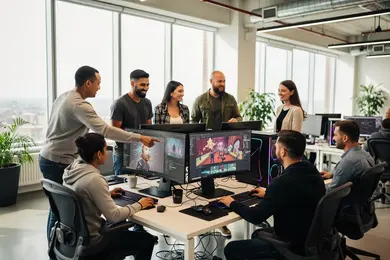
- Collaboration Opportunities: Hybrid formats provide face-to-face interactions, fostering teamwork and networking opportunities employers consider critical in game art & design careers, whereas online formats rely more on virtual collaboration tools.
- Employer Acceptance: While hybrid degrees might have a slight edge, many employers treat hybrid and fully online game art & design degrees comparably, emphasizing graduates' demonstrated abilities over format.
- Market Trends: The value of a fully online game art & design bachelor's degree in the job market continues to rise as hiring managers increasingly prioritize portfolios and work experience over how the degree was earned.
Students evaluating these formats can also explore online master degree programs in counseling as an example of how online degrees are expanding across fields, reflecting broader employer acceptance trends.
Who Should Choose a Hybrid vs Fully Online Game Art & Design Bachelor's Degree?
Choosing between hybrid and fully online game art & design bachelor's degree programs depends largely on individual learning preferences, schedule flexibility, and lifestyle demands. Each format offers distinct benefits tailored to different types of students. Understanding these nuances can help students decide which format aligns best with their personal and professional lives.
- Structured Learners: Students who benefit from a consistent routine and value scheduled, in-person classes with direct instructor access often thrive in the best hybrid game art and design bachelor's degree programs. The mix of face-to-face interaction and online work helps maintain motivation and accountability.
- Flexible Schedules: Fully online game art and design degree advantages include the ability to study anytime and anywhere. This suits working professionals balancing jobs and family responsibilities who need maximum flexibility.
- Local Students: Those living near campus may find hybrid programs convenient, balancing classroom engagement with online flexibility, while also enjoying in-person collaboration on creative projects and peer critiques.
- Self-Disciplined Learners: Individuals who excel at managing their own time and prefer independent study benefit from fully online formats, where digital resources and virtual communication replace traditional classroom settings.
- Distant Learners: Students far from campus without commuting options greatly benefit from fully online programs, making education accessible without geographic constraints or travel demands.
For prospective students also interested in other fields, programs like a math degree online offer similarly flexible options. Deciding on the right format ultimately depends on how much structure, social interaction, and hands-on learning students require versus their need for scheduling freedom and geographic flexibility.
How Can I Succeed in a Hybrid vs Fully Online Game Art & Design Bachelor's Degree Program?
Success in hybrid and fully online Game Art & Design bachelor's programs requires adapting strategies based on their different formats and modes of interaction. Hybrid students juggle both in-person and online commitments, while fully online learners must navigate a purely virtual environment. The following practical approaches support achievement in each setting.
- Time Management: Hybrid students benefit from planning around fixed on-campus sessions alongside online deadlines to maintain balance. Fully online learners should establish consistent daily study routines to manage greater schedule flexibility and prevent procrastination.
- Active Engagement: Participating in face-to-face classes and virtual discussions is key for hybrid students to stay connected. Fully online students should maximize use of webcams, forums, and virtual office hours to foster interaction and receive feedback.
- Digital Skills: Both formats require solid tech proficiency, but fully online learners especially need to be self-reliant in mastering art software and learning platforms, while hybrid students can supplement in-person tech support.
- Goal Setting: Clear, project-specific objectives help all students focus efforts and track progress effectively throughout their coursework.
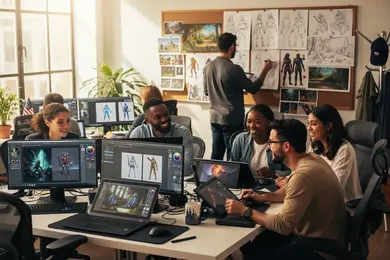
- Peer Collaboration: Engaging with classmates enhances creativity and learning; hybrid students can collaborate both online and on-campus, whereas fully online students rely on digital communication tools.
- Instructor Access: Regularly consulting instructors to clarify challenges improves understanding; hybrid students may have more immediate in-person access, while online students leverage virtual meetings.
- Workspace Setup: Creating quiet, dedicated study areas supports concentration for all, with hybrid learners potentially maintaining separate spaces for home and campus environments.
What Graduates Say About Hybrid vs Fully Online Game Art & Design Bachelor's Degree Programs
- Fisher: "Choosing a fully online game art & design bachelor's program was essential for me due to my work schedule and family commitments. I appreciated the flexibility it offered without sacrificing the quality of instruction or interaction with peers and professors. This program allowed me to build a diverse portfolio that opened doors to remote job opportunities in the gaming industry."
- Cairo: "My hybrid game art & design degree experience struck a perfect balance between self-paced learning and in-person workshops, which enriched my educational journey. Navigating the technical challenges of some online tools was tough at first, but support from faculty helped me adapt quickly. Professionally, I feel more confident collaborating on multi-disciplinary teams, which is a direct result of the diverse learning environments I experienced."
- Austin: "Enrolling in an online game art & design bachelor's program was a strategic choice for me to access specialized courses not available locally. The asynchronous lectures allowed me to absorb content thoroughly while managing internships and freelance projects. Since graduating, the online degree has proven invaluable, helping me secure a creative director role where digital collaboration skills are a necessity."
Other Things You Should Know About Game Art & Design Degrees
Yes, both hybrid and fully online game art & design programs can accommodate students who work full-time, but they do so differently. Fully online programs often offer greater flexibility with asynchronous coursework, allowing students to complete assignments on their own schedule. Hybrid programs may require periodic in-person sessions, which could be challenging for students with rigid work hours.
Networking opportunities in hybrid programs often benefit from face-to-face interactions during on-campus sessions, which can foster stronger connections with peers and faculty. Fully online programs may offer virtual networking through forums, group projects, and online events, but these interactions can be less immediate and personal. However, many fully online programs invest heavily in virtual networking platforms to mitigate these differences.
Hybrid game art & design programs often facilitate hands-on access to facilities, specialized equipment, and software required for the curriculum. Fully online programs aim to provide similar resources remotely but may depend on the student's personal setup, potentially affecting the comprehensive experience compared to hybrid models.
Student support services such as advising, tutoring, and career counseling are available in both formats but delivered differently. Hybrid students can access in-person support on campus, while fully online students rely on virtual services via email, chat, or video calls. Quality and availability of these services can vary by institution but many schools strive to provide comprehensive support regardless of delivery mode.
References
- Game Design https://www.auarts.ca/learn-with-us/program-areas/game-design
- Bachelor of Science inGame Design and Development Online or On Campus https://www.albany.edu/cehc/programs/bs-game-design-and-development
- 2025 Most Affordable Online Graphic Design Degrees https://www.onlineu.com/most-affordable-colleges/graphic-design-degrees
- Online Game Design Degree | Programs & Career Options https://www.learnhowtobecome.org/best-online-bachelors-in-game-design-degree-programs/
- Which Game Degree is Right for You? - The Hub https://hub.fullsail.edu/articles/which-game-degree-is-right-for-you
- Bachelor of Game Design https://www.sheridancollege.ca/programs/bachelor-of-game-design
- Do I really need another bachelor's degree specifically in game art to get hired in a big studio? https://discussions.unity.com/t/do-i-really-need-another-bachelors-degree-specifically-in-game-art-to-get-hired-in-a-big-studio/689807
- The difference between studying Game Art and Game Development: Art https://www.falmouth.ac.uk/news/difference-between-studying-game-art-and-game-development-art
- Online Game Design Degrees https://mycollegeguide.org/online-game-design-degrees/
- Game Design | Vancouver Film School https://vfs.edu/programs/game-design