2027 Return on Investment of an Online Biology and Biological Sciences Bachelor's Degree: Salary vs Cost

Co-Founder and Chief Data Scientist
Many working professionals wonder if pursuing an online biology and biological sciences bachelor's degree is a wise investment given the rising cost of higher education. With average undergraduate tuition nationwide exceeding $10,000 per year, determining whether the salary gains justify this expense poses a real challenge.
Recent data shows that graduates with a bachelor's in biology earn a median annual wage approximately 20% higher than those with a general bachelor's degree. This article analyzes these salary differentials against the total program costs, providing readers a clear picture of the true return on investment of such degrees and guiding informed career decisions.
Key Things to Know About the Return on Investment of an Online Biology and Biological Sciences Bachelor's Degree
- Average tuition for online biology and biological sciences bachelor's degrees ranges from $15,000 to $30,000, significantly lower than traditional on-campus options, improving affordability for budget-conscious students.
- Graduates report median annual salaries around $60,000 within five years, with data from BLS confirming growth in biology-related fields outpaces many other sectors.
- Non-financial returns include enhanced job security, greater opportunities for promotion, and access to professional networks vital for sustained career development in STEM industries.
What Is the True Cost of Earning an Online Biology and Biological Sciences Bachelor's Degree From Enrollment to Graduation?
Direct and indirect expenses accumulate when pursuing an online biology and biological sciences bachelor's degree, requiring students to consider more than just tuition. Tuition rates from IPEDS and university net price calculators show public institutions generally charge between $300 and $600 per credit hour, while private schools may exceed $800.
For a full 120-credit program, this leads to a sticker price of roughly $15,000 to $40,000. Many students benefit from financial aid, which can reduce these costs by 30% to 60%, lowering net expenses to about $10,000 to $25,000.
- Technology and Fees: Mandatory technology, lab, and proctoring fees typically range from $500 to $1,500 for the duration of the program. These fees support components like remote exam proctoring, access to digital laboratory environments, and online platform functionality.
- Textbooks and Materials: Textbooks and digital course materials can total between $1,000 and $2,000, depending on curriculum requirements. Using open educational resources or rentals may help reduce these costs for some students pursuing an online biology bachelor's degree.
- Indirect Costs: Expenses beyond direct tuition and fees include reliable internet service, necessary computer equipment, and the opportunity cost of time-especially significant for working professionals balancing employment and study. Additionally, some courses require specialized software that adds to semester costs.
Factoring in these direct and indirect costs, students should budget between $12,000 and $30,000 to complete an accredited online biology and biological sciences bachelor's degree. This range serves as a realistic baseline to evaluate the average tuition cost for online biology bachelor's degree programs and helps calculate the total expenses of earning a biological sciences degree online.
As cost considerations are crucial, individuals might also explore other affordable options such as a medical billing and coding course to weigh alternative career pathways.
How Does the Starting Salary for Biology and Biological Sciences Bachelor's Degree Graduates Compare to the Total Cost of the Degree?
The median starting salary for graduates with a bachelor's degree in biology and biological sciences typically ranges from $45,000 to $55,000 annually, based on data from the Bureau of Labor Statistics (BLS) Occupational Outlook Handbook. Common entry-level roles such as biological technicians, environmental scientists, and healthcare lab technicians fall within this salary band.
When comparing this range against the total cost of an online biology and biological sciences degree, which generally varies between $20,000 and $45,000 depending on tuition and available financial aid, students gain perspective on potential return on investment.
In the best-case scenario, where tuition is low and students benefit from substantial financial aid, the total program cost might be closer to $20,000. At a $50,000 starting salary, this means it would take about five months of gross income to recover educational expenses.
Conversely, with higher tuition and limited aid pushing total costs toward $45,000, the payback period could extend to nearly 11 months of starting salary earnings. This cost-versus-salary return for biology and biological sciences degree holders is an essential consideration for prospective students.
It is critical to recognize that starting salary represents only the initial stage of earning potential. As graduates gain experience and pursue advanced qualifications, median salaries for biological scientists grow substantially within five to ten years, improving long-term financial outcomes.
Additionally, career advancement opportunities in fields such as research, environmental science, and healthcare add non-financial benefits like job security and professional development. Those shopping for affordable programs should also consider cheap nursing programs as a comparative resource.
What Is the Average Return on Investment (ROI) for an Online Biology and Biological Sciences Bachelor's Degree Over a 10-Year Career?
Return on investment (ROI) in higher education compares the financial benefits of earning a degree against its total cost. For an online biology and biological sciences bachelor's degree, ROI is determined by subtracting the full expense of the degree from the extra income a graduate makes over 10 years compared with someone holding only a high school diploma or associate degree in a related field.
According to data from the Georgetown University Center on Education and the Workforce and PayScale's College ROI Report, biology degree holders earn substantially more over a decade, making the initial investment worthwhile.
Considering U.S. Bureau of Labor Statistics (BLS) median wages, biology graduates start with an average salary near $50,000 annually. With an estimated 3% yearly increase, total earnings across 10 years approach $580,000.
By contrast, high school graduates working in similar roles might start at about $35,000 per year, accumulating roughly $405,000 over the same period. Deducting an estimated $40,000 in degree costs leaves a net gain of around $135,000 after 10 years, indicating a positive ROI for the degree.
A professional who enrolled in an online biology and biological sciences bachelor's program shared that the decision involved careful budgeting and weighing uncertainties. He recalled, "Balancing work, family, and study was tough, but knowing the potential earnings boost helped me stay focused."
He described feeling anxious about tuition payments upfront but was reassured as incremental raises and promotions came. His experience emphasized that while the financial ROI matters, the confidence gained through career development and stability added important value beyond the numbers alone.
When evaluating online biology and biological sciences degree tuition comparison across various institutions, key cost and outcome differences emerge. Public universities frequently offer lower tuition rates, particularly for in-state students, and many provide flat-rate online tuition options that apply uniformly regardless of residency. These programs often have stronger graduation rates and solid academic reputations.
- Private Nonprofit Institutions: These schools usually charge more than public universities but compensate with more extensive resources, smaller class sizes, and robust alumni networks, which can improve career advancement and salary prospects.
- For-Profit Colleges: Though their advertised tuition may be the lowest, these programs commonly face criticism for lower graduation rates, limited credit transfer options, and possible employer doubts about program quality. Such factors often diminish long-term return on investment despite the attractive upfront costs.
Students must weigh whether lower tuition at for-profit colleges justifies potential challenges in employment and salary progression. Public and private nonprofit programs tend to require a higher initial expense but usually yield better career outcomes and financial returns over time.
This reflects how cost differences in public private and for-profit biology programs extend beyond tuition to include important non-financial returns like job security and professional development.
Informed decisions also depend on considering graduation rates and employer perceptions to understand the full value of an online biology and biological sciences degree. For those seeking accelerated health care credentials alongside a budget-conscious approach, exploring a 10 month LPN program offers an additional pathway worth reviewing.
Salary growth for biology and biological sciences bachelor's degree holders typically starts modestly in the first five years, with entry-level roles such as research assistants or lab technicians earning in the low to mid $40,000 range. During this period, professionals gain foundational skills and experience that support gradual wage increases.
- Early-Career Growth: Initial salary increases are steady as graduates build expertise in roles often focused on supporting research and laboratory operations.
- Mid-Career Acceleration: Around 5 to 10 years of experience, salaries rise more rapidly as individuals acquire specialized skills and leadership responsibilities, with median pay ranging from $65,000 to $80,000 according to surveys like PayScale and the American Community Survey.
- Advanced Career Milestones: After 15 years, professionals often progress into managerial or specialist roles, such as lab managers or regulatory affairs experts, where compensation can surpass $85,000 and sometimes exceed $100,000 annually.
- Cumulative Lifetime Earnings Premium: Over a 20- to 30-year career, degree holders may achieve a lifetime earnings advantage between $500,000 and $1,000,000 compared to comparable non-degree peers, reflecting not only higher salaries but also enhanced job security and advancement opportunities.
A professional who launched her career after completing an online biology and biological sciences bachelor's degree described her journey as "challenging but rewarding." She recounted balancing work and studies while navigating a competitive job market. "At first, salaries were modest, but as I gained experience and took on more responsibility, I saw clear growth that motivated me to keep advancing," she explained.
Her reflections highlighted that the degree opened doors beyond initial roles and provided the confidence to pursue leadership positions. She emphasized how ongoing professional development complemented the degree, fostering both career progression and personal satisfaction.
When evaluating the return on investment between online biology and biological sciences bachelor's degrees, associate degrees, and professional certificates, several factors are vital: tuition costs, median earnings, career growth prospects, and time required to complete each credential.
- Cost: Bachelor's programs usually span four years and cost between $20,000 and $50,000 in total tuition, depending on the school. Associate degrees generally take two years and range from $6,000 to $15,000. Certificates are the quickest to complete, often under a year, and typically cost less than $5,000.
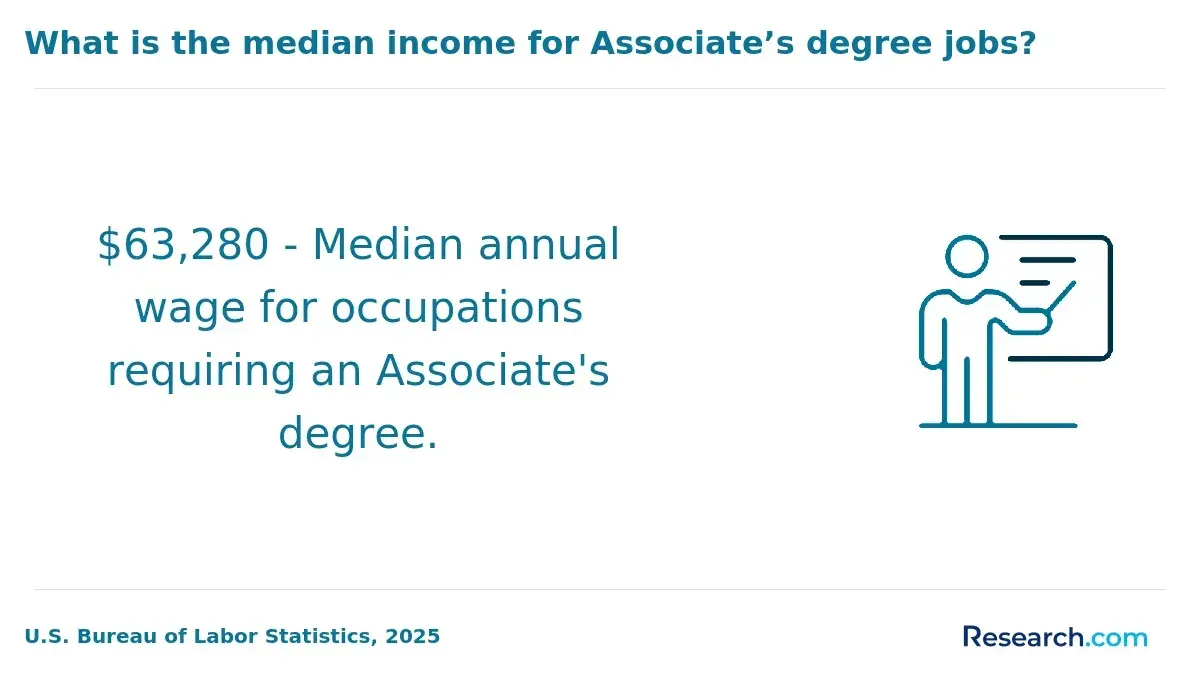
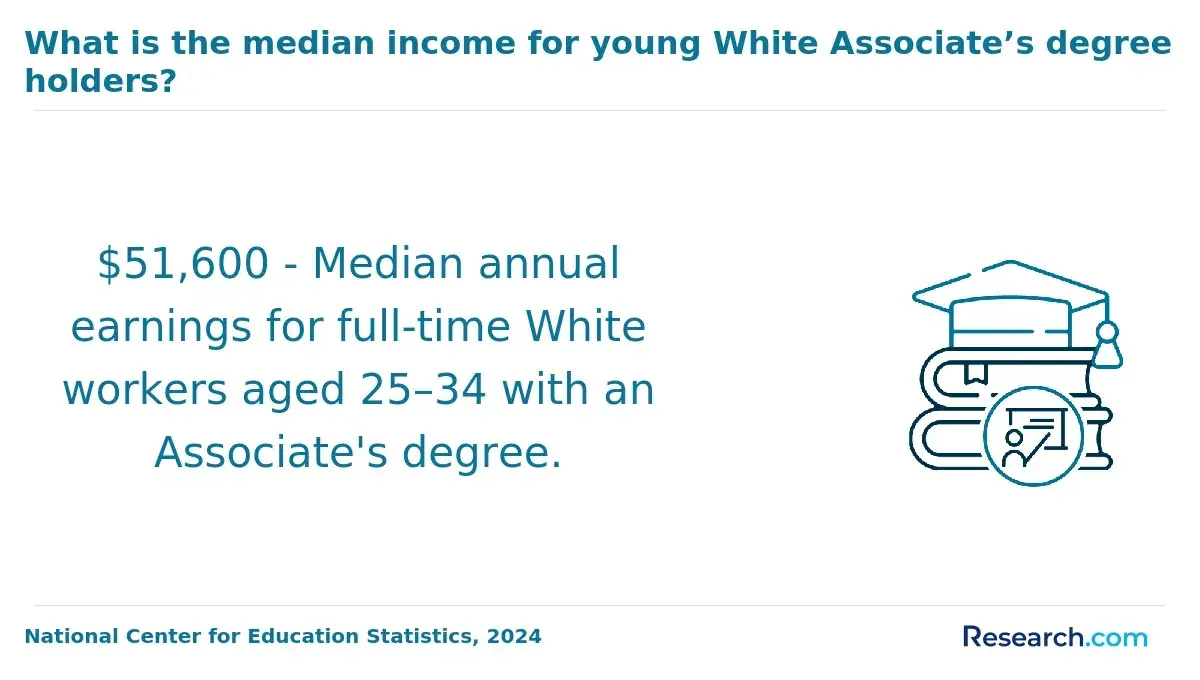
- Median Salary: Data from the Bureau of Labor Statistics shows bachelor's degree holders in biology-related fields earn median annual wages about 20% to 30% higher than those with associate degrees. Salaries for bachelor's graduates are commonly between $60,000 and $70,000, while associate degree earners average roughly $45,000. Certificate holders often start near $35,000 to $40,000.
- Short-Term Investment: Certificates and associate degrees are appealing for those needing rapid entry into the workforce or with limited upfront funds. They enable earlier income generation and lower educational debt, suiting learners focused on immediate financial stability.
- Long-Term Returns: Bachelor's degrees tend to yield greater financial benefits over time by unlocking specialized roles, managerial opportunities, and improved job security. They also facilitate eligibility for graduate studies that can further increase earnings.
- Career Advancement: Many employers champion bachelor's credentials when considering promotions. The broader and deeper knowledge gained surpasses what associate degrees or certificates typically offer, enhancing professional growth and development.
- Decision Framework: Choose shorter credential options if quick employment and minimal debt are priorities. Opt for a bachelor's degree when aiming for higher salary potential and career flexibility, despite the longer study duration and greater initial costs.
- Non-Financial Benefits: Beyond income, a bachelor's degree provides valuable networks, exposure to cutting-edge research and technology, and leadership pathways, critical for long-term career sustainability and fulfillment.
Specializing within online biology and biological sciences bachelor's programs can meaningfully affect earning potential and time-to-return on investment. According to Bureau of Labor Statistics occupational data, some concentrations offer higher median salaries and clearer career pathways than generalist biology graduates.
- Biomedical Science: This track typically leads to healthcare research, pharmaceutical development, and medical technology positions. Median salaries range from $70,000 to $90,000 annually, reflecting strong demand. Additional certification or graduate education is often necessary, which increases upfront investment but enhances long-term earnings and job security.
- Environmental Biology: Careers in conservation, environmental consulting, or regulatory agencies pay from $50,000 to $65,000. While salary is modest compared to biomedical science, fewer certification barriers and state licensure requirements often keep costs lower.
- Biotechnology: Graduates usually enter genetic engineering, agricultural sciences, or industrial biology roles earning between $60,000 and $80,000. Certification is optional but can improve salary and career advancement. The field balances solid pay with flexible credential demands.
- Marine Biology: Median salaries hover near $50,000, with niche opportunities in research and conservation. Specialized certifications may be required for federal or state employment, raising total educational costs.
- Microbiology: Employment in healthcare labs, food safety, and pharmaceuticals offers median salaries of $55,000 to $75,000. Medical technologist licensure and other credentials can increase earning potential but add training time and expenses.
Graduates specializing in biomedical science and biotechnology tend to earn distinctly higher salaries than general biology majors in comparable roles, though these paths require weighing the cost and time of certifications and advanced study.
Evaluating both financial investment and professional development opportunities ensures students select a concentration that aligns with their career goals and maximizes return on investment for their online biology degree.
Employer tuition reimbursement programs can drastically lower the out-of-pocket cost for earning an online biology and biological sciences bachelor's degree. Under IRS Section 127, employees may receive up to $5,250 annually in tax-free tuition assistance, which helps reduce education expenses without increasing taxable income.
The Society for Human Resource Management (SHRM) reports that about 54% of U.S. employers offer tuition assistance benefits, often through reimbursement after course completion, making this a widely accessible option for working students. Incorporating these programs into your funding strategy can be a game-changer for affordability.
Federal and institutional financial aid further reduce net costs. Grants like the Pell Grant provide financial support based on need without repayment obligations, while subsidized federal loans ease interest accumulations during enrollment.
Many colleges also grant scholarships targeted specifically at biology and biological sciences students-sometimes covering nearly half of tuition costs. Together with employer programs, these aid sources can bring tuition down to a fraction of the full price.
Combining employer tuition reimbursement with federal aid and scholarships allows students to reduce their net tuition dramatically. For instance, a student facing $15,000 annually in tuition might apply $5,250 employer reimbursement, a $4,000 Pell Grant, and a $3,000 scholarship, lowering their cost to $2,750 before loans. Over four years, this strategy cuts total expenses by more than two-thirds, making degree completion financially viable for many.
This approach aligns with financial aid options that lower the net cost of online Biology and Biological Sciences degree programs in the United States and can be particularly helpful for first-generation college students or career changers seeking affordable advancement.
Those interested in healthcare pathways may also explore options like the MA to LPN bridge program as part of their broader educational goals.
Regional accreditation reviews entire colleges or universities, ensuring consistent academic standards and institutional reliability, while programmatic accreditation evaluates specific biology and biological sciences programs for content quality and relevance. Both forms influence graduates' career prospects, but regional accreditation carries more weight with employers and graduate schools.
Data from the National Association of Colleges and Employers (NACE) and SHRM reveal that hiring managers prefer degrees from regionally accredited schools, often offering higher starting salaries and better job opportunities to these graduates compared to those from nationally accredited or non-accredited institutions.
Lack of proper accreditation can restrict graduates from sitting for essential licensure exams and may disqualify them from applying to reputable graduate programs. Additionally, sectors like government and healthcare frequently require degrees from accredited institutions, limiting employment options for those without recognized credentials.
Before enrolling, students should consult the U.S. Department of Education's accreditation database and the Council for Higher Education Accreditation (CHEA) to confirm the legitimacy of their chosen program, protecting their time, money, and future career potential.
Graduates with online biology and biological sciences degrees can pursue diverse entry-level careers with salary ranges that impact how quickly they recoup educational costs. Common roles include:
- Biological Technician: Median salaries from $38,000 to $48,000, mostly in research labs and healthcare, where practical lab skills can increase earnings.
- Environmental Scientist: Starting pay typically ranges between $45,000 and $55,000, often found in government agencies and environmental consultancies; certifications in environmental management may boost income.
- Research Assistant: Earnings usually fall between $35,000 and $45,000, common in academic institutions and biotech firms; internships enhance job prospects and pay.
- Clinical Laboratory Technologist: Entry salaries are generally $50,000 to $60,000, primarily in healthcare; state licensure and specialized certifications can lead to higher wages.
- Pharmaceutical Sales Representative: Median pay ranges from $45,000 to $55,000, frequently in pharmaceutical and healthcare sectors, where biology knowledge and communication skills are valuable.
- Quality Control Analyst: Salaries typically span $40,000 to $50,000, mainly within pharmaceutical and food production industries.
- Bioinformatics Technician: An emerging career with starting salaries of about $50,000 to $60,000 in tech and biotech, benefiting from programming expertise.
- Science Educator: Starting salaries are around $35,000 to $45,000, mostly in secondary education or community colleges; advanced degrees and teaching credentials can raise pay.
Internships, specialized certifications, and focus areas like molecular biology or biotechnology often place graduates in higher salary tiers initially. Healthcare and technology industries consistently offer the best entry-level compensation, accelerating return on investment. Considering these variations helps students choose programs aligned with their career and financial goals.
What Graduates Say About the Return on Investment of Their Online Biology and Biological Sciences Bachelor's Degree
- Raul: "Choosing the online biology and biological sciences bachelor's degree was a strategic decision for me after comparing the program's cost to its future earning potential. I appreciated how the flexible format allowed me to maintain a full-time job while advancing my education without sacrificing income. Beyond the financial aspect, the degree opened doors to specialized research roles that significantly boosted my career trajectory and professional satisfaction."
- Elisha: "Pursuing an online biology and biological sciences bachelor's degree exceeded my expectations in terms of return on investment. While the cost was manageable, the true value was in gaining in-depth knowledge that secured me a position with excellent job security in the healthcare field. Additionally, the program's emphasis on critical thinking and lab skills expanded my opportunities for career growth and continuous learning, which I consider invaluable."
- Michael: "Reflecting on my decision to enroll in the online biology and biological sciences bachelor's degree, I can confidently say the investment was worthwhile both financially and professionally. The degree enhanced my qualifications, leading to promotions and a notable salary increase. Moreover, the reputation of the program in the industry brought me respect and a network that continues to support my ongoing career development."
Other Things You Should Know About Biology and Biological Sciences Degrees
On average, graduates of online biology and biological sciences bachelor's degree programs can expect to recoup their tuition investment in about 6 to 10 years. This period varies based on factors such as the initial program cost, salary growth rates, and the specific career paths chosen. Fields like biomedical research or environmental science may offer faster returns when compared to entry-level laboratory technician roles. Considering salary data against program expenses is essential for a clear estimate.
Salary outcomes for biology and biological sciences graduates differ significantly depending on where they work and the industry they enter. Graduates employed in large metropolitan areas or regions with a high concentration of biotech firms often see higher wages. Industry sectors such as pharmaceuticals, healthcare, and environmental consulting typically offer better compensation compared to academic or nonprofit research roles. Understanding local job markets can guide students toward the best opportunities that maximize return on investment.
FAFSA-based aid can reduce the net cost through Pell Grants, Direct Subsidized and Unsubsidized Loans, and sometimes work-study. In 2026–27, the maximum Pell Grant is $7,395, and many public colleges also award need-based state grants that lower out-of-pocket tuition.
- Online College Tuition Comparison: Online vs. In-Person https://www.uagrantham.edu/blog/online-college-tuition-comparison-online-vs-in-person/
- How to Get Your Employer to Pay for College With Tuition Assistance Programs https://www.umassglobal.edu/blog-news/get-your-employer-pay-college-tuition-assistance-programs
- Popular college major has one of the lowest starting salaries https://www.newsweek.com/popular-college-major-has-one-of-the-lowest-starting-salaries-11693762
- Biology Online Degree Programs | Biology Bachelor of Science https://ecampus.uaf.edu/programs/bachelor-degrees/biological-sciences-bs/
- Biological Sciences Best Colleges Tuition Comparison https://www.collegeevaluator.com/rankings/biological-sciences/tuition/
- ROI in Higher Education - FREOPP https://freopp.org/roi-in-higher-education/
- Employer Tuition Assistance Programs: How Do They Work? | Edvisors https://www.edvisors.com/plan-for-college/scholarships/employer/tuition-waivers/
- Top 10 Highest Paying Jobs With A Biology Degree 2025 (Inc Salaries) | Nexford University https://www.nexford.edu/insights/highest-paying-jobs-with-biology-degree