2027 Online Biology and Biological Sciences Bachelor's Degree Programs That Accept Transfer Credits

Co-Founder and Chief Data Scientist
Many students with completed college credits face difficulties when transferring into online biology and biological sciences bachelor's degree programs due to varied credit acceptance policies. This challenge can delay graduation and increase educational costs, impacting workforce entry. According to recent data, nearly 60% of transfer students in STEM fields report losing credits during the transfer process, prolonging their time to degree completion.
With the growing demand for biological science professionals, efficient credit transfer is crucial for career progression. This article will explore programs that accept transfer credits, helping prospective students identify options that maximize credit recognition and expedite degree completion.
Key Benefits of Online Biology and Biological Sciences Bachelor's Degree Programs That Accept Transfer Credits
- Accepting transfer credits in online biology and biological sciences bachelor's programs can significantly reduce time to degree completion by allowing students to bypass redundant coursework.
- Students often save thousands of dollars in tuition and fees by transferring credits from previous academic work, lowering overall education costs.
- Flexible transfer policies accommodate varied prior academic experiences, supporting students balancing education with work or family commitments.
Who Should Consider an Online Biology and Biological Sciences Bachelor's Degree With Transfer Credits?
Online biology and biological sciences bachelor's degree programs that accept transfer credits offer an efficient path for students with existing college coursework to complete their degree without unnecessary repetition. Nearly 38% of all undergraduate enrollments are transfer students, underscoring the value of flexible credit mobility options in higher education. These transfer-friendly programs cater to a variety of learners who benefit from applying their previously earned credits.
The following groups particularly find online biology bachelor's programs accepting transfer credits suitable for their needs:
- Students With Prior Credits: Those who have completed college courses elsewhere can streamline their path to graduation by transferring eligible credits, reducing time and tuition expenses.
- Working Professionals: Individuals balancing careers seek flexible and convenient online options that allow them to advance academically without interrupting their job responsibilities.
- Adult Learners: People returning to education after a hiatus appreciate programs that recognize past academic achievements and offer a manageable pace for degree completion.
- Military-Affiliated Students: Those with service-related training or coursework benefit from credit policies tailored to accommodate their unique educational backgrounds.
- Students Needing Flexibility: Learners requiring adaptable schedules due to personal or family obligations value the ability to study online at their own pace.
Transfer credit policies for biological sciences degrees reduce redundancy and accelerate degree completion, making these programs especially valuable for students looking to expedite their academic journey. Additionally, students interested in related fields may also explore flexible pathways such as the RN to BSN program without clinicals, which similarly emphasize credit transfer and flexible scheduling.
How Many Credits Can I Transfer Into an Online Biology and Biological Sciences Bachelor's Degree?
Transfer students entering an online biology and biological sciences bachelor's degree program can typically apply between 60 and 90 semester credits toward the required 120 to 130 credits needed to graduate. Many programs allow up to 75% of total credits to be transferred, which can significantly reduce the time and cost to complete the degree. This flexibility in transfer credit policies is an important consideration for students seeking to maximize their prior academic work. Prospective students should also review compatible transfer pathways to ensure smooth credit acceptance and degree progress.
Several factors determine the actual number of credits accepted in these programs. Course compatibility plays a major role, as credits from courses closely aligned with biology curricula, including general biology and chemistry, are more likely to transfer. Accreditation status is essential because credits generally must come from regionally accredited institutions to meet quality standards.
Additional considerations include the coursework and whether the lab and lecture components align with degree requirements. Applicants can find more information on related opportunities by exploring resources such as best online nursing prerequisites, which sometimes share transferable course recommendations. Taking these factors into account helps students navigate transfer credit policies for biological sciences bachelor's programs effectively.
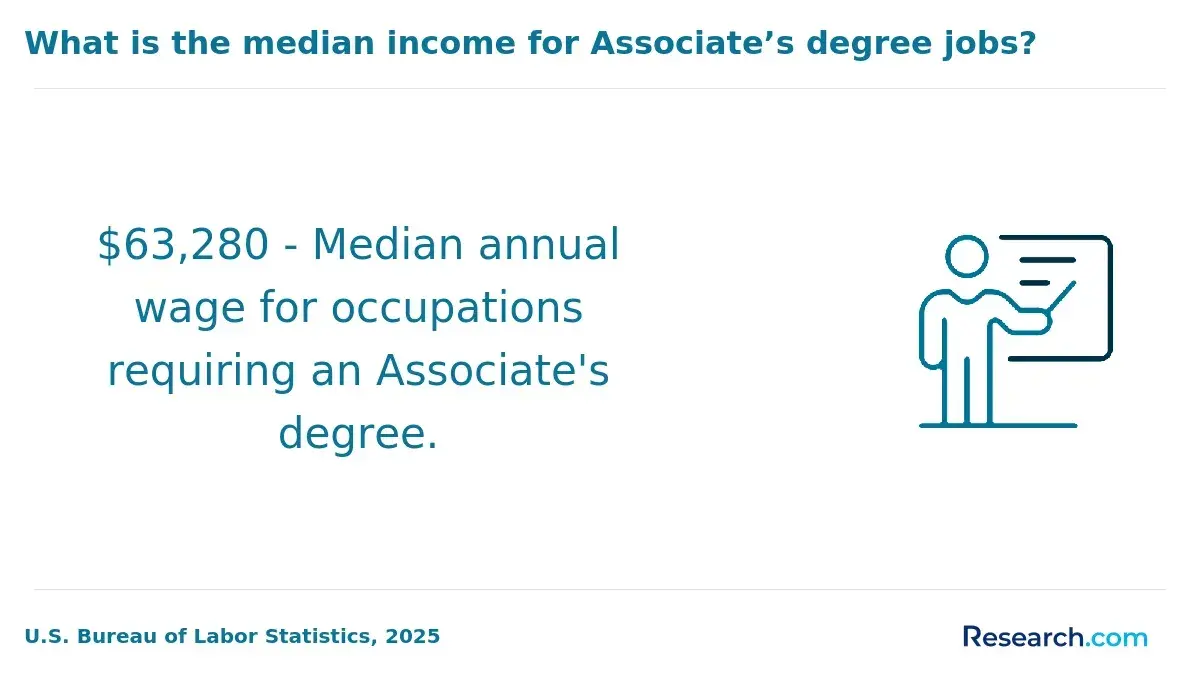
2026 Update: Checking Lab Requirements Before You Transfer
This 2026 update adds a closer look at lab-based course planning, which is especially important for online biology and biological sciences students transferring prior credits.
- Confirm whether transferred science courses include the required lab component, not just the lecture portion.
- Ask if online labs, virtual labs, or take-home lab kits are accepted for major requirements.
- Check whether any upper-division biology labs must be completed in person or during limited campus sessions.
- Review prerequisite chains for courses such as genetics, microbiology, anatomy, physiology, ecology, or biochemistry.
- Find out how often required lab courses are offered online and whether they run every term.
- Ask whether lab credits affect eligibility for graduate school, health programs, or licensure-related pathways.
By checking lab expectations early, transfer students can avoid surprises that delay graduation or limit future academic and career options.
Many students transferring into an online biology and biological sciences bachelor's degree program can apply previously earned credits, which can help accelerate degree completion. Research shows that about 60% of transfer students use credits from other academic experiences to advance their studies. Several types of credits commonly qualify for transfer.
- Community College Courses: These credits often cover foundational science and general education requirements. Many programs accept them as they align well with online biology degree prerequisites.
- Advanced Placement and IB Credits: Scores from AP or International Baccalaureate exams in science subjects like biology, chemistry, or environmental science can sometimes substitute for introductory college courses, depending on the program's policies.
- Professional Training: Certifications or documented training in relevant scientific fields may count toward degree credits, especially if supported by coursework or lab experience.
- Military Education: Credits from military training and coursework are recognized by numerous institutions, reflecting the practical and technical skills developed during service.
One online biology graduate shared that navigating the credit transfer process was initially overwhelming. "I had coursework from several sources and wasn't sure what would count," he explained. Coordinating with the admissions and transfer advisors involved extensive review and sometimes resubmitting documentation.
However, once the credits were evaluated, he felt the time invested paid off, allowing him to skip courses he had already mastered and focus on advanced topics. He emphasized the importance of persistence and clear communication throughout the process to maximize transferred credits effectively.
Transfer credit policies for online biology and biological sciences bachelor's degree programs follow defined academic criteria to maintain educational standards. Nearly two-thirds of undergraduates who transfer credits report at least some acceptance from their new school, highlighting how common transfer evaluations are in higher education. These policies ensure credits meet program requirements while supporting degree progress.
Key eligibility requirements for transferring credits to biological sciences degrees online typically include:
- Accreditation Requirements: Transfer credits must originate from regionally accredited institutions to guarantee quality and consistency aligned with degree expectations.
- Course Equivalency: Courses should align in content, level, and credit hours with program requirements. Institutions often require detailed syllabi or course outlines to confirm this equivalency.
- Minimum Grade Standards: Only courses earning satisfactory grades-usually a C or higher-are accepted, ensuring foundational knowledge meets academic standards.
- Credit Limits: Many programs restrict transfer credits to a percentage of total degree credits, often between 50% and 70%, to protect curriculum integrity.
- Time Restrictions: Some courses must have been completed recently due to the fast-evolving nature of biological sciences, maintaining relevance in scientific education.
These rules guide students with prior college work in selecting transferable courses and planning their degree path efficiently. Those curious about the most affordable online MHA programs may find parallels in credit transfer policies that streamline degree completion in related fields.
Transfer policies vary significantly among colleges offering online biology and biological sciences bachelor's degrees, with some institutions more supportive of transfer students than others. Data from the National Student Clearinghouse Research Center shows that nearly 38% of college students transfer at least once within six years, underscoring the importance of transfer-friendly policies. Below are several college types known for their accommodating transfer practices.
- Public Universities usually maintain formal agreements with community colleges to facilitate smooth credit transfers, helping students continue their studies without repeating coursework.
- Online-Focused Institutions design their programs to assist nontraditional students with flexible credit acceptance and convenient enrollment options, catering specifically to transfer learners.
- Adult-Friendly Colleges emphasize recognizing prior academic and professional experiences, providing tailored pathways that respect previous learning outside traditional classrooms.
- Regional Comprehensive Universities offer balanced academic environments and often have dedicated advisors to help transfer students integrate their credits efficiently.
- Liberal Arts Colleges with Transfer Support sometimes implement generous credit policies and provide strong advisement to attract and retain diverse transfer populations interested in interdisciplinary studies.
When speaking with a graduate of an online biology and biological sciences bachelor's program, she reflected on her transfer journey, describing it as both challenging and ultimately rewarding. She recounted how navigating different credit evaluations initially felt overwhelming but found that persistent communication with academic advisors helped clarify which credits would apply.
She appreciated that her institution was proactive in offering support tailored to transfer students, which eased her transition and kept her motivated to complete her degree efficiently. Her experience highlights the value of choosing colleges that not only accept transfer credits but also actively assist students through the process.
Some online biology and biological sciences bachelor's degree programs are specifically structured to maximize the acceptance of transfer credits, allowing students to apply significant portions of previous coursework toward their degree. Research indicates that certain programs permit transfer of up to 90 credits, catering to students seeking efficient degree completion. The following program features often contribute to greater transfer credit flexibility.
- Flexible Curricula: These programs provide adaptable course frameworks and numerous elective options, enabling seamless integration of transferred credits into the degree plan without unnecessary overlap.
- Competency-Based Learning: Institutions using this approach allow students to demonstrate knowledge through assessments, validating prior learning and reducing the need for repeating content.
- Adult-Focused Structures: Designed to accommodate working adults, these programs streamline credit evaluation processes and recognize both academic and professional learning experiences.
- Articulation Agreements: Formal partnerships with community colleges and other schools facilitate smooth credit transfers by clearly outlining accepted coursework and credit equivalencies.
- Advising and Support: Dedicated advisors help transfer students identify applicable credits and develop tailored plans that optimize credit use toward graduation requirements.
By recognizing these key characteristics, transfer students can better identify biology and biological sciences bachelor's programs that emphasize credit acceptance and promote timely degree completion.
Transferring credits to an online Biology and Biological Sciences bachelor's degree program involves a structured approach that helps students apply prior college coursework toward degree completion. According to the National Student Clearinghouse Research Center, nearly 60% of bachelor's students transfer at least once, underscoring the importance of effective credit transfer systems. The following steps outline the typical process for transferring credits into such programs.
- Submitting Transcripts: Students provide official transcripts from all previously attended colleges or universities to the prospective online program for review.
- Course Evaluation: Admissions or registrar's offices assess the transcripts to determine whether prior courses align with the program's curriculum and credit criteria.
- Credit Approval: The institution notifies students which credits are accepted and how they apply to requirements, including general education, major courses, or electives.
- Academic Advising: Students meet with advisors to ensure transferred credits fit their academic plan and to identify any remaining coursework necessary for graduation.
- Enrollment Confirmation: Finalizing course registration happens after credit transfer approval, allowing students to continue their studies without redundant coursework.
This process, common to most online Biology and Biological Sciences programs, helps transfer students progress efficiently toward their degree goals while saving time and tuition costs.
Transfer credits can significantly reduce the number of courses required to complete an online biology and biological sciences bachelor's degree. Studies show that transfer students often bring in 30 to 60 credits, potentially saving one to two years of study. This advantage streamlines the path to graduation and allows students to focus on specialized coursework sooner. Below are key ways transfer credits accelerate degree completion.
- Reduced Coursework: Transfer credits satisfy general education or elective requirements, decreasing the total credits needed within the biology major. This reduction lightens the academic load and helps maintain a manageable semester schedule.
- Skipping Prerequisites: Students can bypass foundational courses such as introductory biology, chemistry, and math. This allows immediate enrollment in advanced subjects like molecular biology, genetics, and ecology, keeping students engaged with relevant material.
- Shortened Timeline: By applying transfer credits early, students often finish their degree faster. They avoid retaking classes and benefit from personalized academic advising tailored to their prior coursework.
- Faster Progression: Completing credits ahead of time increases flexibility to balance work, family, and other commitments. This speedier progression enables timely entry into the workforce or graduate studies.
For those interested in related fields, exploring programs such as an online bachelor's degree health information management may also offer streamlined credit transfer options. Overall, the benefits of transfer credits in online biological sciences programs make degree completion more efficient and accessible for many students.
Using transfer credits can significantly lower tuition costs for an online biology and biological sciences bachelor's degree by reducing the total number of courses a student needs to complete. Research shows that students transferring credits can save an average of 20% to 30% on the overall price of their degree. These savings are a direct result of fewer semesters spent enrolled, limiting tuition payments and associated fees.
Several factors demonstrate how transfer credits affect the price of biological sciences degrees online, including:
- Reduced Tuition Costs: With fewer required courses, students pay for fewer credits, directly decreasing overall tuition expenses.
- Lower Textbook and Materials Expenses: Transferring credits means taking fewer classes, which results in purchasing fewer textbooks and supplies throughout the program.
- Less Time Enrolled: Completing a degree faster reduces living costs, technology fees, and other semester-based charges.
- Earlier Workforce Entry: Graduating sooner allows for earlier employment, potentially increasing lifetime earnings and reducing reliance on student loans.
For students looking to maximize affordability, understanding how transfer credits can lower tuition costs is essential. Additionally, exploring related fields such as an affordable online MBA healthcare management may provide further pathways to enhance education and career outcomes efficiently.
Students transferring credits into an online biology and biological sciences bachelor's degree can significantly shorten their time to graduation and lower costs. Statistics show over 60% of transfer students increase their accepted credits with proper planning, speeding up degree completion. Employing targeted strategies helps maximize transfer credit acceptance.
- Review Transfer Policies: Examine prospective programs' credit acceptance rules to know which courses qualify and avoid unexpected credit denials during evaluation.
- Plan Coursework Wisely: Focus on completing general education and foundational biology classes that many programs recognize, enhancing the likelihood of credit transfer.
- Obtain Early Credit Evaluations: Many online programs offer assessments estimating transferable credits, helping identify gaps and reducing redundant courses.
- Document Prior Learning: Keep thorough records of lab work, internships, and certifications related to biology and biological sciences, as some degrees grant credit for verified experiential learning.
What Graduates Say About Online Biology and Biological Sciences Bachelor's Degree Programs That Accept Transfer Credits
- Giovanna: "Transferring to an online biology and biological sciences bachelor's program was a strategic choice for me after relocating for work. The ability to transfer a significant portion of my previous credits saved both time and money, making the transition smooth and affordable. This flexibility has allowed me to enhance my qualifications without pausing my career, ultimately opening new professional opportunities in environmental research."
- Justine: "I chose an online biology and biological sciences degree to accommodate my busy schedule while raising a family. The cost of transferring my prior credits was surprisingly reasonable, which eased my financial concerns. Reflecting on my journey, I now see how completing my degree online has significantly boosted my confidence and credentials, enabling me to step into a leadership role in healthcare."
- Keisha: "After completing some courses at a community college, I transferred to an online biology and biological sciences bachelor's program to finish my degree. The process of transferring credits was transparent and cost-effective, which made continuing my education less daunting. Professionally, this degree has been invaluable, giving me the scientific foundation needed to excel in biotech industry roles and collaborations."
Other Things You Should Know About Biology and Biological Sciences Degrees
Most online biology bachelor’s programs require at least 1 to 3 laboratory courses, often completed through home lab kits, virtual simulations, or short on-campus residencies. Programs that accept transfer credits usually review prior lab work separately, and some require science labs to be earned within the last 5 to 10 years.
Online biology programs typically incorporate virtual labs, at-home lab kits, or require students to complete lab work at approved local facilities. These approaches allow students to gain hands-on experience despite studying remotely. Some programs may also include synchronous lab sessions conducted via video or arrange short residencies for intensive lab training.
Yes, many accredited online biology and biological sciences bachelor's degree programs that accept transfer credits prepare students effectively for graduate studies. They provide a solid foundation in core biology topics alongside research and analytical skills. It is important to verify that graduate programs recognize the online degree and transferred credits in advance.
- How Online College Degree Programs Can Transform Your Life https://www.tuw.edu/school-news/online-degree-programs-transform-your-life/
- Biology Transfer Pathway https://admission.universityofcalifornia.edu/admission-requirements/transfer-requirements/uc-transfer-programs/transfer-pathways/biology.html
- Online Science Courses with Lab that Transfer: A Helpful Guide - Prereqcourses https://www.prereqcourses.com/online-science-courses/
- Learn How to Use Social Media Responsibly in College https://www.edumed.org/online-schools/biology-degrees/accelerated/
- B.Sc Degrees Online 2025 - Best Course After 12th | Compare Top Programs https://b.sc/blog/transfer-credits-online-degrees-guide
- Search https://biology.dartmouth.edu/undergraduate/transfer-credits
- Biology Online Degree Programs | Biology Bachelor of Science https://ecampus.uaf.edu/programs/bachelor-degrees/biological-sciences-bs/