2027 Professional Nursing Certification vs a Professional Association Membership
Audited and Verified:
Our Editorial and Data Verification Process
Research.com uses government datasets, official education statistics and primary institutional information to support its career and degree guides. Our review process checks factual accuracy, occupational definitions, source dates and the requirements associated with the credentials discussed.
How This Article Was Fact-Checked
Our editorial team verifies salary estimates, employment projections, education requirements and program information against original data providers and official organizations. Salary figures are checked against the relevant occupational definitions and reporting periods. Information about licensure, accreditation and required in-person training is reviewed separately.
Fact-checked and verified on:

Co-Founder and Chief Data Scientist
A specialty credential and a nursing association membership can both support your career, but they do different jobs. If you are a student, new RN, or experienced nurse deciding where to spend limited time and money, confusing the two can lead to unnecessary coursework or a credential that does not fit your role. This guide separates licensing requirements from optional professional development, explains when certification is worth pursuing, and shows when membership may be the better first investment.
Key Things You Should Know
- RN licensure, specialty certification, and association membership are three separate things: only the license authorizes RN practice.
- Most specialty certifications require qualifications beyond joining an association, often including an active license, relevant practice experience, and an examination.
- For a new RN, orientation and specialty experience may be more useful first steps than an exam; membership can provide learning and contacts while certification eligibility develops.
What is the difference between nursing certification and professional association membership?
Professional nursing certification is a credential awarded after a nurse meets a certifying organization's requirements for a defined specialty or role. Those requirements may include education, an active license, documented practice, an examination, and periodic renewal. Association membership means joining a professional organization, typically by paying dues and meeting any membership criteria. It may provide education, publications, mentoring, advocacy, and networking, but it does not validate specialty competence by itself.
The organizations can be related without being interchangeable: an association may offer member discounts on an exam administered by an affiliated certifying body. Paying dues does not mean you have passed that exam. Likewise, completing a degree - even through RN-to-BSN programs without traditional clinical rotations - does not automatically award a professional specialty certification.
For a quick comparison, focus on what each option proves and what it permits.
| Option | What it establishes | What it does not do |
| State RN license | Legal authorization to practice as an RN under applicable law | Prove competence in every specialty |
| Professional certification | That the holder met a certifier's standards for a named credential | Replace licensure or expand legal scope of practice |
| Association membership | Participation in a professional organization and access to its benefits | Confer a license or specialty credential |
Is nursing certification required to become a licensed registered nurse?
No specialty certification is generally required for initial RN licensure. An applicant instead follows the relevant state board's requirements, including qualifying nursing education, eligibility to take the NCLEX-RN, and any other required application or background-check steps. Passing the exam and graduating are not, by themselves, an active license; confirm your status with the board before practicing.
Prelicensure nursing pathways include approved associate degree, diploma, and bachelor's programs, subject to the state's rules. If you are still choosing a route, a guide to nursing school application routes without entrance exams can help you compare admissions policies. An admissions exam policy does not establish NCLEX eligibility: verify the specific program with the state board.
Employers may prefer or later require a specialty credential for a particular job. That is an employment condition, not a general condition for becoming an RN. New graduates should usually prioritize licensure, safe orientation, and demonstrated unit competencies before paying for a certification they are not yet eligible to earn.
What education and licensing pathways lead to professional nursing certification?
The pathway depends on the exact credential, not simply on whether a nurse has an ADN, BSN, MSN, or DNP. Many RN specialty credentials require an active RN license and experience in the specialty; their certifiers set the required practice, education, examination, and renewal standards. Some entry-level credentials have different rules, so check the official eligibility guide rather than assuming experience is always required.
A common progression is to complete a state-qualifying prelicensure program, obtain RN licensure, build supervised and then independent experience within scope, and apply when the named certifier's requirements are met. A career changer considering accessible admission routes to accelerated nursing study should first confirm that the program prepares graduates for initial RN licensure; a prior non-nursing degree does not supply a nursing license.
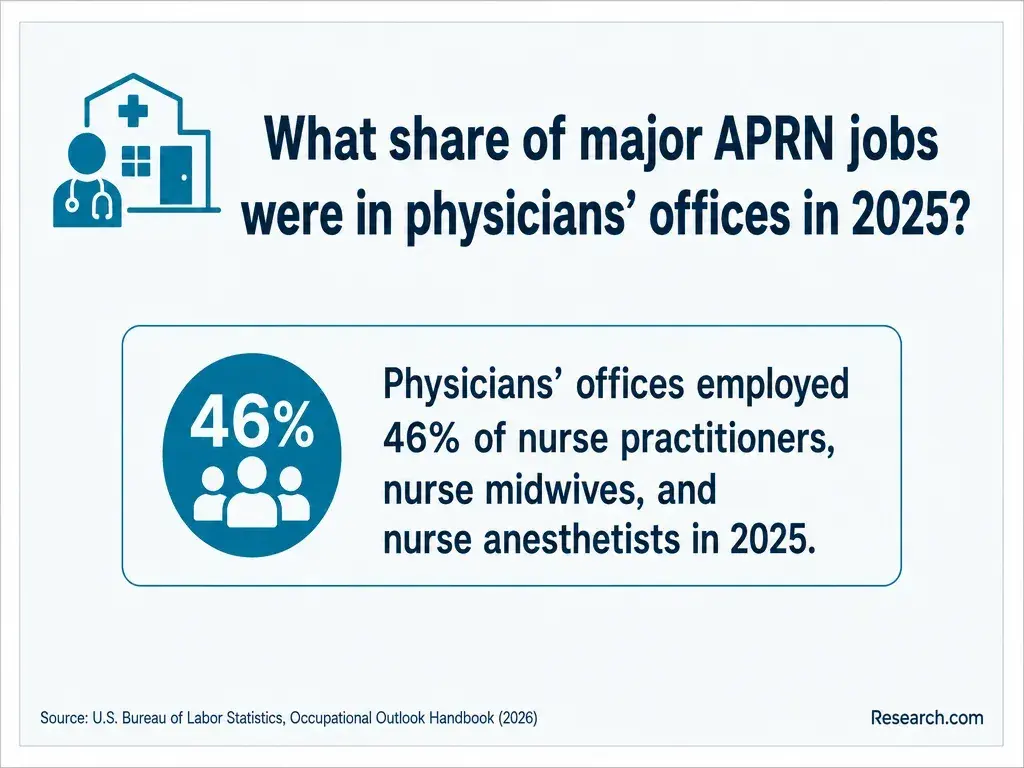
Advanced practice is a separate decision. An RN seeking a nurse practitioner role generally needs appropriate graduate-level, population-focused preparation, qualifying national certification, and state APRN authorization. A leadership or education graduate degree does not automatically provide that preparation. Start with the job and credential you want, then work backward through the certifier's, program's, and state board's requirements.
A state board of nursing issues or recognizes the RN license that authorizes RN practice in its jurisdiction. A certifying organization awards a named professional credential under its own eligibility and renewal rules. A nurse may hold both, but certification neither substitutes for an active license nor permits work outside the nurse's legal scope or employer-granted responsibilities.
The distinction matters especially when a qualification is called a "certificate." A post-master's FNP certificate, for example, is an educational program award, not the national certification exam result or state APRN authorization. Compare a program's population focus and supervised clinical requirements - not just its advertised length - when using an online FNP certificate program length guide. The receiving program, certifier, and state regulator each decide a different part of eligibility.
Before putting letters after your name or accepting a new role, confirm that the specific credential is active, your license or APRN authorization is appropriate for the jurisdiction, and your employer has validated any role-specific competencies.
Check institutional accreditation, applicable nursing program accreditation, and state board approval or recognition separately. These answer different questions. Institutional accreditation concerns the school; nursing accreditors such as ACEN or CCNE evaluate programs within their respective scopes; the state board determines whether education meets its rules for initial licensure. For a specific certification, the certifying body may impose additional program or accreditation conditions.
Ask for the exact degree and track's status, not a statement that the university is "accredited." This is particularly important when comparing graduate options or exploring less competitive DNP admissions: easier admission does not establish eligibility for a particular APRN certification. Check the program's stated outcome against the certifier's eligibility guide and the board rules in the state where you intend to practice.
Some do, but online delivery alone tells you nothing about eligibility. A prelicensure program still must meet applicable board requirements for instruction and supervised clinical preparation. Postlicensure and graduate programs may require on-site labs, campus visits, approved local placements, or specific preceptors. State authorization to enroll you and eligibility for the license or credential you seek are separate questions.
For example, online DNP programs emphasizing organizational practice may fit a leadership goal but should not be assumed to prepare a nurse for a new direct-care APRN population focus. Before enrolling, obtain written answers about your state of residence, required in-person activities, who arranges placements, and whether the exact track meets the target certifier's education and clinical criteria. "Flexible" coursework may still come with fixed clinical shifts.
Preparation depends on the credential. RN specialty exams commonly assess judgment in a defined practice area, so relevant patient-care experience, employer orientation, continuing education, and study based on the certifier's current exam blueprint are more targeted than collecting unrelated courses. Classroom work or simulation can strengthen knowledge; neither automatically counts as the practice experience a certifier requires.
APRN certification is more tightly tied to an appropriate graduate population-focus track and supervised clinical education. If you are comparing fast-track mental health nursing graduate study, ask how the program provides required psychiatric clinical experiences and assesses competence, not just how quickly courses can be completed. Prior RN psychiatric experience is valuable but does not automatically replace formal PMHNP preparation.
For any exam, download the awarding body's current eligibility guide and content outline. Match your experience and coursework to those documents, identify weak domains, and budget study time around work and clinical obligations. No prep course can guarantee a pass or override an eligibility requirement.
There is no single useful price for "nursing certification." Costs vary by certifier and may include an application or exam fee, preparation materials, travel, retesting, and renewal. Association dues are a separate recurring expense; a member exam discount is only a saving if it outweighs the dues and the membership benefits are useful to you. Check each organization's published fee schedule before applying.
A new degree is usually a much larger commitment than a specialty exam or membership. Compare tuition with fees, required clinical travel, reduced work hours, and any employer assistance. Budget planning for online NP programs is relevant if your target role truly requires NP preparation - not if you only want an RN specialty credential. Low advertised tuition may exclude placement-related and other expenses.
Use your employer's job description as a spending filter: if the role needs an active RN license and experience but neither a new degree nor certification, ask whether funded orientation or continuing education meets your immediate goal. If certification is preferred, confirm which awarding bodies and credentials the employer recognizes before paying.
Certification can help an experienced RN demonstrate specialty knowledge for roles in areas such as critical care, emergency nursing, perioperative care, or nursing professional development - provided the credential matches the job. It may strengthen an application or satisfy an employer requirement, but does not replace specialty onboarding, documented clinical performance, or a license.
For advanced practice roles, the relevant population-focused certification is part of a broader education and state-authorization pathway. A nurse considering PMHNP work should compare the full preparation investment, including options in psychiatric NP program affordability comparisons, against actual local job requirements. An RN specialty certification alone does not qualify its holder to practice as an NP.
Salary comparisons require care. The U.S. Bureau of Labor Statistics reports occupation-wide wages for registered nurses and for advanced practice occupations, not a guaranteed "certified nurse salary." Specialty, location, shifts, experience, employer, and role all affect an offer. Compare posted pay ranges for positions you can actually qualify for, and ask whether your employer provides a certification differential or exam reimbursement before assuming the credential will pay for itself.
How can professional association membership advance a nursing career?
Membership is most useful when you can use its specific benefits: specialty education, a local chapter, mentoring, conferences, practice resources, or a network of nurses in your target field. A student or new RN may benefit from those connections before meeting certification experience requirements. An experienced nurse may value access to specialty updates or colleagues who can explain local role expectations.
Choose an association aligned with the work you do - or plan to do - rather than joining solely because it offers discounted certification fees. If you are exploring a population-focus change, members may help you understand the day-to-day role, but they cannot determine whether prior coursework or hours count. Even when comparing PMHNP certificate programs by duration, obtain eligibility decisions from the program, certifier, and state board, not a professional contact.
Before renewing dues, check whether you used the benefits, whether your employer pays for membership, and whether another organization better fits your current specialty. It is reasonable to maintain a relevant certification without association membership, or to join an association before you are ready to certify.
Other Things You Should Know About Nursing
Many associations offer student membership, but eligibility and benefits vary. Check the organization's rules and whether its education, mentoring, or local events are useful at your stage.
Membership alone generally does not authorize credential letters. Use only titles and post-nominals you have earned and are permitted to use under the issuing body's rules.
It may, but acceptance depends on the licensing board or certifier and the activity's approval, topic, and documentation. Verify the renewal rules before relying on a course.
Not necessarily. Review the benefits you actually use and consider an organization aligned with your new role; switching associations does not itself change your license or certification status.
- The Benefits of Increasing Nursing Participation | PubMed https://pubmed.ncbi.nlm.nih.gov/31538979/
- Why Some Nurses Obtain Specialty Certification and Others Do Not | nih.gov https://pmc.ncbi.nlm.nih.gov/articles/PMC8064627/
- Certification vs. Licensure for Nurses: What Are the Differences? | Bradley University Online https://onlinedegrees.bradley.edu/blog/certification-vs-licensure
- Nursing Certifications | Berkley School of Nursing https://nursing.georgetown.edu/blog/nursing-certifications/
- Board Certification | AACN https://www.aacn.org/certification
- APRN Consensus Model | NCSBN https://www.ncsbn.org/nursing-regulation/practice/aprn.page
- Nurse Executive Certification (NE-BC®) | ANA https://www.nursingworld.org/our-certifications/nurse-executive/
- American Board of Nursing Specialties | nursingcertification.org https://www.nursingcertification.org/