2027 Pharmacy Degree Programs for Career Changers

Co-Founder and Chief Data Scientist
Changing careers into pharmacy is a major education, time, and financial decision. For working adults, the challenge is not only getting admitted; it is choosing a pharmacy pathway that fits prior coursework, job obligations, family responsibilities, licensure goals, and long-term career plans. Adult learners enrolling in pharmacy programs rose by 15% in the past five years, which reflects growing interest among career changers looking for stable healthcare roles with room for advancement.
This guide explains which pharmacy programs may work for nontraditional students, how admissions and prerequisites typically function, what coursework to expect, which formats offer the most flexibility, and how to evaluate cost, specialization, salary, and career outcomes. It is designed for mid-career professionals, recent degree holders considering a pivot, healthcare workers seeking advancement, and adults returning to school after time in the workforce.
Key Things to Know About Pharmacy Degree Programs for Career Changers
- Flexible scheduling and hybrid or online formats enable working adults to balance jobs and studies, with 65% of programs now offering part-time or evening classes.
- Accelerated pacing options allow career changers to complete degrees faster, often within three years, meeting growing employer demand for skilled pharmacists.
- Dedicated support services, such as academic advising and career counseling, improve retention and success rates among adult students transitioning into pharmacy roles.
What Pharmacy Programs Accept Career Changers?
Career changers can apply to several types of pharmacy-related programs, but the right fit depends on the applicant’s prior degree, science background, schedule, and intended career. Some programs prepare students for pharmacist licensure, while others lead to research, industry, regulatory, or pharmaceutical science roles. Over 40% of graduate students nationwide are adult learners, so many schools now account for applicants who are not coming directly from a traditional undergraduate pre-pharmacy track.
- Doctor of Pharmacy (PharmD) Accelerated Programs: These programs are designed for students who already have substantial college credit or a bachelor’s degree. They may compress the professional curriculum or allow qualified students to move more quickly than in a traditional timeline. They can be attractive for career changers, but the pace is demanding and usually leaves less room for full-time work.
- Hybrid PharmD Programs: Hybrid programs combine online didactic coursework with required in-person labs, assessments, and experiential training. This format can help working adults manage weekly study time while still completing the hands-on and patient-care requirements that pharmacy education requires.
- Post-Baccalaureate Pre-PharmD Programs: These programs are useful for applicants who have a bachelor’s degree but lack required science prerequisites. They can help career changers complete courses such as chemistry, biology, anatomy, or physiology before applying to a PharmD program.
- Pharmaceutical Sciences Master's Programs: These programs are generally better suited for students aiming for research, drug development, laboratory, regulatory, or industry roles rather than pharmacist licensure. They may be a strong fit for career changers with backgrounds in chemistry, biology, biotechnology, data analysis, or healthcare administration.
The most important distinction is whether the program leads to pharmacist eligibility or a pharmacy-adjacent career. A PharmD is the standard professional pathway for those who want to become pharmacists, while master’s programs in pharmaceutical sciences usually support industry or research careers. Applicants comparing healthcare bridge pathways may also want to review RN to BSN with least prerequisites to understand how flexible admissions models differ across healthcare fields.
What Pharmacy Specializations Are Best for Career Changers?
The best pharmacy specialization for a career changer is usually the one that connects prior experience with a realistic job market. A former nurse, lab technician, software analyst, sales professional, teacher, or compliance officer may each find a different pharmacy niche more practical. The U.S. Bureau of Labor Statistics projects clinical pharmacy roles to grow 4% from 2022 to 2032, which indicates steady demand for pharmacists with specialized clinical skills.
- Clinical Pharmacy: This option fits career changers with healthcare, patient-service, or science backgrounds. Clinical pharmacists work closely with prescribers and patients to support medication therapy, monitor safety, and improve treatment outcomes. It is a strong path for adults who want direct clinical involvement rather than a purely operational role.
- Pharmaceutical Industry Pharmacy: This specialization may suit professionals with experience in science, business, project management, quality assurance, marketing, or regulatory work. Roles can involve drug development, medical affairs, pharmacovigilance, regulatory strategy, or product commercialization.
- Community Pharmacy: Community pharmacy is often the most familiar pathway because it centers on medication dispensing, patient counseling, immunization services, and day-to-day public interaction. Career changers with customer service, management, retail, or communication experience may adapt well to this environment.
- Informatics Pharmacy: Informatics pharmacy is a strong option for applicants with technology, analytics, health information, or systems backgrounds. It focuses on medication-use data, clinical decision support, electronic health records, automation, and workflow improvement.
When choosing a specialization, career changers should consider three questions: Does the role use skills they already have? Does it require residency, certification, or additional training? Does the work environment match their preferred pace and level of patient interaction? Professionals exploring advanced healthcare education outside pharmacy may also compare online DNP programs without dissertation to see how specialization, clinical requirements, and degree structure vary across health professions.
What Are the Admission Requirements for Career Changers Applying to a Pharmacy Program?
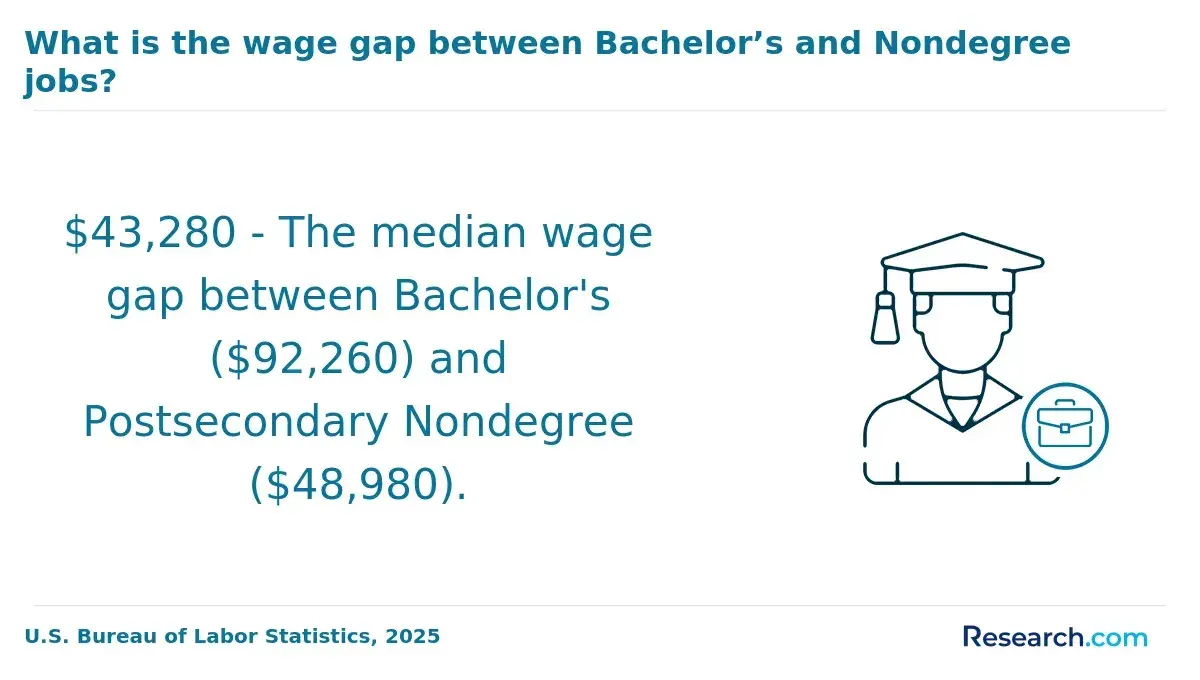
Admissions requirements for pharmacy programs vary by school, but career changers should expect a review of academic readiness, prerequisite completion, communication skills, motivation for the career shift, and evidence that they can handle a rigorous science-based curriculum. Adults aged 25 and older now represent about 39% of postsecondary enrollment, so many admissions offices are accustomed to evaluating applicants with mixed academic and professional histories.
- Prerequisite Science Courses: Applicants commonly need coursework in biology, general chemistry, organic chemistry, anatomy, physiology, microbiology, calculus, or related sciences. Career changers should request a prerequisite audit early because missing courses can delay admission by a semester or more.
- Competitive GPA: A grade point average around 3.0 or higher is typically expected. For applicants whose earlier college record was uneven, recent strong grades in science prerequisites can help show current academic readiness.
- Standardized Tests: Some programs may list standardized testing requirements or waiver options, including policies connected to the Pharmacy College Admission Test (PCAT). Because testing policies change by institution, applicants should verify requirements directly with each school before applying.
- Letters of Recommendation: Strong letters should speak to academic ability, professionalism, reliability, communication, leadership, and ethical judgment. Career changers should choose recommenders who can connect past work performance to pharmacy school readiness.
- Personal Statement: The statement should clearly explain why the applicant is moving into pharmacy, what they understand about the profession, and how their prior experience will help them succeed. A convincing statement is specific; it does not simply say the applicant wants a stable healthcare job.
Working adults should also check whether a program allows part-time enrollment, evening coursework, online prerequisites, or flexible pacing. Post-baccalaureate certificates can be helpful when an applicant needs science preparation but does not want to repeat an entire undergraduate degree. Those comparing flexible admissions in other healthcare fields can review easiest nursing programs to get into for additional context on how nontraditional pathways are structured.
What Is the Coursework for a Pharmacy Degree for Career Changers?
Pharmacy coursework is science-heavy, clinically applied, and cumulative. Career changers should expect a sharp academic adjustment, especially if they have been away from chemistry, biology, mathematics, or formal study for several years. The curriculum typically moves from foundational science to drug action, patient care, law, ethics, and supervised practice experiences.
- Basic Sciences: Students study subjects such as biology, chemistry, anatomy, and physiology to understand how the body works and how medications affect different systems.
- Pharmacology and Therapeutics: These courses cover how drugs work, when they are used, how they interact, and how pharmacists support safe and effective treatment decisions.
- Pharmaceutics: Students learn about dosage forms, drug delivery, compounding, formulation, stability, and the practical science behind how medications are prepared and administered.
- Clinical Practice: Labs, simulations, introductory practice experiences, and advanced practice rotations help students apply classroom knowledge to patient counseling, medication review, pharmacy operations, and interprofessional care.
- Health Systems and Ethics: Coursework addresses pharmacy law, professional responsibility, healthcare policy, patient privacy, controlled substances, safety standards, and ethical decision-making.
For career changers, the hardest part is often not one single course but the speed at which concepts build on each other. A weak foundation in chemistry or physiology can make pharmacology more difficult later. Before enrolling, applicants should ask schools about tutoring, academic advising, exam support, remediation policies, simulation labs, and clinical placement assistance.
One professional who completed an online pharmacy degree described the transition this way: “Balancing work and study was intense at times, especially with complex subjects like pharmacology. But having access to flexible scheduling made it manageable.” He also noted, “The clinical simulation exercises were crucial—they helped me gain confidence before stepping into real patient interactions.” His experience reflects a common pattern for adult learners: flexibility matters, but so do structure, practice, and consistent academic support.
What Pharmacy Program Formats Are Available for Career Changers?
Pharmacy programs are available in several formats, and the best option depends on how much schedule flexibility a student needs and how close they live to required labs, exams, and clinical sites. With over 40% of postsecondary students being adult learners, schools increasingly offer formats that support students balancing school with work or caregiving responsibilities.
- Traditional On-Campus: This format provides the most structured environment, regular face-to-face instruction, campus labs, and direct access to faculty and peers. It can be a strong option for students who can study full time, relocate if needed, or reduce work hours.
- Hybrid Programs: Hybrid programs combine online coursework with scheduled in-person labs, intensives, skills assessments, or clinical requirements. This format often works well for career changers who need flexibility but still want structured contact with faculty and classmates.
- Fully Online: Fully online programs may deliver didactic coursework remotely, but pharmacy training still requires hands-on components such as labs or clinical experiences. Students should verify where in-person requirements occur, how often they must travel, and whether clinical placements are available near their home. Applicants comparing affordability and flexibility can use resources on pharm d online programs as a starting point for evaluating options.
- Part-Time Programs: Part-time programs extend the time to completion so students can continue working or manage family obligations. The trade-off is a longer path to graduation and licensure, but for many adults, it can make the degree more financially and logistically realistic.
Before choosing a format, ask practical questions: How often must students be on campus? Are labs held on weekends or weekdays? Who arranges clinical placements? Can students remain employed? Are online courses synchronous, asynchronous, or both? The answers can matter as much as tuition when deciding whether a program is truly manageable.
What Skills Do Career Changers Gain in a Pharmacy Program?
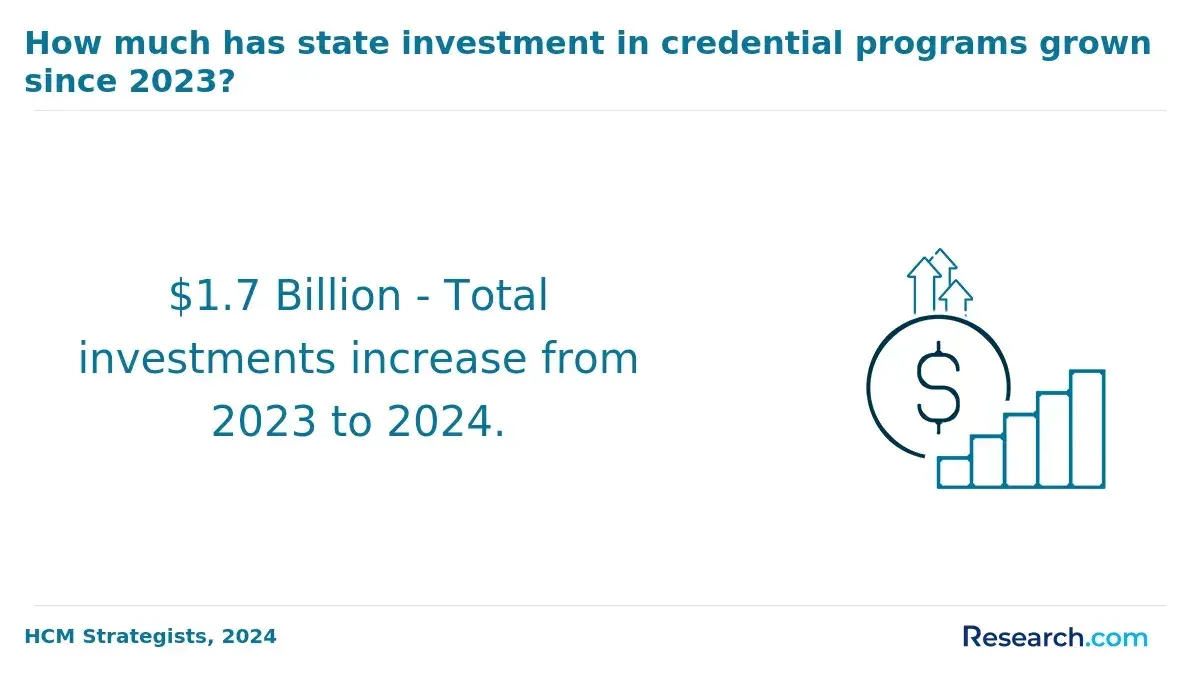
Pharmacy programs help career changers build both technical healthcare knowledge and professional judgment. Reskilling is a critical factor for career changers, with 59% of U.S. adult workers recognizing its importance to maintain competitiveness in today's evolving job market. For pharmacy students, reskilling involves learning how to make accurate medication-related decisions, communicate with patients, use pharmacy systems, and work within strict legal and ethical boundaries.
- Clinical Knowledge: Students learn how medications work, how they are selected, how they may interact, and how pharmacists help prevent medication-related problems.
- Communication Skills: Pharmacy training emphasizes patient counseling, provider collaboration, documentation, and the ability to explain complex medication information in plain language.
- Problem-Solving Abilities: Students practice dosage calculations, therapy evaluation, safety checks, and case-based decision-making. This skill is especially important because pharmacy work often requires accuracy under time pressure.
- Regulatory Compliance: Students study laws, ethical standards, controlled-substance rules, privacy requirements, and professional responsibilities that govern pharmacy practice.
- Technical Proficiency: Programs introduce students to pharmacy software, laboratory methods, dispensing systems, drug information resources, and data tools used in healthcare settings.
One career changer described the experience as demanding but valuable: “Transitioning from a non-healthcare field was daunting at first. The rigorous coursework demanded constant adaptation, especially mastering complex drug interactions and ethical considerations. However, acquiring practical skills like handling pharmacy software and communicating with diverse patient groups made the challenges worthwhile.” Her experience highlights a key benefit of pharmacy education for adult learners: it can turn prior workplace maturity into healthcare-ready competence when paired with strong technical training.
How Much Does a Pharmacy Degree Cost for Career Changers?
Career changers should evaluate the full cost of a pharmacy degree before enrolling, not just the advertised tuition. Many adult learners return to school while managing mortgages, childcare, existing debt, or reduced work hours. The average graduate student debt in the U.S. is approximately $66,000, which makes careful planning essential before committing to a multi-year professional program.
- Tuition and Fees: Tuition typically ranges from $20,000 to $50,000 per year depending on the institution and residency status. Most pharmacy programs require three to four years of professional study, so the total cost can be substantial. Public versus private status, in-state versus out-of-state tuition, and program length can all change the final amount.
- Textbooks and Materials: Required books, digital platforms, lab supplies, drug information resources, exam tools, and professional equipment may cost several hundred to over a thousand dollars annually. These costs should be included in the budget from the start.
- Licensure Preparation: Students should budget for licensure exam fees, application fees, background checks, and optional preparatory courses. These expenses may add several hundred dollars per year and often arrive near graduation, when students are already managing transition costs.
- Opportunity Costs: Some students reduce work hours, leave a job, or choose part-time enrollment to manage the workload. Lost income can be one of the largest hidden costs. Employer tuition reimbursement, flexible scheduling, and paid healthcare experience can help offset the burden.
- Additional Expenses: Students may need to pay for travel to campus, relocation, technology, parking, uniforms, immunizations, professional liability insurance, or clinical placement requirements. Career changers comparing health education costs may also review cheapest FNP programs online as a point of comparison for affordability in related healthcare pathways.
A practical cost review should include total tuition, living expenses, debt assumptions, expected work hours, likely time to graduation, and licensing costs. Applicants should also confirm that the program is properly accredited for their goals, because financial aid, licensure eligibility, and employer recognition can depend on it.
How Does a Pharmacy Curriculum Support Career Transitions?
A well-designed pharmacy curriculum helps career changers convert prior professional strengths into healthcare practice skills. Adults often bring communication, leadership, technical, business, teaching, or problem-solving experience, but they still need structured training in drug therapy, patient safety, pharmacy law, and clinical judgment. The curriculum bridges that gap through science coursework, applied practice, simulations, and supervised experiences.
- Applied Learning: Labs, simulations, and patient cases help students move beyond memorization and practice the kinds of decisions pharmacists make in real settings.
- Transferable Skills Development: Pharmacy programs strengthen communication, critical thinking, teamwork, documentation, ethical reasoning, and attention to detail. These skills are especially valuable for students coming from business, education, technology, service, or healthcare support roles.
- Flexible Pacing: Part-time schedules, hybrid learning, and online coursework can make the transition more realistic for working adults. Flexibility, however, should not be confused with reduced rigor; students still need to meet professional and clinical standards.
- Interdisciplinary Integration: Coursework connects pharmacy with medicine, public health, insurance, healthcare systems, informatics, and business operations. This helps career changers see where their previous experience may provide an advantage.
- Real-World Projects: Internships, case studies, practice experiences, and clinical rotations expose students to actual pharmacy workflows and patient-care challenges before graduation.
The strongest programs do more than deliver lectures. They help students test whether pharmacy work fits their strengths, build confidence through practice, and prepare for the expectations of licensure and employment. Adults exploring accessible healthcare education more broadly may also compare cheapest RN to BSN programs to understand how different fields structure flexible education for working learners.
What Careers Can Career Changers Pursue With a Pharmacy?
Career outcomes depend on the specific degree, licensure eligibility, specialization, location, and prior work experience. A PharmD can support pharmacist roles, while pharmaceutical sciences or related graduate programs may lead to research, industry, or regulatory positions. The U.S. Bureau of Labor Statistics forecasts a 6% increase in pharmacist and related healthcare jobs by 2032, signaling consistent market demand.
- Clinical Pharmacist: Clinical pharmacists work with healthcare teams to optimize medication therapy, monitor outcomes, and support patient safety. This path can fit career changers with healthcare, counseling, science, or patient-service experience.
- Pharmaceutical Researcher: Researchers contribute to drug discovery, formulation, testing, or product improvement. Career changers with laboratory, data analysis, biotechnology, chemistry, or engineering backgrounds may find this route especially relevant.
- Regulatory Affairs Specialist: Regulatory professionals help ensure that pharmaceutical products and documentation comply with applicable rules and standards. This role can suit adults with backgrounds in compliance, law, quality assurance, administration, or technical writing.
- Medical Science Liaison: Medical science liaisons communicate scientific information between pharmaceutical companies and healthcare professionals. Strong presentation, relationship-building, and scientific communication skills are central to this path.
- Pharmacy Educator: Pharmacy educators teach, train, mentor, or develop learning materials for students, professionals, or healthcare organizations. This route may appeal to career changers with teaching, coaching, training, or academic experience.
Before choosing a career target, students should verify whether the role requires pharmacist licensure, residency training, board certification, industry experience, or additional credentials. Not every pharmacy-related job has the same requirements, and planning early can prevent costly detours.
What Is the Average Salary After Earning a Pharmacy Degree as a Career Changer?
Salary is an important consideration because pharmacy education can require a significant investment. Data shows almost 68% of healthcare professionals who retrain experience salary growth within three years of completing their degree. Actual earnings after a pharmacy degree vary by role, setting, geography, experience, credentials, and whether the graduate enters patient care, industry, research, or management.
- Entry-Level Pharmacists: Starting salaries generally hover around $90,000 annually, though offers vary based on location, employer type, and regional demand.
- Mid-Career Pharmacists: With experience, salaries typically range from $110,000 to $140,000. Higher earnings are often tied to expanded responsibilities, clinical expertise, leadership, or specialized practice.
- Specialized Roles: Pharmacists in clinical research, hospital settings, industry, or specialized practice areas may earn more than those in some retail settings, depending on the role and employer.
- Experience Impact: Previous professional experience can help career changers demonstrate maturity, leadership, communication, or technical strengths. However, prior experience does not automatically translate into higher pay unless it matches the employer’s needs.
- Advanced Credentials: Certifications, residency training, postgraduate education, or specialized experience may improve access to leadership, clinical, academic, or industry roles with stronger compensation potential.
Career changers should compare expected salary with total program cost, debt, time out of the workforce, and licensure requirements. A high salary can still be a poor return if the program is too expensive, too long, or misaligned with the student’s intended career path.
What Graduates Say About Their Pharmacy Degrees for Career Changers
- : "“Deciding to shift careers into pharmacy was daunting, especially considering the average cost hovers around $120,000. However, investing in this degree has profoundly transformed my professional life, opening doors I never imagined. The journey was challenging but incredibly rewarding.” — John"
- : "“After years in a different field, I chose to pursue a pharmacy degree mostly for its stability and demand, despite the significant tuition investment which averaged $115,000 for me. Looking back, completing the program was a pivotal decision that has enhanced both my knowledge and career prospects considerably.” — Forest"
- : "“Transitioning careers to pharmacy meant facing a steep financial commitment, typically around $110,000, but I approached it with a clear, professional mindset. Earning this degree has not only changed my career trajectory but also given me confidence in my expertise and long-term opportunities.” — Leo"
Other Things You Should Know About Pharmacy Degrees
Prior healthcare experience is not strictly required for career changers entering pharmacy degree programs, though it may strengthen an application. Most programs expect a solid foundation in science prerequisites rather than professional healthcare experience. However, experience with patient care or in a medical setting can be advantageous during clinical rotations and internships within the program.
Most pharmacy programs require prerequisite courses in general chemistry, organic chemistry, biology, anatomy and physiology, microbiology, and calculus or statistics. Many schools expect these classes to total about 30 to 40 semester credits, and they usually must be completed with a grade of C or better before admission.
References
- The Career Game Changers of Pharmacy | Pharmacy Times https://www.pharmacytimes.com/view/the-career-game-changers-of-pharmacy
- Traditional and Non-Traditional Career Pathways in Pharmacy | University of Health Sciences and Pharmacy in St. Louis https://www.uhsp.edu/traditional-and-non-traditional-career-pathways-in-pharmacy/
- Career Changers https://shoreline.oudeve.com/prehealth/post-baccalaureate/changers.aspx
- Career change to pharmacy https://www.thestudentroom.co.uk/showthread.php
- BPS Specialties - Board of Pharmacy Specialties https://bpsweb.org/bps-specialties/
- Pharmacy degree entry requirements https://www.whatuni.com/advice/clearing/entry-requirements-to-study-a-pharmacy-degree/91901/
- Career options for MPharm graduates https://pharmacistsupport.org/i-need-help-managing-my/work-life/careers-advice-and-options-for-pharmacy-graduates/
- Areas of Specialization - OU College of Pharmacy https://pharmacy.ouhsc.edu/programs/graduate-programs/areas-of-specialization
- Non-Clinical Career Transitions for Pharmacists — Alex Howson https://www.alexhowson.com/blog/non-clinical-careers-for-pharmacists
- How to Make a Career Change in Pharma Without Starting Over - Pharmuni https://pharmuni.com/2025/02/20/how-to-make-career-change-pharma/