2027 Paying for an Online Ed.D. in Leadership and Learning in Organizations: Self-Funding Tuition Without Assuming a Promotion
Audited and Verified:
Our Editorial and Data Verification Process
Research.com uses government datasets, official education statistics and primary institutional information to support its career and degree guides. Our review process checks factual accuracy, occupational definitions, source dates and the requirements associated with the credentials discussed.
How This Article Was Fact-Checked
Our editorial team verifies salary estimates, employment projections, education requirements and program information against original data providers and official organizations. Salary figures are checked against the relevant occupational definitions and reporting periods. Information about licensure, accreditation and required in-person training is reviewed separately.
Fact-checked and verified on:

Co-Founder and Chief Data Scientist
An online Ed.D. can strengthen your ability to lead organizational learning, but its tuition comes due whether or not your employer promotes you. If you plan to pay for a Leadership and Learning in Organizations doctorate yourself, the decision depends on what it will cost to finish, what you can afford on your current income, and whether the work it prepares you to do is worth that commitment. This guide helps working professionals build a no-promotion budget, compare funding options, and identify the program details that could change the calculation.
Key Things You Should Know
- Self-funding is most defensible when tuition, fees, travel, financing costs, and a completion contingency fit your current income - not a hoped-for promotion or salary increase.
- Request a written, program-specific cost and course plan before borrowing; an advertised per-credit price does not establish the total cost of finishing.
- The U.S. Bureau of Labor Statistics reports a $133,000 median annual salary for training and development managers in May 2025. That occupational figure is not an Ed.D. graduate salary or a basis for assuming you will recover tuition.
What does an online Ed.D. in Leadership and Learning in Organizations prepare you to do?
A practice-oriented Ed.D. in leadership and learning typically develops skills in diagnosing organizational problems, designing adult learning, leading change, and evaluating whether an intervention worked. Depending on the program, students may apply those skills through a capstone, dissertation in practice, or another supervised project. The exact degree title and requirements vary by institution.
For a learning and development professional, the value may be moving from delivering training to assessing performance needs and influencing organization-wide decisions. For an experienced manager, it may be learning to test an improvement strategy rather than relying only on intuition. Neither outcome requires a promotion to have value, but both require opportunities to use the skills. Compare the curriculum with your present responsibilities and access to meaningful projects before paying for doctoral study. An Ed.D. concentration selection guide can help distinguish organizational learning from school-administration or other leadership tracks.
How much does an online Ed.D. in Leadership and Learning in Organizations cost?
There is no reliable single price for this degree. Schools may charge by credit, term, or program, and a published tuition rate can omit substantial costs. Ask each school for a written estimate based on its required curriculum and your expected pace. The following components belong in a self-funding comparison even when your salary stays unchanged.
| Cost component | What can change the amount |
| Tuition | Required credits or terms, annual rate changes, and whether any prior credits actually transfer |
| Mandatory fees | Technology, student services, graduation, or other program charges |
| Attendance and project costs | Required campus trips, lodging, materials, software, and approved project expenses |
| Financing costs | Loan interest and fees over the repayment period |
| Household and work costs | Caregiving, reduced work hours, unpaid leave, or other arrangements needed to study |
For a per-credit program, multiply the required credits by the applicable tuition rate, then add fees and other expected costs. Separately model a delayed finish: additional enrollment terms may create charges even if the required credit total does not change. Request the school's policy on tuition increases, continuous enrollment, and charges during the final project. Comparisons of organizational leadership doctoral fees and total costs are a starting point, not a substitute for a quote from your intended program.
How can you self-fund an online Ed.D. without relying on a promotion?
Build the plan around your existing take-home pay and obligations. Keep a separate household emergency reserve; tuition savings should not consume money needed for housing, medical care, or a job interruption. Then compare programs on the amount you would need to pay or borrow under a realistic completion schedule. Researching lower-tuition Ed.D. program choices can be more consequential than finding a small award at a substantially more expensive school.
Use this sequence to test whether self-funding is workable:
- Obtain each program's required-credit plan, fee schedule, expected course sequence, and estimated charges through completion.
- Set a maximum payment from current income and savings that leaves your emergency reserve intact; include travel and a delay contingency.
- Check institutional scholarships, grants, payment plans, and federal aid eligibility with the financial aid office. Verify award conditions and current graduate-loan rules rather than assuming aid will cover every charge.
- If borrowing is necessary, compare the required payments with your present budget and examine total repayment cost - not only the monthly payment.
- Treat employer reimbursement as a reduction only after reviewing a written policy or agreement covering eligibility, grade requirements, annual limits, continued employment, and any repayment obligation.
A manager who values applied research but cannot cover the degree without speculative future earnings has a sound reason to defer. A focused graduate course, employer leadership program, or supervised improvement project may develop the needed skill at less financial risk.
Verify that the degree-awarding institution holds recognized institutional accreditation and that the online Ed.D. is actually offered under that institution's authority. Check the accreditor and institution in the U.S. Department of Education's accreditation database, then confirm the exact degree designation with the university. Institutional accreditation matters for degree recognition and can affect federal aid eligibility, but it does not establish the program's quality, project fit, or licensure status by itself.
Ask whether any specialized recognition claimed by the school applies to this particular program, rather than another degree in the same college. Also verify that the institution participates in the federal aid programs you intend to use; accreditation alone does not guarantee that an individual student or program qualifies for a particular form of aid.
Online study can reduce routine commuting or relocation costs, but it does not necessarily eliminate travel or make attendance self-paced. Live classes, group meetings, campus convenings, and intensive project stages can affect both your schedule and your budget. A campus-based program may cost more to attend from a distance but offer in-person access that is valuable for some students. Compare the actual obligations, not the delivery labels.
Ask each program which sessions require live attendance, when they occur, whether campus visits are mandatory, and what happens if work or caregiving conflicts arise. Include lodging, leave from work, and accessibility-related arrangements where relevant. For an education-sector professional weighing institutional support against attendance costs, guidance on reducing higher education leadership doctoral study costs may help frame the comparison; confirm any aid and travel requirements with the school itself.
Common subject areas include adult learning, organizational change, leadership, research methods, and evaluation. Some programs also teach instructional design, workforce development, or learning analytics. Course names alone do not show how deeply a program teaches a skill or whether a topic is required rather than elective.
If you are self-funding, examine the course sequence for work you can apply in your current role: diagnosing a learning need, selecting sound measures, working with stakeholders, and interpreting results responsibly. Request syllabi or detailed course descriptions and ask how faculty supervise the final project. A curriculum that depends on access to employee or learner data may be a poor financial bet if your organization cannot authorize that access.
Requirements vary. Programs may ask for a completed graduate degree, transcripts, professional experience, recommendations, a statement of purpose, and evidence that your goals fit practice-oriented doctoral study. Some have specific graduate-credit, GPA, test, or interview rules; do not assume another Ed.D. program's policy applies.
Before paying an application fee, confirm both eligibility and financial implications. Ask admissions whether your existing graduate study meets entry requirements, and ask the academic program separately whether any credits would apply to the doctorate. Credits accepted for admission are not necessarily transfer credits that reduce tuition or time. If the applied project needs an organizational setting, ask what access or sponsorship you must secure and when.
Completion depends on required credits, course availability, enrollment pace, and the final project - not simply whether classes are online. A cohort sequence may limit opportunities to accelerate, while slower enrollment can extend fees and loan-interest exposure. Workplace approvals, data access, or a change of employer can also delay an applied project.
Request a term-by-term plan for the pace you can sustain while working, including project milestones and any continuous-enrollment requirement. Price that plan and a delayed-finish scenario. If only the fastest advertised timeline keeps the degree affordable, the budget has little margin for ordinary disruptions.
The degree may support work in learning and development, organizational improvement, consulting, nonprofit leadership, or higher education when paired with relevant experience. A training and development manager, for example, typically oversees learning strategy, staff, and resources; a management analyst evaluates organizational problems and recommends improvements. Employers hire for those responsibilities, not for the degree title alone.
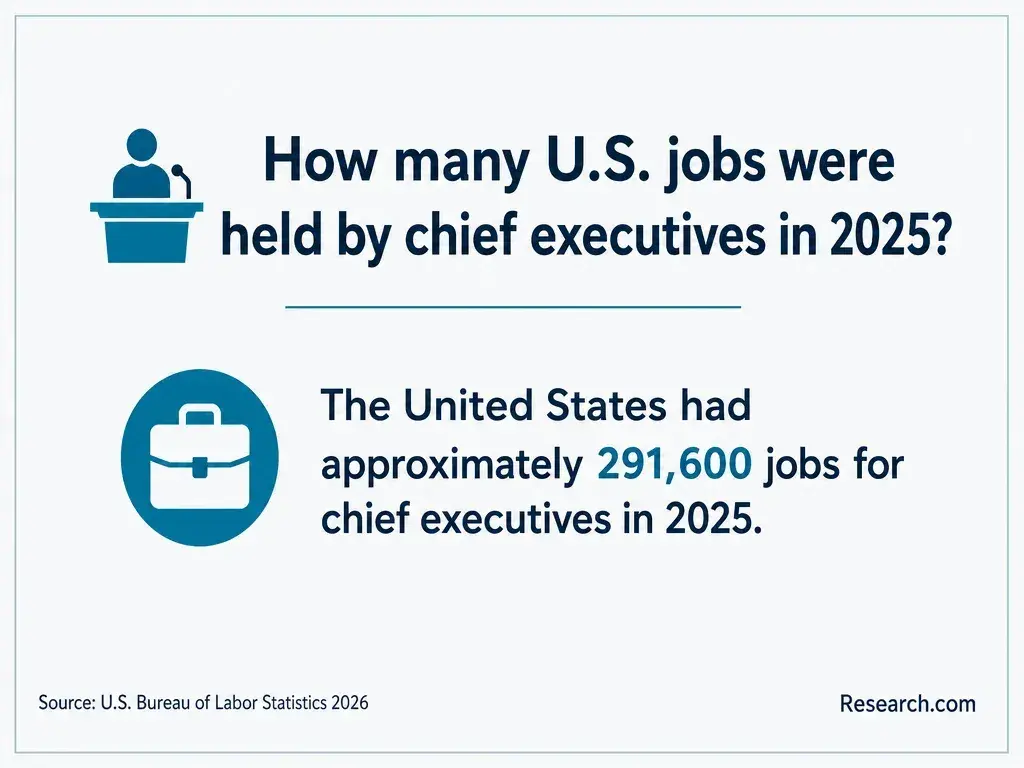
The U.S. Bureau of Labor Statistics reports a May 2025 median annual salary of $101,860 for management analysts and projects 10.1% employment growth for that occupation from 2025 to 2035. Those are occupation-wide measures, not forecasts for Ed.D. graduates. For a no-promotion financial plan, use your present compensation; treat any future role change as an uncertain benefit. Professionals targeting college settings can explore college leadership development through organizational leadership doctoral study, while checking the experience and hiring rules of the positions they actually want.
Does an online Ed.D. require a teaching license or professional certification?
A broadly focused organizational leadership and learning Ed.D. does not inherently require a teaching license, though a particular program may set its own admission conditions. It also does not automatically grant teacher, principal, superintendent, or other regulated licensure, or confer a professional certification.
If licensure is your goal, obtain the program's written licensure disclosure and check eligibility with the relevant state authority before committing tuition. If your goal is organizational learning outside a regulated school role, compare the degree's applied preparation with the qualifications employers list for your target work.
Other Things You Should Know About EdD Leadership
Potentially. Confirm that the institution is eligible and that each expense qualifies under current 529 rules. Your plan administrator or a qualified tax professional can help assess your situation.
Do not assume it is. Tax treatment depends on the expense, your circumstances, and current law. Check IRS guidance or consult a qualified tax professional before including a tax benefit in your budget.
Federal loans may qualify if you meet the program's loan, repayment, employer, and payment requirements. An Ed.D. or a public-service job alone does not establish eligibility; verify the current rules before borrowing.
Ask the program whether an alternative organization, publicly available information, or a different approved project design could meet its requirements. Obtain faculty approval and any necessary organizational permissions before relying on that option.
- Publication 970 (2025), Tax Benefits for Education | Internal Revenue Service https://www.irs.gov/publications/p970
- Cost of Attendance (Budget) | 2025-2026 Federal Student Aid Handbook https://fsapartners.ed.gov/knowledge-center/fsa-handbook/2025-2026/vol3/ch2-cost-attendance-budget
- Tuition Payment Plans in Higher Education | consumerfinance.gov https://www.consumerfinance.gov/data-research/research-reports/tuition-payment-plans-in-higher-education/
- Finding and Applying for Scholarships | studentaid.gov https://studentaid.gov/understand-aid/types/scholarships
- Strategic guide to tuition reimbursement - Purdue Business https://business.purdue.edu/graduate-programs/blog/posts/find-and-navigate-tuition-assistance.php
- Federal Student Loan Options for Graduate Students | SUNY Potsdam https://www.potsdam.edu/admissions/financial-aid/types-aid/loans/federal-student-loan-options-graduate-students
- Online Ed.D. - Teachers, Schools, and Society | Student Services https://education.ufl.edu/curriculum-teaching/prospective-students/edd/
- Registration Requirements | 26-27 Graduate School Bulletin https://graduateschool.bulletins.duke.edu/policies/academic/registration
- EdD in Educational Leadership Program Costs | USC Rossier https://rossier.usc.edu/programs/doctoral/educational-leadership/educational-leadership-program-costs/
- '26-'27 School of Education Graduate Cost of Attendance | pitt.edu https://www.tuition.pitt.edu/graduate/tuition/school-education