2027 Online vs On-Campus Counselor Education Doctorate Programs: Cost, Flexibility, and Employer Perception

Co-Founder and Chief Data Scientist
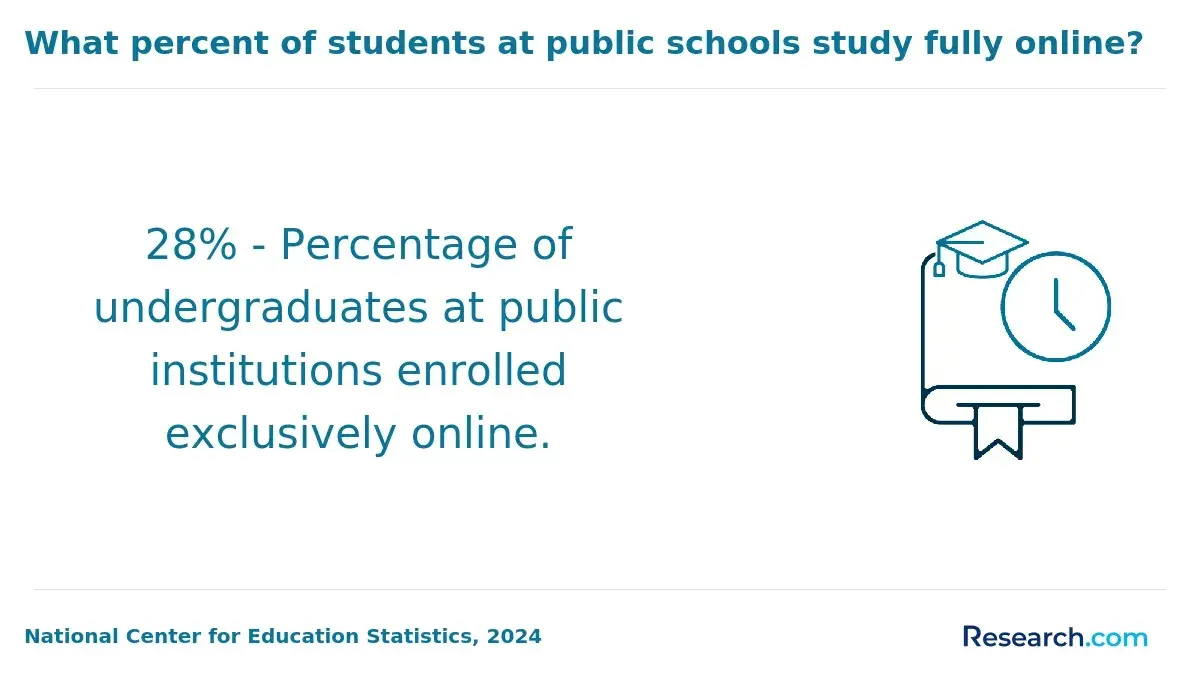
The real choice is not "online or campus" in general; it is which format will help you finish a demanding Counselor Education doctorate without weakening your career options. NCES reported in 2024 that more than half of U. S. postbaccalaureate students took at least one distance education course in fall 2022, showing how normal online graduate study has become.
This guide is for licensed counselors, supervisors, educators, and future faculty comparing cost, flexibility, and employer perception so they can choose the format that fits their budget, schedule, research goals, and long-term role.
Key Things to Know About Online vs On-Campus Counselor Education Doctorate Programs
- Format alone should not decide quality: institutional accreditation, CACREP doctoral alignment, faculty research fit, supervised teaching opportunities, dissertation support, and completion structure matter more than whether courses meet online or on campus.
- NCES graduate tuition benchmarks published in 2024 show wide cost differences by institution sector, with average graduate tuition and required fees reported at $12,596 at public institutions and $30,442 at private nonprofit institutions for 2022-23; format-specific Counselor Education averages are not reported nationally.
- Online doctorates usually offer better schedule control for working counselors, while on-campus programs may provide stronger day-to-day access to assistantships, faculty labs, teaching practica, and informal academic networking.
What are the key differences between online vs on-campus Counselor Education doctorate programs?
Online and on-campus Counselor Education doctorate programs usually lead to similar academic goals: preparing graduates for counselor education faculty roles, clinical supervision, research, leadership, advocacy, and advanced professional practice. The key difference is not the degree title itself, but how students access coursework, mentoring, field experiences, teaching opportunities, and campus-based professional networks.
A Counselor Education doctorate is typically a PhD in Counselor Education and Supervision, though some universities offer related EdD pathways. The PhD is often more research-intensive and may be preferred for tenure-track faculty roles, while an EdD may emphasize applied leadership, program administration, and professional practice. Either format can be worthwhile if the curriculum, faculty, accreditation, and outcomes fit the student's goals.
The table below summarizes the practical differences most applicants should compare before applying. It is designed to help you look beyond the label "online" or "on campus" and focus on how the format affects your daily life and career preparation.
| Comparison factor | Online Counselor Education doctorate | On-campus Counselor Education doctorate |
| Course delivery | Mostly remote, often with synchronous evening classes, asynchronous modules, or short residencies | In-person seminars, campus meetings, labs, and regularly scheduled faculty interaction |
| Best fit | Licensed counselors who need to keep working or cannot relocate | Students seeking immersive faculty mentorship, assistantships, and campus teaching experience |
| Networking style | Structured through virtual cohorts, residencies, conferences, and online supervision meetings | Built through daily campus presence, research teams, department events, and informal faculty contact |
| Fieldwork logistics | Often completed near the student's location with program approval | Often coordinated through university clinics, partner sites, or local agencies |
| Main risk | Underestimating self-direction, residency travel, and remote dissertation discipline | Underestimating relocation, commuting, opportunity cost, and reduced work flexibility |
A common mistake is assuming that online automatically means easier or that on-campus automatically means more respected. A better comparison starts with program accreditation, faculty expertise, dissertation completion support, placement record, and whether the program offers the teaching, supervision, and research experiences required for your intended role.
Are online Counselor Education doctorate programs as rigorous as on-campus programs?
Yes, an online Counselor Education doctorate can be as rigorous as an on-campus program when it uses the same admissions standards, doctoral faculty, learning outcomes, research expectations, supervision requirements, and dissertation process. Rigor is determined by curriculum design and faculty oversight, not by the physical location of the classroom.
For many applicants, the most important quality signal is whether the doctoral program is offered by an institution with recognized institutional accreditation and, when relevant to the student's goals, whether the Counselor Education and Supervision program is CACREP-accredited or designed around CACREP doctoral standards. CACREP alignment matters because doctoral preparation in this field commonly includes advanced counseling theory, counselor supervision, teaching, research, leadership, advocacy, and professional identity development.
Online programs may be rigorous in a different way. Students often have to manage dense reading loads, research milestones, synchronous seminars, peer supervision, and dissertation progress while working as clinicians or supervisors. On-campus students may face a more immersive academic rhythm, with greater expectations for in-person participation in research teams, teaching, faculty meetings, and department service.
Use the following checks to judge academic quality before assuming one format is stronger than the other:
- Confirm whether online and on-campus students complete the same dissertation, comprehensive exam, research methods sequence, and doctoral internship expectations.
- Ask whether online courses are taught by full-time doctoral faculty or mostly by rotating adjunct instructors.
- Review faculty publications, research interests, supervision credentials, and whether faculty advise dissertations in your area of interest.
- Ask for recent dissertation completion timelines, not just advertised program length.
- Look for required doctoral teaching, supervision, and research experiences rather than coursework-only designs.
If your priority is academic credibility at the lowest possible price, it can also help to compare low-cost doctoral options across delivery formats; for example, reviewing the cheapest online PhD in counseling can give you a baseline for what affordable online doctoral study may look like before you compare it with campus-based programs.
How does scheduling flexibility differ between online and on-campus Counselor Education doctorate programs?
Scheduling flexibility is usually the strongest argument for an online Counselor Education doctorate. Many students in this field are already licensed counselors, clinical supervisors, school counselors, or agency leaders, so they need a format that allows continued employment while they complete seminars, supervision experiences, research, and dissertation work.
Online flexibility is not the same as being self-paced. Many reputable online doctorates use fixed cohorts, weekly deadlines, live evening seminars, synchronous supervision meetings, and required residencies. On-campus programs may be less flexible week to week, but they can create a more predictable academic routine for students who learn best through regular in-person structure.
The table below compares the time-management realities that often matter more than whether a program advertises itself as "flexible." Use it to identify the format that matches your work schedule and learning style.
| Scheduling issue | Online format | On-campus format |
| Class meeting times | Often evenings or weekends, but some courses may require live attendance | Usually fixed daytime or evening campus meetings |
| Work compatibility | Generally better for full-time professionals if deadlines are predictable | More difficult for full-time work unless courses are evening-based or part-time |
| Pacing | May be cohort-based, part-time, or year-round | Often follows semester-based campus calendars |
| Peer interaction | Requires intentional participation in discussion boards, video meetings, and residencies | More spontaneous interaction before and after class, in labs, and at department events |
| Time-management risk | Isolation, procrastination, and competing work demands | Commute burden, rigid class times, and less control over weekly schedule |
Before choosing an online program for convenience, ask admissions how many synchronous hours are required each week, whether classes meet across time zones, how often residencies occur, and whether dissertation meetings can be held virtually. Before choosing a campus program, map your commute, work hours, assistantship expectations, and family responsibilities against the actual course rotation.
Fieldwork requirements do not disappear in an online Counselor Education doctorate. Doctoral students commonly complete supervised experiences in teaching, counseling supervision, leadership, research, and advanced practice. The difference is where those experiences happen and how closely the program helps arrange them.
Under CACREP doctoral expectations, Counselor Education and Supervision programs include substantial supervised doctoral practice, and many programs require a doctoral internship totaling 600 clock hours. That requirement matters because even an online student may need approved local sites, qualified supervisors, documented hours, and faculty oversight.
The table below shows how fieldwork logistics commonly differ by format. It can help you spot programs that are realistic for your location and professional network.
| Fieldwork element | Online doctorate | On-campus doctorate |
| Site placement | Often student-identified and program-approved near the student's community | Often supported through university clinics, local schools, agencies, or campus partnerships |
| Supervision | May combine local site supervision with virtual faculty supervision | May include direct faculty observation, campus supervision groups, and local site supervision |
| Teaching practice | May involve online teaching assistantships, local guest teaching, or virtual course facilitation | May involve in-person teaching assistantships and campus-based undergraduate or master's courses |
| Documentation | Requires careful remote tracking, approvals, and communication across sites | May be easier to coordinate if the site is tied to the department |
| Main concern | Whether your local area has suitable doctoral-level opportunities | Whether campus-based opportunities match your specialization and schedule |
To avoid problems, do not enroll until you know whether the program will help secure fieldwork placements or expects you to find them independently. Also confirm whether your current workplace can count for any required internship activities, because some programs limit using regular employment duties to satisfy doctoral fieldwork requirements.
The dissertation process is academically similar across online and on-campus Counselor Education doctorates: students identify a research problem, form a committee, complete a proposal, obtain ethics approval when human participants are involved, collect and analyze data, defend the dissertation, and submit the final manuscript. The experience can feel very different, however, because the support structure varies by format.
Online dissertation students need especially clear communication routines. They may have fewer informal hallway conversations with advisors, so strong programs replace that gap with scheduled advising, virtual writing groups, research seminars, milestone tracking, and accessible methods support. On-campus students may benefit from closer proximity to faculty, research labs, libraries, and peer writing communities, but they can still stall if the department lacks structured dissertation checkpoints.
The most useful way to compare dissertation support is to ask direct questions before applying. These questions reveal whether a program has a real completion infrastructure or simply expects students to navigate the dissertation alone:
- How soon are students matched with dissertation advisors, and can students change advisors if their research topic shifts?
- Are dissertation milestones built into required courses, or do students begin independently after coursework?
- How often do doctoral students meet with advisors during the proposal and writing stages?
- What research methods support is available for qualitative, quantitative, mixed-methods, and program evaluation studies?
- Does the program provide writing groups, dissertation boot camps, statistics support, or peer review sessions?
- What is the typical time from coursework completion to dissertation defense?
A major red flag is a program that advertises a short completion timeline but cannot explain how students move from coursework to proposal defense. Dissertation support is one of the strongest predictors of whether a doctoral program feels manageable, regardless of delivery format.
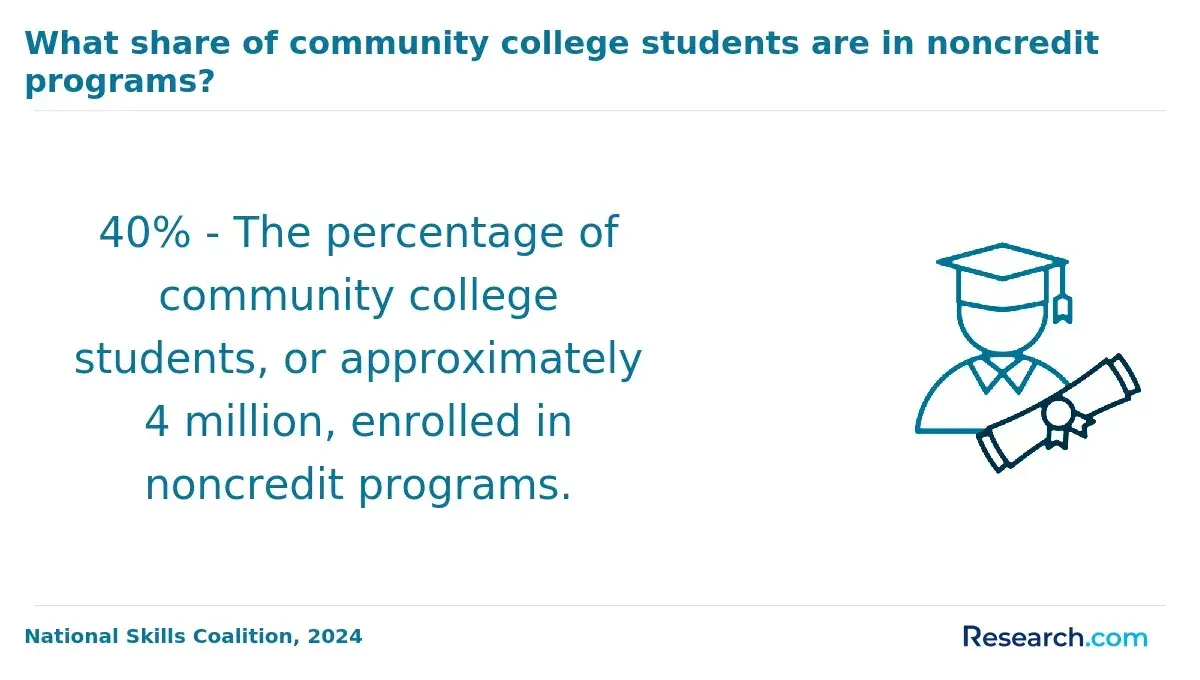
Tuition comparisons are tricky because there is no single federal dataset that reports average tuition specifically for online versus on-campus Counselor Education doctorates. The best available national benchmark is broader graduate tuition data. NCES figures published in 2024 for 2022-23 show how much institution type can affect graduate pricing before format, fees, or aid are considered:
- Public institutions: $12,596 average graduate tuition and required fees
- Private nonprofit institutions: $30,442 average graduate tuition and required fees
- Private for-profit institutions: $14,161 average graduate tuition and required fees
These numbers are not Counselor Education-specific and should not be treated as a quote for any individual doctorate. They are useful because they show why applicants should compare actual per-credit tuition, required doctoral fees, residency charges, and assistantship funding rather than assuming online programs are always cheaper.
Online programs may charge the same tuition to all distance students, which can help out-of-state students avoid higher nonresident rates. On-campus public universities may be less expensive for in-state students, especially if tuition remission is available through assistantships. Private nonprofit universities can be strong academically but may have higher sticker prices, so financial aid and time-to-completion matter heavily.
When comparing tuition, build a side-by-side estimate using the same assumptions for each program. Include total credits, per-credit tuition, university fees, program fees, residency costs, expected annual tuition increases, and whether dissertation continuation credits are billed after coursework. Students comparing broader education doctorates may also find it useful to review the cheapest online EdD programs to understand how doctoral pricing can vary across education-related fields.
Cost of attendance goes beyond tuition. For Counselor Education doctoral students, the real financial question is how the format affects housing, commuting, travel, lost income, technology, conference participation, clinical supervision expenses, and time away from paid counseling work.
Online programs can reduce relocation and commuting costs, but they may add residency travel, hotel stays, technology costs, and less access to campus-based assistantships. On-campus programs can increase living and transportation costs, but they may provide stronger access to graduate assistantships, tuition remission, faculty-funded research work, and paid teaching experience.
The table below breaks down cost components that applicants often miss. Use it to calculate a realistic total cost of attendance rather than comparing tuition alone.
| Cost component | Online doctorate | On-campus doctorate |
| Tuition | May be flat-rate for all online students or similar to campus tuition | May vary by in-state, out-of-state, public, private nonprofit, or private for-profit status |
| Fees | Technology, distance learning, residency, and dissertation continuation fees may apply | Campus, student services, health, lab, and program fees may apply |
| Travel | Residencies, campus intensives, conferences, and dissertation defense travel may be required | Commuting, parking, relocation, and local transportation can add up |
| Work income | Often easier to maintain full-time or part-time employment | May require reduced work hours unless the program is part-time or evening-based |
| Funding access | Assistantships may be limited or designed differently for distance students | Assistantships and tuition remission may be more available, especially in research universities |
One common mistake is choosing the lowest tuition program without estimating how long it will take to finish. A program with stronger dissertation support and predictable course sequencing may cost less overall than a cheaper program that leaves students paying continuation fees for several extra terms.
Employers in Counselor Education tend to care less about whether a doctorate was completed online and more about whether the graduate can teach, supervise, publish, advise students, contribute to accreditation work, and demonstrate professional credibility. That said, employer perception can vary by role. Tenure-track faculty searches may scrutinize research productivity and teaching experience more closely, while clinical leadership roles may focus on supervision skill, licensure history, and administrative competence.
There is no reliable national employer dataset that isolates hiring preferences for online versus on-campus Counselor Education doctoral graduates. Because of that, applicants should avoid broad claims that employers universally prefer one format. A more practical approach is to evaluate how the program prepares students to meet the expectations of the jobs they want.
The table below translates common employer expectations into program features you can verify. This is more useful than asking whether an employer "accepts online degrees" in the abstract.
| Employer expectation | Program evidence to look for | Why it matters |
| Faculty readiness | Doctoral teaching experience, course design practice, and supervised instruction | Departments need graduates who can teach counseling courses effectively |
| Research ability | Faculty-mentored publications, conference presentations, and strong methods training | Academic employers often review scholarly potential |
| Supervision competence | Formal supervision coursework and documented supervised supervision experience | Counselor educators often supervise master's students and new clinicians |
| Accreditation familiarity | Exposure to CACREP standards, assessment, program evaluation, and outcomes reporting | Faculty and program directors often support accreditation processes |
| Professional identity | Membership, conference involvement, advocacy, and leadership activities | Employers look for engagement with the counseling profession |
If you are aiming for academic teaching, look closely at whether the program teaches students how to design courses, assess learning, and use educational technology. Students interested in that side of faculty work may also benefit from exploring related preparation in the best online instructional design master's programs, especially if they plan to teach hybrid or online counseling courses later.
Program format can affect job prospects indirectly, but it usually does not do so by itself. Employers are more likely to evaluate the institution's reputation, accreditation, dissertation topic, teaching portfolio, publications, supervision experience, professional references, and whether the graduate's specialization fits the opening.
BLS occupational data updated in 2024 reported a median annual wage of $84,380 for postsecondary teachers in May 2023. This figure covers postsecondary teaching broadly, not only Counselor Education faculty, so applicants should use it as career context rather than a guaranteed outcome. Salaries can vary widely by institution type, rank, region, contract length, and whether the role is tenure-track, clinical faculty, adjunct, administrative, or supervisory.
Online students can be competitive for faculty, supervision, and leadership roles when they intentionally build evidence of readiness. That means seeking opportunities to teach, publish, present, supervise, serve on committees, and network through counseling organizations. On-campus students may have easier access to some of these opportunities, but they still need to document outcomes rather than rely on campus presence alone.
To protect your job prospects, focus on the career evidence you will have at graduation:
- For tenure-track roles, prioritize research mentorship, publication opportunities, teaching assistantships, and strong dissertation alignment with faculty expertise.
- For clinical supervision or director roles, prioritize supervision training, leadership experience, licensure alignment, and program evaluation skills.
- For adjunct or teaching-focused roles, prioritize course design experience, supervised teaching, student evaluation methods, and online teaching competence.
- For policy, advocacy, or nonprofit leadership, prioritize research translation, grant exposure, community partnerships, and measurable leadership projects.
The format matters most when it changes your access to these experiences. An online doctorate with strong mentoring and teaching opportunities may serve your career better than a campus program with weak faculty fit. A campus program with funded research and intensive teaching experience may be better if your goal is a competitive academic search.
How do you choose between online and on-campus Counselor Education doctorate programs?
The best format is the one that fits your career target, budget, learning style, location, and need for support. A working licensed counselor who cannot relocate may make a strong choice with an online or hybrid doctorate. A student seeking a research-intensive academic career may benefit from an on-campus program with assistantship funding, close faculty mentorship, and strong publication opportunities.
Use this decision process before applying. It keeps the comparison practical and helps you avoid choosing a format based only on convenience or prestige:
- Define your primary goal: tenure-track faculty, clinical supervision, program leadership, research, advocacy, or advanced practice.
- List nonnegotiables: accreditation, faculty research fit, residency limits, part-time pacing, assistantship availability, licensure considerations, and dissertation support.
- Calculate total cost of attendance for each program, including tuition, fees, travel, lost income, and likely time-to-completion.
- Ask admissions how online and on-campus students differ in teaching opportunities, supervision experiences, research roles, and funding access.
- Request outcomes information, such as recent dissertation topics, graduate roles, faculty placements, and average time to degree if available.
- Speak with current students or recent graduates in your intended format, not only program recruiters.
- Eliminate programs that cannot clearly explain fieldwork, dissertation advising, residency requirements, or who teaches doctoral courses.
There are also warning signs that apply to any format. Be cautious if a program minimizes the dissertation, promises unusually fast completion without explaining milestones, lacks transparent tuition and fee information, does not clarify accreditation, offers little faculty interaction, or cannot describe how students gain doctoral-level teaching and supervision experience.
If you are still earlier in the counseling education pathway and trying to understand program accessibility before doctoral study, reviewing easiest counseling degree programs can help you distinguish entry-level counseling education from the much more specialized expectations of doctoral Counselor Education programs.
Other Things You Should Know About Counselor Education
They often have similar academic requirements, such as a counseling master's degree, graduate GPA minimums, recommendations, writing samples, interviews, and professional experience. Some online programs may place more emphasis on applicants' ability to study independently while working.
No. A doctorate in Counselor Education does not automatically grant counseling licensure. Licensure is controlled by state boards and usually depends on an approved master's degree, supervised clinical hours, exams, and state-specific requirements.
They can be. Hybrid programs may combine online coursework with campus residencies, giving students flexibility while preserving in-person faculty contact, cohort bonding, and intensive supervision or research experiences.
Not without checking quality. A shorter timeline is only helpful if the program still provides strong dissertation advising, doctoral fieldwork, research preparation, teaching experience, and transparent completion expectations.
- On-Campus vs. Online Master’s in Counseling | University of Bridgeport https://www.bridgeport.edu/news/on-campus-vs-online-counseling-degree/
- Introduction to the Special Issue on Doctoral Counselor Education https://tpcjournal.nbcc.org/tag/counselor-education-and-supervision/
- Compare Counseling And Psychology Accreditation https://www.accreditedschoolsonline.org/psychology/resources/accreditation/
- Ph.D. in Counselor Education and Supervision https://www.ucumberlands.edu/academics/graduate/phd-counselor-education-and-supervision
- About CACREP - CACREP https://www.cacrep.org/about-cacrep/
- Why Is Accreditation Important? | ACE Blog https://ace.edu/blog/why-is-accreditation-important/
- Top Accrediting Bodies For Counseling Degrees https://www.psychology.org/resources/accreditation-for-counseling-degrees/
- CACREP Accredited Online Counseling Programs (Master's) https://www.onlineeducation.com/counseling/faqs/cacrep-accredited-online-counseling-programs
- 2025 Most Affordable Online Doctorates in Education https://www.onlineu.com/most-affordable-colleges/education-doctoral-degrees