2027 Best Online Counselor Education Doctorate Programs for Government and Public Sector Careers

Co-Founder and Chief Data Scientist
Choosing an online counselor education doctorate is a high-stakes decision if your goal is public service leadership, policy, supervision, or higher education. BLS data released in 2024 projects 19% growth for substance abuse, behavioral disorder, and mental health counselors from 2023 to 2033, signaling strong demand for advanced behavioral health expertise.
This guide is for working counselors, supervisors, educators, and agency professionals comparing flexible doctoral options. You will learn how accreditation, cost, online format, public sector relevance, curriculum, and career support affect the value of each program.
Key Things You Should Know
- The strongest online counselor education doctorates for government careers are regionally accredited, preferably CACREP-accredited at the doctoral level, and include supervision, research, leadership, ethics, assessment, and public systems coursework.
- Public sector fit matters as much as tuition: BLS May 2024 data places the national median for substance abuse, behavioral disorder, and mental health counselors at $59,190, while leadership, postsecondary, and administrative roles may use different pay schedules and credentials.
- Working professionals should compare total program cost, residency requirements, dissertation or capstone format, faculty public-sector experience, and whether the program supports careers in federal agencies, state behavioral health systems, schools, corrections, veterans services, and community colleges.
What Are the Best Online Counselor Education Doctorate Programs for Government and Public Sector Careers?
The best online counselor education doctorate for a government or public sector career is usually not the fastest or most famous option. It is the program whose accreditation, doctoral design, faculty expertise, research expectations, and professional network match the type of public service role you want after graduation.
For most licensed counselors, the strongest fit is an online or low-residency PhD or EdD in Counselor Education and Supervision. A PhD usually emphasizes research, teaching, theory development, and publication, which can support university faculty roles, government research offices, policy analysis, and program evaluation.
An EdD often emphasizes applied leadership, organizational improvement, practitioner-scholar work, and systems change, which can fit agency administration, training leadership, clinical supervision, and public program improvement.
Use this comparison to identify the type of doctorate that best aligns with your public sector goals. The right choice depends on whether you want to teach, lead, supervise, evaluate programs, or shape policy:
| Program type | Best public sector fit | Key strengths | Trade-offs to check |
| Online PhD in Counselor Education and Supervision | University faculty, government research, policy evaluation, doctoral-level teaching, grant-funded behavioral health initiatives | Strong research training, dissertation depth, preparation for publishing and teaching | May take longer, may require more research methods coursework, and may include residencies or teaching practica |
| Online EdD in Counselor Education or Counseling Leadership | Agency leadership, clinical training director, school district counseling administrator, state or local behavioral health management | Applied leadership focus, practical dissertation or capstone, strong fit for working professionals | May be less research-intensive than a PhD, which matters for tenure-track faculty goals |
| Low-residency doctoral program | Professionals who need online flexibility but want face-to-face networking and intensive skills development | Combines online coursework with campus or conference-style residencies | Travel, lodging, and time away from work can raise the true cost |
| Public university online doctorate | Students prioritizing employer recognition, public mission alignment, and potentially lower in-state tuition | Often familiar to government employers and may offer stronger public service connections | Residency rules, cohort limits, and tuition categories vary widely |
| Private nonprofit online doctorate | Students who need flexible scheduling, specialized faculty, or national online cohorts | May offer asynchronous coursework, dedicated online support, and specialized doctoral tracks | Tuition may be higher, so total cost and employer reimbursement matter |
If affordability is a top priority, compare total doctoral cost rather than sticker tuition alone. A focused list of the cheapest online PhD in counseling options can be a useful starting point, but public sector career fit still requires checking accreditation, residencies, faculty expertise, and dissertation expectations.
Students who should strongly consider this doctorate include licensed professional counselors, school counselors, rehabilitation counselors, military or veterans services clinicians, community agency supervisors, and counselor educators who want senior roles in training, supervision, administration, or research.
Students who mainly want entry-level counseling licensure should usually start with a qualifying master's degree instead, because a doctorate does not replace state-specific initial licensure requirements.
How Should You Compare Online Counselor Education Doctorate Programs for Your Public Sector Career Goals?
To compare programs well, start with your target public sector role and work backward. A doctorate that is excellent for a future professor may not be the best choice for a state behavioral health administrator, and a program built around clinical supervision may not provide enough quantitative research training for policy evaluation roles.
Use the following steps to narrow your list before speaking with admissions representatives. This sequence helps you avoid choosing based only on ranking position, tuition, or brand recognition:
- Define your target setting; federal agency, state behavioral health department, local government, public school system, corrections, veterans services, public university, community college, or nonprofit public service organization.
- Match the degree type to the role; choose a PhD for research-heavy, faculty, or evaluation goals; choose an EdD or applied doctorate for agency leadership, supervision, and organizational change.
- Verify institutional accreditation and counselor education program accreditation before comparing tuition or format.
- Review the curriculum for public systems content, including policy, ethics, program evaluation, multicultural counseling, trauma-informed practice, supervision, grant writing, and leadership.
- Ask how many residencies, internships, teaching experiences, supervision practica, and dissertation milestones can be completed without leaving your job.
- Compare total cost, including tuition, fees, travel, books, technology, dissertation continuation credits, and lost work time.
- Evaluate career evidence: faculty backgrounds, alumni placements, public agency partnerships, practicum sites, conference involvement, and doctoral student publication or presentation opportunities.
Common mistakes usually happen when students treat "online" as the main feature instead of one factor in a broader career decision. The better approach is to compare whether the program can help you build the exact evidence government and public sector employers may value: leadership projects, research competence, supervision experience, policy awareness, and a record of ethical professional practice.
The table below summarizes frequent red flags and stronger alternatives. Use it as a quick screening tool before applying or paying an enrollment deposit:
| Red flag | Why it matters | Better alternative |
| The program is vague about accreditation | Government employers and licensing boards may scrutinize degree legitimacy | Confirm institutional accreditation and, when relevant, CACREP doctoral accreditation |
| The curriculum has little supervision or research training | Doctoral-level public sector roles often require program evaluation, staff development, or evidence-based decision-making | Choose a curriculum with advanced research, supervision, assessment, ethics, and leadership courses |
| Residency requirements are unclear | Travel costs and leave time can affect working professionals more than tuition differences | Request a written schedule of all in-person obligations before applying |
| The school emphasizes speed over doctoral quality | Accelerated formats can be useful, but dissertation quality, mentoring, and professional credibility still matter | Look for realistic timelines, structured milestones, and accessible faculty advisors |
| Career support is generic | Public sector advancement often depends on networks, credentials, and specialized experience | Ask about alumni in government, public universities, school systems, and behavioral health agencies |
Are Online Counselor Education Doctorate Programs Accredited and Respected by Government Employers?
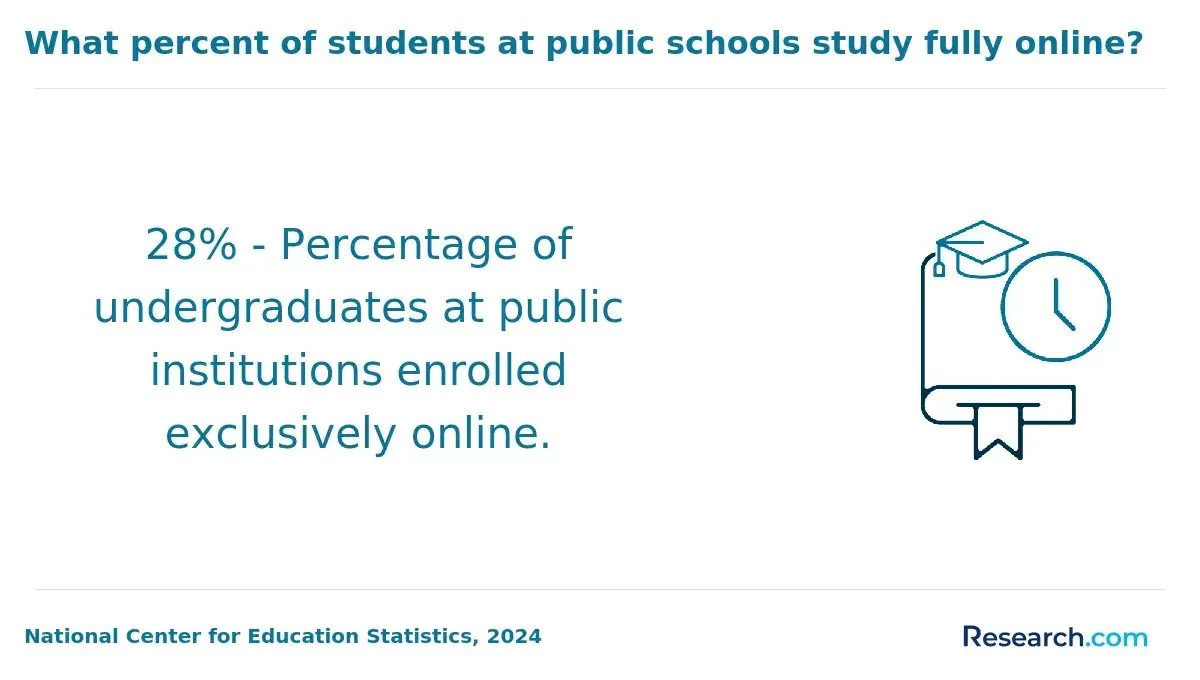
Online counselor education doctorates can be respected by government employers when they come from properly accredited institutions and have rigorous academic expectations.
The online delivery format is usually less important than whether the university is institutionally accredited, whether the program is academically credible, and whether your qualifications match the job announcement or promotion criteria.
Accreditation has two layers. Institutional accreditation applies to the university as a whole and is central for federal financial aid, employer recognition, and transferability.
Programmatic accreditation, especially CACREP accreditation for counselor education programs, can add field-specific credibility because it signals that the curriculum, faculty qualifications, supervision standards, and doctoral preparation have been reviewed against counseling profession standards.
Students should verify these accreditation details directly, not rely only on marketing language. The items below are especially important for government and public sector professionals:
- Confirm that the university holds institutional accreditation from an accreditor recognized by the U.S. Department of Education or the Council for Higher Education Accreditation.
- Check whether the doctoral counselor education program is CACREP-accredited or follows CACREP-aligned standards, especially if you want faculty, supervision, or counselor education roles.
- Ask your state licensing board whether the doctorate affects, supports, or does not affect your current license status, because doctoral enrollment does not automatically create new licensure eligibility.
- Review government job announcements for required degree level, field, license, experience, and specialized skills before assuming a doctorate will qualify you.
- Keep documentation of accreditation, transcript language, practicum experiences, and dissertation topic in case an employer or board requests verification.
A practical rule is simple: if a program avoids clear answers about accreditation, state authorization, licensure relevance, or doctoral outcomes, pause the application process. Public sector employers tend to value verifiable credentials, documented experience, and transparent qualifications.
Admission requirements vary by school, but online counselor education doctorate programs are usually designed for applicants who already have graduate-level counseling preparation and professional experience. They are not typically the easiest route into the counseling profession for beginners.
Most programs look for evidence that you can succeed in doctoral study and contribute to the counseling profession. Applicants who are still exploring entry-level pathways may want to review easiest counseling degree programs before committing to a doctorate.
Expect admissions committees to review several academic, professional, and fit-based factors. These requirements are common, but individual schools may differ:
- A master's degree in counseling or a closely related field from an accredited institution.
- Graduate GPA that meets the program's minimum threshold, often with stronger consideration for applicants who show readiness for research and writing.
- Professional counseling license, school counseling credential, national certification, or documented progress toward licensure, depending on the program.
- Resume or curriculum vitae showing clinical, supervisory, teaching, advocacy, administrative, or public service experience.
- Statement of purpose explaining doctoral goals, public sector interests, research ideas, and faculty fit.
- Letters of recommendation from supervisors, faculty, or professional leaders who can address doctoral readiness.
- Writing sample, interview, or scholarly essay demonstrating graduate-level analysis.
- Background check or site-clearance requirements if the program includes fieldwork, supervision, or school-based experiences.
For public sector applicants, the statement of purpose is especially important. Strong applicants connect their doctorate to a concrete public need, such as improving behavioral health access in rural counties, strengthening school counseling supervision, evaluating reentry programs, supporting veterans, or training counselors for underserved communities.
The most useful curriculum for government careers blends counselor education expertise with public systems thinking. You want advanced counseling knowledge, but you also need the ability to supervise teams, evaluate programs, interpret policy, use data responsibly, and communicate with administrators who may not be counselors.
The table below connects common doctoral curriculum areas with public sector career uses. It can help you identify whether a program is built for your intended work setting:
| Curriculum area | Why it matters for government and public sector careers | Roles where it is especially useful |
| Advanced clinical supervision | Prepares graduates to train counselors, document supervision, support ethical practice, and improve service quality | Clinical supervisor, training director, behavioral health program manager |
| Research methods and statistics | Builds skills for evaluating programs, reading evidence, designing studies, and supporting grant-funded initiatives | Policy analyst, program evaluator, faculty member, research coordinator |
| Program evaluation | Helps agencies measure outcomes, justify funding, and improve services without relying only on anecdotes | State agency administrator, local government manager, nonprofit public service leader |
| Leadership and advocacy | Supports work across schools, agencies, legislatures, boards, and interprofessional teams | Agency director, school counseling coordinator, public mental health leader |
| Multicultural and social justice counseling | Prepares graduates to serve diverse communities and address access, equity, and culturally responsive care | Public school leader, community agency administrator, veterans services counselor educator |
| Teaching and counselor education pedagogy | Develops skills for preparing future counselors and designing adult learning experiences | University faculty, community college instructor, government training specialist |
| Assessment, ethics, and law | Strengthens decision-making in regulated environments where documentation, confidentiality, and risk management matter | Compliance-focused supervisor, corrections counselor leader, public agency consultant |
Current public sector work also requires digital fluency. Doctoral students who expect to train counselors online, design agency learning modules, or lead workforce development may benefit from understanding adult learning and online course design; programs outside counseling, such as best online instructional design master's programs, show how closely education technology and workforce training now intersect.
Specializations can be valuable when they align with a real hiring environment. Trauma, addictions, school counseling leadership, rehabilitation, military and veterans counseling, rural behavioral health, crisis response, and integrated care may be especially relevant in public systems. However, a specialization should not replace a strong doctoral core in research, supervision, ethics, and leadership.
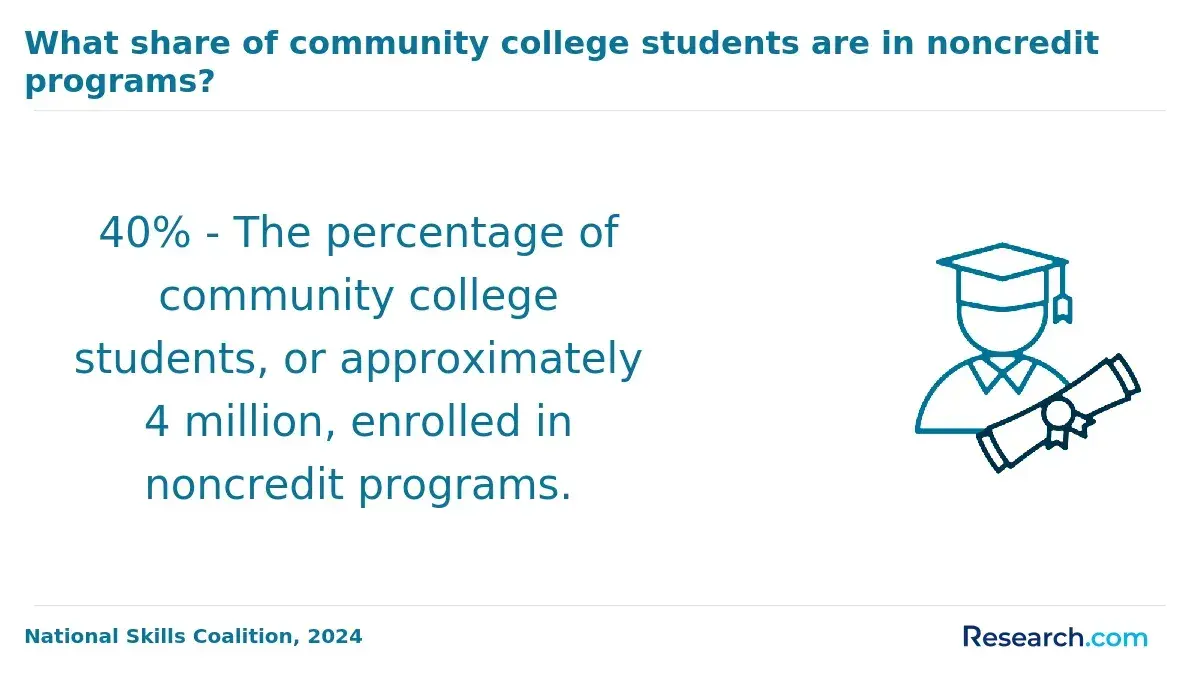
Online counselor education doctorate programs usually combine remote coursework with structured doctoral milestones. The exact format matters because even "online" programs may require synchronous evening classes, campus residencies, supervision labs, comprehensive exams, teaching experiences, or dissertation defenses.
Online learning can be synchronous, asynchronous, or blended. Synchronous courses provide live interaction and may support cohort connection, while asynchronous formats offer more flexibility for counselors working full time. Hybrid or low-residency formats can be valuable for supervision skill-building and faculty relationships, but they add travel and scheduling constraints.
The table below explains major doctoral format components and why each one matters for working public sector professionals:
| Program component | What it usually involves | Decision factor for working professionals |
| Online coursework | Weekly modules, readings, discussions, papers, live seminars, exams, or applied projects | Ask whether live sessions are required and whether recordings are available |
| Residencies | Short campus visits, intensive workshops, orientation, research seminars, or supervision labs | Calculate travel, lodging, leave time, and family responsibilities |
| Supervision or teaching practicum | Doctoral-level experience supervising counselors-in-training or teaching counseling courses | Confirm whether placements can be completed near your location or through your employer |
| Comprehensive exams | Written or oral assessments showing mastery before dissertation or capstone work | Ask how exams are scheduled and what support is provided |
| Dissertation | Original research guided by a faculty committee | Best for research, faculty, policy, and evaluation goals, but often requires sustained independent work |
| Capstone or applied dissertation | Practice-based project addressing a real organizational problem | Useful for agency leadership and public program improvement, if accepted by your target employers |
Before enrolling, ask for the doctoral handbook, dissertation manual, residency calendar, and sample course sequence. These documents reveal more about the student experience than a marketing page does.
Most working professionals should plan for a multi-year commitment. A full-time student may finish faster, but many online counselor education doctoral students study part time because they are licensed counselors, supervisors, educators, or public agency employees balancing caseloads and leadership responsibilities.
A realistic timeline for a working student often falls in the 4-to-6-year range, although some students finish sooner and others need more time because of dissertation progress, course sequencing, family responsibilities, or employment changes.
The key is not just program length; it is whether the program's pacing matches your capacity to write, research, attend residencies, and complete doctoral field experiences.
Use these practical steps to judge whether a program's timeline is realistic for your life and job:
- Request both full-time and part-time plans of study and compare when courses are actually offered.
- Ask how long students typically spend in coursework, comprehensive exams, proposal approval, data collection, and final defense.
- Find out whether dissertation credits continue after coursework and whether they add extra tuition or fees.
- Confirm whether your employer will allow flexible scheduling for residencies, practicum hours, research, or teaching assignments.
- Choose a dissertation topic that fits your public sector interests and can be completed with realistic access to participants, data, or agency approval.
The best accelerated program is not simply the shortest one. For public sector professionals, the better question is whether the timeline allows you to produce credible work that can support promotion, faculty applications, consulting, or leadership responsibilities.
Cost can vary widely because doctoral programs charge by credit, term, residency, or dissertation continuation status. NCES graduate tuition reporting available in 2024 shows that average graduate tuition and required fees were much lower at public institutions than private nonprofit institutions in the most recent national data, which makes school type an important affordability factor before financial aid.
When comparing prices, look beyond tuition per credit. The following cost categories commonly affect the total price of an online counselor education doctorate:
- Tuition per credit or per term.
- University fees, online learning fees, technology fees, and graduation fees.
- Residency travel, lodging, meals, parking, and time away from work.
- Books, assessment tools, software, statistical packages, and research expenses.
- Dissertation continuation credits if research takes longer than expected.
- Professional memberships, conference travel, licensure renewal, and liability insurance.
Funding may come from multiple sources, but eligibility depends on school policy, employment status, and federal rules. Graduate students may use federal loans when enrolled in eligible programs, and current federal rules allow up to $20,500 per academic year in Direct Unsubsidized Loans for many graduate and professional students; borrowers should still compare interest, repayment, and Public Service Loan Forgiveness eligibility carefully.
Public sector professionals should also ask about employer tuition assistance, union or agency education benefits, state workforce grants, military or veterans benefits, graduate assistantships, dissertation fellowships, and professional association awards.
If you are open to an education doctorate structure, comparing cheapest online EdD programs can help you understand how applied doctoral pricing differs from research-focused counseling PhD options.
Do not evaluate return on investment only by asking whether the doctorate raises your salary immediately. In government settings, pay may depend on grade level, seniority, collective bargaining agreements, licensure, position classification, and budget approval.
A better ROI analysis includes whether the degree opens access to leadership eligibility, faculty work, supervisory authority, grant-funded roles, consulting opportunities, or long-term public service impact.
An online counselor education doctorate can support several government and public sector pathways, but it does not automatically qualify you for every role. Employers may still require a license, school credential, faculty record, research portfolio, administrative experience, or specialized knowledge of the population served.
The table below connects common public sector career paths with typical responsibilities and useful doctoral preparation. Salary figures should be read as broad occupational context, not guaranteed outcomes for doctorate holders:
| Career path | Common public sector employers | Typical responsibilities | Relevant salary context |
| Counselor educator or faculty member | Public universities, community colleges, state university systems | Teach counseling courses, supervise trainees, conduct research, advise students, support accreditation | BLS May 2024 data reports a national median of $83,980 for postsecondary teachers overall, with pay varying by field, rank, and institution |
| Clinical supervision or training director | County behavioral health agencies, correctional systems, public hospitals, veterans-related providers | Supervise counselors, improve documentation, lead training, monitor ethics and quality | Compensation often follows agency leadership scales rather than counselor median wages |
| Behavioral health program administrator | State mental health departments, local health departments, public health agencies | Manage programs, budgets, compliance, staff development, contracts, and service outcomes | BLS May 2024 data reports $110,680 as the national median for medical and health services managers, though counseling-specific public roles vary |
| Program evaluator or policy analyst | Federal contractors, state agencies, research centers, public universities | Evaluate services, analyze outcomes, write reports, support grants, translate research for decision-makers | Pay depends heavily on classification, analytic skills, research record, and employer type |
| School counseling leader | Public school districts, state education agencies, regional education service agencies | Coordinate counseling services, supervise school counselors, support student wellness systems, evaluate programs | BLS May 2024 data reports $65,140 as the national median for school and career counselors and advisors |
| Veterans, military family, or crisis services leader | Federal agencies, state veterans departments, public hospitals, community-based public service partners | Oversee trauma-informed services, train staff, evaluate access, support interagency collaboration | Federal roles may use General Schedule or agency-specific pay systems rather than private-sector salary patterns |
The doctorate may be most valuable when paired with a professional identity that government employers can clearly understand: licensed counselor, experienced supervisor, researcher, educator, public administrator, grant leader, or program evaluator.
If your current resume lacks management, research, teaching, or policy experience, choose a program that helps you build those experiences before graduation.
Which Online Counselor Education Doctorate Programs Offer the Best Public Sector Career Support and Professional Networks?
The programs with the strongest public sector career support do more than provide a degree plan. They help students build relationships, scholarly evidence, supervision experience, and applied projects that connect to public problems.
When speaking with admissions, faculty, or current students, use these questions to assess whether the program's network fits government and public sector goals:
- Do faculty members have experience with public schools, state agencies, federal grants, veterans services, correctional counseling, public universities, or community behavioral health systems?
- Where do graduates work, and can the program describe alumni outcomes in public universities, agencies, schools, or government-adjacent organizations?
- Are doctoral students supported in presenting at counseling, education, public health, or government-focused conferences?
- Can dissertation topics use public agency data, school system partnerships, workforce development questions, or program evaluation designs?
- Does the program offer teaching, supervision, research assistant, or grant-related opportunities for online students?
- Are career services familiar with federal resumes, state hiring systems, public university faculty searches, and public sector interview processes?
- Does the program maintain relationships with practicum sites, school districts, community agencies, or professional associations relevant to your target population?
Professional networks matter because many public sector roles are interdisciplinary. A counselor education doctoral student may need to communicate with social workers, psychologists, public health officials, school leaders, attorneys, grant officers, data analysts, and elected officials. Programs that expose students to those systems can provide stronger preparation than programs focused only on classroom theory.
A good final test is whether you can name three concrete professional assets you will have by graduation. Examples include a dissertation tied to a public agency problem, a supervision portfolio, a teaching record, a published article, a grant evaluation project, or a leadership initiative that improved services for a public population.
Other Things You Should Know About Counselor Education
Yes, many students do, but you must continue meeting your state's license renewal, continuing education, supervision, and ethics requirements. Doctoral enrollment usually does not replace license maintenance rules.
It can be useful if the program includes research methods, program evaluation, policy analysis, grant writing, and public systems coursework. If your goal is broad government policy with little connection to counseling, a public administration, public health, or education policy doctorate may be a better fit.
Quality varies by program. Ask about advisor availability, dissertation chair assignment, online office hours, research groups, doctoral cohorts, and whether online students can co-author papers or present with faculty.
You do not need a final topic, but you should have a focused area of interest. Strong public sector topics often involve access to care, counselor supervision, school mental health, rural services, trauma programs, workforce shortages, ethics, or evaluation of publicly funded services.
- Program Outcomes https://www.hsu.edu/academics/graduate-studies/counselor-education/program-outcomes/
- Ph.D. in Counselor Education and Supervision https://www.ucumberlands.edu/academics/graduate/phd-counselor-education-and-supervision
- What is CACREP Accreditation? https://onlinecounselingprograms.com/online-counseling-degrees/cacrep-accredited/what-is-cacrep-accreditation/
- The Pipeline Problem in Doctoral Counselor Education and Supervision https://tpcjournal.nbcc.org/tag/doctoral-programs/
- What You Can Do with a PhD in Counselor Education & Supervision https://paloaltou.edu/resources/blog/phd-counselor-education-careers
- Top Accrediting Bodies For Counseling Degrees https://www.psychology.org/resources/accreditation-for-counseling-degrees/
- Counselor Education and Supervision (PHD) | East Texas A&M University, ETAMU https://www.etamu.edu/programs/counselor-education-supervision-phd/
- Section 6: Doctoral Standards Counselor Education and Supervision - CACREP https://www.cacrep.org/section-6-doctoral-standards-counselor-education-and-supervision-2/
- Doctor of Public Administration (DPA) Online: Top Programs https://www.phds.me/online-programs/doctor-of-public-administration-dpa/