2027 Online Social Psychology Degree Programs That Accept 60, 75, or 90 Transfer Credits

Co-Founder and Chief Data Scientist
Many students do not need to start a social psychology degree from zero. National Student Clearinghouse Research Center data showed transfer enrollment increased in fall 2024, reflecting renewed demand for flexible degree-completion routes. This guide is for students with community college, prior university, military, exam, or alternative credits who want an online psychology program with social psychology coursework. You will learn how 60, 75, or 90 transfer credits can change remaining courses, tuition, completion time, and the questions to ask before enrolling.
Key Things You Should Know
- A 120-credit bachelor's degree usually leaves about 60 credits after transferring 60, 45 credits after transferring 75, and 30 credits after transferring 90, but only credits that fit general education, major, elective, residency, and upper-division rules reduce what you still need to take.
- Many online psychology programs with social psychology coursework cap transfer credit at 60 to 90 credits, while some use a 75% rule, meaning the school may accept up to 90 credits for a 120-credit degree but still require at least 30 credits in residence.
- Before assuming a program is cheaper or faster, verify the official transfer evaluation, minimum grade rules, accreditation requirements, upper-division psychology requirements, and whether older or alternative credits will apply to the degree plan.
How Many Transfer Credits Can You Apply Toward an Online Social Psychology Degree?
Accepting transfer credits is not the same as applying them to your degree. A university may accept 90 credits onto your transcript, but some may count only as electives if they do not match the program's general education, major, prerequisite, upper-division, or residency requirements.
The table below shows how 60-, 75-, and 90-credit transfer scenarios usually affect a 120-credit online bachelor's degree. Use it as a planning framework, not as a substitute for an official evaluation.
| Transfer scenario | Typical credits remaining in a 120-credit degree | Best fit | Main risk to check |
| 60 transfer credits | About 60 credits | Students with an associate degree or two years of prior college work | Lower-division credits may satisfy general education but not upper-division psychology requirements |
| 75 transfer credits | About 45 credits | Students with an associate degree plus extra university, exam, military, or elective credit | Some credits may become free electives rather than reduce major coursework |
| 90 transfer credits | About 30 credits | Degree-completion students near senior standing | Residency and major requirements may still require a full year of courses at the new school |
Students looking for the shortest path should compare social psychology options with broader degree-completion formats, including a fast track bachelor degree, because acceleration depends on both transfer credit and course scheduling.
Which Online Social Psychology Degree Programs Accept 60, 75, or 90 Transfer Credits?
The most transfer-friendly online options are usually bachelor's programs in psychology, applied psychology, liberal arts with a psychology concentration, or behavioral science. These programs often include social psychology as a required course or elective, even when the degree name is not "social psychology."
The table below summarizes common online program types and how they typically handle 60, 75, or 90 transfer credits. Policies vary by catalog year and student record, so confirm every figure with the school before making an enrollment decision.
| Program type | Common maximum transfer range | How social psychology usually fits | Who should consider it |
| Online BA or BS in Psychology | Often up to 90 credits, depending on the institution | Social psychology may be a required core course or upper-level elective | Students planning graduate study, research support roles, human services, HR, or behavioral science careers |
| Online Applied Psychology degree | Often 60 to 90 credits | Social psychology concepts may appear in workplace behavior, community psychology, and applied research courses | Students who want practical applications in organizations, services, or community settings |
| Online Behavioral Science degree | Often 60 to 90 credits | Social psychology may be paired with sociology, counseling, criminal justice, or human development | Students with mixed transfer credits that do not fit a traditional psychology major cleanly |
| Online Liberal Studies or Interdisciplinary Studies degree with psychology focus | Often up to 90 credits | Social psychology may count as part of a concentration rather than a standalone major requirement | Students with many prior credits across several subjects who mainly need to finish a bachelor's degree |
| Online Human Services degree with psychology coursework | Often 60 to 90 credits | Social psychology may support coursework in groups, culture, advocacy, and community behavior | Students aiming for entry-level social services roles rather than psychology graduate school |
When comparing programs, look for schools that publish a maximum transfer-credit policy, offer an online psychology curriculum with social psychology content, and provide a degree audit before enrollment. Also check regional accreditation, because credits from regionally accredited institutions are usually easier to transfer than credits from unaccredited or nontraditional providers.
Career expectations should also be realistic. The U.S. Bureau of Labor Statistics reported a May 2024 median annual wage of $94,310 for psychologists, but most psychologist roles require graduate education and licensure; a bachelor's degree is more often a foundation for graduate study or related roles in research support, human resources, marketing, community programs, or case management.
If you are considering graduate or professional programs later, compare bachelor's transfer flexibility with prerequisite-heavy fields such as online masters nutrition programs, where older science prerequisites and specific course sequences may matter more than the total number of credits accepted.
How Can You Tell Whether Transfer Credits Will Actually Apply Toward Your Social Psychology Degree?
The best way to judge transfer value is to separate three numbers: credits accepted by the institution, credits applied to the degree, and credits still required for graduation. The third number is the one that determines time and cost.
Use the following checklist before choosing a program based on a 60-, 75-, or 90-credit transfer claim. Each step helps you avoid the common mistake of assuming that all accepted credits will shorten the degree.
- Request an official or formal preliminary transfer evaluation using transcripts from every college you attended.
- Ask for a degree audit that shows exactly where each course applies: general education, psychology major, concentration, elective, prerequisite, or unused credit.
- Confirm the minimum grade required for transfer, especially for statistics, research methods, and psychology core courses.
- Check whether lower-division community college psychology courses can satisfy upper-division major requirements.
- Ask how many credits must be completed at the new university after transfer.
- Verify whether social psychology is required, optional, or part of a broader psychology elective category.
- Compare the remaining credits, not the advertised transfer maximum, across at least three schools.
A red flag is any program that encourages enrollment before showing how your credits apply. Another red flag is a transfer summary that lists only total accepted credits without showing whether those credits reduce the psychology major, upper-division requirements, or graduation requirements.
What Types of Previous College Credits Can Transfer Into an Online Social Psychology Degree?
Online social psychology degree programs may evaluate several kinds of prior learning. The strongest transfer credits are usually college courses from accredited institutions, but exam, military, and alternative learning credits may also help if the school recognizes them and they fit the degree plan.
The list below explains which credit sources commonly matter for transfer students and why each one may or may not reduce remaining requirements.
- Community college credits: These often cover general education and lower-division psychology courses, but they may not satisfy upper-division major requirements.
- Four-year university credits: These may be more likely to match upper-division psychology, statistics, research methods, or elective requirements if course levels align.
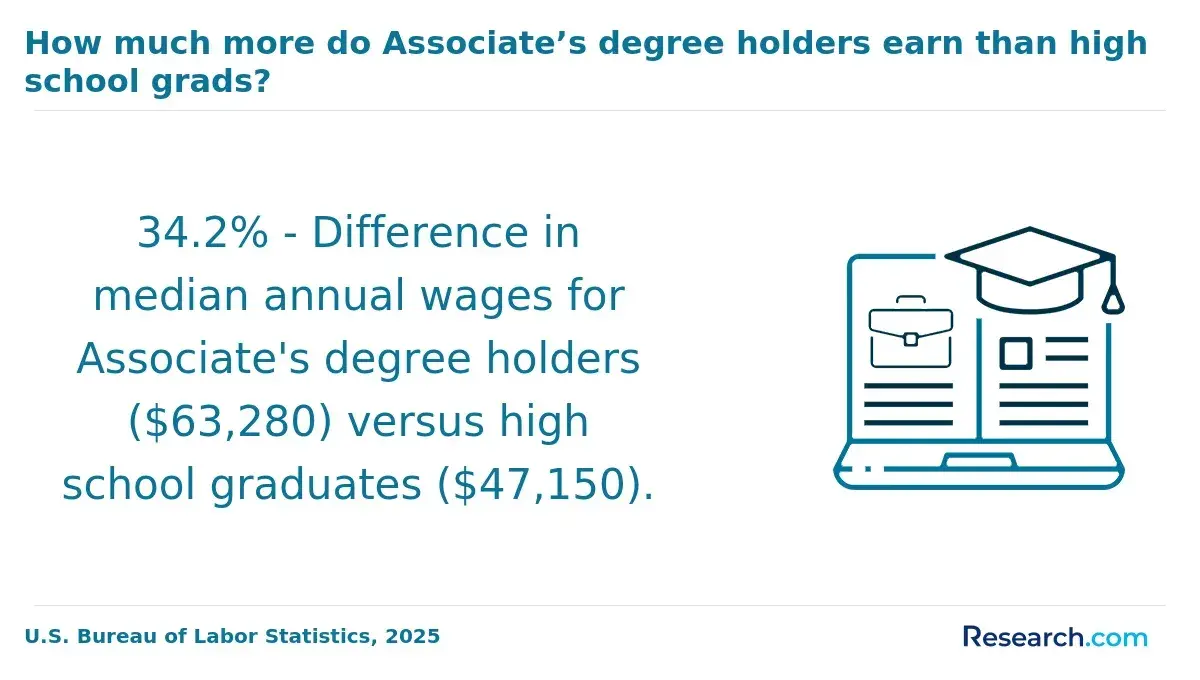
- Associate degrees: An completed associate degree may waive many general education requirements, but it does not automatically complete the psychology major.
- Exam credits: AP, CLEP, DSST, or International Baccalaureate credits may satisfy general education or introductory requirements if the school accepts the exam and score.
- Military credits: Credits recommended on a Joint Services Transcript may count as electives, general education, leadership, or behavioral science credit depending on the university.
- Prior learning assessment: Work-based learning, portfolios, or professional training may count at some schools, but these credits often face limits and may not replace core psychology courses.
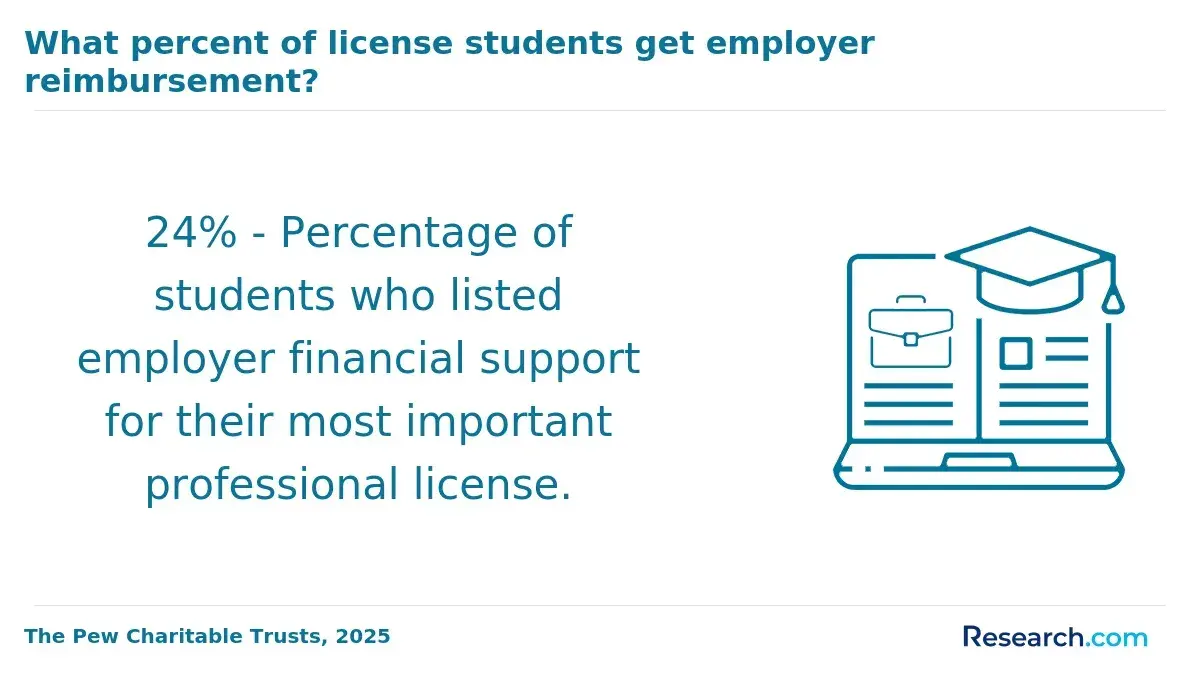
- Alternative provider credits: ACE- or NCCRS-reviewed courses may transfer at some institutions, but acceptance varies widely and should be confirmed before paying for additional courses.
If you are moving from a health-related academic background, ask whether behavioral science, anatomy, communication, ethics, or statistics credits can fit the psychology plan. Students comparing psychology with healthcare graduate pathways, such as online nurse practitioner programs, should remember that nursing programs have separate licensure and clinical prerequisites that a social psychology bachelor's degree may not satisfy.
How Do Residency and Upper-Division Requirements Affect Social Psychology Transfer Students?
Residency requirements determine how many credits you must complete at the school that awards your degree. Upper-division requirements determine how many advanced courses, often at the 300- or 400-level, you must complete. These rules explain why a student transferring 90 credits may still need more than 30 credits if the prior coursework does not match the major structure.
The table below shows the transfer policies that most often affect social psychology degree-completion students. These rules matter because they can override a generous maximum transfer-credit policy.
| Requirement | What it means | How it affects transfer students |
| Institutional residency | Minimum credits that must be completed at the degree-granting school | A school may accept 90 credits but still require 30 credits taken through that institution |
| Major residency | Minimum psychology credits that must be taken at the new school | Transferred psychology courses may become electives if too many major credits were taken elsewhere |
| Upper-division requirement | Required advanced-level coursework | Community college credits may not reduce 300- or 400-level psychology requirements |
| Capstone requirement | Final project, seminar, internship, or integrative course | Usually must be completed at the degree-granting institution |
| General education residency | School-specific core curriculum or writing requirements | Some institutions require their own ethics, diversity, writing, or research literacy courses |
The practical lesson is simple: a 90-credit transfer cap is helpful only if the remaining 30 credits line up with the courses you still need. For a social psychology-focused plan, pay special attention to research methods, statistics, experimental psychology, social psychology, cognitive psychology, developmental psychology, and capstone requirements.
How Does the Transfer Credit Evaluation Process Work for an Online Social Psychology Degree?
The transfer evaluation process is where a school converts your prior learning into a degree plan. A good evaluation should show more than a total credit count; it should identify remaining courses, estimated completion time, and any credits that cannot be used.
Follow this sequence when comparing online social psychology programs. It gives you a clean way to compare schools using the same information instead of relying on admissions estimates.
- Collect official transcripts from every college, including schools where you withdrew or earned only a few credits.
- Gather syllabi for psychology, statistics, research methods, biology, sociology, or other courses that may need faculty review.
- Submit transcripts before enrollment whenever possible, not after starting classes.
- Ask whether the evaluation is unofficial, preliminary, official, or final, because only the final version controls your degree plan.
- Request a written list of remaining requirements, including major courses, electives, upper-division credits, and residency credits.
- Ask whether additional exam, military, or prior learning credits could still be added after admission.
- Compare schools by total remaining credits, course availability, tuition per credit, fees, and expected start dates.
Students often lose time when they enroll based on a verbal estimate and later discover that statistics, research methods, or upper-division psychology credits did not transfer as expected. Keep written copies of every evaluation, catalog policy, and advisor email because transfer decisions can be tied to your admission term and catalog year.
How Long Does It Take to Finish an Online Social Psychology Degree With 60, 75, or 90 Transfer Credits?
Completion time depends on four factors: credits remaining, course load, term length, and whether required courses are offered often enough. A student with 90 applied credits may finish quickly if the final courses are available online every term, but may need longer if the capstone or research sequence has prerequisites.
The table below gives practical time estimates for a 120-credit online bachelor's degree. These are planning estimates based on common full-time and part-time course loads, not promises.
| Applied transfer credits | Approximate credits remaining | Possible full-time pace | Possible part-time pace | Key scheduling issue |
| 60 credits | 60 credits | About two academic years | About three to five years | Enough time remains for a complete major sequence, but cost and workload are higher |
| 75 credits | 45 credits | About one and a half academic years | About two and a half to four years | Course sequencing matters, especially for statistics, methods, and capstone courses |
| 90 credits | 30 credits | About one academic year | About two to three years | Residency, upper-division, and capstone requirements may control the timeline |
Online enrollment has become a normal pathway rather than a niche option, especially for adult learners balancing work and family. That trend supports more flexible start dates and asynchronous courses, but it does not eliminate prerequisite chains in psychology programs.
If your long-term goal is psychiatric or advanced clinical practice, be careful not to treat a social psychology bachelor's degree as a shortcut to licensure. Programs such as online Psych NP programs require nursing credentials and clinical preparation that are separate from psychology transfer-credit policies.
How Much Can Transfer Credits Reduce the Cost of an Online Social Psychology Degree?
Transfer credits can reduce cost by lowering the number of credits you must buy from the new university. The savings are largest when credits apply directly to graduation requirements, not when they appear on the transcript as extra electives.
The following example shows how transfer credits can affect tuition at an illustrative $400 per-credit rate. Your actual cost may be higher or lower depending on tuition, fees, books, technology charges, residency status, employer benefits, and financial aid.
- 60 applied transfer credits could avoid about $24,000 in tuition compared with retaking those credits at $400 per credit.
- 75 applied transfer credits could avoid about $30,000 in tuition compared with retaking those credits at $400 per credit.
- 90 applied transfer credits could avoid about $36,000 in tuition compared with retaking those credits at $400 per credit.
Cost savings can also affect borrowing. Federal undergraduate Direct Loans first disbursed during the 2024-25 award year carried a 6.53% fixed interest rate, so reducing the credits you need to finance may lower both principal and interest over time.
Still, the lowest remaining tuition is not always the best value. A slightly more expensive program may be better if it applies more of your psychology credits, offers needed courses every term, includes research preparation, and provides a clearer path to graduation.
Students comparing affordability across disciplines may notice that professional programs, including online pharmacy school options, handle transfer and prerequisite credits differently because accreditation, labs, and clinical requirements can be more restrictive than bachelor's degree-completion policies.
Can Prior Learning, Military Training, Exams, or Certifications Count Toward an Online Social Psychology Degree?
Yes, some online social psychology-related bachelor's programs may count prior learning, military training, exams, or certifications, but the credit must be recognized by the institution and fit the degree plan. These credits most often satisfy electives or general education rather than advanced psychology major requirements.
Before using alternative credits to fill gaps, ask the school how each source is evaluated. The most important issue is whether the credit will reduce remaining requirements or simply increase your total accepted credit count.
- AP or IB credit may cover introductory psychology, social science, math, or writing requirements if scores meet the school's policy.
- CLEP or DSST exams may help with general education, introductory psychology, sociology, or humanities requirements.
- Military training may be reviewed through ACE recommendations and applied as elective, leadership, communication, or behavioral science credit.
- Professional certifications may count at schools with prior learning assessment, but psychology programs may restrict their use in the major.
- Portfolio assessment may help adult learners document workplace learning, but it usually requires faculty review and may involve fees.
The safest approach is to get approval before taking new exams or alternative-credit courses. A $100 exam is not a bargain if the receiving university will not apply it to your remaining social psychology degree requirements.
Do Older College Credits Expire When Transferring Into an Online Social Psychology Degree?
Older college credits do not always expire, but they may be reviewed differently depending on the subject. General education courses in English, history, humanities, or social science often transfer more easily over time, while statistics, research methods, technology, laboratory science, and some psychology methods courses may face recency expectations.
The table below shows how schools commonly treat older credits in psychology-related degree-completion programs. Use it to identify which courses may need closer review.
| Older credit type | Common transfer treatment | What to ask |
| Introductory psychology | Often transferable if earned at an accredited institution with an acceptable grade | Will it satisfy the major core or only a social science elective? |
| Statistics | May be accepted, but some programs prefer recent coursework because software and methods change | Is there a recency limit for statistics or quantitative reasoning? |
| Research methods | May require syllabus review, especially if the course is old or lower division | Does it meet the program's psychology methods requirement? |
| General education | Often accepted if the institution and grade meet policy | Will an associate degree waive part or all of the general education core? |
| Technology or lab science | May face stricter recency or equivalency review | Does the school require a newer course for graduation or prerequisites? |
If your credits are more than a decade old, do not assume they are unusable. Instead, prepare course descriptions and syllabi, then ask whether a faculty review, placement option, or substitute course can preserve as much credit as possible.
Other Things You Should Know About Social Psychology
Usually, yes, if the associate degree came from an accredited institution and your grades meet the receiving school's policy. It may cover many general education requirements, but you will likely still need upper-division psychology courses, research methods, social psychology, and a capstone.
Compare the total cost to finish, not just the transfer maximum or tuition rate. A school that accepts 90 credits may still cost more if fees are high or required courses are limited, while a lower-cost school may be slower if it applies fewer credits to the major.
They can help if they appear on an accredited transcript and meet prerequisite expectations, but graduate programs may still require specific courses, grades, research preparation, recommendations, and test or writing requirements. Always check the graduate programs you may apply to later.
Some schools allow additional transfer credits after enrollment, but others restrict post-enrollment transfer, prior learning, or exam credits. Ask about this before starting so you do not pay for outside courses that your new university will not accept.
References
- Online Psychology Degrees – Carlow University https://online.carlow.edu/psychology-degrees/
- Online Master’s in Social Psychology: Compare Top Schools https://www.onlinemastersdegrees.org/best-programs/psychology/social-psychology/
- Best Online Bachelor's Degrees In Psychology Of 2025 https://www.psychology.org/rankings/best-online-bachelor-degree-programs/
- Bachelor of Arts (BA) in Psychology Degree Program https://www.calsouthern.edu/online-degree-programs/behavioral-sciences/bachelors-psychology-ba/