2027 Fastest Accredited Online Social Psychology Degree Programs That Accept Transfer Credits

Co-Founder and Chief Data Scientist
Many degree completers already have credits; the challenge is finding an accredited online social psychology pathway that will actually apply them. NCES distance education tables released in 2024 show that more than half of U.S. undergraduates took at least one online course in fall 2022, making credit mobility more important than ever.
This guide is for transfer students, adult learners, military students, and returning students who want the fastest legitimate route to graduation. You will learn how transfer limits, residency rules, accreditation, accelerated terms, and prior learning credit affect your real completion timeline.
Key Things You Should Know
- The fastest realistic route is usually an accredited online bachelor's in psychology with social psychology coursework or a social psychology concentration, not a standalone "social psychology" bachelor's, transfer-friendly schools commonly allow up to 90 semester credits toward a 120-credit degree.
- A 90-credit transfer cap does not mean you have only 30 credits left: schools still require specific general education, major, upper-division, and residency credits, so the fastest students are those whose prior credits match the degree audit closely.
- With 60 to 90 applicable transfer credits, many full-time online students can finish in about 12 to 24 months; students with fewer applicable credits, part-time schedules, or missing statistics/research methods courses often need longer.
What Are the Fastest Accredited Online Social Psychology Degree Programs That Accept Transfer Credits?
Dedicated online bachelor's programs titled "social psychology" are uncommon in the U.S. The fastest accredited options are typically online psychology bachelor's programs that include social psychology as a concentration, elective area, capstone topic, or upper-division course sequence. For students comparing a fast track bachelor degree, the key is not only whether the school accepts many credits, but whether those credits satisfy the exact requirements for the psychology major.
The table below compares transfer-friendly online psychology programs that can support a social psychology focus. Policies can change, so use this as a short list for deeper verification rather than as a substitute for an official transfer evaluation.
| School and online pathway | Accreditation type | Transfer-friendly feature | Fast-format feature | Best fit |
| Southern New Hampshire University, online BA in Psychology with social psychology-focused coursework or concentration options | Institutional accreditation through NECHE | Commonly advertises acceptance of up to 90 transfer credits toward a 120-credit bachelor's degree | Eight-week undergraduate terms | Students with many prior credits who want a structured online psychology degree and a social psychology emphasis |
| University of Maryland Global Campus, online BS in Psychology | Institutional accreditation through MSCHE | Commonly allows up to 90 transfer credits for bachelor's students, subject to applicability | Multiple online start dates and adult-learner advising | Military-affiliated and working adults with prior college, exams, or training records |
| Purdue Global, online BS in Psychology | Institutional accreditation through HLC | Transfer and experiential learning options may reduce remaining credits if they fit the degree plan | Online terms and, in some programs, competency-style pacing options | Students who want structured online study with potential credit for prior learning |
| National University, online BA in Psychology | Institutional accreditation through WSCUC | Transfer credit may be applied toward lower-division, general education, and elective requirements when eligible | Four-week course model | Students who can handle one-course-at-a-time intensity and want frequent starts |
| UMass Global, online BA in Psychology | Institutional accreditation through WSCUC | Designed for adult learners and transfer students; prior coursework may apply toward degree requirements | Online sessions with flexible scheduling | Students seeking a nonprofit online option with transfer-oriented advising |
| Arizona State University Online, online BA or BS in Psychology | Institutional accreditation through HLC | Transfer credits are evaluated against ASU's degree requirements and upper-division expectations | Short online sessions and a large online course catalog | Students who value a large public university brand and can meet major sequencing requirements |
The fastest program for you is the one that leaves the fewest remaining required credits after the official audit. A school with a lower advertised transfer cap can still be faster if it accepts more of your psychology, statistics, research methods, and general education courses as direct equivalents.
Before choosing, ask each school for a written degree plan showing remaining courses, start dates, expected graduation term, and which credits were accepted as major requirements versus electives.
How Fast Can You Complete an Online Social Psychology Degree With Transfer Credits?
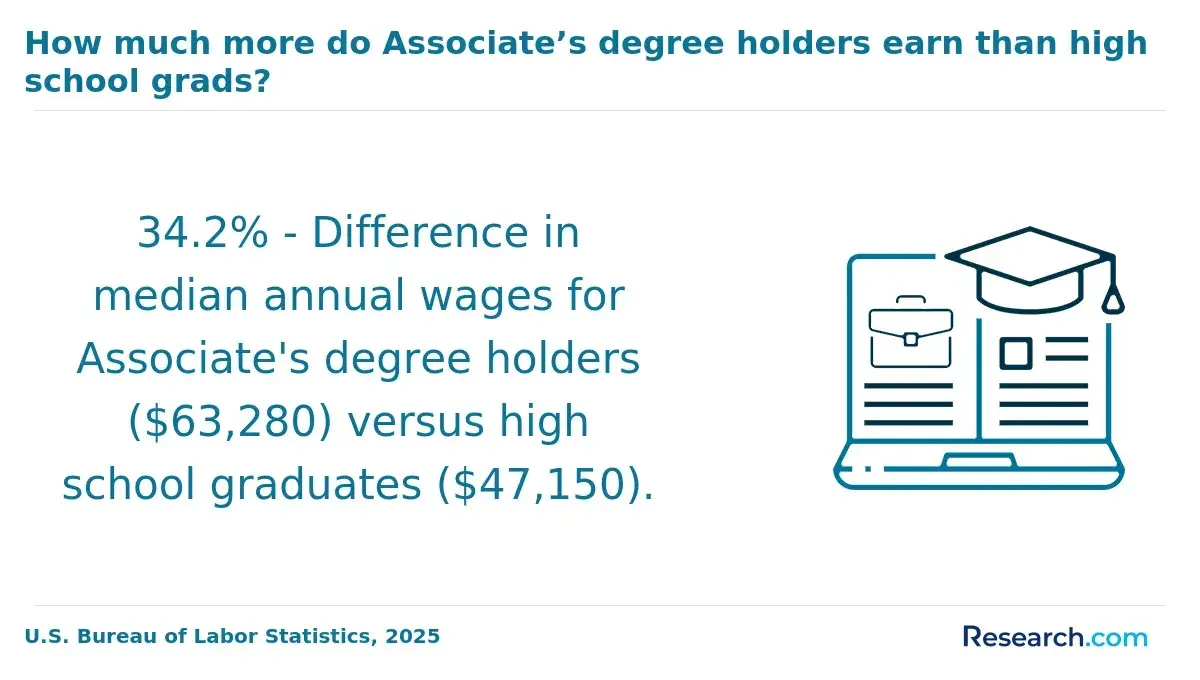
A fast online social psychology degree timeline depends on three variables: how many credits you bring, how many apply to the degree, and how many courses you can complete per term without harming grades. Most bachelor's degrees require about 120 semester credits, so a student entering with an applicable associate degree may already be halfway or more toward graduation.
The table below shows realistic completion ranges for a 120-credit online psychology degree with social psychology coursework. These estimates assume full-time or near-full-time study and do not promise completion at every school.
| Applicable transfer credits | Credits likely remaining | Realistic full-time online timeline | Main risk that can slow graduation |
| 90 credits | About 30 credits | About 10 to 15 months in accelerated terms | Residency, upper-division psychology, or capstone requirements may still need to be completed at the school |
| 75 credits | About 45 credits | About 15 to 20 months | Some prior credits may count as electives instead of major requirements |
| 60 credits | About 60 credits | About 18 to 24 months | Missing statistics, research methods, or lab-style psychology requirements can create course sequencing issues |
| 30 credits | About 90 credits | About 30 to 36 months | The student is still closer to an early-stage bachelor's pathway than a degree-completion pathway |
| 0 to 15 credits | About 105 to 120 credits | About 36 to 48 months | Acceleration depends mainly on course load, term length, summer study, and prior learning credit |
The fastest legitimate students usually have broad general education credits, introductory psychology, statistics, research methods, and lower-division electives completed before enrollment. Students who only have unrelated technical credits may still transfer a large number of credits, but many may apply as free electives instead of reducing major requirements.
To estimate your own timeline, request an unofficial review before applying and an official audit after admission. Then compare the number of remaining credits, not the marketing language about "up to" transfer credits.
How Many Transfer Credits Can You Apply Toward an Online Social Psychology Degree?
Many online bachelor's programs accept a maximum of roughly 75% of the degree from transfer credit, which often equals 90 credits in a 120-credit semester-based program. However, the more important question is how many of those credits apply to the social psychology-related degree plan.
When schools evaluate credits, they usually separate them into categories. Understanding those categories helps you avoid overestimating how fast you can finish.
- General education credits: English composition, math, natural science, humanities, and social science courses are often the easiest to apply if they meet grade and accreditation rules.
- Psychology major credits: Introductory psychology, developmental psychology, abnormal psychology, statistics, research methods, and social psychology may need close course equivalency matches.
- Upper-division credits: Many schools require a minimum number of advanced psychology credits completed at the junior or senior level.
- Free electives: These credits count toward the total degree but may not reduce major, general education, or residency requirements.
- Nontraditional credits: CLEP, DSST, military training, ACE-recommended coursework, portfolios, and certifications may count only if the school has an approved policy.
A common mistake is choosing the school with the highest transfer-credit ceiling without checking degree applicability. A student accepted with 90 credits may still need more than 30 credits if missing courses are required prerequisites or upper-division major courses.
Ask admissions for a degree audit that labels each accepted course as general education, major, elective, or unused. If the audit does not show this level of detail, you cannot accurately compare speed or cost.
How Can You Verify Accreditation for Fast Online Social Psychology Degree Programs?
Accreditation is the first nonnegotiable filter. For an online social psychology-related bachelor's degree, look for institutional accreditation from an accreditor recognized by the U.S. Department of Education or the Council for Higher Education Accreditation. This matters for federal financial aid, transferability, graduate admissions, and employer recognition.
Use this step-by-step check before you apply or send transcripts. The goal is to verify the school independently, not only through its website.
- Search the school in the U.S. Department of Education's Database of Accredited Postsecondary Institutions and Programs.
- Confirm that the accreditor listed covers the institution and that the accreditation status is current.
- Check whether the online program is offered by the same accredited institution, not by an unaccredited partner using similar branding.
- Review the catalog for the psychology degree name, graduation requirements, residency rules, and transfer policies.
- Ask whether any state authorization restrictions affect online enrollment in your state.
Psychology bachelor's programs generally rely on institutional accreditation rather than programmatic accreditation. This differs from regulated health programs, where program-specific accreditation can be central; students comparing an online pharmacy school path, for example, face additional professional accreditation and licensure requirements.
Red flags include vague accreditation claims, pressure to enroll before receiving a transfer audit, credits that "expire" without a clear catalog rule, and schools that cannot explain whether online students receive the same degree as campus students.
Which Types of Transfer Credits Can Count Toward an Online Social Psychology Degree?
Transfer credits can come from several sources, but each source is evaluated differently. The most valuable credits are those that satisfy required courses in the degree plan, especially psychology, statistics, research methods, and upper-division requirements.
The table below summarizes common credit types and how they may affect speed. It is especially useful if you have credits from more than one school or a mix of college, testing, military, and workplace learning.
| Credit type | Typical use in an online psychology degree | Speed advantage | What to verify |
| Regionally accredited college coursework | General education, psychology major, electives, or prerequisites | Usually the strongest and most predictable transfer source | Minimum grade, course equivalency, age limits, and upper-division status |
| Community college associate degree | Often covers lower-division general education and electives | Can reduce a bachelor's timeline substantially | Whether the associate degree completes the receiving school's general education block |
| CLEP or DSST exams | Often used for general education or elective credit | Can quickly fill gaps if accepted before enrollment deadlines | Score requirements, duplicate-credit rules, and maximum exam-credit limits |
| Military training | May apply as electives or specific coursework if ACE-recommended | Helpful for military-affiliated students with documented training | Joint Services Transcript evaluation and residency limits |
| Professional certifications | Usually elective or prior learning credit, depending on school policy | Can reduce elective burden but may not replace psychology major courses | Whether the credential maps to college-level learning outcomes |
| Portfolio or prior learning assessment | Documents college-level learning from work, volunteering, or training | Useful for experienced adults, but not always fast | Fees, faculty review time, maximum credits, and whether credits apply to the major |
Students interested in behavior, wellness, and applied social science sometimes compare psychology with adjacent graduate options such as an online masters nutrition program. If graduate study is part of your plan, be careful: a bachelor's transfer strategy should still preserve the prerequisites and grades expected by the graduate programs you may later apply to.
The best transfer strategy is targeted, not maximal. Accepting every possible elective credit may look efficient, but it does not help if you still need a full sequence of major courses after enrollment.
How Do Residency and Major Requirements Affect Transfer Credits for an Online Social Psychology Degree?
Residency requirements are one of the biggest reasons a high transfer-credit limit may not equal the fastest graduation path. "Residency" usually means the minimum number of credits you must complete through the degree-granting school, not a requirement to live on campus.
Most online bachelor's programs also protect the academic integrity of the major by requiring certain psychology courses at the home institution. These rules can be reasonable, but they affect your timeline.
- Institutional residency: A school may require the final 30 credits, or another minimum number, to be completed through that institution.
- Major residency: A program may require a set number of psychology major credits to be completed at the school, especially upper-division courses.
- Capstone requirement: Many psychology degrees require a senior seminar, capstone, research project, or integrative course that cannot be transferred.
- Upper-division requirement: Lower-division transfer credits may not replace junior- or senior-level psychology courses, even if the course titles sound similar.
- Course sequencing: Statistics may need to come before research methods, and research methods may need to come before a capstone.
The most important comparison is remaining required credits after residency and major rules are applied. A school that accepts 90 credits but requires 36 credits in residence may be slower than a school that accepts fewer total credits but applies more of them to your major.
Before enrolling, ask for a term-by-term completion map. If the school cannot show when each remaining course is offered online, especially social psychology and research courses, your "fast" plan may be delayed by course availability.
Can Prior Learning, CLEP, Military Training, or Certifications Help You Finish an Online Social Psychology Degree Faster?
Prior learning credit can help some students finish faster, but it is not a shortcut around core psychology training. It works best for general education, electives, military learning, workplace training, or documented college-level competencies that align with the school's credit policy.
If you want to use nontraditional credit, follow a sequence that protects both speed and transferability. Doing this before enrollment can prevent wasted exam fees or portfolio work.
- Ask the school for its written policies on CLEP, DSST, ACE credit, military credit, certifications, and portfolio assessment.
- Confirm maximum nontraditional credits and whether they count inside the overall transfer-credit cap.
- Identify which remaining requirements can realistically be satisfied by exams or prior learning.
- Avoid duplicating credit for courses you already completed, because schools usually will not award credit twice for the same content.
- Complete approved exams or documentation early enough to be posted before your graduation audit.
Military students should request a Joint Services Transcript and ask whether ACE-recommended training applies to electives or specific requirements. Working adults should ask whether portfolio credit is worth the time and fee; in some cases, taking an accelerated online course is faster than building a portfolio.
Students considering clinical healthcare careers should also understand that prior learning rules vary widely by field. For example, online Psych NP programs involve nursing licensure and graduate clinical requirements that cannot be replaced by a social psychology bachelor's degree.
How Much Does a Fast Online Social Psychology Degree Cost After Transfer Credits and Financial Aid?
The cost of a fast online social psychology degree depends on tuition per credit, remaining credits, fees, books, transfer evaluation costs, prior learning assessment fees, and financial aid. Transfer credits usually reduce cost because you pay for fewer new courses, but only if those credits apply to the degree requirements.
College Board's 2024 Trends in College Pricing reported average published tuition and fees of $11,610 for in-state students at public four-year institutions for 2024-25. That benchmark helps online students judge whether an advertised per-credit rate is truly affordable once the remaining-credit count is known.
Most pricing should be compared as total completion cost, not just tuition rate. A low-cost school may become more expensive if it accepts fewer applicable credits, while a higher per-credit school may cost less if it leaves fewer courses to finish.
- Estimated tuition for 30 remaining credits: multiply the school's per-credit tuition by 30, then add required fees.
- Estimated tuition for 45 remaining credits: multiply the per-credit tuition by 45, then check whether summer or accelerated terms change fees.
- Estimated tuition for 60 remaining credits: compare the total against local public university, community college transfer, and employer tuition assistance options.
- Prior learning fees: include CLEP, DSST, transcript, portfolio, and credit-posting fees if you plan to use nontraditional credit.
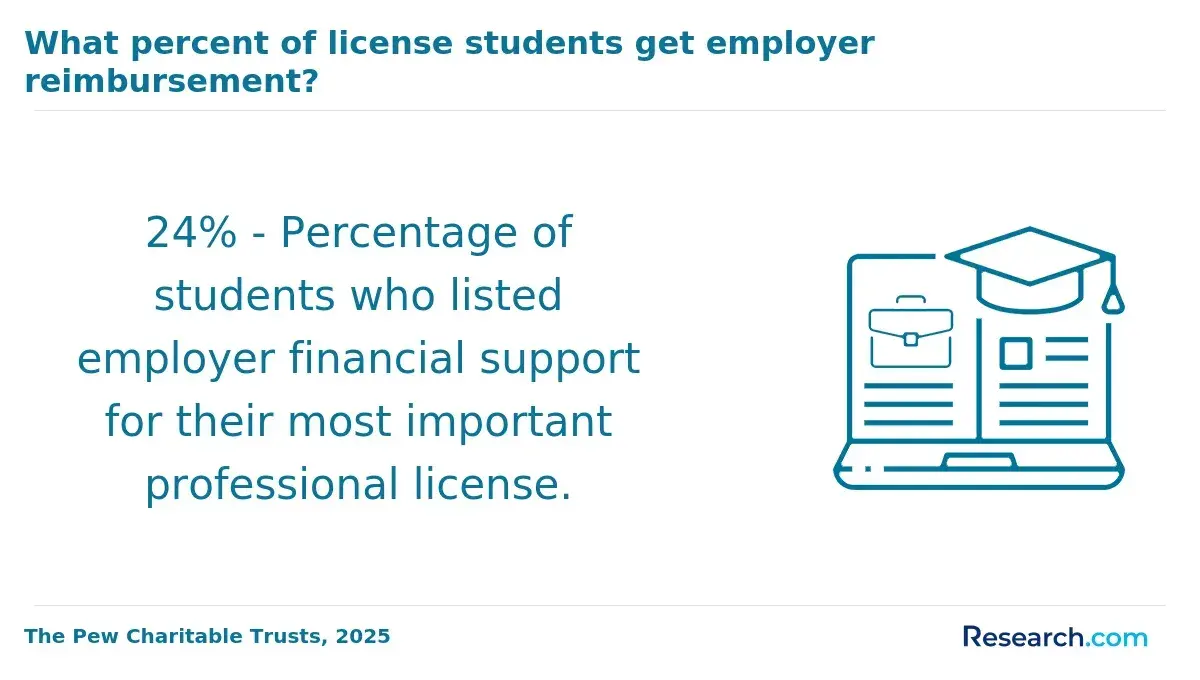
- Financial aid impact: confirm whether your enrollment intensity, satisfactory academic progress, and transfer credits affect Pell Grant, loan, scholarship, or employer reimbursement eligibility.
Students comparing psychology with regulated graduate healthcare routes, such as online nurse practitioner programs, should avoid treating tuition alone as the return-on-investment measure. Licensure requirements, clinical hours, prerequisite degrees, and career goals can make the total pathway very different.
Ask each school for a net cost estimate based on your evaluated credits. The most useful estimate includes remaining tuition, mandatory fees, expected books or materials, financial aid eligibility, and the term in which you are projected to graduate.
How Do Accelerated, Competency-Based, and Self-Paced Online Social Psychology Degree Programs Compare?
Online social psychology-related degree programs can be accelerated in different ways. The format matters because "fast" can mean shorter terms, more start dates, self-paced courses, or competency-based progress.
The table below compares common formats so you can choose a structure that fits your schedule, motivation, and prior preparation.
| Format | How it works | Who may finish fastest | Trade-off |
| Accelerated term-based | Courses run in shorter sessions, often around five to eight weeks | Students who can keep steady weekly deadlines | Fast pacing can be demanding when courses require writing, statistics, or research projects |
| Traditional asynchronous online | Courses have weekly deadlines but no required campus attendance | Working adults who need predictable flexibility | May be slower if start dates are limited or courses are offered only certain terms |
| Competency-based | Students progress by demonstrating mastery of defined competencies | Experienced students with strong self-direction and existing knowledge | Not every psychology major requirement may be available in competency format |
| Self-paced course model | Students may move faster within course or subscription limits | Students with time, discipline, and strong academic preparation | Requires careful planning to avoid missing financial aid or graduation deadlines |
| Cohort-based online | Students move through courses with the same group | Students who value structure and peer interaction | Less flexible for students who want to overload courses or skip ahead |
Competency-based and self-paced formats can be faster for students who already know the material, but they are not automatically easier. Social psychology coursework often involves theory application, research interpretation, writing, and ethics, which take time even in accelerated calendars.
Students exploring other online professional degrees, including online pharmacy school options, will notice a key difference: psychology bachelor's programs usually offer more flexibility, while licensed professional programs typically have stricter sequencing, experiential learning, and accreditation rules.
Choose accelerated study if you can devote consistent weekly time, meet writing deadlines, and handle overlapping courses. Choose a slower pace if you work full time, support family members, need strong grades for graduate school, or have not taken college courses recently.
Are Fast Accredited Online Social Psychology Degrees Respected by Employers and Graduate Schools?
Accredited online psychology degrees are generally respected when the institution is properly accredited and the transcript reflects the same academic standards as the school's other programs. Employers and graduate schools usually focus on accreditation, GPA, relevant skills, experience, internships, research preparation, and how well the degree aligns with the role or next program.
A social psychology-focused bachelor's degree can support career paths in human services, research assistance, marketing research, community programs, nonprofit work, user experience support, human resources, and graduate study in psychology or related social science fields. It is not, by itself, a license to practice as a psychologist, counselor, therapist, or psychiatric prescriber.
BLS occupational data released in 2024 places the median annual wage for psychologists at $94,310, but most psychologist roles require graduate education and, for clinical practice, state licensure. For bachelor's students, this means the degree is often a foundation for entry-level applied roles or graduate study rather than a direct route to licensed psychologist status.
To improve recognition and career value, build evidence of applied skill while completing the degree. Useful steps include choosing research-heavy electives, completing a capstone on social behavior or group dynamics, seeking internships or volunteer roles, learning basic data analysis, and saving strong writing samples.
Graduate-school recognition also depends on prerequisites. If you may later apply to counseling, industrial-organizational psychology, social work, public health, or another graduate field, check admissions requirements before choosing electives. Students comparing behavioral science with health and wellness graduate pathways, such as an online masters nutrition, should map prerequisites early so speed does not come at the expense of eligibility.
Other Things You Should Know About Social Psychology
Usually, no. Most U.S. students study social psychology through an online psychology bachelor's degree, concentration, elective sequence, or capstone topic. A dedicated social psychology bachelor's is much less common than a general psychology degree with social psychology coursework.
Possibly. Many general education credits do not expire automatically, but schools may apply time limits to statistics, research methods, technology-related courses, or major requirements. The only reliable answer is an official transfer evaluation from the receiving school.
Sometimes, but it is less predictable. Many institutionally accredited colleges review nationally accredited coursework case by case, and some may limit how those credits apply. Ask for a written policy before assuming the credits will count.
Send official transcripts from every college attended, exam score reports, military transcripts if applicable, course syllabi for unclear psychology courses, and documentation for certifications or prior learning. A complete file gives the school more evidence to apply credits correctly.
References
- These master's degrees lead to fast-growing, in-demand jobs—but offer low ROI https://www.cnbc.com/2026/04/03/masters-degrees-low-roi.html
- 2025 Most Affordable Online Colleges for Psychology Degrees https://www.onlineu.com/most-affordable-colleges/psychology-degrees
- Online Master’s in Social Psychology: Compare Top Schools https://www.onlinemastersdegrees.org/best-programs/psychology/social-psychology/
- Undergrad Application & Transfer Guide | Psychology.org https://www.psychology.org/resources/undergraduate-application-and-transfer-guide/
- Psychology Online Degree Pathway https://www.learndirect.com/course/psychology-online-degree
- Online Transferable College Courses | Sophia https://www.sophia.org/plans-and-pricing/
- Social Psychology Network https://www.socialpsychology.org/facq.htm