2027 Fastest Accredited Online Social Psychology Programs: Accelerated Degrees and Completion Times

Co-Founder and Chief Data Scientist
Choosing the fastest online social psychology degree is really a question of credits, accreditation, and workload. The U. S. Bureau of Labor Statistics reports a 2024 median wage of $94,310 for psychologists, but many psychology careers require graduate study, making undergraduate speed and transfer planning important. This guide is for students comparing accredited online programs, especially bachelor's-completion and accelerated formats.
You'll learn which formats can shorten graduation, what "accelerated" actually means, and how transfer credits, prerequisites, course load, internships, and residency rules can change the advertised timeline.
Key Things You Should Know
- The fastest realistic route is usually a bachelor's-completion psychology program with a social psychology concentration or coursework; students transferring close to 90 credits may finish in about 12 to 18 months, while first-time bachelor's students typically need about 3 to 4 years.
- Accelerated online formats commonly use 4-week, 5-week, 7.5-week, 8-week, or 10-week courses, but shorter terms compress the same credit expectations into fewer weeks rather than reducing the total academic work.
- Many accredited online bachelor's programs accept up to 75% of degree credits, commonly around 90 transfer credits in a 120-credit bachelor's degree, but school-specific residency, major-course, grade, and age-limit rules determine the actual time saved.
Which Colleges Offer the Fastest Accredited Online Social Psychology Programs?
Standalone online degrees titled "Social Psychology" are uncommon in the U.S. The fastest accredited options are usually online psychology bachelor's degrees that include social psychology concentrations, electives, research methods, group behavior, personality, cognition, and applied psychology coursework.
The table below compares accredited online programs that can fit social psychology interests. Use it as a starting point: advertised speed is most realistic for students who transfer credits, enroll year-round, and avoid missing prerequisites.
| College or University | Relevant Online Program | Accreditation Type to Verify | Accelerated Features | Fastest Practical Fit |
| Southern New Hampshire University | Online BA in Psychology with Social Psychology concentration | Institutional accreditation by NECHE | 8-week undergraduate terms and generous transfer-credit review | Best for transfer students seeking a clearly labeled social psychology concentration |
| National University | Online BA in Psychology | Institutional accreditation by WSCUC | 4-week course model in many online programs | Best for students who can handle one intensive course at a time |
| Arizona State University Online | Online BA or BS in Psychology | Institutional accreditation by HLC | 7.5-week courses and multiple annual starts | Best for students wanting a large public research university with compressed terms |
| Liberty University | Online BS in Psychology | Institutional accreditation by SACSCOC | 8-week courses and transfer policies that may accept up to 75% of the degree | Best for students with substantial prior college credit |
| Eastern Kentucky University | Online BS in Psychology | Institutional accreditation by SACSCOC | Accelerated online terms and transfer-friendly completion pathways | Best for students comparing public-university online psychology options |
| University of Massachusetts Global | Online BA in Psychology | Institutional accreditation by WSCUC | Online course sequencing and adult-learner transfer pathways | Best for working adults with prior credits |
| Purdue Global | Online BS in Psychology | Institutional accreditation by HLC | 10-week terms and select self-directed options in some academic areas | Best for students comparing term-based and competency-style pacing |
For most students, the fastest accredited online social psychology path is not a brand-new 120-credit degree completed unusually quickly. It is a transfer-friendly online psychology bachelor's program where social psychology is built into the concentration, elective plan, capstone, or research sequence.
How Long Does It Take to Complete an Accredited Online Social Psychology Degree?
"Completion time" means the time from enrollment to graduation after the school evaluates your transfer credits and maps remaining requirements. A program may advertise 8-week classes, but your real timeline depends on remaining credits, course availability, maximum course load, and whether required major courses are offered every term.
The comparison below shows common timelines for accredited online psychology or social psychology-related bachelor's pathways. These are planning ranges, not guarantees, because each school controls transfer acceptance, sequencing, and residency requirements.
| Student Starting Point | Credits Still Needed | Typical Online Pace | Realistic Completion Time | What Can Delay Graduation |
| First-time bachelor's student | About 120 credits | Full-time, year-round | About 3 to 4 years | General education, math or statistics prerequisites, limited course availability |
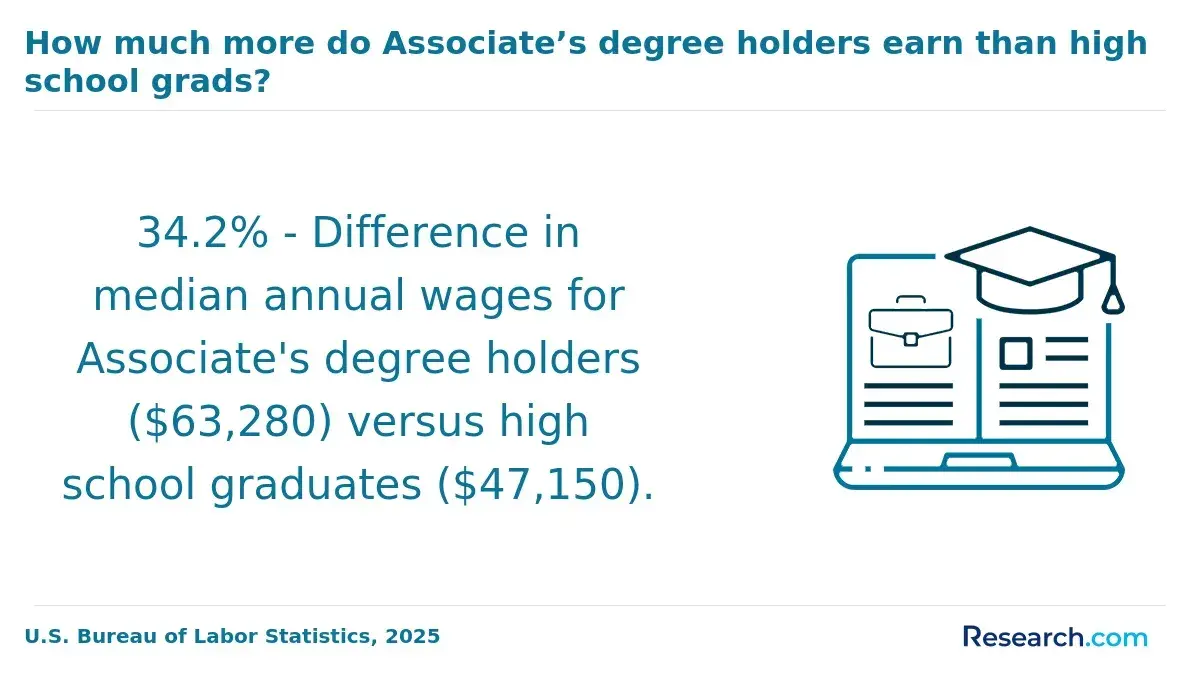
| Associate degree holder | About 45 to 70 credits | Full-time or heavy part-time | About 18 to 30 months | Credits not matching degree requirements or missing upper-division psychology courses |
| High-transfer bachelor's-completion student | About 30 to 45 credits | Full-time accelerated terms | About 12 to 18 months | Residency minimums, capstone timing, or major-course availability |
| Working adult studying part time | Varies widely | 1 to 2 courses per term | About 2 to 5 years | Workload limits, family responsibilities, skipped terms |
Students comparing a psychology bachelor's completion route with other accelerated undergraduate options can also review how a fast-track bachelor degree is structured, since the same issues appear across majors: transfer credits, shortened terms, year-round enrollment, and maximum course loads.
The main trade-off is intensity. Eight-week courses often require the same learning outcomes as 15- or 16-week courses, so a student taking two accelerated courses at once may experience the workload of a much heavier traditional semester.
How Do Accelerated and Competency-Based Online Social Psychology Programs Work?
Accelerated online social psychology programs usually work in one of two ways: compressed academic terms or competency-based progression. Both can shorten calendar time, but they do so differently.
The list below explains the major formats you are likely to see and how each one affects time to completion.
- Compressed-term programs: Courses run in shorter blocks, often 4 to 10 weeks, allowing students to complete more course starts during the year if they can maintain the pace.
- Year-round enrollment: Programs with summer, fall, spring, and multiple subterm starts may reduce waiting time between required classes.
- Sequential one-course-at-a-time models: These can feel more focused, but the workload is concentrated and missed assignments can affect progress quickly.
- Competency-based education: Students move through material by demonstrating mastery, which may help experienced learners finish faster but may not suit students who need fixed weekly structure.
- Bachelor's-completion pathways: These are often the fastest for social psychology interests because they build on previously earned general education and elective credits.
Competency-based options are not automatically easier. They require strong self-direction, reliable study time, and comfort with independent learning. They also may have financial aid rules, subscription periods, or satisfactory academic progress requirements that differ from traditional term-based programs.
In social psychology-related coursework, speed should not come at the expense of research literacy. Courses in statistics, research methods, social cognition, group behavior, and ethics are important if you plan to apply to graduate school or research-oriented roles.
What Accreditation Should an Online Social Psychology Program Have?
An online social psychology program should have institutional accreditation from an agency recognized by the U.S. Department of Education or the Council for Higher Education Accreditation. This is the accreditation that most often affects federal financial aid eligibility, transfer credit, graduate school recognition, and employer confidence.
Psychology at the bachelor's level generally does not have the same kind of mandatory programmatic accreditation that applies to clinical doctoral psychology programs. The American Psychological Association accredits doctoral, internship, and postdoctoral programs in health service psychology, not typical online bachelor's degrees in psychology or social psychology.
Use the checklist below before applying, especially if the program promises a very fast timeline.
- Confirm the institution appears in the U.S. Department of Education's accreditation database or the accreditor's official directory.
- Ask whether the online program is covered by the same institutional accreditation as the campus-based institution.
- Check whether the degree title, concentration, and transcript language match your graduate school or employer goals.
- Verify whether any required capstone, internship, practicum, or research course is available online and offered often enough to support your timeline.
- Avoid schools that use vague phrases such as "internationally accredited" without a recognized U.S. institutional accreditor.
Accreditation expectations vary sharply by field. For example, students comparing psychology with licensure-heavy health pathways such as online pharmacy school should understand that professional accreditation and state licensing rules are much more prescriptive in those programs than in undergraduate psychology.
How Can Transfer Credits and Prior Learning Shorten an Online Social Psychology Degree?
Transfer credit is usually the single biggest factor in finishing an accredited online social psychology degree quickly. A student entering with an associate degree or several semesters of prior coursework can reduce both calendar time and total tuition, but only if credits apply to the degree plan.
The table below summarizes common credit sources and how they may affect a 120-credit online bachelor's degree. The exact decision is always made by the receiving school after transcript review.
| Credit Source | How It May Shorten the Degree | Common Limitation | Best Use |
| Regionally accredited college coursework | Can satisfy general education, electives, and some major requirements | Minimum grade requirements and course equivalency rules | Students with previous college enrollment |
| Associate degree | May clear large blocks of lower-division requirements | Not every course may count toward psychology major requirements | Community college graduates |
| Advanced Placement or International Baccalaureate | May reduce general education credits | Score thresholds vary by school | Recent high school graduates with exam credit |
| CLEP or DSST exams | May replace selected lower-division requirements | Schools may cap exam-based credit | Adult learners comfortable testing out of familiar subjects |
| Military training | May translate into elective or applied credits | Credit depends on ACE recommendations and school policy | Veterans and active-duty students |
| Prior learning assessment | May award credit for documented professional learning | Often requires portfolios, fees, and faculty review | Experienced workers with relevant training |
To shorten your timeline, ask for an official degree audit before enrolling. A school may accept 90 transfer credits overall but still require a minimum number of credits in residence, upper-division psychology courses, or specific major requirements such as statistics, research methods, and a capstone.
A common mistake is assuming every prior credit will count because the institution is transfer-friendly. In practice, unused elective credits may appear on your record without reducing the exact requirements you still need for graduation.
What Are the Admission Requirements and Start Dates for Accelerated Online Social Psychology Programs?
Admissions requirements for accelerated online social psychology programs are usually similar to other online bachelor's programs, but bachelor's-completion pathways may require prior college credits. The faster the pathway, the more important it is to enter with complete records and a clear transfer evaluation.
The following items can affect how soon you start and whether you can follow the fastest advertised schedule.
- Application form and fee: Some online programs have rolling admissions, while others have firm subterm deadlines.
- Official transcripts: Delayed transcripts are one of the most common reasons students miss an intended start date.
- Minimum GPA: Transfer or completion programs may require a minimum college GPA, though thresholds vary by school.
- Placement or prerequisite review: Statistics, writing, or math readiness can affect when you take research-focused psychology courses.
- Technology requirements: Online proctoring, learning management systems, webcam access, and stable internet may be required.
- Start-date frequency: Programs with multiple 8-week or monthly starts can reduce waiting time compared with semester-only calendars.
Accelerated online psychology degrees rarely require the clinical admissions steps found in advanced health programs. By contrast, applicants to online nurse practitioner programs often need an active nursing license, clinical experience, and practicum planning, which can make timing more complex.
If your goal is the fastest possible graduation, apply early enough to receive a written transfer evaluation before your first term. Enrolling before you know which credits count can lead to duplicate coursework and a longer timeline.
How Much Does a Fast Online Social Psychology Degree Cost, and Is Financial Aid Available?
The cost of a fast online social psychology degree depends on tuition per credit, transfer credits, fees, books, technology costs, and whether accelerated enrollment increases your term-by-term course load. Faster can be cheaper if it reduces total enrolled terms, but it can also increase short-term cash flow pressure.
College Board's 2024-2025 data reported average published tuition and fees of $11,610 for in-state students at public four-year institutions and $43,350 at private nonprofit four-year institutions. Online psychology students should use those figures as broad context, then compare the exact per-credit price and required fees for each program.
The cost items below are the ones most likely to change your total price and financial aid planning.
- Per-credit tuition for online undergraduate psychology courses
- Online, technology, graduation, transcript, proctoring, or course-material fees
- Number of transfer credits accepted into the degree plan
- Whether tuition is charged per credit, per term, or through a subscription-style competency model
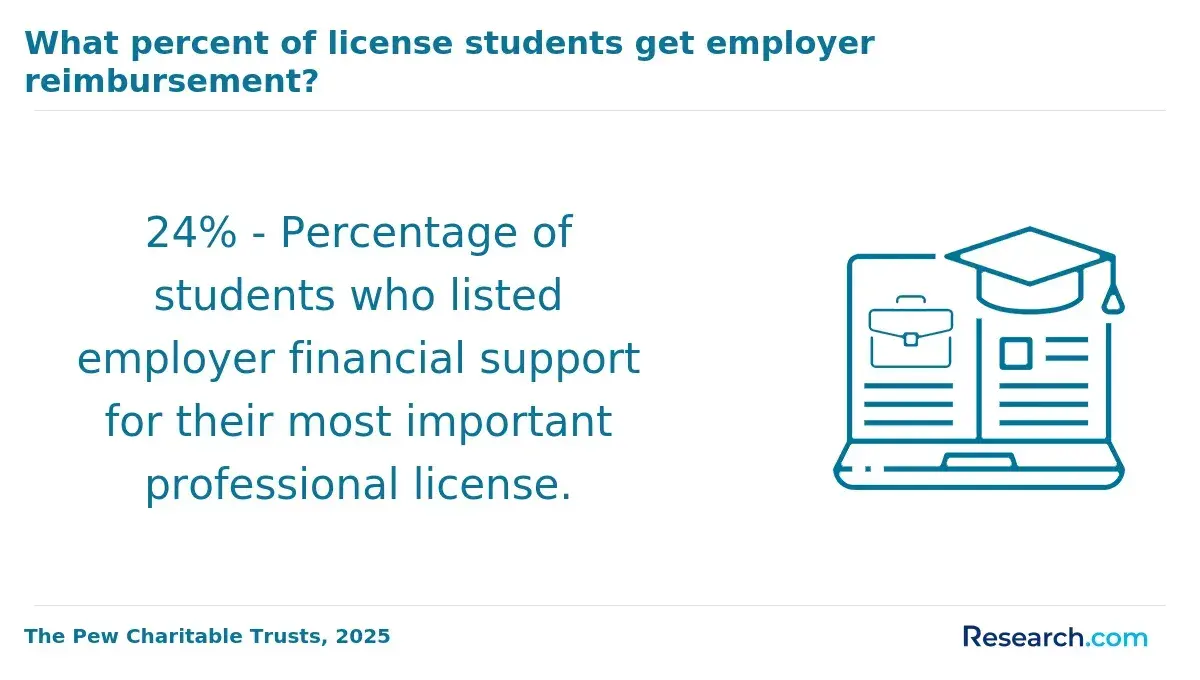
- Availability of federal Pell Grants, Direct Loans, employer tuition assistance, military benefits, scholarships, or payment plans
- Extra costs for statistics software, research tools, or internship-related requirements if applicable
Financial aid may be available if the institution is properly accredited and the student meets eligibility requirements. However, accelerated schedules can affect aid pacing because enrollment intensity, satisfactory academic progress, and annual loan limits still apply.
Students comparing psychology with other online health and wellness degrees may find it useful to review cost structures in programs such as an online master's nutrition degree, where tuition, internship expectations, and professional outcomes can differ significantly from undergraduate psychology.
Can You Work Full Time While Completing an Accelerated Online Social Psychology Degree?
You can work full time while completing an accelerated online social psychology degree, but the best schedule depends on your job predictability, family responsibilities, and academic background. The main issue is not whether courses are online; it is whether you can consistently complete reading, discussions, exams, research assignments, and group projects in shortened terms.
The table below compares common enrollment patterns for working adults. It can help you decide whether the fastest path is realistic or whether a slightly slower pace would protect your grades and momentum.
| Enrollment Pattern | Typical Course Load | Best For | Main Risk |
| Full-time accelerated | Often 2 or more courses per short term | Students with flexible work schedules and strong study habits | High workload and little recovery time between terms |
| Moderate accelerated | Usually 1 course per short term, year-round | Full-time workers who want steady progress | Graduation takes longer than the fastest advertised timeline |
| Part-time traditional | 1 to 2 courses in longer semesters | Students with variable schedules or caregiving responsibilities | More calendar time and possible loss of momentum |
| Competency-based | Self-paced within academic periods | Experienced, self-directed learners | Progress can stall without strict personal deadlines |
A practical approach is to start with one accelerated course, especially if it includes statistics, research methods, or writing-intensive assignments. After one term, you can increase the load if your grades, sleep, and work performance remain manageable.
Students should avoid the mistake of equating "online" with "available anytime." Many accelerated courses still have weekly deadlines, live sessions, group work, or proctored exams.
Are Accelerated Online Social Psychology Degrees Respected by Employers and Graduate Schools?
Employers and graduate schools generally focus on whether the institution is accredited, whether the degree is relevant, and whether the student can demonstrate useful skills. The online format itself is usually less important than accreditation, transcript quality, GPA, research preparation, internships, and fit with the next step.
For social psychology-related careers, a bachelor's degree can support roles in human resources, market research support, community programs, behavioral research assistance, user experience support, training, case management, and nonprofit work. For psychologist licensure, counseling practice, or independent clinical work, graduate education and state-specific requirements are typically necessary.
BLS 2024 wage data should be interpreted carefully: the median wage for psychologists reflects a broad occupation that often requires advanced education, not the typical outcome of a bachelor's degree alone. For bachelor's-level students, the degree is often a foundation for entry-level behavioral, organizational, research, or graduate-school pathways rather than a direct license to practice psychology.
This distinction matters when comparing social psychology with clinical nursing or psychiatric care pathways. For example, online Psych NP programs lead toward a regulated advanced nursing role, while online social psychology-focused bachelor's programs usually prepare students for broader behavioral science, research, organizational, or graduate study options.
Graduate schools may look closely at research methods, statistics, letters of recommendation, and writing samples. If you plan to apply for a master's or doctorate, do not choose speed at the expense of courses that build research readiness.
How Should You Compare the Fastest Accredited Online Social Psychology Programs?
The fastest accredited online social psychology program for you is the one that produces the shortest verified degree plan without weakening your academic or career goals. A school's marketing timeline is less important than your official remaining-credit count.
Use the following steps when comparing programs. They are ordered to help you eliminate risky options first and then compare speed, cost, and fit.
- Verify institutional accreditation through an official accreditor or federal database before reviewing price or speed.
- Confirm whether the program is a true social psychology concentration, a general psychology degree with social psychology electives, or a related behavioral science program.
- Request an official or preliminary transfer evaluation showing exactly which credits apply to general education, electives, major requirements, and residency minimums.
- Ask how often required courses such as statistics, research methods, social psychology, ethics, and capstone are offered online.
- Compare term length with workload expectations, including weekly deadlines, exams, papers, projects, and group assignments.
- Calculate total remaining cost using only the credits you still need, not the full advertised program price.
- Ask whether prior learning, CLEP, DSST, military credit, or portfolio credit can reduce remaining requirements.
- Check whether the program supports your next step, such as graduate school, human resources, research assistance, user experience, or community program work.
- Look for red flags, including unclear accreditation, pressure to enroll before transcript review, vague graduation promises, or refusal to provide a written degree plan.
A slower program may be the better choice if you need a higher GPA for graduate school, have limited weekly study time, or want more faculty interaction and research experience. The best decision is not always the shortest calendar; it is the shortest credible route that you can complete successfully.
Other Things You Should Know About Social Psychology
No. Social psychology studies how people think, feel, and behave in social contexts, including groups, persuasion, identity, bias, and relationships. Clinical psychology focuses more on assessment, diagnosis, and treatment of mental health conditions and usually requires graduate education and licensure.
No. A bachelor's degree alone does not qualify someone to become a licensed psychologist. Licensure typically requires a doctoral degree, supervised experience, exams, and state approval.
It depends on your goals. A concentration can help if you are interested in group behavior, persuasion, organizational behavior, research, or consumer behavior. A general psychology degree may offer broader preparation if you are still deciding between clinical, counseling, industrial-organizational, or research pathways.
Usually, transcripts show the course, credits, grades, and degree rather than emphasizing that a course was accelerated or online. However, transcript format varies by institution, so students concerned about graduate school review should ask the registrar how online and accelerated courses are recorded.
References
- Best Online Master’s In Psychology Programs For 2025 https://www.psychology.org/degrees/masters/
- Careers in Psychology and Social Science degrees | Edology https://www.edology.com/career-hub/psychology-social-careers
- Psychology Online Degree Pathway https://www.learndirect.com/course/psychology-online-degree
- Online Master’s in Social Psychology: Compare Top Schools https://www.onlinemastersdegrees.org/best-programs/psychology/social-psychology/
- Prerequisites for a Masters in Psychology: 5 Helpful Pieces - Prereqcourses https://www.prereqcourses.com/prerequisites-for-a-masters-in-psychology/
- Online Bachelor's in Psychology Program | Ursuline - Liberal Arts College in OH https://www.ursuline.edu/academics/programs/accelerated-online-bachelors-degree-in-psychology
- Social Psychology Network https://www.socialpsychology.org/facq.htm
- How Long Does It Take To Earn a Psychology Degree? https://www.onlineu.com/degrees/psychology/psychology-degree-timeline
- Online Degree Completion Program in Applied Psychology https://www.elms.edu/academics/online-ce/psychology/