2027 Online Post-Master's PMHNP Certificates for Nurses in Michigan: Admission and Clinical Planning
Audited and Verified:
Our Editorial and Data Verification Process
Research.com uses government datasets, official education statistics and primary institutional information to support its career and degree guides. Our review process checks factual accuracy, occupational definitions, source dates and the requirements associated with the credentials discussed.
How This Article Was Fact-Checked
Our editorial team verifies salary estimates, employment projections, education requirements and program information against original data providers and official organizations. Salary figures are checked against the relevant occupational definitions and reporting periods. Information about licensure, accreditation and required in-person training is reviewed separately.
Fact-checked and verified on:

Co-Founder and Chief Data Scientist
An online post-master's psychiatric-mental health nurse practitioner (PMHNP) certificate can help a Michigan nurse move into a new advanced practice role, but online coursework does not remove the need for approved psychiatric clinical experiences. The right path depends on your current graduate degree, license, prior APRN preparation, and access to suitable preceptors. This guide explains what to confirm before applying, how to plan clinical time around work, and how to judge whether a certificate - not another degree or an earlier nursing pathway - fits your goal.
Key Things You Should Know
- A post-master's PMHNP certificate is for a graduate-prepared nurse; an MSN or DNP in a non-APRN field does not automatically supply the clinical preparation required for PMHNP practice.
- Ask each program for an individual gap analysis and its plan for PMHNP clinical hours. The ANCC certification pathway specifies at least 500 faculty-supervised clinical hours; a program may require more.
- Before paying a deposit, confirm Michigan enrollment eligibility, who secures and approves clinical sites, any campus visits, and whether the completed track meets the current requirements for certification and Michigan APRN licensure.
What is an online post-master's PMHNP certificate in Michigan?
An online post-master's PMHNP certificate is graduate specialty education for a nurse who already holds an eligible master's or doctoral nursing degree. It combines psychiatric-mental health coursework with supervised clinical learning across the lifespan. "Online" generally describes the academic delivery; patient-care hours take place at approved clinical sites.
The certificate is a school-issued award, not national board certification or a Michigan license. An existing family NP, for example, is changing population focus and needs documented PMHNP preparation. A nurse with a non-APRN MSN may need additional advanced practice courses and clinical hours. Compare the receiving school's individualized requirements rather than assuming either applicant gets the same shortened curriculum. Postgraduate PMHNP certificate comparisons can help frame an initial shortlist, but the school must confirm your personal study plan.
What are the admission requirements for Michigan online PMHNP certificates?
Programs commonly request an eligible graduate nursing degree, an active RN license, graduate transcripts, a résumé, recommendations, and evidence of prior advanced practice coursework where relevant. GPA thresholds, APRN-certification requirements, interviews, and nursing experience vary. Admission to the university is not necessarily admission to its PMHNP track or clearance for clinical placement.
Your prior preparation matters more than the degree abbreviation alone. Ask for a written review of advanced pathophysiology, pharmacology, and health assessment courses; existing supervised hours; and any missing population-focused competencies. Retain syllabi and clinical-hour records - transcripts alone may not establish what you learned or practiced.
An ADN-prepared RN generally needs an eligible graduate nursing pathway before a post-master's certificate. MSN pathways that accept ADN-prepared nurses address that earlier step; admission to one does not establish future PMHNP-certificate eligibility.
How do Michigan PMHNP certificates prepare nurses for certification and licensure?
PMHNP education should prepare graduates for the American Nurses Credentialing Center's Psychiatric-Mental Health Nurse Practitioner (Across the Lifespan) certification examination through the required graduate coursework and faculty-supervised clinical practice. The ANCC determines exam eligibility under its current rules; the school documents program completion and qualifying preparation. Passing an exam does not itself issue a Michigan APRN license.
The sequence is distinct: complete an eligible PMHNP program, satisfy the certifier's requirements, obtain national certification, and apply under the Michigan Board of Nursing's current APRN requirements. The board decides state licensure, while an employer separately evaluates privileges and job readiness. Confirm the sequence and required documents directly with the program, ANCC, and Michigan regulator before enrolling.
A nurse who does not yet hold an RN license needs a different starting point. Direct-entry MSN admission planning concerns initial nursing preparation, not a shortcut around RN licensure or PMHNP specialty training.
Online and campus-based certificates may target the same PMHNP competencies, but they distribute scheduling and travel differently. Neither format eliminates supervised patient care. Ask for the schedule for your intended entry term rather than relying on the word "online."
The comparison below shows the practical differences most likely to affect a working nurse's choice.
| Feature | Online or hybrid track | Campus-based track |
| Classes | Remote coursework; live sessions may still have fixed times | Regular in-person meetings, possibly with online components |
| Clinical learning | Approved in-person sites, potentially near the student | Approved in-person sites, often within the school's established region |
| Travel | Possible intensives, simulation, and site visits | Recurring campus travel plus clinical travel |
| Key uncertainty | Local site and preceptor availability | Commute and access to the school's clinical network |
A nurse balancing shifts or caregiving should obtain actual live-class, clinical-day, and residency schedules. Remote lectures are not a promise of evening or weekend practicum hours. Likewise, BSN completion pathways with alternative practice experiences serve a different educational goal; they do not replace PMHNP clinical preparation.
Expect advanced assessment, pathophysiology, and pharmacology preparation if your prior coursework does not meet the program's requirements. PMHNP-specific study typically addresses psychiatric assessment and diagnosis, psychopharmacology, psychotherapy approaches, lifespan mental health, and treatment planning. Faculty assess classroom learning separately from observed clinical performance.
The important comparison is what the school will require you to take. An established APRN may have documented advanced courses accepted after review, yet still need psychiatric population-focused courses and clinical experiences. Prior work in a mental health setting can inform that review but does not automatically substitute for faculty-supervised PMHNP hours.
An FNP certificate or track is not interchangeable with psychiatric-mental health preparation. Family NP programs organized by duration are relevant only if primary care, rather than the PMHNP role, is your intended population focus.
Clinical placement is the most consequential planning issue for many online applicants. Schools differ in whether they arrange sites, offer leads, or expect students to propose preceptors. In every case, the program must approve the site and supervisor, provide faculty oversight, and determine which experiences and hours count toward its requirements.
Before accepting an offer, get written answers to these placement questions:
- Who identifies sites and qualified preceptors in your Michigan region, and when does that process begin?
- What patient ages, settings, encounter types, and total supervised hours must your individualized plan cover?
- Can your employer host a rotation, and how will the school separate student learning from your paid duties?
- What agreements, onboarding checks, travel, and daytime scheduling are required before hours can start?
- What happens to tuition and progression if an approved placement falls through?
Do not count psychiatric RN shifts, a preceptor's informal supervision, or simulation as accepted PMHNP practicum hours without the program's approval. Nurses still moving toward RN eligibility can review LPN-to-RN bridge duration and eligibility, but that bridge is a separate, earlier stage - not a source of PMHNP clinical credit.
Completion time depends on the receiving program's gap analysis, course sequence, clinical-hour requirements, placement start dates, and full- or part-time enrollment. An APRN changing population focus may have a different plan from a graduate of a non-APRN MSN program. A short advertised timeline may assume accepted prior courses and uninterrupted placement availability.
Request a term-by-term plan showing course availability, clinical hours, fixed meeting times, any campus intensives, and the consequences of taking a term off. That document is more useful than a headline completion estimate when arranging work and family coverage. If you are still choosing an initial RN pathway, second-bachelor's nursing program entry comparisons address a different timeline; they do not shorten a future PMHNP certificate automatically.
There is no dependable Michigan-wide certificate price: schools may charge by credit, term, or enrollment status, and an individualized course plan changes the total. Compare written estimates for tuition, university and clinical fees, books and technology, background checks, required travel or lodging, and certification and licensure expenses. Include possible lost earnings if clinical days reduce your paid hours.
Ask the financial aid office whether your specific certificate and enrollment load qualify for federal aid, and ask your employer whether reimbursement covers graduate certificates and requires continued employment. A lower per-credit charge may not mean a lower total if more coursework or travel is required. Budget-conscious PMHNP study options are a starting point; price the exact courses and placements your program approves.
After meeting certification and Michigan licensure requirements, a PMHNP may seek roles in outpatient psychiatry, integrated care, community mental health, or other settings serving people with psychiatric conditions. Duties can include assessment, diagnosis, treatment planning, psychotherapy-related care, and medication management within applicable law, privileges, and demonstrated competence. Employers may still require onboarding or supervised transition into a new setting.
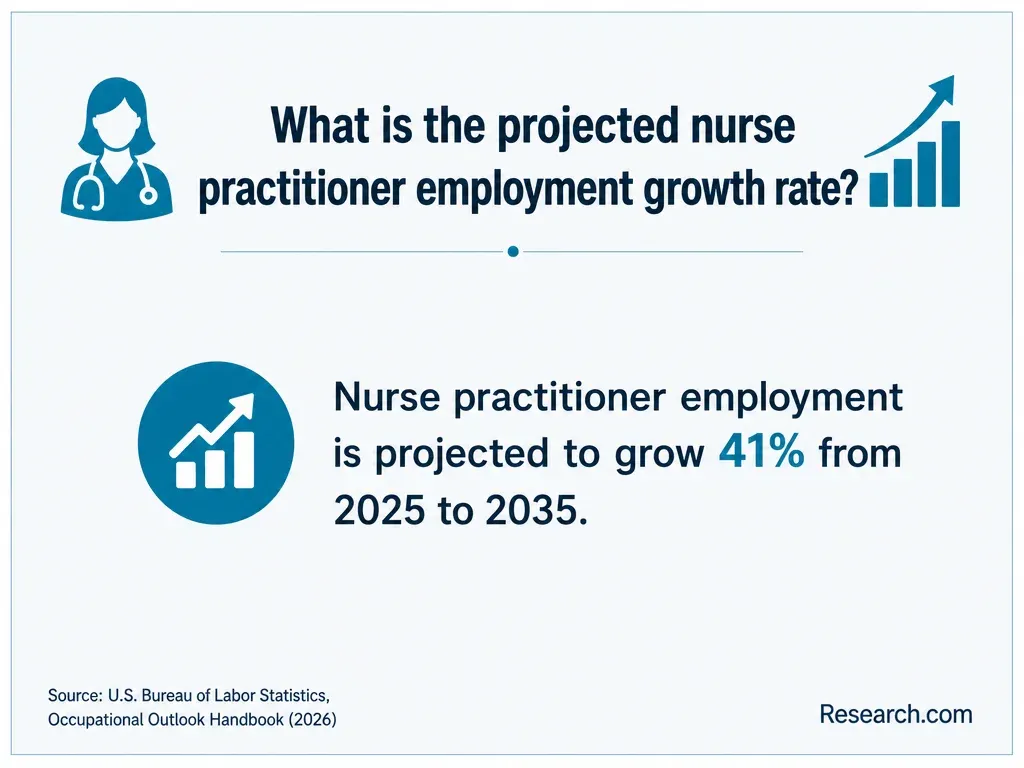
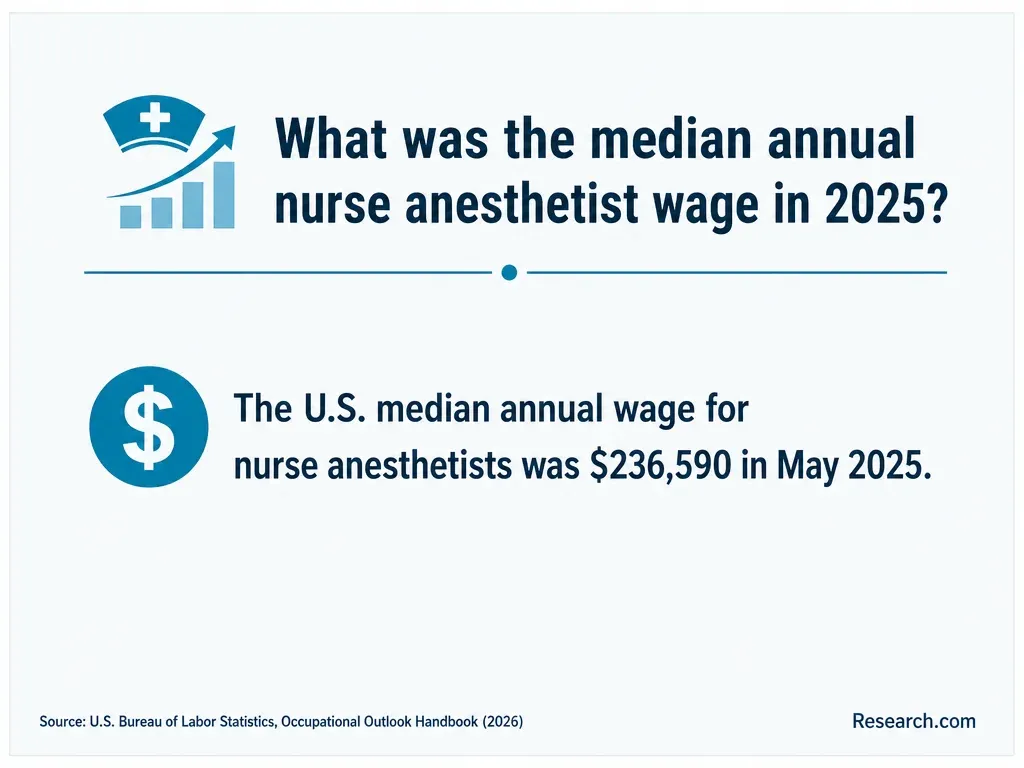
For pay comparisons, use U.S. Bureau of Labor Statistics nurse practitioner wage and employment projections as broad occupational context, not as a Michigan PMHNP starting salary. The occupation includes multiple NP specialties and experience levels. Local offers depend on setting, region, schedule, experience, and employment arrangement; compare benefits and clinical support alongside base pay.
If the cost or scope of advanced practice changes your career goal, shorter practical nursing study pathways describe an entry-level nursing route, not an alternative credential for an already-qualified PMHNP applicant.
How can nurses choose an accredited Michigan PMHNP certificate program?
Choose a program only after checking its exact PMHNP certificate - not merely the university's reputation. Verify institutional accreditation, the scope and status of applicable nursing-program accreditation, eligibility to enroll while living in Michigan, and how the track documents preparation for ANCC certification and Michigan APRN licensure. Accreditation, certification eligibility, and state authorization are different determinations.
For a final comparison, request the same evidence from each school: your written gap analysis; a term-by-term curriculum; the clinical-placement policy for your location; required visits and live sessions; a full cost estimate; and any published outcomes identified by cohort and year. Ask who resolves a placement delay and whether that answer is in writing. A program worth selecting should fit both your credential history and your realistic access to supervised psychiatric care.
General resources on planning applications to accessible nursing schools address a different admissions question; graduate PMHNP selection should turn on specialty eligibility and clinical feasibility, not ease of admission alone.
Other Things You Should Know About Nursing
Not on the certificate alone. Check the patient's jurisdiction for applicable practice authorization and the employer's telehealth policies before providing care.
No. Prescribing depends on applicable Michigan law, licensure, federal requirements, and employer privileges - not simply completion of PMHNP coursework.
A residency is not an automatic consequence of earning a certificate. Some employers offer structured transition programs; assess the mentoring and supervision available in any first PMHNP job.
Potentially. Each certification has its own renewal requirements, and maintaining one does not replace eligibility or renewal requirements for the other.
- Nursing Licensing Guide and FAQs | michigan.gov https://www.michigan.gov/lara/bureau-list/bpl/health/hp-lic-health-prof/nursing/nursing-licensing-guide-and-faqs
- MSN Programs: Choose Your Nursing Career Path | duny.edu https://www.duny.edu/which-msn-program-fits-your-career/
- Mich. Admin. Code R. 338.10206 | State Regulations | US Law | LII / Legal Information Institute https://www.law.cornell.edu/regulations/michigan/Mich-Admin-Code-R-338-10206
- Post-Master's PMHNP Certificate - Nursing | Capella University https://www.capella.edu/online-nursing-degrees/nursing-certificate-programs/certificate-psychiatric-mental-health-nurse-practitioner/
- Trinity Policies for Online Teaching and Learning | trinitydc.edu https://discover.trinitydc.edu/catalog-25-26/online-teaching-and-learning-policy/
- Post-Master Nurse Practitioner Certificates | valdosta.edu http://catalog.valdosta.edu/graduate/graduate-degree-programs/nursing-health-sciences/pm-certificates/
- Admission and Degree Requirements - University Catalogs https://catalog.utexas.edu/archive/2020-21/graduate/fields-of-study/school-of-nursing/admission-degree-requirements/
- What's the Difference Between Asynchronous and Synchronous Learning? | Ohio State Online https://online.osu.edu/content-hub/blogs/whats-the-difference-between-asynchronous-and-synchronous-learning/
- Clinical Placements and Learning | umich.edu https://nursing.umich.edu/academics/clinical-placements
- Online PMHNP Post-Master's Certificate | Walden University https://www.waldenu.edu/online-certificates-programs/nursing-post-masters/psychiatric-mental-health-nurse-practitioner-post-masters