2027 Online Neurodiagnostic Technology Degree Programs With No Letters of Recommendation Required

Co-Founder and Chief Data Scientist
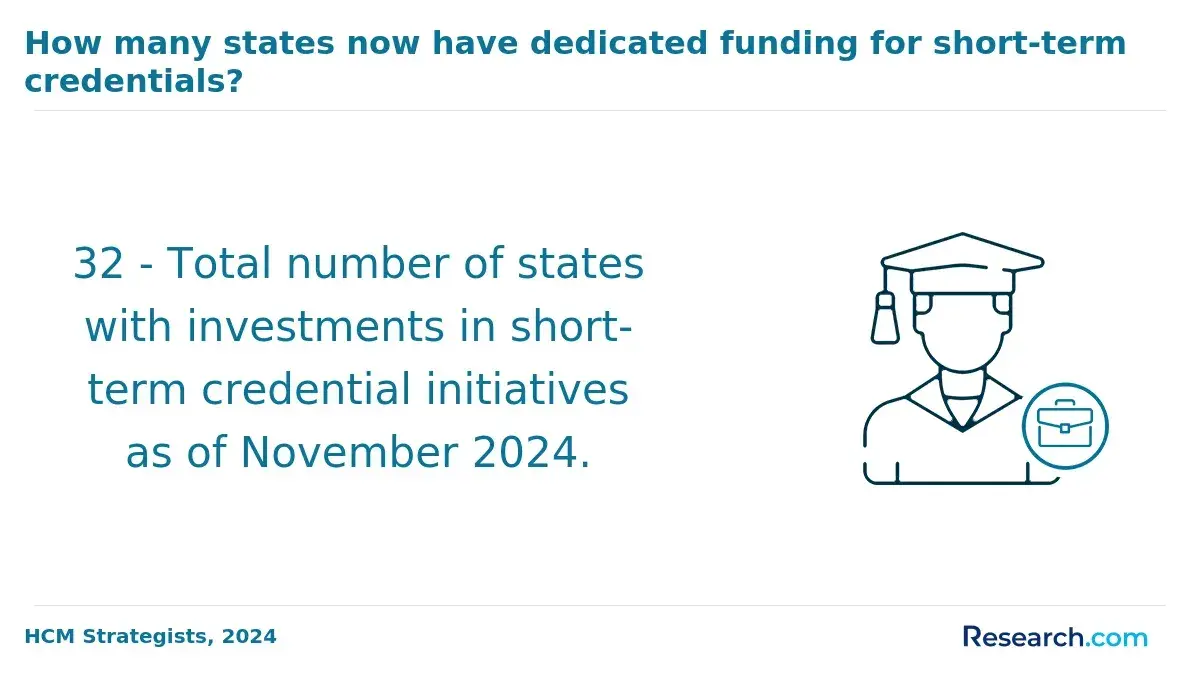
Applicants interested in neurodiagnostic technology may want a simpler application process without finding academic or workplace references. This matters as online learning remains mainstream: National Center for Education Statistics data released in 2024 showed that more than half of U.S. postsecondary students took at least one distance-education course.
This guide explains what "no letters required" actually means, how hybrid neurodiagnostic programs handle clinical training, what schools may review instead, and how to confirm that a program supports your certification and employment goals.
Key Things You Should Know
- "No letters of recommendation required" means recommendation letters are not part of the standard application for the specific program; it does not mean transcripts, prerequisites, background checks, interviews, or clinical-placement requirements are waived.
- Fully online entry-level neurodiagnostic technology degrees are uncommon because EEG, evoked-potential, polysomnography, and patient-care competencies require supervised hands-on clinical education; many legitimate options are hybrid.
- Compare institutional accreditation, clinical-site arrangements, total program cost, and eligibility for recognized neurodiagnostic credentials before prioritizing streamlined admissions; these factors matter more to employers than recommendation-letter policies.
Which Online Neurodiagnostic Technology Degree Programs Require No Letters of Recommendation?
There is no reliable national master list of online neurodiagnostic technology programs that permanently require no recommendation letters. Admissions policies can differ by credential, campus, applicant type, and term. In this specialized field, prospective students should treat a school's current program application page and written confirmation from admissions as the controlling source.
Most entry-level options are associate degrees, postsecondary certificates, or hospital-based programs with online or asynchronous coursework plus required local clinical experiences. A school may advertise "online" because lectures and assignments are remote, while still requiring daytime clinical shifts at an affiliated site. A no-letter policy is most plausible in programs using transcript-based, rolling, or open admissions, but it must be confirmed for the neurodiagnostic track rather than assumed from the college's general admissions page.
The comparison below distinguishes the program structures applicants are most likely to encounter. It helps prevent a common mistake: applying to a general online health degree that does not prepare students to perform neurodiagnostic testing.
| Program structure | Likely delivery | Recommendation-letter pattern | Key verification point |
| Associate degree in neurodiagnostic technology | Hybrid; clinical practicum required | Varies by college and selective cohort | Ask whether letters are required for program admission after college admission |
| Neurodiagnostic certificate | Hybrid or hospital-based | May use work history or supervisor input instead | Confirm prerequisites and clinical eligibility |
| Degree-completion or advanced credential pathway | Often more online-friendly | May not require letters for qualified credentialed applicants | Verify that prior certification or clinical experience is mandatory |
| General health sciences degree | May be fully online | Often streamlined | Do not assume it qualifies graduates for EEG technologist roles |
Search with the exact credential name, then request an admissions checklist dated for the term you plan to enter. Applicants also considering broader clinical careers can compare an 9-month LPN program, but nursing preparation and neurodiagnostic technology preparation lead to different scopes of practice and credential pathways.
What Are the Admission Requirements for Online Neurodiagnostic Technology Degree Programs With No Recommendation Letters?
A no-recommendation application generally replaces external endorsements with direct evidence of academic readiness and ability to participate in clinical education. Requirements vary substantially, especially when space in clinical rotations is limited. Meeting minimum requirements may qualify an applicant for review rather than secure a seat.
The following materials are common in streamlined admissions and should be gathered early because transcripts, immunization records, and prerequisite coursework can take time to obtain.
- High school diploma, GED, or prior college credential, with official transcripts
- Minimum cumulative or prerequisite GPA set by the institution or selective program cohort
- Completed prerequisites such as anatomy and physiology, medical terminology, algebra, English, or basic science
- Application form, identity documentation, and any application fee
- Personal statement, short-answer responses, résumé, or healthcare-employment history when requested
- Criminal-background check, drug screening, immunizations, CPR training, and health-clearance records before clinical placement
- Interview, placement testing, or information-session attendance when the clinical program uses these screening steps
Standardized admission tests and GRE scores are not typical for entry-level associate and certificate programs, but a school can require placement testing or proof that college-level prerequisites were completed. Applicants should ask whether the stated "no letters" rule applies to every applicant, including transfers, international students, and students seeking competitive clinical placement.
People exploring management rather than direct patient testing may find that accelerated healthcare administration programs have different admissions and career expectations. It is not a substitute for hands-on neurodiagnostic clinical training.
Are Online Neurodiagnostic Technology Programs With No Letters of Recommendation Easier to Get Into?
Not necessarily. Removing letters reduces application friction, particularly for working adults, career changers, and applicants without recent instructors who can serve as references. It does not reduce the need to show academic preparation, professional conduct, patient-care readiness, or availability for required clinical work.
Neurodiagnostic cohorts can be constrained by faculty supervision, equipment access, and the number of clinical slots available. A program may admit students to the college readily but use a separate competitive review for the neurodiagnostic clinical sequence. That distinction is essential: "accepted by the institution" is not always the same as "admitted to the professional program."
Applicants should avoid interpreting streamlined admissions as a quality signal in either direction. A strong program can reasonably evaluate transcripts and prerequisites instead of references, while a weak program can also advertise easy enrollment. The practical question is whether its curriculum, clinical placements, graduate outcomes, and credential preparation match the job you want.
A healthier comparison is between the evidence each program requires and the barriers it creates. Applicants with solid grades but limited references may benefit from no-letter policies; applicants with weaker prerequisite grades may need a program with academic advising, prerequisite retakes, or a clearer pathway to demonstrate readiness.
What Do Online Neurodiagnostic Technology Programs Evaluate Instead of Letters of Recommendation?
Recommendation letters usually provide a school's indirect view of reliability, communication, and academic potential. Programs that do not request them often assess similar qualities through records and applicant materials they can verify directly.
This table shows what alternative materials may indicate. It is a guide to preparation, not a universal admissions formula.
| Alternative evidence | What admissions staff may assess | How to strengthen it |
| Official transcripts | Academic performance and science readiness | Complete prerequisites before applying and explain relevant improvement if asked |
| Prerequisite GPA | Readiness for anatomy, physiology, and technical coursework | Confirm whether repeated courses are averaged or replaced |
| Personal statement | Career motivation, communication, and understanding of patient-facing work | Explain why neurodiagnostic technology fits your experience and goals |
| Résumé or work history | Reliability, healthcare exposure, and transferable skills | Describe patient interaction, documentation, safety, and teamwork accurately |
| Interview or information session | Professionalism, scheduling feasibility, and program understanding | Be prepared to discuss clinical availability and transportation |
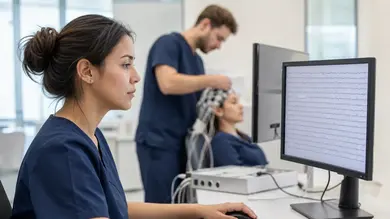
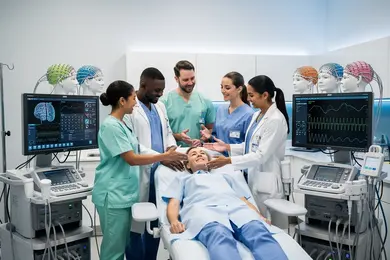
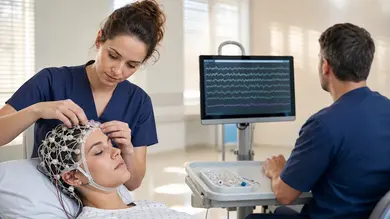
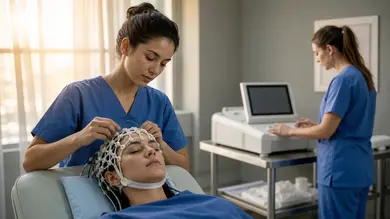
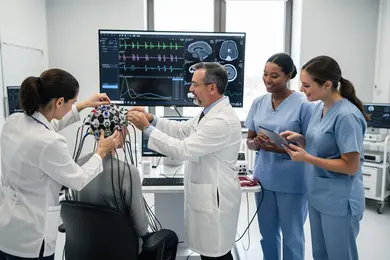
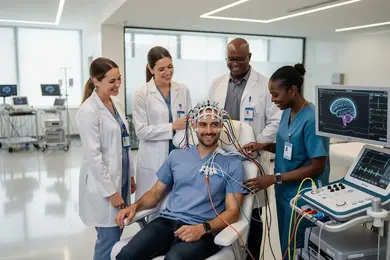
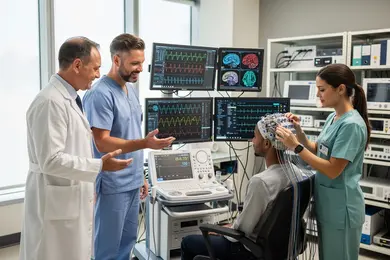
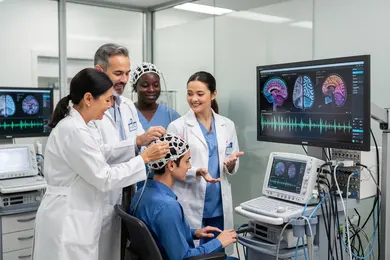
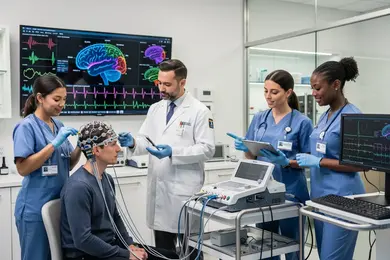
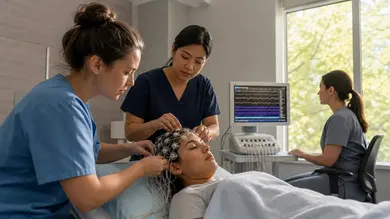
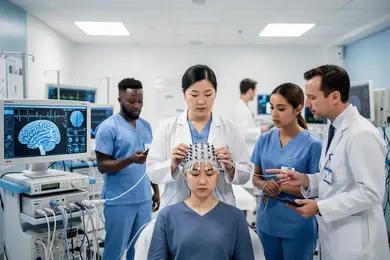
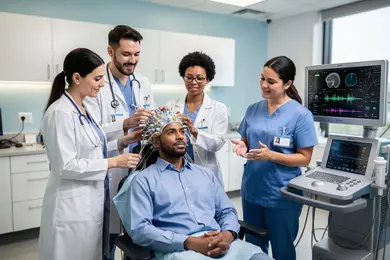
Use the personal statement to demonstrate informed interest, not to repeat a résumé. Neurodiagnostic technologists may prepare patients, obtain clinical histories, apply electrodes, monitor EEG or related studies, recognize technical artifacts, document procedures, and communicate observations to the clinical team within their role. Showing awareness of these responsibilities is more persuasive than making broad claims about wanting to work in healthcare.
Applicants moving from medical assisting should compare the requirements of a CCMA to LPN bridge program separately. Prior patient-care experience can support a neurodiagnostic application, but it does not automatically replace required neurodiagnostic coursework or clinical competencies.
How Can You Tell if an Online Neurodiagnostic Technology Degree With No Recommendation Requirement Is Accredited and Legitimate?
Start by separating institutional accreditation from specialized program review. Institutional accreditation supports the college's overall legitimacy, credit transfer potential, and federal-aid eligibility. Specialized neurodiagnostic accreditation or recognition, where applicable, examines the professional curriculum, faculty, facilities, clinical education, and student outcomes that matter for practice preparation.
Before paying an application or enrollment fee, take these verification steps. They are especially important when a program uses broad marketing language such as "100% online career training."
- Confirm the college's institutional accreditation through the accreditor's official directory and the U.S. Department of Education database.
- Ask whether the specific neurodiagnostic program holds specialized accreditation, has candidacy status, or follows recognized professional educational standards.
- Request the curriculum plan and identify exactly where supervised EEG or other neurodiagnostic clinical competencies occur.
- Ask whether the school guarantees an assigned clinical site, requires students to secure one, or limits enrollment by available placement capacity.
- Obtain written information on credential-exam eligibility, completion rates, job-placement definitions, and any state-specific restrictions.
- Speak with the program director, not only an enrollment representative, about your prior education and intended work location.
Red flags include promises of independent practice after entirely online study, vague answers about clinical sites, pressure to enroll before receiving a catalog, or claims that a general healthcare degree alone makes someone an EEG technologist. Employers commonly focus on demonstrated clinical competencies and recognized credentials, not whether the application included recommendation letters.
If your long-term goal is advanced nursing practice rather than neurodiagnostic testing, a shortest post-master's FNP program online is a distinct post-graduate pathway and requires prior nursing education and credentials.
How Much Do Online Neurodiagnostic Technology Degree Programs With No Letters of Recommendation Cost?
No-recommendation admissions do not inherently make a neurodiagnostic program cheaper. Total cost depends on public versus private tuition, residency rules, credit requirements, clinical fees, equipment, background checks, travel, health requirements, and whether the school charges separate online or lab fees.
For a broad benchmark, the College Board's 2024-25 published budgets listed average in-district tuition and fees at public two-year colleges at $4,050. This is not a neurodiagnostic-program price quote: specialized clinical programs can cost more because of labs, supplies, insurance, and placement-related expenses. Use it only as a starting point for comparing a local community college option with higher-priced private training.
The cost categories below are more useful than headline tuition because they capture expenses that can affect whether a hybrid program is financially realistic.
| Cost category | Why it varies | What to request |
| Tuition and mandatory fees | Residency, credit load, and institution type | Program-specific tuition sheet by term |
| Clinical expenses | Travel, parking, uniforms, health checks, and site requirements | Estimated clinical-year budget |
| Books and equipment | Course platforms, manuals, supplies, and devices | Required-materials list with current prices |
| Exam and credential costs | Credential pathway and testing organization | List of expected post-completion fees |
| Lost work time | Daytime clinical schedules may limit employment | Typical weekly clinical schedule |
Compare the net price after grants, employer support, and realistic commuting costs. A lower per-credit rate can be less affordable if it requires extensive travel or makes full-time employment impossible. Students considering medication-focused careers instead should evaluate the curriculum and cost structure of an online pharmacy degree; it is a substantially longer and differently regulated professional route.
Can You Get Financial Aid for an Online Neurodiagnostic Technology Degree With Streamlined Admissions?
Yes, streamlined admissions and financial-aid eligibility are separate issues. Students in an eligible certificate or degree program at an institution approved to participate in federal student aid may be able to submit the Free Application for Federal Student Aid (FAFSA) for grants, loans, and work-study consideration. Eligibility depends on citizenship or eligible noncitizen status, satisfactory academic progress, enrollment status, program eligibility, and other federal rules.
Ask the financial-aid office whether the exact neurodiagnostic program - not just the college - is eligible for aid. Short, noncredit, or certain clock-hour training options can have different aid treatment than degree programs. Also ask how repeated prerequisites, online attendance, clinical enrollment, and withdrawal from a clinical course affect aid.
Potential funding sources may include federal Pell Grants for eligible undergraduates, federal Direct Loans, state grants, institutional scholarships, workforce-development assistance, veterans' education benefits, and employer tuition support. Do not borrow based solely on projected earnings: compare your expected borrowing with the program's full cost, clinical schedule, credential pathway, and local job opportunities.
How Long Does an Online Neurodiagnostic Technology Degree With No Letters of Recommendation Take to Complete?
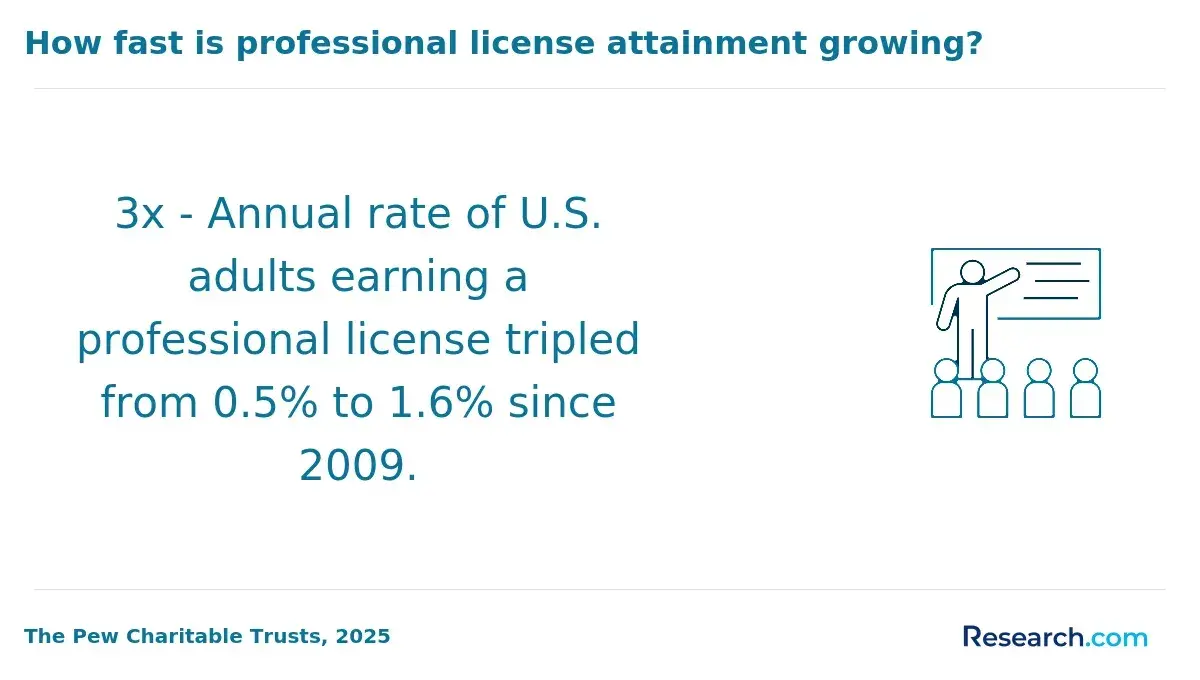
Program length depends more on credential level, prerequisite completion, and clinical scheduling than on whether letters are required. An associate degree commonly takes about two academic years of full-time study after admission, while certificates may be shorter for students who already meet science and general-education requirements. Part-time pacing can extend the timeline.
Online coursework can add flexibility for lectures, quizzes, and discussion, but clinical education generally follows the host facility's schedule. This can include weekday daytime hours, early starts, or limited placement windows. A school should be able to explain whether clinical rotations begin only after didactic coursework, whether they run full time, and what happens if a site is unavailable.
Before applying, map your likely timeline from prerequisites through credential preparation. Factor in transcript evaluation, health clearances, background checks, waitlists, clinical placement, graduation processing, and any certification examination plan. Avoid choosing a program because its marketing implies that online delivery eliminates the in-person component.
Can You Transfer Credits Into an Online Neurodiagnostic Technology Degree Program With No Recommendation Letters?
Many programs review transfer credit, but acceptance is never automatic. Colleges often accept applicable general education courses from appropriately accredited institutions, subject to grade, course-age, equivalency, and residency requirements. Neurodiagnostic-specific courses and clinical hours are more likely to require close review because competencies must match the receiving program's standards.
Send official transcripts early and request a written transfer evaluation before committing to enrollment. Ask whether anatomy and physiology, medical terminology, psychology, English composition, and math credits apply; whether science courses expire after a set period; and how many credits must be completed at the awarding institution.
Do not confuse transfer admission with admission to a limited clinical cohort. A student may receive general college transfer credit yet still need to apply separately to neurodiagnostic coursework, meet the current prerequisite GPA, and wait for a clinical seat. Recommendation-letter rules may also differ between initial college admission and the professional-program application.
How Should You Compare Online Neurodiagnostic Technology Degree Programs That Do Not Require Letters of Recommendation?
Compare programs in the order that affects your ability to complete training and pursue work: clinical access, accreditation and credential alignment, total cost, scheduling, then application convenience. A no-letter requirement is valuable when references are a barrier, but it should be a tie-breaker rather than the main quality measure.
Use these questions in calls or emails with each school. Written answers give you a clearer record than promotional claims.
- Are recommendation letters completely excluded from the application, optional, or waived only for certain applicants?
- Is there a separate admission process for the neurodiagnostic cohort or clinical phase?
- Which prerequisites, GPA standards, interviews, and health-clearance requirements apply?
- Where do students complete clinical rotations, and who is responsible for securing the site?
- What credential examination or professional-recognition pathway does the curriculum support?
- What are the full estimated costs, including travel, supplies, fees, and repeat-course charges?
- Can students work while completing clinical rotations, and what are the usual clinical hours?
- What completion, credential-exam, and job-placement information can the program provide, including how each measure is defined?
The best fit is usually a program that can document its clinical plan, explains its admission standards plainly, and fits your budget and schedule. Avoid enrolling when a school will not identify clinical expectations, cannot explain credential eligibility, or relies on urgency rather than transparent information.
Other Things You Should Know About Neurodiagnostic Technology
Yes. Programs with a true no-letter policy can be a practical option for adult learners. You will still usually need official transcripts and may need to show prerequisite completion, a qualifying GPA, healthcare readiness, or the ability to meet clinical requirements.
Not always. "No letters required" means letters are not a required application document. "Optional" means you may submit them, while a waiver may apply only to selected applicants. Ask the program to confirm the policy for your entry term in writing.
Entry-level preparation normally requires supervised hands-on clinical learning. Remote coursework may cover theory, but students should expect in-person clinical experiences involving patients, equipment, safety procedures, and competency assessment.
Programs may prepare students for work as EEG or neurodiagnostic technologists, depending on the curriculum, clinical experience, employer expectations, and credential pathway. Duties can include preparing patients, applying electrodes, recording studies, checking signal quality, documenting procedures, and working with neurologists and other clinical staff.
References
- MD vs. DO: The Biggest Differences (And Which is Better) - Shemmassian Academic Consulting https://www.shemmassianconsulting.com/blog/md-vs-do-admissions-what-are-the-differences
- Admission Requirements - Neurodiagnostic Technology Institute https://neurodiagnostictechnologyinstitute.com/nti-requirements/
- Requirements - Idaho College of Osteopathic Medicine https://www.icom.edu/admission-aid/requirements/
- Neurodiagnostic Tech Certification & Licensure Guide â Trusted Health https://www.trustedhealth.com/allied-career-guide/neurodiagnostic-tech/certification-guide
- Best Student Loans for Certificate Programs - Credible https://www.credible.com/student-loans/student-loans-for-certificate-programs
- Program Information https://orangecoastcollege.edu/academics/health-sciences/allied-health/neurodiagnostic-technology/program-information.html
- Every Question You Have About Letters of Recommendation for Medical School https://www.savvypremed.com/blog/every-question-you-have-about-letters-of-recommendation-for-medical-school-1
- Financial Aid For Online Colleges https://www.affordablecollegesonline.org/financial-aid/financial-aid-for-online-colleges/