
2026 Online Medical Office Administration Degree Programs With No Application Fee and Rolling Admissions

Co-Founder and Chief Data Scientist
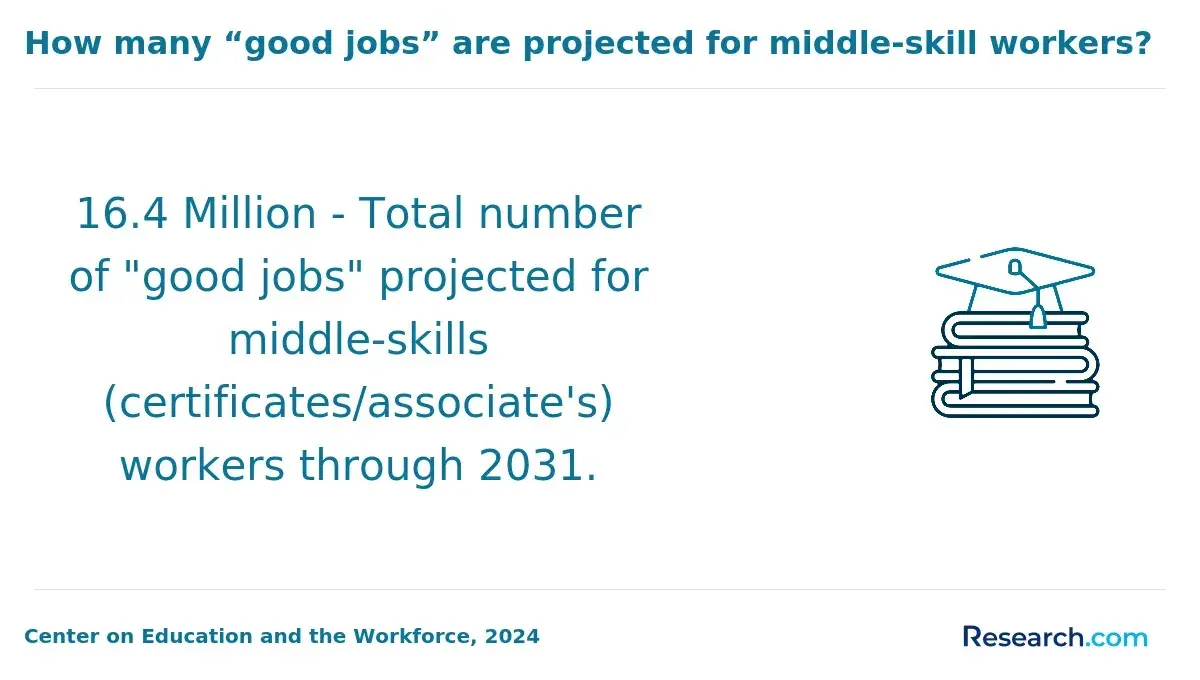
Choosing an online medical office administration degree is often a timing and affordability decision as much as an academic one. The U.S. Bureau of Labor Statistics projects 8% employment growth for medical secretaries and administrative assistants from 2023 to 2033, making flexible healthcare administration training relevant for working adults, career changers, and first-time college students.
This guide explains how no-fee applications and rolling admissions work, what they do and do not save, and how to compare programs by total cost, accreditation, transfer credit, start dates, and career value.
Key Things You Should Know
- No application fee lowers upfront risk, but the bigger affordability question is total program cost; for context, the maximum federal Pell Grant for 2024-25 is $7,395, which can outweigh small application-fee savings.
- Rolling admissions usually means applications are reviewed continuously, but financial aid, course availability, document deadlines, and cohort start dates can still limit when you can begin.
- The strongest programs combine admissions flexibility with recognized institutional accreditation, transparent tuition, transfer-credit review, healthcare office software training, and coursework aligned with roles projected by BLS to grow in medical administrative settings.
Which Online Medical Office Administration Degree Programs Have No Application Fee and Rolling Admissions?
Online medical office administration programs with no application fee and rolling admissions are usually found at career-focused colleges, open-access community colleges, and online universities. Program names vary: some schools use "medical office administration," while others use "medical administrative assistant," "healthcare administration," "medical billing and coding," or "health information" for closely related administrative tracks.
The table below shows common online options students often compare. Because schools can change application-fee waivers, start dates, and admissions policies without much notice, use this as a decision framework and verify each item with the admissions office before submitting materials.
| Program type | Typical credential | No-fee and rolling-admission fit | Best for | What to verify |
| Medical Office Administration | Certificate, diploma, associate degree | Often offered with free or waived applications and multiple start dates | Students who want front-office healthcare training in scheduling, records, billing basics, and patient communication | Whether the application is truly free, whether the program is fully online, and whether courses are available every start date |
| Medical Administrative Assistant | Certificate, diploma, associate degree | Commonly structured for continuous enrollment at online career colleges | Students seeking faster entry into clinic, hospital, or physician-office support roles | Externship requirements, synchronous class meetings, keyboarding or technology prerequisites, and certification preparation |
| Medical Billing and Coding | Certificate, diploma, associate degree | Frequently advertised with flexible online starts, but admission and fee policies vary | Students more interested in coding, claims, reimbursement, and health records than reception or office coordination | Coder certification alignment, coding software access, exam-prep costs, and employer recognition |
| Healthcare Administration | Associate or bachelor's degree | Online universities may offer rolling admission and no undergraduate application fee | Students who want broader administrative mobility beyond front-office roles | Whether the curriculum is too broad for entry-level medical office work or strong enough for supervisory goals |
Students who discover that they actually want direct patient care rather than office administration should compare prerequisites, clinical requirements, and licensure paths before enrolling; an online ASN program, for example, serves a very different goal than medical office administration.
A useful shortlist should include more than programs that advertise "apply free." It should include institutions that publish tuition clearly, explain whether admission is rolling or simply frequent, disclose online attendance requirements, and provide a transfer-credit evaluation before enrollment.
How Does Rolling Admission Work for Online Medical Office Administration Degree Programs?
Rolling admission means a school reviews applications as they arrive instead of waiting for one fixed deadline. For online medical office administration students, this can reduce waiting time, especially if the school offers several start dates per year.
Rolling admission is not the same as instant admission or guaranteed admission. The school may still require transcripts, identity verification, placement assessment, financial aid documents, technology orientation, or advisor approval before you can register.
This comparison shows why rolling admission is valuable but not unlimited. It helps students understand whether a program's admissions calendar matches their preferred start date.
| Admissions model | How applications are reviewed | Student advantage | Possible limitation |
| Rolling admission | Reviewed continuously until seats or start-date capacity are filled | More flexibility for working adults and students applying outside traditional cycles | Late applicants may miss financial aid processing, orientation, or course registration windows |
| Monthly or multiple starts | Applications may be accepted year-round, but enrollment begins on scheduled dates | Shorter wait between admission and first class | Not every course may run every term, which can affect time to completion |
| Fixed deadline | All applications are reviewed after a published deadline | Clear planning calendar and sometimes stronger scholarship coordination | Less flexible for students who need to start quickly |
| Open admission | Applicants meeting basic requirements are generally accepted | Accessible for students with varied academic histories | Placement, remediation, or program capacity rules may still apply |
The biggest mistake is assuming "rolling" means "apply whenever and start immediately." A better approach is to ask for the next three available start dates, the document deadline for each, and the date when financial aid files must be complete.
How Much Can Students Save by Choosing an Online Medical Office Administration Degree With No Application Fee?
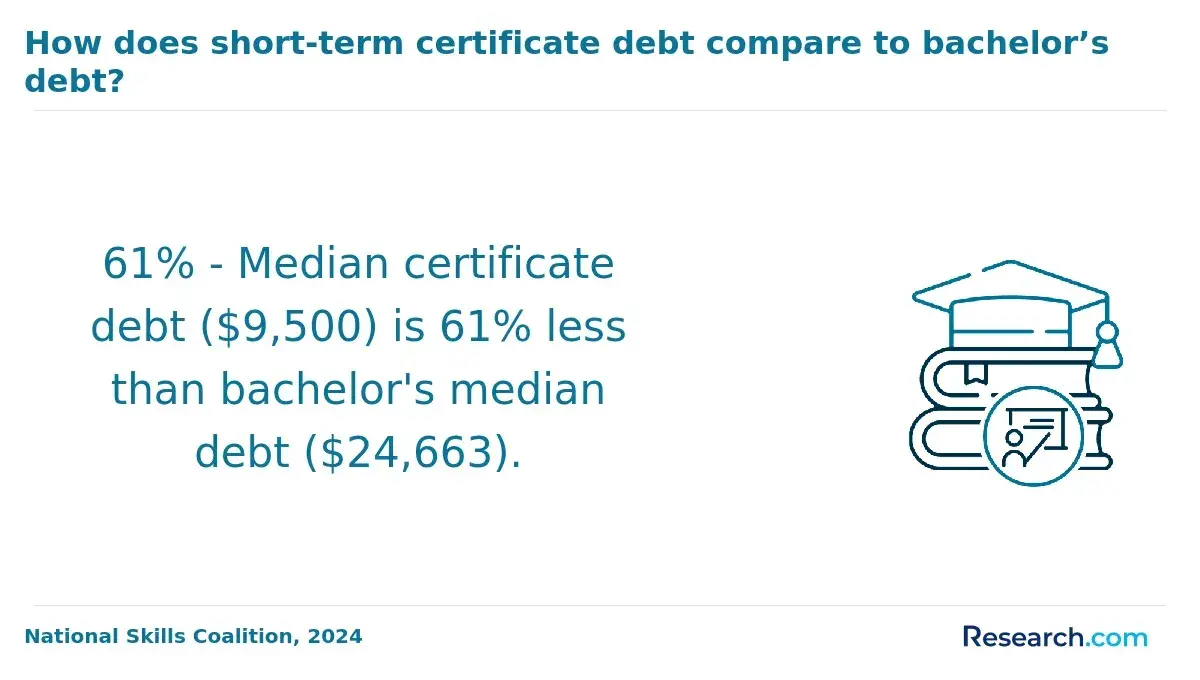
A no-application-fee program saves the charge that would otherwise be due when applying, but that amount is usually small compared with tuition, books, software, exam fees, and graduation fees. The real savings come when free applications allow students to compare several legitimate programs without paying to be considered.
The examples below use simple hypothetical fee amounts to show how application-fee savings work. They are not estimates of any one school's tuition or required charges.
| Application strategy | Example application fee | Number of applications | Upfront application cost | Decision value |
| Apply to one no-fee program | $0 | 1 | $0 | Lowest immediate cost, but limited comparison |
| Apply to three no-fee programs | $0 | 3 | $0 | Better ability to compare tuition, transfer credits, and start dates |
| Apply to three programs charging a fee | $50 | 3 | $150 | May still be worthwhile if outcomes, tuition, or aid are stronger |
| Choose a higher-tuition no-fee program | $0 | 1 | $0 | Could cost more overall if tuition and fees exceed lower-cost alternatives |
The practical takeaway is that a waived application fee should help you shop more broadly, not replace cost analysis. A program with a free application but higher tuition may be less affordable than a program with a modest application fee and stronger aid, lower per-credit cost, or more accepted transfer credits.
Students should also watch for fees that appear after admission. Enrollment deposits, technology fees, background checks, proctoring fees, medical terminology software, coding manuals, certification exam vouchers, and transcript fees can change the real cost of attendance.
What Are the Admission Requirements for No-Fee Online Medical Office Administration Degree Programs?
No-fee online medical office administration programs generally have accessible admissions requirements, especially at the certificate and associate levels. However, "easy to apply" does not mean "no requirements." Schools still need to confirm academic readiness, identity, residency for tuition purposes, and eligibility for financial aid when applicable.
Most applicants should prepare the following materials before starting applications. Having them ready reduces the risk of missing a rolling start date because of an incomplete file.
- High school transcript, GED, or other approved proof of completion.
- Official transcripts from any colleges previously attended, even if the student does not plan to transfer credits.
- Government-issued identification and residency information when required by the institution.
- Basic technology readiness, including reliable internet access, webcam or proctoring capability, and familiarity with learning management systems.
- Placement assessment or prerequisite review if the program includes college-level English, math, medical terminology, anatomy, billing, or coding coursework.
- Background check, immunization documentation, or externship eligibility review if the program includes an in-person placement or healthcare site experience.
Applicants should ask whether unofficial transcripts are enough for an admission decision and when official transcripts must arrive. Some rolling-admission schools may admit students conditionally but block registration, financial aid disbursement, or transfer-credit posting until official documents are received.
When Should Students Apply to Online Medical Office Administration Degree Programs With Rolling Admissions?
Students should apply earlier than the advertised final deadline because rolling admissions still depend on document processing, course capacity, financial aid review, and orientation dates. Applying early can also improve your chance of entering the start date you actually want, even when admission itself is not highly selective.
A practical application timeline should work backward from the desired first day of class. The following sequence helps students avoid common timing mistakes.
- Eight to twelve weeks before the desired start date, identify programs that clearly state no application fee, online delivery, accreditation, and rolling or multiple-start admissions.
- Six to eight weeks before the start date, request transcripts and ask each school when documents must be received for admission, transfer evaluation, and financial aid packaging.
- Four to six weeks before the start date, submit applications and the FAFSA if seeking federal aid, then confirm that each file is complete.
- Three to four weeks before the start date, review tuition, aid offers, transfer-credit decisions, course sequence, and any required technology or orientation steps.
- One to two weeks before the start date, register only after confirming total charges, refund deadlines, attendance expectations, and whether the first-term courses support your degree plan.
The most common timing error is waiting because the program says applications are accepted year-round. Year-round application access does not guarantee year-round course availability, and late enrollment can leave students with fewer schedule options.
How Can Students Strengthen an Online Medical Office Administration Degree Application?
Medical office administration programs are often less selective than clinical healthcare degrees, but a stronger application can still help with faster admission, better transfer-credit decisions, and smoother advisor review. This is especially important for students with prior college credits, employment gaps, or lower grades in past coursework.
Applicants can strengthen their file by making the admissions review easy to complete. These steps help schools evaluate readiness and reduce back-and-forth delays.
- Submit every transcript, not just the one with the highest grades, because missing transcripts can delay admission or financial aid.
- Write a short goal statement if optional, focusing on healthcare office experience, customer service skills, scheduling experience, billing exposure, or interest in patient-facing administration.
- Highlight transferable work experience such as reception, call center work, insurance verification, data entry, records management, or office software use.
- Ask for transfer-credit review before enrolling so previously completed English, computer, business, or medical terminology courses are not repeated unnecessarily.
- Confirm typing, software, and online learning expectations before the first term, especially if the program uses electronic health record simulations or coding platforms.
- Respond quickly to admissions and financial aid requests because rolling-admission files can stall when a single document is missing.
Students should avoid exaggerating healthcare experience or assuming that office experience automatically waives coursework. Instead, ask whether the school offers credit for prior learning, professional certifications, military training, or employer-based training.
Are Online Medical Office Administration Degree Programs With No Application Fees Accredited and Legitimate?
No application fee and rolling admissions do not determine whether a program is legitimate. Accreditation, transparent policies, and alignment with career goals matter more. For most students, the first accreditation check should be institutional accreditation recognized by the U.S. Department of Education or the Council for Higher Education Accreditation.
Medical office administration is generally not a licensed profession in the same way nursing is, but employers may value credentials connected to medical billing, coding, health records, compliance, and administrative software. Students considering a coding-heavy path should compare curriculum and certification preparation carefully; a guide to the best online school for medical billing and coding can help clarify how accreditation, aid, and career preparation intersect in that related field.
Use these checks before treating a no-fee, rolling-admission offer as trustworthy. They are especially important for fully online programs that advertise fast starts.
- Confirm institutional accreditation through an official accreditor or federal database, not only through marketing language on the school's website.
- Check whether credits are likely to transfer to public colleges or bachelor's programs if future education is part of the plan.
- Review the program catalog for required courses, program length, withdrawal rules, refund deadlines, and graduation requirements.
- Ask whether the program prepares students for optional credentials in medical administration, billing, coding, or health records, and whether exam fees are included.
- Look for clear disclosure of online requirements, externship expectations, synchronous sessions, and technology standards.
- Be cautious if an advisor pressures you to enroll immediately without giving written tuition, accreditation, and refund information.
A strong program should be easy to verify. If a school will not provide written answers about accreditation, costs, start dates, and transfer policies, the free application is not enough reason to proceed.
How Do Financial Aid and Total Costs Compare Among Online Medical Office Administration Degree Programs?
Financial aid and total cost can vary widely among online medical office administration programs. The application fee is only one small line item; the more important comparison is net cost after grants, scholarships, employer tuition assistance, transfer credits, and required fees.
For students filing the FAFSA, one key benchmark is the 2024-25 maximum federal Pell Grant of $7,395. This does not mean every student will receive that amount, but it shows why aid eligibility can matter far more than a waived application fee when comparing programs.
This table highlights cost categories that should be reviewed before enrollment. It helps students avoid comparing only tuition while missing required charges that affect the final bill.
| Cost factor | Why it matters | Question to ask the school |
| Tuition per credit or per term | Usually the largest direct cost | What is the total tuition for the full credential at my expected enrollment pace? |
| General fees | Technology, student service, graduation, or registration fees can add up | Which fees are mandatory for online students? |
| Books and software | Medical terminology, coding, billing, or EHR courses may require specialized materials | Are books, software, proctoring, and exam vouchers included in tuition? |
| Transfer credits | Accepted credits can reduce both time and cost | How many credits will transfer, and will they apply to program requirements? |
| Financial aid timing | Rolling admission may not align with aid processing or scholarship deadlines | What is the aid deadline for my intended start date? |
| Employer benefits | Some healthcare employers reimburse job-related education | Does the program provide invoices or documentation required for employer reimbursement? |
Students planning long-term advancement into supervision, operations, or healthcare leadership may later compare broader business-focused options, including an accelerated healthcare management degree online. That path can make sense for experienced workers, but it should not be confused with entry-level medical office administration training.
The best financial decision is not always the cheapest first term. A slightly higher-cost program may be stronger if it accepts more transfer credits, includes certification exam costs, offers better scheduling, or leads into a bachelor's degree without credit loss.
Which Students Benefit Most From No-Fee, Rolling-Admission Online Medical Office Administration Degrees?
No-fee, rolling-admission online medical office administration degrees are most useful for students who need flexibility and want to compare programs without paying multiple application charges. They can be especially helpful for working adults, caregivers, military-connected students, recent high school graduates applying late, and career changers who need a healthcare pathway that does not require clinical licensure.
These programs tend to fit students with specific needs. The list below shows who benefits most and why the admissions model matters.
- Working adults who cannot wait for one annual admission deadline and need several possible start dates.
- Students applying to multiple schools to compare transfer credits, tuition, and financial aid before committing.
- Career changers with office, customer service, insurance, scheduling, or data-entry experience that may translate well into healthcare administration.
- Students who want healthcare employment but do not want a clinical program with lab, practicum, or licensure requirements.
- Applicants who missed a traditional deadline but are ready to start once transcripts, aid, and registration are complete.
Some students should be cautious. If your goal is bedside care, registered nursing, or advanced clinical practice, medical office administration is not a substitute for a nursing pathway. For example, licensed nurses seeking a bachelor's completion route often compare RN BSN online programs no clinicals, which serve a different audience and career purpose.
Students should also avoid choosing a program only because it is free to apply. If tuition is high, credits do not transfer, aid is limited, or the curriculum is too narrow for your career goal, the waived fee has little practical value.
How Should Students Choose Among No-Fee Online Medical Office Administration Degree Programs?
The best program is the one that fits your career goal, schedule, budget, and future education plan after all costs and requirements are visible. No application fee and rolling admissions are helpful filters, but they should not be the final decision criteria.
Use the following process to compare programs in a practical order. This helps prevent the common mistake of enrolling quickly because the application was easy.
- Define the target role first, such as medical receptionist, medical office coordinator, patient access representative, billing assistant, or administrative supervisor.
- Choose the credential level that matches the goal: certificate for faster entry, associate degree for broader preparation, or bachelor's degree for longer-term administrative mobility.
- Verify institutional accreditation and ask whether credits transfer into higher credentials.
- Confirm that the application fee is currently waived or not charged, and ask whether enrollment deposits or other upfront charges apply.
- Ask for the next available start dates, document deadlines, registration deadlines, and whether all first-term courses are available online.
- Request a full cost breakdown showing tuition, fees, books, software, proctoring, exams, and graduation charges.
- Compare financial aid offers only after confirming transfer credits and full program length.
- Review curriculum for medical terminology, healthcare law and ethics, insurance basics, billing, records, patient communication, office software, and EHR exposure.
- Ask about career services, employer partnerships, optional certification preparation, and graduate outcomes, while remembering that no school can guarantee employment.
Students with long-term clinical leadership ambitions should choose a very different educational route; a DNP program, for instance, is designed for advanced nursing practice and leadership, not entry-level medical office administration.
The strongest decision is usually to apply to several no-fee, rolling-admission programs, compare written cost and credit evaluations, and enroll only after confirming that the program's total value-not just its admissions convenience-supports your goal.
Other Things You Should Know About Medical Office Administration
Yes, many online programs are designed for working students. Before enrolling, confirm whether courses are asynchronous, whether exams require scheduled proctoring, and how many hours per week the school expects for each course.
Certification is usually optional, not a state licensure requirement. However, some employers may prefer credentials related to medical administration, billing, coding, electronic health records, or health information, depending on the role.
Certificates may take months, while associate degrees often require about two years of full-time study. Actual completion time depends on transfer credits, course load, term length, and whether required courses are offered every start date.
No. Medical office administration usually focuses on front-office and clinic support tasks, while healthcare administration is broader and may prepare students for operations, management, or leadership roles with additional education and experience.
References
- Online Medical Administration Courses in Canada | Online Classes at CD-ED https://cd-ed.com/online-programs/medical-office/
- Health Services Office Administration https://www.sheridancollege.ca/programs/office-administration-health-services
- Best Online MHA Programs 2026: Rankings & Guide https://www.healthcaremanagement.org/mha/online/
- Rolling Admissions Guide: What, When, Why? https://www.ivywise.com/blog/what-does-rolling-admissions-mean/
- Medical Office Administration | Free Online Course | Alison https://alison.com/course/medical-office-administration
- 2025 Most Affordable Healthcare Administration Degrees Online https://www.onlineu.com/most-affordable-colleges/healthcare-administration-degrees
- Medical Office Administration https://carrington.edu/program/medical-office-administration/
- Online Medical Administrative Assistant Program | CMAA Certification https://www.stepful.com/medical-admin
- 2025 Top Picks: 20 Best CAHME-Accredited Master of Healthcare Administration Degree Programs https://mhadegree.org/top-picks-20-cahme-accredited-mha-programs/
- Online Medical Administration Assistant Programs: Top Schools https://www.edumed.org/online-schools/medical-administrative-assistant-programs/


