2027 Online Marketing Bachelor's Degree Programs With Weekly Start Dates

Co-Founder and Chief Data Scientist
Professionals seeking to transition into marketing often face timing obstacles-traditional enrollment cycles can delay access to essential training. This gap matters because the U.S. Bureau of Labor Statistics projects a 10% growth in advertising, promotions, and marketing manager roles through 2032, emphasizing rapid industry demand.
Online marketing bachelor's degree programs with weekly start dates offer a streamlined solution, enabling students to begin studies immediately without waiting months for the next term. This article explores these programs' structure, flexibility, and benefits, helping readers identify pathways that fit their schedules and career goals while accelerating entry into the marketing field.
Key Benefits of Online Marketing Bachelor's Degree Programs With Weekly Start Dates
- Weekly start dates allow working professionals and career changers to begin their online marketing degree without waiting for traditional semester cycles, supporting immediate educational engagement.
- This enrollment model removes delays-students can start coursework within days of acceptance, reducing one of the biggest barriers to returning to school.
- Students can earn a regionally accredited marketing degree while balancing work and personal commitments, leveraging flexible scheduling tailored to busy lifestyles.
What Are Weekly Start Dates in Online Marketing Bachelor's Programs, and How Do They Differ From Traditional Term-Based Enrollment?
Weekly start dates in online marketing bachelor's programs refer to a flexible enrollment model where students can begin their courses every week, instead of waiting for fixed semester or quarter start times. This rolling admission system contrasts with traditional marketing enrollment, which typically restricts new students to set periods like fall or spring semesters. By allowing weekly starts, schools eliminate long gaps between application approval and class commencement.
Institutions such as Western Governors University and Purdue Global have popularized this format, offering new coursework each week so students can enroll immediately upon acceptance. This is especially beneficial for adult learners balancing education with career and personal commitments who might otherwise face delays in traditional semester-based enrollment.
The difference between weekly and traditional marketing enrollment lies largely in flexibility and convenience, reducing wait times and enabling continuous learning. This approach has increased in demand among busy, career-focused adults pursuing an online marketing degree.
- Enhanced Flexibility: Students can schedule their education around work and life, selecting start times that suit their needs without waiting months for a new semester.
- Accelerated Completion: Rolling start dates allow learners to progress consistently, often completing their degrees faster than with a two-semester format.
- Reduced Enrollment Barriers: The streamlined rolling admission process minimizes stress and uncertainty by removing strict application deadlines and enrollment bottlenecks.
- Increased Accessibility: This model supports adults with unpredictable schedules to begin their education promptly, making degree attainment more attainable alongside other responsibilities.
Prospective students should also explore transfer credit policies, prior learning assessments, tuition costs, and financial aid options to maximize savings and speed toward degree completion. For those interested in related fields, examining reputable online pharmacist programs can also provide insights into flexible, career-oriented education models.
Which Accredited Institutions Offer Online Marketing Bachelor's Degree Programs With Weekly or Rolling Start Dates?
Several regionally accredited institutions provide online marketing bachelor's degree programs with weekly or rolling start dates, making them ideal for students seeking flexibility and accelerated pathways. These accredited online marketing bachelor's programs with weekly start dates allow students to begin their studies almost any week of the year.
- American Public University System: Offers a Bachelor of Science in Marketing fully online and accredited by the Higher Learning Commission (HLC). Tuition is roughly $285 per credit, with multiple start dates each month, closely resembling weekly enrollment for continuous course access.
- Capella University: Features a Bachelor of Science in Business Management with a Marketing specialization, regionally accredited by the Higher Learning Commission. Tuition runs about $320 per credit, with a flex path curriculum and new start dates weekly, supporting accelerated degree completion.
- Southern New Hampshire University: Provides an online Bachelor of Science in Marketing, accredited by the New England Commission of Higher Education (NECHE). Tuition is approximately $320 per credit, with rolling admissions and courses starting weekly-perfect for adult learners balancing work and study.
- Liberty University: Offers a Bachelor of Science in Business Administration with a Marketing concentration, accredited by the Southern Association of Colleges and Schools Commission on Colleges (SACSCOC). Tuition costs about $390 per credit, with flexible enrollment and weekly start dates throughout the year.
- Western Governors University: Offers a Bachelor of Science in Marketing fully online, accredited by the Northwest Commission on Colleges and Universities (NWCCU). This competency-based program costs around $3,920 per six-month term, and new start dates are available every week for self-paced study.
These top universities offering rolling start dates for marketing degrees emphasize transfer credit options and prior learning assessments, enabling students to shorten degree timelines and reduce costs by applying previous coursework or professional experience. Financial aid and scholarships are generally available to qualified applicants across these schools.
Weekly or rolling start dates accommodate working adults and nontraditional students by eliminating wait times tied to semester schedules, allowing steady progress toward graduation with more autonomy. Students interested in affordability might also explore the cheapest DNP programs to compare cost-effective education options beyond the marketing field.
How Do Weekly Start Dates in Online Marketing Programs Benefit Working Adults and Non-Traditional Students?
Weekly start dates in online marketing bachelor's degree programs eliminate the rigid constraints of traditional semester schedules, allowing working adults and non-traditional students to begin their coursework immediately after acceptance. This model closes the gap between motivation and enrollment, enabling learners to act on their career goals without waiting months for a new term.
- Immediate Enrollment: Students can start courses as soon as they are admitted, bypassing delays that often lead to lost momentum or second-guessing about returning to school.
- Flexible Scheduling: By offering multiple start dates, programs accommodate diverse lifestyles and commitments, making it easier to balance studies with work and family responsibilities.
- Increased Completion Rates: Findings from the National Center for Education Statistics and the Lumina Foundation demonstrate that flexible start options boost student retention and graduation, particularly among adults juggling multiple roles.
- Faster Career Progression: Allowing students to progress without semester interruptions lets them finish sooner and enter marketing roles earlier-accelerating earning potential and return on educational investment.
A professional who enrolled in a self-paced online marketing bachelor's degree program with weekly start dates shared that this flexibility was crucial to his success. Juggling shift work and family commitments had previously made regular semester schedules impossible.
He explained, "Being able to start right away after acceptance gave me the motivation to keep going-there was no waiting around, and I could adapt each term's workload to my life." He noted that the rolling enrollment "kept me accountable without overwhelming me," which was vital in maintaining steady progress toward his degree and career goals.
What Is the Total Tuition Cost for Online Marketing Bachelor's Programs That Allow Weekly Enrollment?
Tuition fees for online marketing bachelor's degree programs with weekly start dates often depend on credit-hour rates, usually between $300 and $600 per credit. With the typical 120-credit requirement, the overall tuition can range from $36,000 to $72,000. However, some schools implement flat-rate or block tuition models, charging a set fee for full-time enrollment per term,.
- Per-Credit Tuition Rates: Many colleges bill per credit hour, so your total cost varies with course load and pace. Programs charging a uniform online rate regardless of residency offer a more affordable option.
- Flat-Rate Tuition Models: These simplify budgeting by charging one fee per term. Students benefiting from weekly start schedules may complete degrees faster, paying for fewer terms overall.
- In-State Tuition For All: Some schools extend in-state tuition rates to every online student-this policy removes costly out-of-state surcharges and enhances cost predictability.
- Additional Fees: Tuition isn't the full picture; fees for technology, services, and course materials can increase yearly expenses significantly.
- Financial Aid and Transfer Credits: Utilizing aid programs and transferring previous credits reduces expenses and shortens time to graduation, boosting overall savings.
Considering the average tuition fees for online marketing bachelor's degree programs allowing rolling enrollment, students can find budget-friendly pathways by selecting schools with flat-rate tuition or universal in-state pricing. For extended guidance on affordable programs in other fields, such as healthcare, see affordable online MHA programs.
How Quickly Can Students Complete an Online Marketing Bachelor's Degree When Enrolling Through a Weekly Start Option?
Students enrolled full-time usually take between 12 and 15 credits each term, following a traditional timeline of about four years to graduate. Part-time enrollment, with fewer credits per term, naturally extends this period. Some programs offer accelerated formats, allowing learners to take heavier credit loads to complete their degree faster.
Many institutions recognize up to 90 transfer credits or accept prior learning assessments, which significantly reduces the number of required courses. This pathway benefits those with previous education or relevant work experience by cutting several months to a year off the completion timeline.
These flexible formats let students proceed through coursework as they demonstrate mastery, enabling motivated individuals to finish at their own speed without waiting for fixed deadlines. Enrolling in two or three classes simultaneously is an option in many online programs, allowing students to accelerate progress and shorten the typical four-year journey.
Weekly enrollment removes the delays tied to semester start dates, letting students begin immediately and maintain continuous momentum. For driven students, full-time completion can realistically occur within 2.5 to 3.5 years, while part-time study ranges closer to 4 to 6 years, depending on course load and transfer credits.
One professional who completed a self-paced online marketing bachelor's program shared how the weekly start made all the difference. Balancing work and family demands, she appreciated the ability to begin courses without waiting months for a new term. The flexibility to move quickly through familiar material helped her maintain motivation.
"It wasn't always easy," she reflected, "but being in control of my schedule made the challenge manageable." Her experience highlights how weekly starts and self-paced paths empower learners to tailor their pace and finish sooner than traditional programs.
What Admission Requirements Must Students Meet to Enroll in an Online Marketing Bachelor's Program With a Weekly Start Date?
Online marketing bachelor's programs with weekly or rolling start dates generally offer open admissions, allowing students to enroll year-round without strict deadlines. Typically, these programs require only a high school diploma or GED equivalency, making access easier for many applicants. Minimum GPA requirements and standardized tests like the SAT or ACT are often not mandatory, though some schools may accept these scores if submitted.
This flexible approach serves adult learners and working professionals who might lack recent academic records, but it also means program rigor can vary. Less selective programs usually provide extensive academic support, such as tutoring, mentoring, and adaptable scheduling, to help students from diverse backgrounds succeed.
Conversely, programs with more competitive admissions tend to have higher GPA expectations and offer structured cohorts and increased faculty interaction. Applicants with gaps in their education histories should highlight relevant work experience, certifications, and professional achievements in their applications.
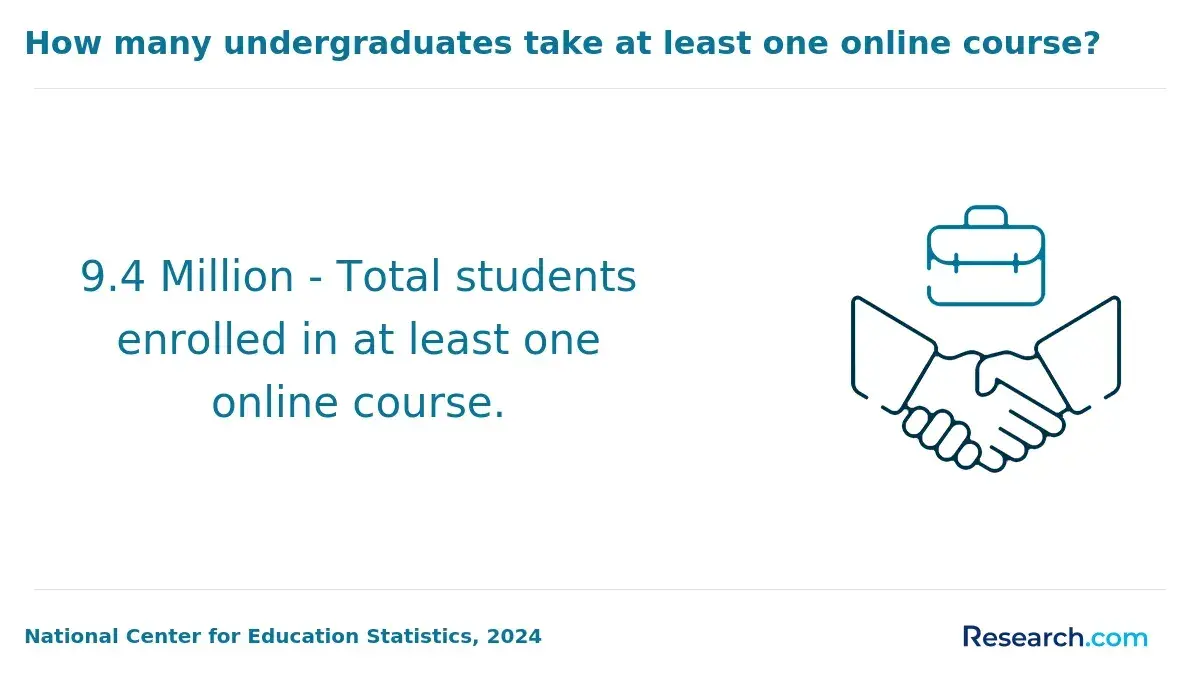
Including a thoughtful personal statement or letter of intent can further demonstrate motivation and readiness for college coursework. In recent years, nearly 39% of undergraduates participated in distance education courses, reflecting growing demand for flexible learning formats.
- Open Admission Policies: Continuous enrollment models admit students throughout the year, requiring minimal qualifications, usually just a high school diploma or GED.
- Flexible Testing Requirements: Many programs do not mandate SAT or ACT scores, easing application stress for non-traditional students, though some accept optional test submissions.
- Academic Support Services: Programs with open admissions emphasize tutoring, advising, and flexible learning options to assist students balancing education with other commitments.
- Application Tips: Highlighting professional experience and career goals can strengthen applications, especially for those with education gaps, while personal statements showcase dedication.
- Rising Distance Enrollment: Nearly 40% of undergraduates took online courses last year, underscoring the popularity of weekly start dates and ongoing admissions.
How Do Online Marketing Programs With Weekly Starts Handle Transfer Credits From Previous College Coursework?
Online marketing bachelor's degree programs with weekly or rolling start dates often provide flexible transfer credit policies designed to accommodate students returning to higher education with prior learning. Many accept credits from community colleges, military training, employer-based learning, and standardized exams like CLEP, enabling students to shorten degree timelines and reduce overall tuition costs.
Schools typically require an official transcript evaluation before enrollment-this ensures students get a clear picture of how many credits will transfer and which courses remain to graduate. The American Council on Education (ACE) plays an important role by recommending credit equivalencies for various types of non-traditional learning, including professional certifications and military education.
Many online programs recognize ACE credits, helping adult learners and working professionals convert real-world knowledge into academic progress. Some institutions allow transfer of up to 90 credits toward the 120-credit requirement for a bachelor's degree, making these pathways especially advantageous.
According to data from the National Center for Education Statistics, nearly 38% of undergraduates nationwide utilize transfer credits, which highlights how common and effective this strategy is for accelerating degree completion. Students aiming to maximize savings and speed should proactively request transcript evaluations and review institutional transfer policies available on official websites.
- Generous Credit Acceptance: Many weekly-start marketing programs accept a high volume of transfer credits from various learning sources, significantly shortening time to degree and lowering costs.
- ACE Credit Role: The American Council on Education facilitates converting military, professional, and experiential learning into academic credits, broadening transfer opportunities.
- Transcript Evaluation Essential: Official credit reviews prior to enrollment help clarify remaining course requirements and avoid surprises during degree completion.
- Multiple Credit Sources: Accepted credits often include community college classes, employer training, and standardized exams, offering flexible and accessible pathways.
- Widespread Transfer Use: Nearly 4 in 10 undergraduates nationwide leverage transfer credits, making this a widely used approach for online marketing students.
What Financial Aid and Scholarship Options Are Available for Students Enrolling in Weekly-Start Online Marketing Programs?
Students pursuing online marketing bachelor's degrees with weekly start dates access federal financial aid programs, including Pell Grants, subsidized and unsubsidized Stafford loans, and Federal Work-Study, provided their accredited institutions participate in the federal aid system. Because these programs differ from traditional semester calendars, students must coordinate their FAFSA submissions carefully to ensure aid disbursements align with each weekly term.
Many colleges also offer scholarships specifically for marketing majors or distance learners, alongside awards from professional organizations and nonprofit foundations. These scholarships can significantly supplement financial aid packages, especially with thorough research and early applications.
According to the College Board's Trends in Student Aid data, an average financial aid package combines grants, loans, and work-study earnings to offset tuition substantially. Pell Grants form the foundation of need-based aid and require no repayment, while Stafford loans provide low-interest borrowing options varying by enrollment status. Work-study programs let students earn money via part-time roles, often remote.
Completing the Free Application for Federal Student Aid (FAFSA) early is vital, as many financial aid funds-including many scholarships available for online marketing bachelor's degrees with rolling enrollment-are limited and awarded on a first-come, first-served basis.
Submitting FAFSA soon after October 1 improves chances to secure funding despite rolling or weekly start dates. For those interested in future career options, exploring jobs for biology majors can offer insights into industry demand and salary trends.
- Federal Aid Availability: Eligible online marketing students can access Pell Grants, Stafford loans, and work-study, provided their programs and schools meet federal criteria for funding undergraduate studies.
- Weekly-Start Considerations: Coordinating FAFSA submissions with weekly enrollment is crucial-traditional financial aid calendars may not sync automatically with multiple start dates, so planning prevents gaps in funding.
- Institutional and External Scholarships: Numerous institutions and marketing-related groups offer scholarships for online marketing learners, making early and thorough searches essential to maximize financial support.
- Average Aid Packages: Data show a typical package blends grants, loans, and work-study, covering a notable portion of tuition, though amounts vary by financial need and course load.
- FAFSA Early Submission: Timely FAFSA filing-preferably soon after October 1-helps secure limited federal and institutional aid, especially important when enrolling across rolling or multiple start terms.
What Accreditation Standards Should a Weekly-Start Online Marketing Bachelor's Program Meet to Ensure Employer and Transfer Recognition?
When choosing an online marketing bachelor's degree program with weekly or rolling start dates, understanding accreditation standards is vital for ensuring employer recognition and credit transferability. Accreditation primarily falls into two categories: regional and national. Regional accreditation is the gold standard because it reflects rigorous academic quality and is more widely accepted by employers and institutions, particularly important in marketing, where professional credibility can impact career growth.
The U.S. Department of Education recognizes seven regional accrediting bodies: the Middle States Commission on Higher Education (MSCHE), the New England Commission of Higher Education (NECHE), the Higher Learning Commission (HLC), the Northwest Commission on Colleges and Universities (NWCCU), the Southern Association of Colleges and Schools Commission on Colleges (SACSCOC), the Western Association of Schools and Colleges Senior College and University Commission (WSCUC), and the Accrediting Commission for Community and Junior Colleges (ACCJC), which accredits two-year institutions.
Among these, SACSCOC and HLC commonly accredit online programs with weekly start dates, making their recognition especially relevant for prospective students. It is crucial to verify a program's accreditation status through the official U.S. Department of Education accreditation database before enrollment. This step helps prevent difficulties with transferring credits or having a degree recognized by employers.
Students attending nationally accredited-only schools often face more limited credit transfer options and reduced acceptance by graduate marketing programs, which may hinder future academic or career opportunities. Additionally, programs with weekly or rolling enrollment options provide flexibility, allowing adult learners and working professionals to accelerate their marketing education by maximizing transfer credits and prior learning assessments.
For those also exploring different education paths, options such as the shortest online PMHNP certificate programs can serve specific professional goals.
- Regional Accreditation Importance: Regional accreditation signals high academic standards and is preferred by employers and colleges for credit transfer, ensuring your marketing degree holds value in the job market.
- Seven Regional Bodies: The U.S. Department of Education recognizes seven regional accrediting agencies, with SACSCOC and HLC most often accrediting weekly-start online marketing programs.
- Verification Recommended: Always confirm a program's accreditation through the U.S. Department of Education's database to avoid issues with credit transfer or employer acceptance.
- Credit Transfer Risks: National accreditation alone may limit your ability to transfer credits to regionally accredited schools or pursue graduate marketing studies.
- Employer Recognition Matters: Degrees from regionally accredited programs are more respected by employers, which can improve your career prospects in marketing fields.
How Is Coursework Structured in Online Marketing Bachelor's Programs With Weekly Starts Compared to Semester-Based Formats?
Online marketing bachelor's programs with weekly start dates commonly deliver content through asynchronous video lectures, allowing students to learn at their own convenience. Regular participation in discussion boards and weekly assignment deadlines helps maintain steady engagement. Digital collaboration tools enable interaction with peers and instructors, despite the fully online environment.
These programs typically run condensed courses lasting five to eight weeks, a shorter timeframe than traditional 15-week semesters. This accelerated pace demands strong self-discipline and effective time management to quickly grasp concepts and complete projects. While faster than semester formats, this setup sharpens skills in digital strategy, data analytics, and content marketing by focusing on essential competencies within a compact schedule.
However, the shortened terms may restrict opportunities for deep dives into complex topics or extensive group collaboration. Students must prepare by setting structured study routines, minimizing distractions, and maintaining active communication with faculty to thrive. Enrollment in online courses rose by over 25% in 2024, reflecting growing interest in flexible learning options with rolling start dates.
- Flexible Coursework Delivery: Asynchronous lectures and online discussions offer adaptable learning times while encouraging consistent involvement.
- Accelerated Timeline: Courses concentrated in five to eight weeks require quick comprehension and promote strong time management.
- Focused skill Development: Core marketing skills like digital strategy and analytics are emphasized through the condensed format.
- Limited Immersion: Short terms can curtail in-depth topic exploration and collaborative project work.
- Success Preparation: Establishing disciplined study habits and proactive communication are key to managing the fast-paced curriculum.
Can Students Earn Credit Through CLEP, DSST, or Prior Learning Assessment in Weekly-Start Online Marketing Programs?
Students enrolled in weekly-start online marketing bachelor's programs can save significant time and tuition by earning credit through Credit by Examination programs such as CLEP (College-Level Examination Program) and DSST (DANTES Subject Standardized Tests). These exams, backed by the College Board and the American Council on Education (ACE), allow learners to prove proficiency in marketing and related subjects, enabling them to skip certain courses.
Many schools also offer Prior Learning Assessment (PLA) options, which recognize experiential knowledge gained outside the classroom. Common PLA methods include portfolio evaluations, military training credit, and industry certifications. Institutions with flexible PLA policies-often found among weekly admission programs-may allow up to one-third of credits to come from prior learning, though exact limits and procedures vary by school.
To optimize credit awards, students should compile official transcripts, certificates, and detailed portfolios documenting their knowledge and experiences. These materials are submitted to the registrar or PLA office for evaluation. Reviewing the specific PLA and CLEP/DSST acceptance policies of each program before enrollment helps avoid surprises and supports tailored academic planning.
- Standardized Credit by Exam: CLEP and DSST exams provide validated pathways to earn college credits for marketing subjects, cutting down both duration and costs.
- Flexible Prior Learning Assessment: Portfolio reviews, military transcripts, and certificates can count toward degree credits-some programs allow up to one-third of credits via PLA.
- Institutional Variability: PLA limits and evaluation criteria differ, so students must consult each school's specific guidelines early.
- Comprehensive Documentation: Successful credit approval depends on submitting official, organized proof of prior learning, including reflective narratives.
- Authoritative Frameworks: The College Board's CLEP program and ACE recommendations ensure consistent evaluation of exams and credit awards.
What Graduates Say About Online Marketing Bachelor's Degree Programs With Weekly Start Dates
- Alfonso: "Choosing an online marketing bachelor's degree program with weekly start dates was a game-changer for me because it offered the flexibility I needed while balancing a full-time job. The affordability of the program made it accessible without sacrificing quality, which was a relief. Pursuing this degree helped me land a promotion and build confidence in my strategic skills-a real boost to my career trajectory."
- Eduardo: "I decided on an online marketing bachelor's program with weekly start dates mainly due to the consistent opportunities to enroll whenever I was ready, avoiding long waits that could stall my progress. The cost was reasonable compared to traditional programs, making it easier to invest in my education without overwhelming debt. Reflecting back, the program's real-world applications have deeply enhanced my professional abilities and opened doors to exciting new roles."
- Thiago: "The greatest appeal of the online marketing bachelor's degree with weekly start dates was how quickly I could start and adapt the coursework around my schedule. Cost-effectiveness was another major factor-I appreciated a program that valued my time and money equally. Completing it has provided a solid foundation in marketing principles, giving me a competitive edge and the confidence to pursue leadership positions in the industry."
Other Things You Should Know About Marketing Degrees
Online marketing bachelor's programs with weekly start dates often utilize widely accessible learning management systems such as Blackboard, Canvas, or Moodle. These platforms support video lectures, discussion forums, and digital assignments, enabling students to engage with course material asynchronously. Technical requirements generally include a reliable internet connection, a computer capable of running current web browsers, and software for word processing and presentations. Some programs may also require access to specialized marketing analytics tools or social media management software.
Weekly-start programs in 2027 offer flexibility, allowing students to begin their studies without waiting for traditional semester start dates, which can expedite degree completion. However, the fast-paced format may overwhelm those juggling other commitments, demanding strong time-management skills for success.
Many programs offer dedicated academic advising, career counseling, and tutoring services tailored to online students. Weekly-start schedules often include orientation webinars and ongoing technical support to help students acclimate and solve issues promptly. Some institutions provide virtual networking events and peer mentoring programs, which help maintain engagement and build professional connections. Support services are designed to foster student persistence, timely graduation, and employment readiness.
References
- Can You Test Out of College Courses? https://www.achievetestprep.com/blog/can-you-test-out-of-college-courses
- Types of Financial Aid for Online Colleges https://www.umassglobal.edu/blog-news/types-financial-aid-online-colleges
- Online Business and Marketing Degrees: Paths to a High-Demand Career - Ignaly https://bg.ignaly.com/en-us/article/business-and-industrial/online-business-and-marketing-degrees-paths-to-a-high-demand-career-2108773612
- Understanding Your Market: Marketing to Adult and Online Learners - The EvoLLLution https://evolllution.com/attracting-students/marketing_branding/understanding-your-market-marketing-to-adult-and-online-learners
- Online Bachelor of Business Administration and Digital Innovation with Digital Marketing https://www.global-business-school.org/programs/bachelor-europe-bachelor-of-business-administration-online/online-bachelor-of-business-administration-and-digital-innovation-with-digital-marketing/
- Online BS Bachelor of Science in Business Marketing Degree Program https://www.calcoast.edu/b.s.-bachelor-of-science-in-business-marketing.html
- What are the benefits of online distance learning for digital marketing? https://www.umu.com/ask/q11122301573854438953
- Exploring the benefits of an online marketing degree - TopZeno https://www.topzeno.com/en-us/article/business-and-industrial/exploring-the-benefits-of-an-online-marketing-degree-1755213079
- What are the benefits of online distance learning for digital marketing? https://m.umu.com/ask/a11122301573853521929