2027 Self-Paced Online Marketing Bachelor's Degree Programs

Co-Founder and Chief Data Scientist
Professionals with degrees outside Marketing often struggle to find programs that fit their busy schedules while providing relevant skills. Traditional classes may conflict with work hours or personal commitments. Self-paced online Marketing bachelor's degree programs address these challenges, allowing learners to progress independently. Recent studies show that 68% of students in self-paced programs reported improved work-life balance and faster skill acquisition. This article explores key features, benefits, and accreditation factors of self-paced online Marketing bachelor's degrees to help prospective students select the most effective path for career transition and advancement.
Key Benefits of Self-Paced Online Marketing Bachelor's Degree Programs
- Self-paced online marketing bachelor's degree programs offer flexibility-allowing working professionals to balance education with job demands and personal commitments efficiently.
- These programs accelerate skill acquisition by letting students progress upon mastery, reducing time to completion compared to traditional semesters.
- Cost-effective pathways include reduced tuition and fees, transfer credit options, and prior learning assessments, making accredited degrees more accessible for budget-conscious learners.
What Are Self-Paced Online Marketing Bachelor's Degree Programs, and How Do They Differ From Traditional Online Formats?
Self-paced online marketing bachelor's degree programs offer learners the flexibility to control their study pace and schedule, differing markedly from traditional cohort-based or asynchronous-but-scheduled online formats. These programs allow students to start at any time, progress according to individual availability, and complete coursework through milestone achievements instead of fixed calendar deadlines. This model appeals especially to those balancing education with work or personal commitments.
Key features of self-paced marketing bachelor's degree programs vary but typically include open enrollment, flexible timelines, and milestone-based progression. Open enrollment eliminates delays by letting students begin coursework at will. Flexible timelines accommodate acceleration or deceleration based on personal and professional needs. Milestone-based progression ensures learners meet competency checkpoints before advancing, emphasizing mastery over mere attendance. Such programs often integrate competency-based online marketing degree programs versus traditional formats, recognizing prior knowledge and transfer credits that speed degree completion.
The learning experience contrasts with traditional online marketing bachelor's degree programs in important ways. Self-paced students rely heavily on personal time management and discipline since there is less real-time faculty interaction, with communication usually asynchronous through forums or emails. Accountability rests largely with the student rather than a set cohort schedule. For working professionals and non-traditional students, this model provides vital adaptability, allowing education to fit varied life circumstances.
Advantages extend to financial aid eligibility and the growing acceptance of competency-based education. These factors contribute to the rising popularity of self-paced marketing bachelor's degree programs in the United States. For those interested in broader advanced studies, exploring the best online masters in artificial intelligence can offer additional career advancement pathways.
- Open Enrollment: Students can start their program at any time, providing immediate access to courses without waiting for a new semester to begin.
- Flexible Timelines: Learners control their study pace, allowing acceleration or deceleration based on personal and professional commitments.
- Milestone-Based Progression: Completion depends on passing specific modules or assessments rather than fixed dates, offering a clear, adaptable pathway.
- Time Management: Self-paced students must independently organize their study schedule, which demands strong personal discipline and motivation.
- Faculty Interaction: Unlike cohort-based programs, real-time faculty engagement may be limited; communication often occurs via asynchronous channels such as forums or emails.
- Student Accountability: Learners take responsibility for maintaining consistent progress, with less external scheduling pressure.
- Ideal Candidates: This format suits working professionals, non-traditional students, and those requiring flexible arrangements to accommodate varied life circumstances.
- Growing Popularity: Increasing adoption of competency-based education and flexible credit policies makes self-paced marketing degrees a practical choice for many.
Which Accredited Institutions Offer Self-Paced Online Marketing Bachelor's Degree Programs?
Several regionally accredited institutions offer self-paced online marketing bachelor's degree programs designed for working professionals, non-traditional students, and those seeking flexible pathways to accelerate their studies. These programs emphasize competency-based education models or subscription tuition, allowing learners to progress according to their mastery and availability rather than fixed semester schedules.
- Western Governors University: Accredited by the Northwest Commission on Colleges and Universities (NWCCU), WGU delivers a competency-based Bachelor of Science in Marketing. Tuition is subscription-based, with a flat fee per six-month term in which students can complete as many courses as they are able. Average completion varies between 2.5 and 3.5 years depending on transfer credits and pace.
- Southern New Hampshire University: This New England Commission of Higher Education (NECHE) accredited university offers an online Bachelor of Science in Marketing with a self-paced structure featuring rolling admissions and weekly course starts. Tuition is charged per credit with generous transfer and prior learning assessments, enabling most students to finish within 3 to 4 years.
- Capella University: Accredited by the Higher Learning Commission (HLC), Capella provides a FlexPath Bachelor of Science in Business Management with a marketing specialization. Its competency-based format charges tuition per six-month subscription, allowing rapid degree completion-some finish in under two years by demonstrating mastery rather than time spent.
- Liberty University: Accredited by the Southern Association of Colleges and Schools Commission on Colleges (SACSCOC), Liberty offers a self-paced online Bachelor of Science in Marketing. Tuition is per credit hour with multiple annual start dates, and students can accelerate completion through transfer credits and prior learning credits, averaging about three years to graduate.
- University of Massachusetts Global: Accredited by the WASC Senior College and University Commission (WSCUC), UMass Global features a competency-based Bachelor of Arts in Marketing using a subscription tuition model that encourages self-paced progress. Completion generally takes between 2 and 4 years depending on transfer credits and individual pacing.
These top accredited colleges with flexible online marketing bachelor's degree options offer various ways to leverage prior experience and transfer credits to speed up degree completion. Financial aid eligibility varies, so candidates should verify with each institution. For working professionals and first-time college enrollees balancing career and life, these accredited programs provide adaptable solutions. For those interested in advancing further, consider exploring an organizational leadership PhD as a next step.
2026 Update: Career-Ready Marketing Skills to Verify Before Enrolling
For this 2026 refresh, we reviewed the practical skill signals students should look for in self-paced online marketing bachelor’s programs, especially if they are changing careers or need portfolio-ready evidence of learning.
- Courses that include hands-on work with digital campaigns, analytics, content strategy, consumer research, and brand planning.
- Portfolio projects that can be shared with employers, not just quizzes or textbook-based assignments.
- Access to current marketing tools, dashboards, simulations, or case-based projects used in professional settings.
- Clear feedback from instructors or evaluators, especially in self-paced courses where independent work is common.
- Opportunities to build resumes, LinkedIn profiles, interview examples, or capstone presentations around completed projects.
- Career services that support online learners, including job-search coaching, internship guidance, or networking events.
Checking these factors helps students choose a flexible program that does more than award credits—it should also build visible marketing skills they can use in a job search or promotion path.
How Long Does It Take to Complete a Self-Paced Online Marketing Bachelor's Degree?
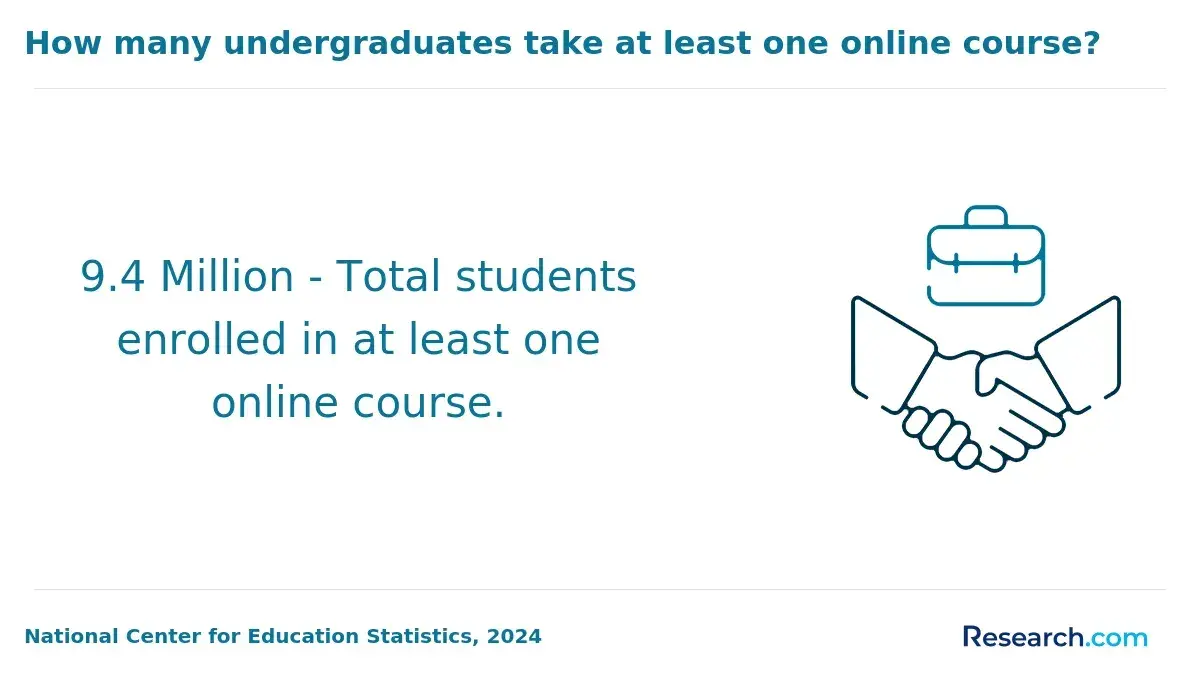
Self-paced online marketing bachelor's degrees offer varied completion times based on individual circumstances. According to National Center for Education Statistics data, typical bachelor's programs take four to six years with full- or part-time attendance. However, self-paced students often shorten this timeline by accelerating courses and applying prior knowledge.
- Fast Completion: Some students finish within one to two years by maximizing transfer credits, passing competency tests, and dedicating ample weekly study hours.
- Average Duration: A more common timeframe spans three to four years, as students balance coursework with work and family demands at a sustainable pace.
- Transfer Credits: Recognizing prior college credits can meaningfully reduce course loads and facilitate earlier graduation.
- Prior Learning Assessments: Evaluations of professional experience or skills can award credits without traditional classes, enabling faster progression.
- Weekly Study Time: Committing 15 to 20 hours or more weekly accelerates advancement, while fewer hours usually extend completion.
- Goal Setting: Crafting realistic schedules that align with personal and professional commitments helps prevent burnout and ensures consistent progress.
- Support Resources: Academic advising, tutoring, and time-management services aid students in maintaining focus and meeting deadlines.
A professional pursuing this path shared that juggling coursework with full-time work and family required disciplined time management and flexibility. He described feeling initially overwhelmed but found that frequent check-ins with advisors and using institutional support tools helped him stay organized. "It wasn't just about fitting classes in but adapting my daily routine," he explained, illustrating how his completion time fluctuated with unpredictable work demands. His experience underscored the importance of self-awareness and active use of resources when navigating a self-paced marketing degree program.
What Are the Admission Requirements for Self-Paced Online Marketing Bachelor's Degree Programs?
Admission requirements for self-paced online marketing bachelor's degree programs include:
- High School Diploma or GED: Admission to most self-paced online marketing bachelor's degrees requires a high school diploma or GED, ensuring students have the basic qualifications for college-level study. This foundational credential supports smooth progression through program demands.
- Minimum GPA Standards: Requirements differ-some programs request a minimum GPA around 2.0, while others offer open enrollment with no GPA conditions. More selective courses maintain higher standards to uphold academic quality and rigor.
- Prerequisite Coursework: Certain institutions expect applicants to have completed foundational subjects like basic math, English, or introductory business prior to enrollment. Many self-paced marketing programs, however, provide remedial options to help students bridge knowledge gaps when necessary.
- Open-Enrollment and Rolling Admission: Numerous self-paced programs accommodate working professionals and non-traditional students through flexible entry points year-round, easing admission barriers. This method encourages accessibility and aligns well with transfer credit policies for online marketing bachelor programs.
- Selective vs. Open-Access: Selective online marketing programs usually include enhanced academic advising and support services but require stronger admission credentials. Conversely, open-access options prioritize ease of entry and depend more on students' motivation, often offering fewer support resources.
- Application Strengthening Strategies: Applicants lacking minimum GPA or prerequisites can improve their chances by submitting compelling personal statements, strong recommendation letters, or proof of relevant work experience. Engaging in community college coursework or academic advising beforehand can also be advantageous.
For those exploring flexible and affordable options, reviewing a cheap online construction management degree program can provide insight into cost-effective education models that might parallel self-paced marketing degree structures.
How Much Does a Self-Paced Online Marketing Bachelor's Degree Cost, and What Affects Tuition?
Self-paced online marketing bachelor's degree programs typically charge tuition through different methods that impact overall expenses. Per-credit tuition requires payment for each credit hour separately, with costs commonly between $300 and $600 per credit. For a 120-credit degree, this amounts to $30,000 to $60,000 in total tuition, depending on the institution and residency status-public schools often offer more affordable rates.
- Flat-Rate Subscriptions: These models charge a fixed fee for a set term, usually monthly or per semester, allowing unlimited course completion during that time. Students who move quickly benefit most, potentially lowering total costs compared to pay-per-credit models.
- Bundled Fee Arrangements: Some programs combine multiple courses or credits into one bundled price. This hybrid approach can yield savings if the student's course load matches the bundle schedule well.
- Hidden Fees: Additional charges such as technology fees, online exam proctoring, textbooks or digital resources, and specialized software can add hundreds or even thousands to the total cost.
- Upfront vs. Total Cost: Lower initial tuition isn't always cheaper overall; longer completion times under per-credit billing may drive expenses higher than subscription plans that reward accelerated progress.
A professional who completed a self-paced online marketing bachelor's degree shared that managing costs required careful planning-not just tuition but also fees for required software and testing. She found the flexibility advantageous yet tricky, noting, "I had to stay disciplined to avoid stretching out the program, or costs would have quickly increased." Her experience underscores how pacing decisions strongly influence the final investment in such degrees, beyond headline tuition prices.
What Financial Aid Options Are Available for Self-Paced Online Marketing Bachelor's Programs?
Federal financial aid options for self-paced and competency-based online marketing bachelor's degrees include grants, loans, and work-study programs available through FAFSA. However, many CBE programs require students to confirm how their demonstrated competencies convert into credit hours to qualify for federal funds. This unique credit-hour calculation is essential since it affects eligibility and the timing of aid disbursement.
State financial support varies considerably by location and often depends on residency and program format. Some states offer grants tailored to online and flexible learning, but rules may differ for self-paced programs compared to traditional semester-based courses. Prospective students should reach out to their state's education authorities to understand specific funding opportunities.
Institutions frequently provide scholarships and tuition incentives specifically for online marketing students to encourage enrollment in flexible degree formats. Beyond colleges, professional marketing associations also award scholarships aimed at undergraduate students who plan to build careers in the field, helping to reduce out-of-pocket expenses.
According to the College Board's 2023 Trends in Student Aid report, more than 85% of undergraduates receive some form of financial aid, with online learners increasingly accessing federal grants and low-interest loans. Because of self-paced program structures, it's critical to communicate early with the school's financial aid office, as aid distribution schedules may differ from traditional programs.
- Federal Aid Eligibility: Students in competency-based marketing programs must verify credit-hour equivalencies to confirm FAFSA qualification and understand how aid is applied.
- State Grant Variation: Online learning aid differs by state and program format, requiring students to check with local agencies about eligibility requirements.
- Institutional Scholarships: Many schools offer financial rewards tailored to online marketing students enrolled in flexible degree pathways.
- Professional Association Awards: Marketing groups often provide scholarships to undergraduates, supplementing federal and institutional aid options.
- Disbursement Timelines: Self-paced scheduling can affect when aid is released, so early consultation with financial aid offices is vital.
How Do Competency-Based Education (CBE) Models Work in Self-Paced Online Marketing Programs?
Competency-based education (CBE) models in self-paced online Marketing bachelor's degree programs prioritize mastery of skills over traditional seat time. Students demonstrate their competencies through practical assessments-such as projects, exams, or portfolios-allowing those with prior knowledge to progress faster. These assessments evaluate understanding of essential Marketing topics including digital strategies, data analysis, communication, and industry-relevant principles.
For financial aid eligibility, CBE programs translate skill mastery into credit hours via two main approaches: direct assessment and credit-hour equivalency. Direct assessment programs grant credit purely based on demonstrated competencies without relying on time-based measures, while credit-hour-equivalent programs tie learning milestones to predefined credit hours, which can impact federal aid eligibility and credit transfer.
Notable examples include Western Governors University's Bachelor of Science in Marketing, which emphasizes performance-based tasks supported by dedicated faculty mentorship. Southern New Hampshire University also offers an online Marketing degree featuring customizable assessments and comprehensive academic advising. These programs have gained increased employer recognition due to their focus on real-world skills and job readiness.
Success in CBE requires strong self-discipline and effective time management, as students must motivate themselves without fixed schedules. Prospective students should carefully assess their learning preferences and ability to stay organized independently before enrolling.
Recent data shows annual enrollment growth of over 10% in CBE Marketing programs nationwide, highlighting the rising demand for flexible, skill-based education models.
- Mastery Over Time: Students advance by proving skill mastery through assessments instead of accumulating classroom hours, enabling personalized pacing.
- Credit and Financial Aid: Credit allocation varies between direct assessment and credit-hour models, affecting federal aid eligibility and credit transfer.
- Program Examples: WGU and SNHU provide online Marketing CBE programs with project-focused assessments and strong faculty support.
- Self-Discipline Needed: These programs demand motivation and time management since they lack fixed class schedules.
- Enrollment Growth: CBE Marketing programs have seen an annual enrollment increase exceeding 10% in recent years.
What Accreditation Should a Self-Paced Online Marketing Bachelor's Program Hold?
When considering regionally accredited online marketing degree programs, accreditation plays a vital role in determining the credibility and recognition of a self-paced online marketing bachelor's program. Regional accreditation, granted by six main agencies recognized by the U.S. Department of Education, is generally more prestigious and widely accepted by employers and graduate schools in marketing and related business fields. These accrediting bodies include the Middle States Commission on Higher Education (MSCHE), New England Commission of Higher Education (NECHE), Higher Learning Commission (HLC), Northwest Commission on Colleges and Universities (NWCCU), Southern Association of Colleges and Schools Commission on Colleges (SACSCOC), and the WASC Senior College and University Commission (WSCUC).
Some self-paced marketing bachelor's programs also have programmatic accreditation from organizations such as the Accreditation Council for Business Schools and Programs (ACBSP) or the Association to Advance Collegiate Schools of Business (AACSB), which assess the quality of business and marketing curricula specifically. These endorsements provide additional assurance of academic rigor.
Nationally accredited or non-accredited programs pose risks, especially regarding credit transferability to regionally accredited institutions, which can limit academic flexibility. Employers and graduate schools often view degrees from such programs as less credible, potentially impacting career advancement. Prospective students should always verify accreditation status through trusted sources like the U.S. Department of Education's accreditation database or the Council for Higher Education Accreditation (CHEA) directory before enrolling.
For working professionals seeking flexibility and strong recognition, choosing a fully accredited program-including those that may be competency-based or offer prior learning assessments-fosters lasting career opportunities. Many also explore options related to an online mba no gmat to complement their marketing background.
- Regional Accreditation: Widely accepted by employers and graduate schools, regional accreditation ensures marketing degrees meet high standards crucial for career growth and academic advancement.
- National Accreditation: This accreditation is less recognized, which can restrict transfer credits and reduce acceptance by employers in marketing industries.
- Programmatic Accreditation: Accreditations like ACBSP and AACSB specifically evaluate business programs, confirming their marketing curricula maintain specialized academic quality.
- Transferability Risks: Degrees from non-accredited or nationally accredited schools may hinder credit transfers and graduate program acceptance, limiting future educational paths.
- Verification Resources: Checking the U.S. Department of Education and CHEA directories helps confirm a program's accreditation standing before committing to enrollment.
- Career and Academic Impact: Selecting properly accredited marketing programs safeguards eligibility for certifications and advanced degrees while enhancing employment prospects.
How Many Transfer Credits Can Be Applied Toward a Self-Paced Online Marketing Bachelor's Degree?
Transfer credits accepted for self-paced online marketing bachelor's degrees vary widely but remain a key factor for students seeking accelerated completion. Programs often assess incoming credits based on the accreditation of the original institution, course relevance to marketing requirements, and minimum grade thresholds typically at a C or higher. This evaluation ensures transferred work aligns with degree standards to maintain academic quality.
Some programs provide notably generous transfer policies, accepting as many as 90 transfer credits, which greatly benefits returning students aiming to reduce the time and cost of earning their degree. Military service members and veterans may gain additional advantages through American Council on Education (ACE) credit recommendations that recognize military training as transferable academic credit. Furthermore, articulation agreements with community colleges streamline the transfer process and secure credit applicability toward degree completion.
Prospective students should request formal transfer credit evaluations before enrollment to understand the exact number of credits accepted and clarify their remaining academic workload and tuition obligations. Official transfer credit pages and statewide articulation databases-for example, those maintained by the California Community Colleges Chancellor's Office or the Texas Higher Education Coordinating Board-offer valuable guidance on transfer pathways. For those interested in graphic-related fields, exploring a graphic design online degree program may also provide flexible credit transfer options.
- Credit Limits: Most self-paced marketing programs limit transferable credits, but some accept up to 90, enabling faster degree completion and flexibility for non-traditional students.
- Military and ACE Credits: Institutions recognizing ACE recommendations credit military training as valid coursework, benefiting veteran students substantially.
- Community College Agreements: Articulation agreements guarantee transfer acceptance of specific courses, reducing uncertainty in credit evaluations and easing transitions.
- Transfer Evaluations: Early credit assessment helps students understand their real cost and remaining degree requirements before committing to enrollment.
Can Students Earn Credit Through Prior Learning Assessment in Self-Paced Online Marketing Programs?
Prior Learning Assessment (PLA) offers an efficient way for self-paced online marketing students to convert real-world experience into college credit. This includes professional work, military training, certifications, and independent study, verified through portfolio reviews, challenge exams, or standardized tests such as CLEP and DSST. Schools like Western Governors University, Southern New Hampshire University, and Thomas Edison State University are recognized for their flexible PLA policies, often requiring detailed documentation and official test scores to award credit.
The American Council on Education (ACE) plays a vital role by evaluating military and corporate training programs, providing credit recommendations widely accepted by many institutions. This benefits veterans and working professionals by facilitating the transfer of relevant training into academic credit. Typically, programs cap PLA credits between 30 to 50% of degree requirements, ensuring a balance between prior knowledge and new coursework.
To maximize PLA benefits, students should carefully align their portfolios and exam results with course objectives and consult advisors early to meet submission deadlines. According to recent National Center for Education Statistics data, nearly one in four adult learners now use PLA to accelerate their degree paths, underscoring its growing relevance in flexible education.
- Multiple Credit Pathways: Students earn credit through portfolios, challenge exams, or standardized tests like CLEP and DSST tailored to marketing topics.
- ACE Credit Recommendations: Evaluated military and corporate training facilitate credit transfer, especially benefiting veterans and working adults.
- Credit Caps Vary: Institutions limit PLA credits from 30% up to half of the degree requirements to maintain academic rigor.
- Documentation Matters: Well-prepared portfolios and official exam scores aligned with course goals increase the chances of receiving maximum credit.
- Increasing Adoption: Approximately 25% of adult online learners use PLA, highlighting its expanding role in self-paced marketing education.
What Concentrations or Specializations Are Available in Self-Paced Online Marketing Bachelor's Programs?
Self-paced online marketing bachelor's degrees commonly offer several concentrations that align skills with targeted careers, impacting how quickly students complete their studies due to varying coursework demands. Selecting the right focus can optimize both job readiness and program length.
- Digital Marketing: Concentrates on areas like SEO, social media management, and email marketing campaigns. Graduates may become digital marketing specialists or content managers, earning median salaries between $65,810 and $75,000 annually. While licensure isn't required, certifications such as Google Analytics can improve employment prospects.
- Market Research and Analytics: Focuses on data interpretation and consumer behavior analysis for roles like market research analyst, with median pay near $63,920. Some tracks include internships that might extend time to completion.
- Advertising and Promotion: Prepares students for campaign development and advertising management, where salaries often reach $133,460. Licenses are not commonly needed; however, building a professional portfolio is beneficial.
- Sales Management: Emphasizes leadership and customer relationship strategies, leading to sales manager roles with median salaries around $127,490. Internship or project requirements may increase program duration.
- Brand Management: Teaches brand development and maintenance with career paths like brand or product manager, earning about $135,900 yearly. Internships are often recommended to gain practical experience.
Choosing a concentration should reflect both labor market trends and personal interest. Students should also explore programs offering flexible competency-based courses, transfer credits, or prior learning assessments to accelerate degree completion, especially when balancing education with work.
What Graduates Say About Self-Paced Online Marketing Bachelor's Degree Programs
- Alfonso: "Choosing a self-paced online marketing bachelor's degree was essential for me because I needed flexibility while working full-time. The affordable tuition allowed me to advance my education without accumulating overwhelming debt. Since graduating, I've secured a management position that might not have been possible without this program's practical curriculum and adaptable pace."
- Eduardo: "I chose the self-paced online marketing program because it let me learn at my own rhythm, which was perfect for balancing family commitments. The cost was reasonable compared to traditional colleges, making it a smart investment in my future. Professionally, this degree broadened my understanding and opened doors in digital marketing sectors I hadn't considered before."
- Thiago: "What drew me to a self-paced online marketing bachelor's was the control over my schedule and a strong desire to break into the industry efficiently. The program's cost-effectiveness was a major factor since it fit my budget without sacrificing quality. After completing the degree, I've noticed a significant boost in my confidence and ability to lead campaigns that deliver measurable results."
Other Things You Should Know About Marketing Degrees
2027 self-paced online marketing bachelor's degree programs offer robust flexibility, allowing students to learn at their own pace with 24/7 access to course materials. This flexibility suits various schedules, making it ideal for working professionals and those managing personal commitments, without compromising the quality of education.
These programs emphasize flexibility by allowing students to access course materials anytime, fitting study around work or family commitments. Academic advising is often available virtually to assist with degree planning and balancing responsibilities. Additionally, many programs offer credit for prior learning and professional experience, reducing time to degree completion. Financial aid counseling and career services are increasingly offered remotely to meet the unique needs of non-traditional learners.
Graduates with a marketing degree earned online can pursue roles such as digital marketing coordinator, brand manager, market research analyst, or sales manager. Salaries vary by position and geography but generally range from $50,000 to $90,000 annually, with potential for higher earnings in managerial or specialized digital marketing roles. Employers increasingly accept online degrees, especially from accredited institutions, as valid preparation for marketing careers. Self-paced programs prepare students with current marketing analytics and digital campaign skills, which are in high demand.
References
- How Long Does It Take To Learn Digital Marketing https://www.justacademy.co/blog-detail/how-long-does-it-take-to-learn-digital-marketing
- Is e-learning for a bachelor's degree in marketing recognized by employers? https://www.umu.com/ask/a11122301573854154896
- Online Bachelor's Degree Completion Financial Aid https://www.hamline.edu/admission-aid/financial-aid/online-bachelors
- How Long Does It Take To Get a Marketing Degree Online? https://www.masters-in-marketing.org/faq/how-long-does-it-take-to-get-a-marketing-degree-online/
- US Marketing Degree Costs: Tuition & Fee Guide https://www.educationdirectory.net/articles/how-much-does-a-marketing-degree-cost-in-us-tuition-fees-breakdown
- Collegium Civitas https://study.gov.pl/collegium-civitas-9
- Accredited Online Marketing Degree Programs https://www.accreditedonlinecolleges.org/marketing/
- Top Online Bachelor's Degree in Marketing | Complete Guide https://tau.edu.zm/blog/top-online-bachelors-degree-in-marketing-guide/
- Online Bachelor’s in Marketing & Digital Marketing Programs - Marketing Majors https://www.mastersincommunications.com/related-degrees/bachelors-in-marketing
- Picture an Online Degree at Your Own Pace https://www.snhu.edu/about-us/newsroom/education/picture-an-online-degree-at-your-own-pace