2027 Hybrid vs Fully Online Marketing Bachelor's Degree Programs

Co-Founder and Chief Data Scientist
A working parent considers whether to attend marketing classes fully online to juggle childcare and job demands or to commit to a hybrid program with occasional on-campus sessions for richer peer interaction. Balancing schedule flexibility against the value of face-to-face networking and hands-on projects creates a challenging decision. Distance from campus, commute times, and the need for real-world experience further complicate the choice.
With 75% of marketing graduates reporting higher employment rates within six months from hybrid programs compared to fully online options, understanding these trade-offs matters. This article examines the key differences between hybrid and fully online marketing bachelor's degrees to guide prospective students toward the best fit.
Key Benefits of Hybrid vs Fully Online Marketing Bachelor's Degree Programs
- Hybrid programs offer increased flexibility by combining online coursework with scheduled on-campus sessions, helping students engage directly with faculty and peers.
- Fully online programs provide maximum scheduling freedom but limit face-to-face interaction, which may affect networking and collaborative learning experiences.
- Both formats support balancing education with work and personal life, yet hybrid models better accommodate students seeking occasional in-person support without sacrificing remote convenience.
What is a hybrid vs. a fully online marketing bachelor's degree?
Hybrid and fully online marketing bachelor degree programs differ mainly in delivery methods, levels of in-person interaction, and learning structures. Recent data from the National Center for Education Statistics reveals that about 35% of higher education students participate in at least one distance education course, highlighting the increasing adoption of online and hybrid learning. Below is a comparison of these two program formats to help you decide which fits your schedule and preferences.
Hybrid Programs
- Course delivery mixes on-campus classes with online coursework, requiring some physical attendance for lectures or labs.
- Scheduling typically involves fixed times for in-person sessions, while online components may offer asynchronous flexibility.
- Students benefit from face-to-face interaction with instructors and peers, enhancing immediate feedback and networking opportunities.
- The learning experience combines traditional classroom dynamics with digital resources, supporting a range of learning styles.
Fully Online Programs
- All content is delivered virtually through video lectures, digital assignments, and discussion boards without any campus visits.
- Students usually enjoy greater scheduling flexibility, accessing materials anytime within deadlines to fit their personal timetable.
- Interaction depends on virtual communication tools, which may limit spontaneous or direct exchanges compared to hybrid formats.
- Successful learners often need strong self-discipline and independence to manage their time and engagement effectively.
Choosing between hybrid and fully online marketing bachelor degree programs depends largely on your need for flexibility and preference for in-person engagement. If you're exploring quick degree options, consider checking out easy degrees that pay well as part of your research.
How does a hybrid vs. a fully online marketing bachelor's degree program work?
Both hybrid and fully online bachelor's degree programs in marketing follow structured academic pathways that guide students from foundational concepts to advanced topics. These programs primarily differ in how coursework is delivered and how students engage with instructors and classmates.
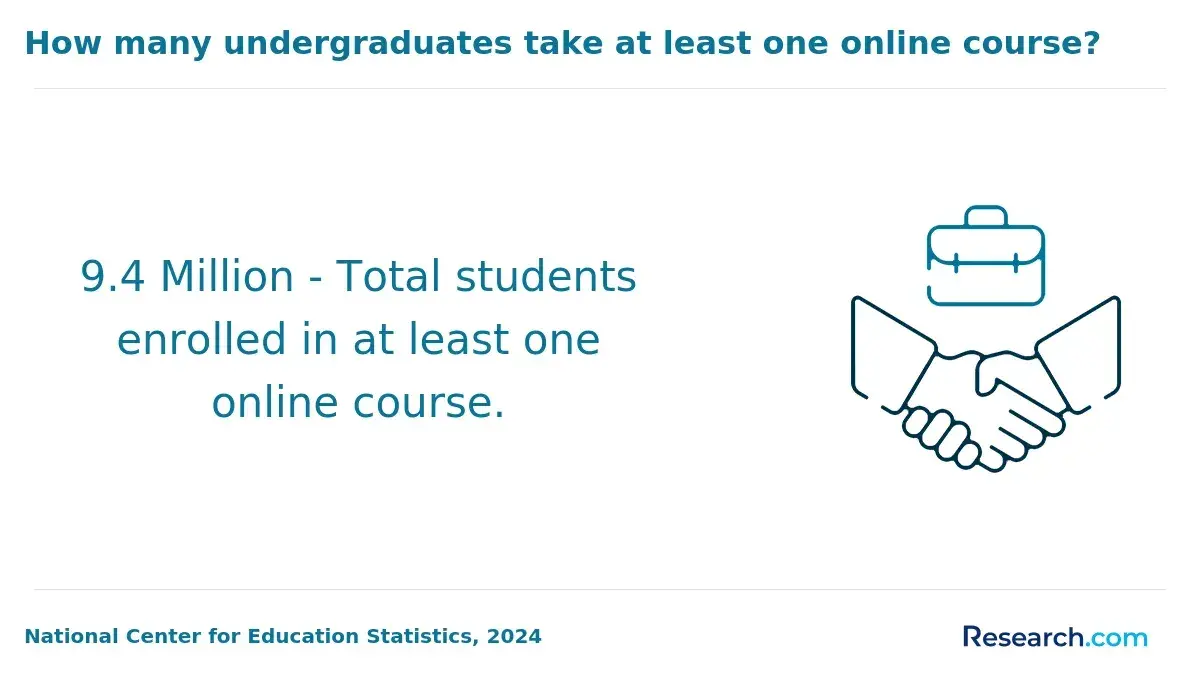
According to the National Center for Education Statistics, nearly 44% of undergraduate students now take at least one online course, reflecting rapid growth in flexible digital learning. Below is a comparison highlighting how each format operates.
Hybrid Programs
- Coursework combines traditional on-campus instruction with online modules, offering a balanced learning experience.
- Students attend scheduled face-to-face classes alongside virtual lectures and activities.
- Class participation includes live discussions during physical sessions plus asynchronous online engagement.
- Schedules are generally fixed for in-person sessions but allow flexible timing for accessing online content.
- Communication occurs through face-to-face meetings, video conferencing, emails, and learning management systems.
Fully Online Programs
- All instruction and materials are accessed remotely, eliminating the need for campus visits.
- Students participate in live webinars, virtual discussions, and asynchronous activities like forums and group chats.
- Scheduling varies by program and may be cohort-based with deadlines or self-paced.
- Digital communication is primary, utilizing video calls, emails, messaging platforms, and course portals.
Understanding the hybrid marketing bachelor's degree program structure and the fully online marketing bachelor's degree format and delivery can help students choose the best fit for their learning preferences and lifestyle. For those exploring advanced degrees, options such as the doctorate organizational leadership offer flexible learning pathways similar in design and delivery.
Are admission requirements different for hybrid and fully online marketing bachelor's degrees?
Admission standards for hybrid and fully online marketing bachelor's degree programs generally align, reflecting each school's academic criteria rather than differences in delivery method. Still, subtle variations can occur based on how the program is designed and the student's mode of participation. The following points highlight key distinctions and similarities.
- Technical Requirements: Fully online programs typically require applicants to demonstrate strong digital literacy, reliable internet access, and comfort using online learning platforms, since all coursework is virtual. Hybrid programs may allow more leniency, as some face-to-face sessions reduce the burden of online technology dependency.
- Application Documents: Hybrid programs often ask for more comprehensive materials, such as recommendation letters and personal statements, to evaluate a candidate's suitability for both online and in-person coursework. Fully online programs may streamline submissions to expedite review.
- Residency or Location Restrictions: Some hybrid marketing degrees enforce geographic limits to ensure students can attend required campus activities, while fully online programs usually lack these constraints, welcoming applicants from a broader area.
- Orientation and Initial Meetings: Hybrid program candidates might need to visit campus for orientation or introductory sessions, whereas fully online students typically participate in virtual orientations or may not have this requirement.
- Placement and Testing: While both formats could require placement exams, hybrid courses often conduct these assessments in person on campus, unlike fully online programs that offer remote testing alternatives.
A student currently enrolled in a fully online marketing bachelor's degree shared her experience navigating the application process. She found the technical requirements straightforward but appreciated how the program emphasized digital readiness, which gave her confidence before starting.
She mentioned, "Submitting fewer documents sped up my application, and the lack of campus visits was convenient, especially with my work schedule." However, she also noted that the remote placement tests were somewhat nerve-wracking initially, as taking exams without in-person support felt challenging.
Overall, her reflections highlight how admission procedures can shape the initial interactions and preparedness of students entering fully online marketing programs.
Is the learning experience better in hybrid vs. online marketing bachelor's degrees?
In hybrid marketing bachelor's degree programs, students benefit from a mix of in-person and online learning that often leads to higher engagement. Face-to-face sessions allow for immediate interaction with instructors and classmates, which can strengthen connections and provide timely feedback.
Being physically present on campus also grants access to valuable resources such as libraries and career services, enriching the academic experience. Many learners appreciate the hybrid format for its balance of structure and flexibility, enabling a consistent routine alongside online components. However, the success of this approach depends on how effectively the institution integrates classroom and digital elements.
Fully online marketing bachelor's degree programs emphasize convenience and adaptability, suiting those with busy schedules or other commitments. While students may face fewer opportunities for real-time interaction, many courses incorporate discussion forums, video calls, and group projects to foster collaboration. Access to extensive online materials like digital libraries and multimedia tools compensates for the lack of physical campus resources.
Students must be self-motivated and disciplined to manage their studies independently without face-to-face guidance. Though online communication may seem less personal, technological advancements continue to improve the sense of connection and community among remote learners.
Which is more flexible: a hybrid or a fully online marketing bachelor's degree?
Hybrid marketing bachelor's degree flexibility comparison highlights how these programs blend online learning with in-person sessions. Students benefit from a combination of remote coursework and scheduled on-campus activities, which often include labs, presentations, or networking events.
This mix allows some adaptability but requires coordination around fixed class times for face-to-face interaction. While offering a balanced layout that supports both digital and traditional learning experiences, hybrid formats may limit total freedom due to mandatory physical attendance at certain points.
Fully online marketing degree program scheduling advantages lie in their capacity for complete remote access and asynchronous coursework. Learners can engage with lectures and assignments anytime, making it easier to fit education around personal and professional commitments. This self-paced structure appeals especially to those who value independent time management without adhering to fixed schedules.
According to a 2023 survey by the Online Learning Consortium, 82% of students selected fully online programs primarily for scheduling flexibility. For individuals seeking entirely remote options, exploring an office administration associate's degree might also offer comparable adaptability in program formats.
What is the workload for hybrid vs. fully online marketing bachelor's degrees?
Although hybrid and fully online marketing bachelor's degrees typically maintain equivalent academic rigor, their differences in delivery affect pacing, structure, and how students manage their time. A 2022 study found that students in online learning environments generally spend around 15-20 hours per week on coursework, a figure similar to traditional formats but influenced by distinct scheduling demands. These variations shape the workload expectations and strategies required for success.
Hybrid marketing programs divide responsibilities between in-person sessions and online tasks, creating a blend of fixed and flexible study components. Students attend regular classes or meetings on campus or specific locations, which establish a clear schedule and promote consistent engagement.
Outside these sessions, learners complete digital assignments and readings independently, requiring additional self-directed effort. This combination supports organization while challenging students to balance both synchronous and asynchronous work effectively.
Fully online marketing programs emphasize asynchronous learning, offering students the liberty to access lectures, discussions, and coursework on their own timetable. Without mandatory attendance, students must exercise strong discipline to allocate adequate time for interactive materials, assessments, and collaborative projects that happen in virtual spaces. This self-paced environment caters to those valuing flexibility but also risks procrastination if time management skills are lacking, demanding heightened personal accountability.
How does tuition compare for hybrid vs. online marketing bachelor's degrees?
Tuition for hybrid and fully online marketing bachelor's degree programs varies widely due to factors like delivery format, credit requirements, institutional policies, and extra fees. On average, fully online programs can be 10-15% cheaper per credit than hybrid programs, reflecting differences in resource use and campus involvement.
- Per-Credit Costs: Hybrid programs frequently have higher per-credit tuition because they combine expenses for both online and in-person instruction. Conversely, fully online programs benefit from streamlined digital delivery, resulting in generally lower per-credit fees.
- Technology or Campus Fees: Students in hybrid programs often incur additional campus or facility fees to support physical campus resources, whereas fully online learners typically avoid these charges.
- Residency or Facility Charges: Fully online marketing degrees usually waive in-state residency requirements, making tuition more affordable for out-of-state students. Hybrid programs may require occasional campus visits, which can affect residency-based tuition costs.
- Payment Flexibility: Online programs tend to offer more diverse payment plans, including monthly subscriptions or installment options, allowing students greater flexibility. Hybrid formats often stick to traditional semester billing cycles.
When asked about tuition after completing a hybrid marketing bachelor's degree, one graduate shared that managing different fees presented a real budgeting challenge. "It wasn't just the tuition per credit," he explained, "but the unexpected campus fees and occasional travel costs that you have to plan for."
He added that the semester-by-semester payment system required careful financial discipline, which sometimes felt restrictive compared to what friends in fully online programs described. However, he valued knowing exactly when payments were due, even if it meant less flexibility in spreading out costs.
Do employers prefer hybrid or fully online marketing bachelor's degrees?
Employer perceptions of hybrid and fully online marketing bachelor's degrees have improved as online education gained credibility. A recent survey by the National Association of Colleges and Employers shows nearly 80% of employers now accept online and traditional degrees equally. This shift reflects growing trust in remote learning formats and sets the stage for comparing hybrid and fully online degree preferences.
- Hybrid Advantage: Employers often favor hybrid degrees because the blend of in-person and online learning suggests candidates have developed both face-to-face collaboration and digital communication skills. This combination is seen as beneficial for adapting to diverse marketing environments.
- Online Strengths: Fully online programs demonstrate a candidate's self-motivation, time management, and tech proficiency. These traits align well with companies adopting remote or hybrid work, making graduates from online programs valuable for digital-focused marketing roles.
- Industry Variation: Acceptance of fully online marketing bachelor's degrees can depend on the industry and company size. Larger firms with remote teams typically welcome online credentials more readily than smaller businesses prioritizing direct interaction.
- Soft Skills Focus: Hybrid programs are sometimes preferred where employers emphasize soft skills that benefit from in-person experiences. This can give hybrid graduates a slight edge in traditional marketing sectors.
- Learning Preferences: Prospective students may consider how employer acceptance aligns with their own learning styles and schedules, especially when comparing hybrid versus fully online options. For those interested in fields related to human services, an online human services degree can offer similar insights into employer preferences.
Who should choose a hybrid vs. a fully online marketing bachelor's degree?
The decision to enroll in a hybrid versus a fully online marketing bachelor's degree program depends largely on your personal learning style, schedule flexibility, and lifestyle needs. Hybrid programs combine in-person and online elements, offering a blend of interaction and adaptability.
Fully online programs provide total schedule freedom, ideal for highly self-motivated learners. Below is a comparison to help identify who should choose each format when searching for the best online marketing degree format for working professionals.
- Structured Learners: Prefer a set routine with regular face-to-face engagement to stay motivated. These students benefit from hybrid programs that allow in-person discussions and hands-on activities alongside remote classes.
- Self-Disciplined Individuals: Excel at managing their own time and prefer the independence of a fully online format. They often juggle work or personal commitments requiring flexible study hours.
- Networking Seekers: Value the opportunity to connect with peers and faculty directly, which hybrid programs facilitate through campus events and live interactions.
- Remote or Traveling Students: Need the freedom to attend classes from any location without geographic constraints. Fully online degrees cater well to those with frequent travel or limited access to campus facilities.
- Balancing Responsibilities: Those managing part-time jobs or family duties may find hybrid programs a useful balance-offering some campus engagement without full-time presence on site.
- Preference for Asynchronous Learning: Students who favor reviewing course materials on their own schedule typically thrive in fully online environments where classes are often recorded and flexible.
When considering options, prospective students can also explore related fields, such as architecture, by reviewing the best online architecture degree programs to understand different hybrid and online educational models available today.
How can I succeed in a hybrid vs. a fully online marketing bachelor's degree program?
Success in hybrid and fully online marketing bachelor's degrees requires adapting to their unique formats. Hybrid programs combine face-to-face and virtual learning, needing balance between campus visits and online tasks. Meanwhile, fully online formats offer flexibility but demand strong self-discipline and consistent engagement. Below are strategies to help you thrive in either environment.
- Time Management: Hybrid students should plan weekly calendars that include on-campus class times along with digital deadlines, while fully online learners benefit from structured daily schedules to maintain momentum.
- Active Participation: Hybrid learners can capitalize on in-person discussions and group projects, whereas fully online students must engage proactively in forums and virtual meetings to foster connection.
- Digital Proficiency: Both require mastery of learning platforms, but online students often need greater independence in resolving technical issues without immediate support.
- Study Environment: Hybrid students should designate separate spaces for on-campus and online study to help shift focus, while fully online students need quiet, distraction-free areas to sustain concentration.
- Utilizing Support: Campus resources benefit hybrid learners, while fully online students should take advantage of remote tutoring, advising, and library services regularly.
- Self-Motivation: Essential for online students to maintain progress amid isolation, whereas hybrid students can rely on campus routines to stay disciplined.
What Graduates Say About Hybrid vs Fully Online Marketing Bachelor's Degree Programs
- Alfonso: "Choosing a fully online marketing bachelor's degree was all about flexibility for me, especially balancing work and study. The course platform was intuitive, which made navigating assignments and group projects quite seamless. This degree has genuinely opened doors in digital advertising, allowing me to leverage theoretical knowledge directly into professional success."
- Eduardo: "I opted for a hybrid marketing program because I wanted the best of both worlds-face-to-face interaction and online convenience. Adjusting to the rhythm of online lectures mixed with in-person sessions took some effort, but the support system helped significantly. Today, this blend of learning experiences has strengthened my strategic thinking and client communication skills in the marketing field."
- Thiago: "Reflecting on my fully online marketing bachelor's experience, what stood out was the opportunity to tailor my studies around my busy schedule without compromising content quality. The virtual classroom felt engaging, and I developed strong self-discipline throughout the program. Earning this degree has notably enhanced my career prospects, giving me the credentials and confidence to thrive in competitive industries."
Other Things You Should Know About Marketing Degrees
Both hybrid and fully online marketing degrees are generally recognized equally by employers, provided the institution is accredited. The degree's value often depends more on the school's reputation and the student's skills rather than delivery format. However, hybrid degrees may sometimes offer an advantage due to the in-person networking and internships they may facilitate.
Hybrid marketing programs usually require additional time commitments due to scheduled on-campus sessions or labs. Students must balance both online coursework and face-to-face classes, which can reduce scheduling flexibility. Fully online programs tend to allow greater self-pacing, making them preferable for those needing strict time management options.
Hybrid marketing programs generally offer more direct access to faculty through in-person interactions during on-campus sessions. This can lead to stronger mentorship and immediate feedback opportunities. Fully online programs rely on virtual communication, which may limit spontaneous discussions but typically provide office hours and forums for student support.
References
- Do Employers Prefer Online Or In-Person Degrees? - Bluesky Thinking https://bluesky-thinking.com/do-employers-prefer-online-or-in-person-degrees/
- Hybrid Programs- Which Students Want Them? https://www.encoura.org/resources/wake-up-call/hybrid-programs-which-students-want-them/
- Cost of Online Education vs. Traditional Education [2025]: Comparison https://educationdata.org/cost-of-online-education-vs-traditional-education
- Bachelor of Science Business Management Marketing https://hallmark.edu/schools/business-management-digital-marketing-bachelors-program/
- Hybrid class vs. online: Choosing the best for your student https://www.asuprepdigital.org/blog/hybrid-class-vs-online/
- Hybrid Programs- Which Students Want Them? https://encoura.org/resources/wake-up-call/hybrid-programs-which-students-want-them
- Hybrid Online College Models: The Future of Flexible Higher Education https://preview.bravebitsglobal.com/news/hybrid-online-college-models--the-future-of-flexible-higher-education
- Online Bachelor’s Degree in Marketing https://www.linfield.edu/programs/online-bachelors-marketing/index.html