2027 Part-Time vs Full-Time Online Marketing Bachelor's Degree Programs

Co-Founder and Chief Data Scientist
An entry-level employee balancing family responsibilities considers advancing their marketing career but struggles to find time for a traditional full-time degree. With flexible schedules often essential, many prospective students face this same dilemma. According to recent data, 60% of online marketing bachelor's students opt for part-time enrollment to manage work-life demands effectively.
This growing trend reflects the need to accommodate diverse lifestyles while pursuing education in a competitive field. This article examines the benefits and challenges of part-time versus full-time online marketing bachelor's programs, helping readers determine which format best aligns with their personal and professional goals.
Key Benefits of Part-Time vs Full-Time Online Marketing Bachelor's Degree Programs
- Part-time programs offer greater scheduling flexibility, allowing students to balance coursework with jobs or families, while full-time programs demand more consistent weekly study hours.
- Full-time students typically complete their marketing bachelor's degree in about four years; part-time students may take six years or longer, affecting time to graduation and career entry.
- Balancing education with personal and career responsibilities is easier part-time, as workload is lighter, though full-time programs may provide quicker skill acquisition for immediate job advancement.
What Is the Difference Between Part-Time and Full-Time Online Marketing Bachelor's Degree Programs?
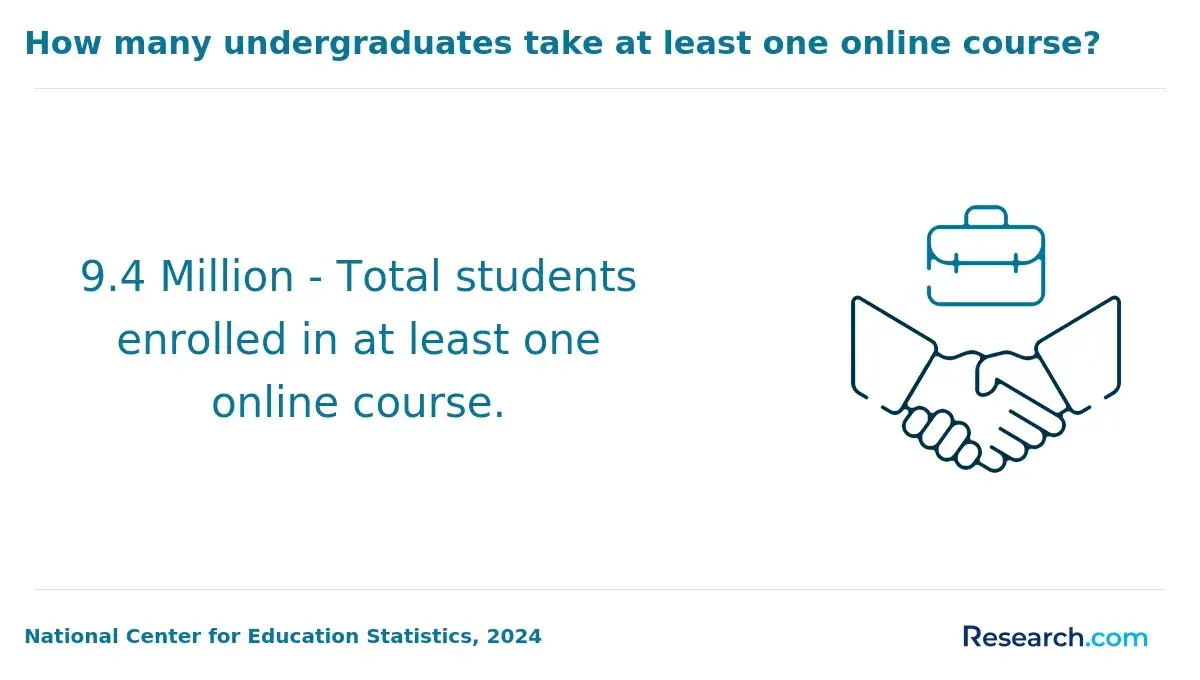
Part-time and full-time online marketing bachelor's degree programs vary significantly in workload, pacing, and time commitment. Nearly 43% of undergraduate online students choose part-time enrollment, highlighting the demand for flexible study options that accommodate various life circumstances. These differences affect how students plan their academic experience and manage personal responsibilities. Below is a comparison of structural distinctions between part-time and full-time online options for those evaluating part-time online marketing bachelor's degree programs versus full-time options comparison.
Part-Time Online Programs
- Course Load: Part-time students usually take fewer than 12 credit hours per term, allowing them to balance studies with work or family obligations.
- Scheduling Flexibility: These programs often provide adaptable schedules where students can select courses that fit around their personal and professional lives.
- Study Intensity: The weekly time commitment is generally lower, enabling students to spread reading, assignments, and projects over more days.
- Pacing: Coursework is extended over a longer timeframe, making it suitable for those needing a less intensive semester load.
Full-Time Online Programs
- Course Load: Full-time students take 12 or more credit hours per term, resulting in a more concentrated academic schedule.
- Scheduling Structure: These programs usually have more rigid scheduling, designed for students who can dedicate substantial time each semester.
- Study Intensity: Full-time enrollment requires a higher weekly investment in learning activities such as reading, assignments, and group projects.
- Academic Momentum: The faster pace helps students complete core requirements sooner but demands a consistent time commitment.
Students weighing differences in scheduling and workload between part-time and full-time online marketing degrees can consider how these formats suit their time management needs. For prospective students seeking flexible online options, resources like affordable MSW programs online demonstrate the growing availability of tailored online degrees. This growing landscape makes it easier to find a program that accommodates individual priorities while advancing educational goals.
How Long Does It Take to Complete Part-Time vs Full-Time Online Marketing Bachelor's Degrees?
The time it takes to complete an online marketing bachelor's degree depends significantly on whether students enroll part-time or full-time, as well as their individual pace. The National Center for Education Statistics reports that full-time students typically complete their bachelor's degree in about 4.3 years. These completion times can vary widely depending on program design and student circumstances. Below is a comparison of part-time and full-time online marketing bachelor's degree programs and their typical durations.
Part-Time Online Programs
- Flexible Scheduling: Part-time students often balance studies with work or family, which allows greater flexibility but generally slows down degree completion.
- Extended Duration: Completion times usually range from five to seven years or more due to fewer courses taken each semester and varying course availability.
- Course Availability: Some required courses may only be offered in specific semesters, requiring careful planning to stay on track.
- Slower Credit Accumulation: Taking fewer credit hours per term means it takes longer to fulfill all degree requirements.
- Time Management: Effective study habits and scheduling are critical to progress steadily without overwhelming commitments.
Full-Time Online Programs
- Structured Pace: Full-time students typically follow a fixed schedule with a set number of credit hours each term, enabling faster progress.
- Typical Duration: Most full-time learners complete their degree within four years, aligning with the average program duration for full-time online marketing bachelor's degrees.
- Consistent Course Sequence: Access to required classes every semester helps reduce delays and aligns with planned graduation timelines.
- Steady Credit Accumulation: Taking more classes each term allows quicker fulfillment of requirements.
- Focused Commitment: Full-time enrollment demands significant time investment dedicated to studies, which accelerates program completion.
For students exploring options, especially working adults and nontraditional learners, these factors are vital in choosing the best fit. To find affordable and effective options, prospective students can review the cheapest online colleges that offer online marketing bachelor's degrees tailored to different schedules and goals.
What Is the Workload for a Part-Time vs Full-Time Online Marketing Bachelor's Degree?
The workload for online marketing bachelor's degrees varies considerably between part-time and full-time study, particularly in course quantity, weekly dedication, and pacing. Full-time students generally enroll in three to five courses each term, requiring around 15 to 25 hours of focused study weekly. This model expects students to engage intensively with reading, assignments, discussions, and exams within tighter timeframes. Part-time learners typically take one or two courses per term, dedicating about 5 to 12 hours per week. Their schedule allows for slower pacing and more flexible deadlines, accommodating other personal or work responsibilities.
Academic intensity also differs markedly between the two formats. Full-time students face more frequent assignments and compressed deadlines, which demand efficient time management and consistent focus to keep up with a heavy workload. In contrast, part-time students deal with fewer immediate pressures but must maintain steady progress over an extended period to meet graduation criteria. Both paths require self-discipline, yet full-time learners often participate more regularly in group work and discussions, whereas part-time students balance less frequent synchronous activities with independent study. For adult learners, these contrasts shape how they manage stress and organize their time effectively.
Which Option Is Better for Working Adults in an Online Marketing Bachelor's Degree?
Both part-time and full-time online marketing bachelor's degree programs offer viable options for working adults, depending largely on individual work schedules, workload capacity, and family commitments. Nearly 40% of undergraduate students studying online simultaneously hold jobs, emphasizing the need for programs that accommodate professional responsibilities. Below are some important factors to weigh when choosing the best format.
- Scheduling Flexibility: Part-time programs generally allow students to spread courses over more semesters, offering greater adaptability around work and family life. Full-time formats follow a more concentrated timeline, demanding consistent engagement but promoting quicker progress.
- Workload Intensity: Full-time students typically juggle a heavier course load each term, requiring significant weekly study hours. Part-time learners take fewer classes concurrently, reducing immediate pressure but extending the academic journey.
- Time Management: Enrolling full-time often means balancing rigorous daily study commitments, which can be challenging alongside full-time employment. Part-time students can better adjust their schedules to fluctuations in job or family demands.
- Pace of Completion: A full-time path usually leads to degree completion in around four years or less, while part-time tracks may take six years or more. This slower pace can suit those who prefer steady, manageable progress.
A working professional who chose to enroll in an online marketing bachelor's degree program shared that balancing coursework with a full-time job and family was initially overwhelming. She found it took patience and restructuring of daily routines to meet deadlines, especially during intensive semesters. Yet, she appreciated the ability to pause or reduce courses when work demands spiked, explaining, "The flexibility allowed me to keep advancing without burning out." Her experience highlighted how the decision often hinges on personal capacity to manage time and stress, not just on program format.
Can I Switch From Part-Time to Full-Time in an Online Marketing Bachelor's Degree?
Many online bachelor's degree programs accommodate students who need to switch between part-time and full-time enrollment to match their changing academic progress and personal schedules. This flexibility is especially important for nontraditional learners balancing work or family obligations. Recent data shows that nearly 40% of online students alter their enrollment status at least once during their studies, reflecting the dynamic nature of online education pathways.
Those pursuing a switch from part-time to full-time study in online marketing often do so to accelerate their degree completion. Understanding how to change enrollment status in online marketing bachelor's programs can help students adapt smoothly to their evolving needs.
Switching enrollment requires careful consideration of the increased academic workload and faster pace that full-time study demands compared to part-time. Students should be aware of institutional policies such as deadlines for status changes, the necessity of advisor approval, and how switching might impact graduation timelines or program milestones. It is also important to evaluate personal time management skills and commitments before making the transition.
For those interested in further education options, examining programs like an EdD in education may provide additional insights into flexible learning structures.
How Does Tuition Differ for Part-Time vs Full-Time Online Marketing Bachelor's Degrees?
Tuition for online marketing bachelor's degrees varies significantly based on whether students enroll part-time or full-time, as well as the institution's pricing policies. Many programs charge by credit hour, making costs fluctuate with course load. On average, the per-credit-hour rate for online undergraduate courses tends to be about 10-15% lower than on-campus equivalents. Below is a closer look at how tuition arrangements typically differ for part-time and full-time students.
Part-Time Online Programs
- Per-Credit Pricing: Part-time students usually pay tuition per credit, enrolling in fewer credits each semester which spreads costs.
- Extended Payment Period: Tuition is distributed over more semesters, easing financial pressure per term but prolonging overall expenses.
- Variable Rates: Some schools offer discounted per-credit rates or charge higher fees for part-time enrollment, so policies can vary widely.
- Flexible Scheduling: Part-time pacing allows students to adjust their course load each term, impacting tuition based on credits taken.
Full-Time Online Programs
- Higher Semester Costs: Full-time students often pay more upfront because of a larger credit load, typically 12 to 15 credits per term.
- Accelerated Completion: The increased credit load helps students finish their degrees faster, potentially reducing living and other cumulative expenses.
- Flat Rate Options: Some programs charge flat tuition per term for full-time enrollment, simplifying budgeting compared to per-credit systems.
- Consistent Payment Schedule: Full-time students usually make fewer but larger payments, aligned with semester start dates.
When asked about how tuition differences affected his experience, a graduate of an online marketing bachelor's degree reflected on the financial balancing act part-time enrollment required. He shared, "Paying tuition in smaller chunks each semester was more manageable with my work schedule, but it sometimes felt like there was no end in sight." He mentioned how full-time options appealed for their faster pace but were daunting due to the larger upfront payments. Ultimately, deciding between part-time and full-time came down to weighing immediate affordability against the desire to complete the program sooner.
Which Option Offers Better Financial Aid for an Online Marketing Bachelor's Degree?
Financial aid availability for online marketing bachelor's degree programs depends heavily on enrollment status, eligibility criteria, and the policies of the institution. While full-time students generally have broader access to funding options, part-time enrollees also benefit from a range of financial support tailored to their needs. Approximately 35% of part-time online students receive some form of financial assistance, demonstrating that aid can be accessible regardless of course load. Below is a comparison of key financial aid types based on enrollment status.
- Pell Grants: These grants primarily target full-time students, granting them the maximum federal award. Part-time students may still qualify but typically receive prorated amounts aligned with their reduced credit hours.
- Federal Work-Study: This program tends to prioritize full-time students due to institutional budget limits and eligibility requirements, making it less accessible to part-time learners.
- Federal Student Loans: Both full-time and part-time students can obtain these loans, but full-time students usually qualify for higher borrowing limits, reflecting their increased course load.
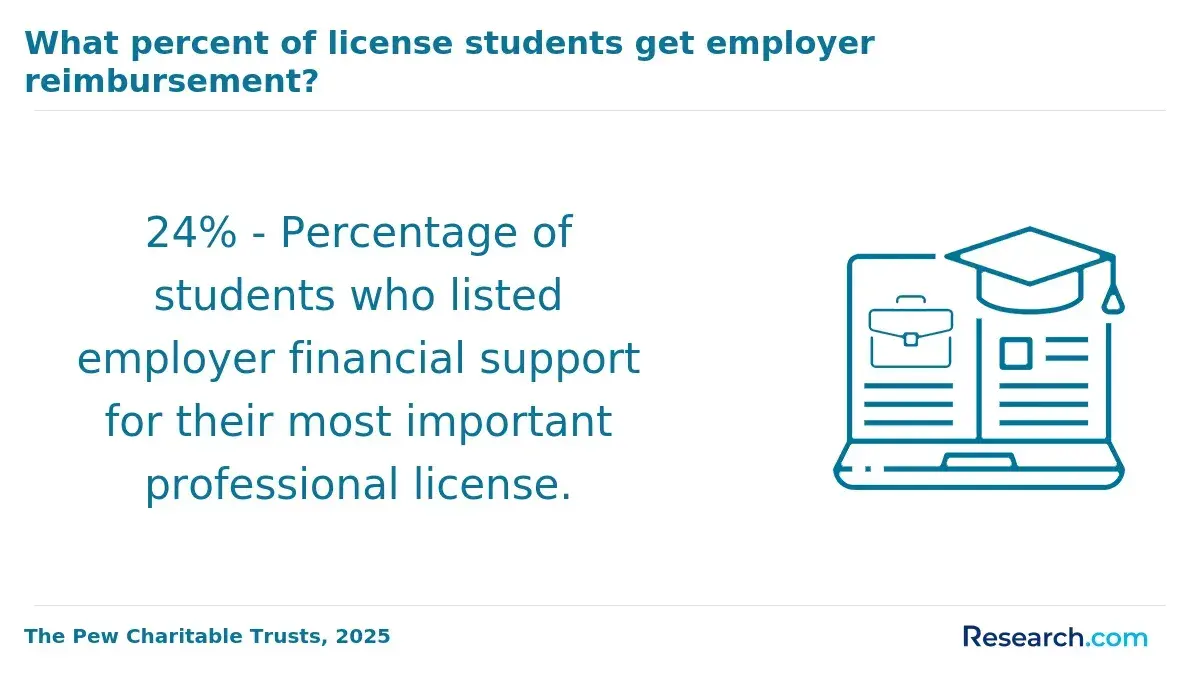
- Employer Tuition Assistance: Often a vital resource for part-time students who balance work and study, many employers offer tuition benefits contingent on part-time or flexible enrollment options.
What Are the Pros and Cons of Part-Time vs Full-Time Online Marketing Bachelor's Degrees?
Choosing between part-time and full-time online marketing bachelor's degree programs requires careful consideration of personal and professional priorities. Both options offer distinct advantages and challenges, particularly for working adults or nontraditional learners. The following comparison highlights key pros and cons to help guide your decision.
Pros
- Flexibility: Part-time study allows students to balance work, family, or other commitments by taking fewer courses per semester.
- Financial Accessibility: Spreading tuition payments over a longer period makes part-time programs more manageable financially.
- Accelerated Completion: Full-time programs enable students to finish their degree faster, often within three to four years.
- Immersive Learning: Taking a full course load fosters engagement with a broader range of subjects, enhancing skill integration.
Cons
- Longer Duration: Part-time study extends the time needed to graduate, which may delay career advancement.
- Limited Immersion: Fewer courses each term might reduce the intensity and breadth of learning experiences.
- Time Commitment: Full-time study demands significant time, which can be difficult for students with work or family.
- Increased Stress: Balancing a full-time load alongside other obligations can heighten pressure and reduce work-life balance.
Those comparing full-time and part-time marketing bachelor programs should weigh these factors in light of their personal goals. Many also explore specialized options, such as a cryptocurrency degree, as part of their broader education strategy.
Does Part-Time vs Full-Time Affect Career Outcomes in an Online Marketing Bachelor's Degree?
Employers increasingly prioritize skills and experience over the pace at which a degree is completed, with about 74% of hiring managers emphasizing skills-based qualifications rather than traditional degree metrics. This trend reflects a greater focus on job-relevant capabilities in evaluating candidates. Understanding how enrollment type influences online marketing degree job prospects involves recognizing several key factors.
- Skill Development: Both part-time and full-time students need to master relevant digital marketing tools and strategies. Regardless of enrollment, strong practical skills remain crucial in enhancing employability and career advancement.
- Work Experience Integration: Part-time learners often juggle work alongside their studies, allowing them to apply marketing concepts in real time. This integration of experience and education can bolster resumes and provide real-world examples during job searches.
- Degree Credibility: Employers value degrees from accredited institutions equally, whether earned part-time or full-time. The reputation and accreditation of the school matter more than how quickly the degree was obtained.
- Progression Opportunities: Full-time students may complete programs faster, entering the workforce sooner, while part-time students gain valuable professional experience during their studies. Both paths have benefits that can shape future career trajectories.
- Networking and Professional Connections: Engaging with faculty and industry events benefits all students. Building networks can significantly impact job prospects after graduation.
Those comparing part-time vs full-time online marketing bachelor degree career impact should also explore options among online mathematics degrees and related fields to understand how different programs align with their goals.
What Mistakes Should I Avoid in Part-Time vs Full-Time Study?
Deciding between part-time and full-time online study for a marketing bachelor's degree demands thorough planning to overcome common obstacles. A 2023 report from the Online Learning Consortium notes that nearly 40% of online learners face time management challenges, which adversely affect course completion rates. Recognizing typical pitfalls can guide students toward a smoother experience.
Among frequent errors to consider:
- Underestimating Workload: Full-time students often anticipate less weekly effort than required, while part-time learners might not realize how quickly tasks add up, causing last-minute pressure.
- Poor Time Management: Balancing job and family responsibilities with study is tough for all, but part-time students especially need disciplined scheduling to avoid falling behind.
- Misaligned Schedules: Part-time learners struggle more with conflicting fixed work hours and course deadlines, underscoring the need for careful advance planning.
- Unrealistic Expectations: Full-time study demands sustained dedication, risking burnout, while part-time students may expect faster progress than their external commitments allow.
- Ignoring Available Resources: Skipping early engagement with academic support like tutoring or advising can hinder success for both study formats.
What Graduates Say About Part-Time vs Full-Time Online Marketing Bachelor's Degree Programs
- Alfonso: "Choosing the full-time online Marketing bachelor's program was a game-changer for me since it allowed me to dive deeply into current digital trends while balancing a fast-paced lifestyle. The biggest challenge was managing my schedule around interactive live sessions, but the flexibility offered helped me stay committed throughout. Completing the program has significantly boosted my confidence and opened doors to advanced roles in brand strategy."
- Eduardo: "Opting for a part-time online Marketing degree was essential due to my full-time job and family responsibilities. Navigating coursework during evenings and weekends was tough, but the program's asynchronous materials provided much-needed adaptability. Since graduation, I've noticed a clear upward trajectory in my career, especially in leadership opportunities and client management."
- Thiago: "The full-time online Marketing bachelor's program offered a structured environment that pushed me to develop discipline and critical analytical skills. Although balancing workload was initially overwhelming, the supportive faculty and peer interactions helped immensely. This degree has enhanced my professional profile, allowing me to transition into a dynamic role focused on digital campaigns and market research."
Other Things You Should Know About Marketing Degrees
Yes, many students choose part-time programs specifically to balance work and study, as these programs offer more flexible schedules. Full-time online marketing students may also work, but they should expect a heavier workload, which could limit hours available for employment.
Employers generally focus on the skills and knowledge demonstrated by graduates rather than their enrollment status. Both part-time and full-time online marketing graduates can present equally strong portfolios, provided they have relevant experience and practical skills.
In 2027, part-time online marketing programs typically offer more flexible class schedules, allowing students to study at their own pace, often during evenings or weekends. Full-time programs usually follow a more structured schedule, requiring students to attend multiple courses during the week, similar to traditional on-campus programs.
References
- Why a Part-Time Digital Marketing Course Can Help Build Your Career in 2025 https://www.kraftshala.com/blog/should-i-take-up-a-part-time-digital-marketing-course/
- Earn an Online Marketing Degree https://www.oedb.org/rankings/online-marketing-programs/
- Is it possible to transfer from full-time to part-time and vice versa? https://bizbase.techinfus.com/en/mojno-li-perevestis-s-ochnogo-na-zaochnoe-i-naoborot.html
- What are the advantages and disadvantages to earning my online Bachelor's degree in Marketing? https://www.onlineschoolscenter.com/advantages-disadvantages-online-bachelors-marketing/
- Freelance vs. Full-Time: Which Digital Marketing Path Is Right for You? – Clear Digital Labs https://cleardigitallabs.com/freelance-vs-full-time-which-digital-marketing-path-is-right-for-you/
- What's the difference between our marketing and digital marketing courses? https://www.bcu.ac.uk/blog/marketing/difference-between-digital-marketing-and-general-marketing-courses
- Digital Marketing - undergraduate studies » Studies » | WSZiB Kraków https://www.wszib.edu.pl/en/studies/digital-marketing-undergraduate-studies/
- The Benefits of a Digital Marketing Degree from an Online School | Bryan University Online© https://bryanuniversity.edu/faq/the-benefits-of-a-digital-marketing-degree-from-an-online-school/
- Online Business and Marketing Degrees: Paths to a High-Demand Career - Ignaly https://bg.ignaly.com/en-us/article/business-and-industrial/online-business-and-marketing-degrees-paths-to-a-high-demand-career-2108773612
- Navigating the Difference: Full-Time vs. Part-Time Marketers ⢠Pangea Blog https://pangea.app/blog/article/part-time-marketer