2027 Online Family Nurse Practitioner (FNP) Programs for West Virginia Residents: Costs and Clinical Training

Co-Founder and Chief Data Scientist
Can you complete an online family nurse practitioner program while living and completing clinical training in West Virginia - and what will it really cost? The answer depends on the school's delivery format, tuition policy, and willingness to approve clinical sites near you.
This guide is for registered nurses comparing West Virginia universities with out-of-state alternatives. It explains what to verify about program availability, total expenses, supervised patient-care hours, and nurse practitioner credentialing so you can decide whether an FNP program fits your budget, schedule, and career plans.
Key Things to Know About Online FNP Programs in West Virginia
- West Virginia University in Morgantown and Marshall University in Huntington are in-state institutions to investigate for online or primarily online MSN family nurse practitioner study; confirm each program's current format and campus requirements before applying.
- There is no single statewide online FNP tuition price: residency, graduate nursing rates, fees, and clinical travel can change the total. Obtain a written, cohort-specific estimate rather than relying on a university-wide tuition average.
- Online coursework does not replace in-person clinical care. Ask each school for its current direct patient-care hour requirement, West Virginia placement policy, and preceptor support; newer nurse practitioner education standards commonly use a 750-hour benchmark, but the enrolled program's requirements control.
What online FNP programs are available in West Virginia?
West Virginia residents can start with FNP offerings at West Virginia University (WVU) and Marshall University, both physically located in the state. An FNP is an advanced practice registered nurse educated to provide care across the lifespan, generally in primary care. An online FNP degree typically delivers academic coursework remotely while requiring supervised, in-person clinical training.
These are starting points, not a claim that every course, assessment, or clinical placement can be completed from home. Program formats and admission routes can change between cohorts.
| In-state institution | Location | FNP option to investigate | Key format question |
| West Virginia University | Morgantown, West Virginia | MSN family nurse practitioner pathway | Which campus visits and clinical arrangements apply to the intended cohort? |
| Marshall University | Huntington, West Virginia | MSN family nurse practitioner pathway | Which courses are online, and where may students complete clinical rotations? |
Ask the program - not just the university's general admissions office - to confirm its current FNP track, degree or certificate route, delivery format, nursing accreditation, and eligibility for your intended practice state. Nurses who already hold an MSN should also compare post-master's certificate options rather than assuming they need another full degree; a comparison of online MSN-to-FNP programs can help frame that question.
Can West Virginia residents enroll in online FNP programs based in other states?
Yes, some out-of-state online FNP programs admit West Virginia residents, but online delivery alone does not establish eligibility. Unlike WVU and Marshall, an out-of-state school must be evaluated separately for its authorization to enroll a West Virginia student, permission for clinical training at the proposed site, and preparation for licensure where the student intends to practice.
Ask any prospective institution to confirm eligibility in writing for your West Virginia address and intended clinical location. If you expect to practice elsewhere after graduation, request its professional-licensure disclosure for that state too. Authorization to deliver education, nursing-program accreditation, national certification eligibility, and state licensure are distinct checks; none automatically substitutes for the others.
Out-of-state study may make sense if it offers a suitable schedule or stronger placement assistance. It is a weaker option if the school cannot approve a feasible West Virginia clinical site. Its admission criteria may also differ from those at in-state schools; use this guide to family nurse practitioner admission requirements.
How much do online FNP programs cost in West Virginia?
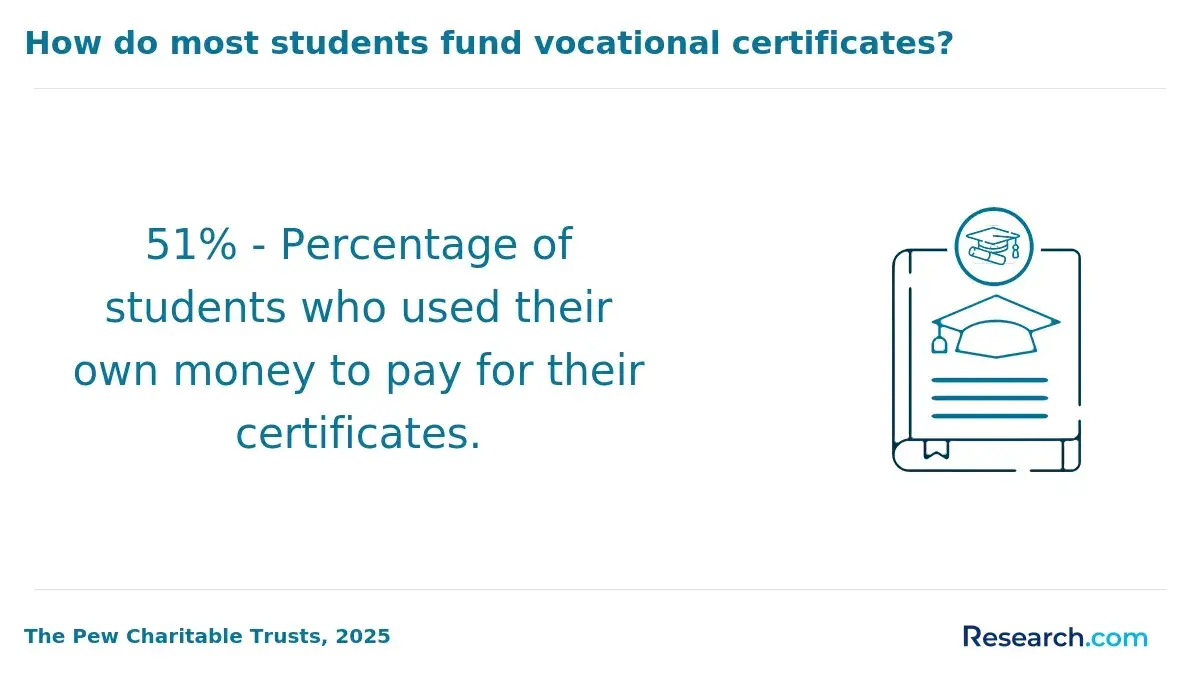
The cost of an online FNP program at a West Virginia institution depends on the specific track, credit load, tuition classification, and fees; a reliable single price or comparable statewide range cannot be given without current, cohort-specific quotes. Published university averages are not substitutes for graduate nursing tuition, and tuition alone is not the full cost of attendance.
Request these amounts from each school in the same format so the comparison reflects what you are likely to pay:
- WVU: the current total tuition for your FNP route and residency classification, plus mandatory university, nursing, and online-course fees.
- Marshall: the same total for your FNP route and residency classification, including any different rate applied to distance-learning courses.
- Either school: estimated costs for clinical compliance, background checks, equipment, travel, required campus visits, and certification preparation.
Divide neither school's per-credit price by an assumed program length: credits and fees can differ. Ask for the published tuition schedule and a written estimate based on your actual degree plan, then check whether a delayed clinical placement would add another term of charges. That risk can matter more than a modest difference in advertised tuition.
Do West Virginia residents pay in-state tuition for online FNP programs?
West Virginia residency may qualify a student for a public university's resident rate, but it does not guarantee that every online FNP course is billed at a lower in-state rate. WVU and Marshall set and publish their own applicable graduate and distance-education charges; an out-of-state institution may instead use its own resident, nonresident, or flat online rate.
Confirm your tuition classification with the university's residency office and your actual FNP rate with the nursing program or bursar. Ask whether online courses, summer clinical credits, and required fees follow the same pricing rule. A student living in West Virginia but planning to practice elsewhere should also keep tuition residency separate from that other state's licensure requirements.
Are there scholarships or grants for FNP students in West Virginia?
FNP students in West Virginia may find help through university graduate-nursing awards, employer tuition benefits, and service-based nursing programs, but eligibility is not automatic. The West Virginia Nursing Scholarship Program is worth checking for current graduate-level eligibility, award terms, and any in-state service commitment; federal nursing service programs have separate rules and qualifying-site requirements.
Complete the FAFSA if a prospective school uses it to assess graduate aid, then ask each financial aid office which nursing awards apply specifically to the FNP track. For service-based funding, compare the required work location and duration with your career plans before accepting an award. This guide to financial support for FNP students offers additional ways to organize the search. Do not subtract a scholarship from your projected cost until you have confirmed eligibility and received an award.
How many clinical hours do online FNP programs require for West Virginia students?
West Virginia students must complete the clinical hours required by their enrolled FNP program; online enrollment does not waive supervised, in-person patient care. A 750-hour direct patient-care benchmark appears in newer nurse practitioner education standards, but students should not treat it as a universal West Virginia requirement or assume every entering cohort follows the same curriculum.
Ask each school for the total hours in your degree plan, the portion that must be direct patient care, and how hours are distributed across semesters and patient age groups. Also ask whether previously completed graduate clinical hours count if you are entering a post-master's pathway. The answer affects how many shifts you can work: hours spent finding a site, traveling, documenting visits, or attending class may not count toward required patient-care hours.
What types of clinical sites are available to FNP students in West Virginia?
Potential West Virginia FNP clinical settings include primary care practices, community health centers, rural health clinics, and other outpatient sites that see patients across the lifespan. A suitable site must meet the program's learning goals and approve an eligible preceptor; being a healthcare facility near home is not enough.
The setting determines what experience a student can realistically obtain. A practice focused on only one age group may not satisfy every FNP rotation, while a site that accepts students generally may have no opening during your assigned term. West Virginia students considering rural placements should check supervision, patient mix, scheduling, and travel requirements directly with the program rather than assuming an available clinic can host them.
Can West Virginia students complete FNP clinical rotations near home?
Many West Virginia students may be able to complete approved FNP rotations near home, but neither online enrollment nor an existing workplace guarantees a local placement. The school must approve the site and preceptor, and the organization must agree to the necessary affiliation and supervision arrangements.
Start planning before the first clinical term. The following steps help distinguish a workable local placement from a tentative lead:
- Ask the program whether it assigns sites, supplies leads, or expects you to identify a preceptor, and obtain its West Virginia placement policy.
- Check whether your employer permits student clinical hours on-site and whether an appropriate preceptor can supervise you outside your usual employee role.
- Submit proposed sites early enough for program review, affiliation agreements, and compliance checks; keep a travel backup if a local site falls through.
Do not pay for a placement or commit to a rotation before the school confirms that it will count. A comparison of online FNP programs with preceptor support explained can help you ask what "placement assistance" actually includes.
How can West Virginia students determine if an FNP program aligns with their goals?
West Virginia students should choose an FNP program only after confirming that its credential pathway, total cost, clinical arrangements, and schedule match where they plan to practice. The West Virginia Board of Registered Nurses governs advanced practice nursing credentials in the state; graduating from an accredited program alone does not confer authority to practice as an FNP.
Before committing, obtain written answers to these decision-critical questions:
- Does the current FNP curriculum prepare graduates for the appropriate national FNP certification examination and the advanced practice application in the state where you intend to work?
- Is the program's nursing accreditation current, and are there required campus visits or fixed-time online classes?
- Who secures and approves clinical sites, and what happens if a West Virginia placement is unavailable on schedule?
- What is your estimated total cost after required fees and likely travel - not merely the advertised credit rate?
If you plan to keep working, compare the clinical-term schedule with your actual shifts, not just the flexibility of online lectures. Guidance on combining a full-time job with an FNP program can help you test whether that plan remains realistic once rotations begin.
Is an online FNP program worth the investment for West Virginia students?
An online FNP program may be worth the investment for a West Virginia RN who wants the FNP role, can secure suitable clinical training, and can manage the full cost without relying on an assumed salary increase. Online study can reduce routine trips to campus, but clinical hours, possible travel, and reduced work time remain substantial commitments.
Compare the school's written cost estimate with your financing plan and the time you may need away from paid work. For career planning, use West Virginia nurse practitioner employment and wage data rather than a national salary headline, and remember that occupation-wide figures cover multiple NP specialties and experience levels - not guaranteed outcomes for new FNP graduates. Ask prospective employers what credentials and experience their specific roles require. If a program's placement plan or total cost is still unclear, getting those answers is more valuable than enrolling quickly.
Other Things You Should Know About Family Nurse Practitioner
FNP pathways are designed for registered nurses, and schools set their own admission and clinical-licensure rules. Check whether your RN license must be active in West Virginia, the state of a proposed clinical site, or both.
Possibly, but ordinary paid RN duties do not automatically become FNP clinical hours. The program must approve the setting, supervision, learning activities, and any employer restrictions.
No. Prescriptive authority is a separate regulatory matter. Check current West Virginia Board of Registered Nurses requirements for advanced practice recognition and prescribing before making practice plans.
That depends on your existing nursing degree and the credential you want. Compare each pathway's admission rules, curriculum, clinical requirements, and cost, and confirm that it prepares you for the certification and state credential you intend to pursue.
References
- Requirements | WV RN Board https://wvrnboard.wv.gov/licensing/requirements
- West Virginia Code | §30-7-7 https://code.wvlegislature.gov/30-7-7/
- Clinical Placements - WVU School of Nursing https://nursing.wvu.edu/education/graduate-programs/msn-nl/clinical-placements/
- Master of Science in Nursing | Family Nurse Practitioner | University of Charleston https://www.ucwv.edu/academics/majors-degrees/master-of-science-in-nursing/
- Family Nurse Practitioner Graduate Certificate - WVU Online https://online.wvu.edu/programs/graduate-certificates/family-nurse-practitioner-graduate-certificate/