2027 Online Family Nurse Practitioner (FNP) Programs for Georgia Residents: Costs and Clinical Training

Co-Founder and Chief Data Scientist
Choosing an online family nurse practitioner program in Georgia means comparing more than coursework: tuition can depend on residency and delivery format, while clinical rotations still require approved sites and preceptors.
This guide is for Georgia nurses considering an FNP master's degree or post-master's path. It identifies Georgia-based options, explains how to assess costs and clinical training, and separates those programs from out-of-state alternatives. You'll leave with questions to ask schools before committing your time and money.
Key Things to Know About Online FNP Programs in Georgia
- Georgia-based options include online-coursework FNP programs at Georgia Southern University in Statesboro and Georgia College & State University in Milledgeville; confirm current campus-visit and placement requirements with each school.
- Georgia residency does not automatically secure an in-state rate for an online program. Compare the school's applicable tuition category, required fees, and clinical-related expenses.
- Online classes do not replace supervised clinical training. National FNP certification pathways generally require at least 500 faculty-supervised clinical hours, and a school may require more.
What online FNP programs are available in Georgia?
Georgia nurses can consider FNP programs with online coursework at institutions physically located in the state, including the examples below. An online-coursework label does not mean every orientation, assessment, or clinical activity can be completed remotely.
This comparison identifies each institution's location and degree path - not a guarantee of admission, a particular clinical placement, or fully remote study. Check the current catalog for the exact degree, required visits, and eligibility at your address.
| Georgia institution | Institution location | FNP path to investigate | Detail to confirm |
| Georgia Southern University | Statesboro | MSN family nurse practitioner | Current in-person requirements and clinical-site process |
| Georgia College & State University | Milledgeville | MSN family nurse practitioner | Required campus activities and placement responsibilities |
FNP is a primary care specialty: coursework prepares registered nurses to assess and manage patients across the lifespan, while supervised practice develops those skills in patient care settings. Nurses who already hold an MSN should ask about a post-master's certificate rather than assume they need another master's degree; family nurse practitioner study after an MSN explained provides a starting point for that comparison.
Can Georgia residents enroll in online FNP programs based in other states?
Georgia residents may be able to enroll in an out-of-state online FNP program, but online delivery alone does not establish eligibility. Alternatives to investigate include the University of South Alabama, located in Mobile, Alabama, and the University of Alabama at Birmingham, located in Birmingham, Alabama. These are not Georgia-based programs; each school must confirm whether it currently accepts a student living in Georgia and can support that student's proposed clinical location.
Ask for written answers on three separate points: permission to enroll from your Georgia address, approval to complete clinical training at your proposed site, and whether the curriculum meets requirements where you intend to practice. State authorization, nursing-program accreditation, national certification eligibility, and Georgia practice requirements are distinct checks. The guide to checking FNP program licensing compatibility can help you frame questions for the school and the relevant boards. If you plan to work outside Georgia, check that state separately.
How much do online FNP programs cost in Georgia?
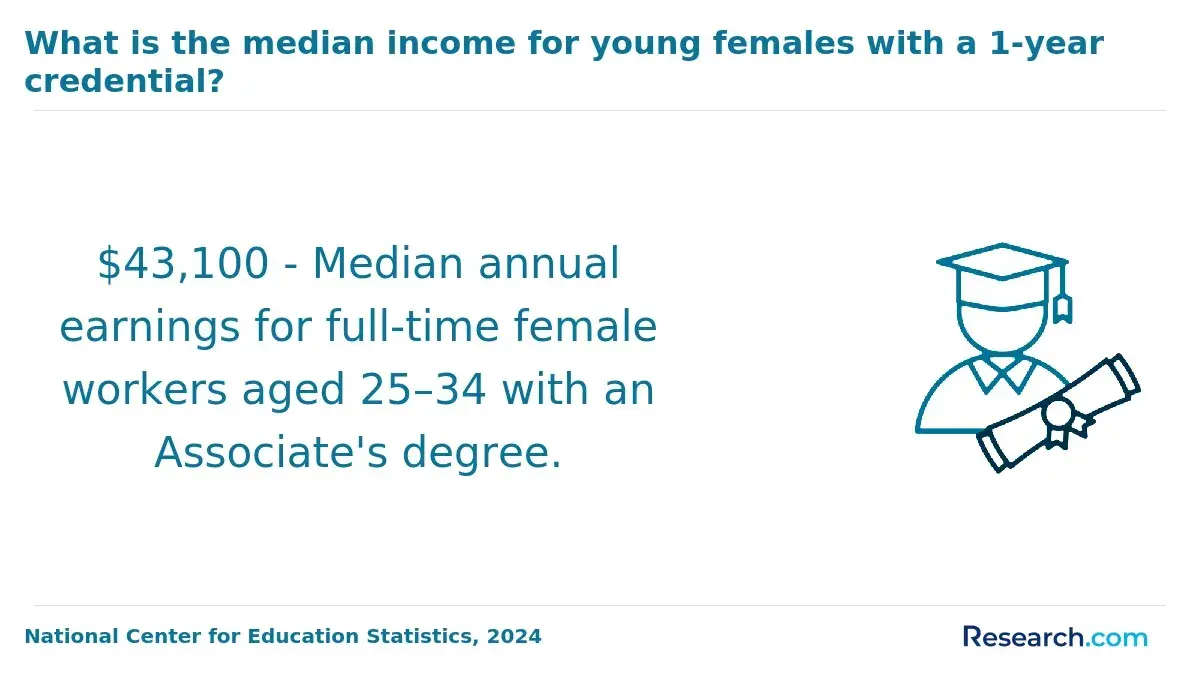
The cost of a Georgia-based online FNP program depends on its credit requirements, applicable tuition rate, mandatory fees, and the expenses of completing clinical training. A tuition quote is therefore not a total-program price, and one university's rate should not be presented as the statewide price.
Published rates can change by academic term and may distinguish online courses from campus courses. For a comparable estimate, request each school's current rate for your residency status and multiply it by the credits you must complete; then add mandatory program and university fees. Include background checks, immunizations, equipment, travel to clinical sites, and any required campus trips. Ask whether a post-master's certificate would require fewer credits than an MSN.
Do not use an old per-credit figure to choose a school. Request an itemized estimate for your intended start term, including whether tuition changes during the program. The guide to FNP tuition and fees offers a framework for identifying costs that a headline tuition figure can miss.
Do Georgia residents pay in-state tuition for online FNP programs?
Georgia residents may qualify for in-state tuition at a Georgia public university, but they should not assume its online FNP courses use the same rate as on-campus graduate courses. Residency must be established under the institution's applicable policy, and the published online-program rate or fees may follow a separate schedule.
For a Georgia-based school, compare its resident graduate rate, any nonresident rate, and the rate assigned specifically to the FNP program. For an out-of-state school, Georgia residency does not by itself confer that school's in-state rate; it may instead charge an online rate that does not vary by residency. Ask the bursar which schedule applies to your exact program and term before comparing offers.
Are there scholarships or grants for FNP students in Georgia?
Georgia FNP students may find graduate nursing scholarships and employer support, but they should not assume that undergraduate-focused Georgia awards will pay for an MSN or post-master's certificate. Eligibility often depends on the award's degree rules, enrollment level, employer, or service commitment.
A practical search starts with the nursing school's graduate-aid office, your employer's tuition-benefit policy, and graduate nursing scholarships offered through professional organizations. Federal Nurse Corps opportunities may also be relevant to eligible applicants, but awards are competitive and can carry service obligations. Complete the FAFSA to determine federal aid eligibility, and ask the school whether its institutional awards require a separate application or an earlier deadline. Compare any service commitment with where you actually want to practice.
How many clinical hours do online FNP programs require for Georgia students?
Georgia students must complete the clinical hours specified by their FNP program; there is no single program-wide hour total created by taking classes online. National FNP certification eligibility generally includes at least 500 faculty-supervised clinical hours, while individual programs can require more and set additional distribution or patient-population requirements. Get the current curriculum's total directly from each school.
Hours represent supervised patient care, not simply time spent in an online course. Ask how the program sequences rotations, how many hours fall in each term, and which activities count. A compressed schedule can be difficult alongside full-time nursing work, even when coursework is online; a guide to FNP programs with 12-month timelines is useful only if you also check the associated clinical workload and eligibility requirements. Do not assume that an employer shift or an unapproved site will count toward practicum hours.
What types of clinical sites are available to FNP students in Georgia?
Georgia FNP students may train in approved primary care settings such as family medicine practices, community health centers, pediatric clinics, and outpatient practices that care for adults. The appropriate mix depends on the school's curriculum and whether a site can provide the patient populations, supervision, and documentation the program requires.
A nearby clinic is a potential site, not an available placement. Its clinician must be willing and eligible to precept, the organization must accept students, and the school must approve the arrangement. Ask whether a proposed setting provides enough visits across the lifespan; a specialty-only workplace may not meet a family practice rotation's objectives.
Can Georgia students complete FNP clinical rotations near home?
Georgia students often can propose clinical rotations near home, but proximity does not guarantee approval or a place with a preceptor. A school may arrange sites, help students identify them, or expect students to lead the search; those approaches create very different scheduling risks.
To judge whether local rotations are realistic, ask the program these questions before enrolling:
- Who identifies and contacts Georgia sites and preceptors, and what happens if a proposed placement falls through?
- How far in advance must the school approve a site, preceptor, and affiliation agreement?
- Can you use your workplace, and would you need a different supervisor or role during clinical hours?
- What happens if approved sites near your home cannot provide every required patient population?
Start that conversation early, particularly if work or caregiving limits travel. Do not count hours at a site until the program confirms its approval and required agreements are in place.
How can Georgia students determine if an FNP program aligns with their goals?
A Georgia student should choose an FNP program only after confirming that its credential, clinical model, cost, and practice-state eligibility fit their plans. A lower advertised tuition rate loses value if required travel or an unsupported placement makes completion difficult.
Use this short decision sequence when speaking with admissions and program staff:
- Identify the credential you need - MSN or post-master's certificate - and verify the program's nursing accreditation and certification-exam eligibility.
- State where you live, where you hope to complete clinical training, and where you plan to practice; request written confirmation of any location-dependent restrictions.
- Compare itemized total-cost estimates and clinical schedules for the same intended start term.
- Ask for the school's placement responsibilities and its process when a Georgia site or preceptor is unavailable.
If your GPA raises an admissions concern, review the school's current minimum and any permitted alternatives rather than self-rejecting; FNP admission options with a lower GPA can help you prepare questions. Admissions flexibility does not substitute for checking the program's clinical and practice-state fit.
Is an online FNP program worth the investment for Georgia students?
An online FNP program can be worth the investment for a Georgia nurse who wants family primary care practice and can secure a workable clinical plan without taking on unaffordable costs. It may be a poor fit if the desired role is another specialty, the required rotations conflict with work, or the school cannot clearly explain Georgia placement and practice eligibility.
For career context, distinguish nurse practitioner occupation data for Georgia from outcomes for any particular FNP program: statewide job or wage figures describe an occupation, not what a graduate will earn or whether a local employer will hire them. Before accepting an offer, weigh your itemized net cost and likely changes to work hours against the specific role you want. Ask prospective employers about their credential expectations, but treat neither demand nor a projected salary as a guarantee.
Other Things You Should Know About Family Nurse Practitioner
FNP graduate programs generally require registered nurse licensure, but each school sets its admission and clinical-licensure conditions. Confirm which license must be active when you apply and where you train.
No. FNP preparation focuses on family primary care across the lifespan; psychiatric-mental health nurse practitioner preparation is a different specialty. Choose the track that matches the role you intend to pursue.
No. Graduation, national certification, and Georgia authorization to practice are separate steps. Check the applicable certification body and Georgia Board of Nursing requirements before relying on a program's description of graduate eligibility.
No. Entry pathways vary. Some schools require a BSN for their MSN-FNP program, while others may offer a bridge or different graduate-entry route. Ask for the admission requirements of the specific credential you want.
References
- How to Guide: APRN | Georgia Secretary of State https://sos.ga.gov/how-to-guide/how-guide-aprn
- APRN Protocol Registration - Georgia Composite Medical Board https://medicalboard.georgia.gov/licensure-information/aprn-protocol-registration
- Tuition and Fees Charts - Student Financial Services https://sfs.gsu.edu/resources/student-acct/tuition-breakdown/
- Learn About Tuition | Georgia State Online https://online.gsu.edu/learn-about-tuition/
- Master of Science in Nursing, Family Nurse Practitioner (FNP) | Georgia Southwestern https://www.gsw.edu/college-of-nursing-and-health-sciences/school-of-nursing/msn-fnp
- Cost of Attendance | Georgia Southern University - https://www.georgiasouthern.edu/admissions-aid/tuition-and-scholarships/cost-of-attendance
- Master of Science in Nursing - Family Nurse Practitioner | Kennesaw State University https://www.kennesaw.edu/degrees-programs/master-degrees/nurse-practitioner.php
- Tuition in Detail - One Stop Student Services https://onestop.utk.edu/billing-payments/tuition-detail/
- Family Nurse Practitioner | Columbus State University https://www.columbusstate.edu/nursing/fnp.php
- Understanding College Costs | Georgia Student Finance Commission https://www.gafutures.org/federal-aid-scholarships/financial-aid-basics/understanding-college-costs/