2027 Online Family Nurse Practitioner (FNP) Programs for Tennessee Residents: Costs and Clinical Training

Co-Founder and Chief Data Scientist
Choosing an online family nurse practitioner program in Tennessee means comparing more than coursework you can complete from home. Tuition depends on the school's policies, while clinical training still requires approved in-person placements - and a program's online format does not automatically make every Tennessee resident eligible.
This guide is for registered nurses weighing Tennessee-based programs against out-of-state alternatives. It explains how to compare costs, clinical hours, placement support, and the path toward Tennessee advanced practice licensure so you can decide which programs merit an application.
Key Things to Know About Online FNP Programs in Tennessee
- Tennessee-based institutions offer online FNP coursework, but students should confirm campus visits, Tennessee enrollment eligibility, and clinical-placement rules for each program.
- FNP certification pathways generally require at least 500 supervised clinical hours; a school may require more, and online coursework does not replace in-person patient care.
- A Tennessee address does not guarantee an in-state rate: compare the published tuition policy, required fees, and the cost of completing clinical rotations before enrolling.
What online FNP programs are available in Tennessee?
Tennessee residents can investigate online FNP programs offered by institutions physically located in the state, including the University of Memphis, East Tennessee State University, and Carson-Newman University. These are Tennessee-based options, not out-of-state schools that merely recruit Tennessee students. An FNP, or family nurse practitioner, program prepares registered nurses to provide primary care across the lifespan; its online courses are paired with supervised, in-person clinical care.
The examples below are a starting point, not a complete inventory or a promise that every delivery format is open in every admission term. Ask each school for its current FNP program page, catalog, and schedule before applying.
| Institution and Tennessee location | FNP option to investigate | Format detail to confirm |
| University of Memphis, Memphis | Online MSN family nurse practitioner pathway | Required campus activities and where the school permits clinical placements |
| East Tennessee State University, Johnson City | Online graduate family nurse practitioner pathway | Any on-campus requirements and the current degree or certificate route |
| Carson-Newman University, Jefferson City | Online MSN family nurse practitioner pathway | Scheduled in-person activities and responsibility for securing preceptors |
An MSN is a master of science in nursing; nurses who already hold a graduate nursing degree may instead need a post-master's certificate. Admission criteria, including RN experience, vary by school. Check the program's current requirements rather than assuming that experience at any nursing job qualifies; this guide to work history requirements for FNP applicants can help frame questions for admissions staff.
Can Tennessee residents enroll in online FNP programs based in other states?
Yes, Tennessee residents may be able to enroll in an out-of-state online FNP program, but admission to the university alone is not enough. The institution must allow Tennessee-based students into that professional program and approve clinical education at the proposed Tennessee site. The graduate should also verify that the education supports the certification and licensure route for the state where they intend to practice.
These are alternatives to Tennessee-based programs. For example, an applicant considering an online program at a university located outside Tennessee should obtain written confirmation of Tennessee eligibility for the specific FNP track, not rely on a general statement that the university offers online degrees. Institutional state authorization, professional-program eligibility, and clinical-site approval answer different questions.
Ask the program to confirm where students may live, where clinical hours may occur, whether any visits to its home-state campus are mandatory, and whether it has reviewed its program against Tennessee's applicable professional requirements. If you plan to work in another state after graduation, ask about that state separately; Tennessee eligibility does not settle another board's requirements.
How much do online FNP programs cost in Tennessee?
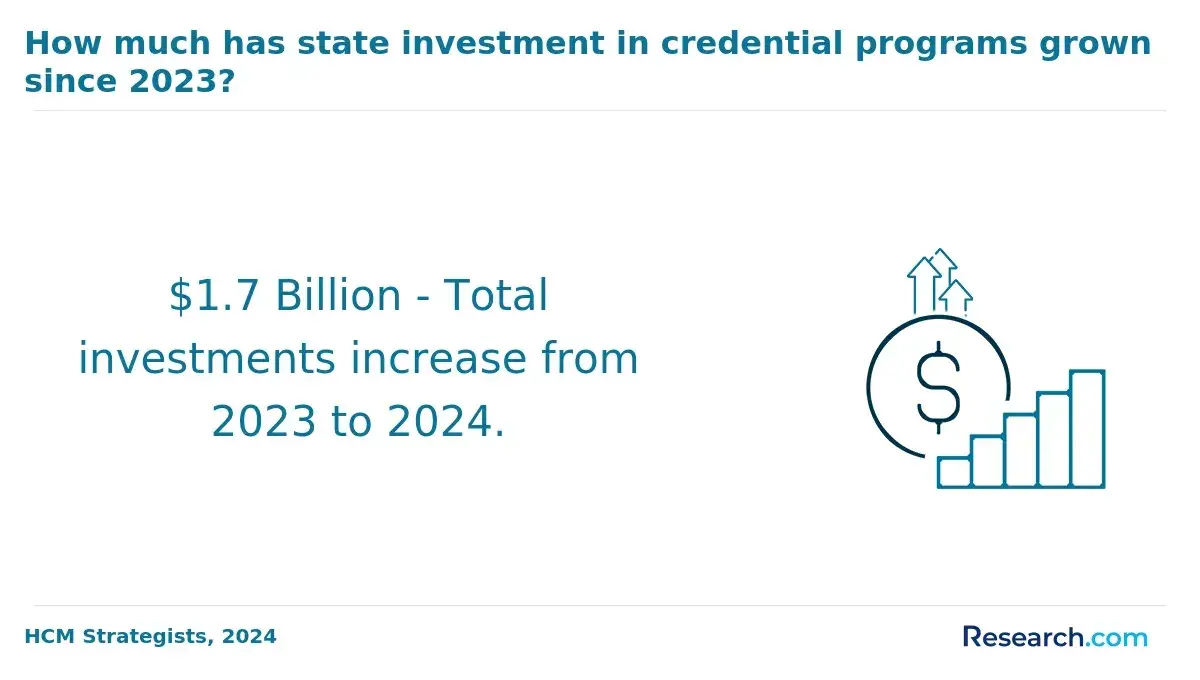
The cost of a Tennessee-based online FNP program depends on its current per-credit tuition, required credits, mandatory fees, and clinical-training expenses. A single Tennessee college tuition average would not reliably price a graduate FNP degree: statewide undergraduate averages, when published, measure a different group of students and commonly exclude program-specific costs. Published rates also change by academic year, so use a current, itemized program quote rather than an unverified statewide or school-to-school price range.
These expenses belong in the same comparison even when the university lists them on separate pages:
- Tuition: Multiply the applicable graduate nursing rate by required program credits, accounting for any differently priced courses.
- University and program fees: Include mandatory online, technology, nursing, and clinical-course charges.
- Clinical compliance: Budget for requirements the school assigns to students, such as screening, immunizations, or liability coverage.
- Travel and time: Include required campus visits, travel to approved sites, and any reduction in paid work during rotations.
Request the same breakdown from every school, along with its policy on tuition changes before graduation. For an out-of-state alternative, ask whether online students pay a flat rate or a nonresident surcharge. A guide to online FNP master's programs without out-of-state surcharges can help identify a useful pricing question, but the university's current billable rate controls your comparison.
Do Tennessee residents pay in-state tuition for online FNP programs?
Tennessee residents may qualify for a resident rate at a Tennessee public university, but they should not assume that rate applies to every online FNP course or institution. A public university may publish a distinct graduate online rate, while a private Tennessee university may use one rate regardless of residency. An out-of-state university may charge Tennessee students either a common online rate or a nonresident rate.
For a meaningful in-state versus out-of-state comparison, ask each institution which residency classification it will assign you, which tuition schedule applies to the FNP track, and whether mandatory fees differ. Confirm residency documentation and deadlines with the institution rather than treating a Tennessee mailing address as proof of classification. Compare total required credits at the applicable rates; comparing only two advertised per-credit prices can make the longer or more heavily fee-based program appear cheaper than it is.
Are there scholarships or grants for FNP students in Tennessee?
Some Tennessee FNP students may find scholarships, employer assistance, or service-based aid, but eligibility depends on the funding program and career plan. Do not assume that Tennessee's widely advertised undergraduate aid programs cover a graduate nursing degree.
A useful Tennessee-specific option to investigate is the Tennessee Student Assistance Corporation's Graduate Nursing Loan Forgiveness Program. Its purpose is tied to preparing graduate nurses for nursing-faculty roles, so an applicant focused only on clinical FNP practice should check the current service obligation before treating it as available funding. University nursing scholarships and employer tuition benefits may be a better fit for that applicant. Federal health-workforce scholarships or loan-repayment programs may also be relevant where their current eligibility and service rules permit.
Start with the university's nursing financial-aid office and your employer's benefits administrator. Ask whether an award covers graduate FNP courses, whether part-time enrollment qualifies, and whether repayment is required if a service commitment is not met. Count an award in your budget only after confirming that you qualify for the current award cycle.
How many clinical hours do online FNP programs require for Tennessee students?
Tennessee FNP students should expect at least 500 supervised clinical hours for the major national FNP certification pathways, but the enrolled program may require more. That figure is a certification-related floor, not a promise that every school uses the same curriculum or that Tennessee automatically accepts any collection of hours. Ask for the current program's total, the number devoted to direct patient care, and its rules for patient populations and approved preceptors.
Clinical hours take place in person even when lectures are online. A shorter calendar can therefore mean denser rotations rather than less clinical work. If an accelerated option appeals to you, use information on FNP programs with 12-month timelines to develop scheduling questions, then have the school explain how its required hours fit around your job and site availability. Do not commit to a completion date until you know when clinical courses start and how missed placement time is handled.
What types of clinical sites are available to FNP students in Tennessee?
Potential Tennessee FNP clinical settings include primary care offices, community health centers, pediatric practices, women's health clinics, and other approved outpatient settings. Which sites count depends on the program's required patient ages, types of visits, preceptor credentials, and affiliation agreements - not simply on whether a clinic is near you.
A practice in Memphis, Nashville, a smaller city, or a rural community may offer a useful patient population without having capacity to take a student in a particular term. Site availability is therefore an individual placement question, not a statewide count of open positions. Ask whether a prospective site sees the patients needed for your next rotation and whether the school has previously approved its preceptors. A hospital employer may be able to suggest contacts, but your existing RN job does not automatically become an approved FNP rotation.
Can Tennessee students complete FNP clinical rotations near home?
Many Tennessee students may be able to complete approved rotations near home, but no online format guarantees a nearby site or preceptor. The school must accept the proposed setting, preceptor, and clinical plan before hours begin. Some programs identify sites for students; others expect students to propose candidates and obtain school approval.
To test whether local placement is realistic, contact prospective schools well before the clinical term:
- Ask who finds preceptors, who contacts clinics, and what help the school provides if a proposed placement falls through.
- Request the approval criteria and deadlines for Tennessee sites, including any affiliation agreement the clinic must sign.
- Describe your home area, work schedule, and likely travel radius; ask how the school handles a required patient population unavailable at your preferred site.
Get the answers in writing. Waiting until classes are underway can leave too little time for site paperwork, while beginning hours before approval risks hours that the program will not count.
How can Tennessee students determine if an FNP program aligns with their goals?
Tennessee students can judge fit by matching a program's credential, clinical support, schedule, full cost, and intended practice location to their own circumstances. A low advertised tuition rate is less useful if mandatory travel conflicts with work or if securing the needed clinical sites is impractical.
Use these checks to narrow a shortlist before paying an application fee:
- Credential and certification: Confirm the school's nursing accreditation, FNP track, and eligibility for the national certification examination you intend to take.
- Practice location: Ask how the curriculum supports Tennessee advanced practice licensure, or another state's requirements if you expect to move.
- Placement responsibility: Obtain a clear description of school assistance and the consequences of a delayed rotation.
- Schedule and budget: Compare clinical-course timing and a complete cost estimate against your expected RN work hours.
Already have a graduate nursing degree? A certificate may fit better than repeating an MSN, but prerequisites and clinical hours still matter. Compare the school's actual plan with this overview of post-master's FNP completion timelines.
Is an online FNP program worth the investment for Tennessee students?
An online FNP program can be worth the investment for a Tennessee nurse who wants the clinical role and can complete an affordable, approved path to certification and state licensure. It is a weaker investment when the budget depends on an unconfirmed scholarship, uninterrupted RN earnings during rotations, or a clinical placement the school has not approved.
Compare the program's full expected cost and time away from paid work with the roles you actually plan to seek in Tennessee. Statewide nurse practitioner employment or wage figures, when consulted, describe an occupation - not a guaranteed starting salary for FNP graduates, and not demand in every Tennessee community. The guide to professional pathways after an FNP master's can help clarify which roles match your interests. Before enrolling, speak with prospective employers about the certification and experience they expect, and obtain the school's current outcomes and placement policies where available.
Other Things You Should Know About Family Nurse Practitioner
No. Graduation, national certification, and Tennessee advanced practice licensure are distinct steps. Check current requirements with the Tennessee Board of Nursing before assuming you can practice.
Yes. An MSN FNP pathway is designed for eligible nurses who have not yet earned that graduate degree, although each school sets its own admission prerequisites.
Not automatically. The destination state sets its own licensure and practice requirements. Check that state's nursing board before moving or accepting a position.
No. National certification documents a specialty credential; Tennessee licensure is issued under state rules. Ask the program which certification examinations its FNP graduates are prepared to pursue.
References
- Tuition and Fee Analysis | tn.gov https://www.tn.gov/thec/data-research-reports/special-proj/tuition-and-fee-analysis.html
- Online - Master of Science in Nursing with a Concentration in Family Nurse Practitioner - South College https://www.south.edu/program/online-master-of-science-in-nursing-with-a-concentration-in-family-nurse-practitioner/
- Bursar Office - Tuition & Fees | Tennessee Tech University https://www.tntech.edu/bursar/tuition/index.php
- Family Nurse Practitioner Specialty - | School of Nursing https://nursing.vanderbilt.edu/programs/specialties/fnp/
- Student Services | nscc.edu https://catalog.nscc.edu/content.php
- Clinical Experiences | College of Nursing | University of Illinois Chicago https://nursing.uic.edu/programs/bsn-all/bsn/clinical-experiences/
- Frequently Asked Questions - Vols Online https://volsonline.utk.edu/faqs/
- Nurse practitioner student clinical placement processes | sciencedirect.com https://www.sciencedirect.com/science/article/abs/pii/S0029655419301800
- How Do Clinicals Work During Online Nursing Programs? | Xavier University https://degrees.xavier.edu/blog/how-clinicals-work-during-online-nursing-programs
- The Complete Guide to Nurse Practitioner Clinicals | Wilkes University Online https://onlinenursingdegrees.wilkes.edu/blog/nurse-practitioner-clinicals-guide