2027 Online Family Nurse Practitioner (FNP) Programs for New Hampshire Residents: Costs and Clinical Training

Co-Founder and Chief Data Scientist
Can you complete an online family nurse practitioner program while living and working in New Hampshire - and arrange its clinical training without an unmanageable commute? The answer depends on the school, its tuition policy, and where it permits you to train.
This guide is for registered nurses comparing New Hampshire institutions with out-of-state alternatives. It explains what to verify about program delivery, total cost, clinical hours, placement support, and New Hampshire advanced practice licensure so you can decide whether an FNP program fits your budget and schedule.
Key Things to Know About Online FNP Programs in New Hampshire
- New Hampshire-based options to investigate include FNP pathways at Rivier University in Nashua and the University of New Hampshire in Durham; confirm each pathway's current online format and campus requirements before applying.
- There is no single New Hampshire online FNP price: tuition rules, required credits, fees, and travel vary by institution. Request a written, program-specific cost estimate rather than relying on undergraduate tuition averages.
- Online coursework does not eliminate in-person clinical training. Confirm approved hours, placement responsibilities, and New Hampshire licensure alignment before paying an enrollment deposit.
What online FNP programs are available in New Hampshire?
New Hampshire nurses can begin with FNP pathways offered by institutions in the state, but a school's location does not, by itself, establish that every course or requirement is online. An FNP is a nurse practitioner educated to provide primary care across the lifespan; the credential may be offered through a master's degree or a post-master's certificate.
The institutions below are local starting points, not a claim that their delivery formats or admissions terms are identical. Check the current catalog for the precise degree, online course availability, campus visits, and clinical placement rules for your intended entry term.
| New Hampshire institution | Location | FNP option to investigate | Delivery question to ask |
| Rivier University | Nashua | Graduate FNP pathway | Which requirements are online, and are campus visits required? |
| University of New Hampshire | Durham | Graduate FNP pathway | Is the specific FNP track offered online for your entry term? |
Do not substitute a university's general "online nursing" description for its FNP curriculum. The relevant evidence is the current FNP program page or catalog, followed by written confirmation from admissions. That distinction matters especially if you need a fully remote coursework schedule rather than a hybrid program.
Can New Hampshire residents enroll in online FNP programs based in other states?
Yes, some out-of-state online FNP programs may enroll New Hampshire residents, but permission to take online classes does not automatically cover clinical training in New Hampshire or preparation for its APRN license. Simmons University in Boston, Massachusetts, and Georgetown University in Washington, D.C., are examples of institutions with online FNP pathways to investigate - not New Hampshire-based programs or guaranteed enrollment options for every resident.
Ask each out-of-state school to confirm, in writing, that it can enroll you where you live, approve clinical sites where you plan to train, and explain how its curriculum supports licensure where you plan to practice. These may be three different jurisdictions. If admissions criteria narrow your choices, family nurse practitioner options for lower-GPA applicants explained can help you frame questions about eligibility; the school's current policy controls.
How much do online FNP programs cost in New Hampshire?
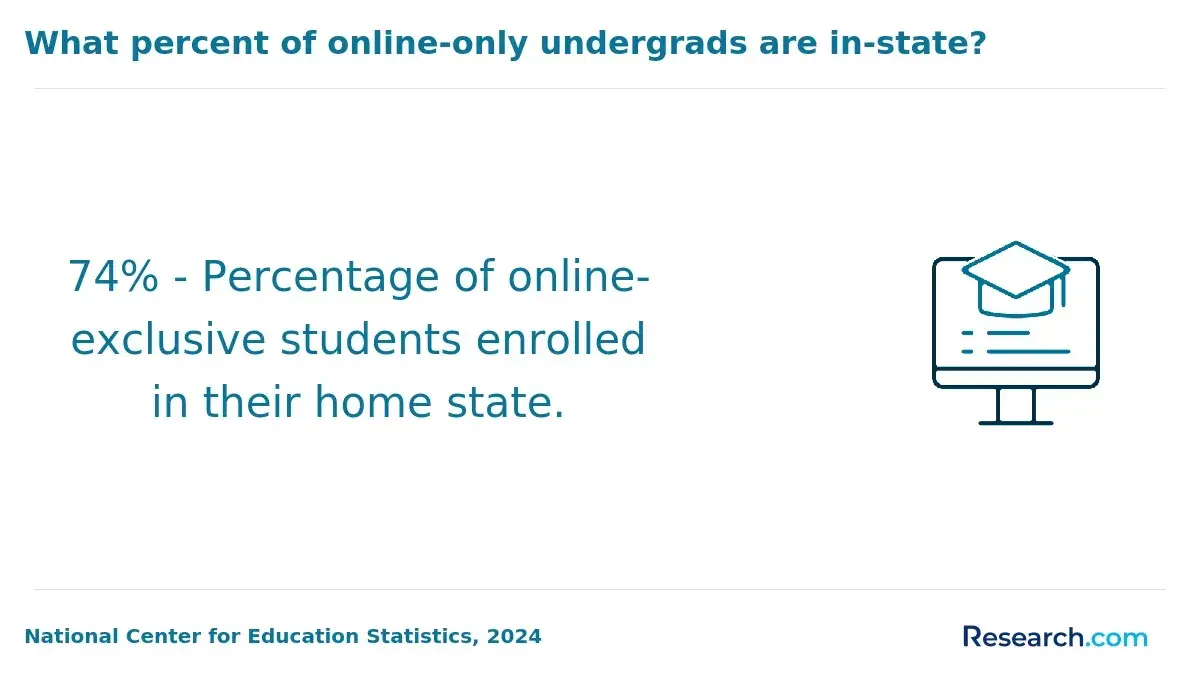
Online FNP costs in New Hampshire depend on the specific program, not on a statewide price. A dependable comparison needs current graduate FNP tuition, the number of credits you must complete, mandatory fees, and expenses tied to clinical training. No verified, comparable tuition-and-fee range for the New Hampshire options is available here, so quoting one would risk misleading you.
This table separates charges that are often conflated. Request figures for your intended entry term from each institution's bursar or graduate nursing office.
| Cost component | What to confirm | Why it affects the decision |
| Program tuition | Rate per credit and credits required for your entry route | A lower rate may not produce a lower program total. |
| Mandatory charges | Online, university, nursing, and graduation fees | These can sit outside an advertised tuition figure. |
| Clinical expenses | Background checks, immunizations, travel, and any placement-related charges | Costs depend partly on approved site locations. |
| Lost work time | Scheduling flexibility during clinical terms | Unpaid hours may matter more than a modest tuition difference. |
New Hampshire undergraduate tuition averages are not a sound proxy for graduate FNP pricing. To compare two offers fairly, calculate each school's required program tuition and mandatory fees first, then add your likely clinical and travel expenses separately. Recheck published rates before enrolling; an old rate or a price for a different nursing track may not apply.
Do New Hampshire residents pay in-state tuition for online FNP programs?
New Hampshire residency does not automatically produce an in-state discount for an online FNP program. A public institution may set graduate rates by residency, while a private institution or a particular online program may use another pricing structure. The policy for the exact FNP track - not the school's undergraduate tuition page - settles what you pay.
Ask a New Hampshire institution for both applicable resident and nonresident graduate FNP rates, even if you expect to qualify as a resident. For an out-of-state program, ask whether online students share one rate or pay a nonresident surcharge. Family nurse practitioner programs with uniform tuition offer another comparison point, but confirm each school's current policy and fees before assuming a lower total.
Are there scholarships or grants for FNP students in New Hampshire?
New Hampshire FNP students may find institutional scholarships and privately funded nursing awards, but eligibility is award-specific and graduate study is not covered by every nursing scholarship. The New Hampshire Charitable Foundation is one place to check for scholarships; a school's financial aid office can identify awards open to its graduate nursing students.
Service-based assistance is a separate consideration. New Hampshire's State Loan Repayment Program may be relevant to qualified clinicians who later serve at eligible sites, but it is not an upfront tuition discount and participation has conditions. Federal Nurse Corps assistance likewise has its own eligibility and service rules. Compare those obligations with where you actually intend to work before treating repayment assistance as part of your financing plan.
How many clinical hours do online FNP programs require for New Hampshire students?
New Hampshire online FNP students must complete the clinical hours required by their program and applicable certification pathway; residence alone does not set one universal school requirement. For example, national FNP certification eligibility generally includes a minimum of 500 faculty-supervised clinical hours, but a program may require more. Ask for the current curriculum's direct patient care hours rather than assuming the certification minimum is your graduation requirement.
Hours also need to fit into actual clinical terms. Ask whether the school specifies patient age groups, primary care settings, on-site visits, or term-by-term hour targets. An accelerated accredited online FNP program may shorten the calendar without reducing approved clinical obligations; that can make it harder to maintain full-time RN shifts.
What types of clinical sites are available to FNP students in New Hampshire?
FNP students in New Hampshire may pursue approved primary care experiences in family practices, community health centers, outpatient clinics, and other settings that match their school's FNP objectives. A site being nearby does not mean it has an available preceptor or meets requirements for patient populations, supervision, and affiliation agreements.
New Hampshire's mix of more densely served areas and smaller communities can affect the commute a particular student faces, but no statewide site count establishes how easy placement will be from your home. A primary care clinic near Nashua, for example, tells a student in northern New Hampshire little about their own travel needs. Ask programs which settings they approve and whether proposed sites can provide the experiences still missing from your clinical plan.
Can New Hampshire students complete FNP clinical rotations near home?
Many New Hampshire students can seek clinical rotations near home, but they should not count on a particular site until the program approves its setting, preceptor, and agreement. Online delivery leaves this hands-on requirement in place, and schools differ in how much help they provide securing it.
Use the following checks before accepting an offer; they make placement support easier to compare than a broad promise of "assistance":
- Ask who identifies potential New Hampshire sites and who contacts preceptors.
- Request the school's approval criteria and affiliation-agreement timeline.
- Ask what happens if your proposed site declines or an approved preceptor withdraws.
- Confirm whether a current workplace can be used and what separation from your paid RN duties is required.
Start these conversations well before the first clinical term. Comparing FNP preceptor support options can help you distinguish school-led placement from guidance that still leaves you responsible for finding a site.
How can New Hampshire students determine if an FNP program aligns with their goals?
A New Hampshire student should choose an FNP program only after checking its intended credential, clinical logistics, total cost, and preparation for the state where they expect to practice. Accreditation, permission to enroll online, national certification eligibility, and state APRN licensure address different questions; none substitutes for the others.
For a decision you can act on, compare programs in this order:
- Match the route to your background: master's degree for an eligible RN or a post-master's certificate if you already hold the appropriate graduate nursing degree.
- Check the nursing program's accreditation and ask which FNP certification exams its graduates are prepared to pursue.
- Confirm New Hampshire enrollment and clinical eligibility, then ask the New Hampshire Board of Nursing about APRN requirements if you intend to practice there.
- Compare written total-cost estimates and clinical-term schedules against your work commitments.
If you already have a nursing master's, family nurse practitioner certificates after a master's may be more relevant than starting another full degree. If you plan to work outside New Hampshire, check that jurisdiction's licensing rules separately.
Is an online FNP program worth the investment for New Hampshire students?
An online FNP program may be worth the investment for a New Hampshire RN who wants a primary care advanced practice role and can finance the degree while completing approved clinical training. It is a weaker fit if the required rotations conflict with work or family obligations, or if the school cannot clearly explain placement and licensure preparation.
New Hampshire licenses APRNs through its Board of Nursing, so the career decision should rest on that credentialing path and real employment options - not the assumption that an online degree alone permits practice. Nurse practitioner wage or employment figures also describe an occupation, not an FNP graduate's likely first offer. Compare local job postings for the settings you want with your expected borrowing, possible reduction in RN work hours, and the time needed to complete clinical terms. That gives you a more useful personal return-on-investment test than a statewide salary figure alone.
Other Things You Should Know About Family Nurse Practitioner
Not necessarily directly. Ask schools whether they offer an RN-to-MSN route or require a BSN before entry to the FNP track; prerequisites and credit recognition vary.
Do not assume it will. FNP practicum assesses advanced practice competencies under program-approved supervision, which differs from employment as an RN.
National certification is part of the New Hampshire APRN licensure pathway. Confirm the Board of Nursing's current requirements and which certification examination your program prepares you to take.
Possibly, but clinical terms may require daytime availability when primary care sites see patients. Ask for a term-by-term schedule before committing to fixed work shifts.
References
- Board of Nurses Education and Training | nh.gov https://www.oplc.nh.gov/board-nurses-education-and-training
- New England Regional Tuition Break | UNH Graduate School https://gradschool.unh.edu/admissions/financial/new-england-regional-tuition
- Tuition & Fees | Online https://cps.unh.edu/online/tuition-aid/tuition-fees
- Online MSN - Family Nurse Practitioner (MSN-FNP) | American International College https://online.aic.edu/programs/online-msn-fnp
- Purdue Global Nursing Students: Tips to Find a Clinical Placement https://www.purdueglobal.edu/blog/nursing/how-to-find-clinical-placement/
- State Authorization | Wilkes University Online https://onlinenursingdegrees.wilkes.edu/state-authorizations
- N.H. Admin. Code § Nur 302.04 | State Regulations | US Law | LII / Legal Information Institute https://www.law.cornell.edu/regulations/new-hampshire/N-H-Admin-Code-SS-Nur-302.04
- Online NP Programs for Out-of-State Students: Confirm This First | NursePractitionerOnline.com https://www.nursepractitioneronline.com/articles/online-np-programs-for-out-of-state-students/