2027 Online Family Nurse Practitioner (FNP) Programs for Utah Residents: Costs and Clinical Training

Co-Founder and Chief Data Scientist
Can you complete an FNP degree while living and working in Utah - and what will it cost once clinical training is included? An online family nurse practitioner program lets registered nurses complete much of their coursework remotely, but supervised patient care still takes place in person.
For Utah nurses comparing local schools with out-of-state alternatives, the deciding details are often tuition policy, placement support, and whether the program fits Utah licensure plans. This guide shows what to confirm with each school so you can judge the total commitment before enrolling.
Key Things to Know About Online FNP Programs in Utah
- A Utah school's FNP track is not necessarily fully online. The University of Utah in Salt Lake City offers a DNP Family Nurse Practitioner specialty; confirm its current campus-visit and clinical-placement requirements before applying.
- Living in Utah does not automatically qualify you for resident tuition. Compare each school's published graduate nursing rate, required fees, and clinical expenses.
- Online coursework does not replace supervised clinical care. FNP certification pathways generally require at least 500 faculty-supervised clinical hours, and the school must approve the student's sites and preceptors.
What online FNP programs are available in Utah?
Utah-based FNP options include the University of Utah's Doctor of Nursing Practice (DNP) Family Nurse Practitioner specialty, but applicants should verify how much of the current track they can complete remotely. The university is in Salt Lake City. A distance-accessible course schedule should not be mistaken for a promise that every course, skills activity, or clinical rotation can be completed from home.
"Online FNP" can describe an MSN, a DNP, or a post-master's certificate with online coursework. The credential and the number of required campus visits matter more than the label. The table identifies a Utah-based option to investigate; it is not a complete inventory of every nursing track offered in the state.
| Utah institution | FNP option | What a prospective online student should confirm |
| University of Utah, Salt Lake City | DNP Family Nurse Practitioner specialty | Current distance-learning format, required in-person activities, Utah clinical placement process, and the full graduate nursing cost schedule |
Check the school's current program page and catalog for the specific entry term. A university's general online offerings do not establish that its FNP specialty is fully online or open under the same terms to every applicant.
Can Utah residents enroll in online FNP programs based in other states?
Yes, a Utah resident may be able to enroll in an out-of-state online FNP program, but eligibility must be confirmed for the particular program and clinical location. Georgetown University in Washington, D.C., and Simmons University in Boston, Massachusetts, offer online FNP pathways worth investigating as alternatives to a Utah-based institution. Their locations do not, by themselves, establish that they are accepting a Utah applicant for a given start date.
Ask each school to confirm three separate points in writing: whether it enrolls students living in Utah, whether it permits clinical placements at the Utah sites you might use, and whether its curriculum is designed to meet requirements in the state where you intend to seek advanced practice licensure. State authorization, program accreditation, national certification eligibility, and professional licensure answer different questions. The licensure issues with family nurse practitioner programs explained guide provides additional context for that last check.
If you expect to move during the degree, tell the program before applying. A change in residence or clinical state can change whether you may continue coursework or begin a rotation.
How much do online FNP programs cost in Utah?
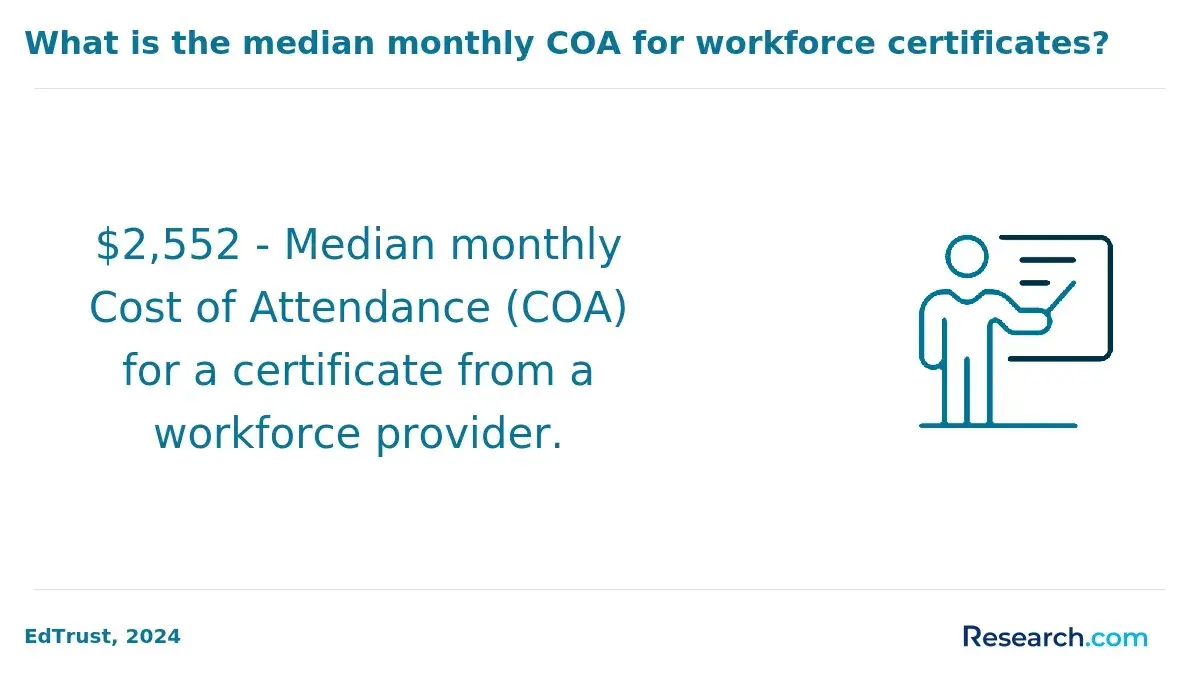
The cost of an online FNP program in Utah depends on the school, credential, tuition schedule, and clinical arrangements; there is no single statewide FNP price. A published per-credit rate is not a total-program quote. Current, comparable tuition-and-fee totals for the Utah-based and out-of-state options discussed here cannot be established from one common rate schedule, so a dollar range would risk misleading readers.
Use the same cost categories when requesting estimates from schools. This comparison separates amounts billed by a university from expenses a student may incur to complete training.
| Cost category | What to request or budget for |
| Tuition | Rate for the specific FNP credential and entry term, multiplied by required credits |
| University charges | Mandatory graduate, online, technology, course, and campus-visit fees, where applicable |
| Clinical preparation | Background checks, immunizations, health records, required equipment, and compliance services |
| Training logistics | Travel or lodging for campus activities and approved clinical sites, plus possible reductions in paid work hours |
Ask for a written, term-by-term estimate rather than comparing one school's tuition-only figure with another school's cost-of-attendance estimate. The guide to understanding tuition comparisons for online FNP programs can help you check which charges a quoted price includes. Recheck the rate before accepting an offer; published tuition can change between application and enrollment.
Do Utah residents pay in-state tuition for online FNP programs?
Utah residents do not automatically receive an in-state price for every online FNP program. A Utah public university may use a resident graduate rate when a student meets its residency rules, but a particular online nursing track may have its own tuition schedule. An out-of-state school may instead charge a uniform online rate or apply a different residency policy.
At the University of Utah, confirm both your tuition residency classification and the rate assigned to the DNP FNP specialty. Those are separate questions: qualifying as a Utah resident does not prove that every charge on a program estimate will fall. For an out-of-state alternative, ask whether moving to or remaining in Utah changes tuition at all.
Compare the total required credits and fees after establishing the applicable rate. A lower per-credit resident price can still produce a higher bill if the credential requires more credits or additional in-person activities.
Are there scholarships or grants for FNP students in Utah?
Utah FNP students may find school-based aid and service-linked funding, but eligibility depends on the award, program, and intended practice setting. Graduate nursing scholarships are not necessarily available to every online or part-time student. Likewise, a loan repayment program tied to a qualifying job is not an upfront tuition grant.
Check these funding sources in an order that makes the conditions easier to compare:
- Ask the university's nursing school and graduate financial aid office about FNP-specific awards, enrollment requirements, and application deadlines.
- Review Utah health workforce or rural-service opportunities through the administering state agency, checking eligible professions and approved practice sites before counting on an award.
- Consider federal nursing workforce programs, such as HRSA Nurse Corps, if you can meet their separate school, employment, and service requirements.
Complete the financial aid application your school requires, then ask whether outside awards affect your other aid. Do not subtract a competitive scholarship or future loan repayment benefit from your expected cost until you receive an award and understand its obligations.
How many clinical hours do online FNP programs require for Utah students?
Utah students should expect at least 500 faculty-supervised clinical hours for an FNP pathway designed around common national certification eligibility requirements, though a particular program may require more. These are in-person, supervised learning hours - not time spent watching online lectures. Confirm the current hour total with the school and the certification body relevant to its graduates.
Ask how the program distributes hours across terms and patient populations. Family practice preparation must address care across the lifespan, so a student cannot assume that all hours can be completed in a single familiar setting. The school also decides which preceptors, activities, and documentation count toward its requirements.
Hours affect the calendar as well as tuition: clinical shifts may compete with an RN's work schedule, and a delayed placement can delay graduation. Treat unusually short completion claims cautiously; the guide to 12-month FNP program options is useful for examining what an accelerated timeline actually requires.
What types of clinical sites are available to FNP students in Utah?
Potential Utah FNP clinical settings include primary care practices, community health centers, pediatric practices, women's health clinics, and other approved outpatient settings. A facility's presence in Utah does not mean it has an opening for a student or that it meets a program's requirements.
Site choice should follow the experiences the curriculum requires. A student near the Wasatch Front may be able to investigate several practice types within commuting distance, while a student elsewhere in Utah may need to discuss a broader travel area with the school. Neither situation establishes that a placement is guaranteed. Ask whether the program already has approved Utah sites or agreements, and whether a proposed site can provide the appropriate patient encounters and qualified preceptor.
Do not assume your RN workplace qualifies automatically. The proposed rotation must be approved as graduate-level FNP training, with supervision and responsibilities that meet the program's rules.
Can Utah students complete FNP clinical rotations near home?
Many Utah students may be able to pursue rotations near home, but proximity depends on an approved site, an available qualified preceptor, and the program's placement policy. "Complete clinicals locally" should be treated as a possibility to verify, not a guarantee attached to an online degree.
Before enrolling, ask the clinical placement team these questions and request answers specific to your Utah location:
- Does the school find and confirm preceptors, provide leads, or expect students to secure their own placements?
- How far in advance must a proposed Utah site and preceptor be submitted for approval?
- Are required specialties or patient populations likely to require travel beyond your preferred commuting area?
- What happens to your course sequence and charges if a planned placement falls through?
Begin conversations with potential sites early, but do not start a rotation or assume its hours will count before the school approves it. This distinction is especially important if you plan to rely on a current employer or a contact who has offered to precept informally.
How can Utah students determine if an FNP program aligns with their goals?
The right FNP program for a Utah student is one that fits the intended credential, budget, clinical location, and state where the graduate plans to practice. An MSN and a DNP can lead toward FNP preparation through different lengths and curricula; the shorter or cheaper-looking option is not necessarily the better fit for a particular nurse.
Use this sequence to narrow the choice before paying an application deposit:
- Identify where you intend to seek advanced practice licensure, then ask the school how its FNP track addresses that state's educational requirements and national certification eligibility.
- Confirm programmatic nursing accreditation, the exact credential awarded, admission requirements, and whether any campus visits are mandatory.
- Get a written cost estimate for your tuition classification and a clinical placement explanation for your area of Utah.
- Compare the expected course and clinical schedule with your work hours, caregiving responsibilities, and realistic travel options.
For Utah practice, consult the Utah Division of Professional Licensing about current advanced practice registered nurse requirements; do not assume graduation alone grants a license. If admission credentials are the obstacle, FNP admission options with a lower GPA explained can help frame questions for an admissions adviser without treating any school's decision as assured.
Is an online FNP program worth the investment for Utah students?
An online FNP program can be worth the investment for a Utah nurse who wants to provide family-focused primary care and can accommodate its full cost and supervised clinical schedule. It is a weaker fit if the likely practice role is outside the FNP population focus, local clinical arrangements remain unresolved, or the budget works only if a scholarship or immediate job offer materializes.
Utah career prospects should be evaluated for the nurse practitioner occupation, not treated as a promised outcome of a particular FNP degree. State occupational wage or employment figures, when consulted, cover broader groups than graduates of one track and do not predict an individual offer. Compare opportunities in the part of Utah where you would actually seek work, alongside employer requirements and the cost of reducing RN hours during training.
Nurses who already hold a graduate nursing degree may also want to compare a full degree with family nurse practitioner certificates after a master's. Ask how either route handles clinical hours, certification eligibility, and the licensure state you intend to use before judging it by advertised completion time alone.
Other Things You Should Know About Family Nurse Practitioner
Not necessarily. FNP admission routes vary, and many graduate tracks require a BSN. An RN with an associate degree should ask about an approved bridge pathway rather than assuming RN licensure alone meets entry requirements.
FNP graduates commonly pursue certification through the American Nurses Credentialing Center or the American Academy of Nurse Practitioners Certification Board. Confirm that your program prepares you for the exam you intend to take and that the credential meets current Utah licensing requirements.
FNP education focuses on family and primary care across the lifespan. A nurse whose goal is a hospital-based acute care role should compare the appropriate acute care nurse practitioner population focus and prospective employers' credential requirements before choosing FNP.
Generally, RN work experience does not replace supervised, faculty-approved advanced practice clinical training. Ask the school whether any prior graduate-level work qualifies under its published policies; do not count ordinary RN shifts toward FNP hours.
References
- Apply for an APRN or CRNA License | utah.gov https://commerce.utah.gov/dopl/nursing/apply-for-a-license/advanced-practice-registered-nurse-or-certified-registered-nurse-anesthetist/
- Cost of Attendance (Budget) | 2025-2026 Federal Student Aid Handbook https://fsapartners.ed.gov/knowledge-center/fsa-handbook/2025-2026/vol3/ch2-cost-attendance-budget
- Family Nurse Practitioner Program (MSN) | westminsteru.edu https://westminsteru.edu/academics/programs/master-of-science-in-nursing-family-nurse-practitioner/index.html
- Clinical Placements: Choosing Our Students First | University of Utah Health https://uofuhealth.utah.edu/notes/2024/10/clinical-placements-choosing-our-students-first
- Cost of Attendance - Financial Aid and Scholarships | The University of Utah https://financialaid.utah.edu/tuition-and-fees/cost-of-attendance.php
- Master of Science in Nursing - Family Nurse Practitioner online | SUU https://online.suu.edu/degrees/nursing/msn/fnp/
- Tuition & Financial Aid | University of Utah Health https://medicine.utah.edu/physician-assistant-education-sciences/program/prospective-students/admissions/tuition