2027 Online Family Nurse Practitioner (FNP) Programs for Illinois Residents: Costs and Clinical Training

Co-Founder and Chief Data Scientist
Can you complete an online family nurse practitioner program while living and working in Illinois - and afford the clinical training it requires? Online coursework can reduce campus trips, but an FNP program still requires supervised, in-person patient care. For Illinois registered nurses comparing graduate options, the important questions are which schools offer an online pathway, what the full program will cost, and whether clinical placements can work near home.
This guide separates Illinois-based programs from out-of-state alternatives and shows you what to confirm before enrolling.
Key Things to Know About Online FNP Programs in Illinois
- Illinois-based options include online FNP pathways at Bradley University in Peoria, Lewis University in Romeoville, and the University of St. Francis in Joliet; confirm each program's current format and clinical-placement policy before applying.
- Illinois residence does not automatically produce an in-state online tuition rate. Compare the school's graduate nursing rate, required credits, fees, and clinical-related expenses - not a university-wide tuition average.
- Online FNP coursework does not replace in-person clinical training. National FNP certification pathways generally require at least 500 supervised clinical hours, while a school may require more; the program must approve Illinois sites and preceptors.
What online FNP programs are available in Illinois?
Illinois-based universities offer online FNP pathways, but "online" describes the coursework, not the entire degree. A family nurse practitioner is an advanced practice registered nurse who provides primary care across the lifespan; preparing for that role also involves supervised clinical care and, in some programs, scheduled campus activities. The schools below are located in Illinois, which distinguishes them from online schools that merely enroll Illinois residents.
This comparison identifies Illinois institutions with online FNP pathways. It is not an exhaustive list or a substitute for checking the current catalog, degree level, and required visits for your intended start term.
| Illinois institution | Institution location | FNP pathway to investigate | Detail to confirm |
| Bradley University | Peoria, Illinois | Online MSN-FNP | Current clinical-hour total and placement assistance |
| Lewis University | Romeoville, Illinois | Online MSN-FNP | Required in-person activities and practicum sequence |
| University of St. Francis | Joliet, Illinois | Online MSN-FNP | Clinical-site approval and tuition for the entering cohort |
An MSN is a master's degree; nurses who already hold a graduate nursing degree may instead need a post-master's FNP certificate. Degree and certificate routes can differ substantially in length, so compare each school's actual curriculum rather than assuming that online delivery makes completion faster. See family nurse practitioner program completion times explained when weighing a full-time schedule against continued RN employment.
Can Illinois residents enroll in online FNP programs based in other states?
Yes, an Illinois resident may be able to enroll in an out-of-state online FNP program, but the school must permit enrollment and clinical activities in Illinois. These are alternatives to Illinois-based programs, not additional schools located in Illinois. Examples to investigate include the University of Cincinnati in Cincinnati, Ohio, and Georgetown University in Washington, D.C.; neither institution's location alone establishes that a particular Illinois applicant or placement is eligible.
Ask each out-of-state program to confirm in writing that it accepts students living in Illinois, can approve their proposed Illinois clinical sites, and has determined how its curriculum relates to Illinois advanced practice licensure requirements. State authorization to deliver online education, permission to conduct clinical training, nursing-program accreditation, national certification eligibility, and Illinois licensure are separate questions. The same distinction matters if you study at an Illinois school but plan to practice elsewhere. For more on the risk of overlooking the last step, see understanding FNP master's programs and licensure eligibility.
How much do online FNP programs cost in Illinois?
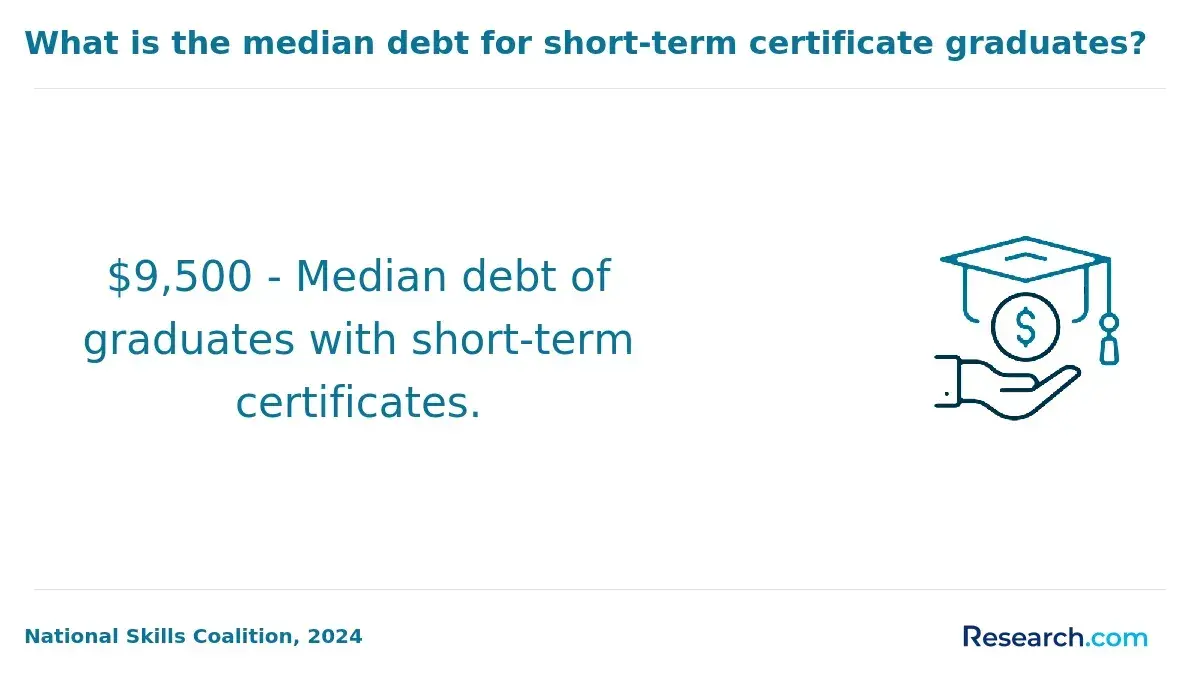
The cost of an Illinois-based online FNP program depends on its current graduate nursing tuition rate, required credits, mandatory fees, and clinical expenses. A single statewide average college tuition figure would not tell an applicant what a graduate FNP pathway costs: it can include other degree levels and programs with different pricing. Likewise, a published per-credit rate is not a full-program price.
For each Illinois school, request a written estimate covering every remaining term. The following items explain why two apparently similar tuition quotes can lead to different budgets:
- Tuition: The rate that applies to the specific MSN or certificate pathway, multiplied by its required credits.
- School charges: Mandatory online, technology, laboratory, or other program fees, plus any required campus-visit costs.
- Clinical expenses: Compliance checks, immunizations, travel, parking, and possible changes to paid work hours during rotations.
- Later costs: Graduation, national certification examination, and Illinois licensing expenses that may fall outside the school's tuition quote.
Published rates and credit requirements can change by entry term. Compare estimates dated for the same intended start term, and ask whether a quoted figure is tuition only, tuition plus mandatory fees, or an estimated total cost of attendance. Do not treat an undated price or a general university graduate rate as a current FNP price.
Do Illinois residents pay in-state tuition for online FNP programs?
Illinois residents do not automatically receive an in-state rate for an online FNP program. An Illinois public university may distinguish residents from nonresidents, while a private Illinois university may use the same published online rate for both; an out-of-state university sets its own online and residency policies. The applicable policy is the one for the specific graduate nursing program, not simply the state where you live.
When comparing offers, ask the billing office whether online FNP tuition varies by residency, whether a separate program rate overrides the standard graduate rate, and which fees apply to remote students. If a public institution requests proof of Illinois residency, confirm its formal classification rules rather than assuming that an Illinois mailing address settles the question. For an out-of-state program, compare the rate quoted to an Illinois resident with Illinois-school quotes on the same tuition-and-fee basis.
Are there scholarships or grants for FNP students in Illinois?
Illinois FNP students can look for nursing scholarships and service-based funding, but eligibility depends on the award - not merely on Illinois residence. The Illinois Department of Public Health's Nursing Education Scholarship Program is a state-specific option to investigate for eligible nursing students; applicants should verify current graduate-level eligibility, application dates, award terms, and any Illinois service obligation before relying on it. School graduate-nursing awards, employer tuition assistance, and federal nursing service programs may offer other routes.
Start with the financial aid office at each prospective school, then review state-program requirements and any employer benefit in writing. Compare the amount you might receive with service commitments, employment restrictions, and the timing of payment. Graduate students should not assume that aid commonly advertised for Illinois undergraduates applies to an FNP master's degree. For a broader borrowing and aid checklist, see funding a family nurse practitioner's master's explained.
How many clinical hours do online FNP programs require for Illinois students?
Illinois students must complete the clinical hours required by their chosen FNP program; online classes do not eliminate that requirement. National FNP certification pathways generally call for at least 500 supervised clinical hours, but an individual MSN, DNP, or certificate curriculum may set a higher total and specify how hours must be distributed. Do not mistake a certification minimum for a promise that every Illinois program requires exactly that amount.
Request the current curriculum's hour total, the number of clinical terms, and any required experiences with different age groups. Hours are usually completed in scheduled, approved patient-care encounters - not automatically credited from prior RN employment. A school's calendar can matter as much as its hour total: concentrated rotations may require reduced work hours even when lectures are asynchronous.
Already have an MSN? A post-master's route may avoid repeating parts of a graduate curriculum, but the school must evaluate previous coursework and clinical preparation. Post-master's FNP completion timelines explained can help frame the questions to ask; only the admitting program can confirm the hours and courses you would still owe.
What types of clinical sites are available to FNP students in Illinois?
Illinois FNP students may train in approved primary care settings such as family medicine practices, community health centers, outpatient clinics, and other sites that provide appropriate care across the lifespan. A site's location in Illinois does not by itself make it suitable: the school must approve its patient experiences and qualified preceptor, and the site must agree to the placement.
A nurse near Chicago may be able to explore a different pool of prospective outpatient practices than a nurse in a less densely served part of the state, but neither location guarantees an opening. Ask how the program meets pediatric, adult, and older-adult experience requirements and whether those experiences can be completed at one site. Hospital RN employment is useful background, yet an inpatient unit will not necessarily meet an FNP program's primary care objectives.
Can Illinois students complete FNP clinical rotations near home?
Illinois students can often propose clinical rotations near home, but approval and availability determine whether that plan works. An online school may help identify sites, require students to find potential preceptors, or share those responsibilities. "Clinical placement support" should never be interpreted as a guaranteed nearby assignment without a clear written policy.
Before accepting an offer, use this sequence to test whether the program fits your part of Illinois:
- Ask who finds the preceptor, who contacts the site, and who completes affiliation agreements.
- Give the program your intended clinical area and ask which site and preceptor criteria apply there.
- Ask when placements must be approved and what happens if a preferred site declines.
- Confirm whether a proposed workplace rotation is allowed and whether travel or campus attendance will be necessary.
Start early enough to allow for site review and paperwork. Finding a willing clinician is not the same as securing an approved rotation, and beginning hours before school approval may leave those hours uncounted.
How can Illinois students determine if an FNP program aligns with their goals?
An Illinois student should choose an FNP program by checking its fit with the intended credential, practice state, budget, and clinical schedule - not by online convenience alone. If your goal is to practice in Illinois, confirm that the program prepares graduates for an appropriate national FNP certification pathway and review current Illinois Department of Financial and Professional Regulation requirements for advanced practice registered nurse licensure. Graduation, certification, and state licensure are distinct steps.
Use the same questions with every admissions team so the answers are comparable:
- Which nursing-program accreditation applies to this specific pathway, and what degree or certificate will I receive?
- What are the admission requirements, required credits, clinical hours, campus visits, and realistic part-time options?
- What written determination has the school made about preparation for Illinois licensure and certification?
- What is my entry-term tuition-and-fee estimate, and what clinical placement responsibilities will I have?
If your academic record is a concern, ask about the school's actual GPA policy and whether recent coursework or experience receives consideration; policies differ by institution. The guide to GPA considerations for FNP admission can help you prepare that conversation. For plans to move after graduation, also check the licensing authority in your intended practice state rather than assuming Illinois eligibility transfers automatically.
Is an online FNP program worth the investment for Illinois students?
An online FNP program may be worth the investment for an Illinois RN who wants primary care advanced practice and can fund the degree without relying on an unverified salary increase or a hoped-for nearby clinical placement. It may be a poorer fit if required rotations would make continued employment impractical, the total cost would require uncomfortable borrowing, or the program cannot clearly address licensure and placement needs.
Illinois nurse practitioner employment and wage data can provide occupational context, but statewide figures describe nurse practitioners as an occupation - not FNP graduates of a particular school. They do not predict an individual offer, specialty, or local opening. Build a personal comparison instead: put each school's written total-cost estimate alongside expected time away from paid work, likely travel, and your preferred practice setting. Then compare those costs with actual job postings in the Illinois area where you intend to work. That is a sounder test than treating an occupational salary figure as a guaranteed return.
Other Things You Should Know About Family Nurse Practitioner
Admissions rules vary, but FNP programs commonly require an active RN license. Ask whether the school requires an Illinois license at application, enrollment, or the start of Illinois clinical rotations.
Some graduate nursing pathways consider applicants through RN-to-MSN or other bridge arrangements, but not every FNP program does. Check the specific admission route and any additional undergraduate coursework it requires.
An MSN-FNP is one route; a qualifying DNP or post-master's certificate may be another, depending on your prior education. Verify the program's certification preparation and current Illinois licensing requirements for your route.
Illinois has a full practice authority pathway for advanced practice registered nurses who meet its statutory conditions. Finishing an FNP degree alone does not grant that authority; check current requirements with the Illinois Department of Financial and Professional Regulation.
References
- Cost of Attendance (Budget) | 2025-2026 Federal Student Aid Handbook https://fsapartners.ed.gov/knowledge-center/fsa-handbook/2025-2026/vol3/ch2-cost-attendance-budget
- Nurses | illinois.gov https://idfpr.illinois.gov/dpr/lr/lrapneng.html
- Addressing Barriers to APRN Practice: Policy and Regulatory Implications During COVID-19 - PMC https://pmc.ncbi.nlm.nih.gov/articles/PMC10074063/
- Clinical Planning | University of Cincinnati https://www.nursing.uc.edu/admissions-financial-aid/admitted-students/graduate/clinical-planning.html
- Nursing (MSN) - Family Nurse Practitioner Masters | Illinois State University https://illinoisstate.edu/academics/family-nurse-practitioner-masters/
- State Authorization | methodistcol.edu https://www.methodistcol.edu/academics/state-authorization
- Ill. Admin. Code tit. 68, § 1400.220 - Clinical Rotations | LII / Legal Information Institute https://www.law.cornell.edu/regulations/illinois/Ill-Admin-Code-tit-68-SS-1400.220
- Cost of Attendance | University of Illinois Springfield https://www.uis.edu/financial-aid/cost-attendance
- Becoming a Family Nurse Practitioner: The Complete Guide | cn.edu https://onlinenursing.cn.edu/resources/becoming-a-family-nurse-practitioner-guide